Durable Chemical Storage Tanks for Industrial Use | QW Metal
Chemical Storage Tank: A Long-Term Industrial Essential
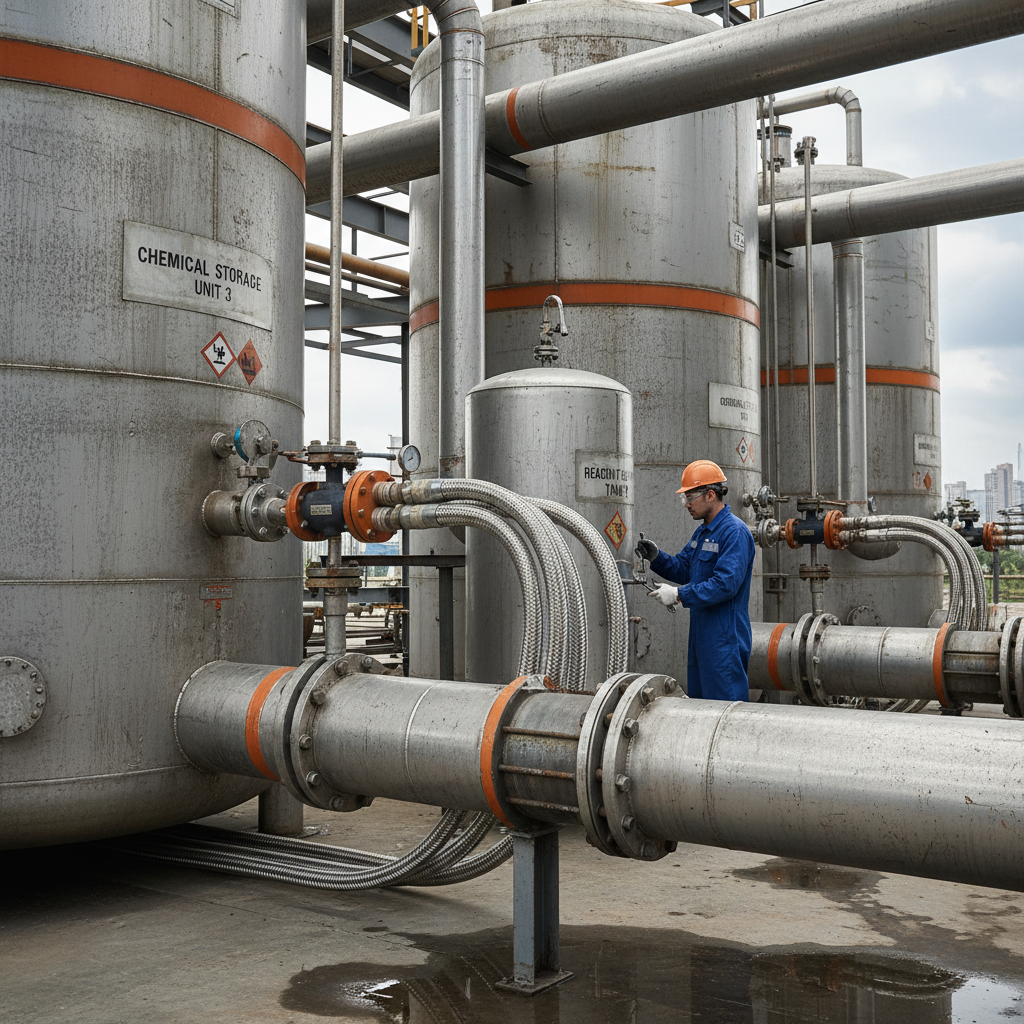
Having worked hands-on with industrial equipment for over a decade, I find that chemical storage tanks are one of those unsung heroes in manufacturing and processing plants. They quietly do their job, containing aggressive substances with precision, but frankly, they’re also a sort of safety net – you don’t realize how vital they are until something goes wrong.
Now, if you’re in this business or even just curious, you probably know there’s more to a chemical storage tank than meets the eye. It’s not just a big metal vat. Material choice, design, and compliance with regulations all make huge differences. Oddly enough, the tanks look deceptively simple, but their engineering dances on a fine line between durability and chemistry.
Let me walk you through what I’ve learned about these tanks, especially when you look at ones built by a trusted partner like QW Metal. In brief, these tanks have to resist corrosion, handle temperature fluctuations, and support long storage times without contamination.
Design and Material Considerations
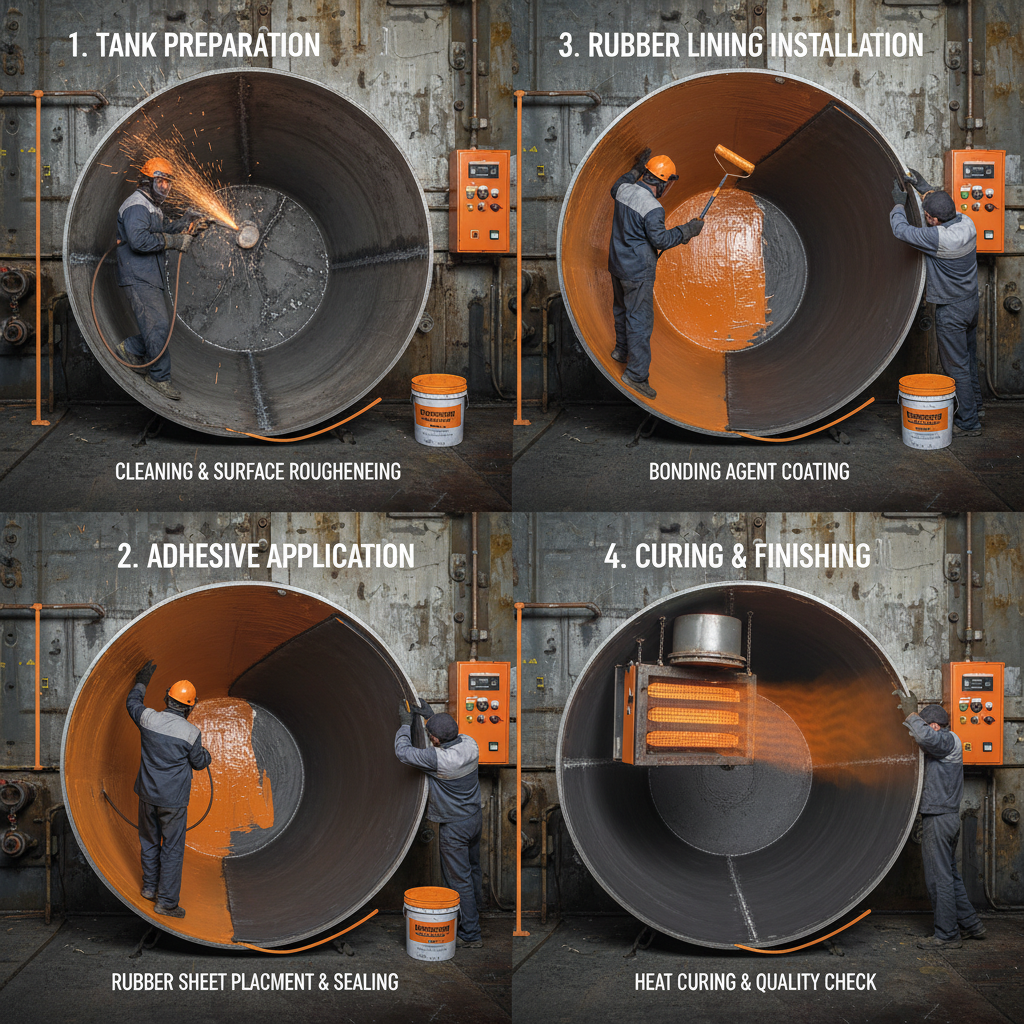
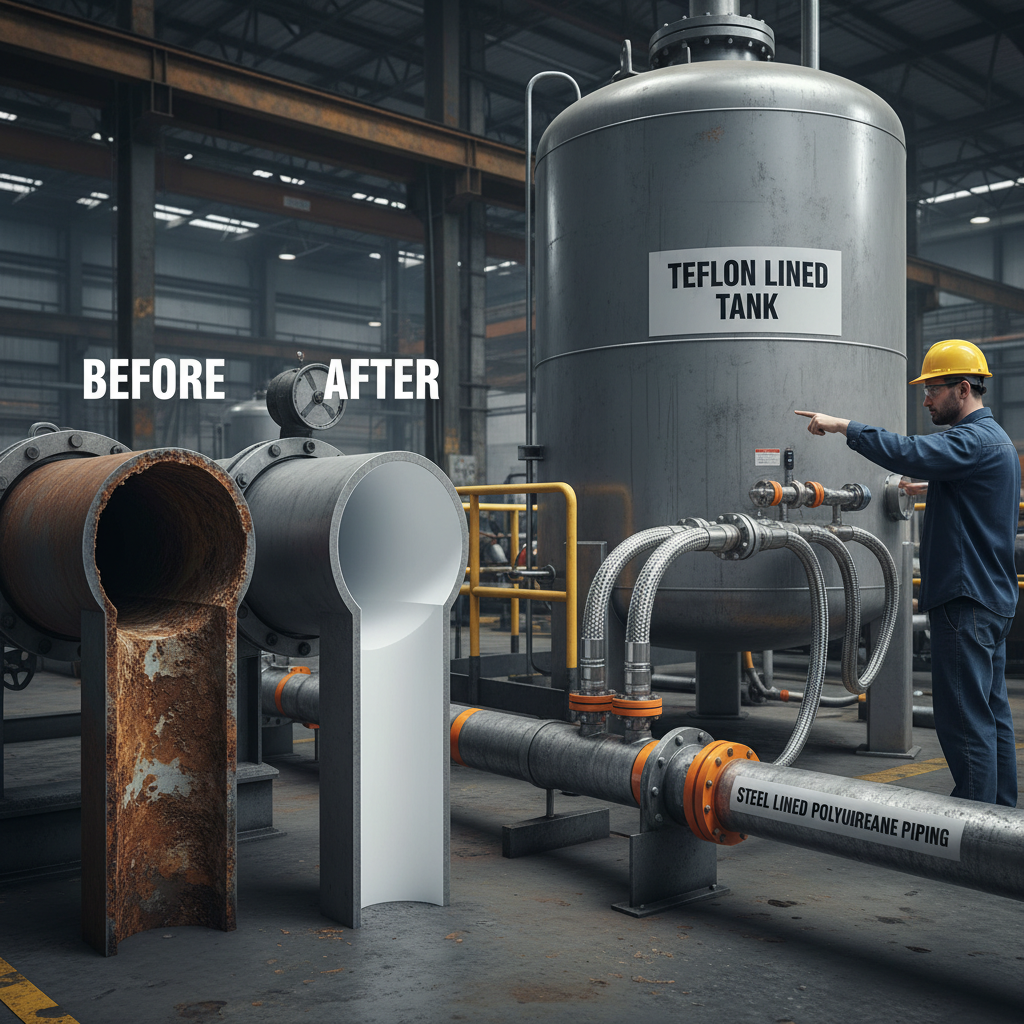
From my experience, carbon steel tanks lined with specialized coatings often do the trick, but stainless steel or fiberglass are also common depending on the chemical in question. For example, storing strong acids requires corrosion-resistant materials that don't degrade. I remember a facility where improperly selected tanks led to expensive maintenance—and those stories stick with you.
Dimensions and wall thickness aren’t just specs on paper. They reflect calculations considering hydrostatic pressure and ambient conditions. As tanks grow larger, say above 20,000 liters, you really notice how the engineering shifts focus to safety and stability. It feels like a small world of science and craft surviving in a giant industrial lab.
Testing & Certifications
Before a chemical storage tank hits a plant floor, it typically undergoes tests such as hydrostatic pressure, leak detection, and even ultrasonic thickness measurements. You’ll hear a lot about API (American Petroleum Institute) standards or ISO certifications in this realm. These aren’t just jargon but real assurances that what you get won’t fail under stress.
Many engineers I worked alongside emphasize regular inspection and preventive maintenance, which cannot be overstated. It’s like the difference between a reactive patch-fix and a proactive, long-term plant reliability strategy.
Customization and Usage Scenarios
While many tanks come in standard sizes, it’s customization that often saves the day. From integrating agitators for chemical mixing to adding special vents or insulation for temperature-sensitive liquids, customization turns a mere container into a process enabler. You could say that no two industrial sites are quite the same, so tanks must adapt accordingly.
For instance, I recall a client in the agricultural chemicals sector who needed a tank to withstand both corrosive pesticides and UV exposure from harsh sunlight. The solution combined special coatings and a UV-resistant cover—a nice example of tailored engineering that actually pays off in the field.
Product Specifications at a Glance
| Specification | Value |
|---|---|
| Material | Carbon Steel / Stainless Steel / Fiberglass |
| Capacity Range | 500L – 50,000L |
| Operating Temperature | -20°C to 120°C |
| Pressure Rating | Up to 1.5 bar (customizable) |
| Coating Options | Epoxy, Polyurethane, Rubber lining |
Vendor Comparison: Making the Right Choice Matters
| Feature | QW Metal | Competitor A | Competitor B |
|---|---|---|---|
| Customization Options | Extensive | Limited | Moderate |
| Certification Compliance | ISO, API | ISO only | None listed |
| Lead Time (Standard Models) | 4-6 weeks | 6-8 weeks | 8-10 weeks |
| Price Range | Competitive | Higher | Lower but less features |
To wrap this up, it’s clear that investing in a quality chemical storage tank pays off in safety and reliability. It’s not just a container; it’s a carefully engineered solution critical to smooth industrial operations. And frankly, after years in this sector, I’ve seen that getting the right tank from a reputable manufacturer is one of those decisions that quietly saves headaches and expense down the line.
So next time you walk past one of these tanks in a plant, give it a nod. It’s holding back a world of chemicals—and a world of potential problems—like a pro.
References:
1. API Standard 650 - Welded Tanks for Oil Storage
2. QW Metal – Official Product Specifications & Certifications
3. Industrial Storage Tank Best Practices, Journal of Chemical Engineering (2019)
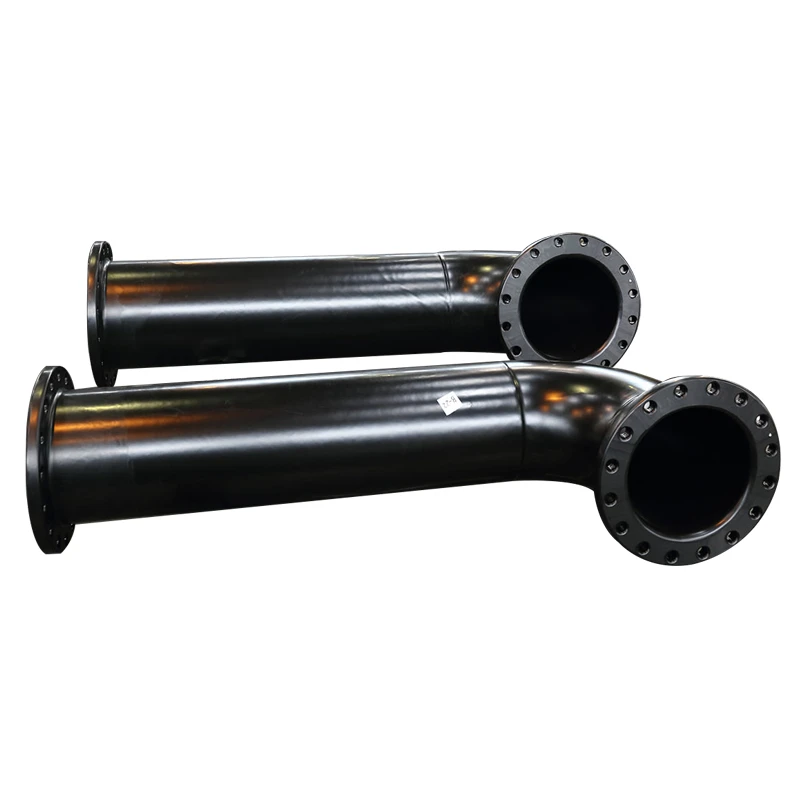
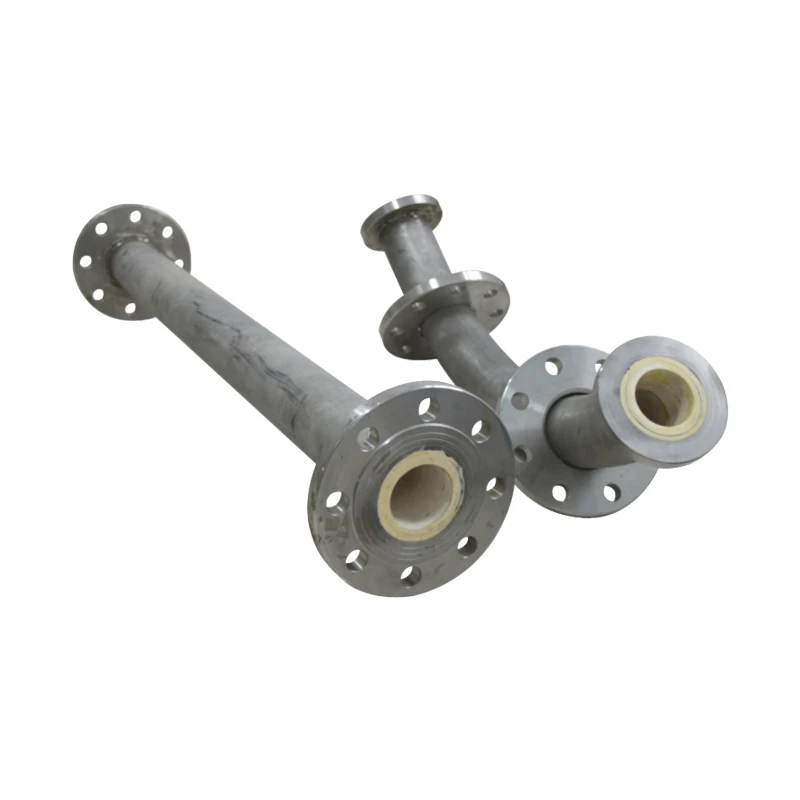
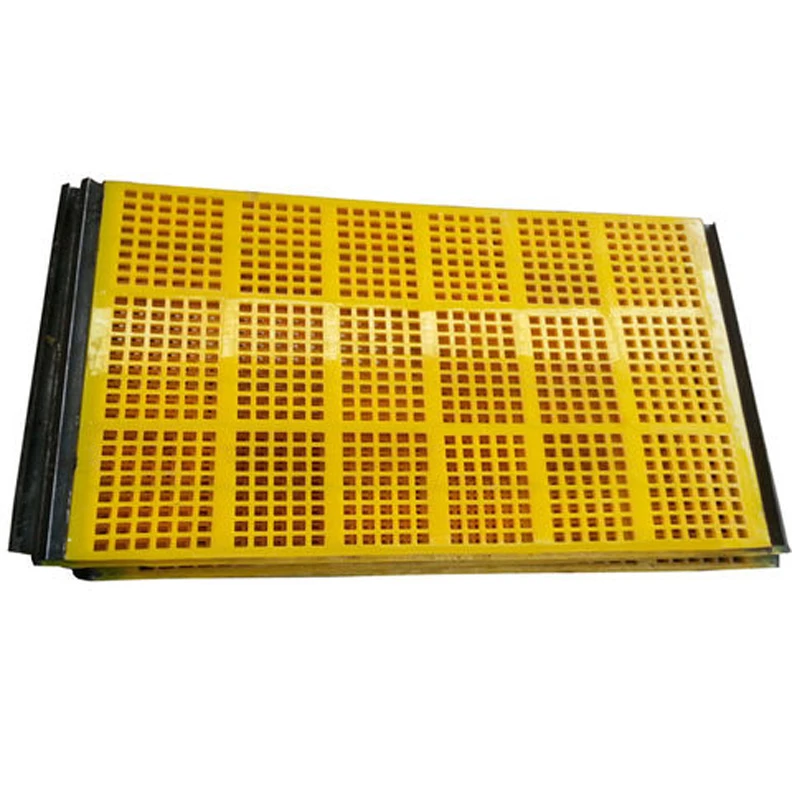
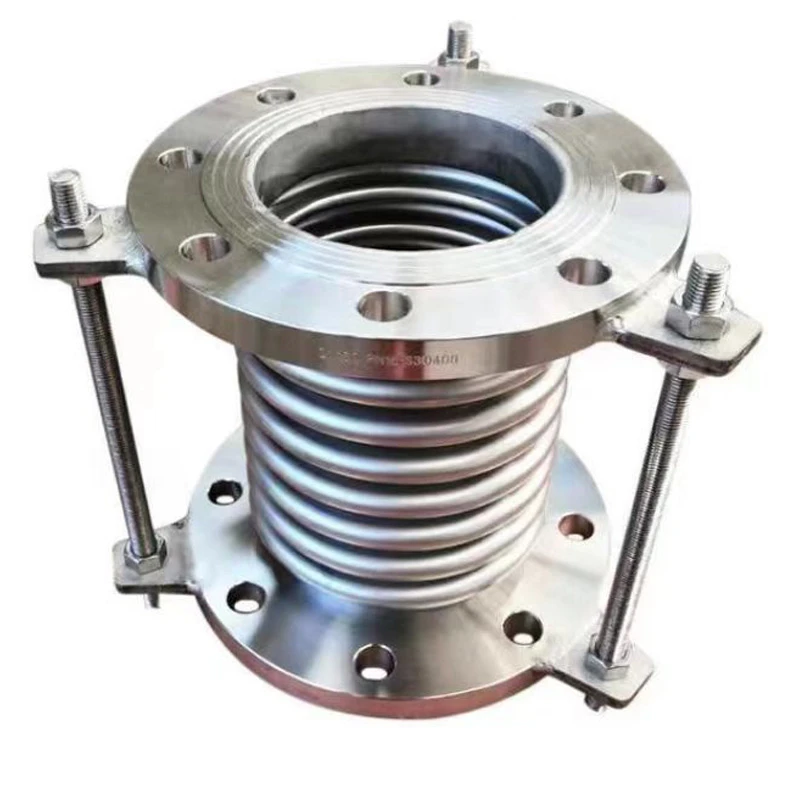
Related Products
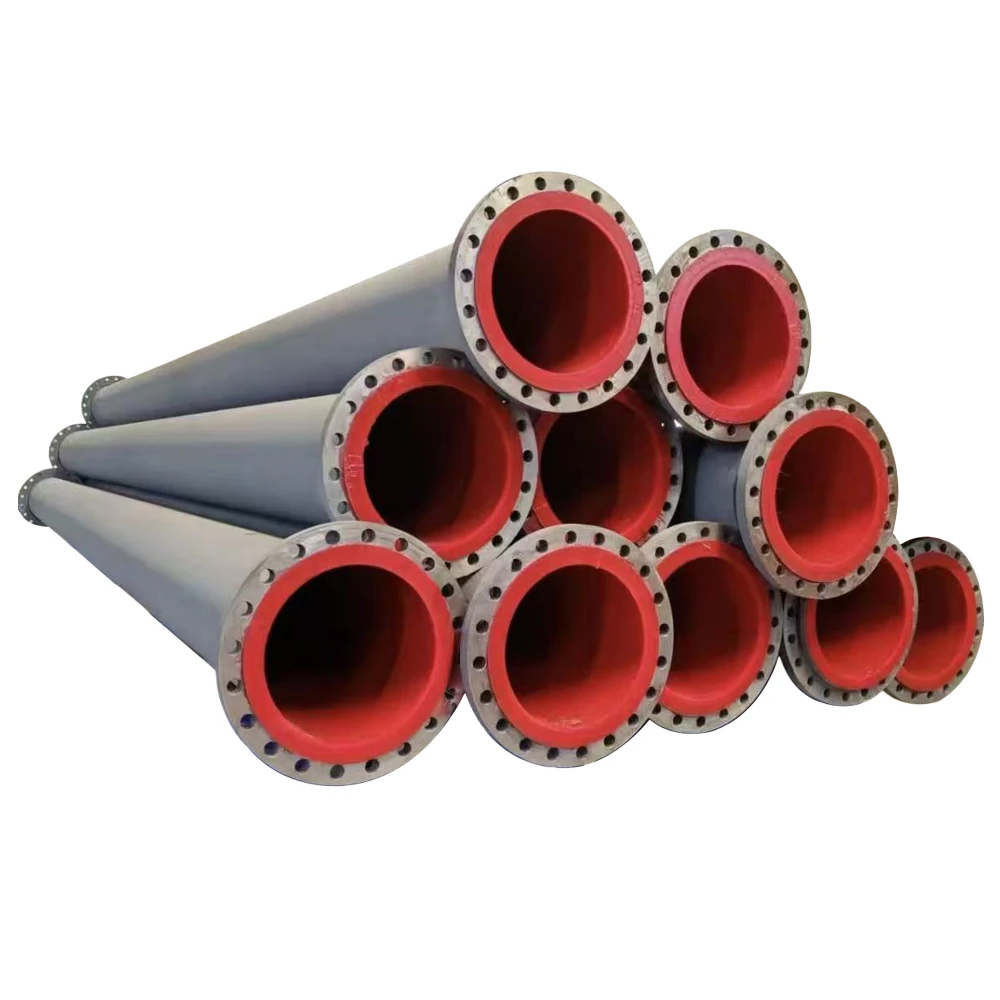
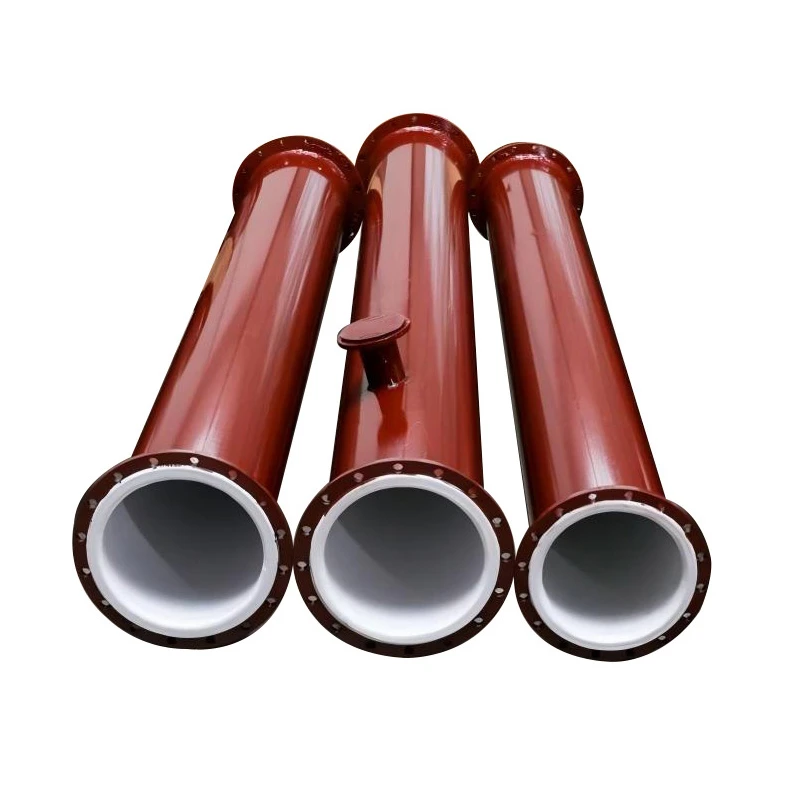
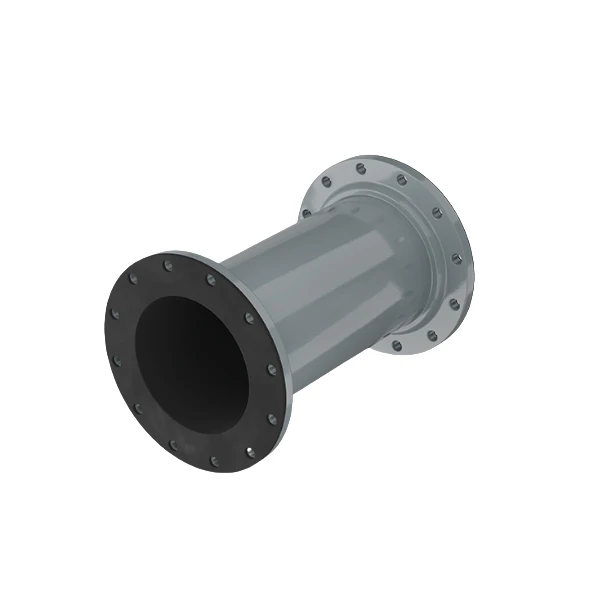
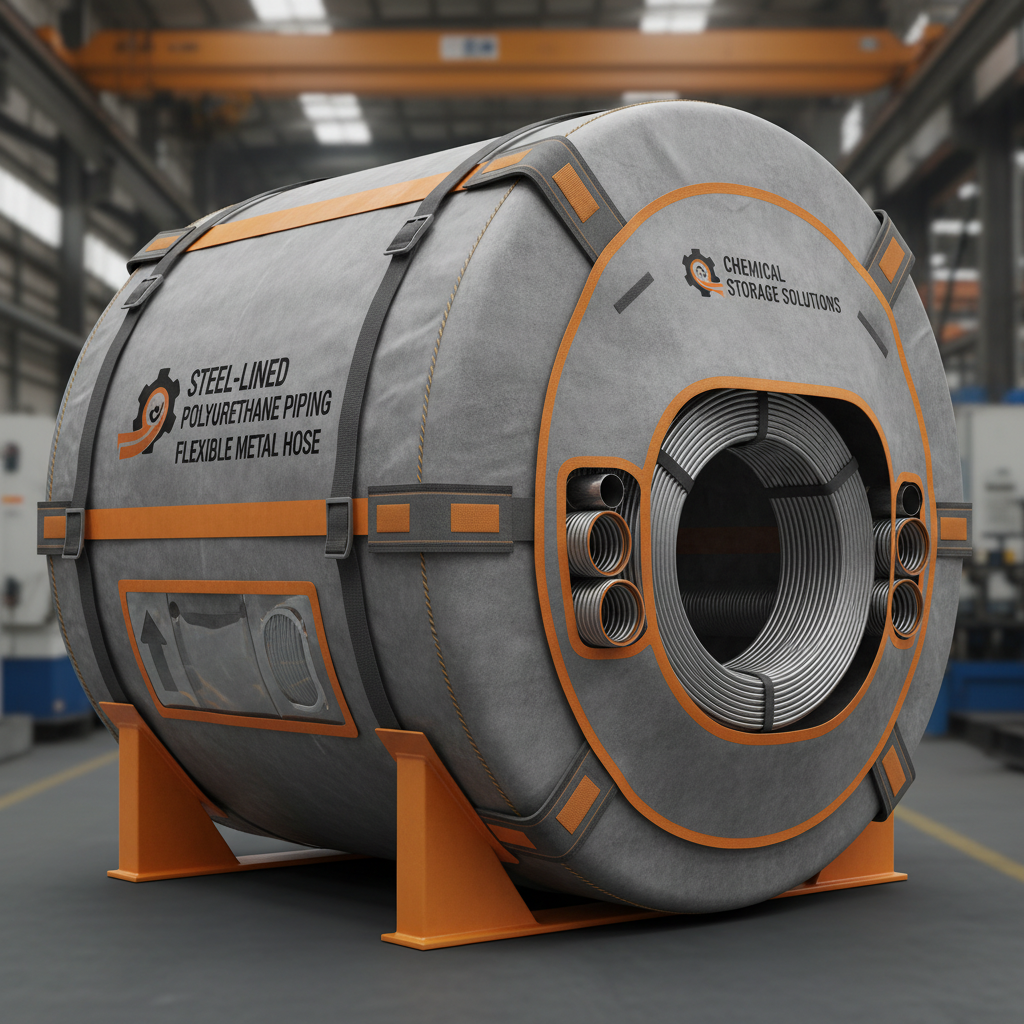
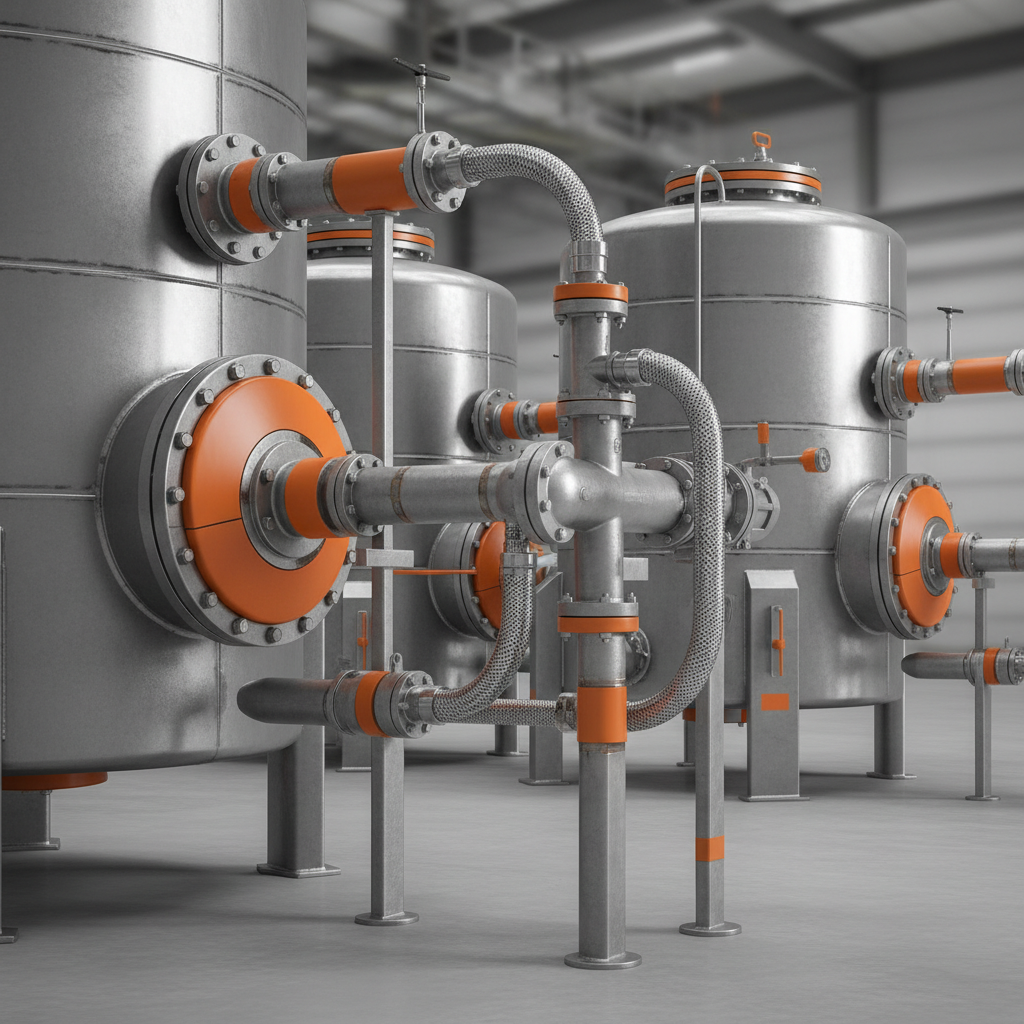
Our main products are polyurethane lined pipes, mining equipment fittings and metal hoses.