Chemical Storage Tank Solutions: Durable, Sustainable, and Safe
The Global Importance of Chemical Storage Tanks
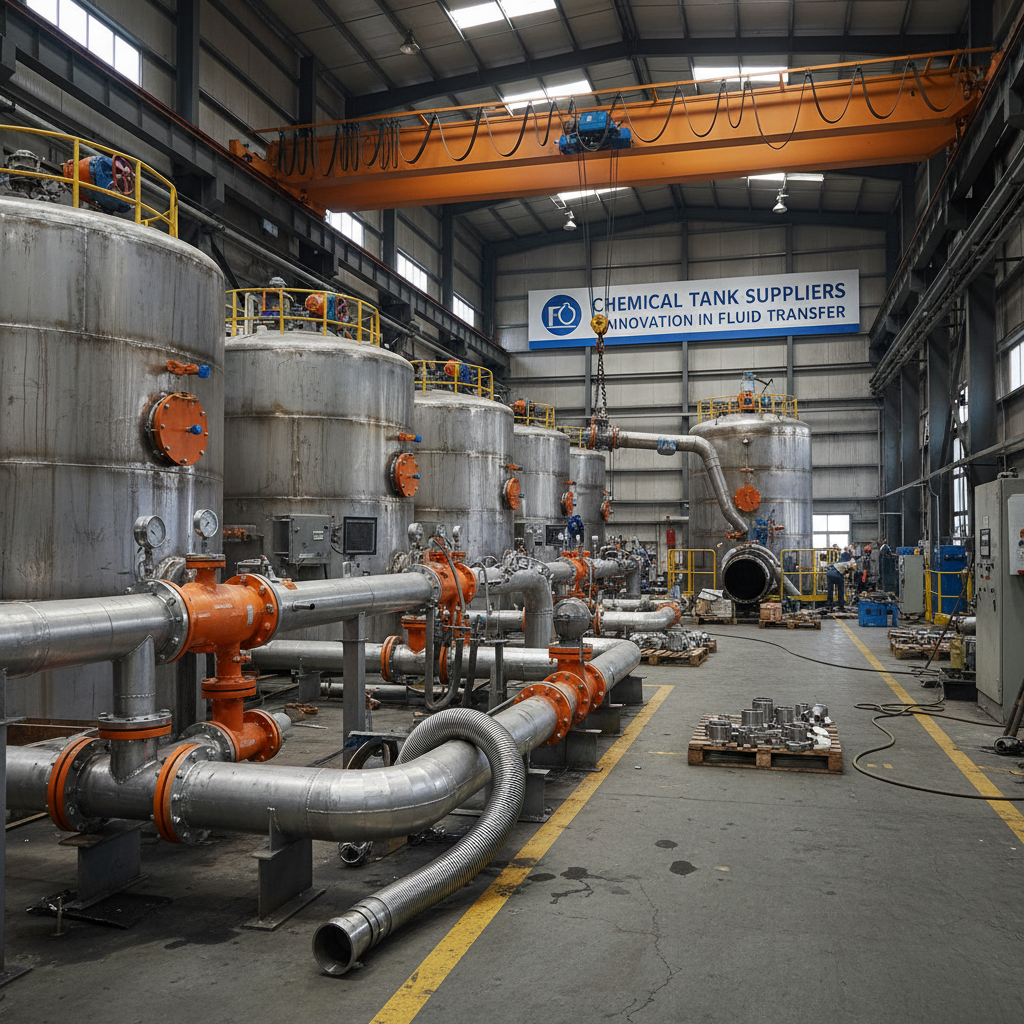
At its core, a chemical storage tank might just seem like a giant container for holding chemicals, but don’t let simplicity fool you. These tanks are vital components in industries ranging from pharmaceuticals to agriculture, energy to water treatment, ensuring chemicals are stored safely and efficiently. With billions of tons of chemicals shifted worldwide every year, the role of these tanks is not just practical but crucial for environmental safety, worker protection, and operational continuity.
Understanding the nuances of chemical storage tanks means appreciating why many manufacturers, engineers, and safety regulators dedicate significant resources to their development and maintenance. In real terms, it’s about reliability, safety, and sustainability—things that truly matter when working with hazardous materials.
Why Chemical Storage Tanks Matter Globally
According to recent data from the International Organization for Standardization (ISO) and the United Nations Environment Programme (UNEP), chemical accidents in storage facilities have accounted for a substantial percentage of industrial incidents worldwide. Chemical storage tanks play a pivotal role in mitigating these risks. As industries spread across geographies—from the massive petrochemical complexes in the Gulf Coast of the US to emerging manufacturing hubs in Southeast Asia—the need for robust chemical storage solutions becomes even more urgent.
One challenge is balancing cost effectiveness with strict regulatory compliance, which can vary widely by region. The true test for these tanks is long-term durability and leak prevention, especially as environmental standards climb higher by the year.
What is a Chemical Storage Tank?
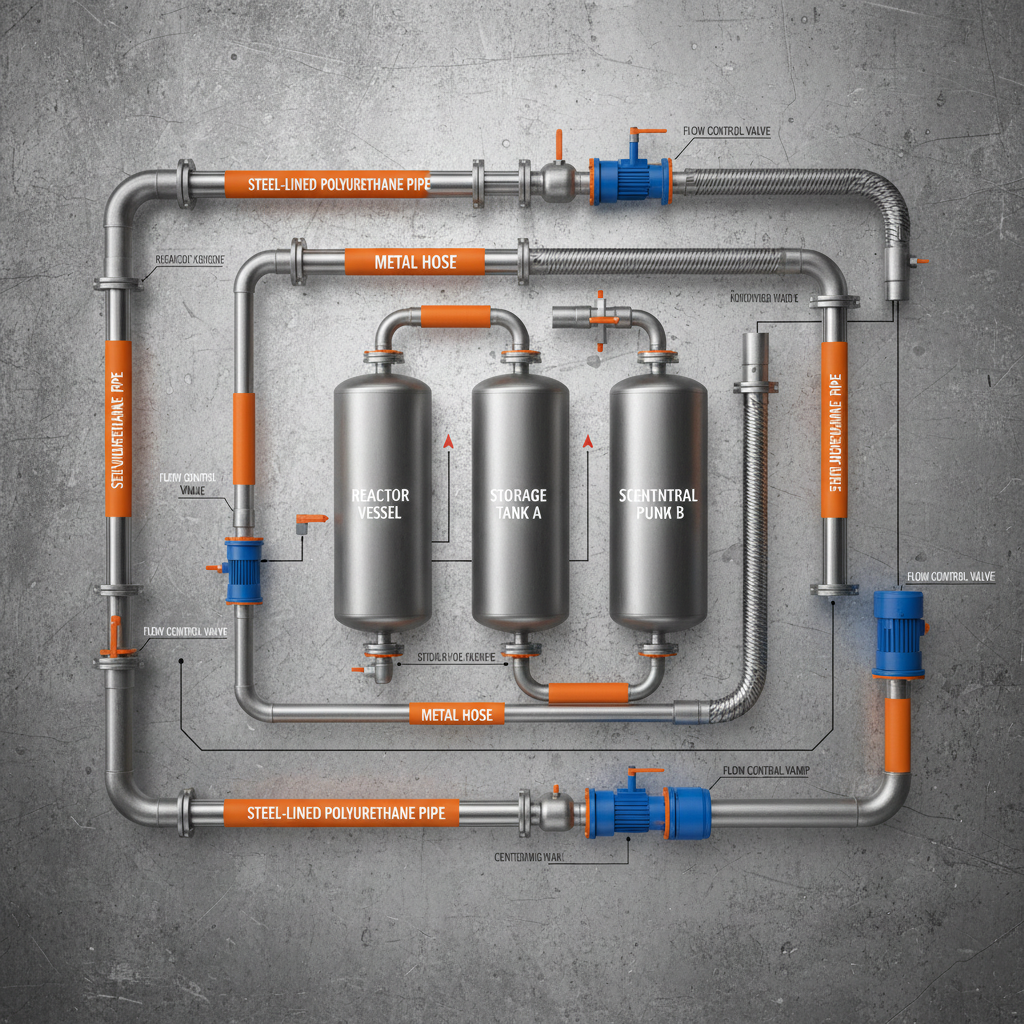
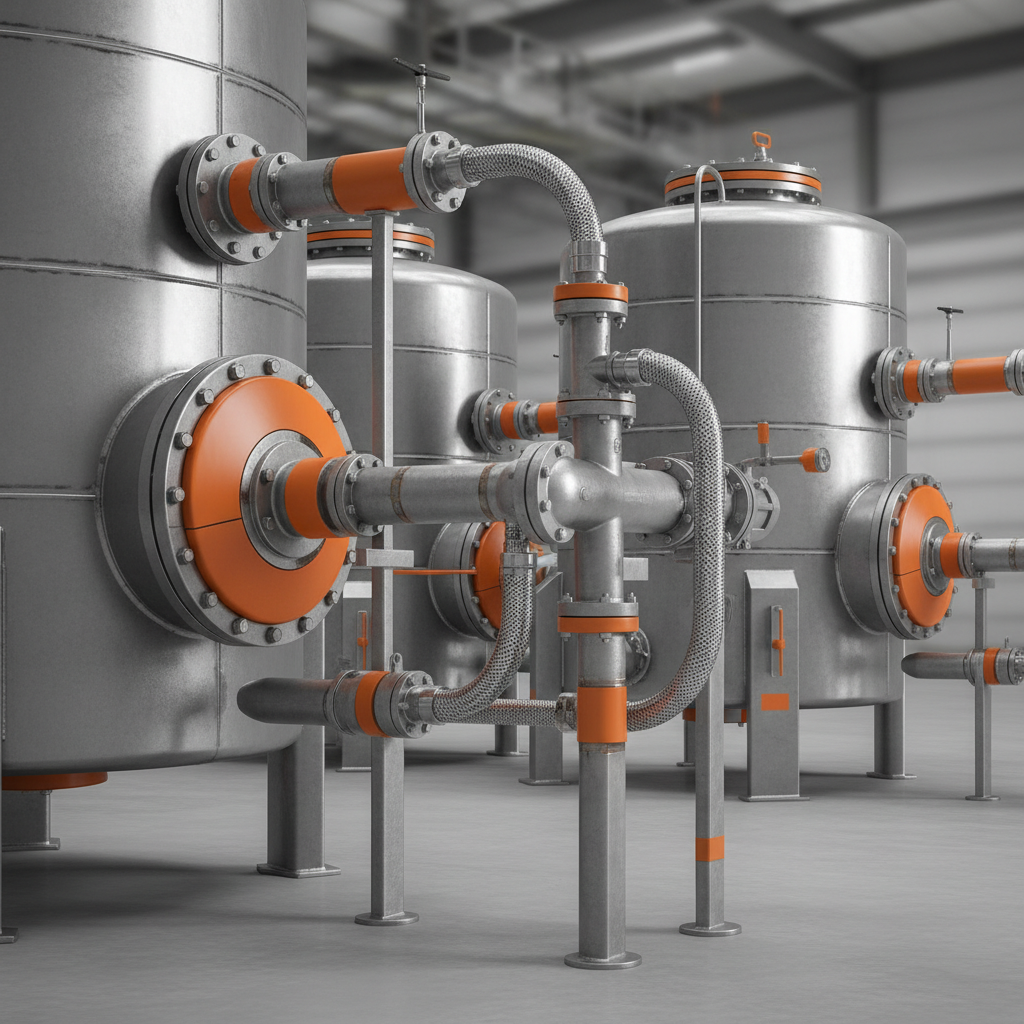
Put simply, a chemical storage tank is a specialized vessel used to store liquid or gaseous chemicals safely. It is designed to resist corrosion, temperature changes, and pressure variations that come from the properties of the stored chemical. These tanks can be made from a range of materials—stainless steel, carbon steel with special linings, or high-grade plastics—depending on the application.
In modern industries, these tanks aren’t just passive containers; many are equipped with features to monitor and control chemical reactions, temperature, and leakage. This reflects how chemical storage tanks have evolved from giant barrels into complex, engineered systems vital to humanitarian needs, like clean water storage or chemical treatment for agriculture.
Key Factors that Define a Great Chemical Storage Tank
Durability and Material Compatibility
Durability is the cornerstone here. The tank material must withstand chemical corrosion over time while maintaining structural integrity. For example, tanks holding acids require specialized linings or materials like fiberglass-reinforced plastic (FRP) to avoid wear and tear.
Safety Features and Compliance
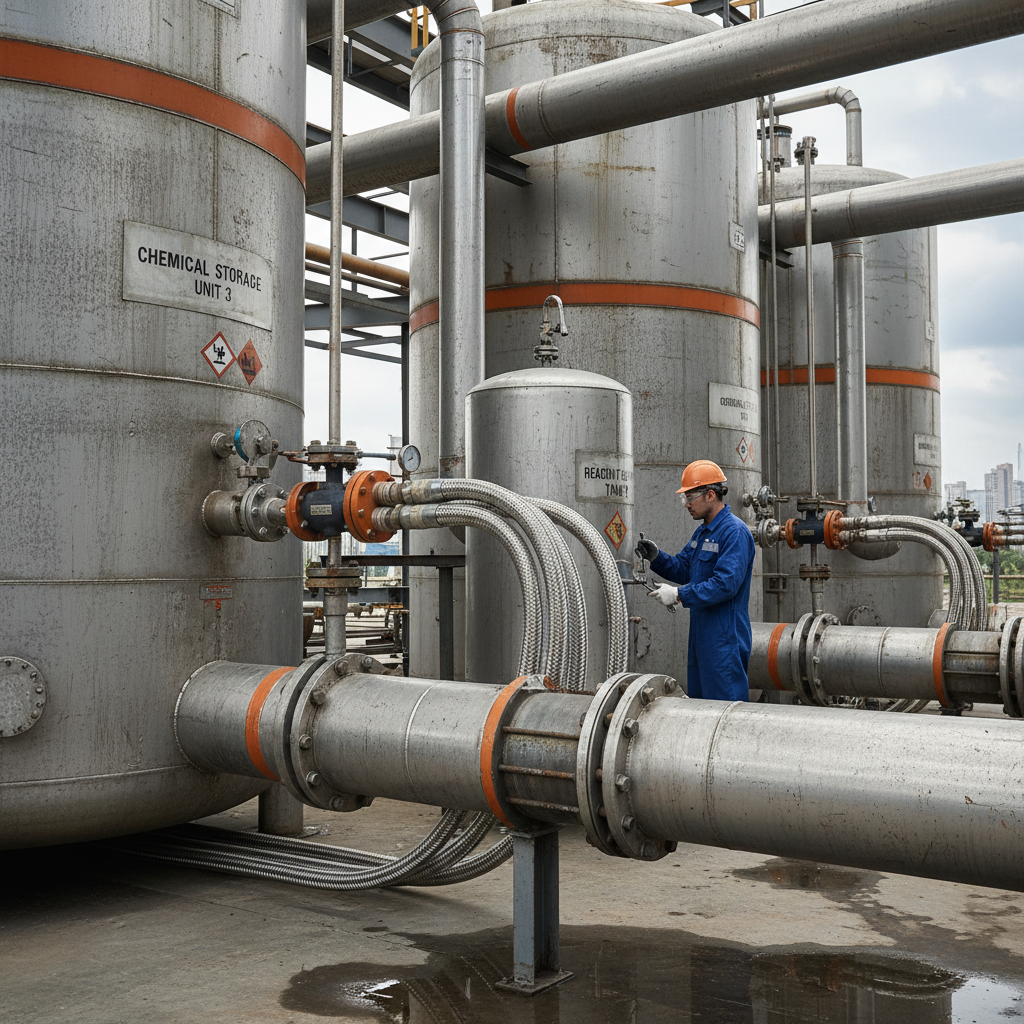
Safety mechanisms such as pressure relief valves, secondary containment, and leak detection sensors are crucial. Compliance with local and international standards like those from ISO or OSHA drivers the design decisions.
Capacity & Scalability
Tanks come in varied sizes—from small site tanks holding a few hundred liters to massive cylindrical storage units containing thousands of cubic meters. Scalability is important so companies can adapt as production scales up or pivots.
Cost Efficiency
Balancing upfront investment against maintenance and longevity is key. For example, FRP tanks typically have higher initial costs than carbon steel but save costs over time due to their durability and corrosion resistance.
Innovative Monitoring & Automation
Many tanks now integrate sensors and IoT devices that feed real-time data on temperature, pressure, and chemical levels to a control room, helping operators avoid accidents and optimize chemical use.
Real-World Use Cases for Chemical Storage Tanks
Globally, chemical tanks find homes in a variety of industries and applications. For instance:
- Oil & Gas: Storage of crude oil, refinery chemicals, and fuel additives—often demanding highly durable steel tanks.
- Agriculture: Fertilizers and pesticides need safely designed tanks to prevent contamination—often made of plastic or lined steel.
- Water Treatment Facilities: Tanks storing chlorine or other disinfectants.
- Pharmaceutical Manufacturing: Precision storage of solvents and reactants under controlled conditions.
- Post-Disaster Relief Efforts: Mobile chemical storage tanks are deployed to safely treat and store chemicals in disaster zones.
Environmental groups and nonprofits often rely on modular chemical storage tanks for quick deployment in remote or developing areas, highlighting their humanitarian importance.
Advantages and Long-Term Value of Chemical Storage Tanks
One often overlooked aspect is trust—trust that the tank won’t fail, spill, or pose a hazard. This translates into
- Operational Reliability: Smooth, uninterrupted workflows
- Cost Savings: Reduced maintenance, longer product life, less downtime
- Safety & Environmental Protection: Lower risk of contamination or accidents
- Sustainability: Some modern tanks are made with recycled materials or designed for easy recycling
In practical terms, having the right tank is peace of mind and a step toward corporate responsibility that resonates with employees and the community.
Product Specification Table
| Feature | Specification | Typical Use |
|---|---|---|
| Material | FRP / Stainless Steel / Lined Carbon Steel | Corrosive chemicals, acids, solvents |
| Capacity Range | 500 L to 10,000+ m³ | Small-scale labs to petrochemical plants |
| Temperature Resistance | -40°C to 120°C (varies by material) | Industrial processes under varying climates |
| Safety Features | Pressure relief valves, leak detection sensors | Regulatory compliance & operational safety |
| Automation | IoT integration & remote monitoring | Process optimization & safety monitoring |
Vendor Comparison: Key Chemical Storage Tank Providers
| Vendor | Material Focus | Customization | Typical Industries | Delivery Time | Price Range |
|---|---|---|---|---|---|
| QW Metal Tanks | Carbon Steel, FRP | High (tailored designs) | Oil & Gas, Agriculture | 4–6 weeks | Mid-range |
| GlobalChem Storage | Stainless Steel | Medium | Pharma, Food Processing | 6–8 weeks | Premium |
| EcoTank Solutions | Recycled Plastics (HDPE) | Low to Medium | Water Treatment, Agriculture | 3–5 weeks | Economical |
Emerging Trends and Innovations in Chemical Storage Tanks
The industry is poised for some fascinating shifts. For starters, “smart tanks” with built-in sensors that continuously monitor chemical integrity and structural health promise vastly reduced downtime. Plus, the green revolution is nudging manufacturers to develop tanks from sustainable composites and recyclable materials.
Automation and digital twin technologies, which replicate a physical tank system virtually for anticipatory maintenance and risk management, are becoming more affordable and widespread.
With increasingly strict environmental and safety regulations around the world, innovations like secondary containment systems that actively neutralize leaks, and modular tank designs for rapid deployment in changing industrial landscapes, are on the rise. If you haven’t explored chemical storage tank vendors that embrace these technologies, maybe it’s time.
Challenges and Practical Solutions
Despite advancements, challenges linger—corrosion still claims tanks prematurely, and many older tanks don’t meet today’s environmental standards. The maintenance gap is often the elephant in the room; many facilities postpone inspections and repairs due to budget constraints.
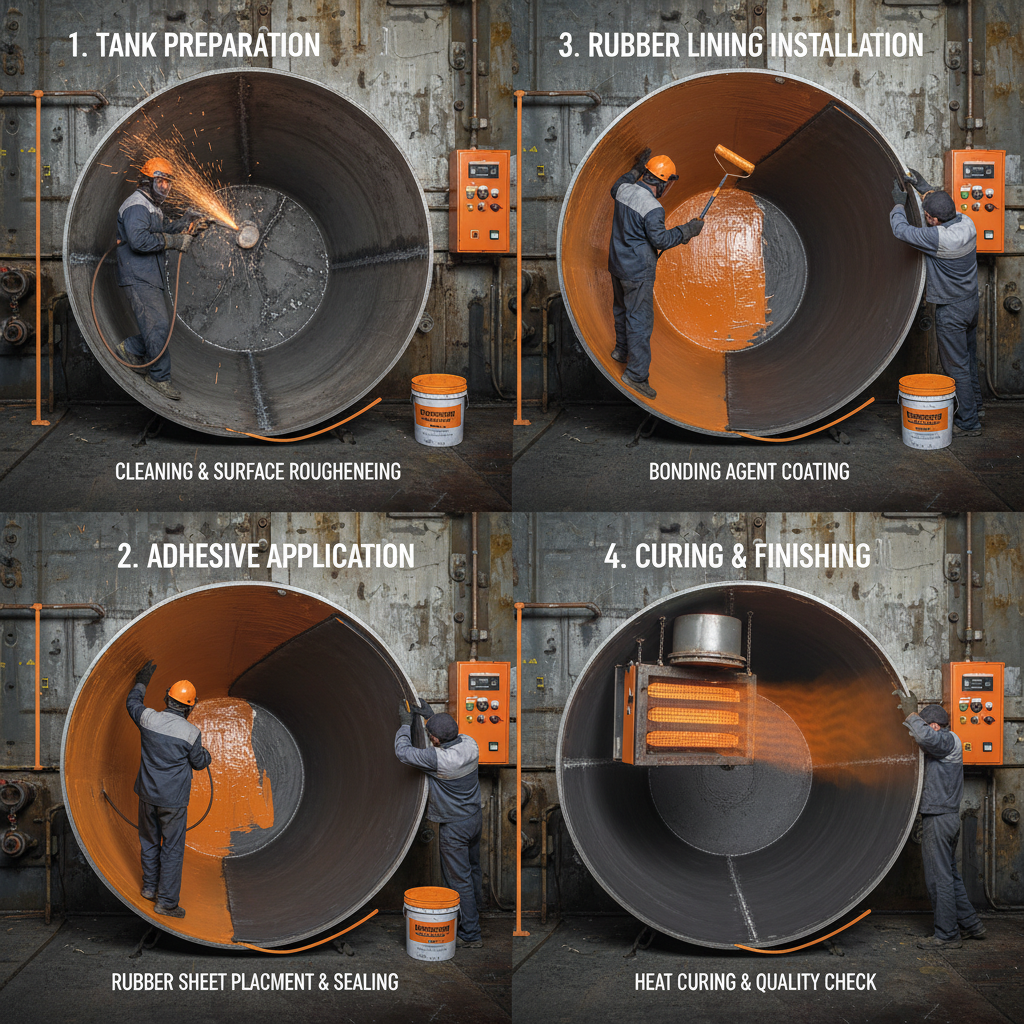
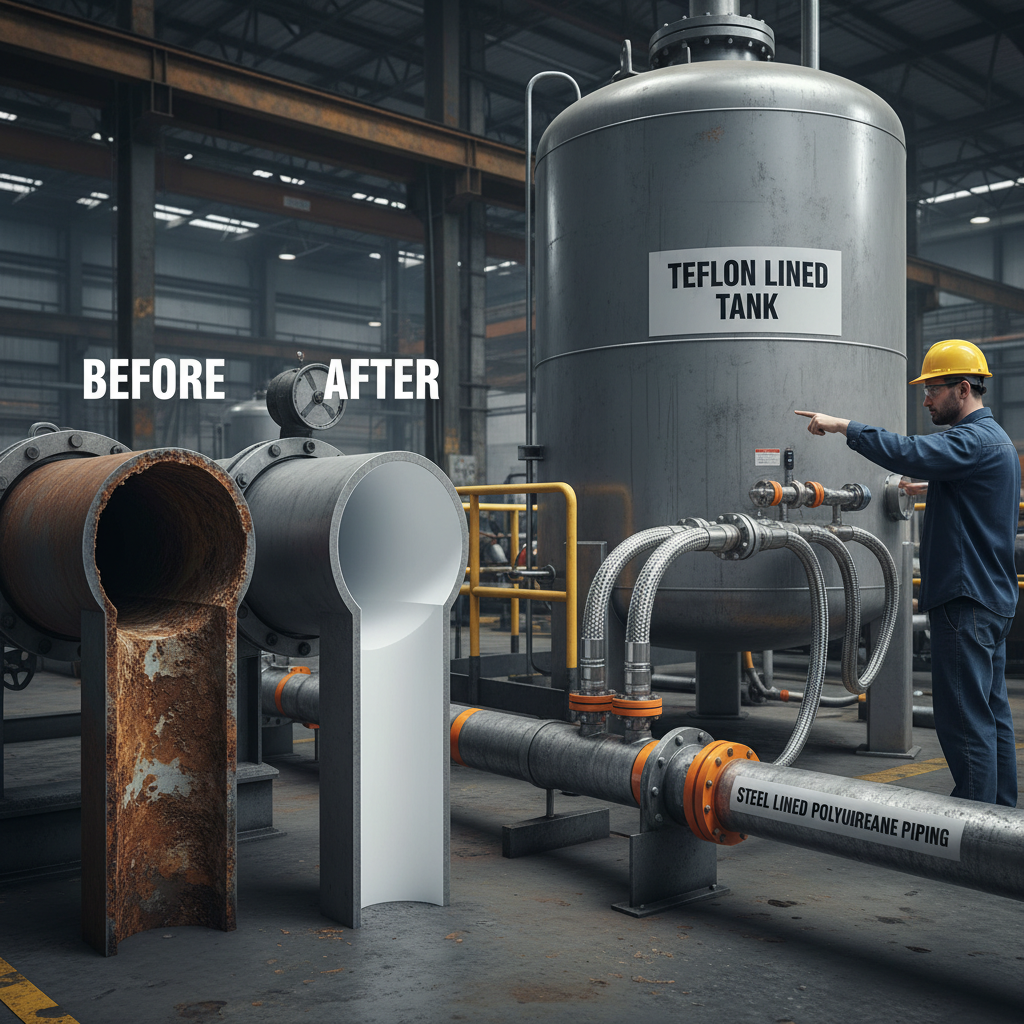
One solution gaining traction involves applying advanced coating technologies that extend life significantly, sometimes by decades. Additionally, companies are adopting predictive maintenance powered by AI, ensuring problems are caught before they escalate.
Education also matters. Operators trained to understand tank limitations and proper handling contribute hugely to safer and longer-lasting tanks.
FAQ: Frequently Asked Questions About Chemical Storage Tanks
1. What materials are best suited for chemical storage tanks?
Material choice depends on the stored chemical’s nature. Corrosive chemicals often require fiberglass-reinforced plastic (FRP) or lined carbon steel, while stainless steel suits high-purity needs. Always match tank material to chemical compatibility charts to avoid degradation.
2. How long does a typical chemical storage tank last?
It varies widely—carbon steel tanks might last 15–30 years if maintained, whereas FRP tanks can last upwards of 25 years or more. Proper maintenance and environmental factors heavily influence longevity.
3. Are chemical storage tanks customizable?
Absolutely. Tanks come in various shapes, sizes, and configurations to meet site-specific requirements, including custom safety features and automation integrations.
4. What safety regulations govern chemical storage tanks?
Regulations vary by region but often include OSHA standards, EPA spill prevention rules, and ISO certifications related to design and maintenance. Compliance isn’t optional—it’s critical for operational authorization.
5. Can chemical storage tanks be used in remote or temporary setups?
Yes! Many suppliers offer modular or mobile tanks designed for quick setup, perfect for disaster relief, construction sites, or temporary industrial operations.
Final Thoughts and Next Steps
Ultimately, chemical storage tanks quietly underpin much of the world’s industrial activity—keeping operations safe, compliant, and sustainable. Their evolving design mirrors our growing understanding of chemical risks and environmental responsibility. If you’re in the market, focusing on durability, safety features, and modern monitoring tech is a must.
Why not check out more about the options available? For trusted, quality tanks, visit chemical storage tank experts and see what fits your needs.
References:

Related Products
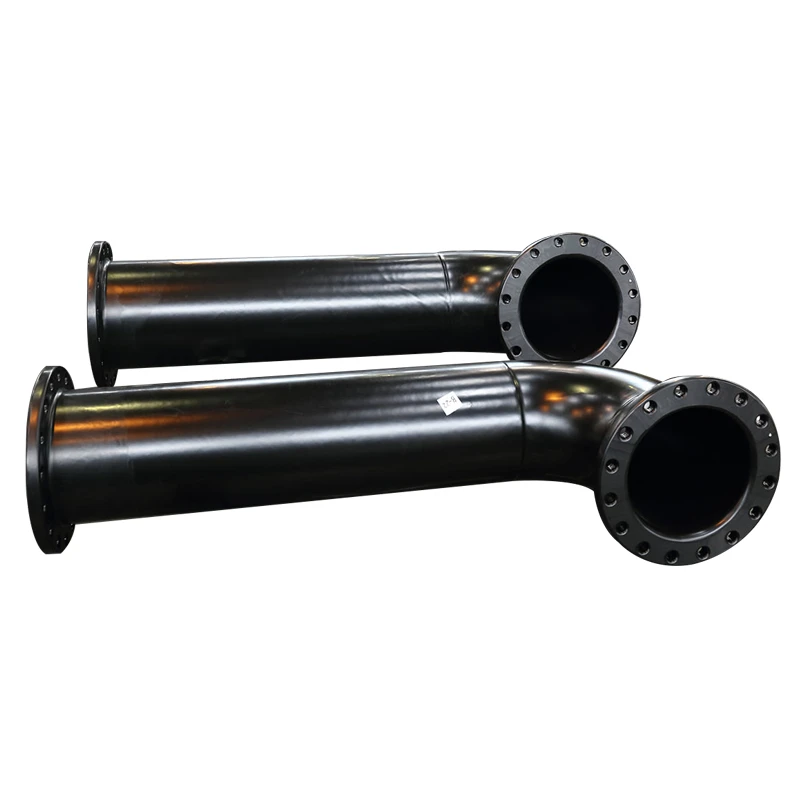
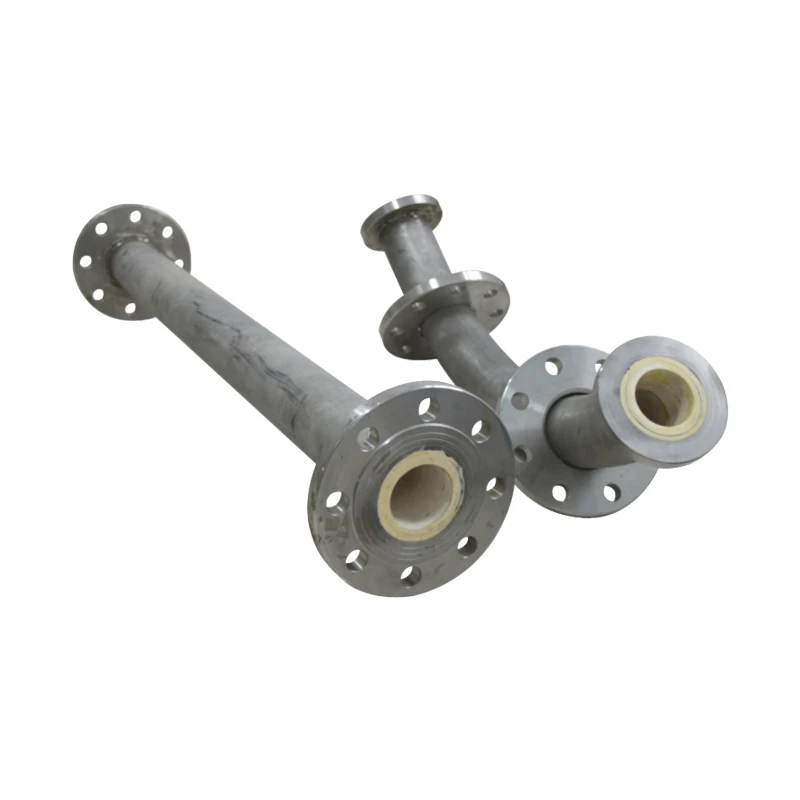
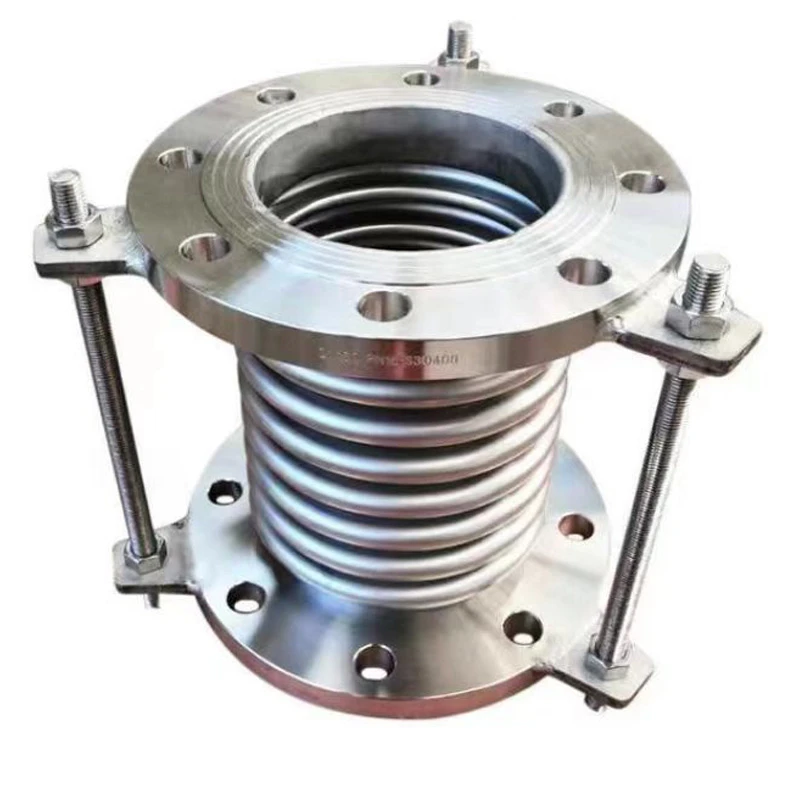
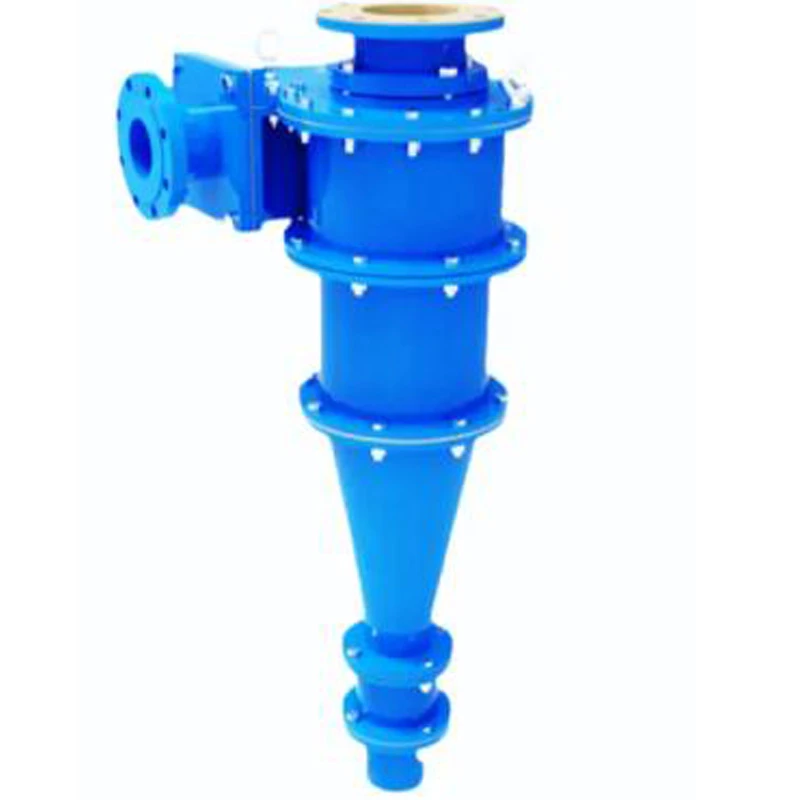
Our main products are polyurethane lined pipes, mining equipment fittings and metal hoses.