Comprehensive Guide to Acid Tanks Selection Materials and Safe Handling Procedures
Understanding Acid Tanks: A Comprehensive Guide
Acid tanks are critical components in numerous industrial processes, serving as safe and contained vessels for storing and handling corrosive acids. Choosing the right acid tank is vital for ensuring workplace safety, environmental protection, and operational efficiency. This article will explore the various types of acid tanks, materials used in their construction, key considerations for selection, and applications across different industries. We'll delve into the critical aspects of acid tank design and maintenance to help you make informed decisions. QW Metal specializes in the design and fabrication of high-quality acid tanks tailored to your specific needs.
Types of Acid Tanks
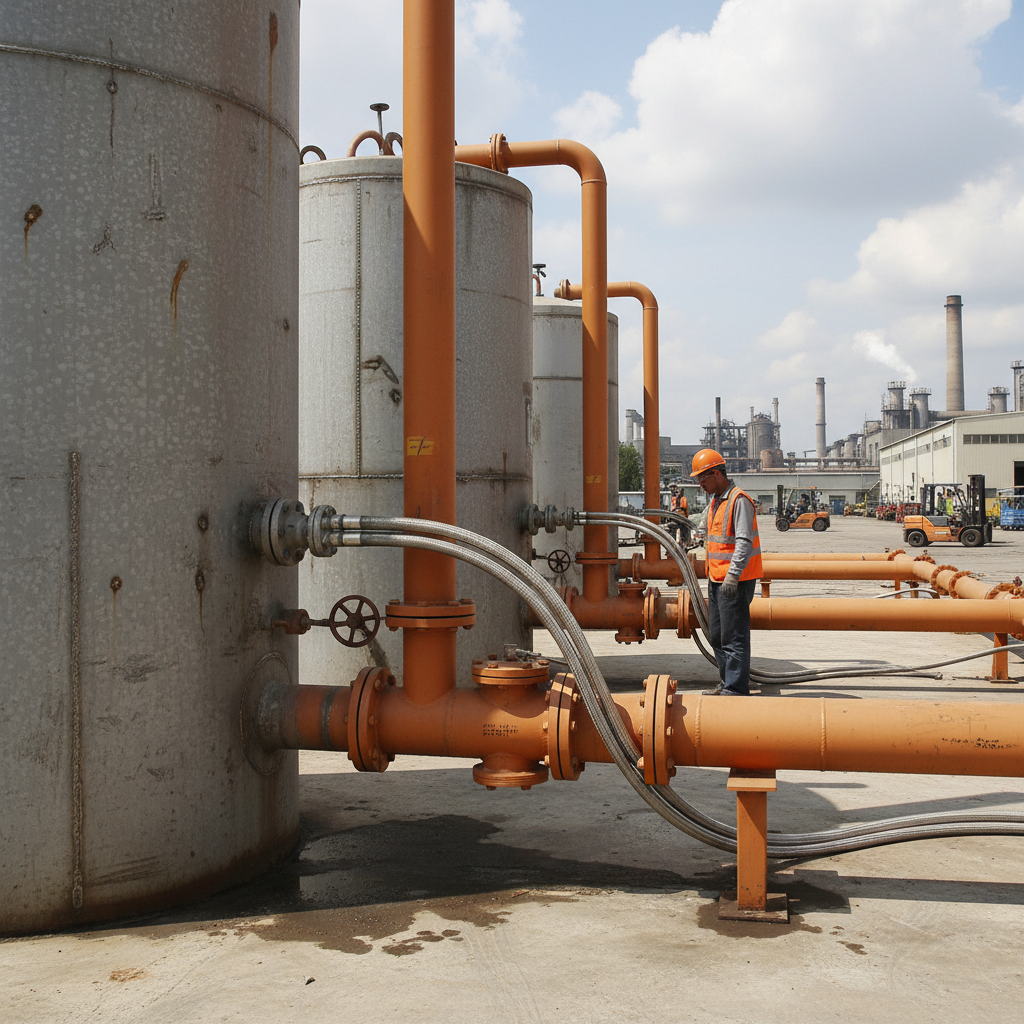
Acid tanks come in various designs, each suited to different applications and acid types. Common types include vertical tanks, horizontal tanks, cone bottom tanks, and rectangular tanks. Vertical tanks are generally used for larger volumes and offer efficient space utilization. Horizontal tanks are ideal for situations where space is limited or when mixing is required. Cone bottom tanks facilitate complete drainage, crucial for preventing residue buildup and ensuring product purity. Rectangular tanks are often used for specific applications where geometry is important. The choice depends on factors like acid compatibility, capacity requirements, site constraints, and operational needs.
Key Considerations: Understanding the acid's concentration, temperature, and potential for off-gassing is crucial when selecting the appropriate tank type and materials.
Materials Used in Acid Tank Construction
The material of construction is arguably the most critical factor in acid tank selection. Common materials include polyethylene (PE), polypropylene (PP), fiberglass-reinforced plastic (FRP), and specialized alloys like stainless steel. PE and PP are cost-effective options for less aggressive acids, offering good chemical resistance. FRP provides excellent corrosion resistance and is suitable for a wide range of acids. Stainless steel, particularly 316L, offers superior strength, durability, and resistance to highly corrosive environments. The specific acid being stored dictates the appropriate material; compatibility charts should be consulted to ensure long-term performance and safety. QW Metal provides acid tanks fabricated from a variety of materials to suit diverse chemical applications.
Material Comparison:
• Polyethylene (PE): Cost-effective, good for less aggressive acids
• Polypropylene (PP): Similar to PE, but with slightly higher temperature resistance
• FRP: Excellent corrosion resistance, versatile
• Stainless Steel (316L): Superior strength, durability, and corrosion resistance
Key Considerations When Selecting an Acid Tank
Selecting the right acid tank requires careful consideration of several factors. Acid concentration and temperature are paramount, as they directly impact material compatibility. Tank capacity must be accurately determined to meet current and future needs. Site constraints, including available space and load-bearing capacity, should also be factored in. Additional considerations include the need for secondary containment, ventilation systems, and level monitoring equipment. Adherence to relevant industry standards and regulations is essential for ensuring safety and compliance.
Applications of Acid Tanks
Acid tanks are integral to a wide range of industries. In the chemical processing industry, they are used for storing raw materials, intermediates, and finished products. The metal finishing industry relies on acid tanks for processes like etching, pickling, and plating. Water treatment facilities utilize acid tanks for pH adjustment and coagulation. The pharmaceutical industry employs acid tanks for various chemical reactions and purification processes. The semiconductor industry also depends on highly pure acid storage. Ensuring proper tank selection and maintenance is vital for the safe and efficient operation of these industries.
Acid Tank Maintenance and Safety
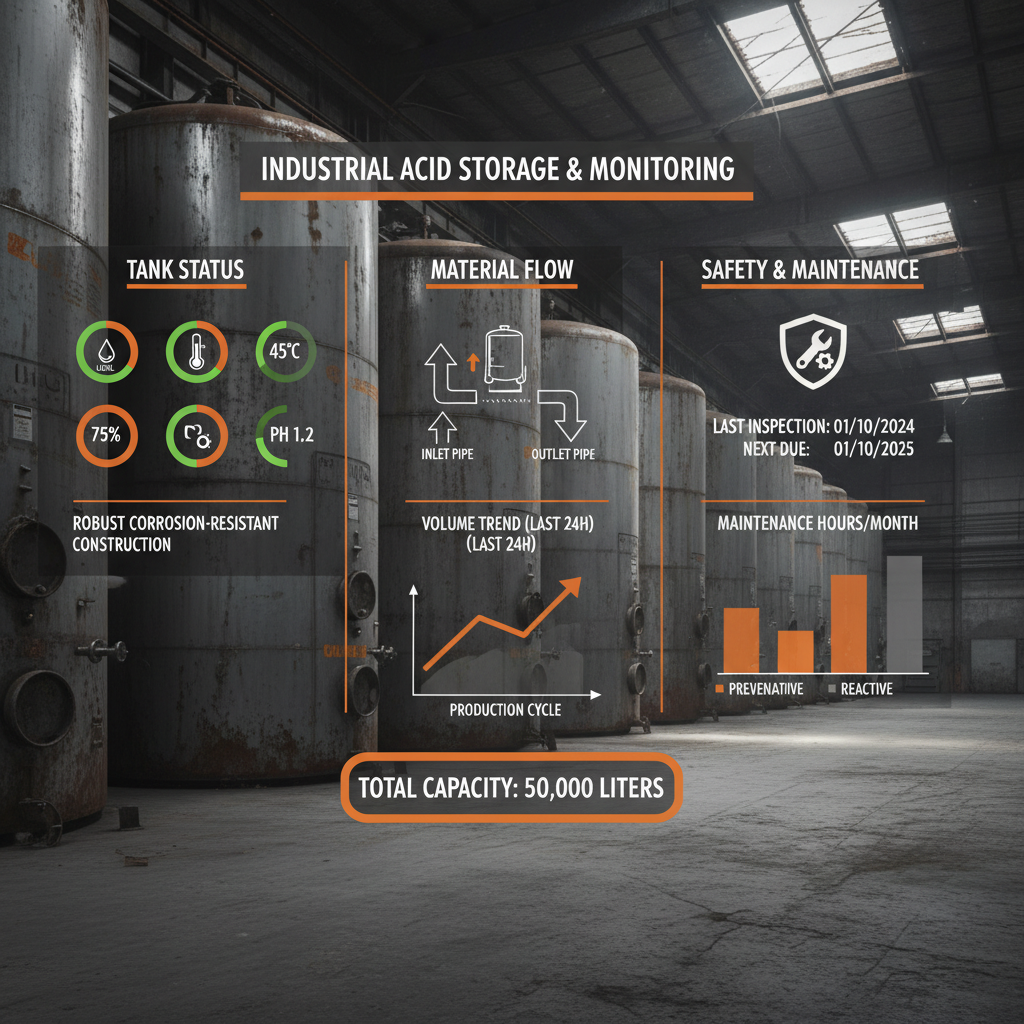
Regular inspection and maintenance are crucial for ensuring the long-term integrity and safety of acid tanks. This includes visual inspections for corrosion, leaks, and structural damage. Periodic testing of tank walls and welds is recommended to detect any hidden defects. Proper ventilation and monitoring systems should be in place to prevent the buildup of hazardous fumes. Employees should be adequately trained on safe handling procedures and emergency response protocols. QW Metal offers comprehensive maintenance and inspection services to help you keep your acid tanks in optimal condition.
Conclusion: Investing in Quality and Safety
Choosing the right acid tank is a critical investment that impacts safety, efficiency, and environmental responsibility. By carefully considering the factors outlined in this article and partnering with a reputable manufacturer like QW Metal, you can ensure that your acid storage solutions meet your specific needs and provide years of reliable performance.
Frequently Asked Questions (FAQs)
What is the typical lifespan of an acid tank?
The lifespan of an acid tank varies depending on the material of construction, the type and concentration of acid stored, and the frequency of maintenance. Polyethylene tanks typically last 10-20 years, while fiberglass tanks can last 25+ years. Stainless steel tanks, with proper maintenance, can have a lifespan exceeding 50 years. Regular inspections and preventative maintenance are crucial for maximizing the lifespan of any acid tank.
What safety features should I look for in an acid tank?
Essential safety features include secondary containment to prevent spills, ventilation systems to manage fumes, level monitoring to prevent overfilling, and emergency shut-off valves. The tank should also be constructed from a material compatible with the stored acid and meet relevant industry standards. Proper labeling and signage are also critical for communicating hazards.
How often should I inspect my acid tank?
Visual inspections should be conducted at least monthly, looking for any signs of corrosion, leaks, cracks, or structural damage. A more thorough inspection, including wall thickness testing, should be performed annually by a qualified professional. Keep detailed records of all inspections and maintenance activities.
What are the advantages of using a cone bottom acid tank?
Cone bottom tanks facilitate complete drainage of the acid, minimizing residue buildup and ensuring product purity. This is particularly important for applications where precise control of the acid composition is critical. The conical shape also helps prevent sediment accumulation, simplifying cleaning and maintenance.
Related Products
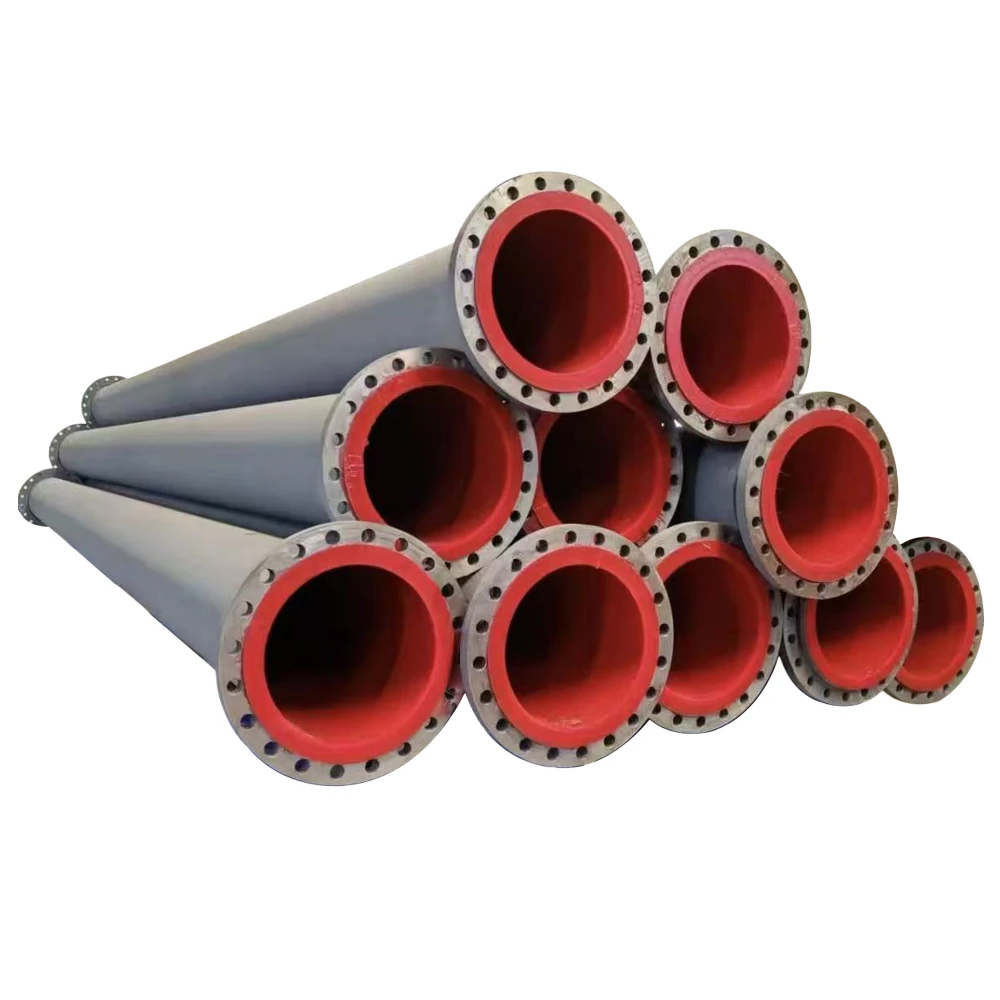
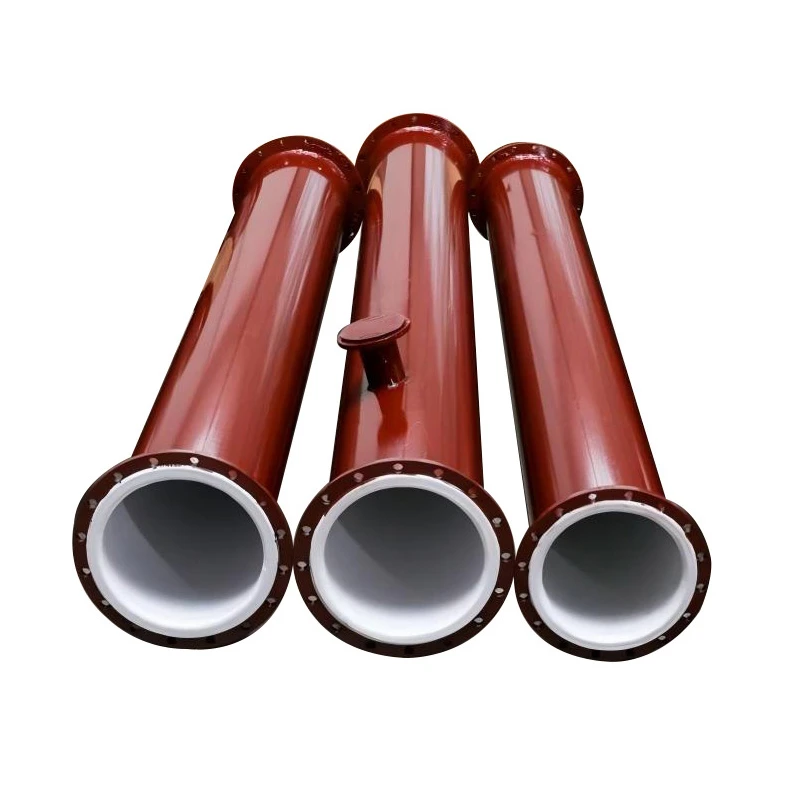
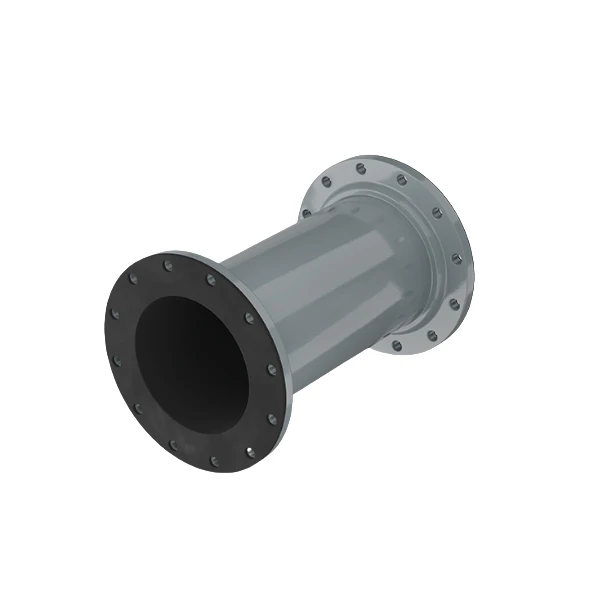
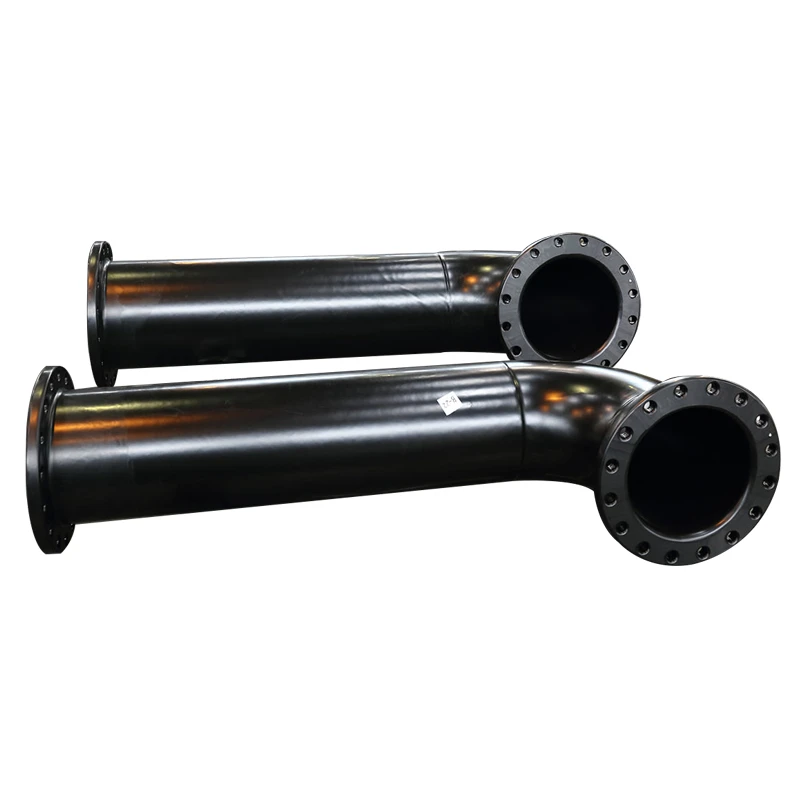
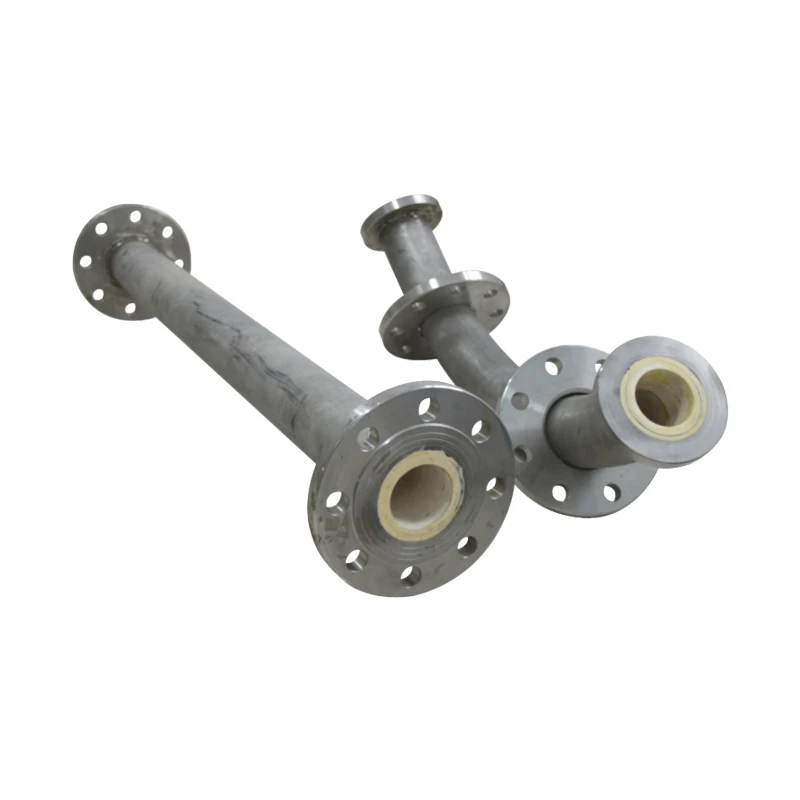
Our main products are polyurethane lined pipes, mining equipment fittings and metal hoses.