Comprehensive Guide to Acid Tanks Selection Safety and Industrial Applications
Understanding Acid Tanks: A Comprehensive Guide
Acid tanks are crucial components in various industrial processes, playing a vital role in chemical handling, manufacturing, and waste treatment. These specialized containers are designed to safely store and process highly corrosive acids, demanding careful consideration of materials, construction, and safety features. This article provides a detailed overview of acid tanks, covering their types, materials, applications, and essential safety precautions. Proper selection and maintenance of acid tanks are paramount for ensuring operational efficiency and protecting personnel and the environment.
Types of Acid Tanks
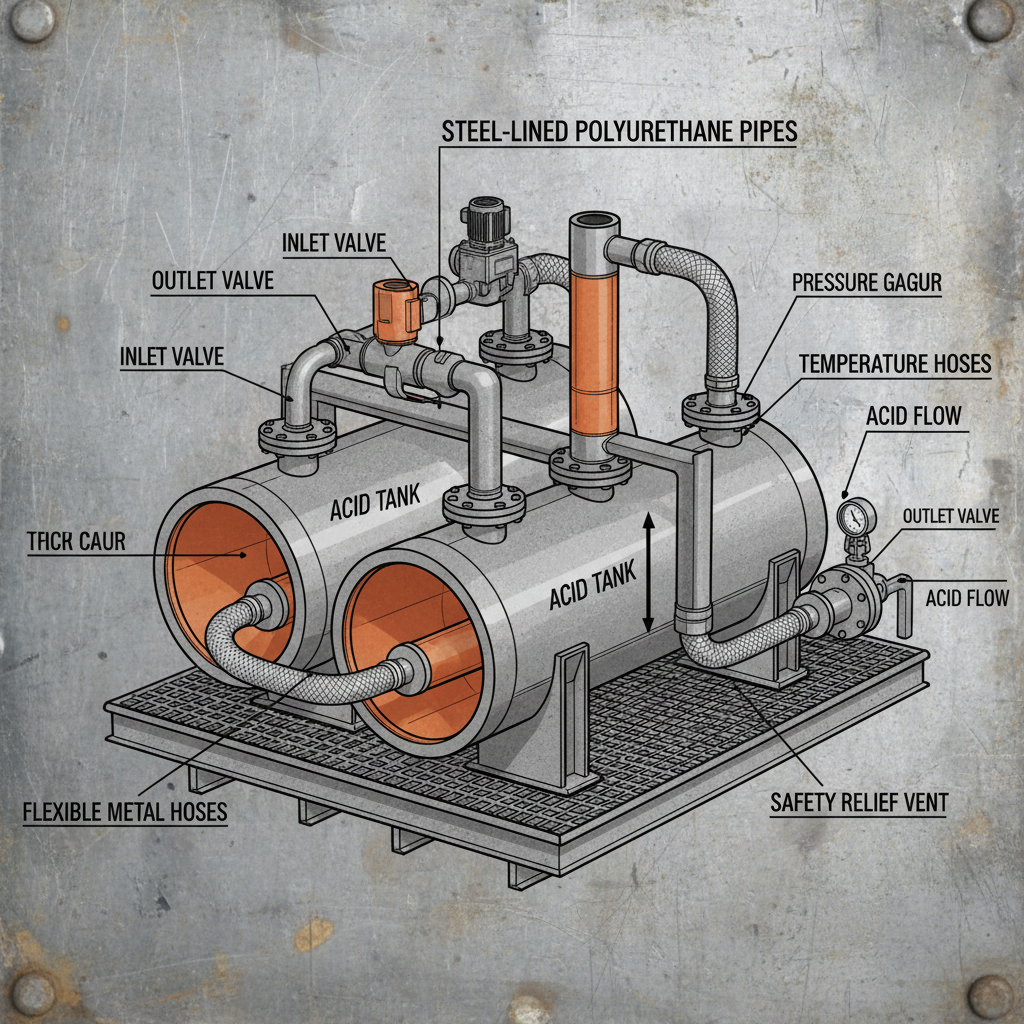
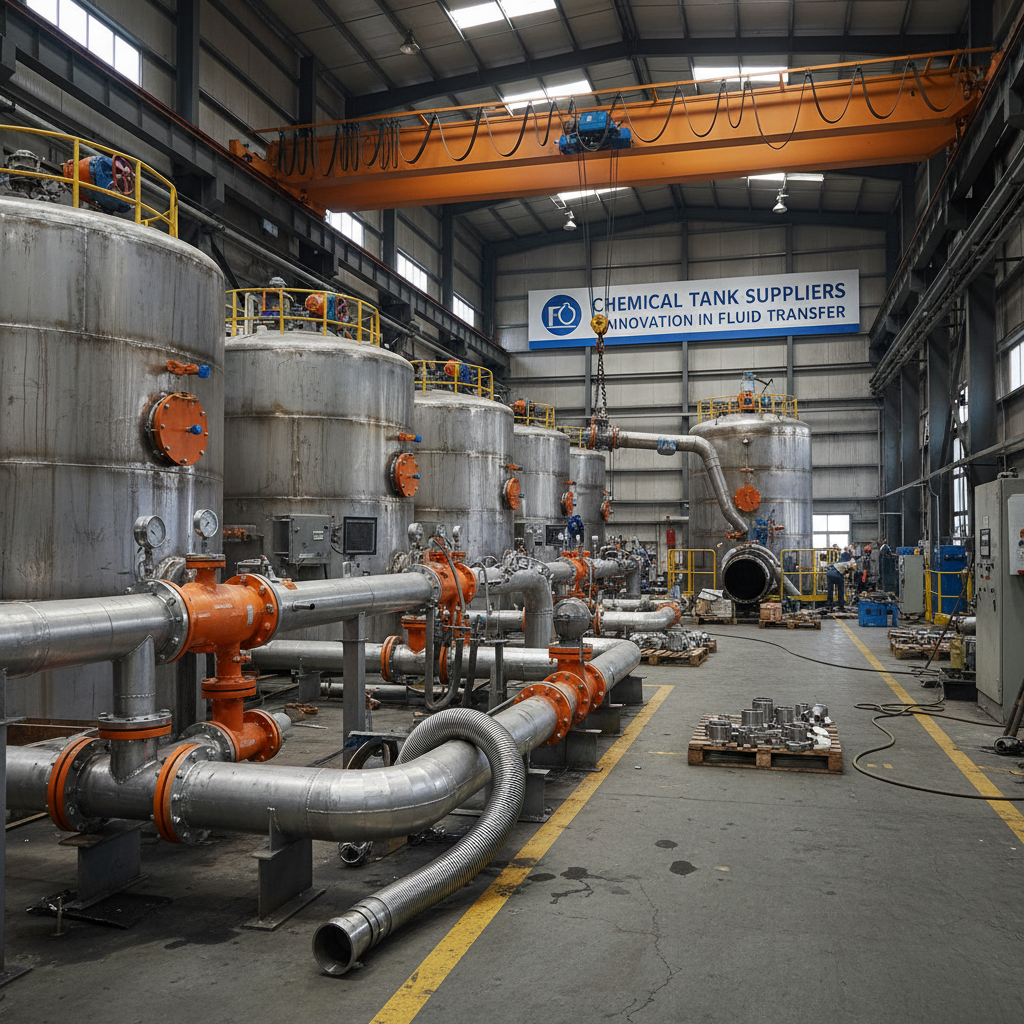
Acid tanks come in various designs tailored to specific applications and acid types. Common types include vertical tanks, horizontal tanks, cone bottom tanks, and rectangular tanks. Vertical tanks are generally used for large volume storage, while horizontal tanks are suitable for situations where space is limited. Cone bottom tanks facilitate complete drainage, essential for handling certain acids. The choice of tank type depends on factors such as the acid's viscosity, corrosivity, and the required storage capacity. Understanding these differences is key to selecting the optimal tank for your specific needs.
Materials Used in Acid Tank Construction
The material of construction is arguably the most critical factor in acid tank design. The material must be resistant to the specific acid(s) being stored, preventing corrosion and ensuring the tank's longevity. Common materials include polypropylene (PP), polyethylene (PE), polyvinylidene fluoride (PVDF), fiberglass reinforced plastic (FRP), and certain stainless steel alloys. PP and PE are cost-effective options for less aggressive acids, while PVDF and FRP offer superior resistance to a wider range of chemicals. Stainless steel, particularly high-grade alloys like 316L, is frequently used for handling strong and corrosive acids.
Key Considerations: Material selection depends heavily on the acid concentration, temperature, and presence of other chemicals. Regular inspections are crucial to identify any signs of corrosion.
Acid Tank Applications Across Industries
Acid tanks find widespread use in diverse industries. Chemical manufacturing relies heavily on these tanks for storing raw materials and process intermediates. The metal finishing industry uses acid tanks for pickling, etching, and plating processes. Wastewater treatment plants employ acid tanks for pH adjustment and neutralization. Furthermore, pharmaceutical companies, electronics manufacturers, and even the food processing industry utilize acid tanks for specific applications. Their versatility makes them an indispensable part of countless industrial operations.
Common Industrial Applications:
• Chemical Manufacturing
• Wastewater Treatment
• Metal Finishing
• Pharmaceutical Production
Comparing Acid Tank Materials: Resistance and Cost
Choosing the right material involves a trade-off between chemical resistance and cost. Here's a comparative overview:
Safety Considerations When Handling Acid Tanks
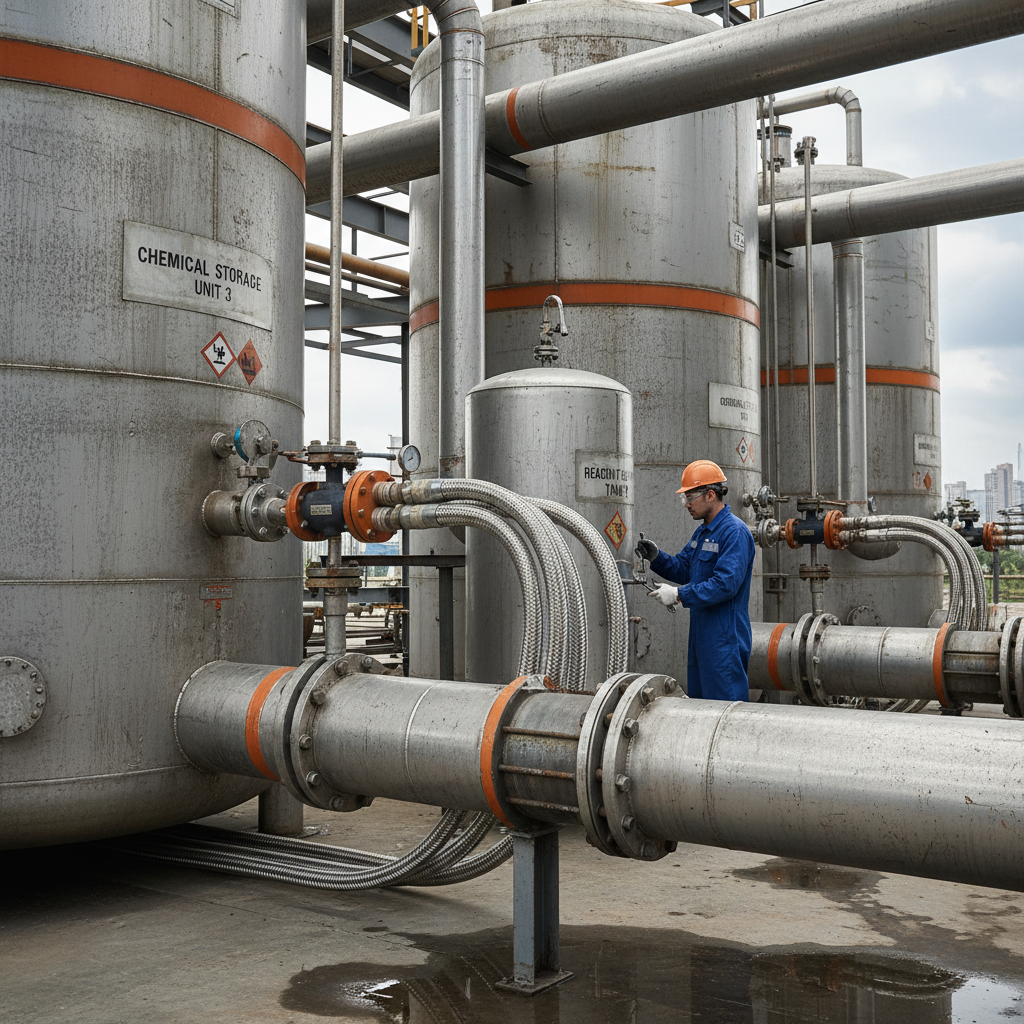
Safety is paramount when working with acid tanks. Proper ventilation is essential to prevent the build-up of hazardous fumes. Personnel should wear appropriate personal protective equipment (PPE), including acid-resistant gloves, aprons, and face shields. Emergency spill kits should be readily available, and employees should be trained in their proper use. Regular inspections of the tank, piping, and safety systems are crucial to identify and address potential hazards. Implementing these safety measures is vital to protect workers and the environment. QW Metal offers comprehensive safety guides along with their acid tanks.
Conclusion: Ensuring Safe and Efficient Acid Storage
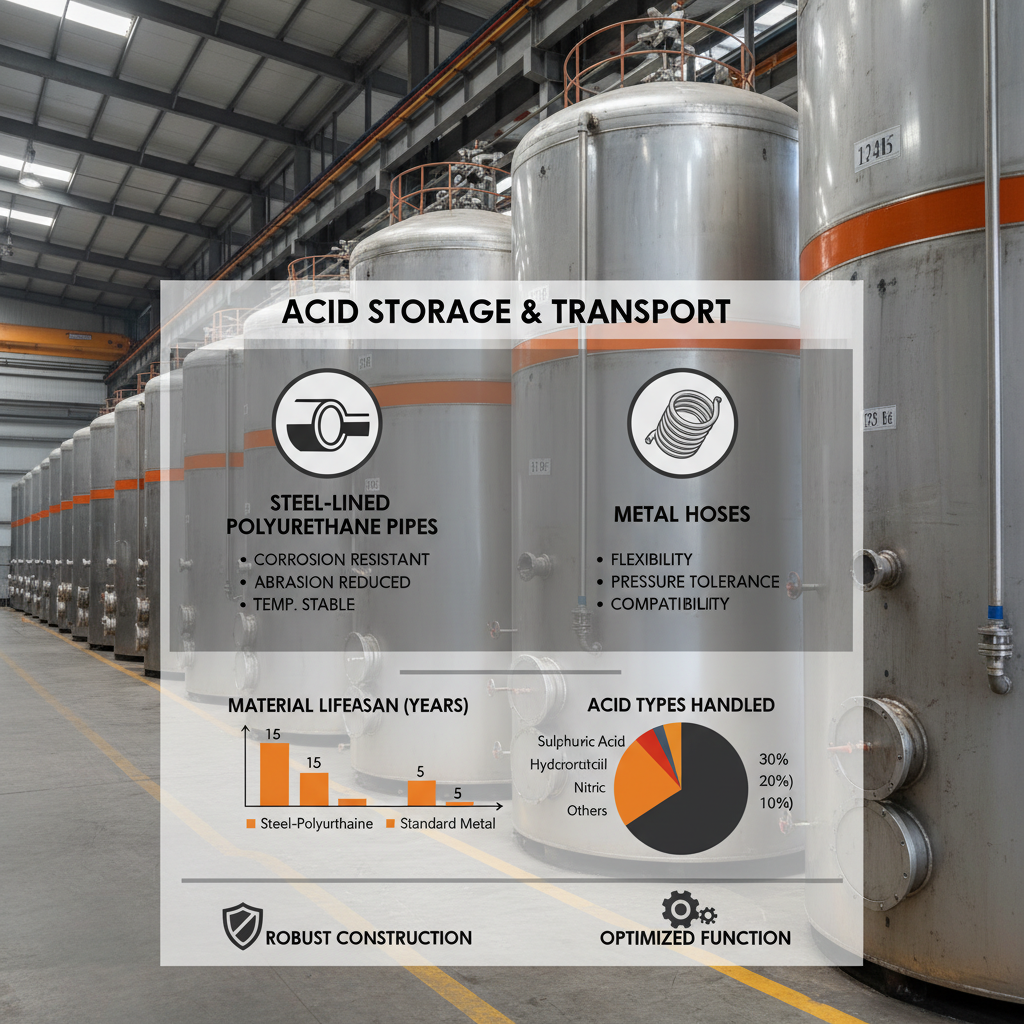
Choosing the right acid tank is a critical decision with significant implications for safety, efficiency, and environmental protection. By carefully considering the type of acid, material compatibility, and application requirements, you can select a tank that meets your specific needs. Investing in high-quality tanks from a reputable supplier like QW Metal, coupled with rigorous safety protocols, is essential for ensuring long-term operational success.
Frequently Asked Questions (FAQs)
What are the common causes of acid tank failure?
Acid tank failure typically stems from corrosion, material degradation, or mechanical stress. Incorrect material selection for the stored acid is a primary cause of corrosion. Physical damage from impacts or inadequate support can lead to structural failure. Furthermore, thermal cycling and excessive pressure fluctuations can weaken the tank over time. Regular inspections and preventative maintenance are vital to identify and address these potential issues before they escalate into serious problems.
How often should acid tanks be inspected?
Acid tanks should undergo regular inspections, with frequency dictated by the severity of the chemicals stored and the tank's age. A visual inspection should be performed at least monthly, looking for signs of corrosion, leaks, or structural damage. A more thorough inspection, including non-destructive testing, should be conducted annually. Any detected damage must be addressed promptly to prevent further deterioration. Maintaining a detailed inspection log is recommended.
What is the best way to clean an acid tank?
Cleaning an acid tank requires caution and adherence to specific procedures. Before cleaning, the tank must be completely emptied and neutralized. The cleaning method will depend on the type of acid and the nature of any residue. Mild acids can often be flushed with water, while stronger acids may require specialized cleaning agents. Personnel must wear appropriate PPE during the cleaning process, and proper disposal of cleaning solutions is crucial to minimize environmental impact.

Related Products
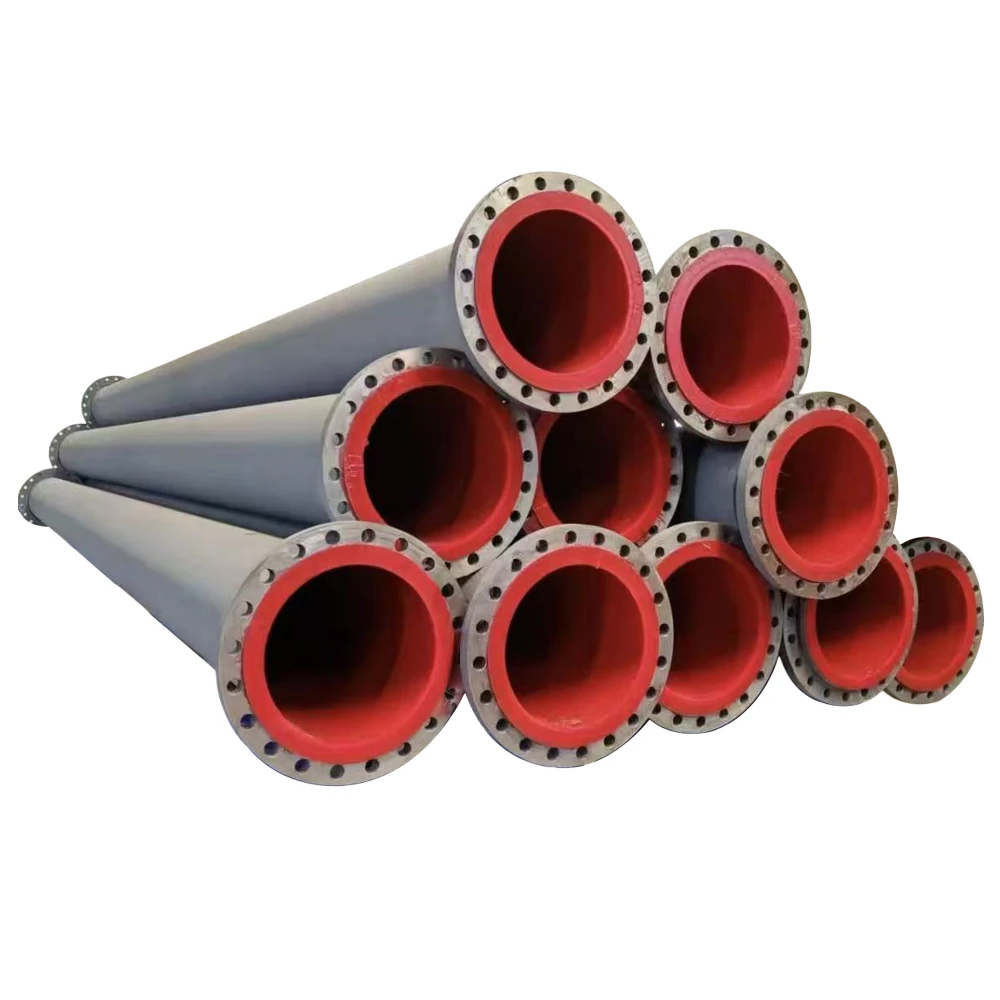
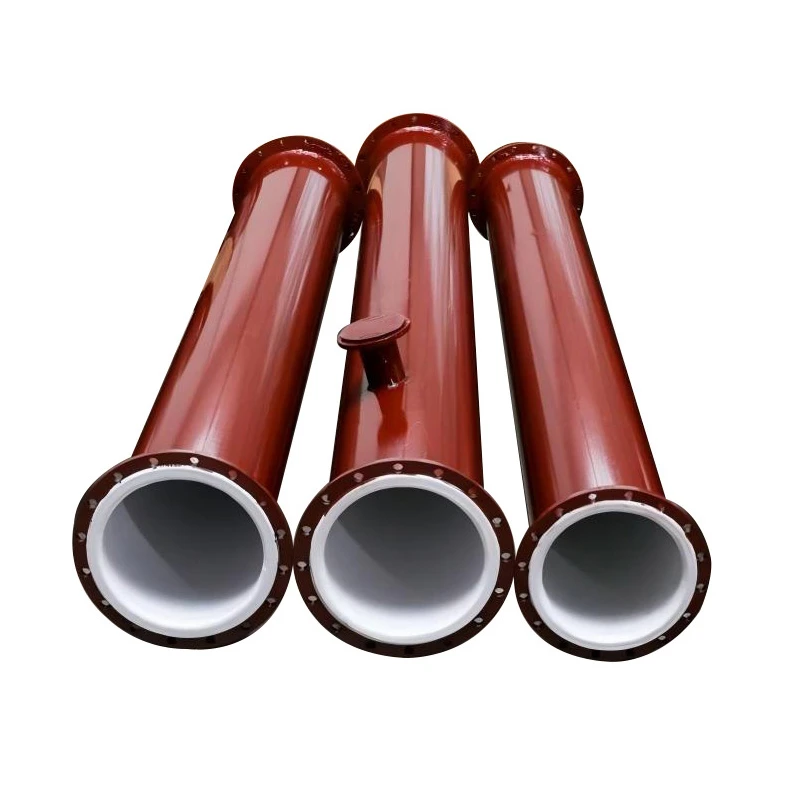
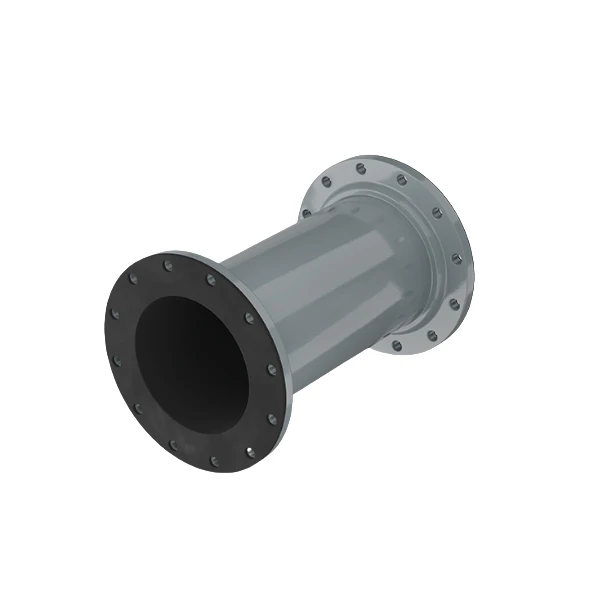
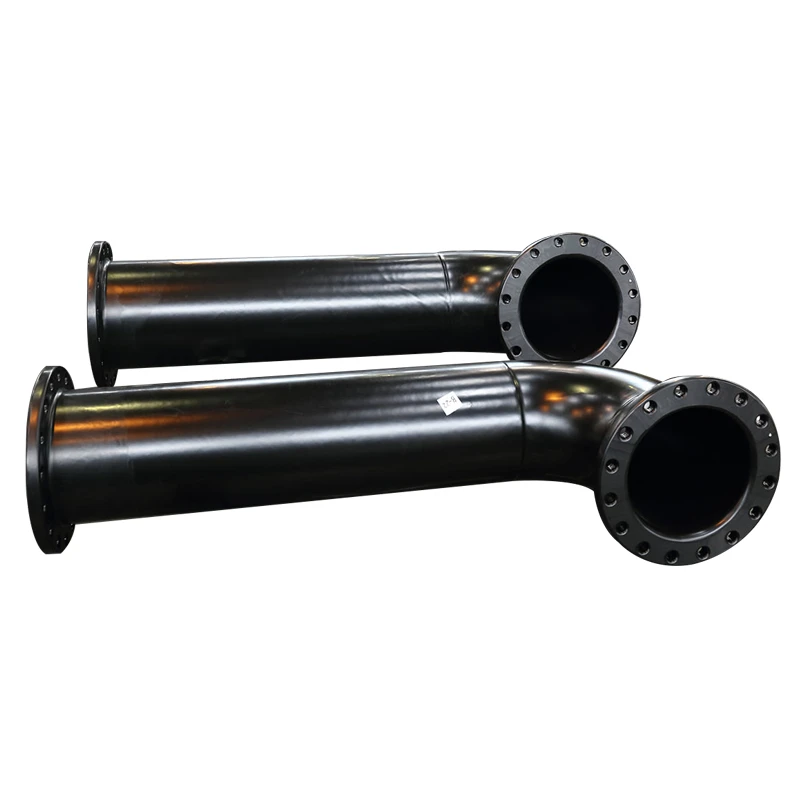
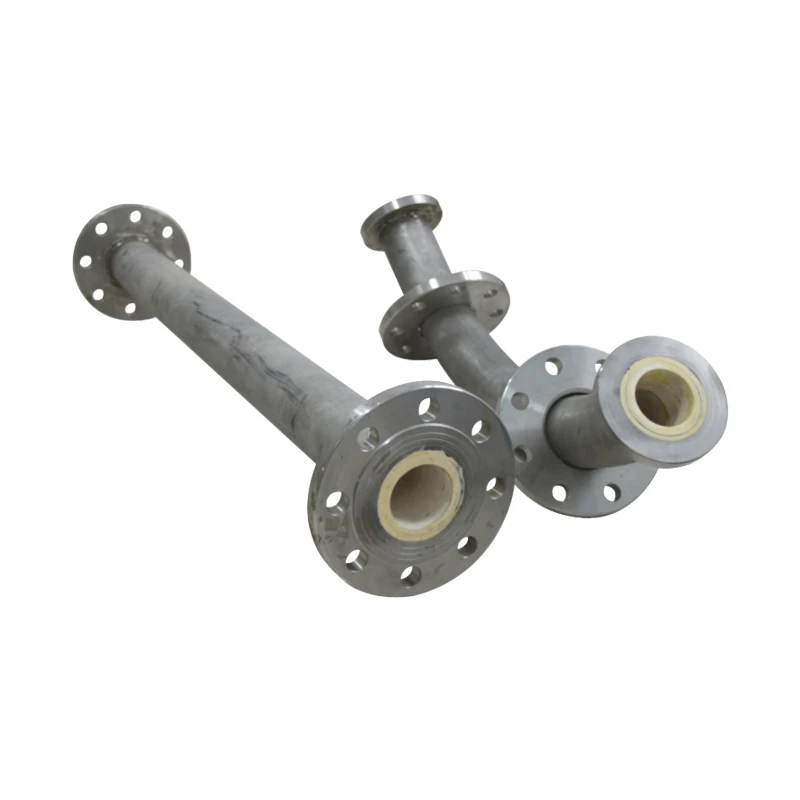
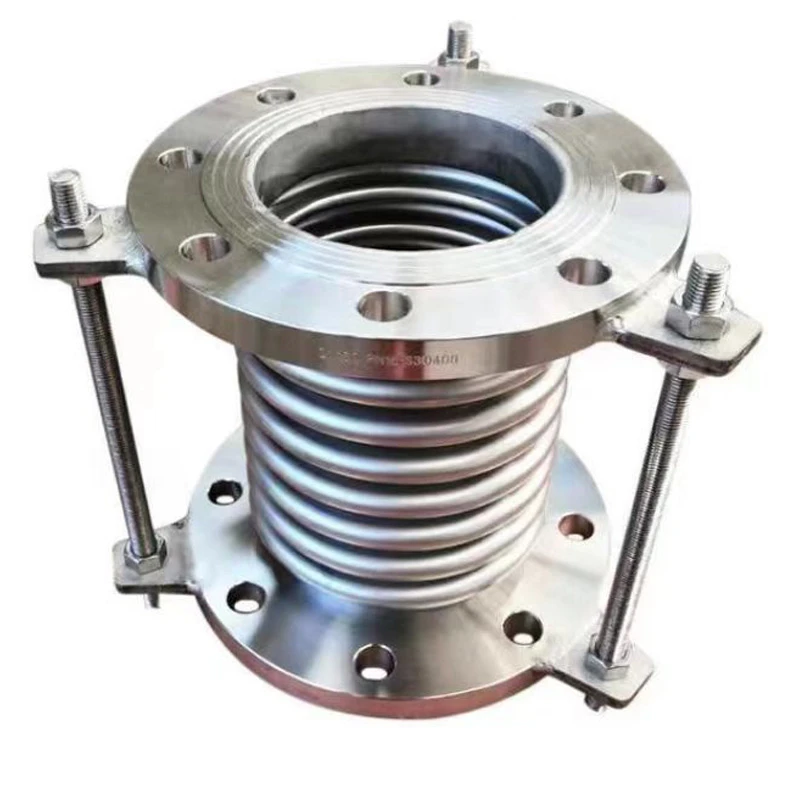
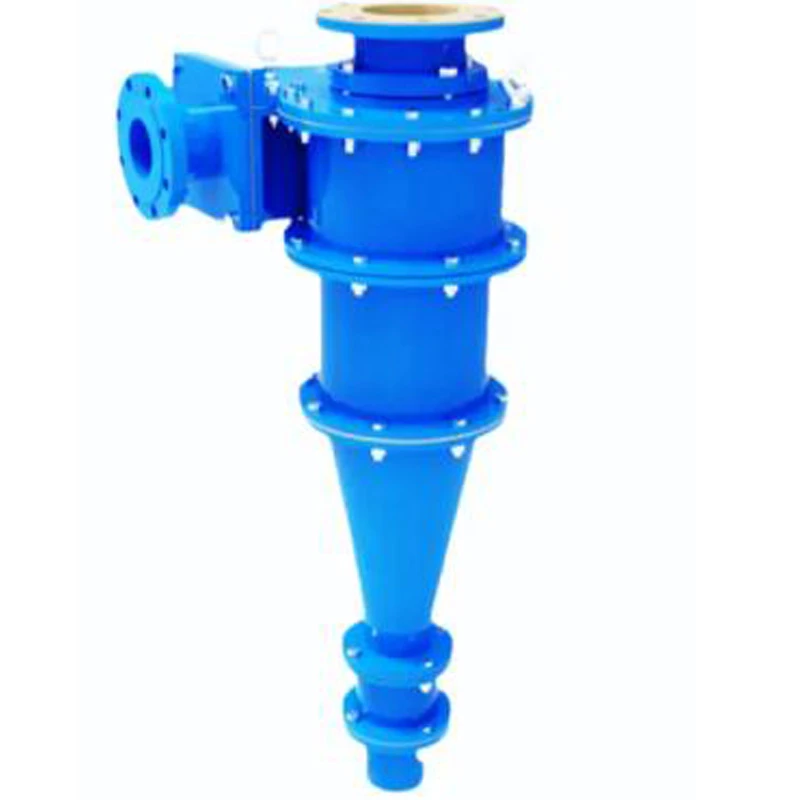
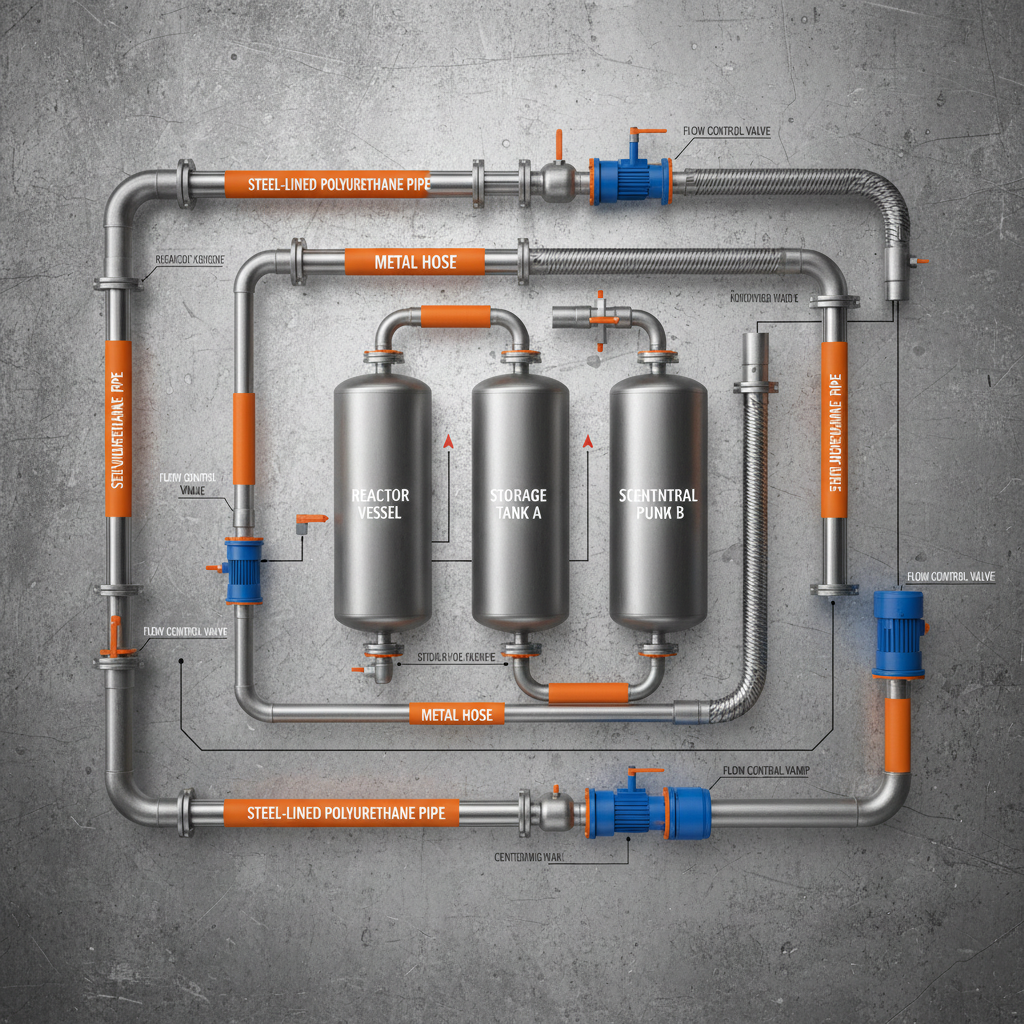
Our main products are polyurethane lined pipes, mining equipment fittings and metal hoses.