Comprehensive Guide to Chemical Storage Tank Selection and Safe Handling
Chemical Storage Tank: A Comprehensive Guide
Selecting the right chemical storage tank is crucial for the safe and efficient handling of various substances. These tanks are indispensable across numerous industries, from water treatment and pharmaceuticals to agriculture and manufacturing. This article provides an in-depth overview of chemical storage tanks, covering types, materials, applications, and key considerations for choosing the right tank for your specific needs. Proper storage minimizes risks, ensures regulatory compliance, and protects both personnel and the environment. We will explore how QW Metal can assist you in finding the optimal solution.
Types of Chemical Storage Tanks
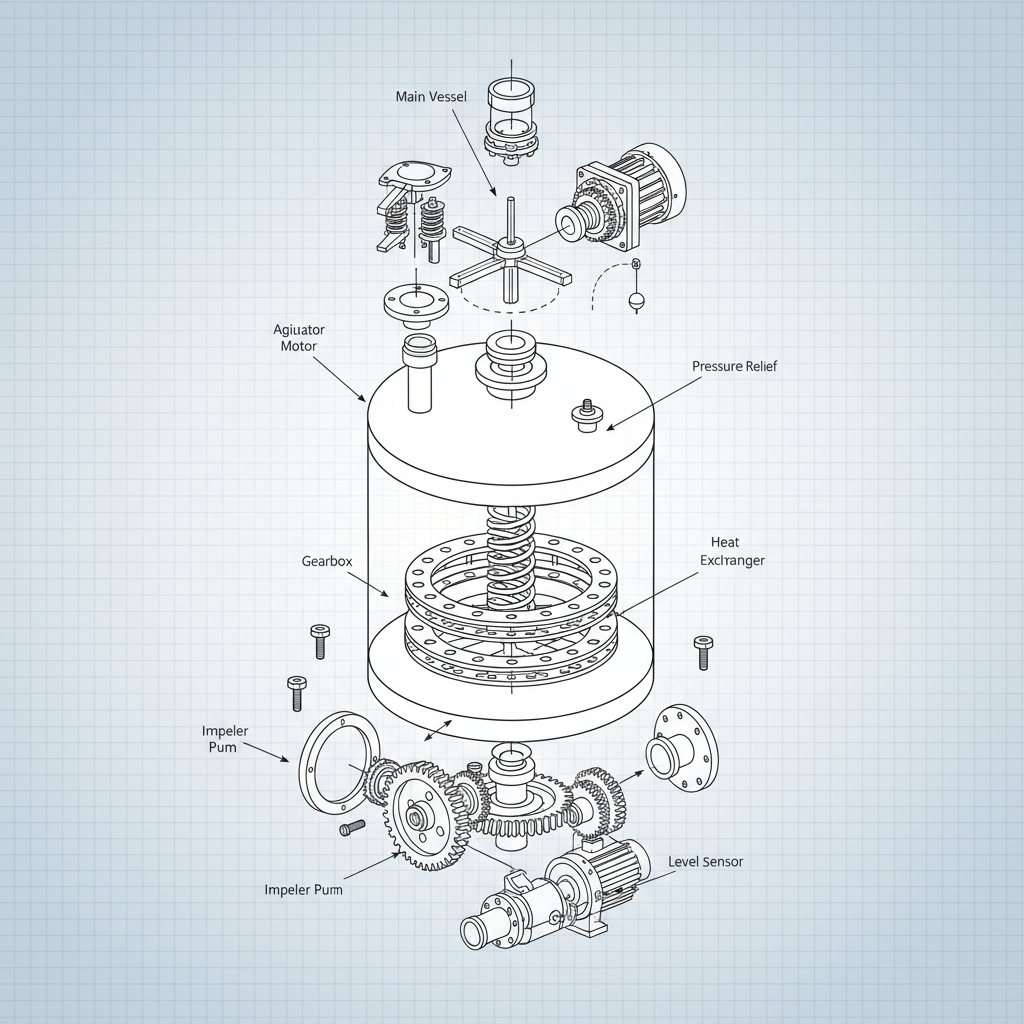
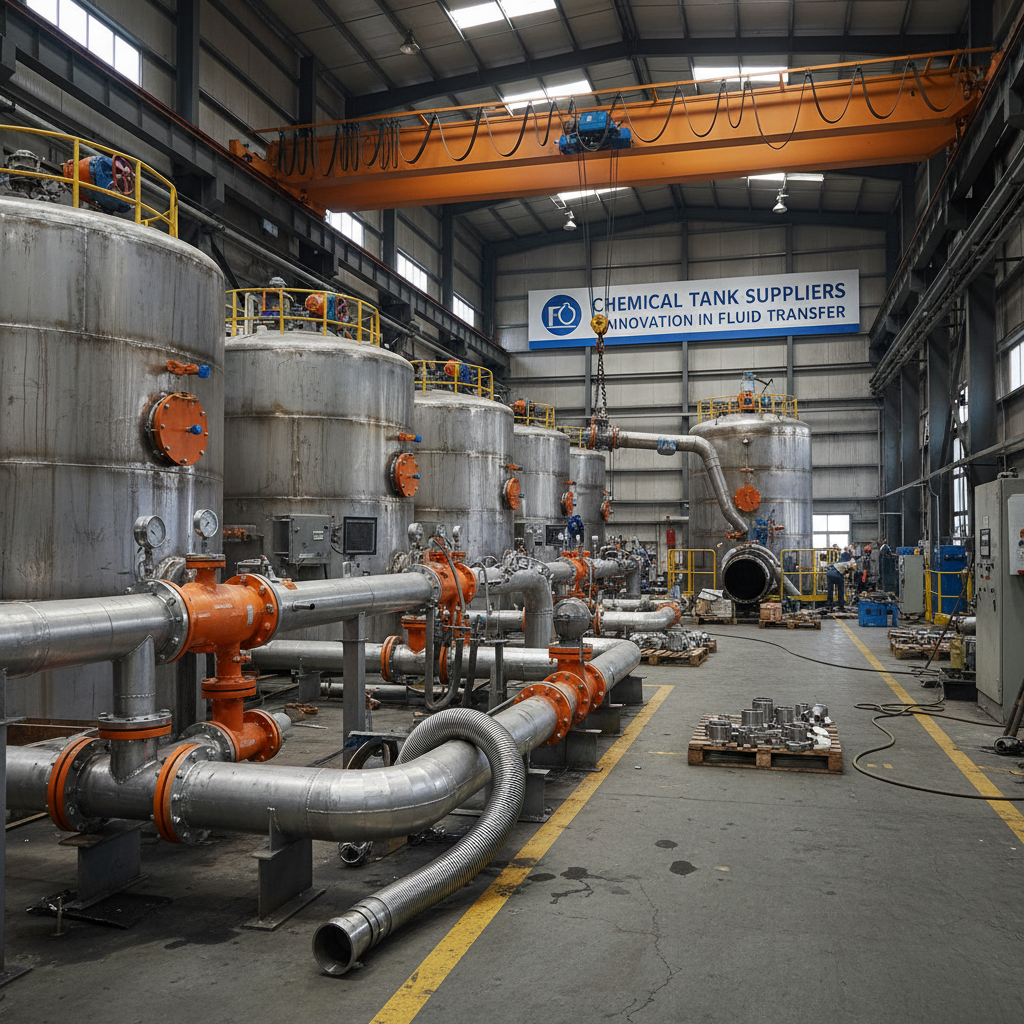
Chemical storage tanks come in a variety of designs, each suited for different applications and chemical properties. Common types include vertical tanks, horizontal tanks, cone bottom tanks, and open-top tanks. Vertical tanks are widely used for large volume storage due to their efficient space utilization. Horizontal tanks are preferred for lower-profile installations and easier cleaning. Cone bottom tanks facilitate complete drainage, ideal for settling solids. Open-top tanks, while less common for hazardous chemicals, are useful for non-volatile liquids. Choosing the right type depends on factors such as the chemical's viscosity, corrosivity, and storage volume. Understanding these differences is vital for safe and cost-effective storage solutions.
Key Considerations: Tank selection should align with chemical compatibility, storage volume, site constraints, and regulatory requirements.
Materials Used in Chemical Storage Tanks
The material of construction is paramount in chemical storage. Common materials include polyethylene (PE), polypropylene (PP), fiberglass reinforced plastic (FRP), and stainless steel. Polyethylene and polypropylene offer excellent chemical resistance and are cost-effective for many applications. FRP is lightweight and corrosion-resistant, ideal for aggressive chemicals. Stainless steel provides superior strength and durability, suitable for high-purity and critical applications. Material selection must consider the specific chemical being stored, its concentration, temperature, and potential for corrosion. QW Metal specializes in fabricating tanks from high-quality materials to ensure long-term reliability and safety.
Material Comparison:
• Polyethylene (PE): Excellent chemical resistance, cost-effective.
• Polypropylene (PP): High temperature resistance, good chemical resistance.
• Fiberglass Reinforced Plastic (FRP): Lightweight, corrosion-resistant.
• Stainless Steel: Superior strength, durability, and chemical compatibility.
Choosing the Right Chemical Storage Tank
Selecting the appropriate chemical storage tank requires careful consideration of several factors. First, identify the chemical being stored and its compatibility with various tank materials. Consult chemical resistance charts and material safety data sheets (MSDS). Second, determine the required storage volume and account for potential future expansion. Third, assess site constraints, including space limitations and environmental conditions. Fourth, ensure compliance with relevant regulations and industry standards. Finally, consider secondary containment measures to prevent spills and leaks. Investing in a well-designed and properly maintained tank is a proactive step towards safety and environmental responsibility.
Safety Features and Accessories for Chemical Storage Tanks
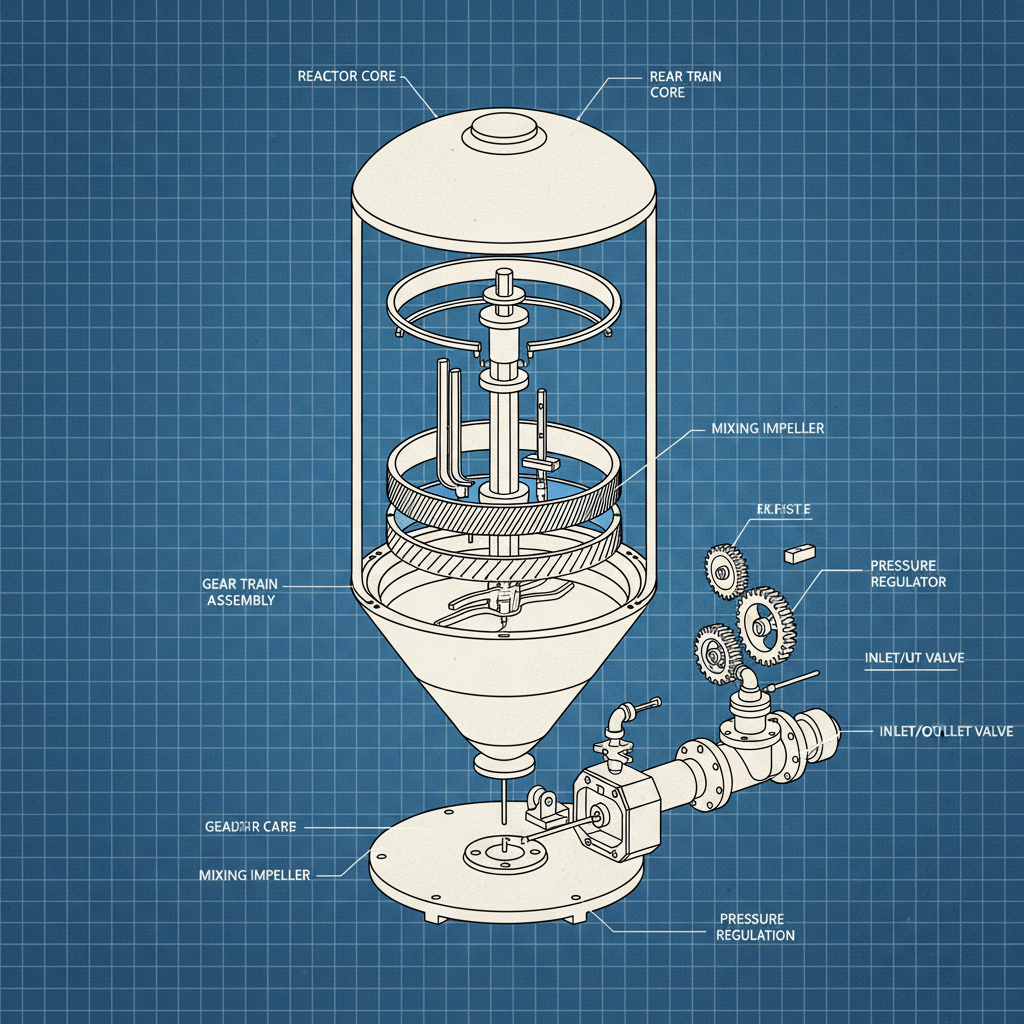
Modern chemical storage tanks incorporate various safety features to mitigate risks. These include level indicators, pressure relief valves, vents, and secondary containment systems. Level indicators provide visual confirmation of tank capacity, preventing overfilling. Pressure relief valves protect against excessive pressure buildup. Vents allow for the release of vapors, maintaining safe internal pressure. Secondary containment, such as bunds or dikes, contains spills and prevents environmental contamination. Additional accessories, like agitation systems and heating/cooling jackets, can enhance tank functionality. QW Metal can customize tanks with these features to meet your specific requirements.
Maintenance and Inspection of Chemical Storage Tanks
Regular maintenance and inspection are crucial for ensuring the long-term reliability and safety of chemical storage tanks. Inspections should include visual checks for cracks, corrosion, leaks, and damage to fittings. Tank interiors should be inspected periodically to assess material degradation. All safety features, such as valves and vents, should be tested regularly. Proper maintenance includes cleaning, painting (if applicable), and replacing worn components. Maintain detailed records of all inspections and maintenance activities. A proactive maintenance program minimizes the risk of failures and extends the life of the tank. QW Metal offers maintenance and repair services to keep your tanks operating safely and efficiently.
Conclusion: Investing in Reliable Chemical Storage
Choosing the right chemical storage tank is a significant investment in safety, compliance, and operational efficiency. By carefully considering the factors outlined in this guide and partnering with a reputable manufacturer like QW Metal, you can ensure the secure and reliable storage of your valuable chemicals.
Frequently Asked Questions (FAQs)
What are the key regulations governing chemical storage tanks?
Regulations vary by location, but common standards include those from the EPA (Environmental Protection Agency), OSHA (Occupational Safety and Health Administration), and state/local environmental agencies. These regulations address tank design, construction, secondary containment, leak detection, and spill prevention. Compliance is essential to avoid penalties and ensure environmental protection. Specific requirements depend on the type of chemical, storage volume, and location. Consult with environmental consultants and regulatory experts to ensure full compliance.
How often should I inspect my chemical storage tank?
Regular inspections are critical. Visual inspections should be performed monthly, looking for signs of corrosion, leaks, cracks, or damage to fittings. More comprehensive inspections, including internal inspections and testing of safety features, should be conducted annually or as recommended by the manufacturer and regulatory requirements. Keep detailed records of all inspections.
What is secondary containment and why is it important?
Secondary containment refers to measures taken to prevent spills or leaks from reaching the environment. This typically involves surrounding the tank with a bund, dike, or other containment structure capable of holding the entire volume of the tank plus an allowance for rainfall. It’s crucial for environmental protection, regulatory compliance, and minimizing potential damage from spills.
Can QW Metal provide custom chemical storage tank solutions?
Yes, QW Metal specializes in custom fabrication of chemical storage tanks to meet specific customer needs. We can tailor tank size, material, features, and accessories to your exact requirements, ensuring a safe and efficient storage solution.
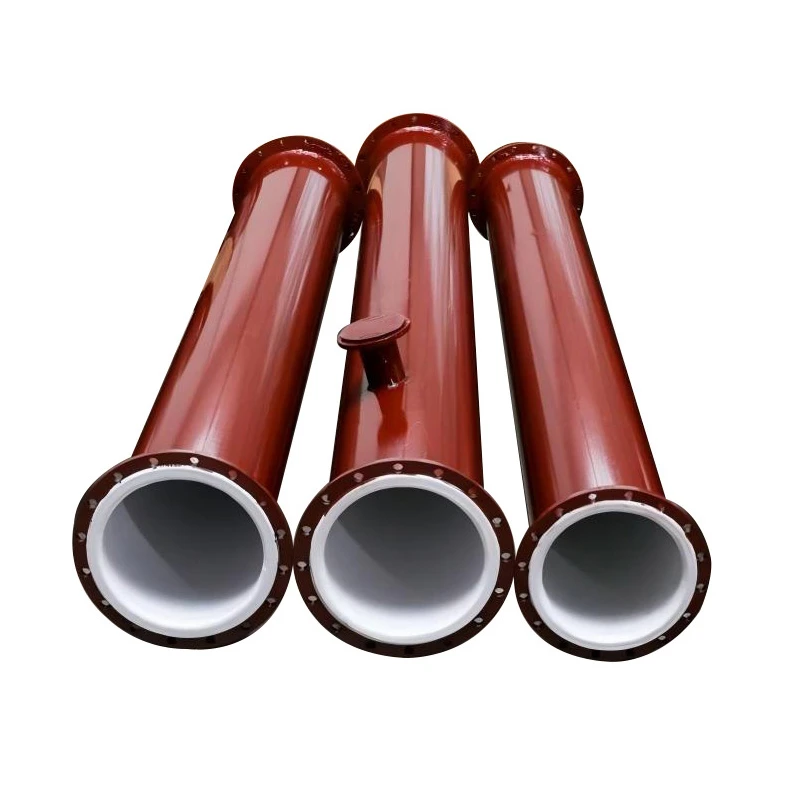
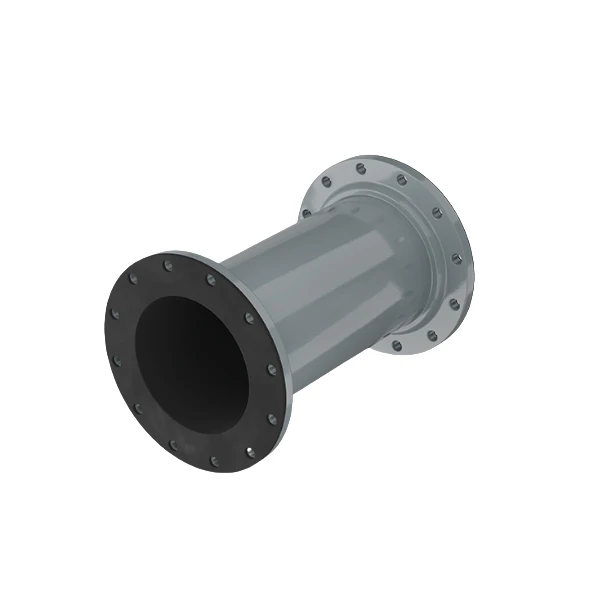
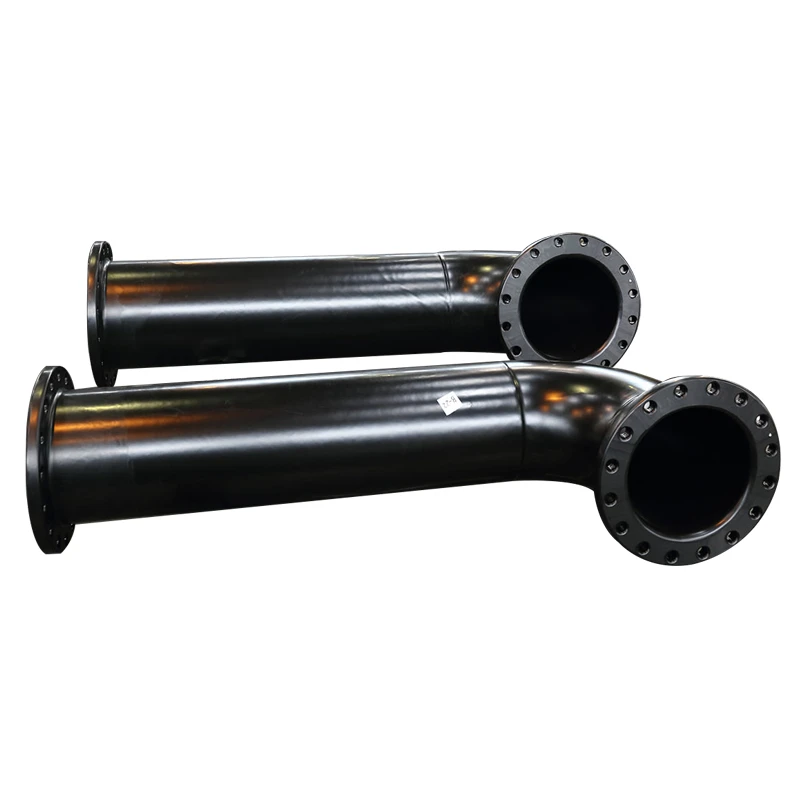
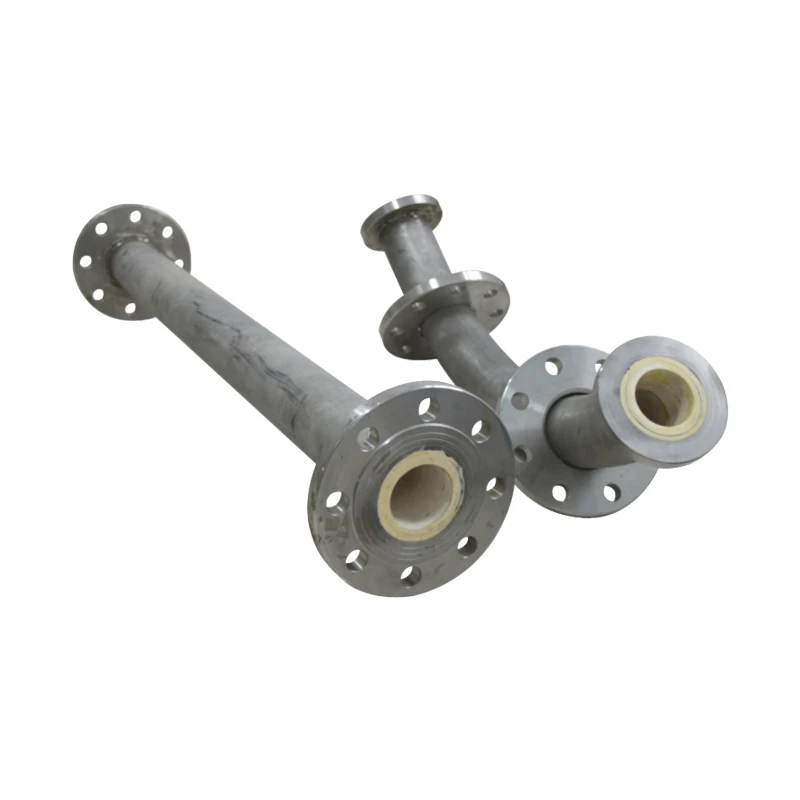

Related Products
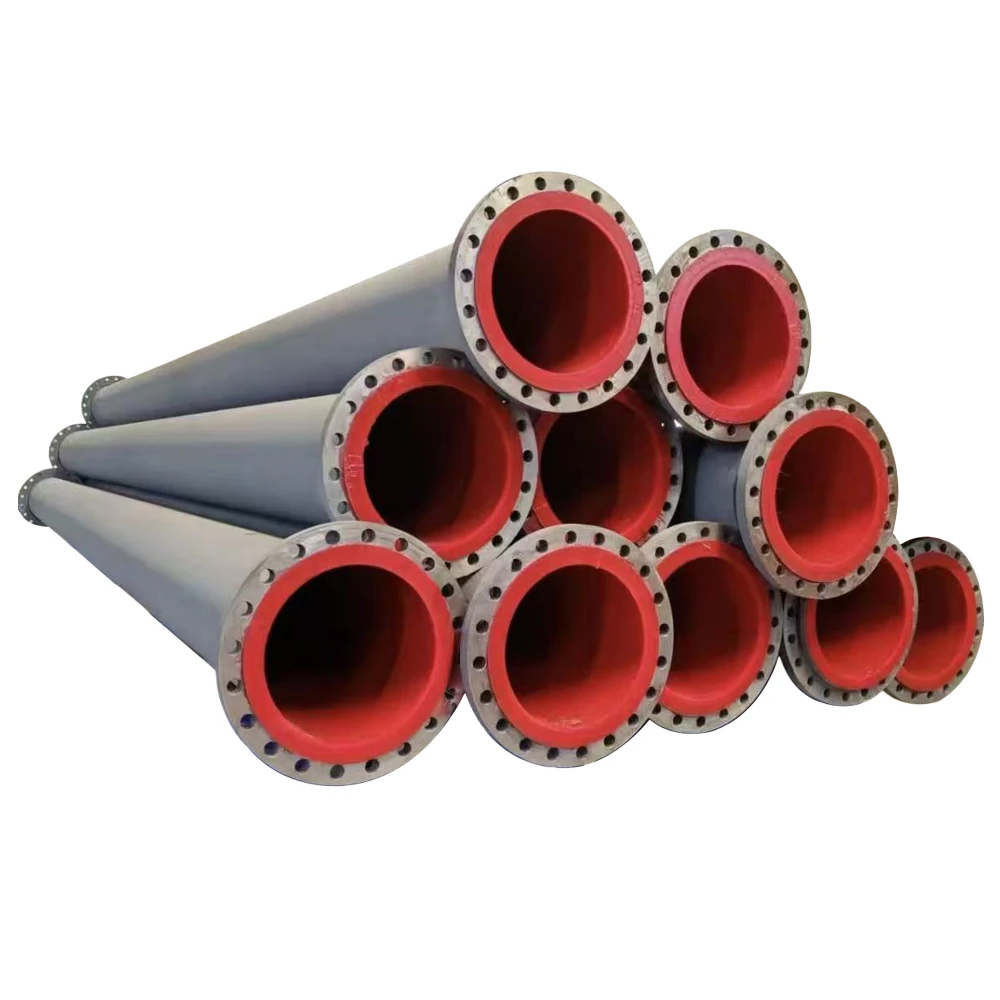
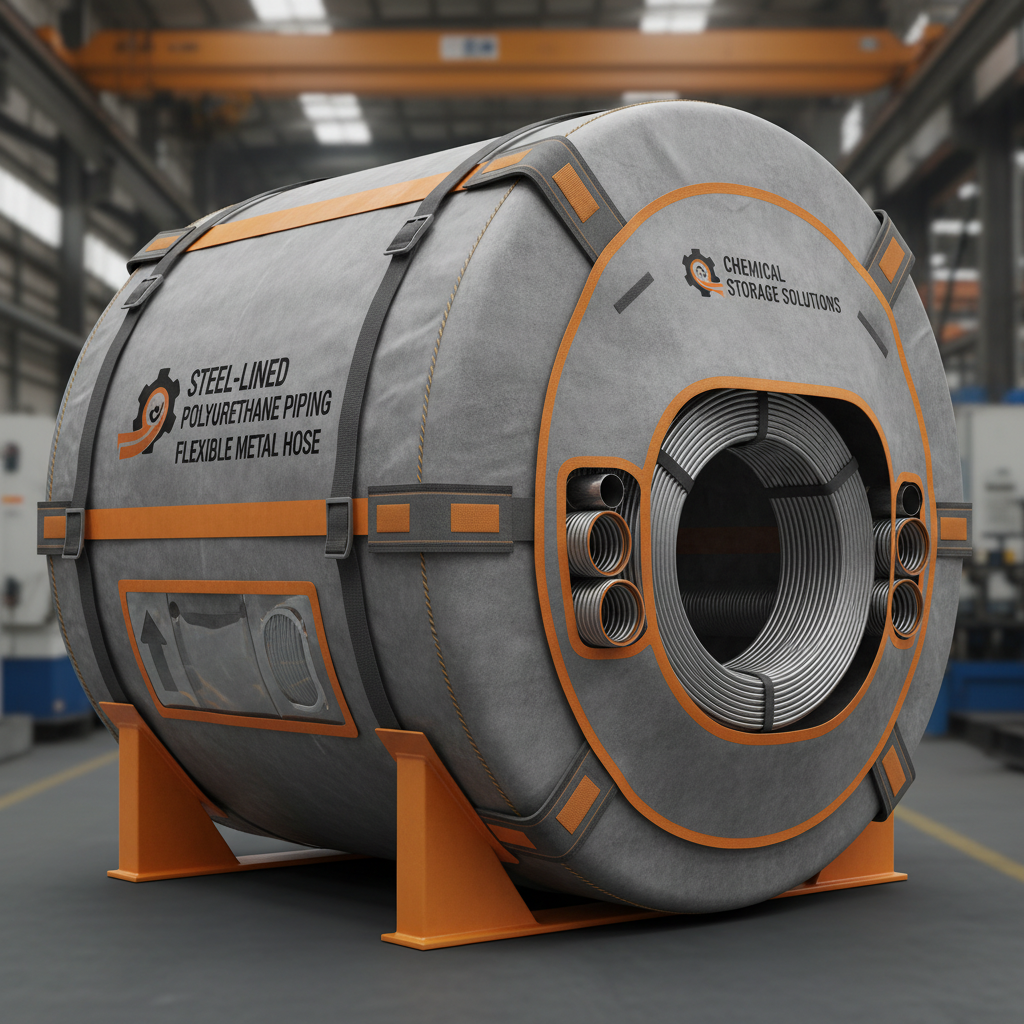
Our main products are polyurethane lined pipes, mining equipment fittings and metal hoses.