Comprehensive Guide to Chemical Storage Tanks: Design, Applications & Future Trends
Chemical Storage Tank: An Essential Component in Modern Industry and Beyond
At first blush, a chemical storage tank might sound like just a big container holding liquids. But if you stop and consider the critical role it plays globally — from sustaining supply chains to ensuring safety in processing plants — it becomes clear why understanding these tanks matters so much. Frankly, it’s a topic that touches everything from industrial innovation to environmental stewardship and public safety.
With the chemical industry estimated to be worth $5 trillion globally (according to Statista 2023), safely storing vast volumes of corrosive, volatile, and valuable liquids is crucial. Without reliable chemical storage tanks, entire sectors like pharmaceuticals, agriculture, water treatment, and energy could face costly disruptions or catastrophic failures. This article sheds light on the design, applications, and future of these often overlooked but highly engineered assets.
The Global Importance of Chemical Storage Tanks
In an era where industry faces increasing demand for efficiency, transparency, and sustainability, the humble storage tank must evolve to keep pace. According to the International Organization for Standardization (ISO), stringent standards now govern tank manufacture and maintenance to reduce environmental risk and improve operational reliability worldwide.
Yet challenges persist: chemical spills still cause economic and ecological damage, often triggered by inadequate storage solutions. For example, chemical plant accidents in Asia-Pacific regions have highlighted gaps in infrastructure quality, pushing industrial stakeholders to seek smarter, safer solutions everywhere from the Gulf Coast to Southeast Asia.
What Is a Chemical Storage Tank?
Simply put, a chemical storage tank is a robust vessel designed to safely hold liquids or gases used in industrial applications. It’s more than a container — it’s a technical system engineered to handle corrosive substances, resist environmental pressures, and maintain product integrity.
Modern tanks may be made from carbon steel, stainless steel, fiberglass, or even specialized alloys, depending on chemical compatibility and regulations. They’re critical in refining processes, agriculture for fertilizers, water treatment chemicals, and much more. Their proper use supports everything from humanitarian efforts like clean water initiatives to high-tech manufacturing.
Core Components and Key Factors
1. Durability & Material Compatibility
Materials must withstand corrosive chemicals without degrading. Often, tanks are lined or coated. Durability is vital because leaks or ruptures can be disastrous.
2. Scalability & Capacity
Industries range from needing small portable tanks to massive industrial reserves holding millions of liters. The scalability affects transportation, installation, and maintenance.
3. Safety Features
Features such as pressure relief valves, secondary containment, and sensors guard against accidents, protecting workers and the environment.
4. Cost Efficiency
Balancing upfront investment with lifespan and maintenance expenses influences decisions. Oddly enough, sometimes a pricier tank with longer durability makes better financial sense.
5. Regulatory Compliance
Adhering to standards like UL, API, ISO ensures tanks meet international safety and quality benchmarks. This is crucial for global trade and environmental protection.
Specifications at a Glance
| Specification | Typical Range | Notes |
|---|---|---|
| Material | Carbon steel, Stainless steel, FRP | Depends on chemical type |
| Capacity | 100 L to 5,000,000 L | Custom sizes available |
| Operating Temperature | -40°C to 200°C | Material-dependent |
| Max Operating Pressure | Up to 10 bar (some custom tanks higher) | Pressure vessels require certification |
| Design Standards | API 650, ISO 28765, UL 142 | Safety & reliability benchmarks |
Global Applications and Use Cases
Chemical storage tanks speak many industrial languages. They’re everywhere you’d expect — and some surprise places — playing a role:
- Manufacturing hubs: In the US Gulf Coast or Germany’s chemical parks, massive tanks store raw acids or solvents needed for production runs.
- Water treatment plants: Tanks store chlorine and other chemicals critical to safe public water supplies, in cities from Tokyo to Johannesburg.
- Disaster relief efforts: In post-flood zones, temporary tanks allow safe storage of disinfectants and industrial cleaners — crucial to prevent disease outbreaks.
- Remote mining operations: In Australia or Chile, portable chemical tanks support processes without easy access to infrastructure, minimizing supply chain risks.
Each scenario demands customized solutions — transportable tanks may prioritize lightness, while permanent tanks emphasize durability.
Mini takeaway: Chemical storage tanks don’t just hold chemicals; they underpin critical functions worldwide, from clean water to industrial safety.
Advantages and Long-Term Value
Good tank design offers clear benefits:
- Safety: Reduces chances of leaks, fire, or contamination.
- Cost savings: Robust tanks reduce maintenance and downtime.
- Sustainability: Prevents environmental damage; some tanks can be recycled.
- Trust & Innovation: Companies investing in quality tanks gain credibility and market edge.
It feels like the right storage tank becomes the unsung hero—you may never notice it unless something goes wrong.
Comparing Leading Chemical Storage Tank Vendors
| Vendor | Material Options | Custom Capacities | Typical Lead Time | Price Range |
|---|---|---|---|---|
| QW Metal | Carbon steel, Alloy steel, FRP | 100 L – 5,000,000 L | 4 – 8 weeks | Mid to high |
| Global Tanks Inc. | Carbon steel, Stainless steel | 500 L – 3,000,000 L | 6 – 10 weeks | High |
| SafeStor Solutions | Fiberglass, Polymer coatings | 100 L – 1,000,000 L | 3 – 6 weeks | Low to mid |
Looking Ahead: Trends and Innovations
Emerging trends hint at a future where chemical storage tanks are smarter, greener, and more integrated with digital systems. For example:
- Smart sensors and IoT integration: Real-time monitoring of chemical levels, temperature, and leaks enhances safety and efficiency.
- Eco-friendly materials: Research into composite tanks and biodegradable coatings aims to reduce environmental impact.
- Automation: Automated cleaning and maintenance systems promise lower human exposure risks.
The push for sustainability aligned with the UN’s Sustainable Development Goals (SDGs) especially SDG 12 (Responsible Consumption and Production) is shaping regulatory and manufacturing focus.
Common Challenges and Expert Solutions
No system is perfect: corrosion, unexpected mechanical failure, and regulatory hurdles still complicate storage tank use. But experts say:
- Regular non-destructive testing (NDT) and inspections reduce failure risk.
- Advanced coatings prolong life even in harsh conditions.
- Modular and portable tank designs can overcome site constraints.
Ultimately, embracing a “total lifecycle” view from design through disposal optimizes safety and ROI.
FAQ: Practical Questions About Chemical Storage Tanks
- Q: How do I choose the right material for my chemical storage tank?
- A: Select material based on chemical compatibility, temperature, and pressure. For example, stainless steel resists corrosion well for acids, whereas fiberglass suits some organic solvents. Consulting data sheets and suppliers ensures the best match.
- Q: What maintenance is required to keep tanks safe over time?
- A: Routine inspections looking for corrosion, cracks, and leaks are essential. Non-destructive testing (ultrasound, radiography) helps detect internal issues. Plus, maintaining coatings and seals extends lifespan significantly.
- Q: Are chemical storage tanks portable for emergency use?
- A: Yes, smaller tanks or modular designs can be transported for disaster relief or temporary industrial setups. They may trade off capacity for mobility but expand usefulness in urgent scenarios.
- Q: What certifications should I look for when buying a chemical tank?
- A: Check for compliance with standards like API 650 for welded tanks, UL 142 for steel tanks, and ISO certifications. These ensure the tank meets safety and quality benchmarks crucial for compliance and insurance.
- Q: Can chemical storage tanks be recycled at end-of-life?
- A: Many steel tanks can be recycled, reducing environmental footprint. Composite tanks are more challenging but evolving technologies are improving recyclability and eco-friendly disposal methods.
In Conclusion
Understanding the vital role and nuances of chemical storage tanks reveals a fascinating intersection of engineering, safety, and environmental care. The right tank isn’t just a container — it’s a linchpin for sustainable industrial growth and global welfare.
If you’re in the market for reliable, customizable chemical storage tanks, consider exploring trusted suppliers like QW Metal, whose expertise spans decades and diverse industries.
Give your operations the strong foundation they deserve — smart chemical storage isn’t optional anymore. It’s essential.
Quick takeaway: Chemical storage tanks quietly enable safer, smarter industry and environmental responsibility worldwide.
References

Related Products
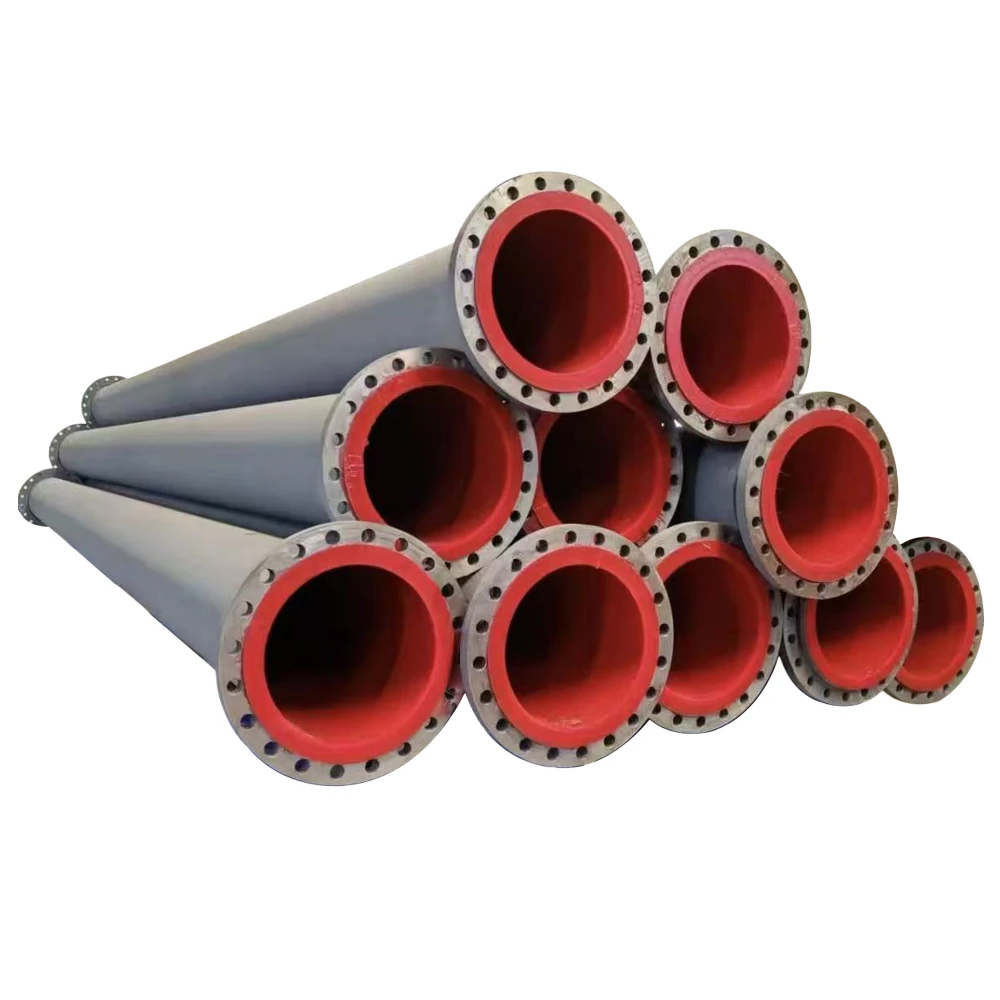
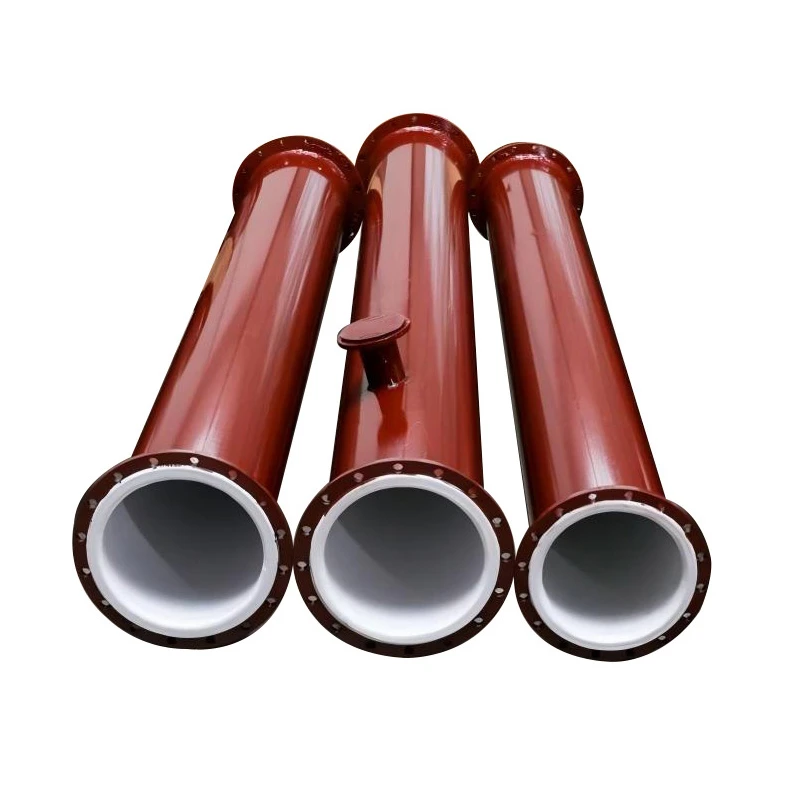
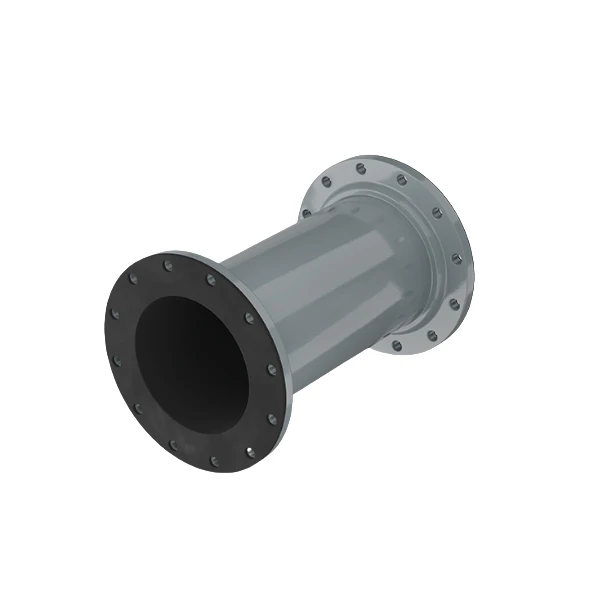
Our main products are polyurethane lined pipes, mining equipment fittings and metal hoses.