Comprehensive Guide to PTFE Lined Tanks for Chemical Storage Solutions
PTFE Lined Tanks: A Comprehensive Guide
When it comes to storing corrosive or sensitive materials, selecting the right tank is crucial. PTFE lined tanks offer exceptional chemical resistance and purity, making them ideal for a wide range of industrial applications. This article will explore the benefits, applications, materials, and considerations when choosing a PTFE lined tank, providing a thorough overview for professionals and procurement managers. Understanding the intricacies of these tanks can ensure the safe and efficient storage of your valuable resources.
Understanding PTFE and its Benefits in Tank Linings
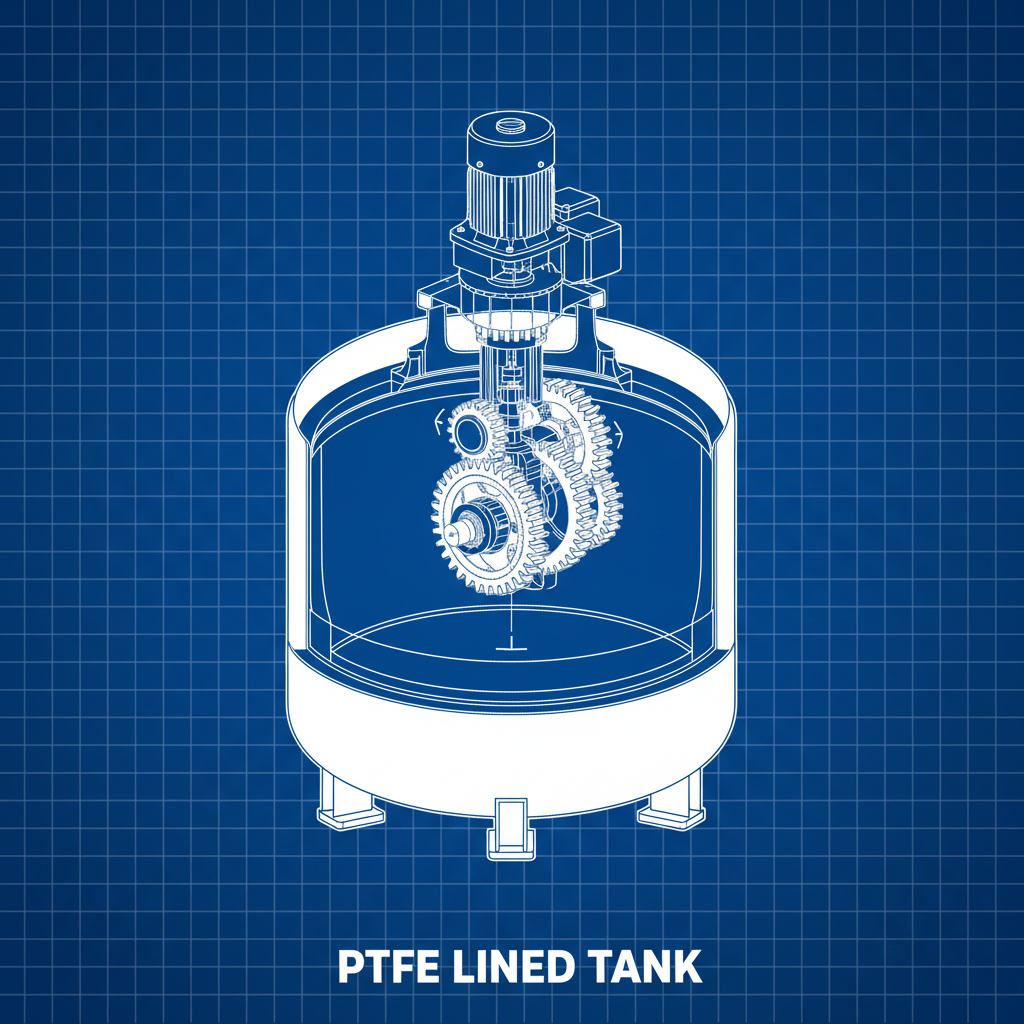
PTFE (Polytetrafluoroethylene), often known as Teflon™, is a synthetic fluoropolymer renowned for its exceptional chemical inertness, wide temperature range (-200°C to +260°C), and low coefficient of friction. When used as a lining material for tanks, PTFE provides a barrier against highly corrosive substances like acids, alkalis, and solvents. This prevents contamination of the stored material and protects the tank itself from corrosion. QW Metal specializes in creating high-quality PTFE lined tanks designed to meet demanding industrial needs. A crucial benefit of PTFE is its exceptional purity, making it suitable for pharmaceutical and food-grade applications.
Key Highlights: PTFE’s chemical inertness and temperature resistance make it ideal for storing aggressive substances, preserving material integrity, and extending tank lifespan.
Applications of PTFE Lined Tanks
PTFE lined tanks serve a diverse range of industries. In the chemical processing industry, they are vital for storing aggressive reagents and intermediates. The pharmaceutical sector utilizes them for maintaining the purity of sensitive compounds. Food and beverage companies benefit from their hygienic properties and resistance to food acids. Additionally, they find applications in electroplating, wastewater treatment, and the storage of volatile organic compounds (VOCs). The versatility of PTFE lined tanks from QW Metal ensures compatibility with a broad spectrum of materials and processes.
Key Application Areas:
• Chemical Processing
• Pharmaceutical Manufacturing
• Food and Beverage Production
• Electroplating and Surface Treatment
PTFE Lined Tank Materials & Construction
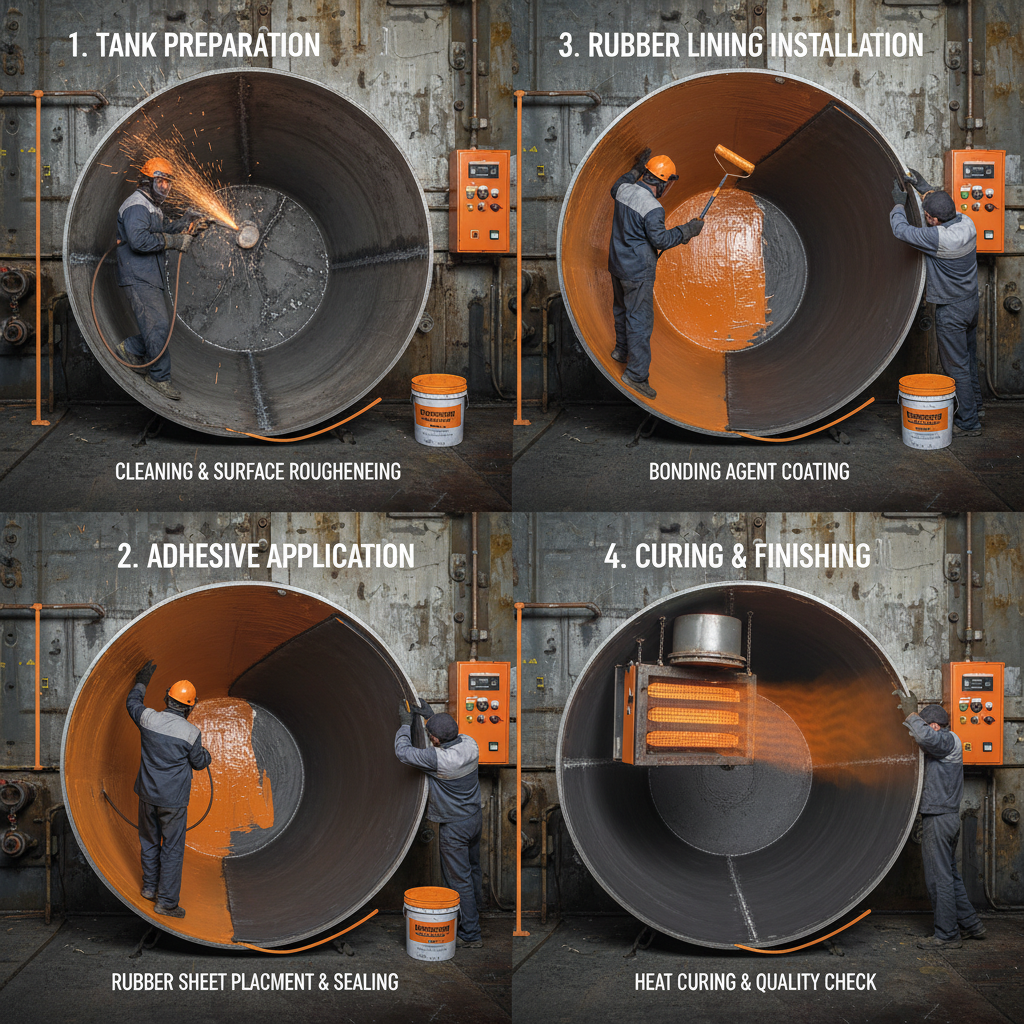
While PTFE provides the critical lining, the underlying tank material is equally important. Common base materials include carbon steel, stainless steel (304, 316), and fiberglass reinforced plastic (FRP). The choice depends on the application’s pressure requirements, temperature range, and overall chemical compatibility. QW Metal offers a wide range of tank materials and sizes, ensuring a tailored solution for your specific needs. The lining is typically applied using techniques like sheet lining, coil lining, or molding, depending on the tank’s geometry and size. Proper surface preparation is vital to ensure a strong, durable bond between the PTFE lining and the substrate.
Key Considerations When Choosing a PTFE Lined Tank
Selecting the right PTFE lined tank requires careful consideration of several factors. The specific chemical being stored is paramount, as even PTFE has limitations with certain highly reactive substances. The tank’s operating temperature and pressure also play a crucial role in material selection and lining thickness. Furthermore, consider the tank’s size, shape, and any specific regulatory requirements. Proper installation and ongoing inspection are vital to maintaining the integrity of the lining and ensuring long-term performance.
Quality Control and Standards
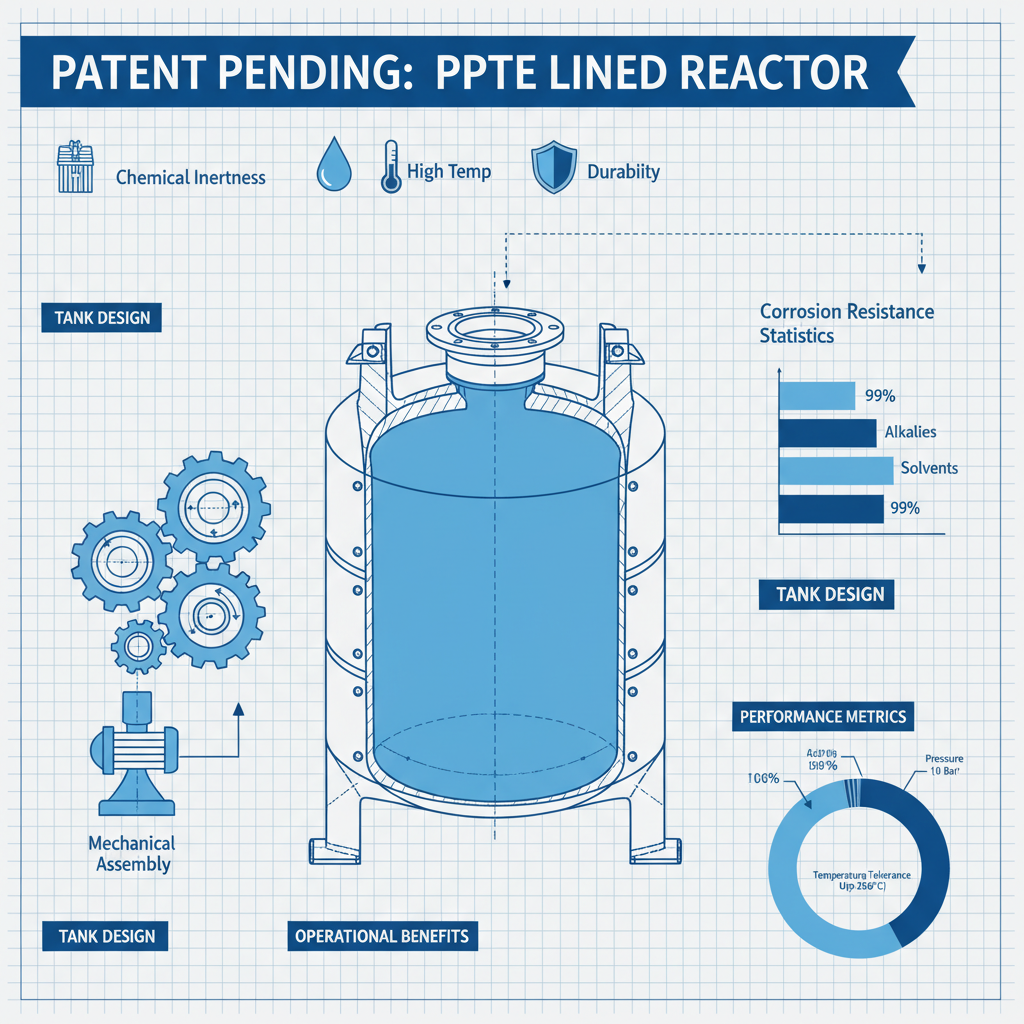
Reputable manufacturers like QW Metal adhere to strict quality control procedures, including thorough testing of the PTFE lining for thickness, adhesion, and chemical resistance. Common standards include ASTM F467 for sheet lining and ASTM F468 for coil lining. These standards ensure the lining meets the required performance criteria. Compliance with relevant industry regulations and certifications is also essential. Choosing a supplier with a proven track record and a commitment to quality will guarantee a reliable and safe product.
Conclusion: Investing in Reliable Chemical Storage
Investing in a high-quality PTFE lined tank is a critical step in ensuring the safe and efficient storage of corrosive and sensitive materials. The exceptional chemical resistance, temperature stability, and purity offered by PTFE, combined with a robust construction, make these tanks a valuable asset in various industrial applications. Partnering with a trusted manufacturer like QW Metal ensures you receive a product that meets the highest standards of quality and performance.
Frequently Asked Questions (FAQs)
What is the typical lifespan of a PTFE lined tank?
The lifespan of a PTFE lined tank can range from 10 to 20 years or more, depending on the application, the chemical being stored, and the operating conditions. Regular inspections are crucial to identify any signs of degradation, such as blistering, cracking, or thinning of the lining. Proper maintenance, including avoiding abrasive materials and extreme temperature fluctuations, can significantly extend the tank's service life. Choosing a tank from a reputable manufacturer with a robust quality control process, like QW Metal, will contribute to longevity.
Can PTFE linings withstand high temperatures?
PTFE exhibits excellent temperature resistance, maintaining its properties over a wide range, typically from -200°C to +260°C (-328°F to +500°F). However, prolonged exposure to temperatures near the upper limit can lead to gradual degradation. The choice of base material for the tank also needs to be considered in high-temperature applications. QW Metal can advise on the optimal material combinations for your specific temperature requirements.
What chemicals are incompatible with PTFE?
While PTFE is exceptionally chemically resistant, it is not universally compatible. Strongly alkaline metals (like sodium and potassium), fluorine gas, and certain highly reactive solvents can attack PTFE. It's crucial to consult a chemical compatibility chart or contact QW Metal’s technical experts to verify compatibility before storing any chemical in a PTFE lined tank. Incorrect chemical selection can compromise the lining and lead to leaks or contamination.
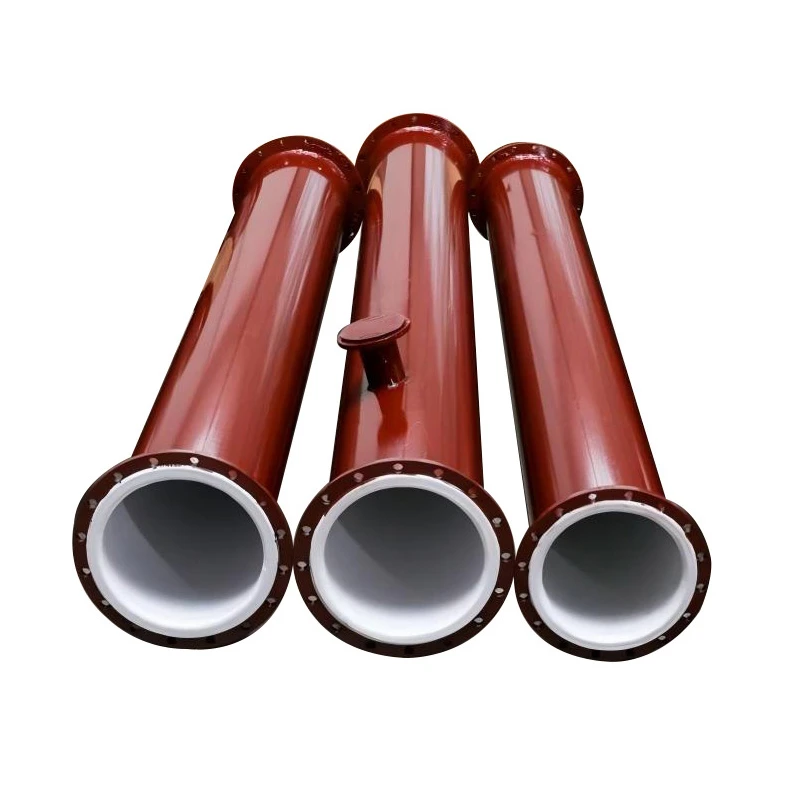
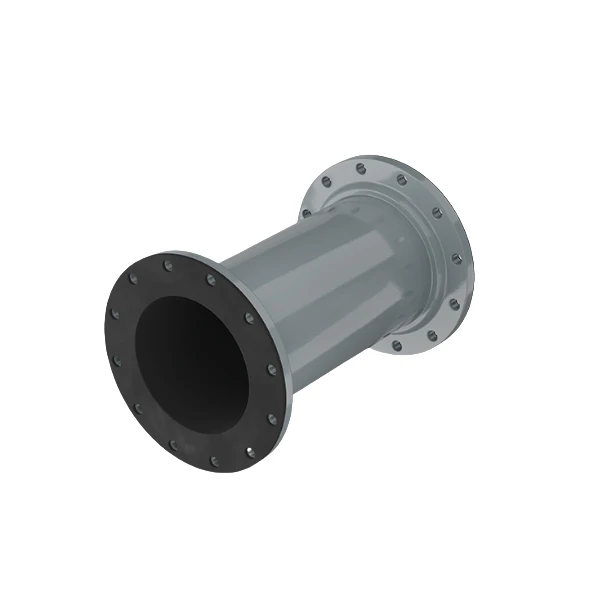
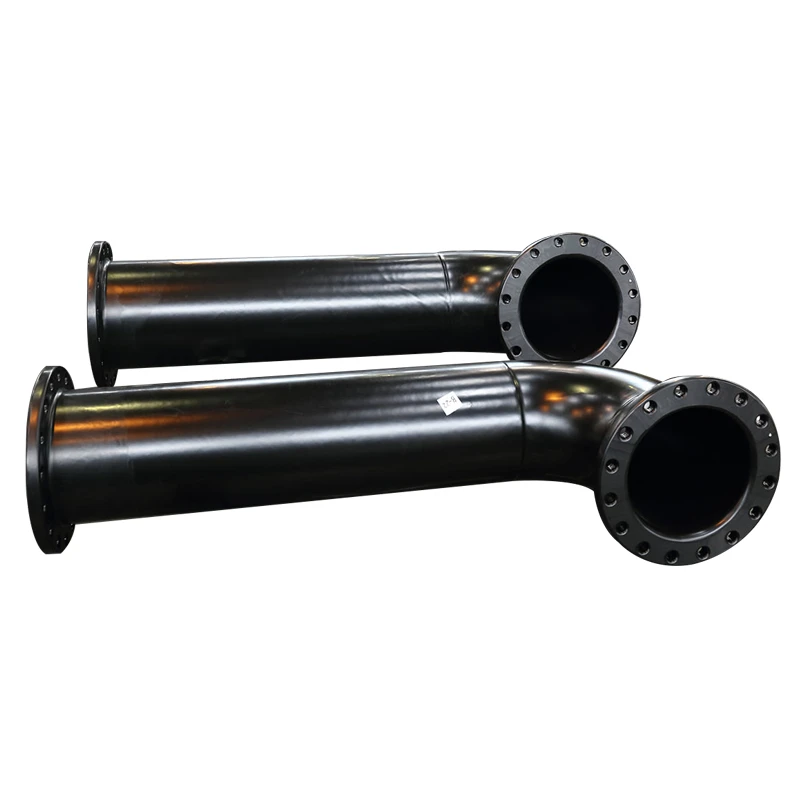
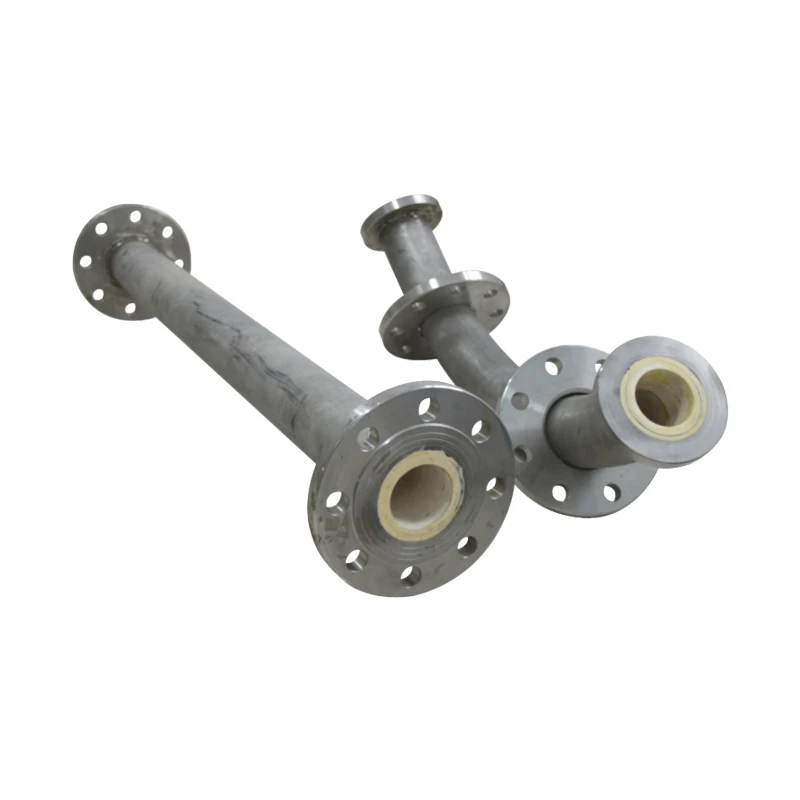
Related Products
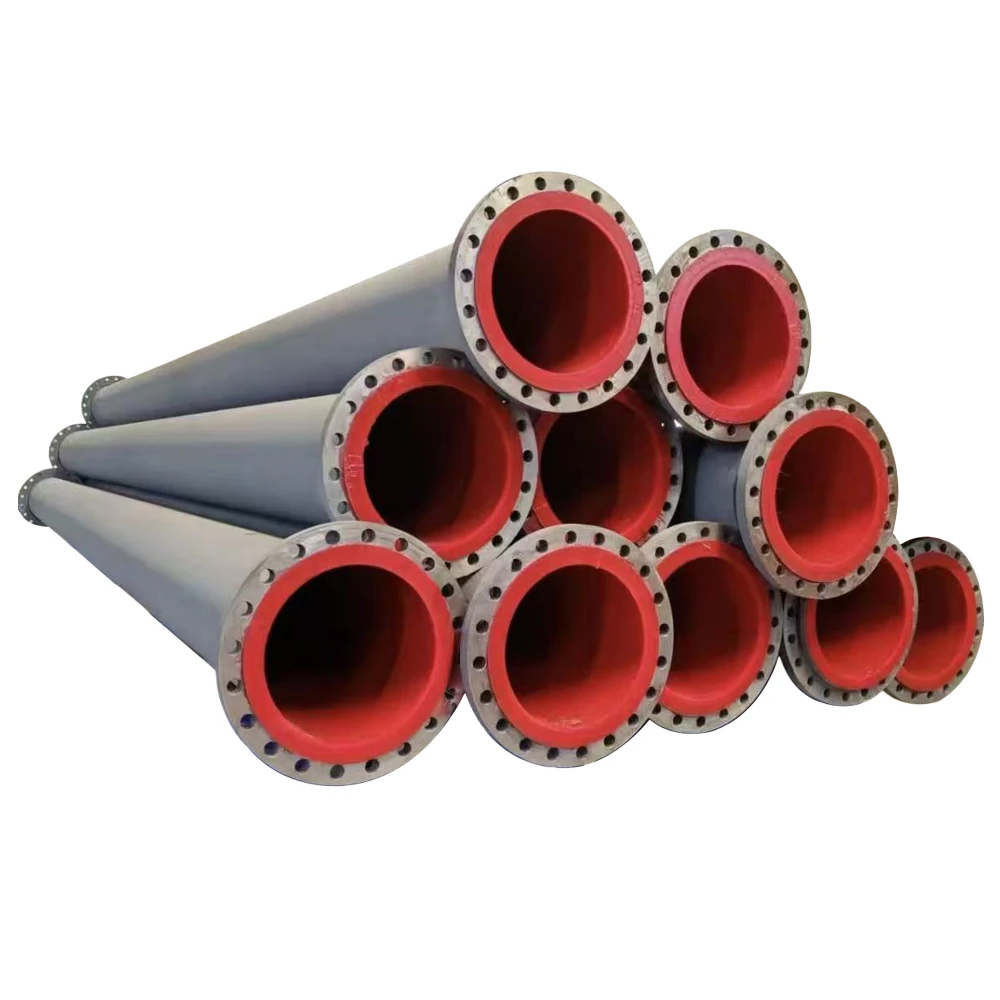
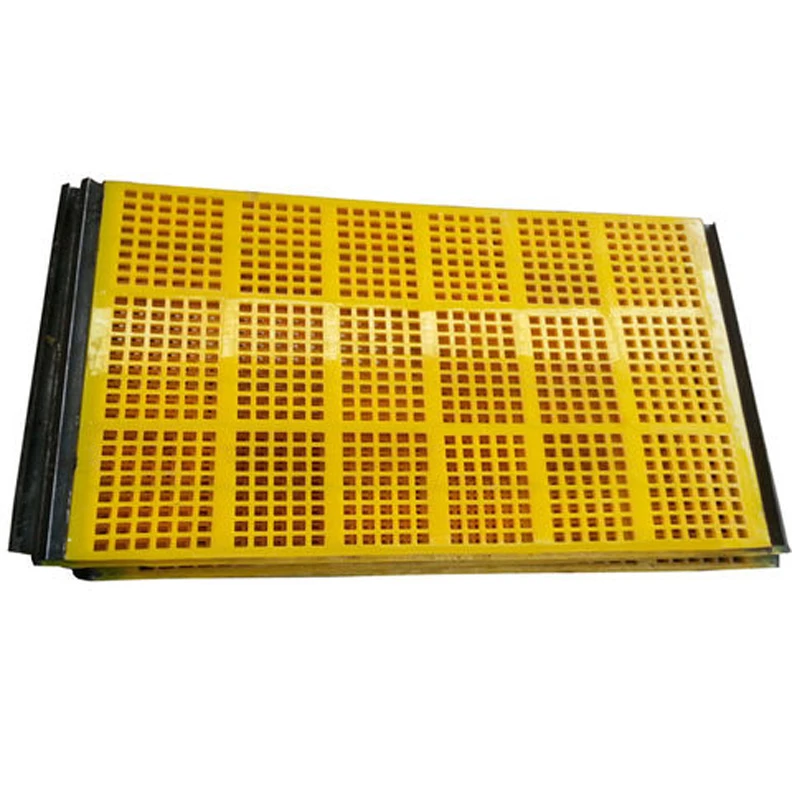
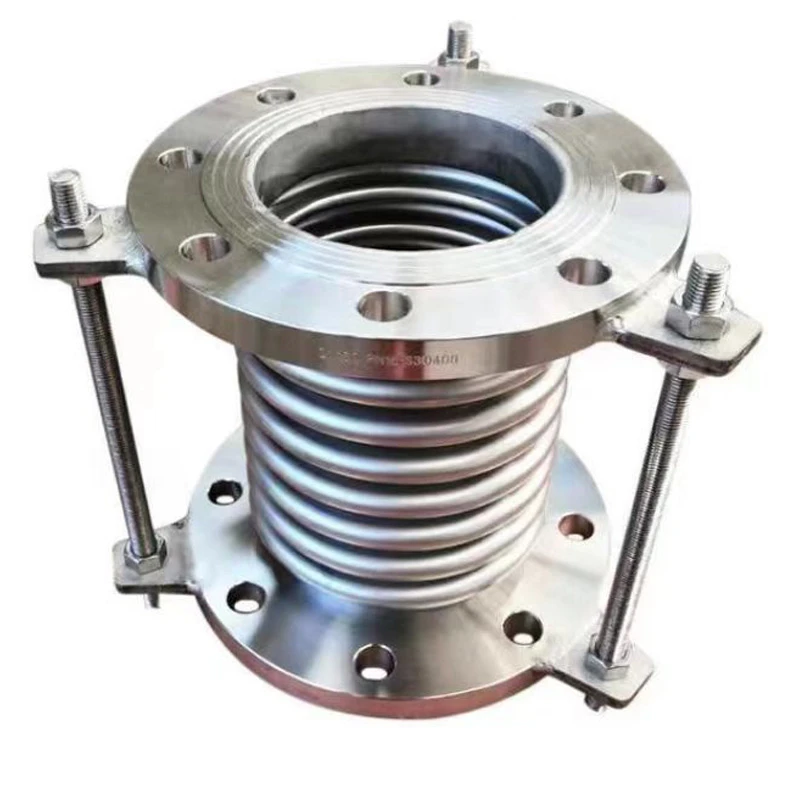
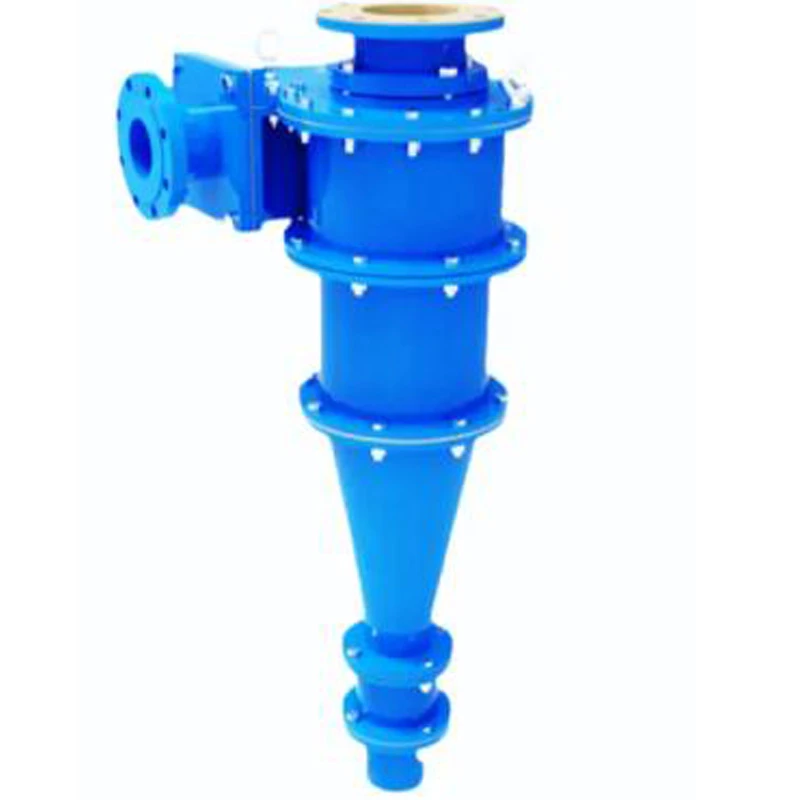
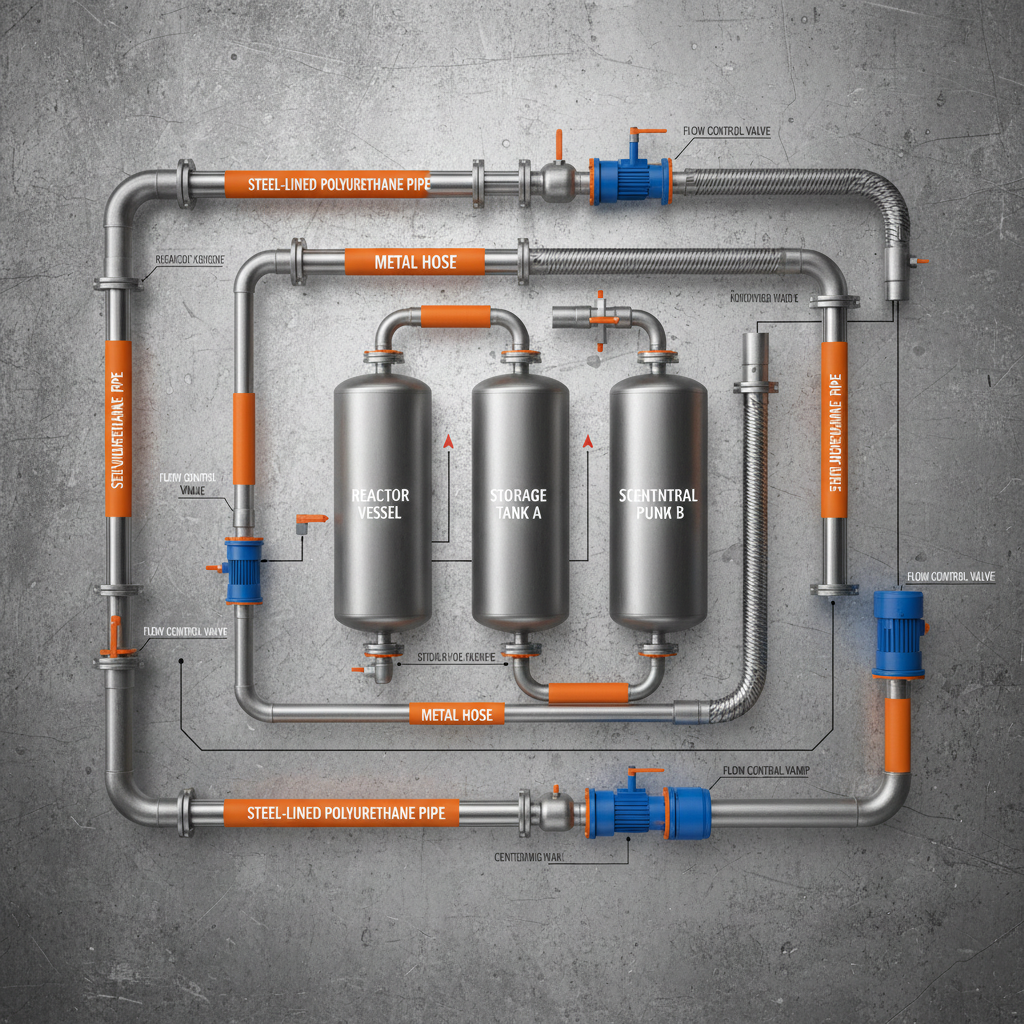
Our main products are polyurethane lined pipes, mining equipment fittings and metal hoses.