Comprehensive Guide to Rubber Lined Tanks for Corrosive Material Storage
Rubber Lined Tanks: A Comprehensive Guide
When it comes to storing corrosive or sensitive materials, choosing the right tank is critical. Rubber lined tanks offer a robust and reliable solution, providing exceptional chemical resistance and preventing contamination. This article explores the benefits, applications, construction, and considerations when selecting a rubber lined tank for your specific needs. Understanding the technology behind these tanks is key to ensuring the safe and efficient storage of your valuable materials. QW Metal specializes in high-quality, custom rubber lined tanks for a wide range of industries.
What are Rubber Lined Tanks and Why Use Them?
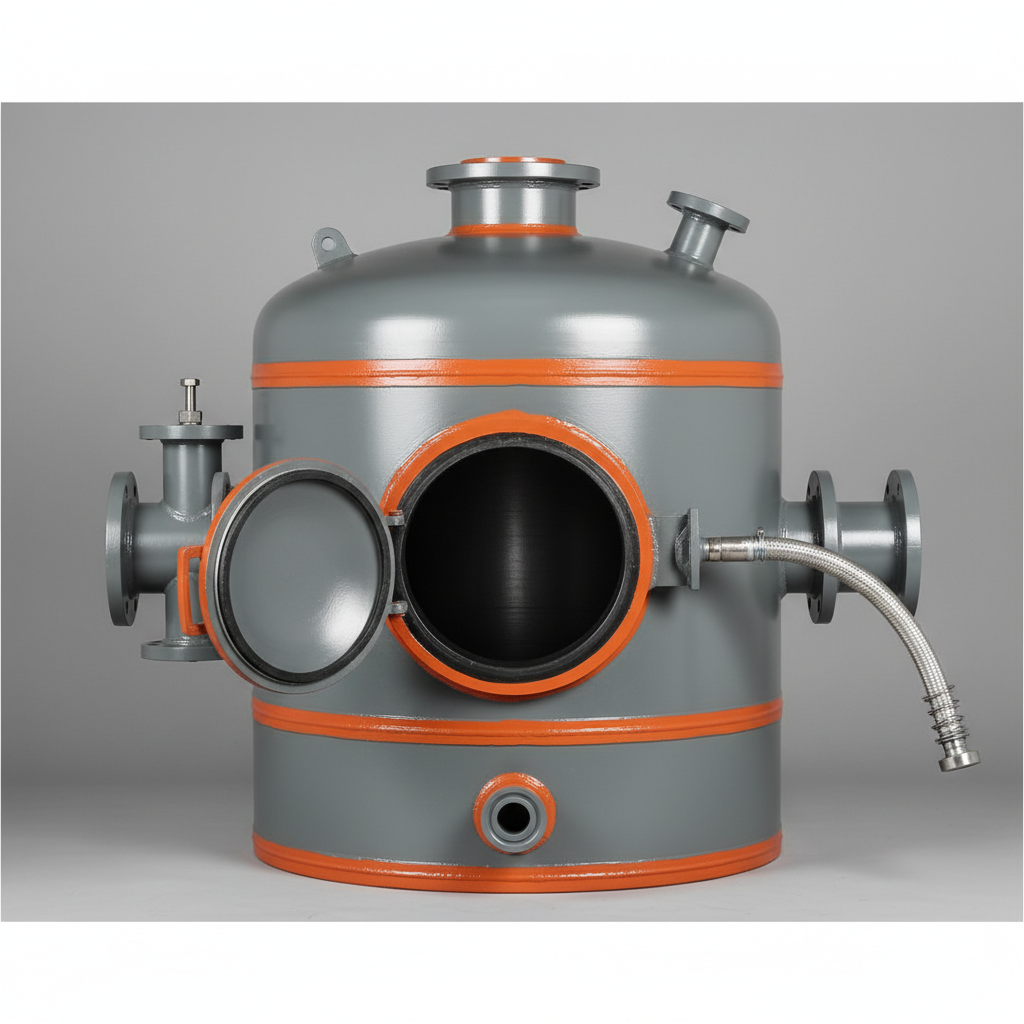
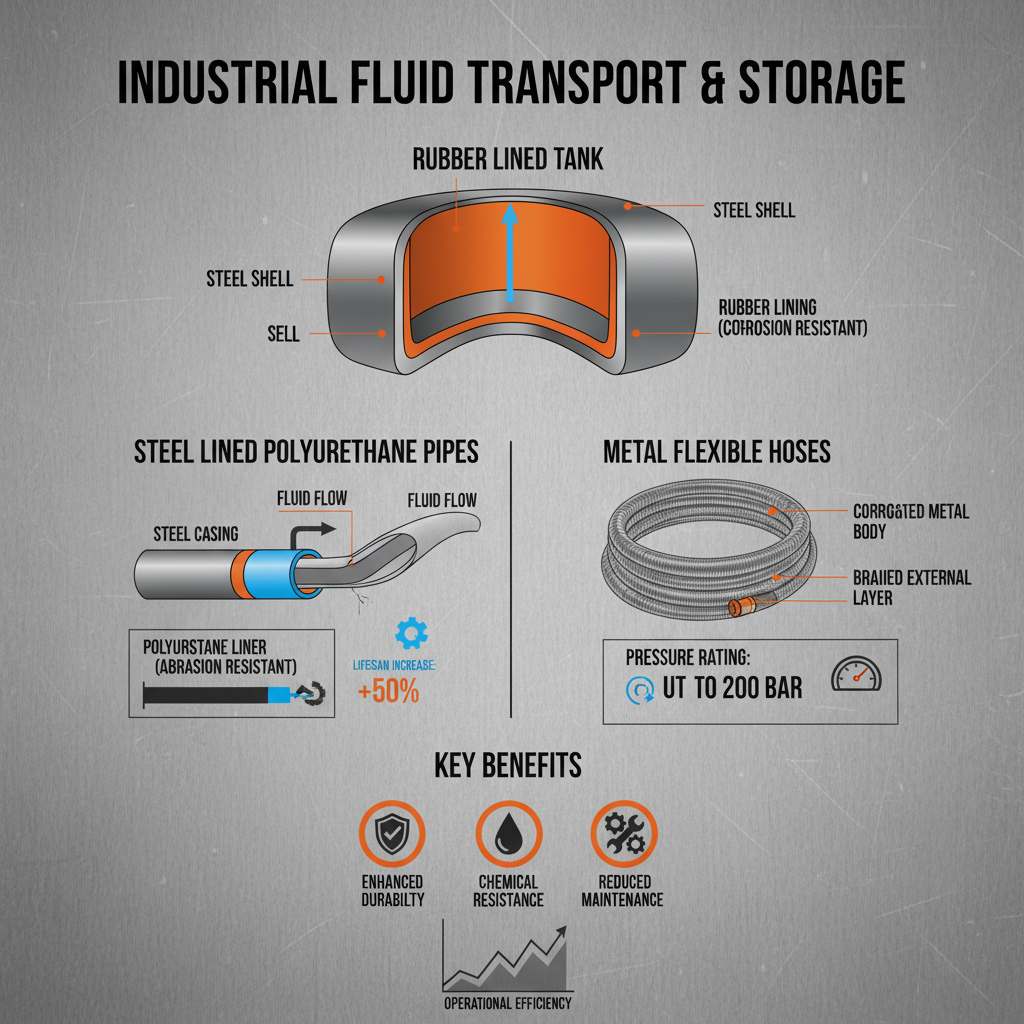
Rubber lining involves applying a layer of synthetic or natural rubber to the interior surface of a steel tank. This creates a barrier between the stored material and the tank's metal, preventing corrosion, contamination, and chemical reactions. The primary benefit is enhanced durability and extended tank lifespan, even when dealing with highly aggressive substances. Rubber lined tanks are essential in industries where material purity and safety are paramount. They offer a cost-effective alternative to using expensive alloy materials for tank construction.
Key Highlights: Rubber lining protects against corrosion, prevents contamination, and extends the lifespan of steel tanks, even when storing highly aggressive chemicals.
Applications of Rubber Lined Tanks
The versatility of rubber lined tanks allows for their use in numerous industries and applications. Common examples include:
- Chemical Processing: Storage of acids, alkalis, solvents, and other corrosive chemicals.
- Mining & Metallurgy: Holding leaching solutions, process water, and tailings.
- Water & Wastewater Treatment: Storage of treated water, raw sewage, and process chemicals.
- Food & Beverage: Storing syrups, juices, and other food-grade liquids.
- Pharmaceuticals: Safe storage of pharmaceutical ingredients and intermediates.
- Agriculture: Storage of fertilizers and pesticides.
Rubber Lining Materials: Choosing the Right One
Several rubber materials are used for lining tanks, each offering different properties. The selection depends on the specific chemical compatibility requirements and operating temperatures. Some common options include:
The Rubber Lining Process: Ensuring Quality & Durability
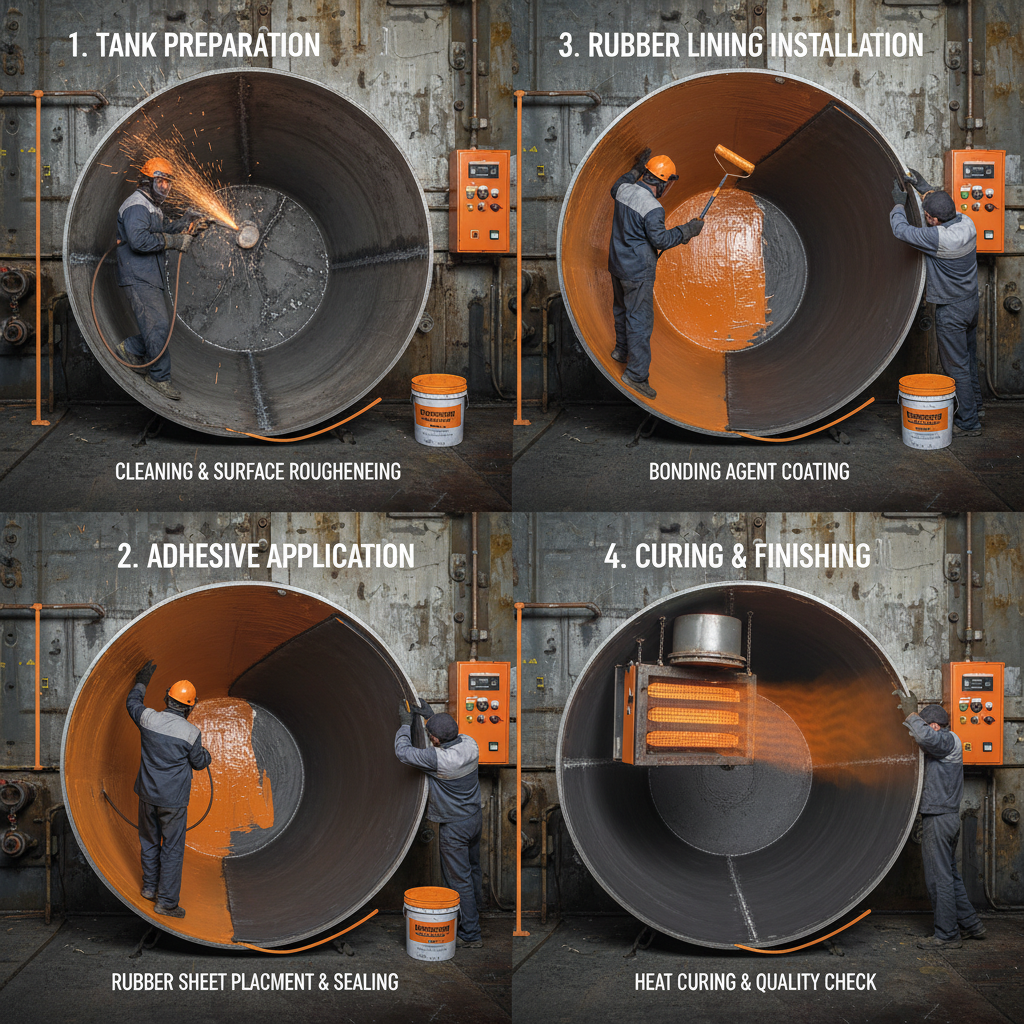
The application of a rubber lining is a meticulous process that requires skilled technicians and adherence to stringent quality control measures. It typically involves surface preparation (blasting to create a key), primer application, and the application of multiple rubber layers using methods like spraying or hand layup. Proper curing is crucial to ensure the rubber fully bonds to the steel substrate and achieves optimal performance. QW Metal utilizes advanced rubber lining techniques and materials to deliver long-lasting and reliable tanks.
Considerations When Choosing a Rubber Lined Tank
Before investing in a rubber lined tank, consider these key factors:
- Chemical Compatibility: Ensure the rubber lining is compatible with the stored material.
- Operating Temperature: Select a rubber lining that can withstand the expected temperature range.
- Tank Size & Shape: Choose a tank size and shape that meets your storage needs.
- Regulatory Compliance: Ensure the tank meets relevant industry standards and regulations.
- Manufacturer Reputation: Partner with a reputable manufacturer with experience in rubber lining.
Conclusion: Investing in Reliable Storage Solutions
Investing in a rubber lined tank from a trusted manufacturer like QW Metal is a proactive step towards ensuring the safe, efficient, and long-term storage of your valuable materials. Careful consideration of your specific application requirements and choosing the right rubber lining material are crucial for maximizing the benefits of this robust and reliable storage solution.
Frequently Asked Questions (FAQs)
What is the typical lifespan of a rubber lined tank?
The lifespan of a rubber lined tank varies depending on the stored material, operating conditions, and the quality of the lining application. However, with proper maintenance and correct material selection, a well-lined tank can last for 15-20 years or even longer. Regular inspections are crucial to identify and address any signs of wear or degradation. Factors like abrasion from solids in the stored liquid and exposure to extreme temperatures can impact the lifespan. QW Metal provides guidance on proper maintenance to extend the tank's life.
How do I determine the right rubber lining for my application?
Determining the correct rubber lining requires careful consideration of the chemical compatibility with the stored material, the operating temperature, and any potential mechanical stresses. It’s crucial to consult chemical resistance charts and, ideally, work with a rubber lining expert like those at QW Metal. They can assess your specific needs and recommend the optimal rubber lining material to ensure long-term performance and prevent failure.
What maintenance is required for a rubber lined tank?
Regular maintenance is essential to maximize the lifespan of a rubber lined tank. This includes visual inspections for cracks, blisters, or other signs of damage. Avoid abrasive cleaning methods and ensure proper loading/unloading procedures to prevent impact damage. Periodically check the tank for leaks and address them promptly. QW Metal offers maintenance guidelines and repair services to keep your tank in optimal condition.
Are rubber lined tanks suitable for potable water storage?
Yes, certain rubber linings are approved for potable water storage, but it's crucial to select a material specifically certified for this purpose, such as NSF-61 compliant rubber. These materials ensure that no harmful chemicals leach into the water supply. It's essential to verify the lining material's certification and follow proper cleaning and disinfection procedures to maintain water quality. QW Metal can provide tanks lined with NSF-61 certified rubber for potable water applications.
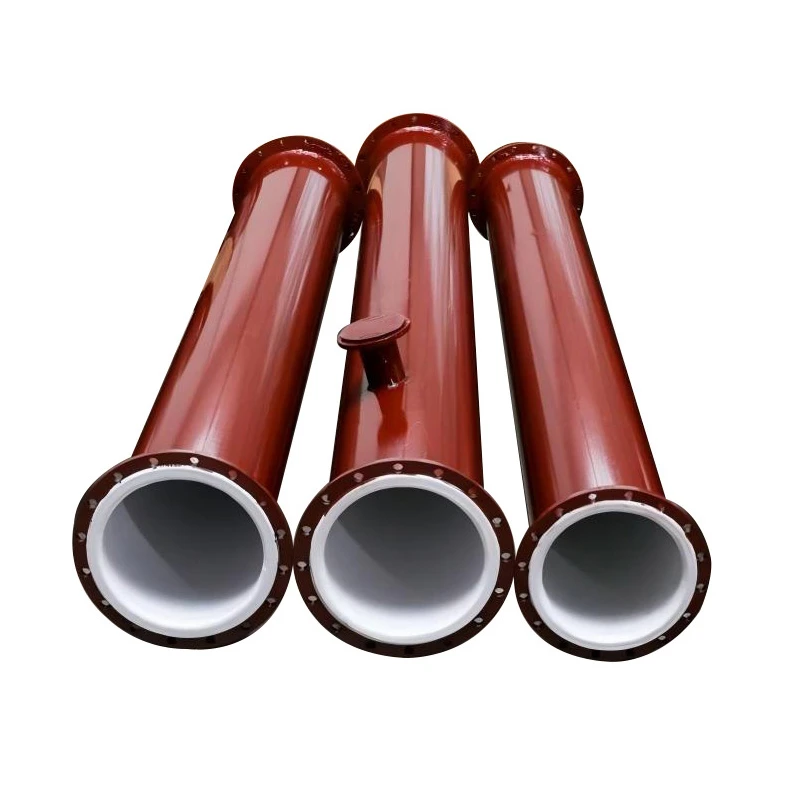
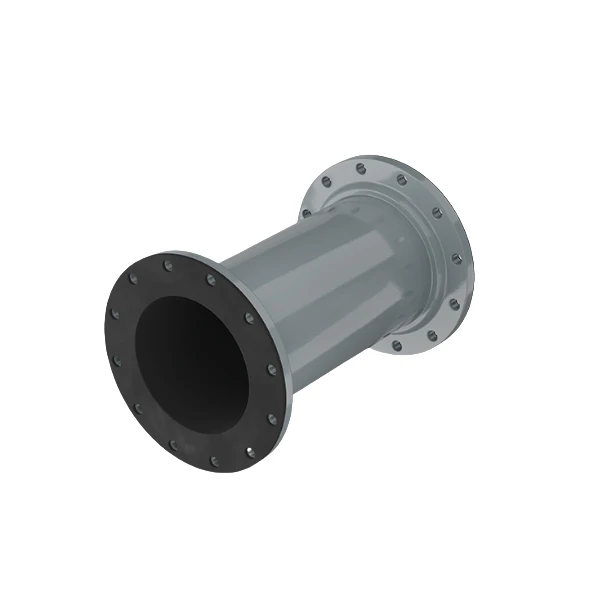
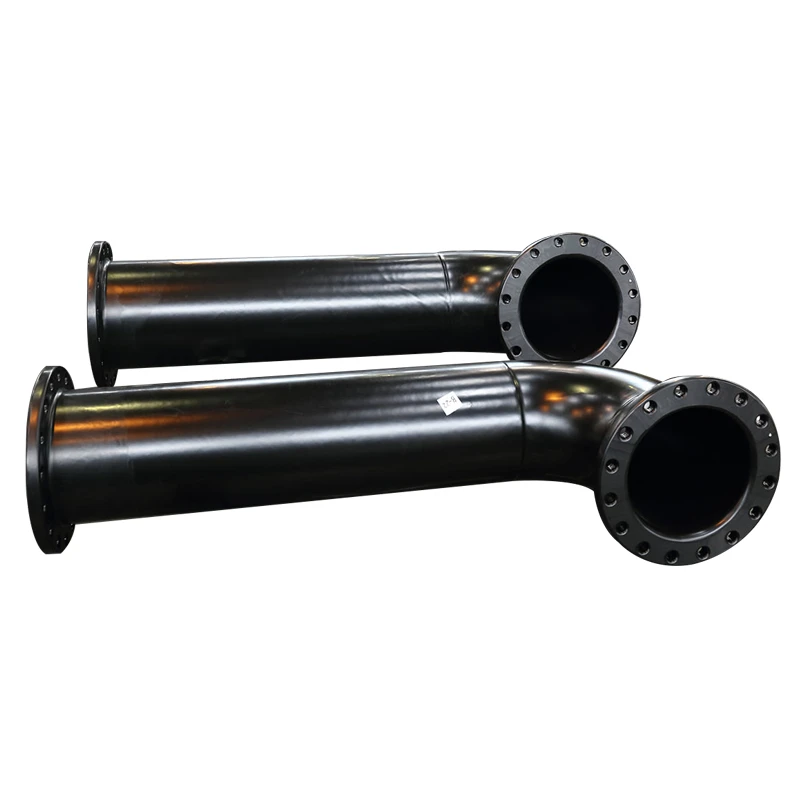
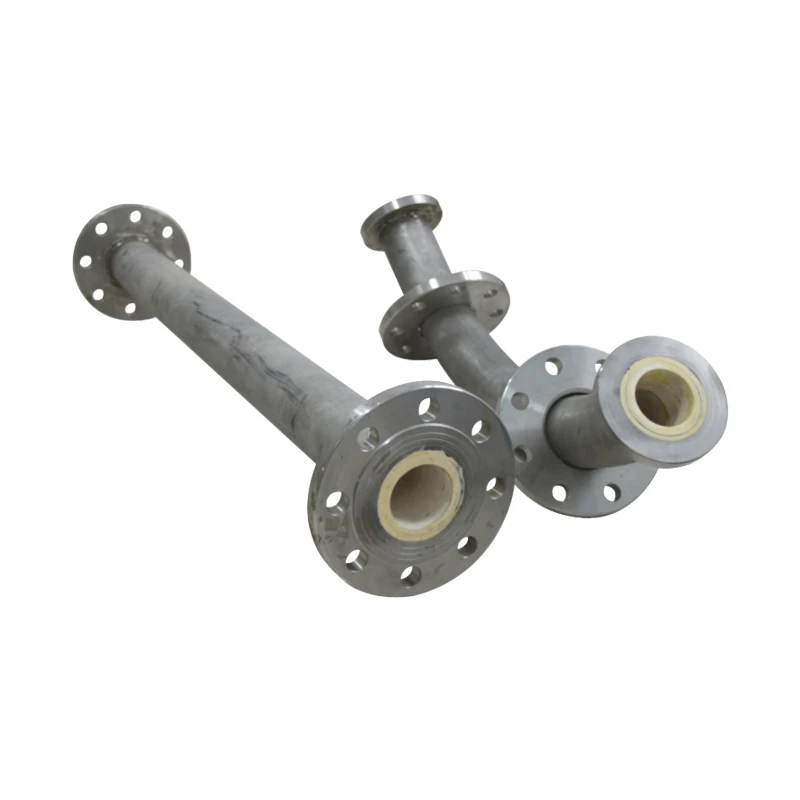
Related Products
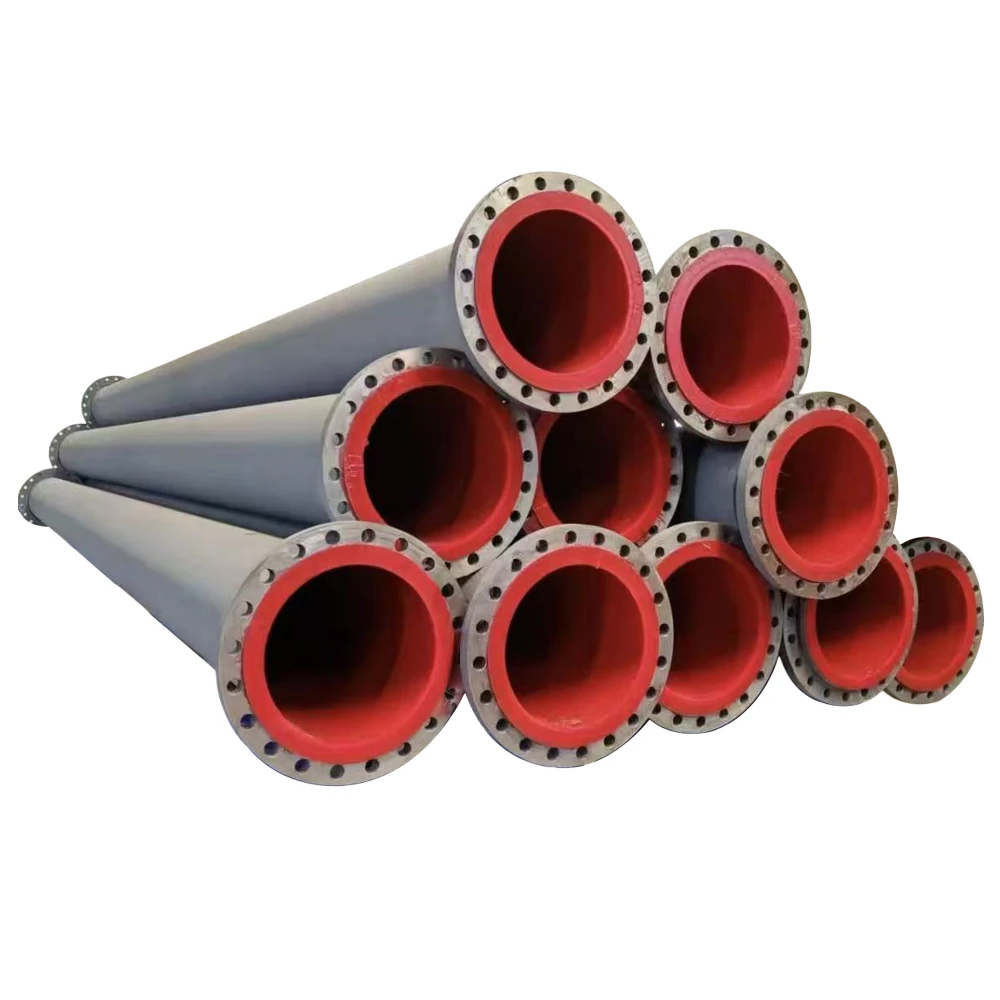
Our main products are polyurethane lined pipes, mining equipment fittings and metal hoses.