Comprehensive Guide to Tank Chemical Solutions: Safety, Applications, and Innovations
The Lowdown on Tank Chemical: What It Is and Why It Matters Globally
Tank chemical — it sounds a bit like industry jargon, doesn’t it? But behind those two words lies a world of significance touching everything from clean water storage to chemical processing, even disaster relief efforts. In simple terms, tank chemical refers to the specialized materials, coatings, and storage solutions designed to safely contain and manage chemicals inside industrial or humanitarian-grade tanks. Why care? Well, globally, managing hazardous and non-hazardous chemicals safely is a pressing challenge. Accidental leaks or contamination can have catastrophic environmental and social impacts.
Understanding tank chemical systems means better safety, improved sustainability, and smoother operations in industries ranging from petrochemicals to agriculture. It’s no exaggeration to say these tanks are the unsung heroes keeping complex supply chains flowing.
Tank Chemical in a Global Context: Industry, Environment, and Safety
On a macro scale, the global chemical storage market is expected to grow steadily, fueled by increased industrial activity, urbanization, and stricter environmental regulations. According to the International Organization for Standardization (ISO), safer chemical tank design and standards are pivotal in reducing accidental spills worldwide.
Consider this: The UN Environment Programme estimates that roughly 300 million tons of hazardous waste are produced globally each year, with improper containment directly linked to soil and water contamination. Chemical tanks designed for secure storage mitigate such risks — which is why they’ve become critical infrastructure not just in industrialized nations but also in emerging markets.
Yet, challenges remain. How do you balance cost, durability, and chemical compatibility? How to ensure tanks can withstand corrosive chemicals, fluctuating temperatures, or even the chaos of post-disaster environments? Precision engineering and innovative materials are moving to answer these questions daily.
What Exactly Is a Tank Chemical?
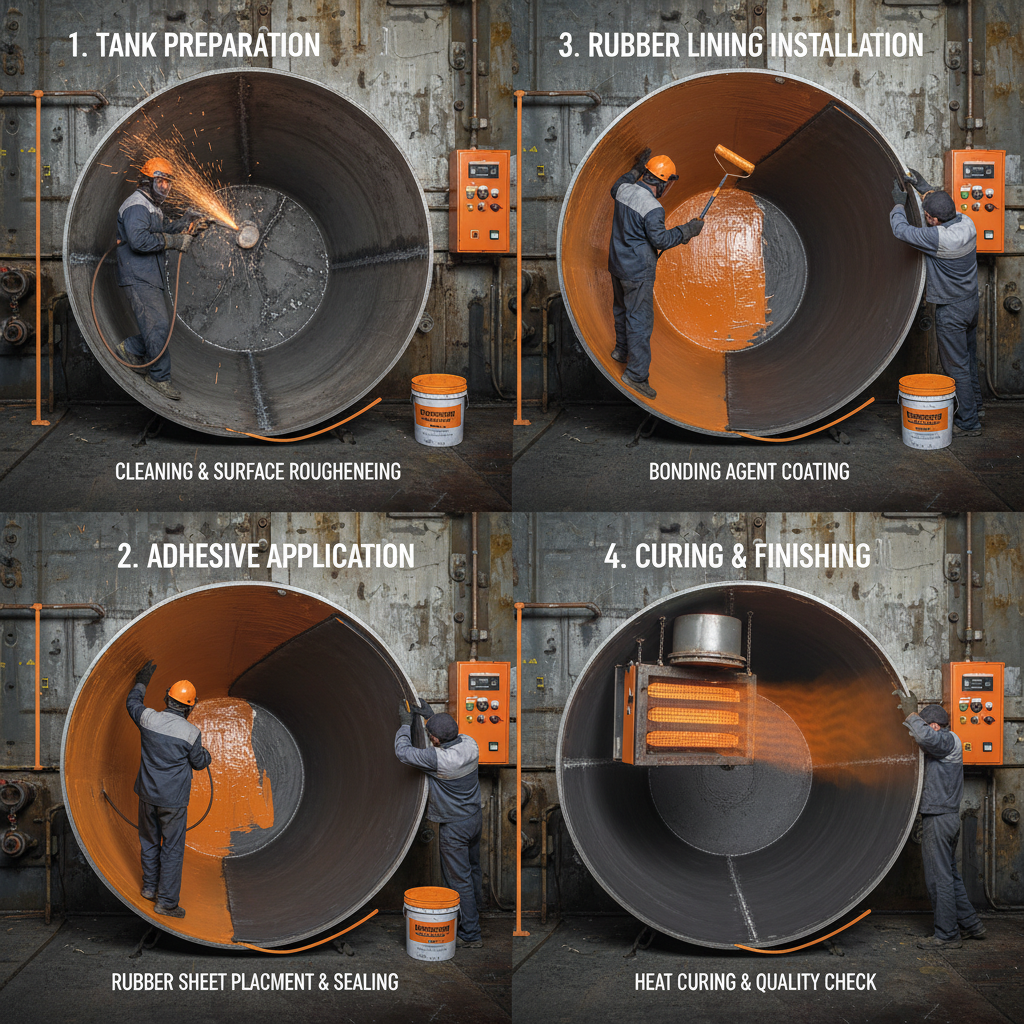
Simply put, a tank chemical is a storage container, often cylindrical or rectangular, crafted specifically to hold chemical substances safely. These tanks usually feature specialized linings or coatings resistant to corrosion, permeation, or reaction with contents. They must prevent leaks, withstand pressure variations, and sometimes handle temperature extremes.
In industry, these tanks are vital for storing acids, solvents, fertilizers, and industrial liquids. In humanitarian contexts, tank chemical solutions may provide safe water storage in regions where infrastructure is fragile or absent. So, their importance transcends sectors, bridging environmental safety and human welfare.
Key Components of Tank Chemical Systems
1. Material Durability
Engineer a tank chemical system, and material choice is king. Common materials include stainless steel, HDPE (high-density polyethylene), fiberglass-reinforced plastic, or specialized alloys. Each offers distinct advantages: stainless steel boasts strength and corrosion resistance, whereas HDPE is versatile and cost-effective.
2. Chemical Compatibility
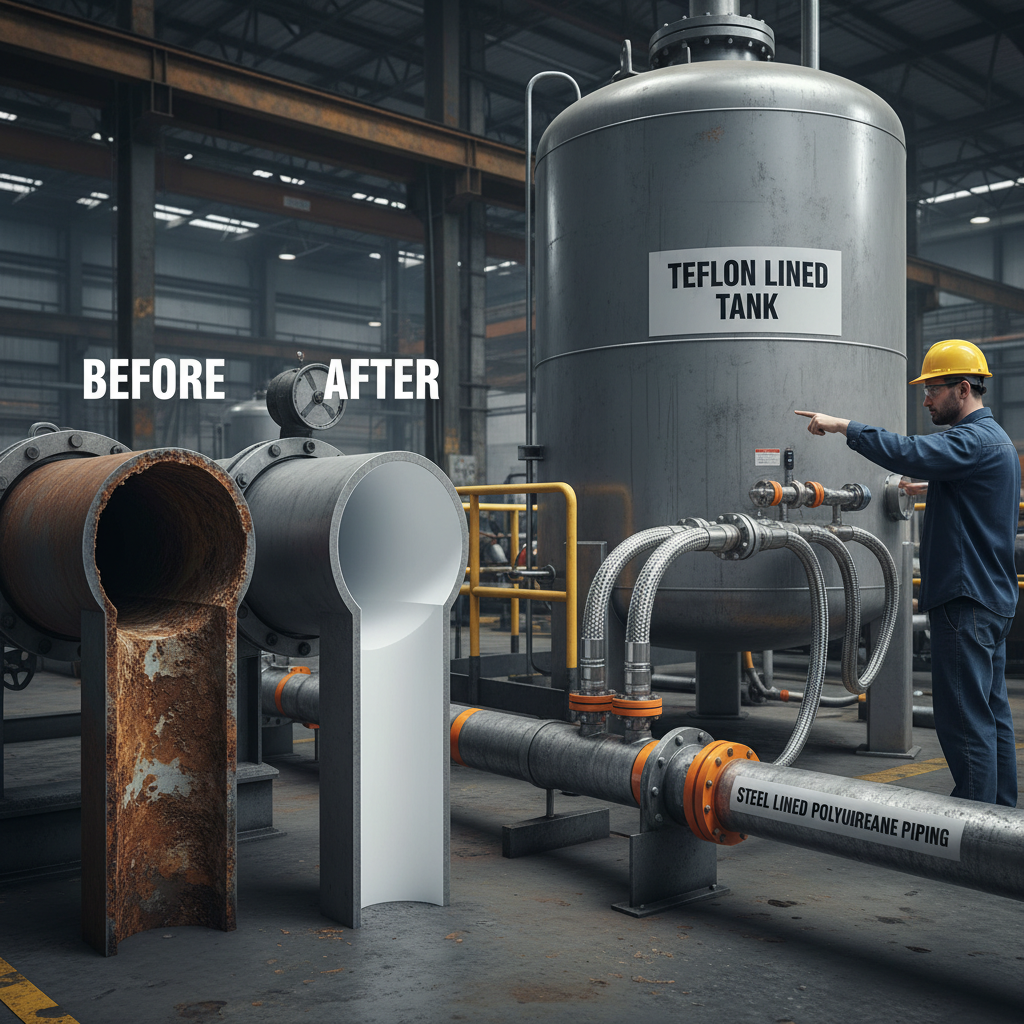
Not all tanks are created equal. A tank storing sulfuric acid can’t be made from anything reactive with the acid. Compatibility charts guide engineers to ensure the tank’s lining or base material won’t degrade or contaminate the chemical held within.
3. Structural Integrity and Safety Features
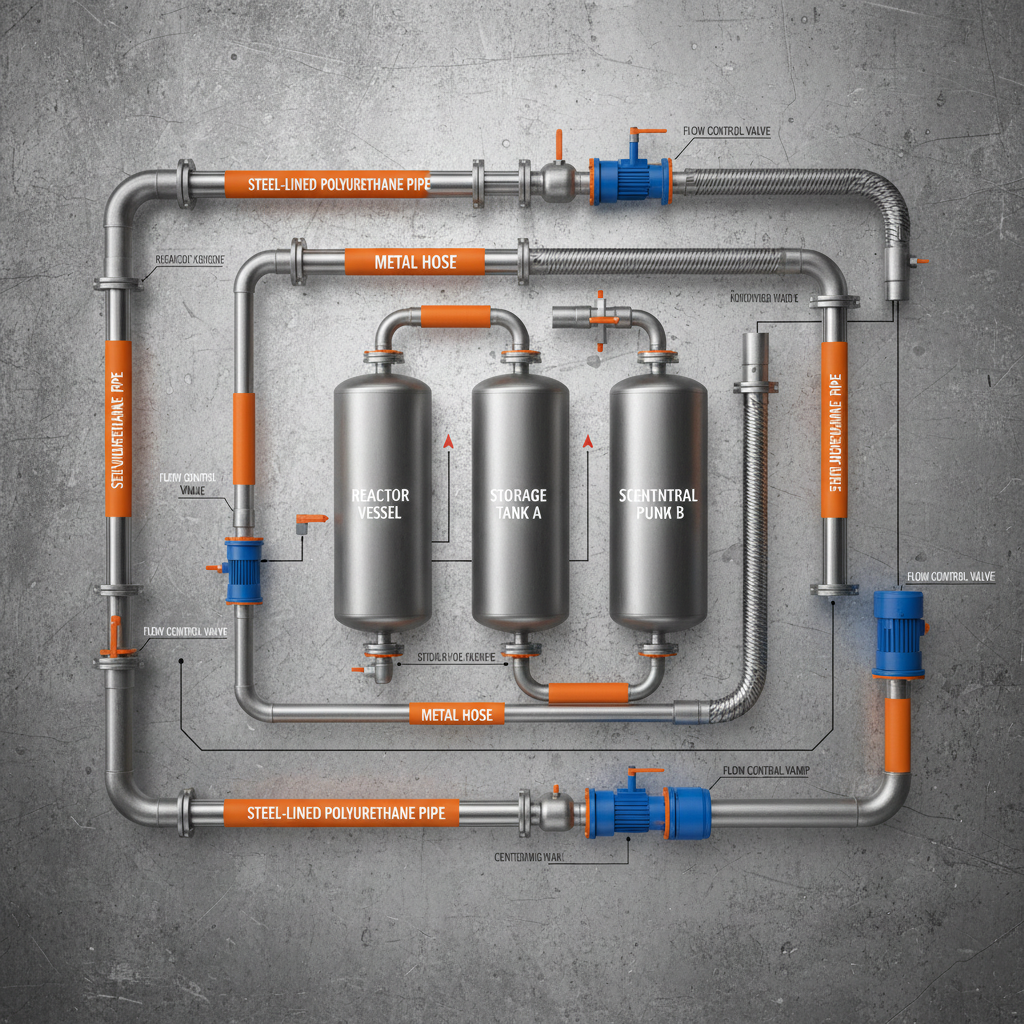
Beyond materials, features like double walls, leak detection sensors, and pressure release valves add layers of safety. For instance, in petrochemical plants, these features can spell the difference between managing a spill and a major disaster.
4. Scalability and Size Options
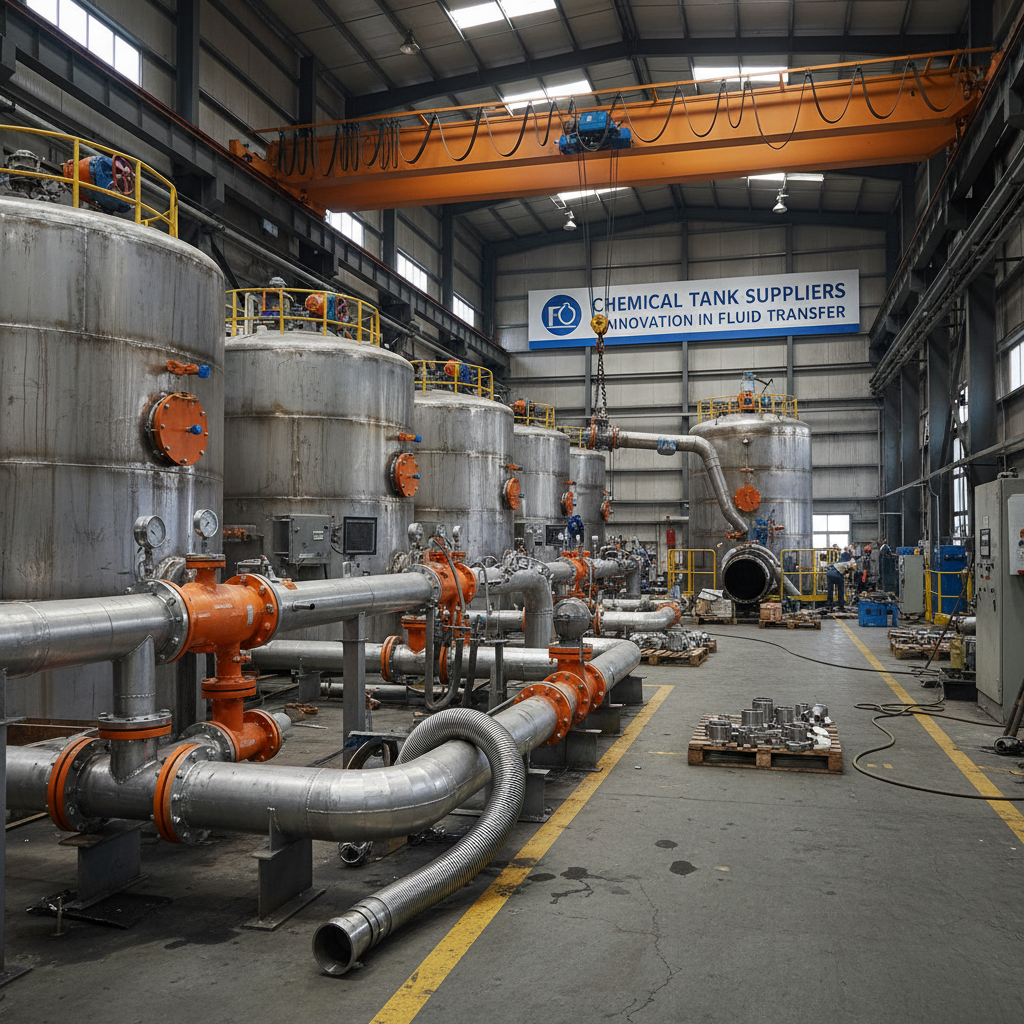
Tanks range in size from small portable units used in agriculture to massive industrial-scale vessels holding millions of liters of liquid. Scalability impacts transport, installation, maintenance, and ultimately cost-efficiency.
5. Regulatory Compliance
Strict global and regional regulations govern the design, manufacture, and operation of tank chemical systems. Standards from agencies like ISO, EPA, and OSHA ensure safety and environmental sustainability are baked into every tank deployed.
Where Do Tank Chemical Systems Come into Play? Global Use Cases
- Industrial manufacturing: Factories handling acids, solvents, or raw chemicals rely on tank chemical systems for storage and process integration.
- Agricultural sector: Fertilizers and pesticides require secure tanks to prevent contamination and promote safe application.
- Disaster relief: After hurricanes or earthquakes, temporary or permanent tank chemical solutions provide clean water storage — a lifeline for affected communities.
- Oil and gas industries: From upstream processing to refining, chemical tanks safely handle large volumes of volatile substances.
- Municipal waste management: Chemical treatment plants store neutralizing agents or treated waste safely, avoiding environmental damage.
Regions from Southeast Asia’s rapidly developing cities to South America’s agricultural hubs all benefit, often working with NGOs and corporates to install tank chemical solutions tailored to local needs.
Typical Tank Chemical Product Specifications
| Specification | Typical Value | Notes |
|---|---|---|
| Material | Stainless Steel 316L / HDPE | Chosen based on chemical compatibility |
| Capacity | 1,000 to 50,000 liters | Custom scaling available |
| Operating Pressure | Up to 10 bar | Pressure relief valve included |
| Temperature Range | -20°C to +120°C | Dependent on materials |
| Leak Detection | Optional sensor integration | For hazardous chemicals |
Vendor Comparison: Choosing the Right Tank Chemical Supplier
| Feature | QW Metal | Competitor A | Competitor B |
|---|---|---|---|
| Material Options | Stainless Steel, HDPE, FRP | Steel, Carbon Steel | HDPE only |
| Custom Sizes | Yes, up to 100,000 L | Limited sizes | Yes, but smaller range |
| Compliance Certifications | ISO 9001, ISO 14001 | ISO 9001 | None declared |
| Lead Time | 4-8 weeks | 6-12 weeks | 3-6 weeks |
| Warranty | 5 years | 3 years | 2 years |
Advantages and Long-Term Value of Using Tank Chemical Solutions
Using specialized chemical tanks isn’t just a regulatory checkbox — it’s about safeguarding operations, people, and planet. From a cost perspective, robust tanks reduce costly downtime due to leaks or repairs. Many clients report saving thousands in insurance and liabilities simply by upgrading to compliant tank chemical solutions.
Socially, these tanks contribute to safer workplaces and communities by reducing exposure to harmful chemicals. Environmentally, they minimize pollutant release, aligning with growing corporate sustainability goals. Emotionally, it’s about trust — knowing the liquid stored won’t endanger lives or livelihoods.
Looking Ahead: Future Trends in Tank Chemical Technology
Innovation is vibrant here. Think smart tanks equipped with IoT sensors giving real-time data on levels, pressure, or leak alerts. Materials science is also advancing — graphene coatings or bio-based composites promise lighter, tougher, and greener tanks.
On the policy front, more stringent environmental standards globally push manufacturers to up their game. Automation in tank filling and dispensing reduces human error. Digital twins — virtual replicas of tanks — enable predictive maintenance, avoiding failure before it happens.
Challenges in Tank Chemical Storage and How to Solve Them
No system is perfect. Corrosion over time, improper installation, or unexpected chemical reactions can still cause headaches. But expert engineering, third-party inspections, and routine maintenance are the best guards against failures.
Some manufacturers are exploring modular tanks, easier to transport and repair remotely, ideal for disaster zones. Others invest heavily in coatings that self-heal minor cracks or employ AI to optimize monitoring.
Frequently Asked Questions About Tank Chemical
- Q: How do I choose the right tank material for my chemical?
- A: Start with a chemical compatibility chart. For acids, stainless steel or FRP may be best; for solvents, HDPE can work well. Always consult supplier specs and consider factors like temperature and pressure.
- Q: Can these tanks be used for potable water?
- A: Yes, if designed with food-grade materials and coatings. Some tank chemical systems are certified safe for drinking water — just ensure the manufacturer confirms compliance.
- Q: How long can a tank chemical solution last?
- A: Lifespan varies by material and maintenance but expect 10–25 years or more. Regular inspections and upkeep extend tank life significantly.
- Q: Is installation difficult in remote locations?
- A: Many manufacturers offer modular or pre-assembled tanks to ease transport and installation. Partnering with experienced vendors helps mitigate remote logistical challenges.
- Q: Are tank chemical solutions eco-friendly?
- A: Modern designs emphasize sustainability, with recyclable materials and coatings that reduce chemical losses, helping minimize environmental impact.
Wrapping Up: Why Tank Chemical Solutions Make Sense
At the end of the day, tank chemical technology is about more than just keeping chemicals in one place. It’s a sophisticated intersection of science, safety, engineering, and environmental care — packed into a metal or plastic vessel. For industries, NGOs, and governments worldwide, this translates to fewer risks, greater efficiency, and a tangible contribution to sustainability.
If you’re in the market for reliable, customizable tank chemical units crafted to industry-leading standards, don’t hesitate to reach out to QW Metal. They bring decades of experience and modern innovation to the table — exactly what you need when the stakes are high.

Related Products
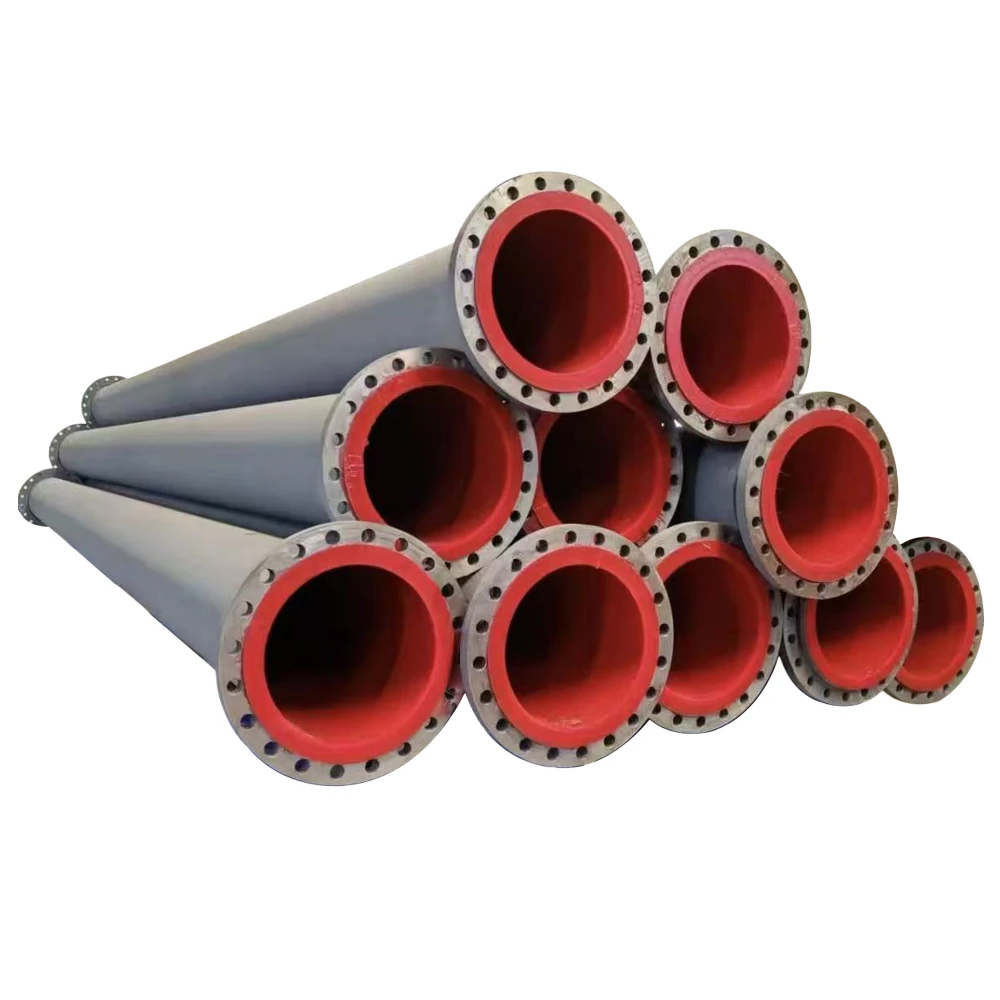
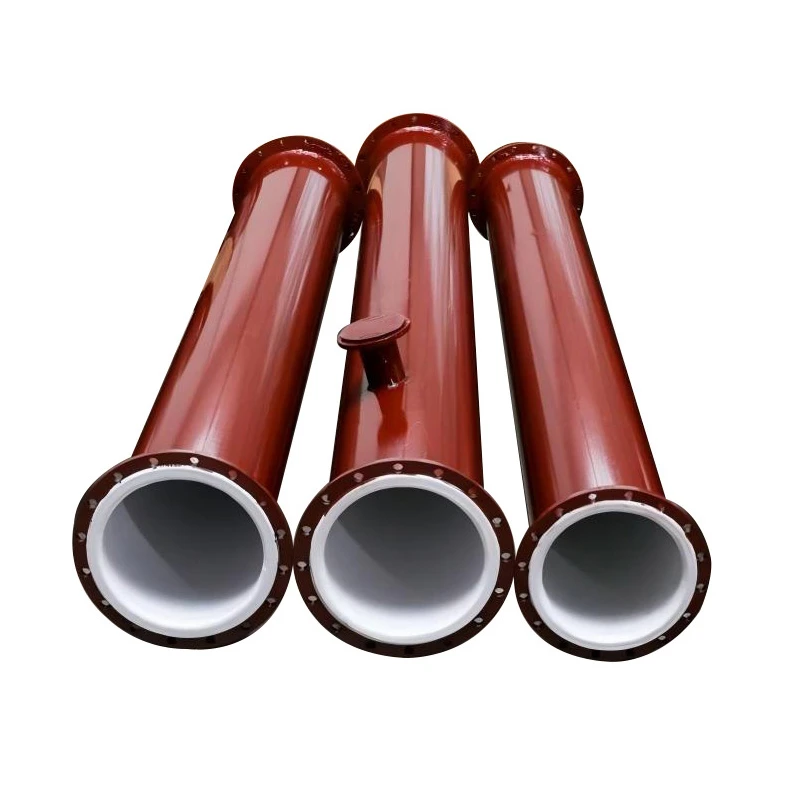
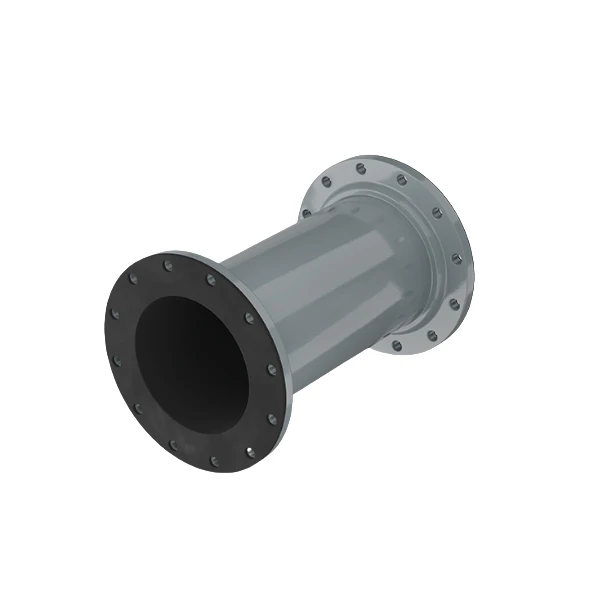
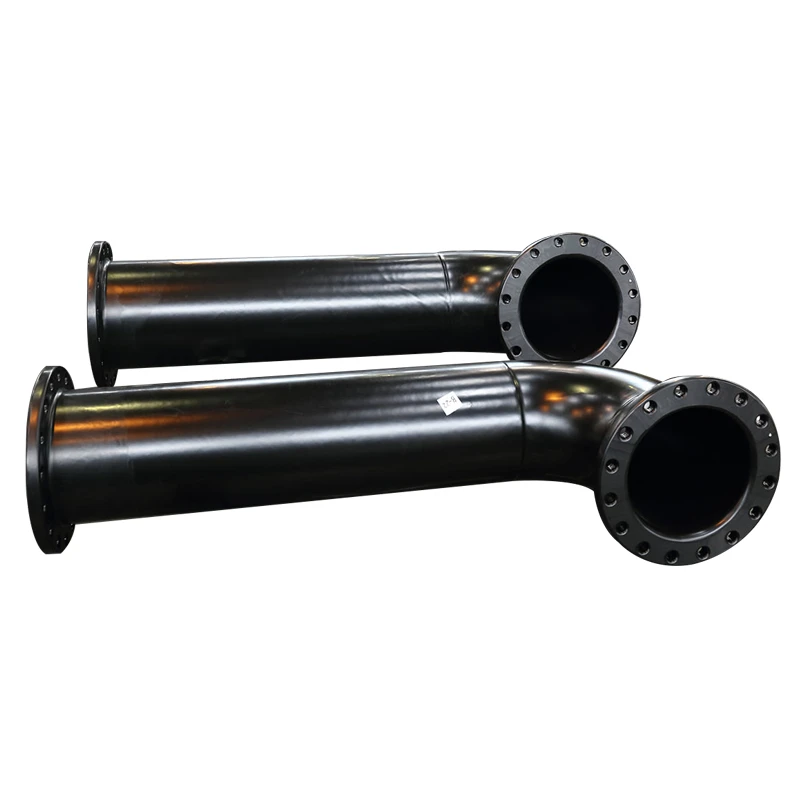
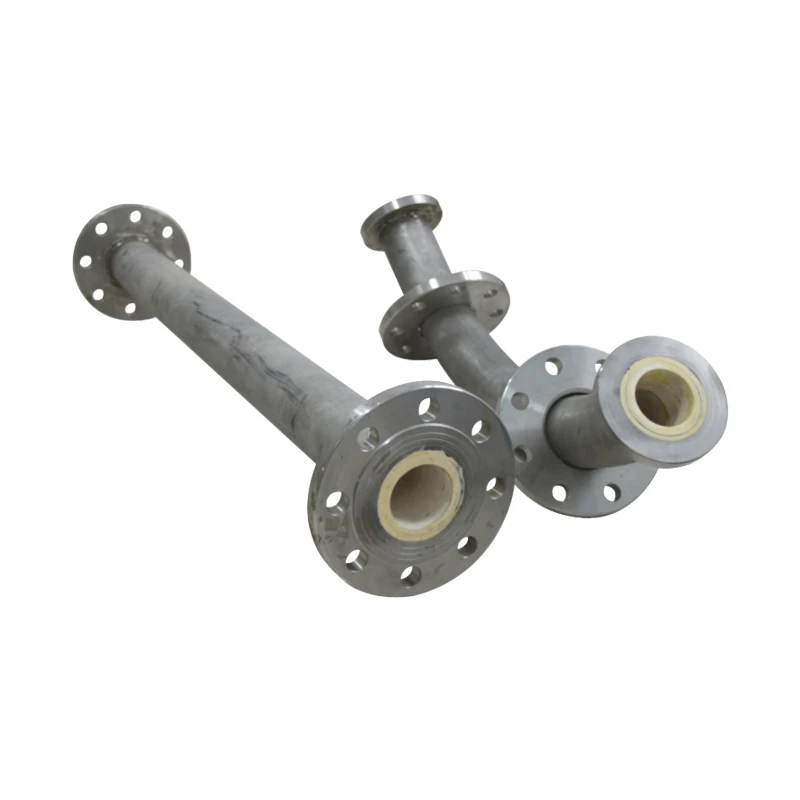
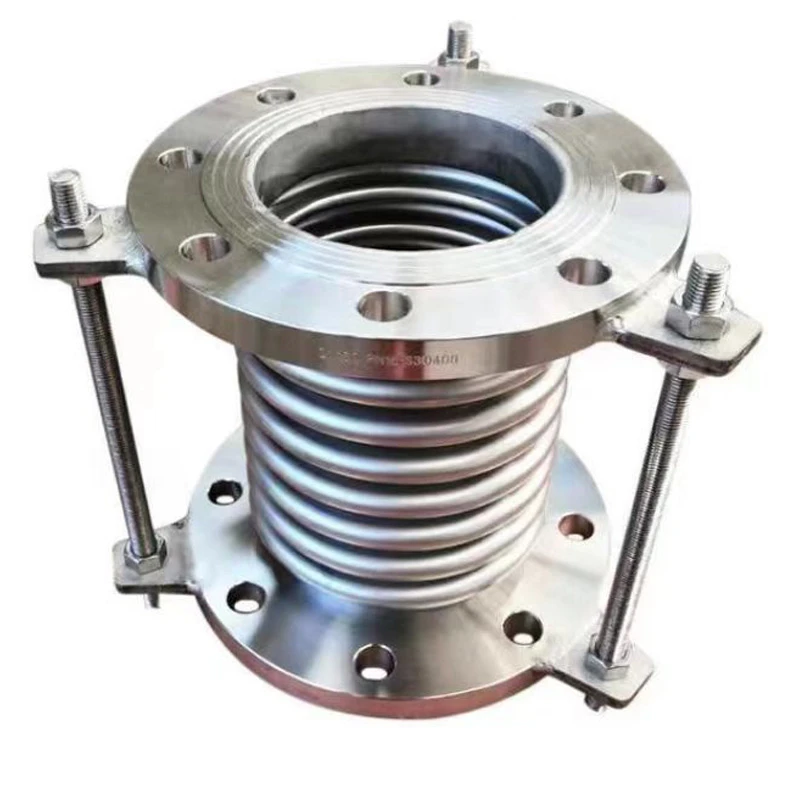
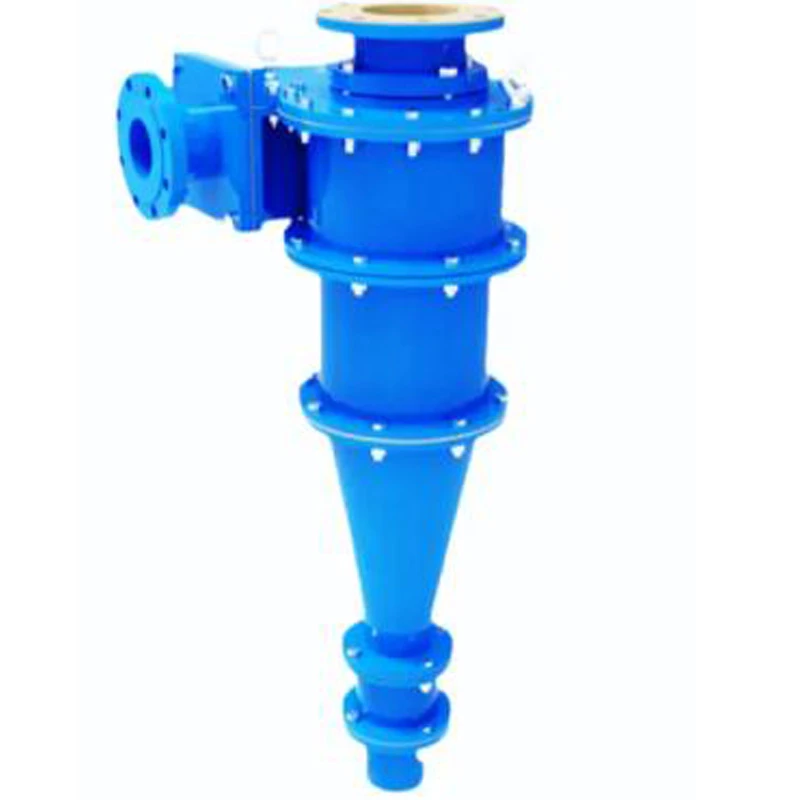
Our main products are polyurethane lined pipes, mining equipment fittings and metal hoses.