Comprehensive Guide to Teflon Lined Tanks for Corrosive Material Storage
Understanding Teflon Lined Tanks: A Comprehensive Guide
Teflon, also known as PTFE (Polytetrafluoroethylene), offers exceptional chemical resistance and non-stick properties, making teflon lined tanks an ideal solution for storing and processing corrosive materials. This article will delve into the benefits, applications, construction, and maintenance of these specialized tanks, providing a thorough overview for industries requiring safe and reliable containment. Selecting the right tank lining can significantly extend the lifespan of your equipment and protect your valuable assets. We’ll explore why QW Metal is a trusted provider of high-quality Teflon lined tanks.
The Benefits of Teflon Lining in Tanks
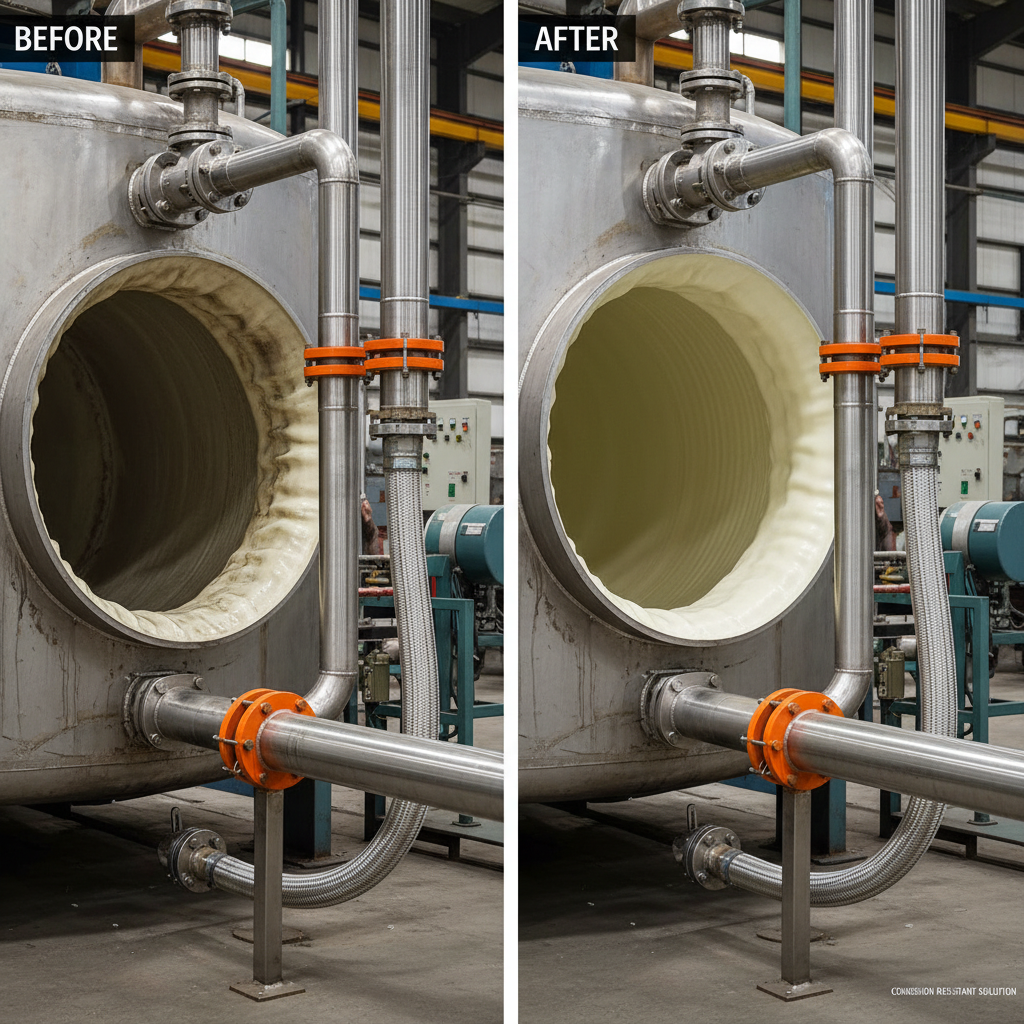
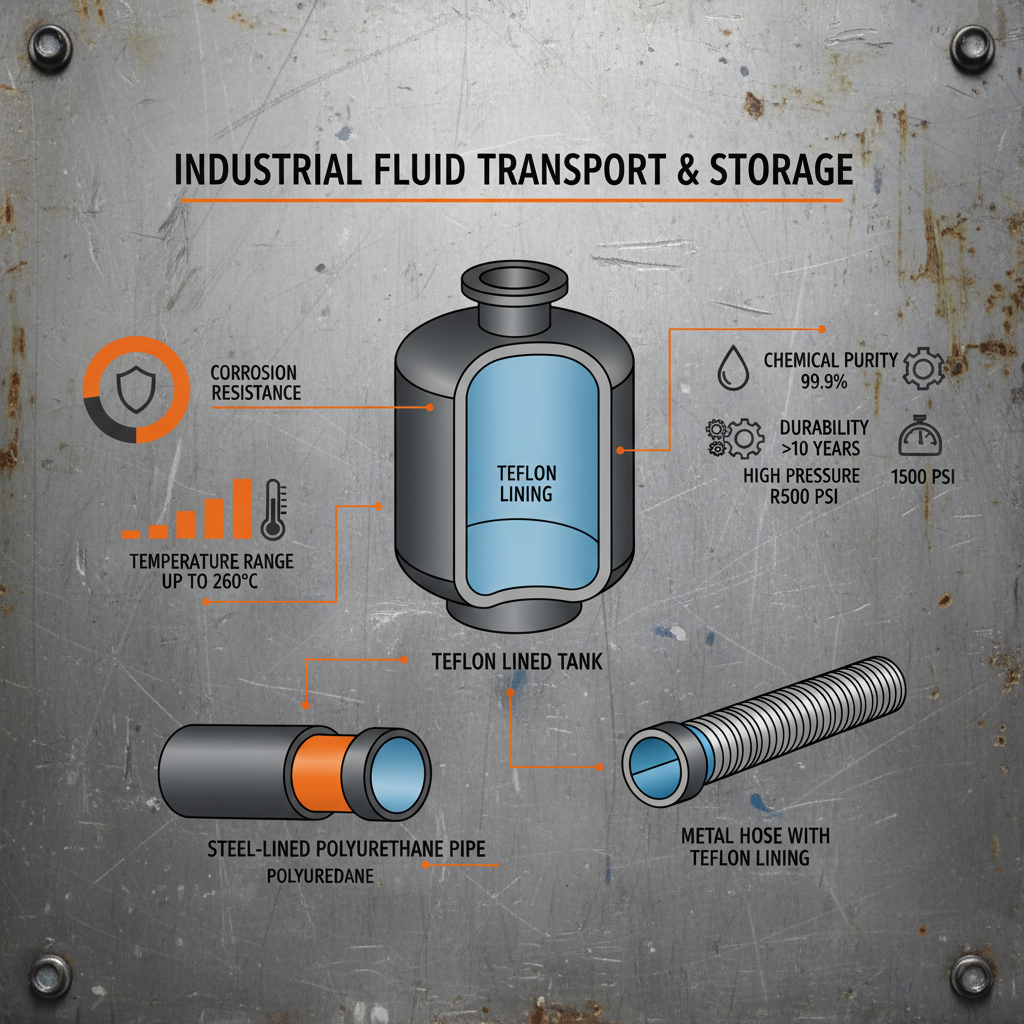
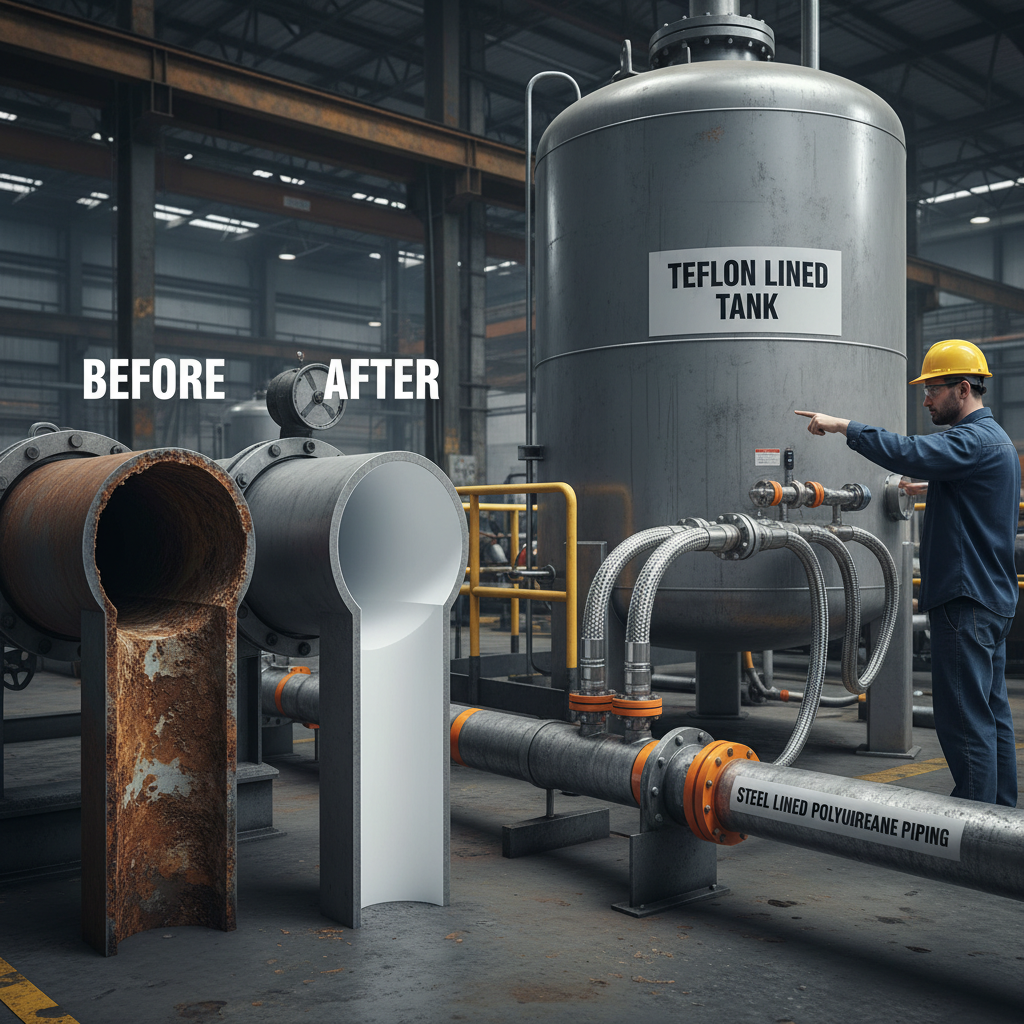
Teflon lining provides a multitude of advantages over traditional tank materials. Its exceptional chemical resistance protects the underlying tank structure from corrosion, even when exposed to highly aggressive substances like strong acids, alkalis, and solvents. The non-stick surface prevents build-up of materials, reducing cleaning frequency and downtime. Furthermore, Teflon is FDA-approved for food contact, making it suitable for pharmaceutical and food processing applications. These tanks boast a wide temperature range, maintaining their integrity from cryogenic temperatures to over 260°C. Choosing teflon lined tanks from QW Metal ensures long-term reliability and cost-effectiveness.
Key Highlights: Exceptional chemical resistance, non-stick properties, FDA-approved for food contact, wide temperature range, and reduced maintenance needs.
Applications of Teflon Lined Tanks
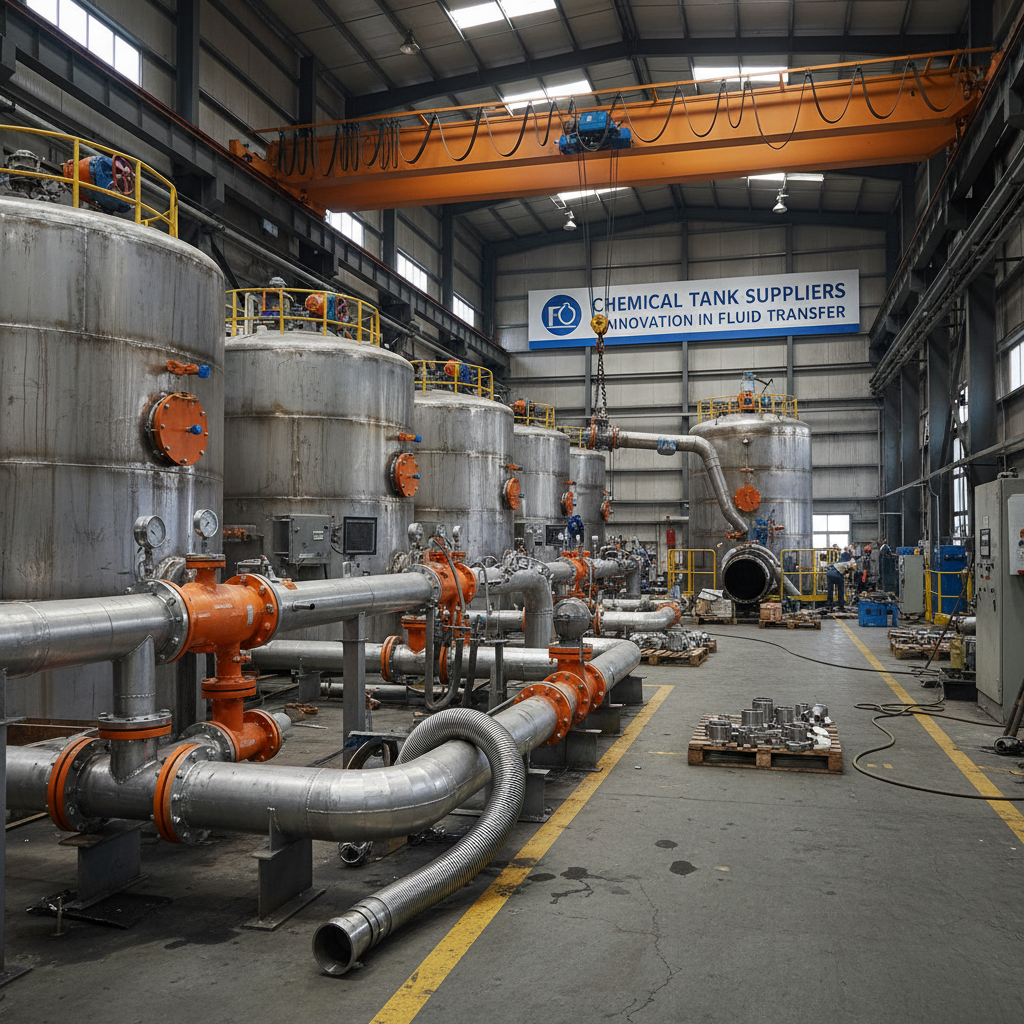
The versatility of Teflon lined tanks makes them indispensable in a diverse range of industries. Chemical processing plants rely on them for storing and transporting corrosive chemicals. Pharmaceutical companies utilize them for manufacturing and storing sensitive drug ingredients. Food and beverage producers benefit from their hygienic, non-stick surfaces. Electroplating operations utilize these tanks to contain harsh plating solutions. Water and wastewater treatment facilities use them for holding aggressive treatment chemicals. QW Metal provides customized teflon lined tanks tailored to specific industry needs.
Key Industries:
• Chemical Processing
• Pharmaceutical Manufacturing
• Food & Beverage Production
• Electroplating
• Water & Wastewater Treatment
Teflon Lined Tanks: Construction and Materials
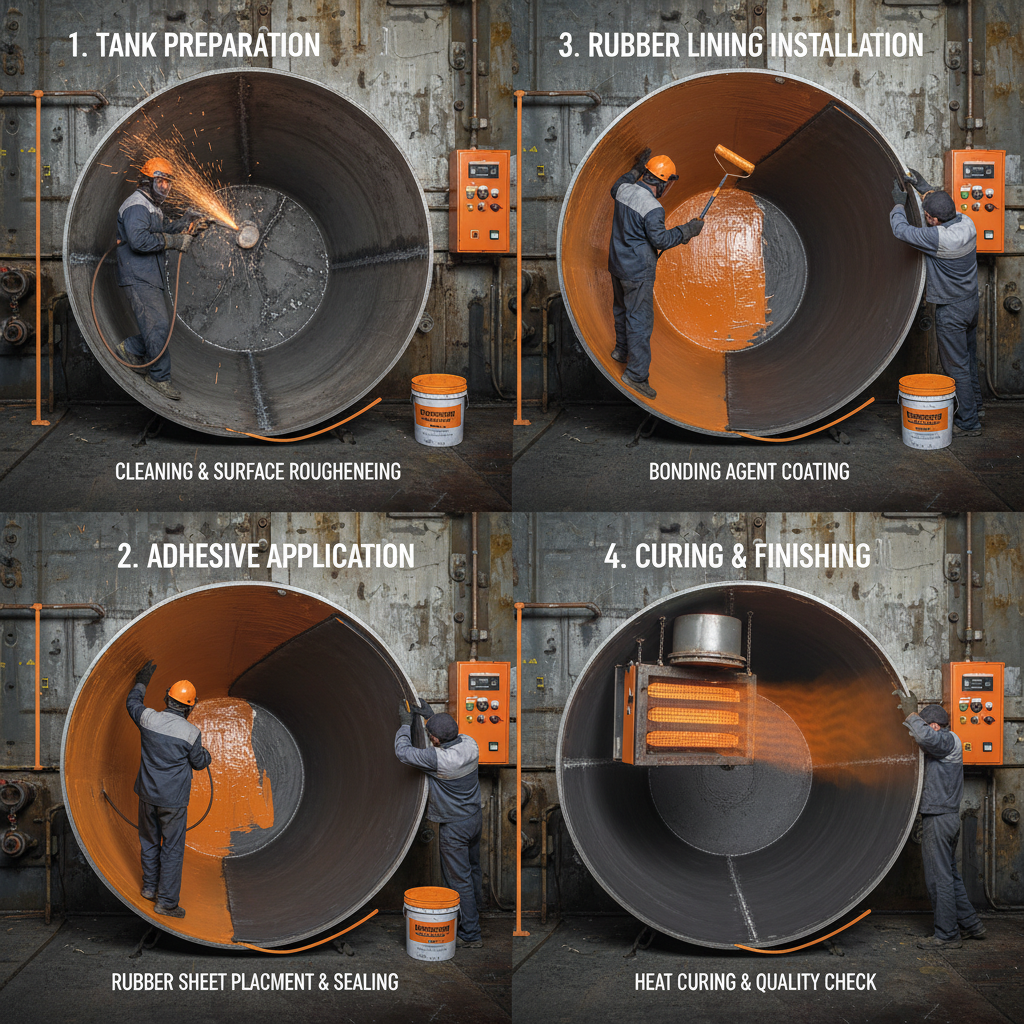
Typically, a Teflon lined tank consists of a steel or stainless steel shell providing structural support, and a Teflon lining bonded to the inner surface. The lining process often involves powder coating or sheet lining techniques. The thickness of the Teflon lining is crucial and depends on the chemicals being stored and the operating temperature. QW Metal offers various lining thicknesses to meet diverse application requirements. Selecting high-quality steel for the shell ensures long-term durability and resistance to external stresses. Proper bonding between the Teflon and the substrate is critical to prevent delamination and ensure the integrity of the lining.
Maintaining Your Teflon Lined Tank
Regular inspection and preventative maintenance are vital for prolonging the lifespan of your Teflon lined tank. Avoid abrasive cleaning methods that could damage the lining. Use recommended cleaning agents compatible with Teflon. Regularly check for signs of lining wear, cracks, or delamination. Inspect welds and connections for corrosion. Following QW Metal’s recommended maintenance schedule will ensure optimal performance and prevent costly repairs. Properly maintained teflon lined tanks represent a significant long-term investment.
Choosing the Right Teflon Lined Tank Supplier
Selecting a reputable supplier is crucial when investing in Teflon lined tanks. Look for a company with extensive experience, a proven track record, and a commitment to quality. QW Metal offers customized tank solutions, expert engineering support, and rigorous quality control processes. We utilize advanced manufacturing techniques and high-quality materials to ensure our tanks meet the most demanding industry standards. Contact us today to discuss your specific requirements and discover how we can provide the perfect Teflon lined tank solution for your application.
Conclusion: Invest in Reliable Containment with QW Metal
Investing in a teflon lined tank from QW Metal provides a durable, safe, and cost-effective solution for handling corrosive materials. With our commitment to quality, customization, and customer satisfaction, you can be confident in the long-term performance and reliability of our products. Don't compromise on containment – choose QW Metal for your Teflon lined tank needs.
Frequently Asked Questions (FAQs)
What chemicals are compatible with Teflon lined tanks?
Teflon offers exceptional chemical resistance, making it compatible with a vast range of corrosive substances, including strong acids (hydrochloric, sulfuric, nitric), alkalis (sodium hydroxide), solvents (acetone, toluene), and oxidizing agents. However, compatibility can be affected by temperature and concentration. It’s crucial to consult a chemical compatibility chart or contact QW Metal's experts to verify compatibility for your specific application. Molten alkali metals (sodium, potassium) are generally not compatible with Teflon.
What is the typical lifespan of a Teflon lined tank?
The lifespan of a Teflon lined tank varies depending on operating conditions, the chemicals stored, temperature, and maintenance practices. With proper care, a Teflon lined tank can last for 10-20 years or even longer. Regular inspections for lining wear and damage, and adherence to recommended cleaning procedures are crucial for maximizing lifespan. QW Metal provides guidance on optimal maintenance practices to ensure long-term performance.
Can Teflon lined tanks be repaired if the lining is damaged?
Minor damage to the Teflon lining can sometimes be repaired by qualified technicians using appropriate patching materials and techniques. However, extensive or widespread damage typically requires relining or tank replacement. QW Metal offers relining services to restore the protective properties of your tank. It's essential to address any lining damage promptly to prevent corrosion of the underlying steel and maintain the integrity of the containment system.
What are the advantages of stainless steel over carbon steel for the tank shell?
Stainless steel offers superior corrosion resistance compared to carbon steel, making it a preferred choice for applications involving particularly aggressive chemicals or harsh environments. While carbon steel is more cost-effective, it requires additional protective coatings to prevent corrosion. Stainless steel also provides greater structural strength and durability, especially in demanding applications. QW Metal can advise on the most suitable tank shell material based on your specific chemical compatibility and operational requirements.
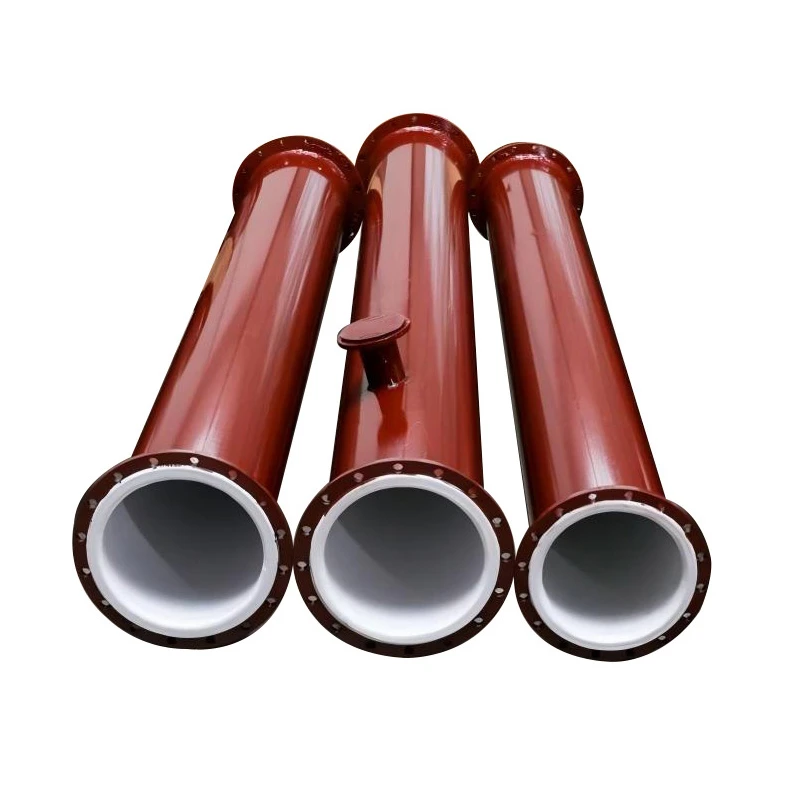
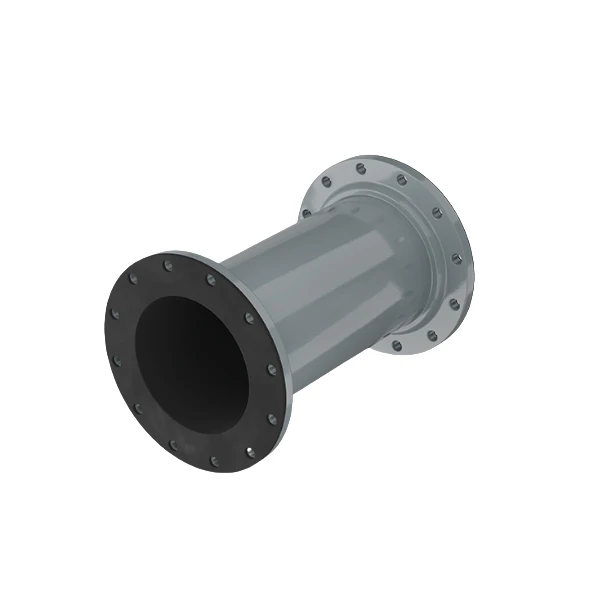
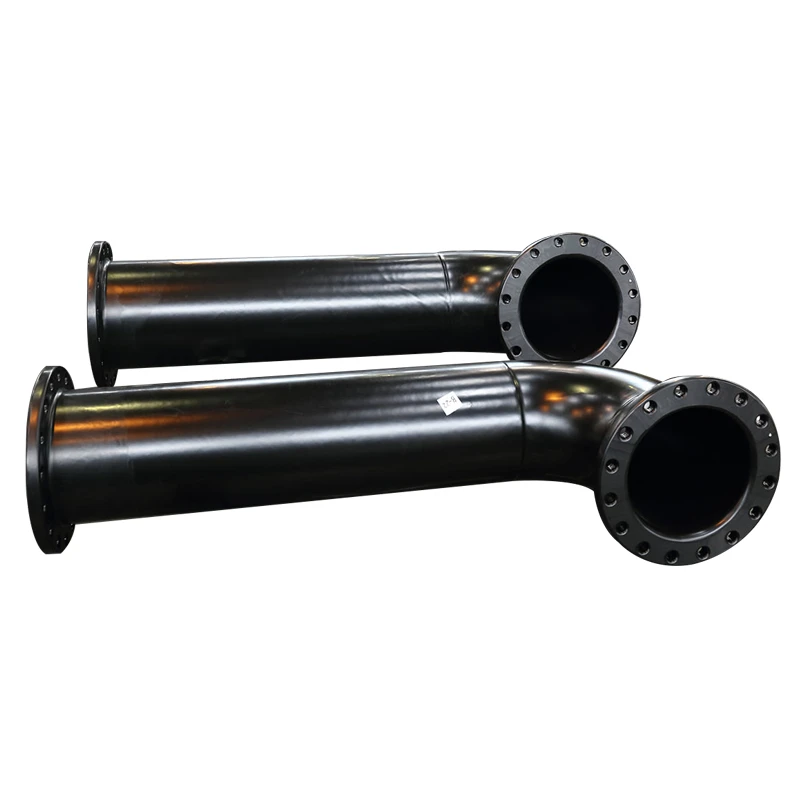
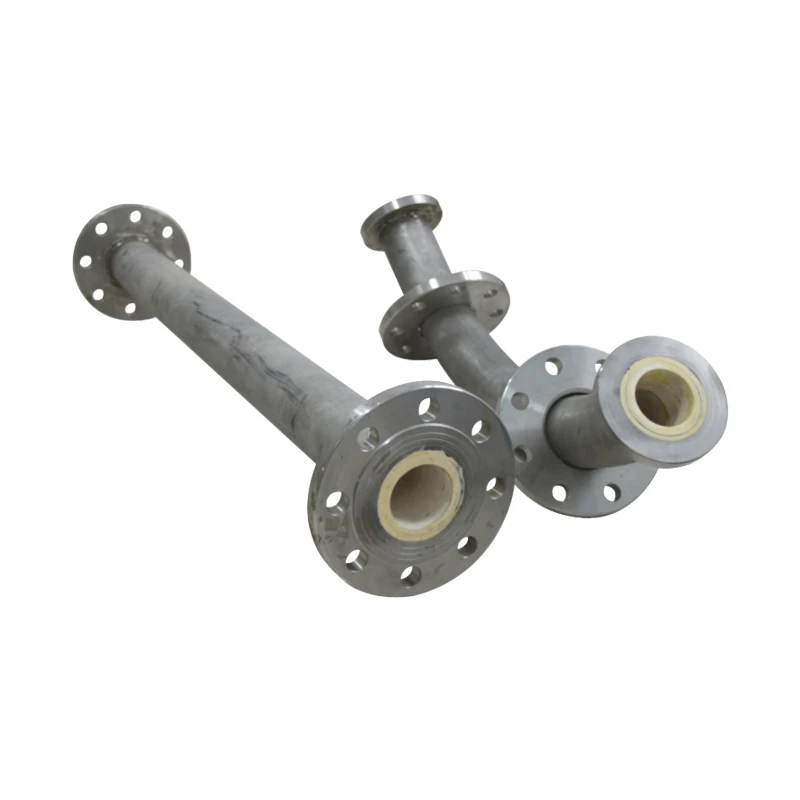
Related Products
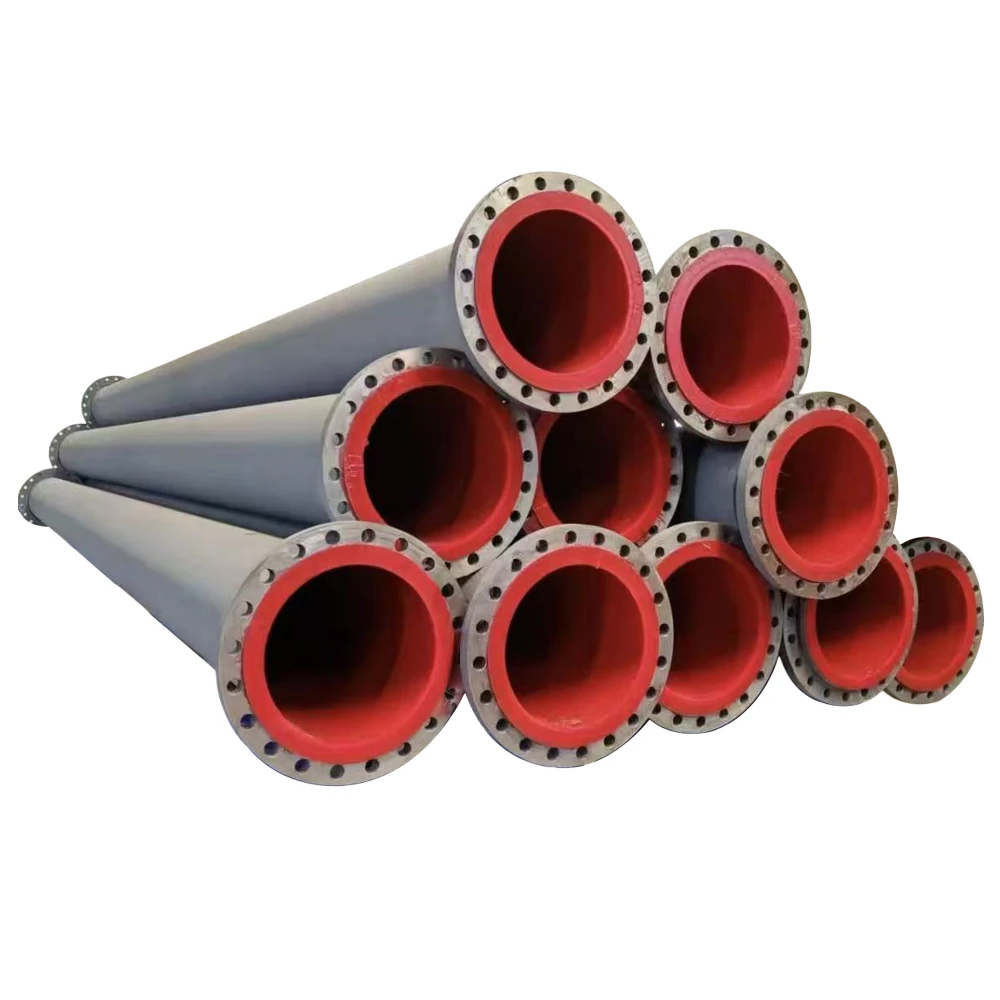
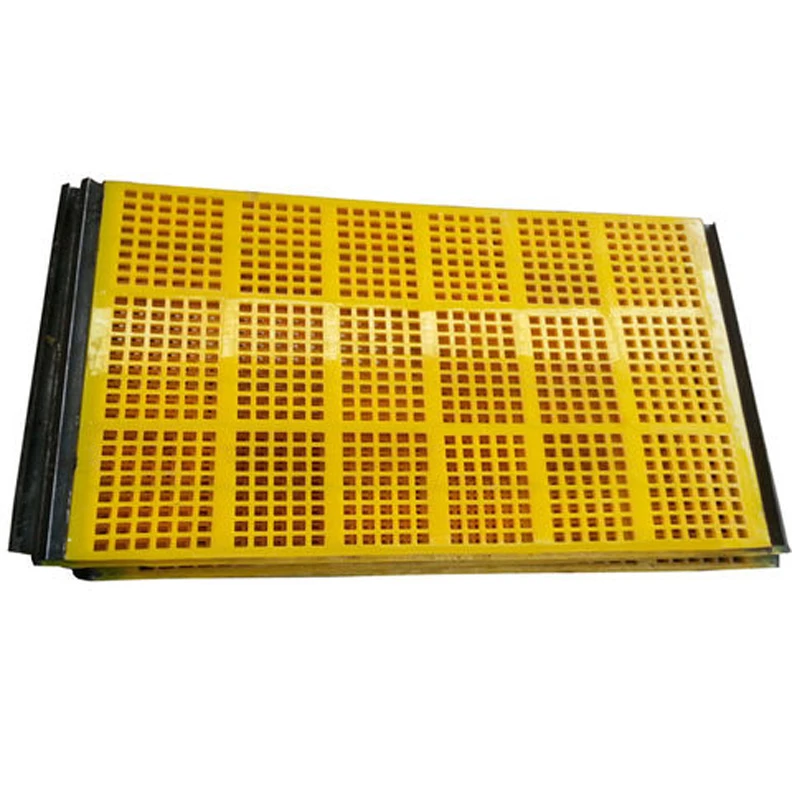
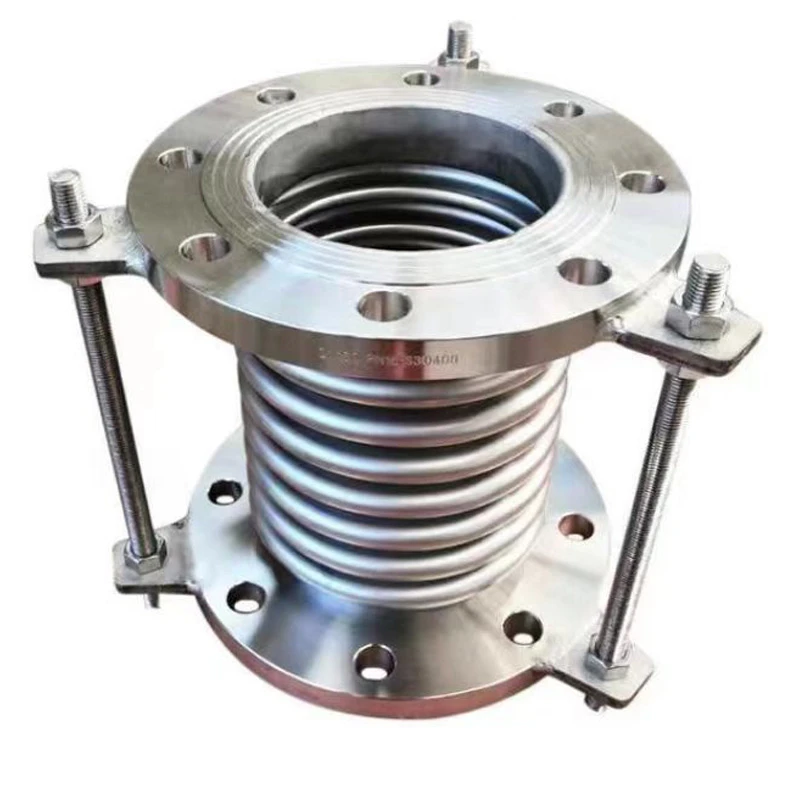
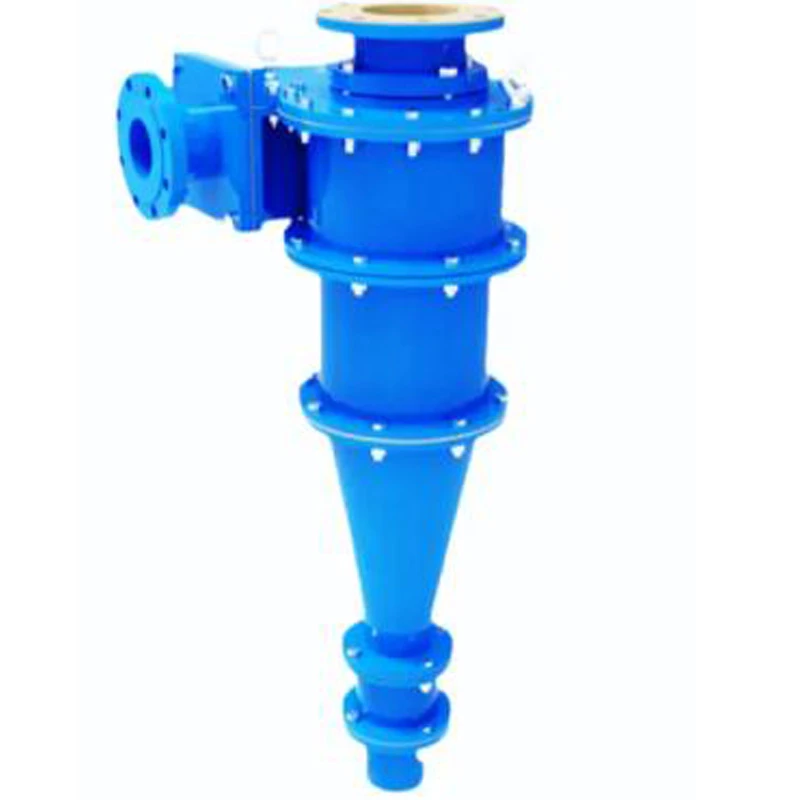
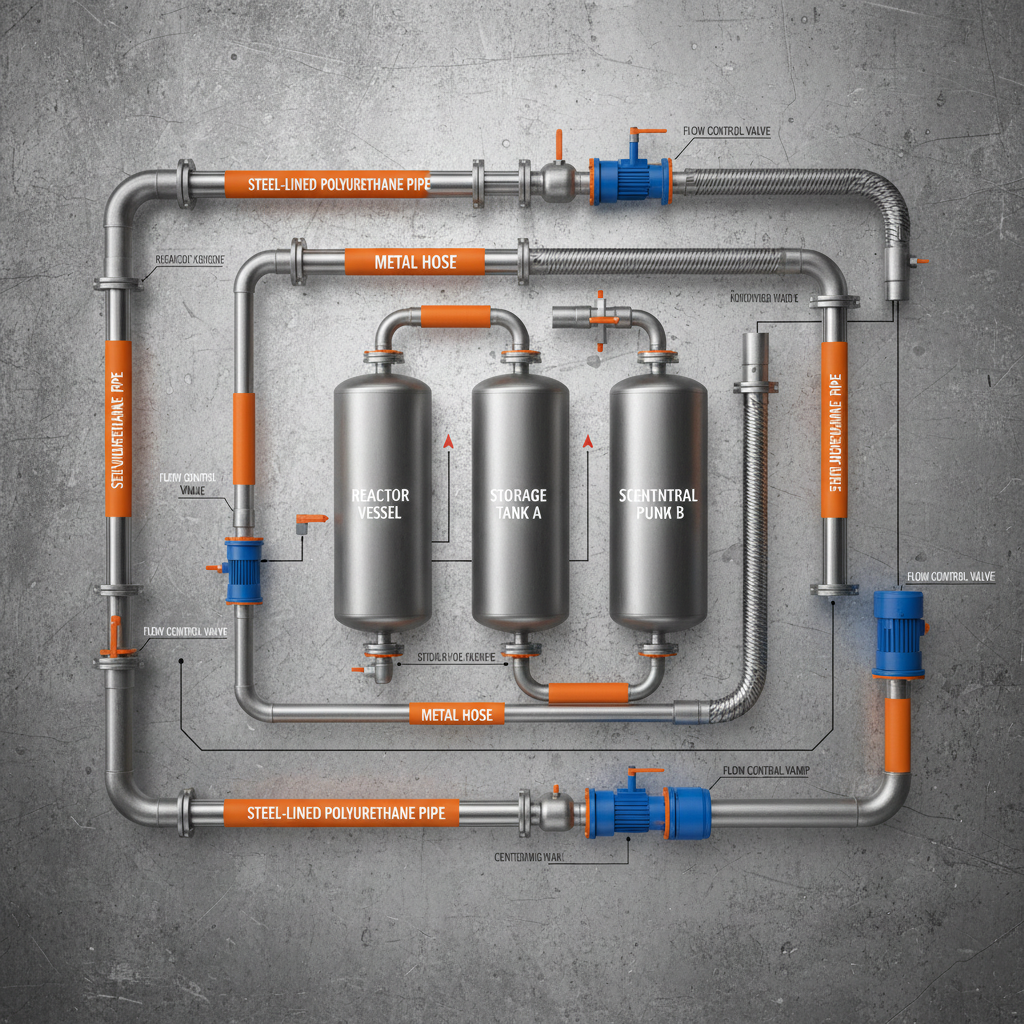
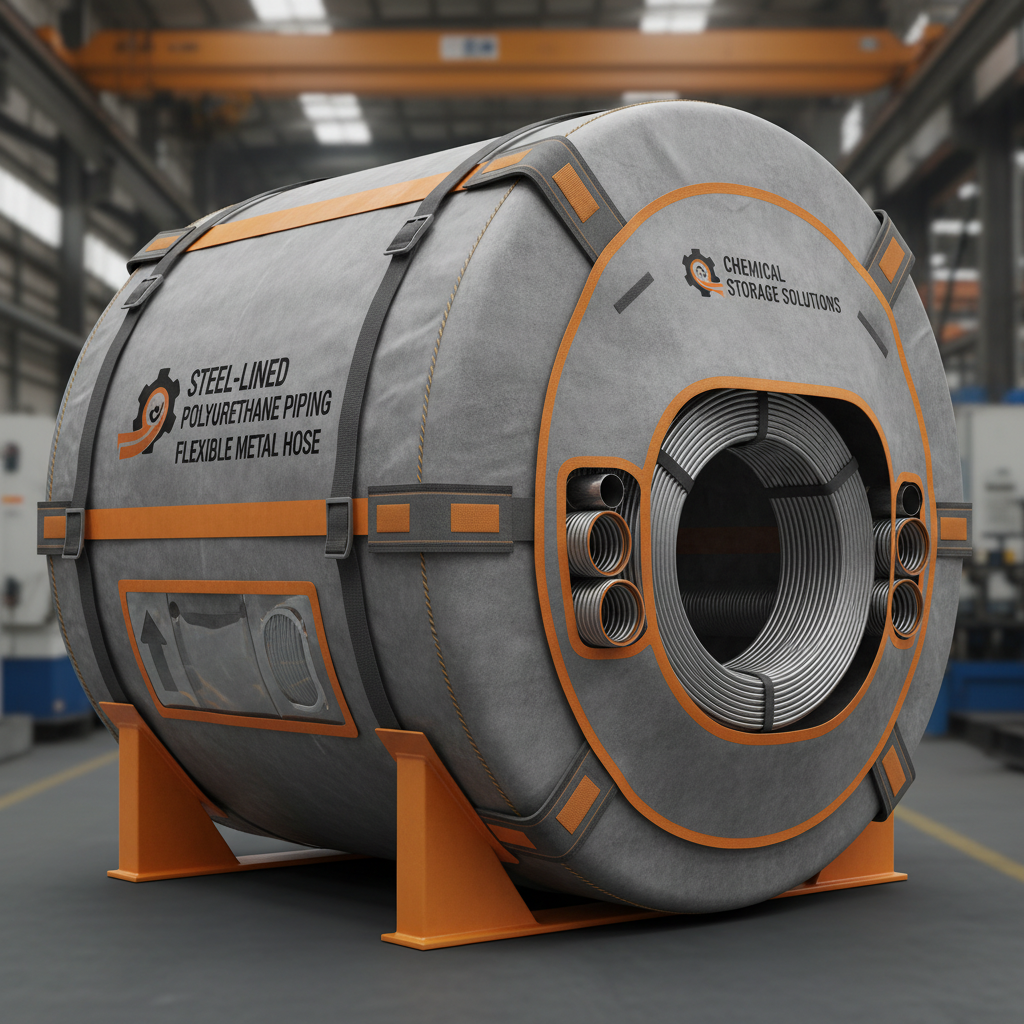
Our main products are polyurethane lined pipes, mining equipment fittings and metal hoses.