Durable Chemical Tanks for Industrial Storage | QW Metal Expertise
Chemical Tanks: A Seasoned Perspective on Material and Design
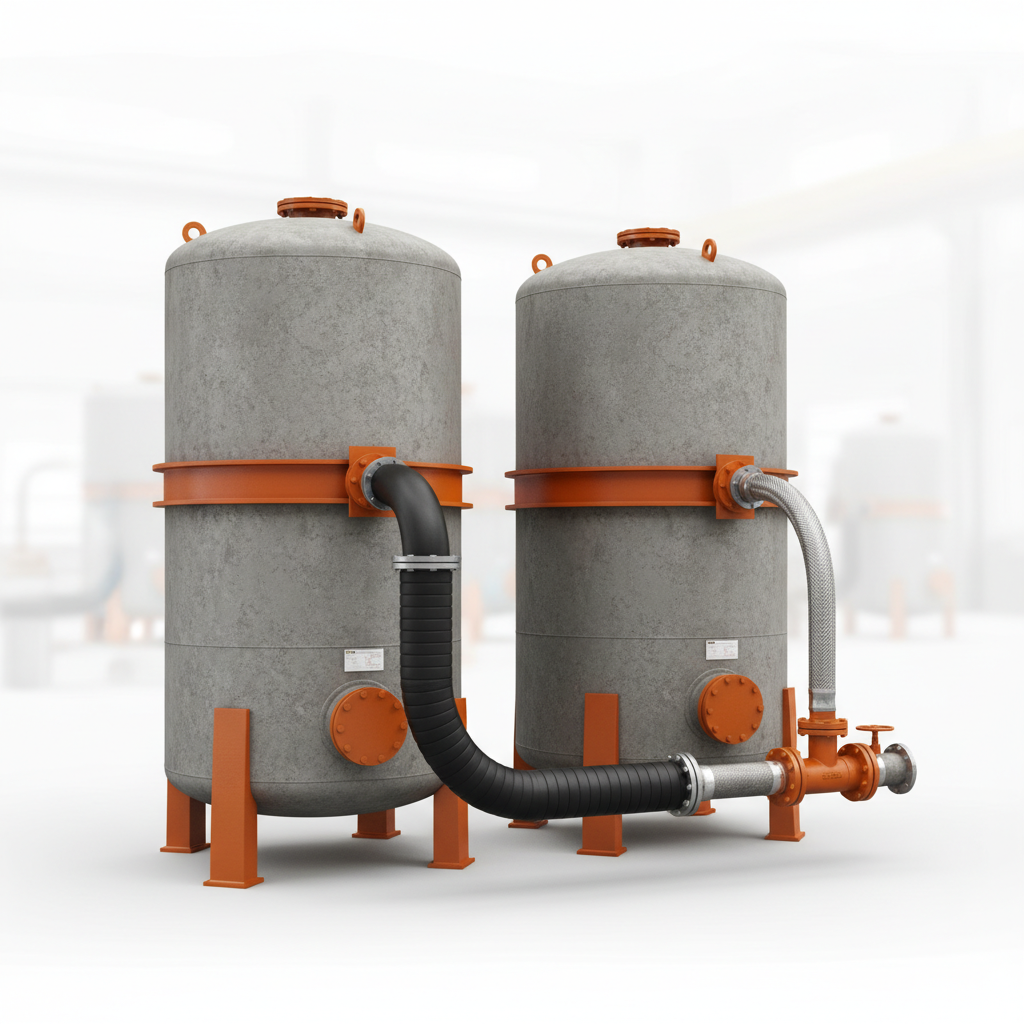
Having spent a fair share of years working around industrial equipment, chemical tanks always stood out as a deceptively simple yet crucial component in so many facilities. If you’ve ever wondered what makes these tanks really tick—aside from just holding chemicals—then you’re in the right spot. Frankly, they’re a bit like the unsung heroes of the process industry: robust, often custom-tailored, and engineered to withstand some seriously harsh environments.
Now, before diving into specs and what-have-you, I want to touch on something I’ve noticed over the years: chemical tanks vary wildly depending on their applications and, oddly enough, the nuances of the chemicals stored inside. For example, storing strong acids vs. organic solvents requires completely different materials and design considerations. You can’t just slap any tank in place and hope for the best.
Which brings me to chemical tanks—companies like QW Metal that specialize in custom metal fabrication really get how to mix material science with practical design. From carbon steel to stainless steel grades like 304 and 316, the choice isn’t trivial. In fact, many engineers I’ve chatted with swear by 316 stainless for its excellent corrosion resistance, especially in chloride-rich environments.
But material alone isn’t the story. The thickness of the tank wall, the presence of linings, and features like double-wall containment or insulation can make or break the longevity and safety of these vessels. And whether you’re dealing with atmospheric tanks or pressurized ones, the engineering margins get tighter all the time—especially with more stringent industry regulations on environmental safety.
Let me share a quick anecdote: a client I once worked with needed a 10,000-liter tank for storing sulfuric acid at elevated temperatures. They initially went with a standard carbon steel tank, thinking it’d be cheaper and "good enough." Six months in, the tank began corroding internally, risking leaks and downtime. Switching to a lined stainless solution with proper coatings saved them a fortune down the road. These kinds of lessons, painful as they are, really drive home the importance of upfront engineering.
Typical Chemical Tank Specifications
| Specification | Details |
|---|---|
| Material | Carbon Steel, Stainless Steel 304/316, FRP |
| Capacity | 500 - 50,000 Liters (custom sizes) |
| Design Pressure | Atmospheric to 10 Bar |
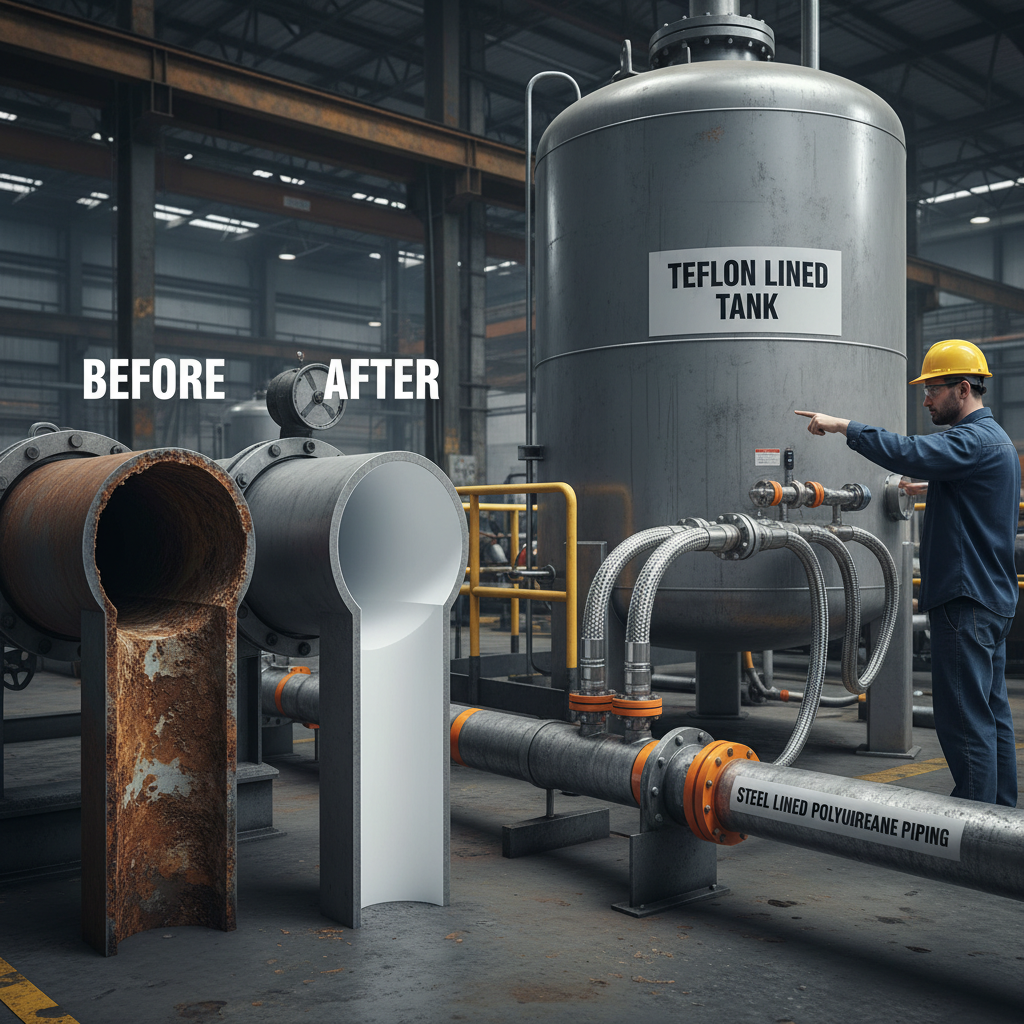
| Coatings | Epoxy, Phenolic, Teflon Lining Options |
| Accessories | Manways, Level Gauges, Mixers, Vents |
| Certifications | ASME, PED, ISO 9001 |
Comparing Leading Chemical Tank Vendors
Picking the right vendor is as important as picking the right tank itself. Here’s a quick glance at some of the quirks and strong suits of a few top manufacturers I’ve encountered in the field:
| Vendor | Customization | Pricing | Lead Time | Certification |
|---|---|---|---|---|
| QW Metal | High – tailored to spec | Competitive | 4-6 weeks | ASME, ISO Certified |
| Vendor B | Moderate | Higher | 6-8 weeks | PED Certified |
| Vendor C | Low (Standard Models) | Budget Friendly | 2-4 weeks | None/Varies |
In real terms, what I appreciate about suppliers like QW Metal is their flexibility and willingness to work alongside clients on tight deadlines while ensuring quality. Shipping large tanks isn’t a simple affair either, and having a vendor who understands on-site logistics is a huge plus.
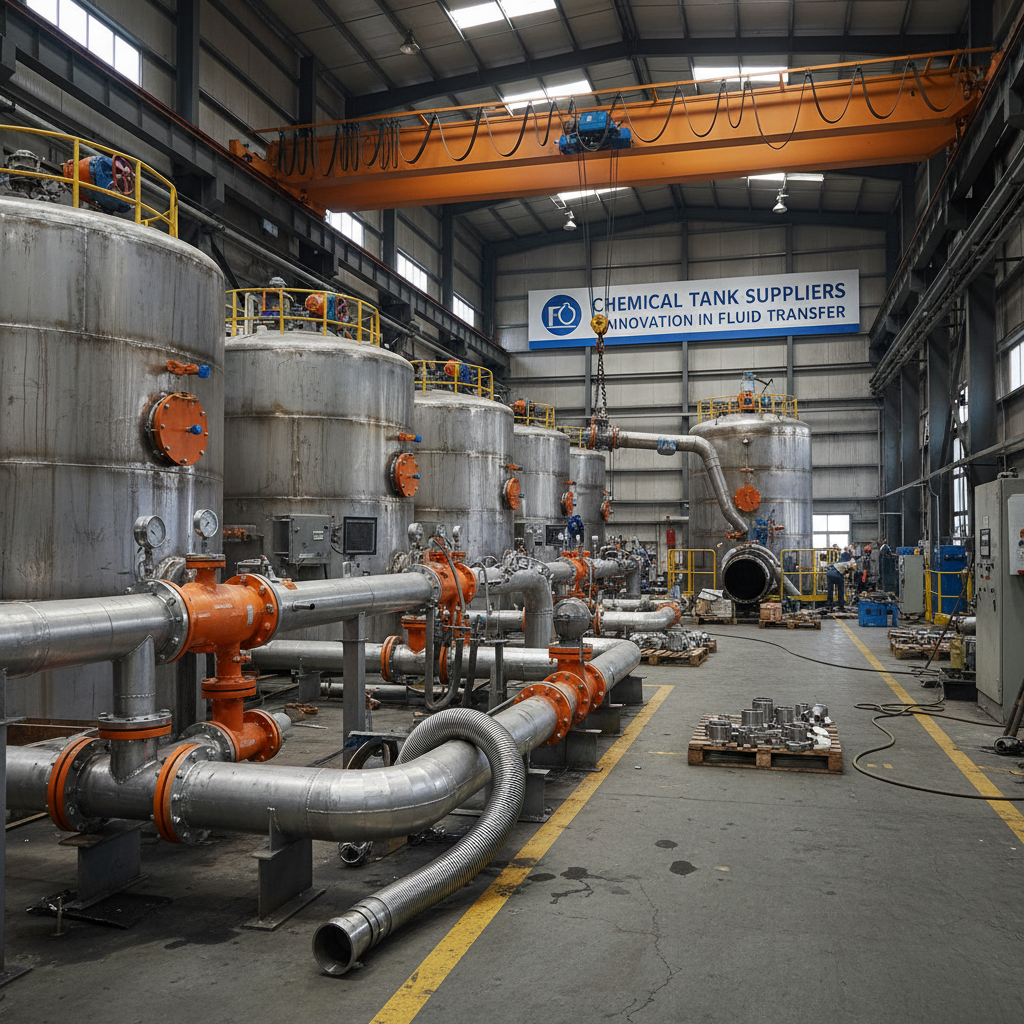
To wrap it up — chemical tanks might seem straightforward, but their role in safely handling and storing hazardous materials is vital. Mixing the right materials, ensuring solid design, and choosing a reliable vendor will save a lot of headaches. And if you ever get a chance to tour a tank fabrication workshop, take it—seeing the process firsthand really cements the respect for the craft.
If you'd like to explore some trusted options, chemical tanks from specialized fabricators often offer that perfect balance between safety and custom design — and I’ve noticed they tend to be the go-to for many process plants worldwide.
Stay safe, and remember: in industrial equipment, the devil is in the details.
References:
- ASME Boiler and Pressure Vessel Code, Section VIII
- Industry discussions and interviews with chemical plant engineers (2015–2023)
- Material Safety Data Sheets for common industrial chemicals
Related Products
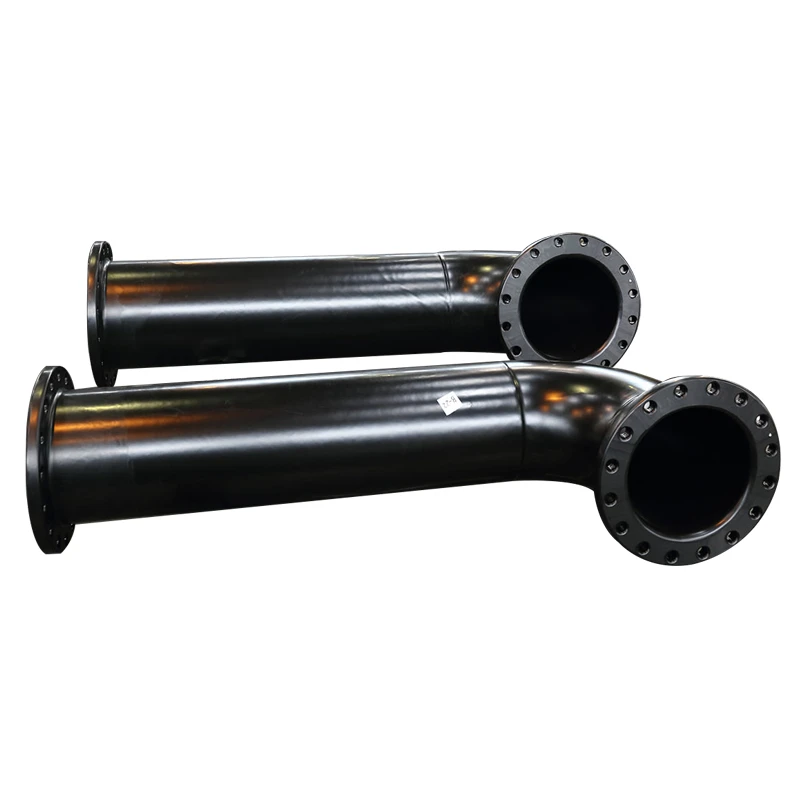
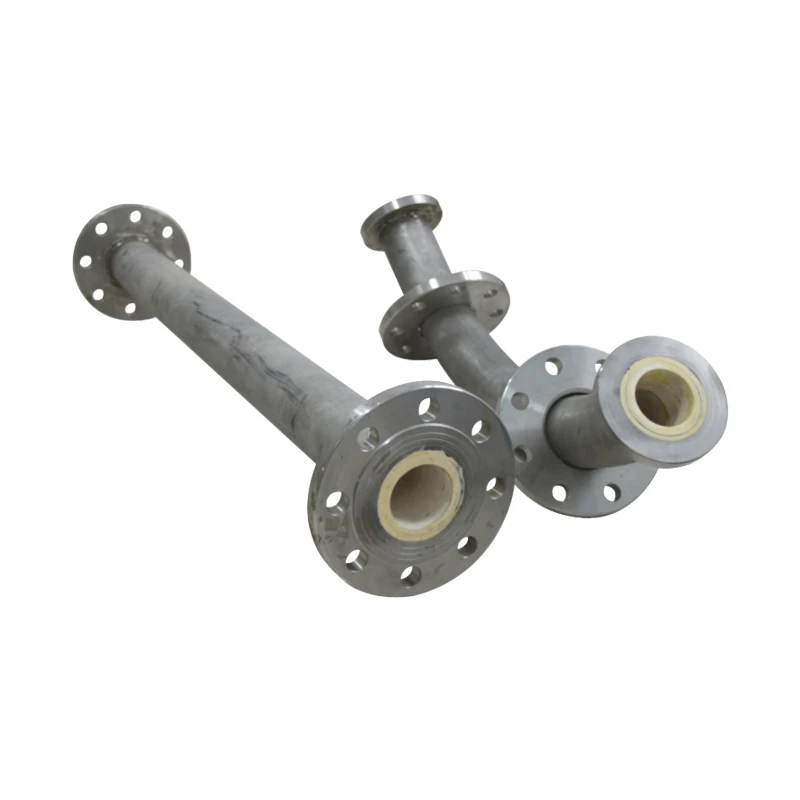
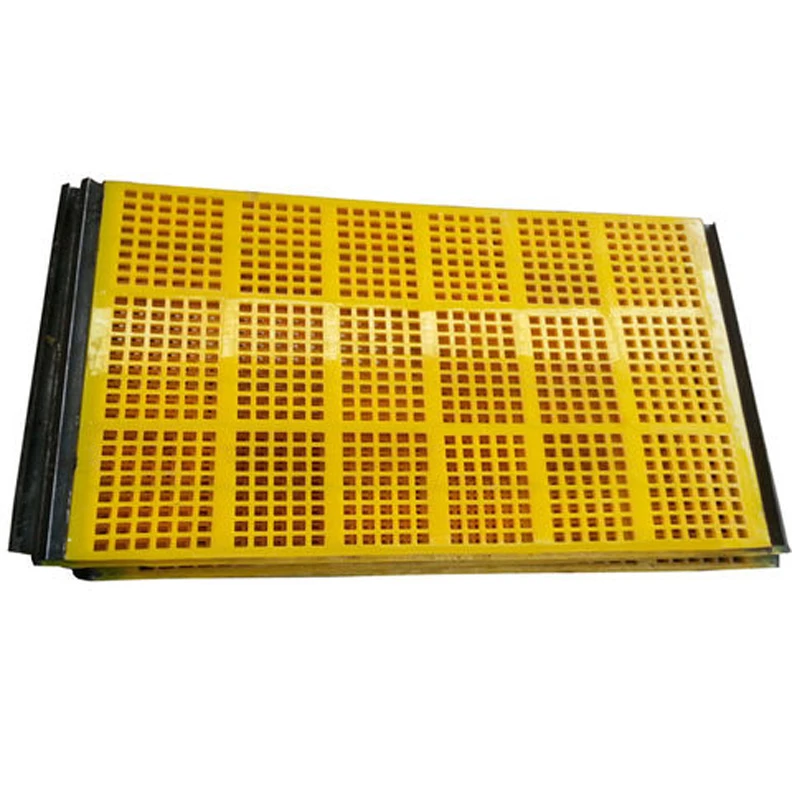
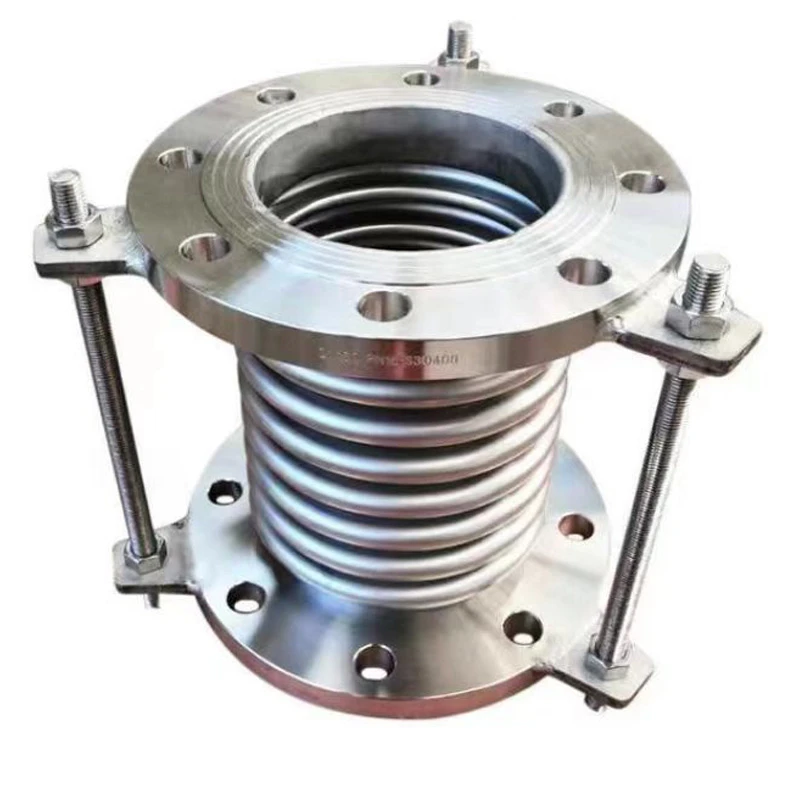
Our main products are polyurethane lined pipes, mining equipment fittings and metal hoses.