Durable Rubber Lined Tanks for Chemical & Industrial Storage | QW Metal
Rubber Lined Tank: A Practical Solution for Durable Industrial Storage
In an age driven by rapid industrial growth and environmental concerns, understanding the role of the rubber lined tank is surprisingly important. These specialized tanks—often overlooked outside of technical fields—hold immense value for industries ranging from wastewater treatment to chemical manufacturing. Why? Because they combine durability, chemical resistance, and cost-efficiency, tackling some of the most stubborn challenges associated with storing aggressive materials. Global industries rely increasingly on these tanks for reliable, safe containment, which matters not just economically but environmentally too.
Why Rubber Lined Tanks Matter on a Global Scale
Globally, industries are expanding—some data shows that the chemical sector alone is projected to grow by over 4% annually (UNIDO, 2023). Alongside this growth comes the headache of safely storing corrosive or abrasive substances. Traditional steel or concrete tanks often fall short due to corrosion risks or expensive maintenance cycles.
Rubber lined tanks emerge as a strong contender in these scenarios, supporting sustainability goals by prolonging equipment life and reducing hazardous leaks. In places like Southeast Asia and the Middle East, where industries deal with aggressive chemicals and saline waters, these tanks aren’t a nice-to-have—they’re essential.
Yet, there’s a wider context: improper storage often leads to costly accidents or environmental damage, something organizations like the ISO highlight in their guidelines. The rubber lining helps bridge a gap—offering an engineered layer that’s flexible, impermeable, and tough. More on that soon.
What Exactly Is a Rubber Lined Tank?
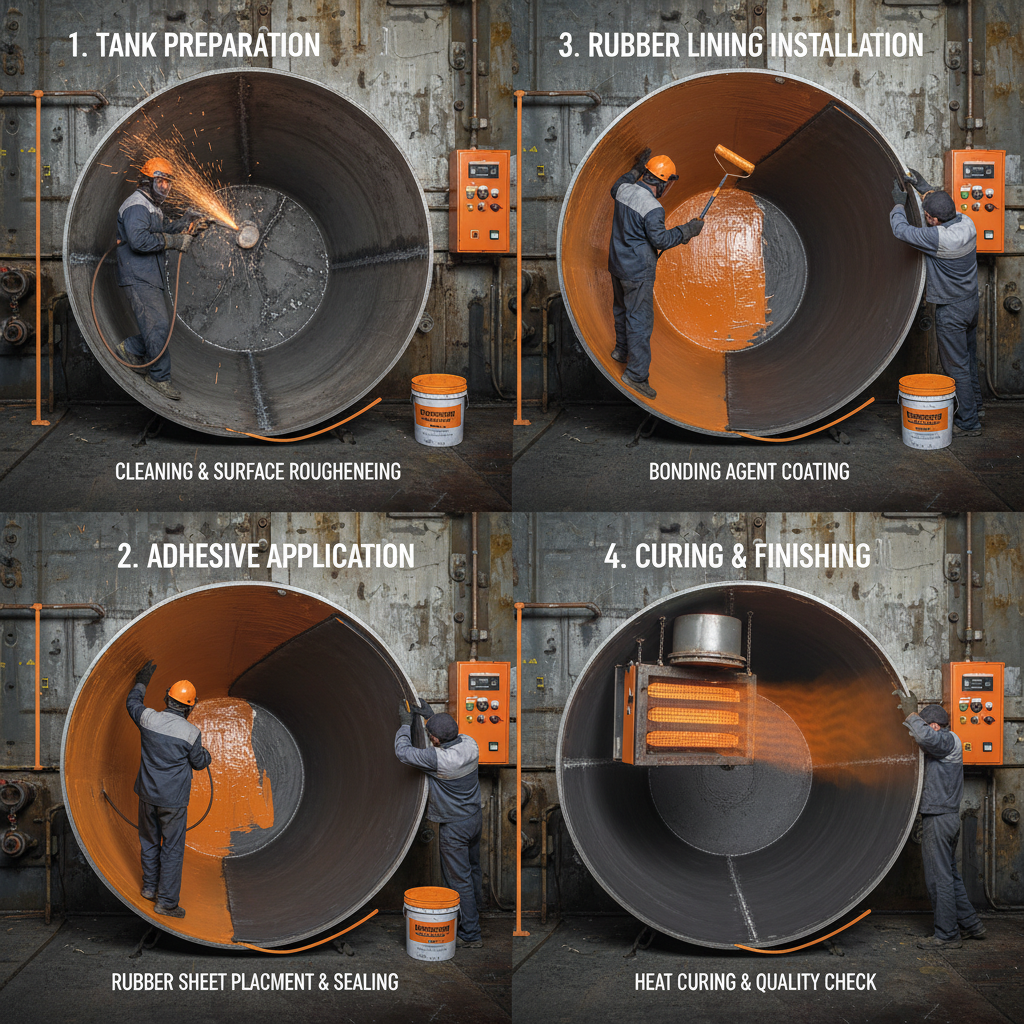
Put simply: a rubber lined tank is a container made usually from steel or other metals, internally coated with a thick layer of rubber or synthetic elastomer. This rubber lining acts as a shield against corrosive substances — acidity, alkalinity, abrasives, and even thermal variations.
In industrial setups, this means the tank itself doesn’t wear out quickly, even when holding harsh chemicals or sludge. Humanitarian operations such as emergency water storage after natural disasters also use these tanks because they’re reliable and relatively light.
So it’s the fusion of traditional strength and modern polymer technology, tailored for practical, daily challenges.
Durability
The lining prevents steel degradation by isolating it from corrosive agents. Many industries report tanks lasting decades with proper rubber lining maintenance — which frankly outperforms unlined options by a huge margin.
Scalability
Rubber lined tanks come in a variety of sizes — from small 500L units to massive 100,000L industrial reservoirs. This flexibility suits everything from local treatment facilities to global manufacturing plants.
Cost Efficiency
Initial investment may seem higher than regular tanks, but savings on repairs, lining replacements, and downtime make these tanks unbeatable over time.
Customizability
Depending on the chemical or process, different rubber compounds (like neoprene, EPDM, or natural rubber) can be chosen — offering a tailored resistance profile.
Maintenance and Repair
Rubber linings allow for easier, cost-effective patch repairs instead of full tank replacements — a feature highly prized in remote or difficult-to-access sites.
Environmental Safety
Leaks in tank systems risk soil and water contamination. The rubber lining acts as an additional safeguard, often complying with strict environmental regulations (ISO 10417).
Rubber Lined Tanks in Action Around the World
Whether it’s a sprawling refinery in the Middle East or a small mining operation in South America, these tanks play a vital role.
- Water Treatment Plants: Many municipal facilities in Europe line their sedimentation tanks with rubber to resist sludge abrasion.
- Chemical Manufacturing: In China and India’s booming industrial hubs, rubber lined tanks are essential for storing corrosive acids and alkalis.
- Mining Operations: Tailings reservoirs in Canada and Australia often use rubber lining to contain abrasive and acidic effluents safely.
- Emergency Relief: NGOs use portable rubber lined tanks to store potable water during disaster relief efforts in Africa, combining portability and safety.
It’s worth noting: the versatility allows them to serve across sectors and terrains.
Advantages That Keep Rubber Lined Tanks in Demand
Easy to say they reduce corrosion or require less repair, but the real story spans emotional trust and practical reliability.
- Safety & Dignity: Worker safety improves when tanks don’t fail unexpectedly; also, communities benefit from safer environmental footprints.
- Innovation & Trust: Leading industries trust rubber lined tanks for decades-long installations, proving these systems can keep pace with evolving needs.
- Sustainability: Reduced waste through long usage cycles supports environmental pledges and reduces the carbon footprint of industrial operations.
- Cost Savings: Lower maintenance plus fewer replacements equal better ROI.
Emerging Trends & Innovations in Rubber Lined Tanks
The industry isn’t standing still. Manufacturers now explore:
- Eco-friendly Materials: Bio-based and recycled rubbers are starting to replace traditional synthetic polymers, cutting the environmental impact.
- Smart Linings: Embedded sensors can now detect wear or leaks early, enabling predictive maintenance instead of reactive fixes.
- Automation: Robots assist in applying linings more uniformly and faster, decreasing human error and production time.
- Regulatory Advances: Stricter international standards encourage innovations that boost durability and safety.
Common Challenges—and How Experts Navigate Them
Despite their many virtues, rubber lined tanks face hurdles:
- Lining Delamination: If applied incorrectly, the rubber can peel off. Skilled preparation and high-quality adhesives are crucial.
- Temperature Limits: Some linings struggle above 80°C, limiting their use in high-heat processes.
- Impact Damage: Physical puncture or abrasion may still occur — protective coatings or overlays help mitigate.
Industry leaders recommend ongoing training for installers and use of elastomers suited strictly to operating conditions—because getting the lining right is half the battle.
Practical FAQs About Rubber Lined Tanks
What kind of chemicals can a rubber lined tank safely store?
Rubber lined tanks excel at storing acids, alkalis, sludges, and abrasive liquids. Different rubber types are compatible with certain chemicals; for example, EPDM resists acids well while neoprene is better for oils. Proper material selection prevents degradation and ensures long service life.
How often should the rubber lining be inspected or replaced?
Regular inspections every 1–2 years catch early wear signs. Depending on usage and chemical exposure, linings last from 10 up to 30 years. Minor damage can be patched; full re-lining is needed when large-scale degradation occurs. Consulting supplier guidelines is important.
Can rubber lined tanks be transported easily?
Smaller tanks or modular sections are designed for portability, making them suitable for remote job sites or emergency setups. However, larger industrial tanks require careful handling and installation on-site.
Are rubber lined tanks environmentally safe?
Yes, because they prevent leaks and corrosion that could contaminate soil or water. Many meet ISO environmental standards and support sustainability initiatives by limiting hazardous waste.
What maintenance is required to keep these tanks in good condition?
Routine cleaning, inspection for liner integrity, and repairing minor damages promptly are key. Avoid harsh mechanical scraping and consult with experts for chemical compatibility during clean-outs.
Rubber Lined Tank Specification Table
| Specification | Details |
|---|---|
| Material Base | Carbon Steel / Stainless Steel |
| Lining Materials | Natural Rubber, EPDM, Neoprene, Butyl |
| Typical Sizes | 500L - 100,000L+ |
| Temperature Range | -40°C to 80°C (varies by lining) |
| Chemical Resistance | Acids, Alkalis, Abrasive Sludge |
| Expected Lifespan | 10-30 years |
| Maintenance | Annual Inspection & Repairs |
Comparing Top Rubber Lined Tank Providers
| Vendor | Customization | Typical Lead Time | Warranty | Geographical Reach |
|---|---|---|---|---|
| QW Metal Industries | Full rubber type & size options | 6-8 weeks | 5 years | Global, focus on Asia & Middle East |
| Global Liners Co. | Standard sizes, limited compounds | 4-6 weeks | 3 years | Americas & Europe |
| EcoTank Solutions | Eco-rubber only, modular designs | 8-10 weeks | 7 years | Europe with select export |
Final Thoughts on Rubber Lined Tanks
Choosing a rubber lined tank is more than buying a container — it’s investing in resilience, sustainability, and peace of mind. Whether it's industrial chemicals, water, or hazardous materials, these tanks safeguard assets and the environment effectively.
If you’re looking to future-proof your storage solutions or need something adaptable for challenging conditions, it’s definitely worth exploring rubber lined tanks via trusted providers such as QW Metal.
The blend of technology, materials science, and practical design here shows how sometimes, the best answers are literally lining the inside. And that’s a good note to end on.
References
Related Products
Our main products are polyurethane lined pipes, mining equipment fittings and metal hoses.