Comprehensive Guide to Tank Chemical Storage and Management
What Is Tank Chemical and Why Does It Matter Globally?
Tank chemical — a phrase that might seem a bit dry on the surface — is actually central to many industries we rely on daily. Simply put, these chemicals are specialized substances stored, transported, and utilized in large tanks designed to hold everything from industrial solvents to agricultural inputs. Their global importance? It’s huge. Whether in manufacturing hubs, agricultural heartlands, or remote humanitarian operations, effectively managing tank chemical inventory and usage can spell the difference between sustainable growth and costly hazards.
From ensuring industrial safety standards to supporting food production or water purification, understanding tank chemical properties and handling methods benefits not just company bottom lines but also public health and environmental protection.
An Industry Snapshot: The Global Context of Tank Chemical Usage
The World Bank notes that global chemical manufacturing output has grown steadily, exceeding $5 trillion annually in value. Much of this relies on proper storage and handling of tank chemicals in heavy industries like petrochemicals, pharmaceuticals, and agriculture (source). As urbanization rises and supply chains stretch farther, managing chemicals stored in tanks has become a challenge — both in logistics and safety.
Oddly enough, despite their omnipresence, many incidents in industrial settings link back to improper tank chemical management. Think leaks, spills, or contamination — problems that ripple wide economically and environmentally. Hence, the challenge: How to keep these chemicals secure, accessible, and regulated especially across borders or difficult terrains?
Defining Tank Chemical in Simple Terms
At its core, tank chemical refers to any chemical substance that is stored in large-scale tanks for industrial or commercial use. These range from raw materials like acids and alkalis to finished products such as disinfectants and fertilizers. The tank itself often acts as a critical interface between production, storage, and transport phases.
In modern industry, these chemicals are indispensable: They enable processes like water treatment, food preservation, and energy production. From humanitarian angles, sanitized water storage tanks with appropriate chlorine-based chemicals, for instance, can prevent disease outbreaks — a lifeline in disaster relief zones.
Core Components of Tank Chemical Considerations
1. Chemical Stability and Compatibility
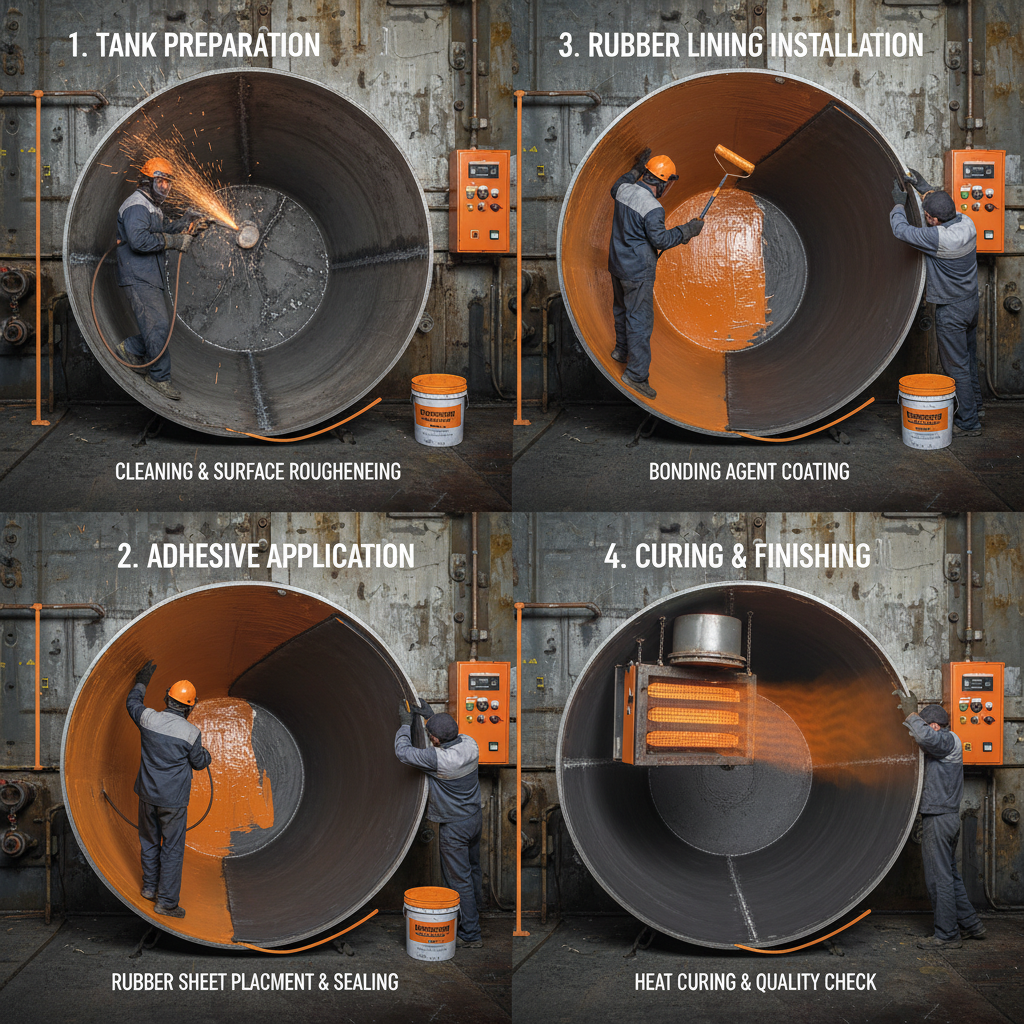
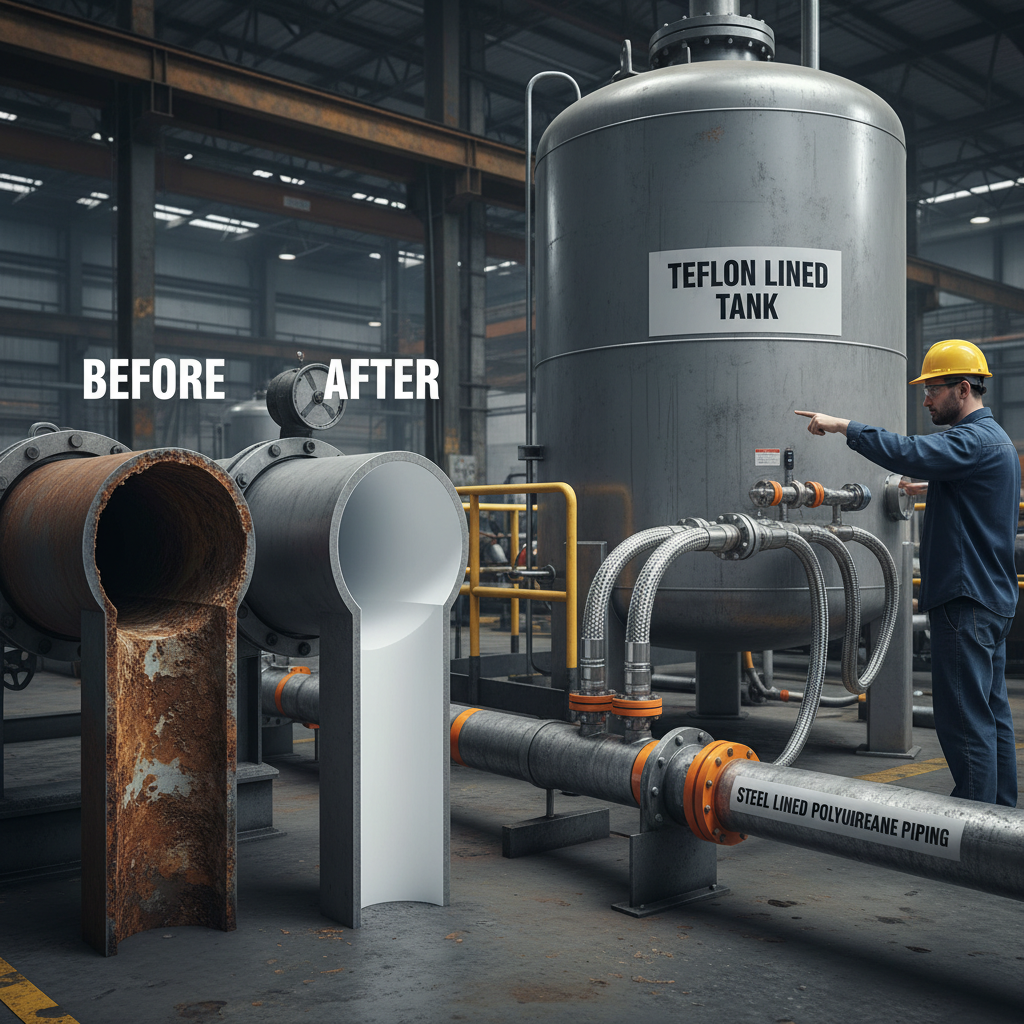
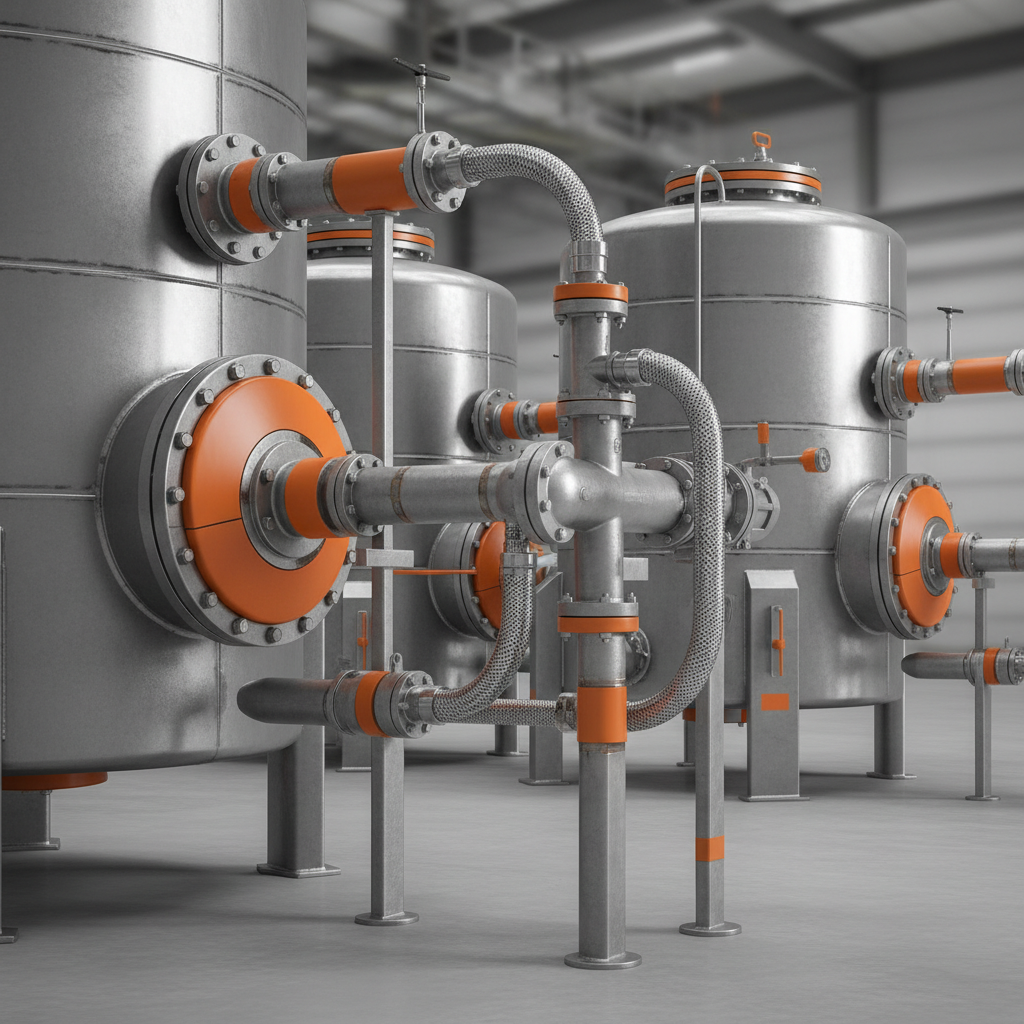
The tank’s material must resist corrosion or degradation by the stored chemical. For example, hydrochloric acid requires special lining materials or plastics. Many engineers swear by certain advanced polymers that withstand extreme pH ranges, thus preventing contamination or tank failure.
2. Safety and Handling Protocols
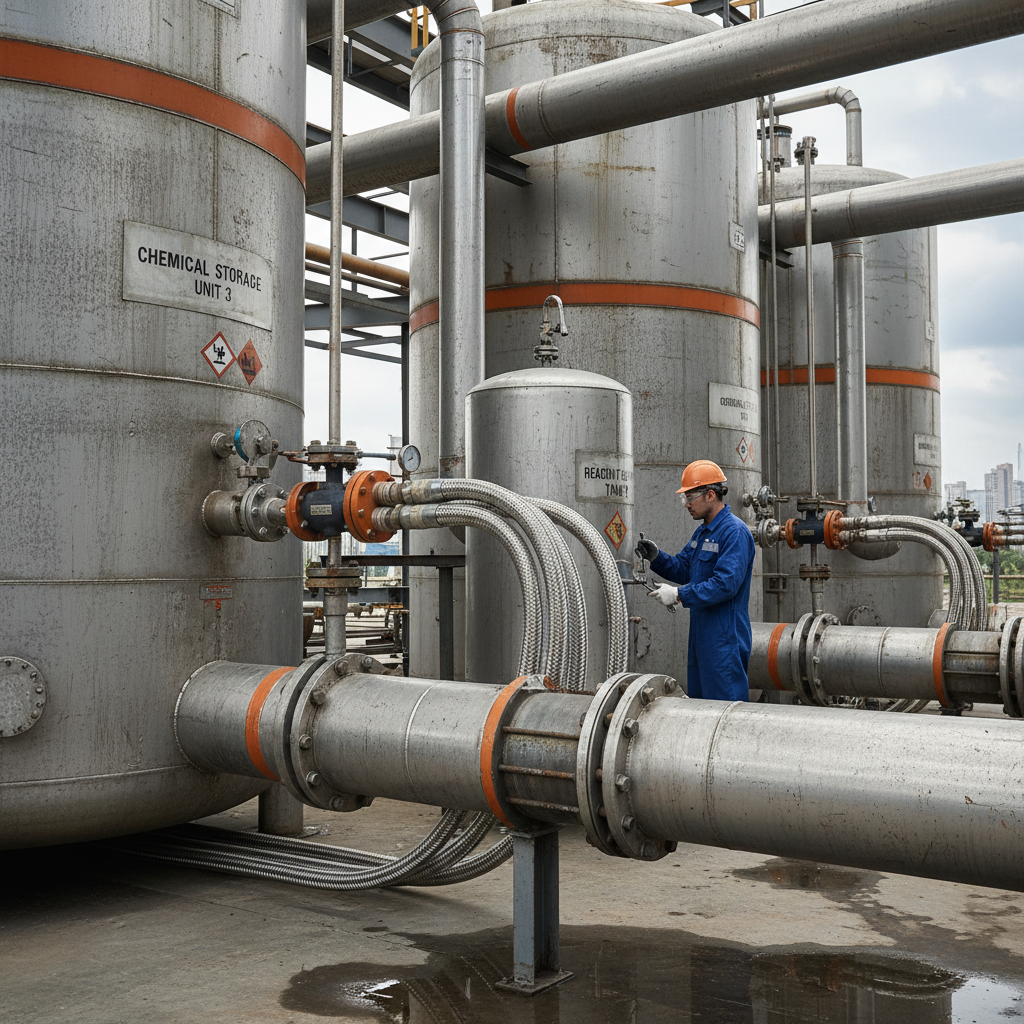
Handling tank chemicals safely is obviously non-negotiable. Proper venting, leak detection, and emergency shutoffs reduce accident risks. Compliance with ISO standards (like ISO 9001 & ISO 14001) often governs these protocols worldwide.
3. Capacity and Scalability
Different operations require tanks ranging from a few hundred liters to enormous volumes capable of storing thousands of tons. Scalability ensures businesses can expand without overhauling infrastructure, while flexibility aids in diverse chemical storage needs.
4. Environmental Impact and Sustainability
The industry is increasingly leaning towards greener solutions: tank coatings that reduce VOC emissions, improved sealing to prevent leaks, and innovations in recycling tank materials. Long-term environmental safety is more than corporate social responsibility — it’s regulatory survival.
5. Cost Efficiency and Maintenance
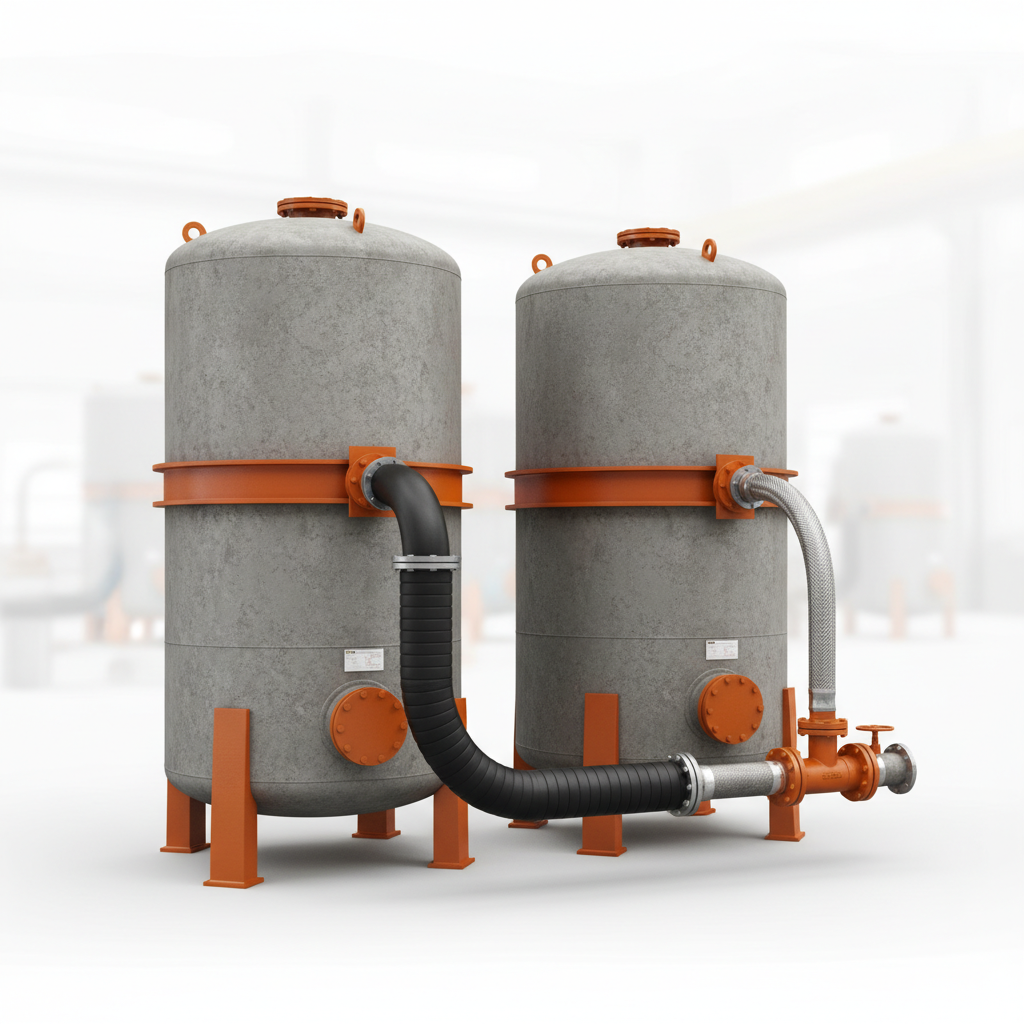
Efficient tank chemical storage reduces waste and downtime. Materials requiring less frequent maintenance or offering longer lifespan win in the long run, as do modular tanks that allow quick repair or replacement.
Mini takeaway: Knowing the tank chemical basics saves headaches and boosts operational efficiency.
Global Applications and Real-World Use Cases
Tank chemicals play starring roles worldwide, from gritty industrial zones of China and Germany to remote agricultural communities in Africa and Latin America.
- Post-Disaster Relief: Chlorine-based tank chemicals disinfect water supplies in emergency refugee camps.
- Agriculture: Fertilizer storage tanks ensure steady crop nutrient supply in large farming operations.
- Manufacturing: Petrochemical plants use large-scale tanks to store solvents and intermediates integral to production.
- Pharmaceuticals: Precise chemical storage maintains purity and quality control.
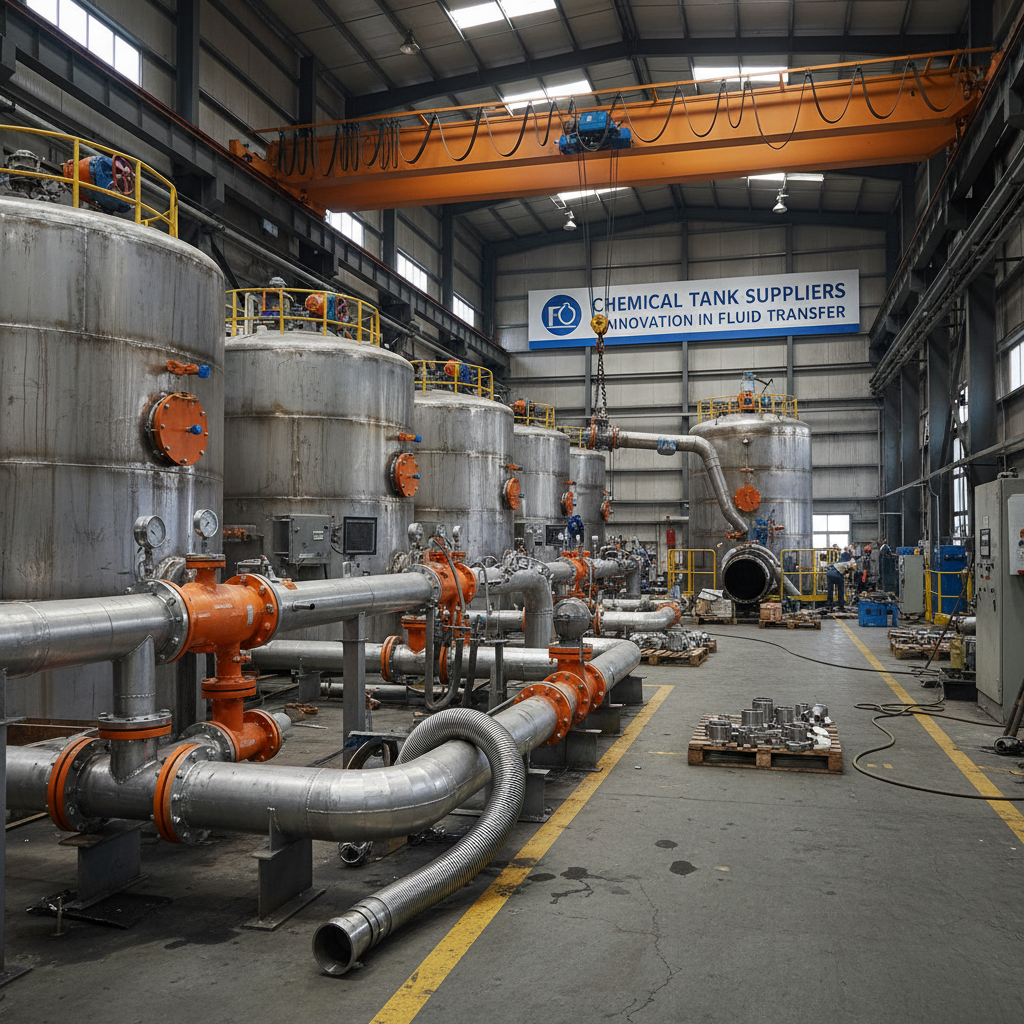
In remote industrial setups, sometimes you find tanks specially customized for harsh climate use — insulation against cold, measures for friction reduction. It feels like a small detail but greatly affects reliability.
Advantages and Long-Term Value of Effective Tank Chemical Management
When done right, tank chemical usage brings a host of benefits besides obvious logistical convenience:
- Cost savings: Reduced loss from spills or degradation.
- Safety assurance: Protects workers and local populations.
- Environmental protection: Limits contamination and resource waste.
- Innovation catalyst: Enables integration of new materials and technologies.
- Trust and reputation: Compliance bolsters customer and regulator confidence.
Emotionally, people can relax knowing chemicals aren’t leaking into groundwater or air. In real terms, it fosters social license to operate and long-term sustainability.
Product Specification Table of Popular Tank Chemical Storage Solutions
| Model | Capacity (Liters) | Material | Chemical Compatibility | Temperature Range |
|---|---|---|---|---|
| ChemTank Pro 5000 | 5000 | HDPE with epoxy lining | Acids, Bases, Solvents | -20°C to +70°C |
| SafeHold XL | 12000 | Stainless steel 316L | All common chemicals | -40°C to +150°C |
| EcoStor Modular | 2000 per module | Recycled Polyethylene | Water treatment chemicals | 0°C to +50°C |
Vendor Comparison: Choosing the Right Partner for Tank Chemical Solutions
| Vendor | Product Range | Customization Options | Global Reach | Pricing Level | After-Sales Support |
|---|---|---|---|---|---|
| QW Metal | Industrial, Agricultural, Modular | High | Worldwide | Competitive | 24/7 Technical Assistance |
| Global Tanks Inc. | Chemical & Fuel Tanks | Medium | North America, Europe | High | Limited Hours Support |
| EcoChem Solutions | Green Chemical Storage Systems | Low | Europe & Asia | Mid-range | Email Support Only |
Looking Ahead: Future Trends and Innovations in Tank Chemical Handling
There's a quiet revolution brewing in tank chemical tech. Digital transformation is big: IoT sensors now monitor tank levels, temperatures, and even chemical composition in real-time — a feature many CTOs dream about. Automation and AI-driven predictive maintenance help avoid disasters before they start.
Sustainability is another front. New biodegradable tank liners and fully recyclable tank frames are entering the market, catering to industries pressured by tightening environmental regulations. And green energy integration means some tanks now can incorporate solar-powered heating systems to maintain optimal chemical storage conditions.
Common Challenges and How to Overcome Them
It’s not all smooth sailing with tank chemical management. Common issues like tank corrosion, accidental leaks, and logistics bottlenecks persist. But the industry is learning fast.
- Challenge: Corrosion wear reducing tank longevity.
- Solution: Adoption of advanced composite materials with longer lifespans.
- Challenge: Monitoring tank contents remotely.
- Solution: Deploying IoT sensors and cloud platforms for instant data.
- Challenge: Regulatory compliance in multiple jurisdictions.
- Solution: Integrated compliance software and expert consultation.
In other words, companies can no longer afford to be reactive. The green light goes to those proactive enough to innovate...
FAQ: Practical Questions About Tank Chemical
Q1: What types of chemicals are typically stored in industrial tanks?
A: Industrial tanks commonly store acids, alkalis, solvents, fertilizers, and water treatment chemicals. Depending on the tank’s design and materials, compatibility ranges widely.
Q2: How do I ensure the safe transport of tank chemicals across borders?
A: Complying with international regulations like the UN’s ADR (European Agreement concerning the International Carriage of Dangerous Goods) is essential. Proper labeling, documentation, and certified containers minimize risks and delays.
Q3: Can tank chemical storage solutions be customized for extreme environments?
A: Absolutely. Many suppliers offer customized insulation, material upgrades, and modular designs specifically for cold climates, corrosive environments, or seismic zones.
Q4: What maintenance is necessary for chemical storage tanks?
A: Regular inspection for corrosion, leak detection, pressure release valve testing, and tank lining integrity checks are vital to prolong tank life and ensure safety.
Q5: Are modular tanks cost-effective compared to traditional steel tanks?
A: Modular tanks often offer faster installation, easier scalability, and sometimes lower upfront costs, though long-term suitability depends on the chemical and operating conditions.
Wrapping It Up: Why Tank Chemical Matters Long-Term
Tank chemical management might never make the headlines, but its value quietly powers global industry and impacts everyday lives. From reducing environmental hazards to enabling innovations in manufacturing and humanitarian aid, the right tanks and chemicals make it happen smoothly and safely. And frankly, if you’re looking for reliable, scalable chemical storage solutions, I’d suggest you check out tank chemical experts like QW Metal.
After all, keeping chemicals safe in tanks is one of those subtle linchpins holding the modern world together — wouldn’t you agree?
References
- World Bank: Global Chemical Industry Trends
- Wikipedia: Chemical Storage
- ISO Technical Standards on Chemical Industry

Related Products
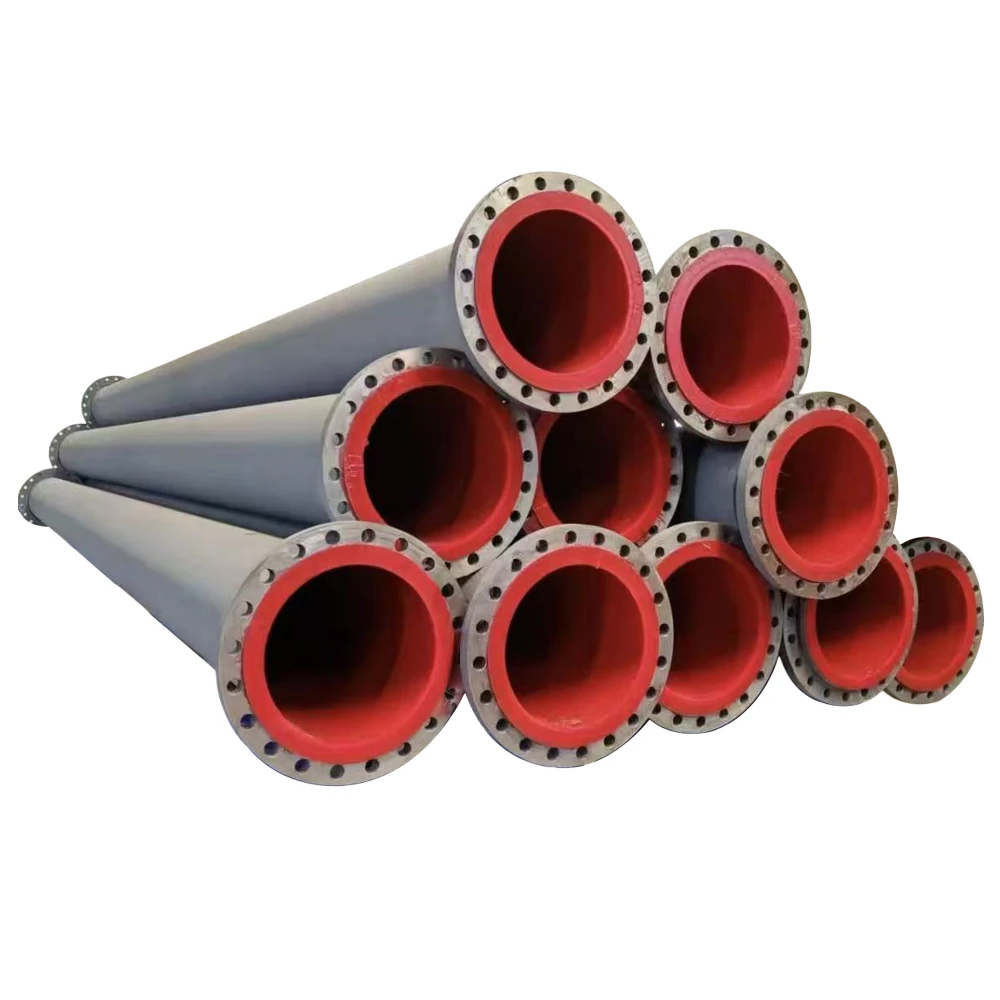
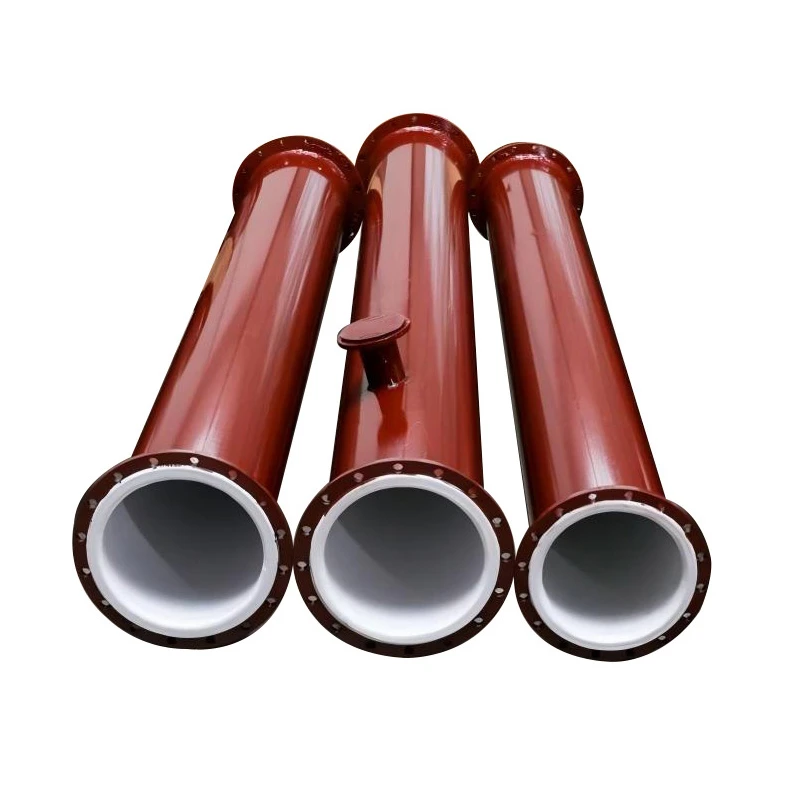
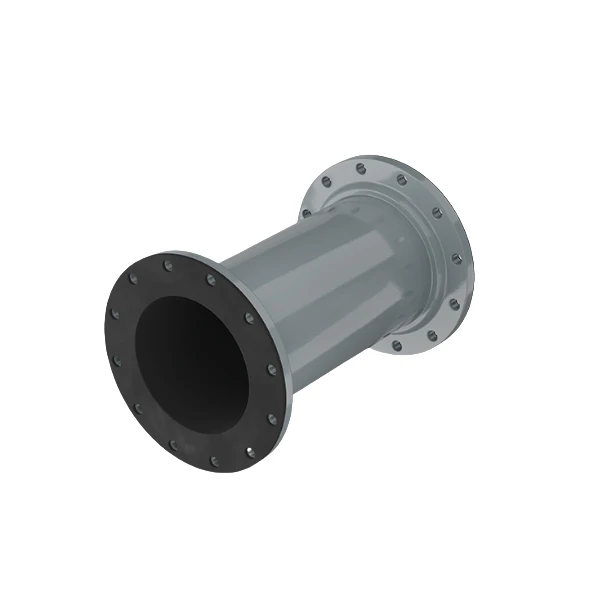
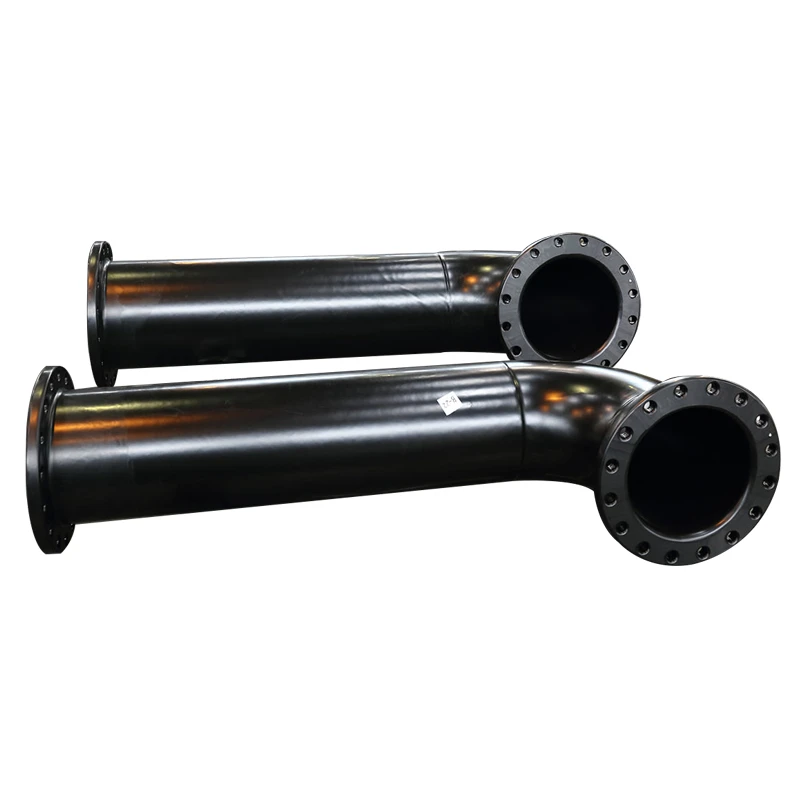
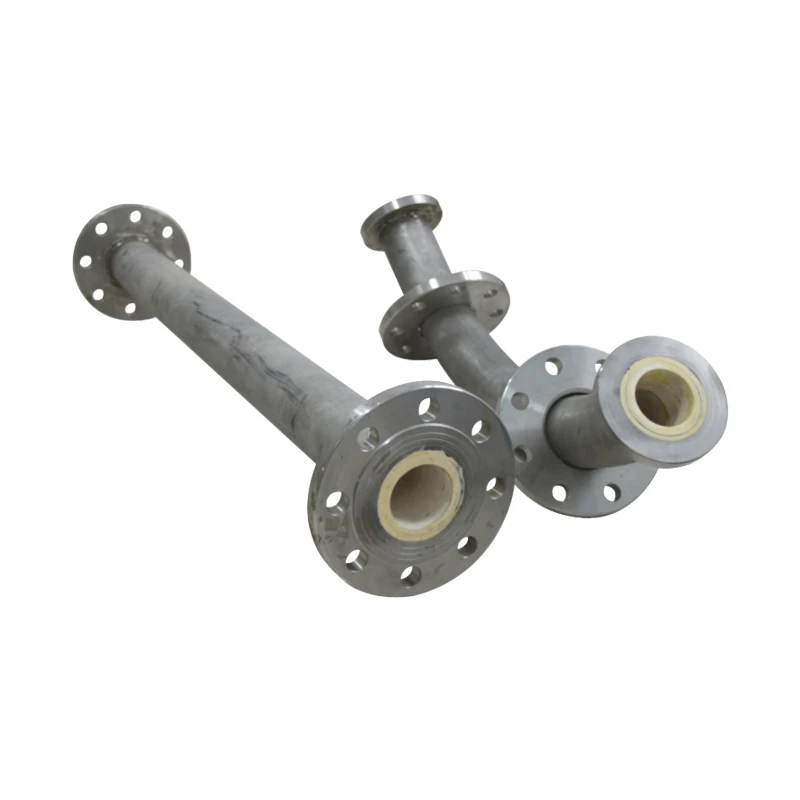
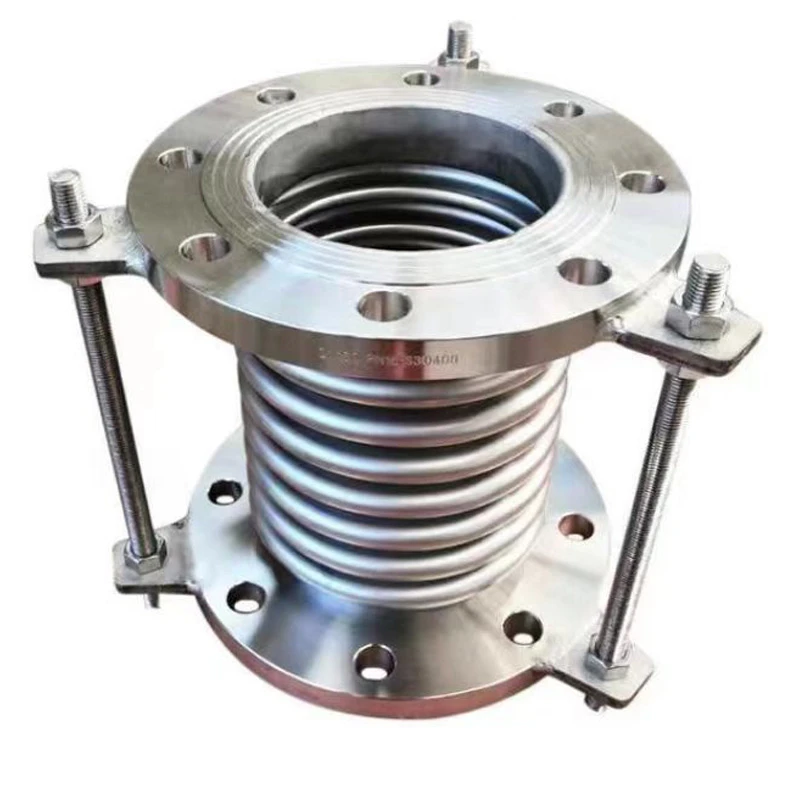
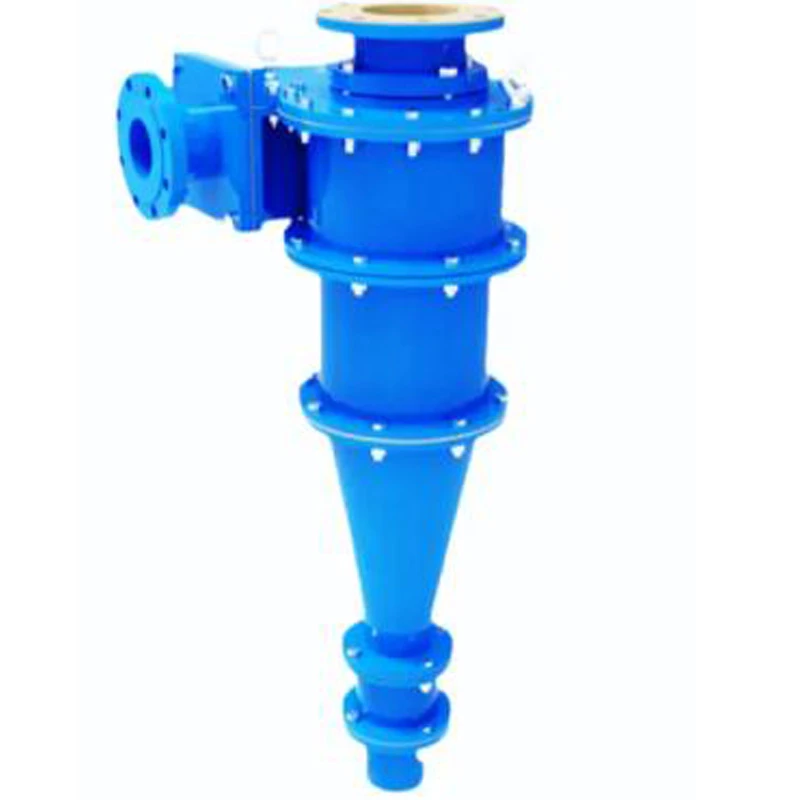
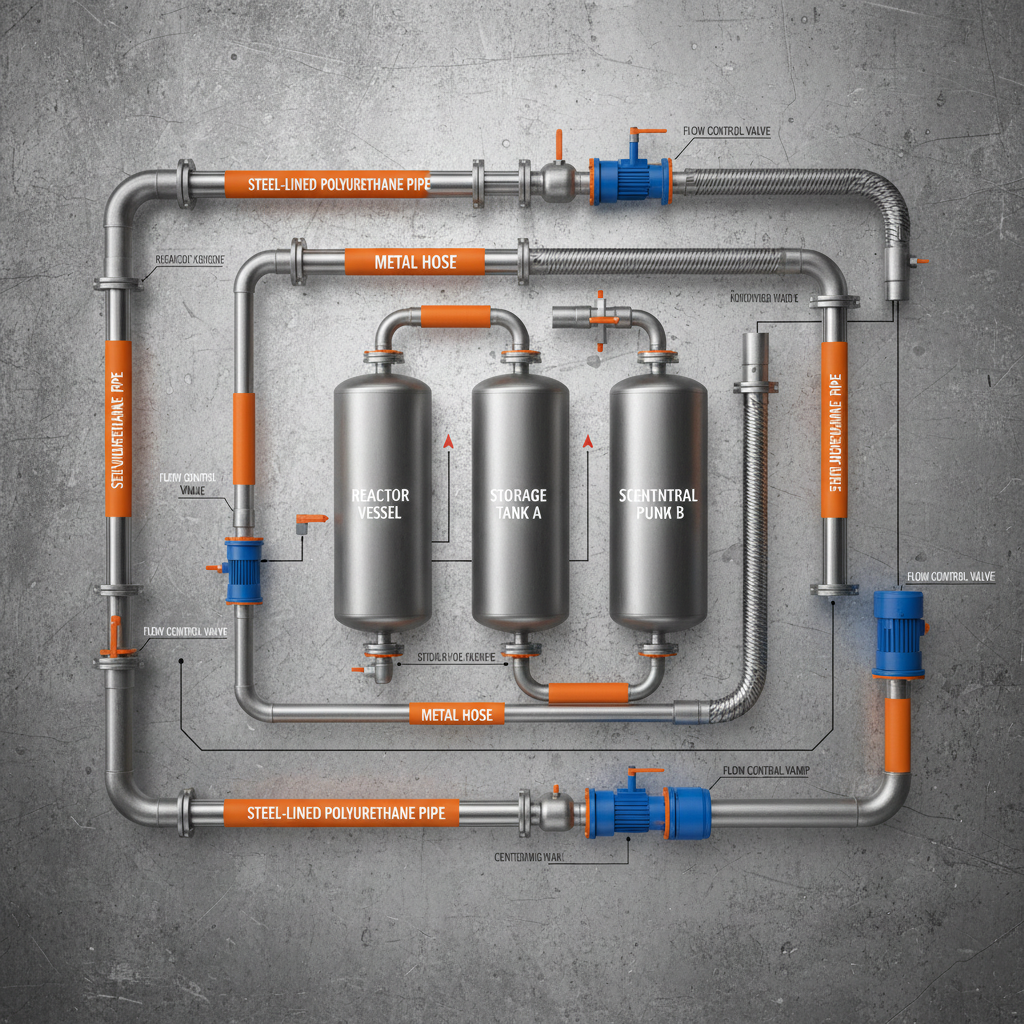
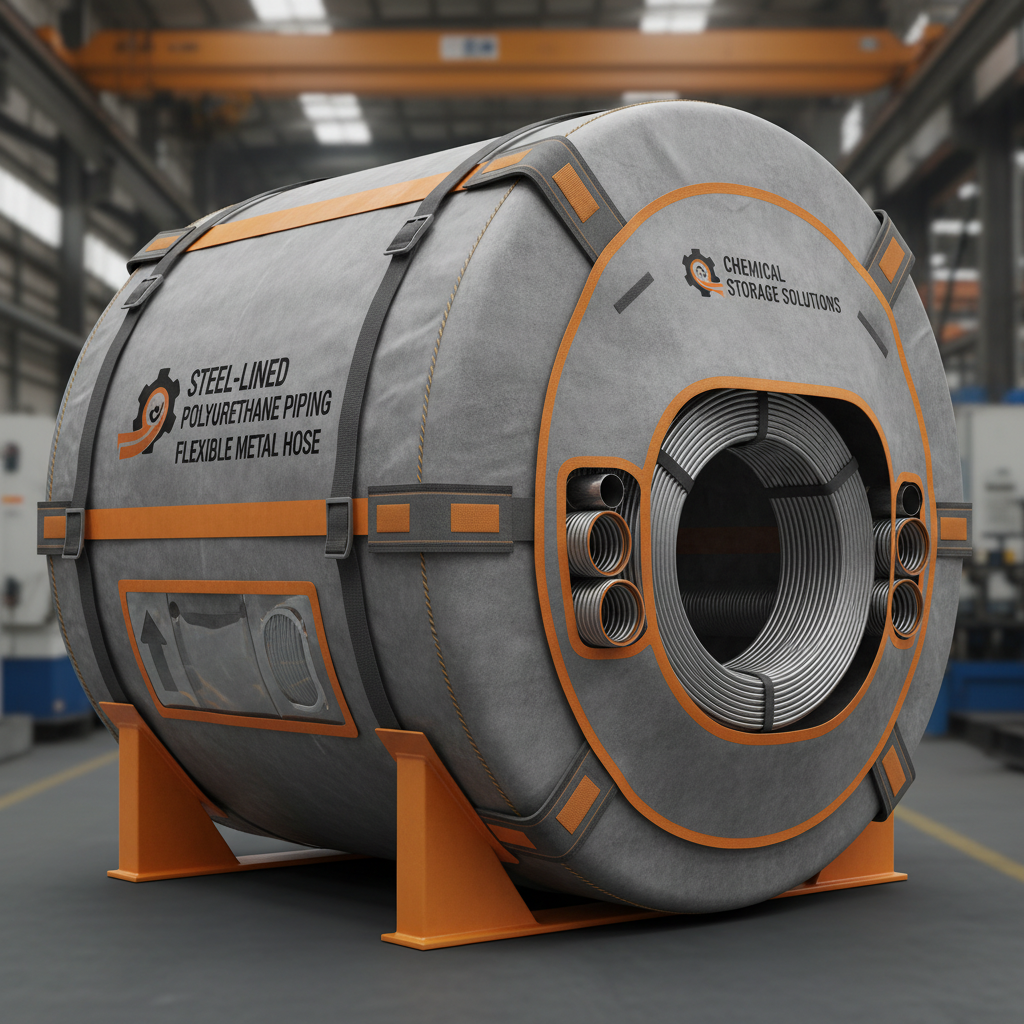
Our main products are polyurethane lined pipes, mining equipment fittings and metal hoses.