Industrial Acid Tanks - Safe, Durable, and Compliant Storage Solutions
The Unsung Hero of Industrial Storage: Understanding Acid Tanks
Acid tanks might not be the most glamorous component of industrial infrastructure, but their global significance cannot be overstated. These specialized containers safely store hazardous acidic substances, enabling countless industries to operate efficiently and securely. From chemical manufacturing hubs in Asia to mining operations in South America, acid tanks help maintain safety standards, protect the environment, and keep supply chains running smoothly.
Understanding acid tanks is crucial for engineers, safety officers, and environmental specialists alike. With increasing global regulation and a growing focus on sustainability, knowing the ins and outs of acid tank design and application can mean the difference between compliance and catastrophe, efficiency and costly downtime.
Global Context: Why Acid Tanks Matter More Than Ever
Acids are foundational to many industrial and manufacturing processes—including fertilizer production, metal refining, and even water treatment. The global acid market size was expected to surpass USD 50 billion by 2023, according to market research studies, reflecting their broad utility. But storing these corrosive, volatile liquids safely poses a notable challenge. The United Nations Environmental Programme (UNEP) classifies improper acid storage as a significant environmental risk, linked to soil contamination and water pollution.
On a macro scale, acid tanks are pivotal for ensuring safety compliance, reducing hazardous spills, and supporting circular economy goals by facilitating recycling of chemical by-products. The pressing challenge? Developing tanks that can withstand extreme chemical stresses while minimizing environmental footprints—a balancing act engineers have been refining for decades.
Mini Takeaway:
Acid tanks quietly underpin vital sectors worldwide, helping control one of industry’s most dangerous materials. Their relevance spans safety, economics, and environmental stewardship.
What Exactly Are Acid Tanks?
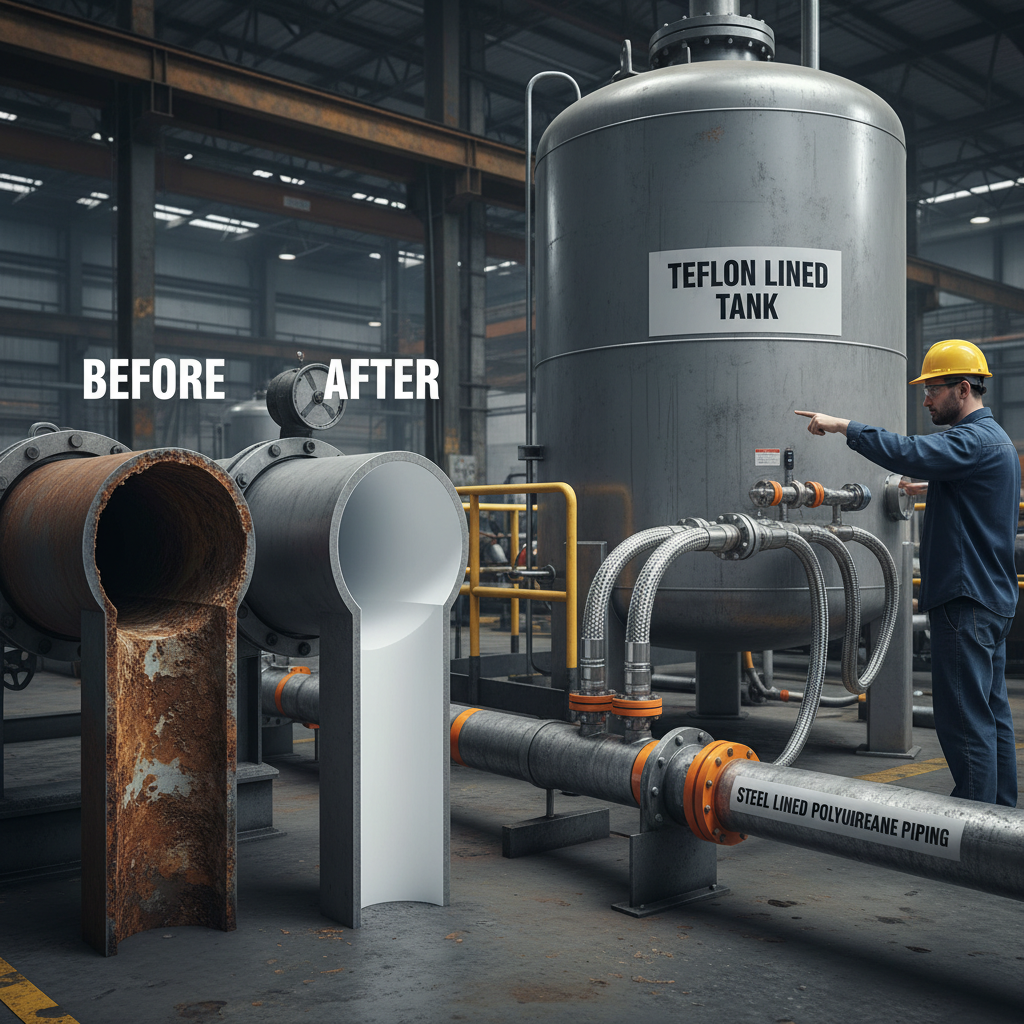
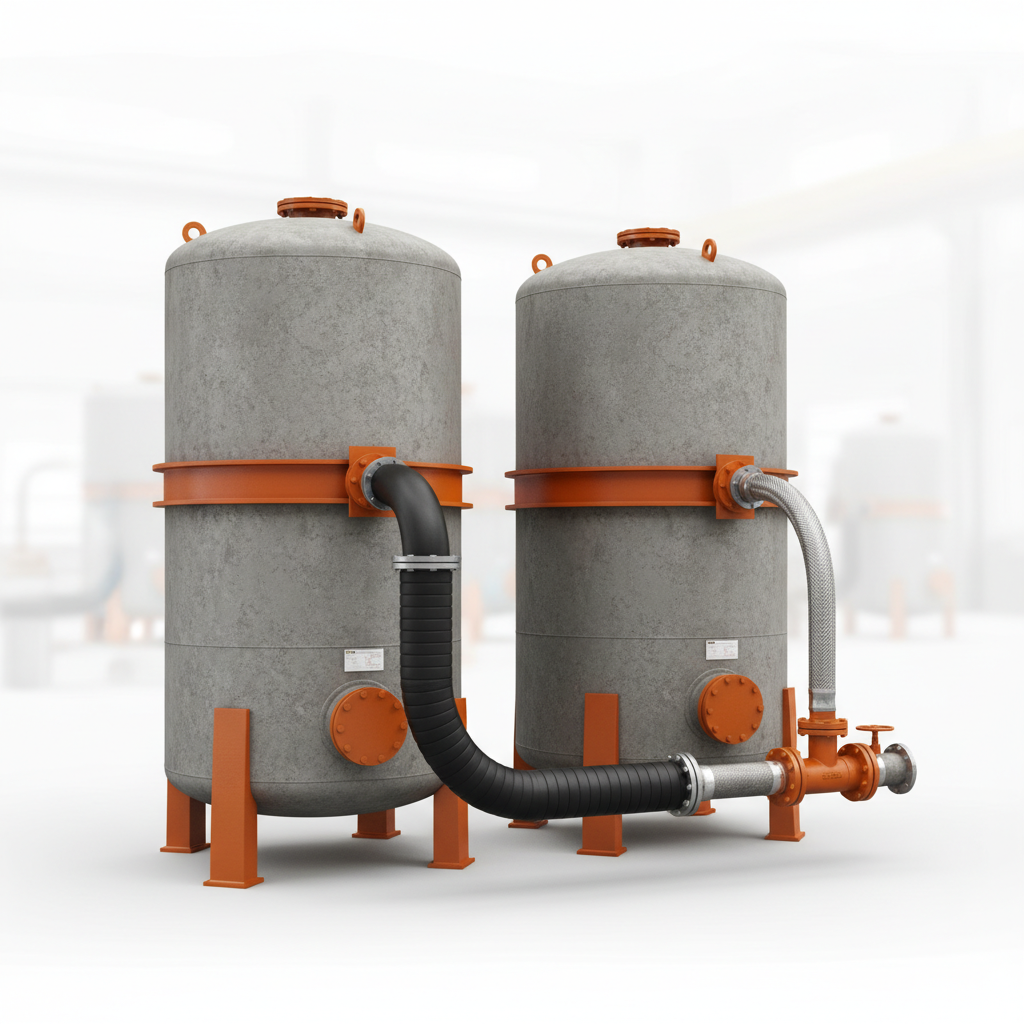
Simply put, acid tanks are containers designed specifically to hold acidic liquids such as sulfuric acid, hydrochloric acid, or nitric acid. Made from materials that resist corrosion and chemical breakdown—often specialized plastics like HDPE or lined metals—they provide a secure environment that prevents leaks or dangerous reactions.
Industries use acid tanks daily, not just to store these chemicals, but to maintain their quality and enable safe transportation within plant facilities. Their design aligns with strict standards outlined by bodies like ISO and ASTM to ensure durability and safety.
Mini Takeaway:
At their core, acid tanks are corrosion-resistant containers essential for the safe handling and storage of hazardous acids in modern industry.
Key Features That Define Effective Acid Tanks
1. Durability and Material Composition
The heart of acid tank reliability lies in its materials. Common choices include high-density polyethylene (HDPE), fiberglass-reinforced plastic (FRP), and acid-resistant lined steel. Each offers unique resistance to chemical attack, temperature fluctuations, and mechanical stress. For example, FRP tanks are favored in mining for their ruggedness against harsh acid leachates.
2. Size & Scalability
Acid tanks come in a range of sizes—from compact units suitable for laboratories or small processing plants, to enormous storage vessels capable of holding thousands of liters. Scalability ensures the right fit for different industries, whether you’re a small-scale fertilizer producer or a large petrochemical complex.
3. Compliance & Safety Standards
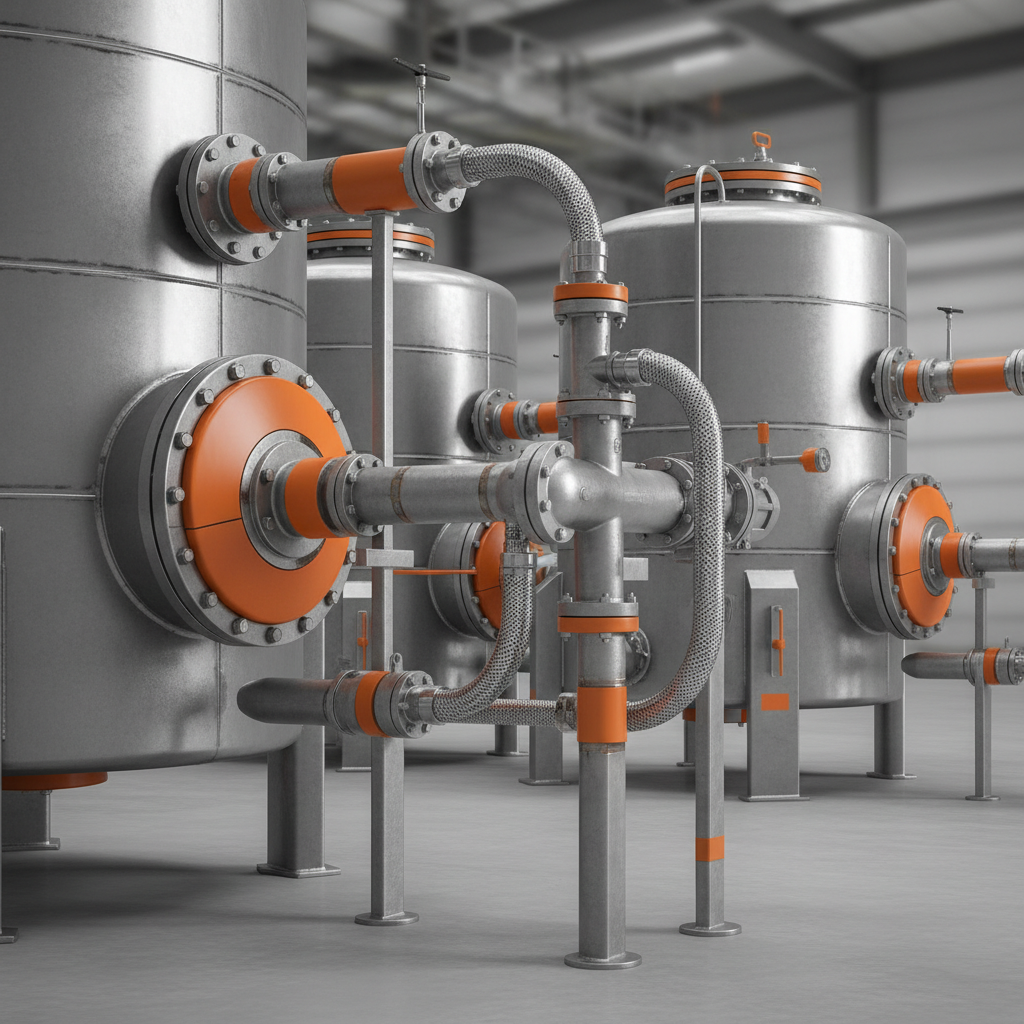
To meet international regulations (e.g., ISO 9001, UN transport rules for hazardous goods), acid tanks must incorporate safety features like pressure relief valves, leak detection systems, and secondary containment. These mitigate risk and are often legally required.
4. Cost Efficiency
Choosing the right acid tank balances upfront investment with maintenance costs. Plastic tanks often provide lower cost and easier installation but might fall short in temperature extremes, whereas steel tanks typically have longer service lives but higher capital costs.
5. Environmental Resilience
UV resistance, corrosion protection, and weather durability govern a tank’s ability to perform outdoors or in harsh climates, crucial for remote industrial zones and disaster-stricken areas alike.
Mini Takeaway:
Material choice, scalability, safety compliance, and environmental durability all shape the performance and suitability of acid tanks across industries.
Where and How Are Acid Tanks Used Globally?
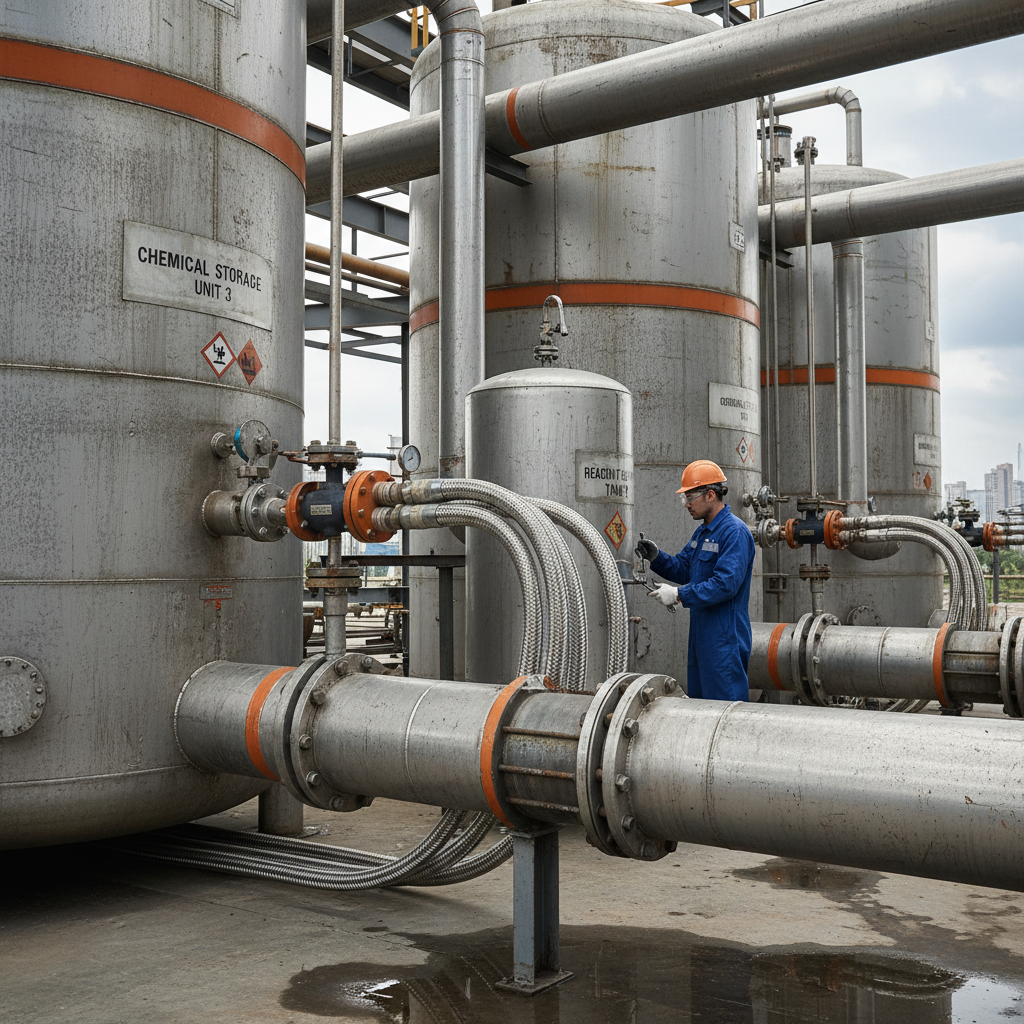
The breadth of acid tank applications is surprisingly broad. Consider fertilizer factories in India, where vast sulfuric acid tanks fuel phosphate processing crucial to agricultural productivity. Or mining operations in Chile, where acid leaching tanks separate precious metals from ore—imperative for global electronics manufacturing.
In post-disaster relief zones, acid tanks safely store acids used in water purification, supporting clean water supply amid chaos. Many NGOs turn to modular acid tanks for rapid deployment, avoiding the environmental hazards of makeshift containment.
Regions driving industrial growth—like Southeast Asia and parts of Africa—are investing in acid tanks to bolster chemical sectors safely.
Mini Takeaway:
From agriculture to mining and humanitarian aid, acid tanks play indispensable roles in global industrial and social infrastructure.
Advantages & Lasting Value of Quality Acid Tanks
- Safety: Minimizes human and environmental harm by preventing leaks and spills.
- Cost Reduction: Durable tanks decrease need for frequent replacements, lowering long-term operational expenses.
- Regulatory Compliance: Meeting standards avoids fines and shutdowns.
- Sustainability: Enables safe recycling and handling of acidic waste streams, mitigating pollution.
- Trust Factor: Builds confidence among stakeholders knowing materials are stored safely.
It’s not just logic but peace of mind — companies feel more secure operating with reliable containment solutions.
Product Specifications at a Glance
| Specification | Typical Value | Notes |
|---|---|---|
| Material | HDPE / FRP / Acid-resistant steel | Depends on application |
| Capacity | 500–50,000 liters | Scalable for needs |
| Max Operating Temp | 60°C (HDPE), up to 120°C (steel) | Material dependent |
| Pressure Rating | Atmospheric / low pressure | Typically vented tanks |
| UV & Chemical Resistance | High | Essential for outdoor use |
Comparing Leading Acid Tank Vendors
| Vendor | Material Options | Custom Sizes | Special Features | Global Reach |
|---|---|---|---|---|
| QW Metal Tanks | Steel, HDPE, FRP | Yes, up to 50,000L | Leak detection, modular systems | Asia, Americas, Europe |
| ChemSafe Solutions | Primarily HDPE | Limited sizes | Rapid deployment tanks | North America, Europe |
| SafeHold Industries | FRP, lined steel | Yes | Custom linings, temp control | Global |
Looking Ahead: Future Trends in Acid Tank Technology
The acid tank market is evolving rapidly, driven by innovations in material science and sustainability. We’re seeing a push towards composite materials that combine lightweight profiles with extreme resistance, improving transportation and installation.
Digitization is another big leap: sensors embedded in tanks now allow real-time monitoring of acid levels, temperature, and potential leakage—making predictive maintenance a reality rather than a pipe dream. This “smart tank” shift improves safety and reduces downtime.
Sustainability efforts also mean more tanks designed with recyclability and eco-friendly production in mind. Green policies worldwide encourage manufacturers to consider environmental impact at every stage.
Common Challenges & Practical Solutions
Handling acid tanks isn’t without difficulties. Corrosion, especially at welds and joints, remains a key concern. Some operators find cost constraints limit investment in higher-end materials, risking premature tank failure.
Innovative coatings and modular tank designs help, allowing easier repairs and scalable capacity. Also, training personnel on proper handling and maintenance avoids many premature issues. It feels like the industry is gradually moving from reactive fixes to proactive plant-wide acid management strategies.
FAQs About Acid Tanks
- What materials are best for acid tanks storing sulfuric acid?
- HDPE and FRP are frequently used for sulfuric acid storage due to their high corrosion resistance and cost efficiency. For higher temperatures or pressures, lined steel tanks are often preferred.
- How long can acid tanks typically last in industrial settings?
- With proper maintenance, acid tanks made from corrosion-resistant materials can last 10–20 years or more. Lifespan depends on factors like acid concentration, temperature, and quality of installation.
- Are acid tanks customizable for unique industrial needs?
- Yes. Many manufacturers offer custom sizes, shapes, and features like sensors, secondary containment, and special linings to match specific operational requirements.
- How can companies ensure acid tanks meet safety regulations?
- Purchasing tanks certified to standards such as ISO 9001 and consulting with safety experts ensures compliance. Regular inspections and maintenance are crucial.
- Where can I find acid tanks for industrial use?
- Many vendors worldwide, including industry leaders like QW Metal Tanks, specialize in acid tanks. It’s best to choose suppliers with global reach and strong quality certifications.
Wrapping Up: Why Investing in Quality Acid Tanks Pays Off
Acid tanks may not be flashy, but they’re foundational to global industries that keep our economies moving. Their safe, durable design protects workers, communities, and the environment. As technology advances, the integration of smart monitoring and eco-conscious materials promises even safer, more cost-effective storage solutions.
Thinking about upgrading your chemical storage? Don’t overlook the importance of compliance, durability, and vendor reputation. For top-tier acid tanks that combine all these factors, visit our website and see how the experts do it.
Mini Takeaway:
Acid tanks are an unglamorous but essential element of industrial safety and sustainability — invest wisely and benefit long-term.
References
Related Products
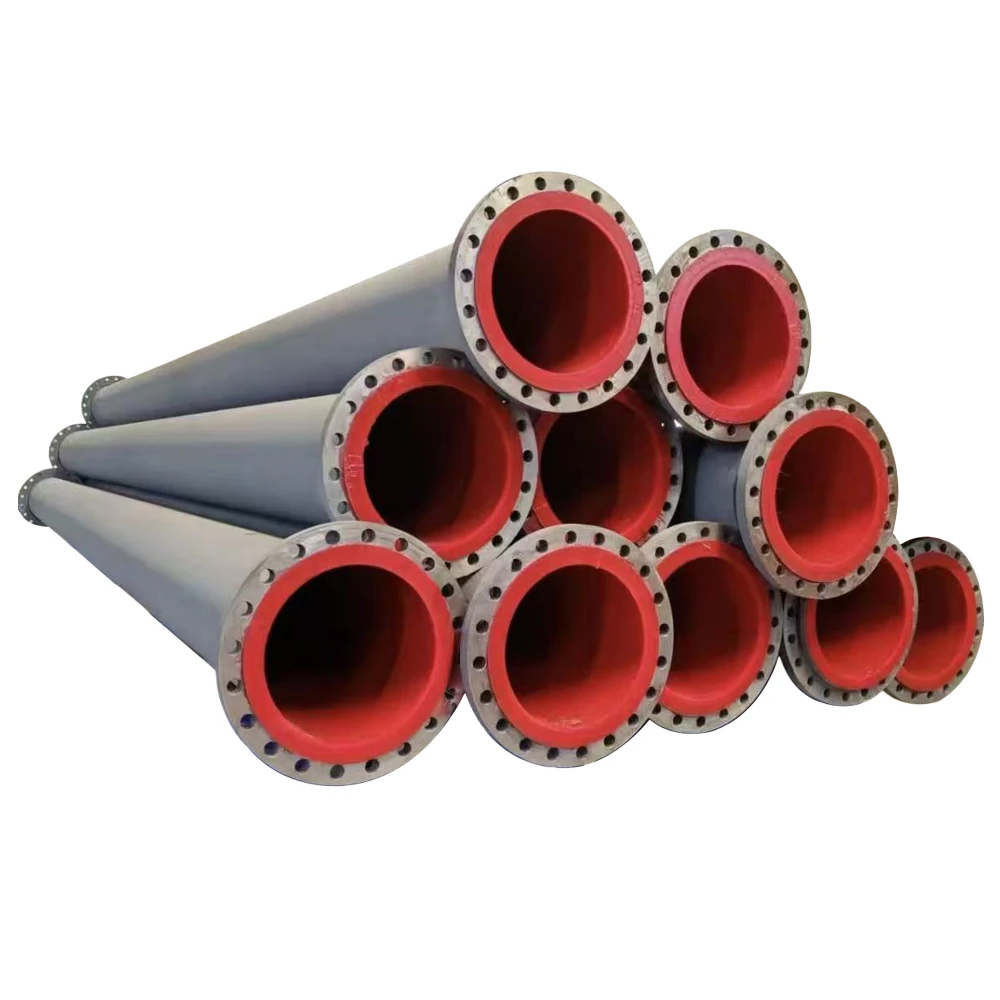
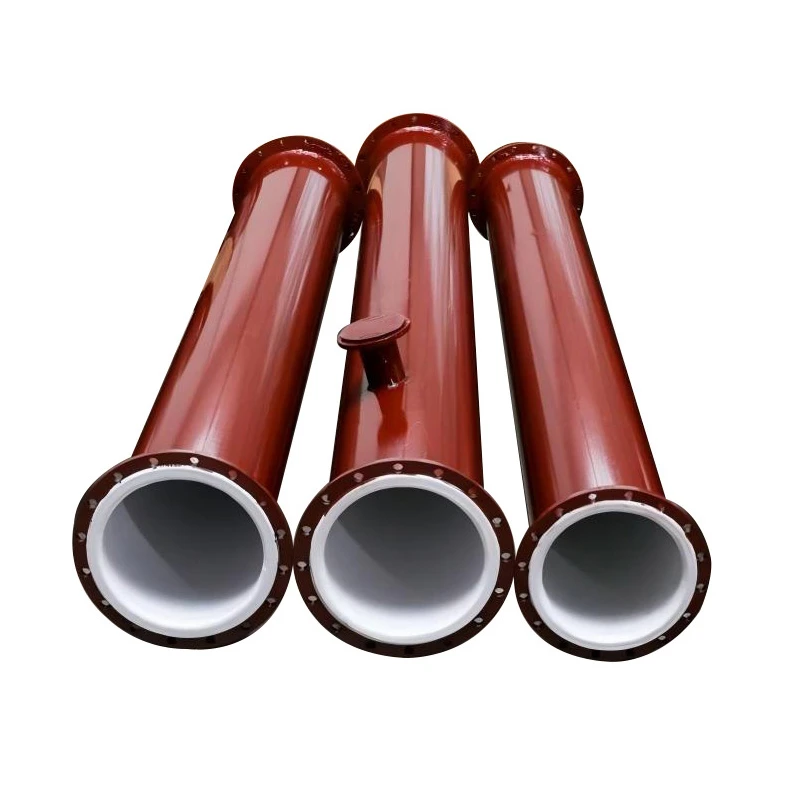
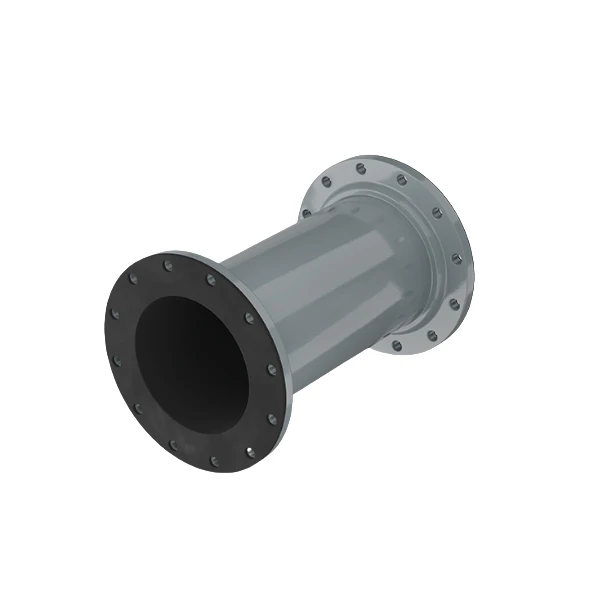
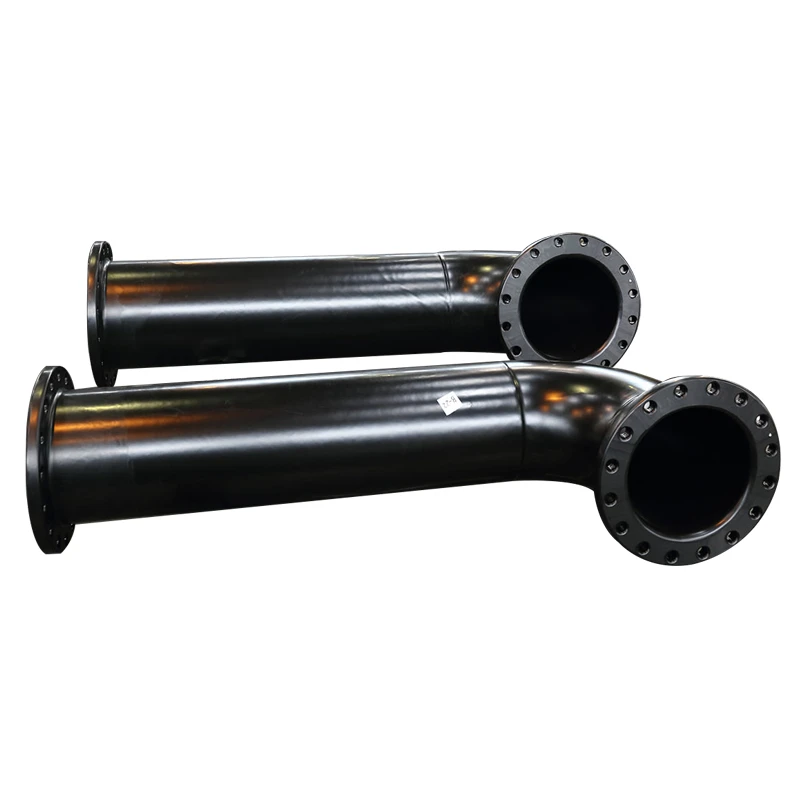
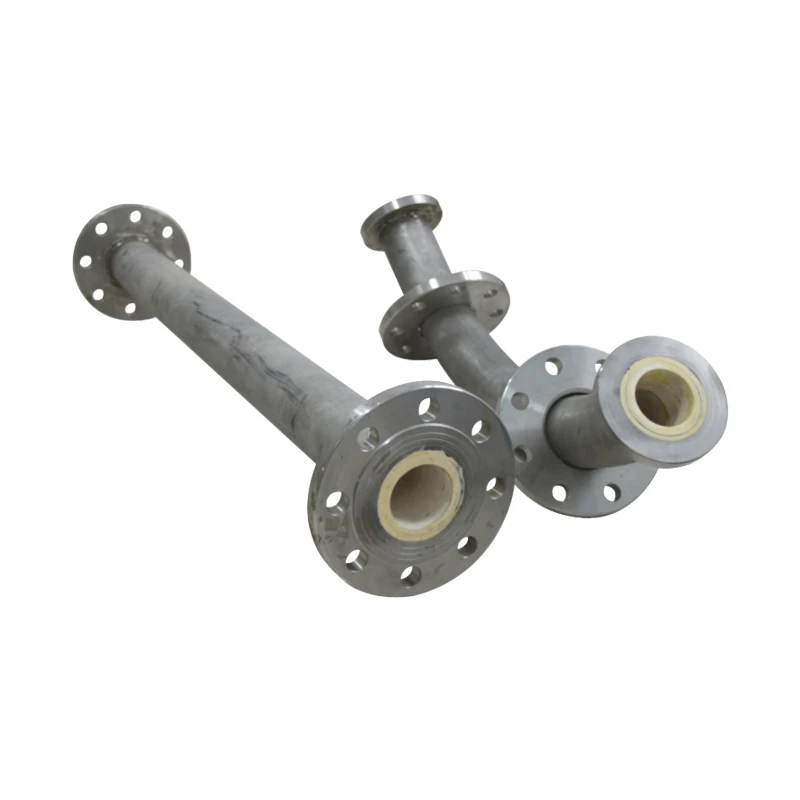
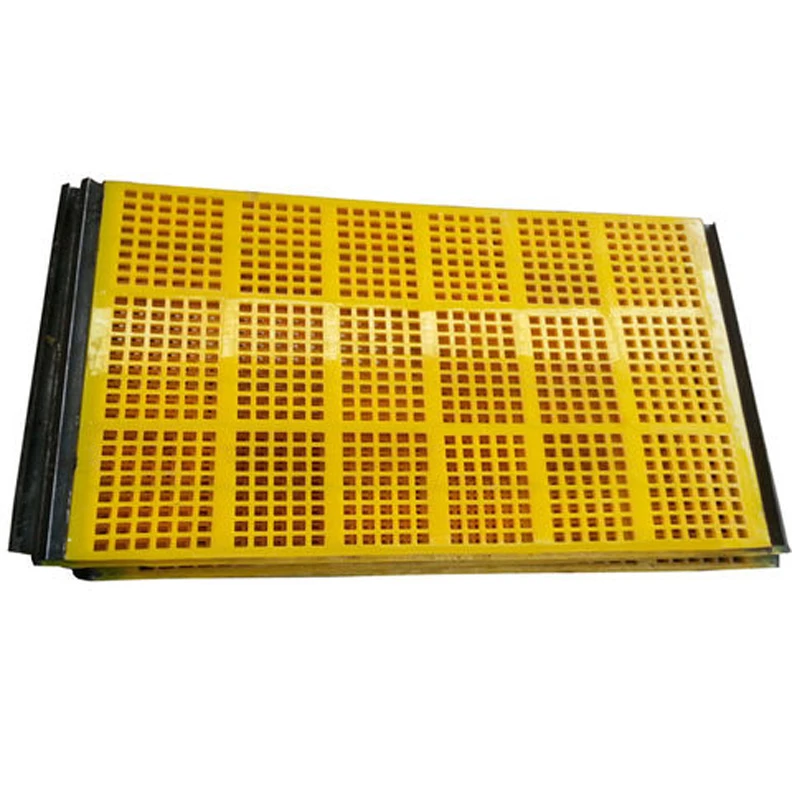
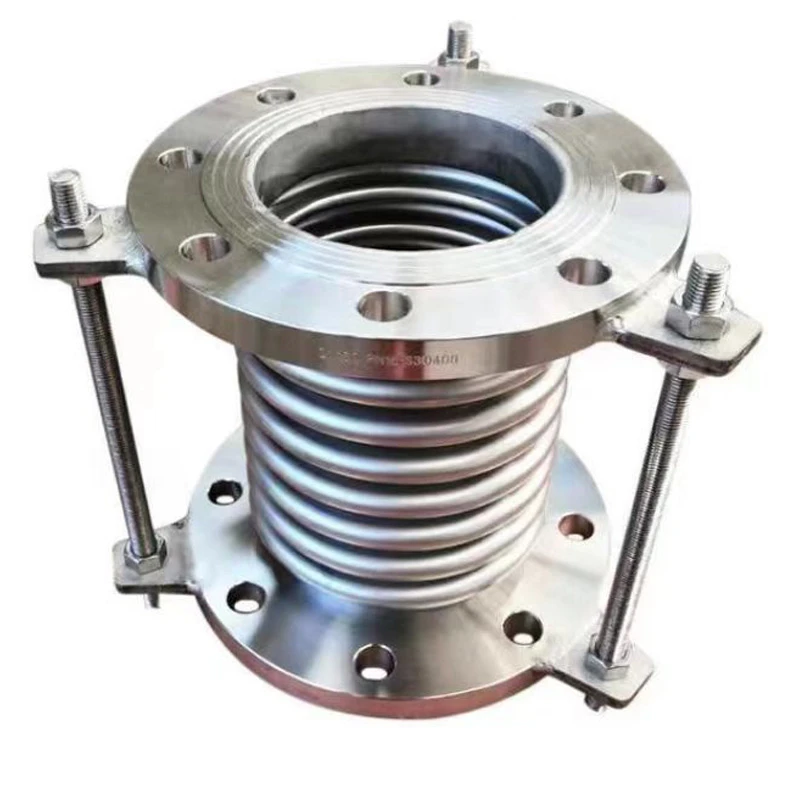
Our main products are polyurethane lined pipes, mining equipment fittings and metal hoses.