Durable Rubber Lined Tanks for Corrosion & Abrasion Resistance | QW Metal
Understanding the Benefits of a Rubber Lined Tank in Industrial Applications
Having worked in the industrial equipment sector for over a decade, I’ve handled everything from giant metal pressure vessels to those more humble—but no less crucial—storage tanks with rubber linings. The key word here is durability. Frankly, a rubber lined tank is one of those unsung heroes where material science meets practical design. You know how harsh processing environments can be—corrosion, abrasion, chemical attack—they can quickly wear down conventional metal tanks. Rubber lining offers a buffer that often extends the lifetime of the tank several folds.
Oddly enough, the idea isn’t new but continues evolving. Many engineers tell me the main reason they choose rubber lined tanks is the balance between protection and cost-effectiveness. Unlike specialized alloys or expensive coatings, rubber linings provide excellent chemical resistance and mechanical protection without breaking the bank. Of course, the type of rubber and quality of application process matters a lot, but we’ll get to that shortly.
Why Rubber Lining? A Brief Practical Insight
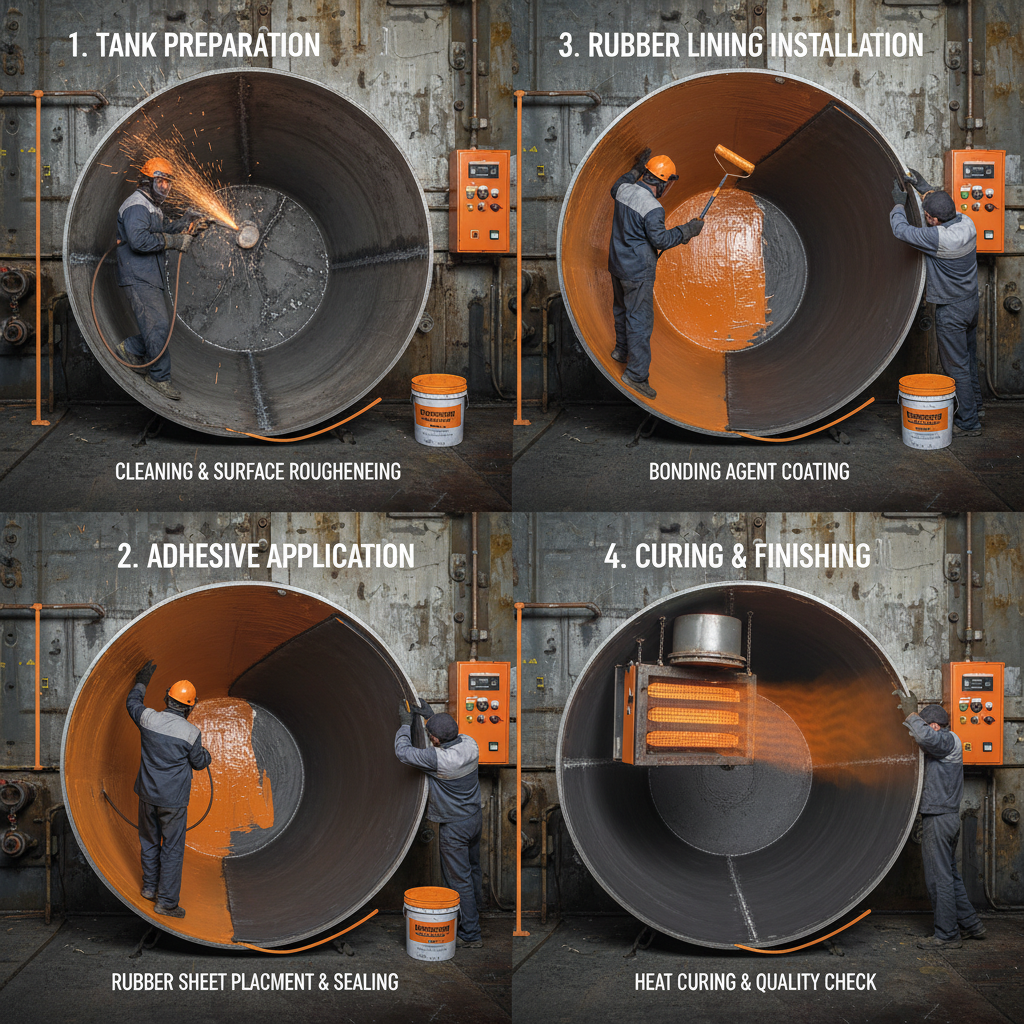
In real terms, rubber lining is essentially a protective inner layer bonded to the steel shell of the tank. It acts as a barrier to aggressive media like acids, alkalis, and slurries—materials that would otherwise eat away your steel fast. I once saw a steel tank corrode in under two years storing sulfuric acid—a rubber lined version would have probably lasted five or more.
The rubber used varies: natural rubber, neoprene, nitrile, EPDM, and even specialized blends designed for chemical resistance or abrasion. Natural rubber has great abrasion resistance but less chemical resistance, whereas EPDM excels in acids and alkalis but isn’t oil-resistant. You get the idea—selecting the right rubber compound is as crucial as choosing the tank itself.
Key Specs of a Typical Rubber Lined Tank
| Specification | Details |
|---|---|
| Material of Shell | Carbon steel, stainless steel optional |
| Lining Thickness | 6mm – 12mm depending on use |
| Liner Material | EPDM, Neoprene, Nitrile, Natural Rubber |
| Capacity Range | 500 liters to 50,000 liters or more |
| Temperature Range | -40°C to 90°C (varies by rubber type) |
| Applicable Industries | Chemical, mining, wastewater, food processing, pharmaceuticals |
Comparing Top Vendors of Rubber Lined Tanks
You might be wondering—so who should you trust? Having dealt with a range of manufacturers, here’s a simplified rundown showing how QW Metal stacks up in the broader market:
| Vendor | Customization | Rubber Quality | Lead Time | Pricing |
|---|---|---|---|---|
| QW Metal | High | Premium-grade compounds | 4-6 weeks | Competitive |
| Vendor B | Medium | Mid-level rubber | 6-8 weeks | Moderate |
| Vendor C | Low | Standard rubber | 8-10 weeks | Higher |
Personally, I tend to recommend QW Metal for projects where both reliability and customization matter. They go beyond just slapping on a lining; their application method includes comprehensive surface prep and vulcanization techniques to ensure minimal risk of delamination or failure.
Customization and Testing – Why They Really Matter
Another thing I’ve realized: no two processing plants have the same exact needs. Some customers want tanks lined with nitrile rubber because of oil exposure; others need EPDM for caustic solutions. You can’t just pick a one-size-fits-all option. The best vendors offer custom thickness, rubber compound selection, and even additional wear-resistant layers.
Testing is equally vital. Hydrostatic tests, peel tests, and various quality controls ensure the lining stays intact under pressure and abrasive conditions. I recall a client who had issues with tank liners delaminating from a cheaper vendor—cost cutting can be a false economy, it seems.
In terms of installation, it’s always good to consult with experts who can assess your process conditions to recommend the optimal lining and tank configuration. I suppose it’s the kind of advice only gained through direct field experience.
Wrapping up with a Small Anecdote
A few years ago, I visited a mining operation evaluating new slurry tanks. They’d previously lost several unlined carbon steel tanks to corrosion within three years. After switching to rubber lined tanks, their replacement rate dropped dramatically. Maintenance costs fell, downtime practically vanished, and those tanks became a kind of silent workhorse on site. It felt like a solid win.
So if your application involves handling corrosive or abrasive materials, a rubber lined tank might just be the pragmatic upgrade you need. It’s practical, time-tested, and increasingly customizable to today’s demands.
Anyway, that’s my two cents gleaned from years in the field. Not every tank gets the glam, but the ones with rubber liners definitely get my respect.
References:
1. "Rubber Lining Technology," Industrial Rubber Association, 2021.
2. QW Metal Product Catalog & Technical Data, 2023.
3. "Chemical Resistance of Rubber Linings," Materials Science Today, 2022.
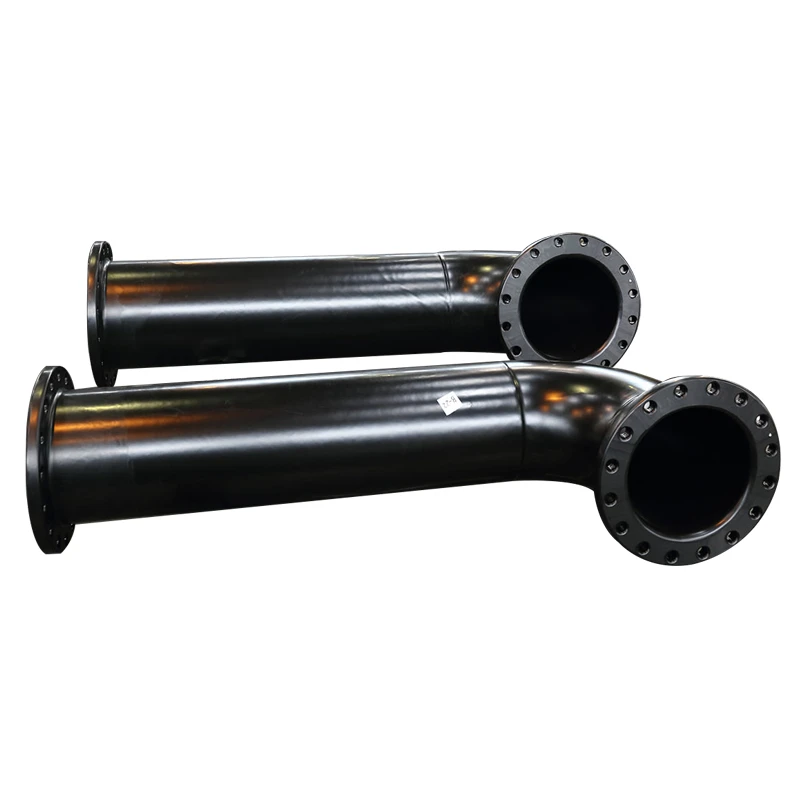
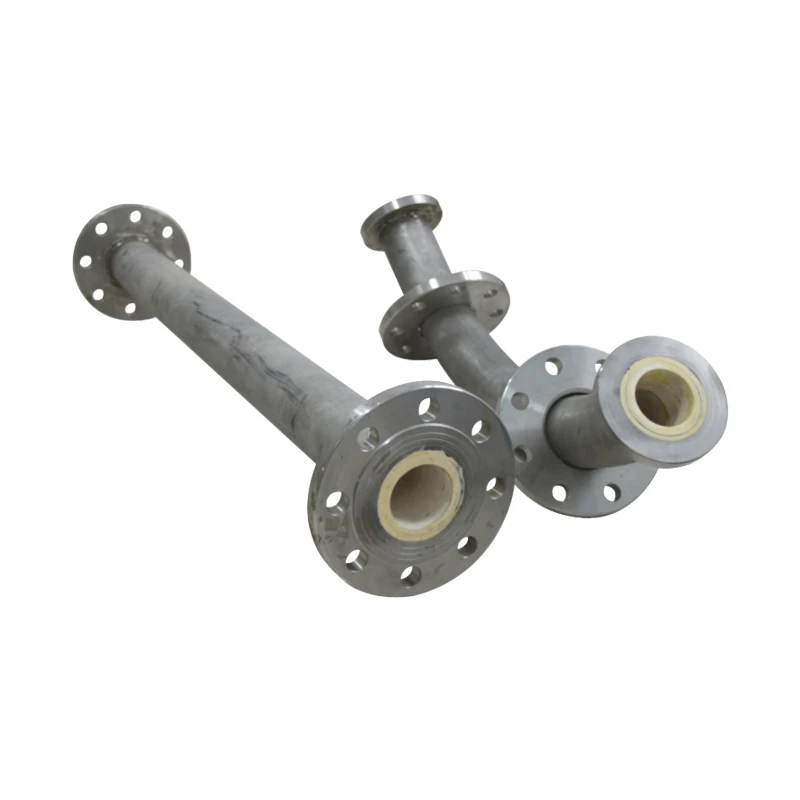
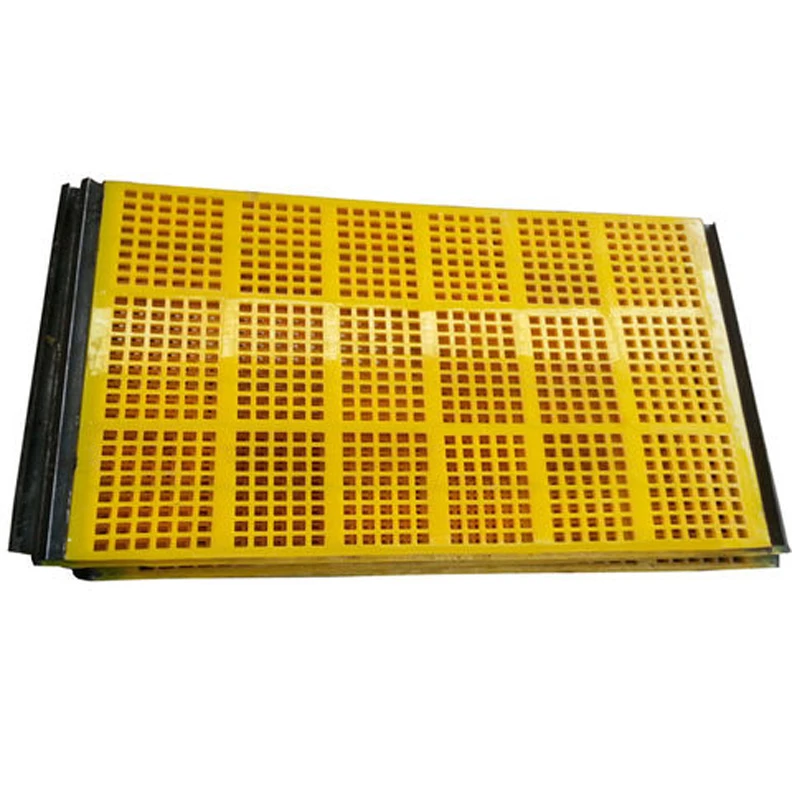
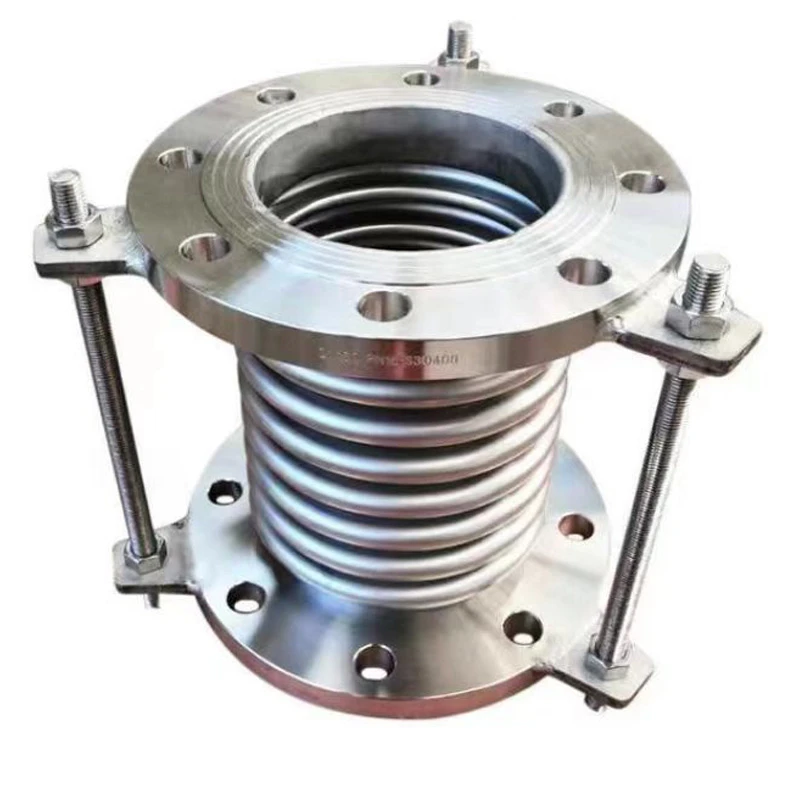
Related Products
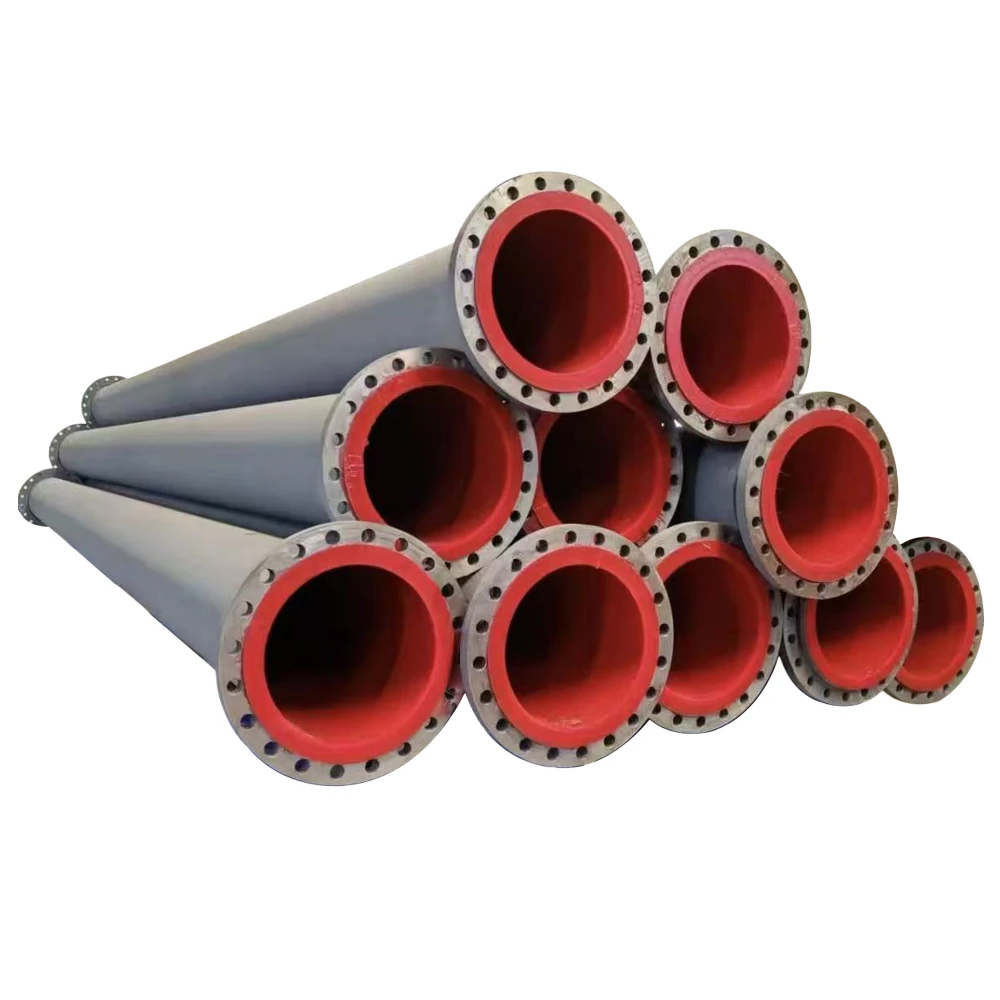
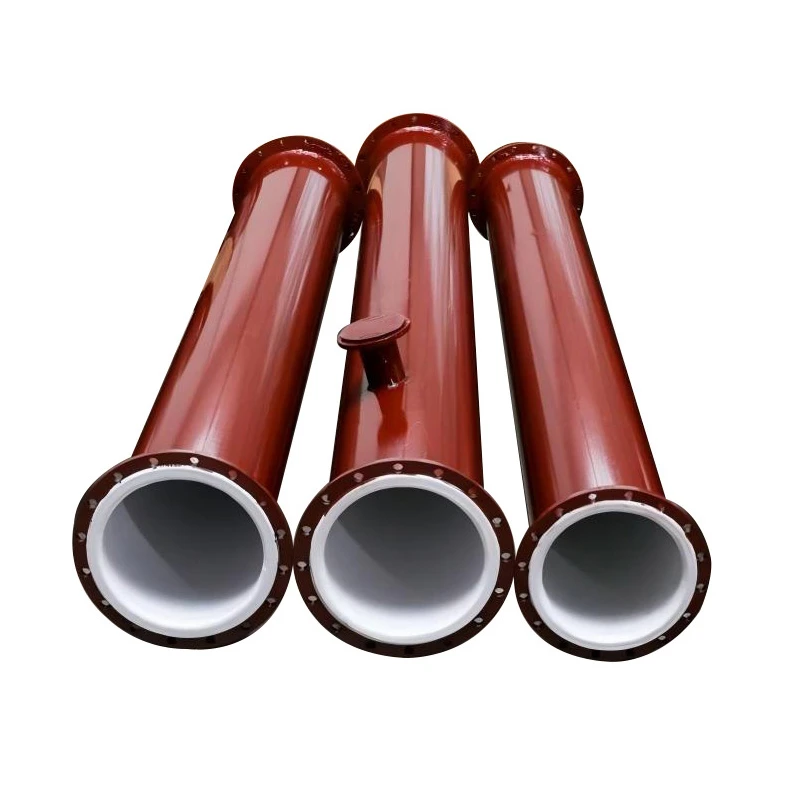
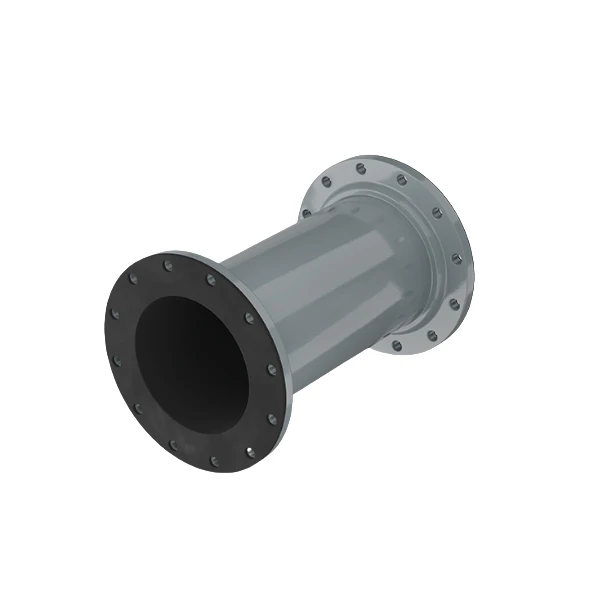
Our main products are polyurethane lined pipes, mining equipment fittings and metal hoses.