Reliable Teflon Lined Tanks for Corrosive Chemical Storage
Teflon Lined Tanks: The Unsung Heroes of Corrosion Resistance
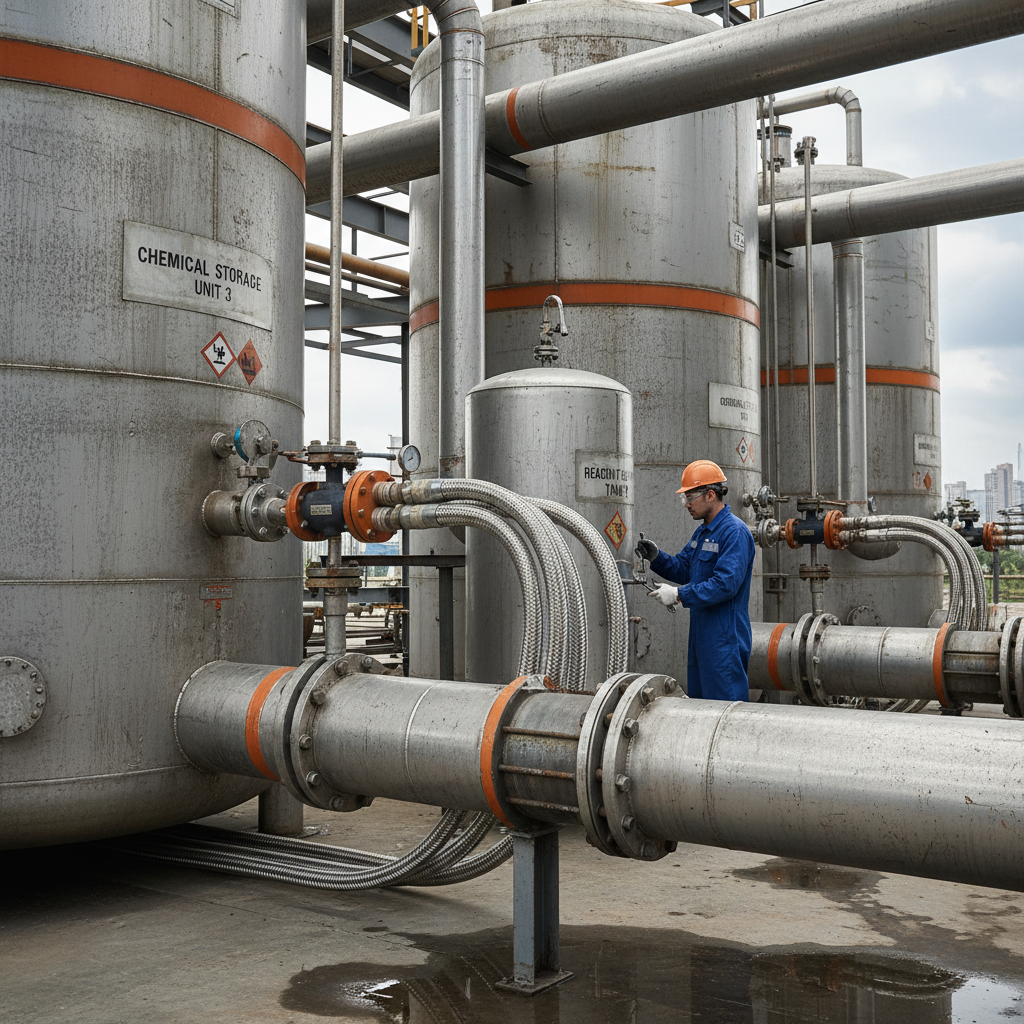
Having spent a good part of my career working around industrial equipment—especially those handling the harshest chemicals—I’ve grown to appreciate components that quietly get the job done without constant fuss. Teflon lined tanks are one such champion. Oddly enough, they don’t get the flashy spotlight like some shiny new gadget, but their reliability in corrosive environments is something engineers swear by.
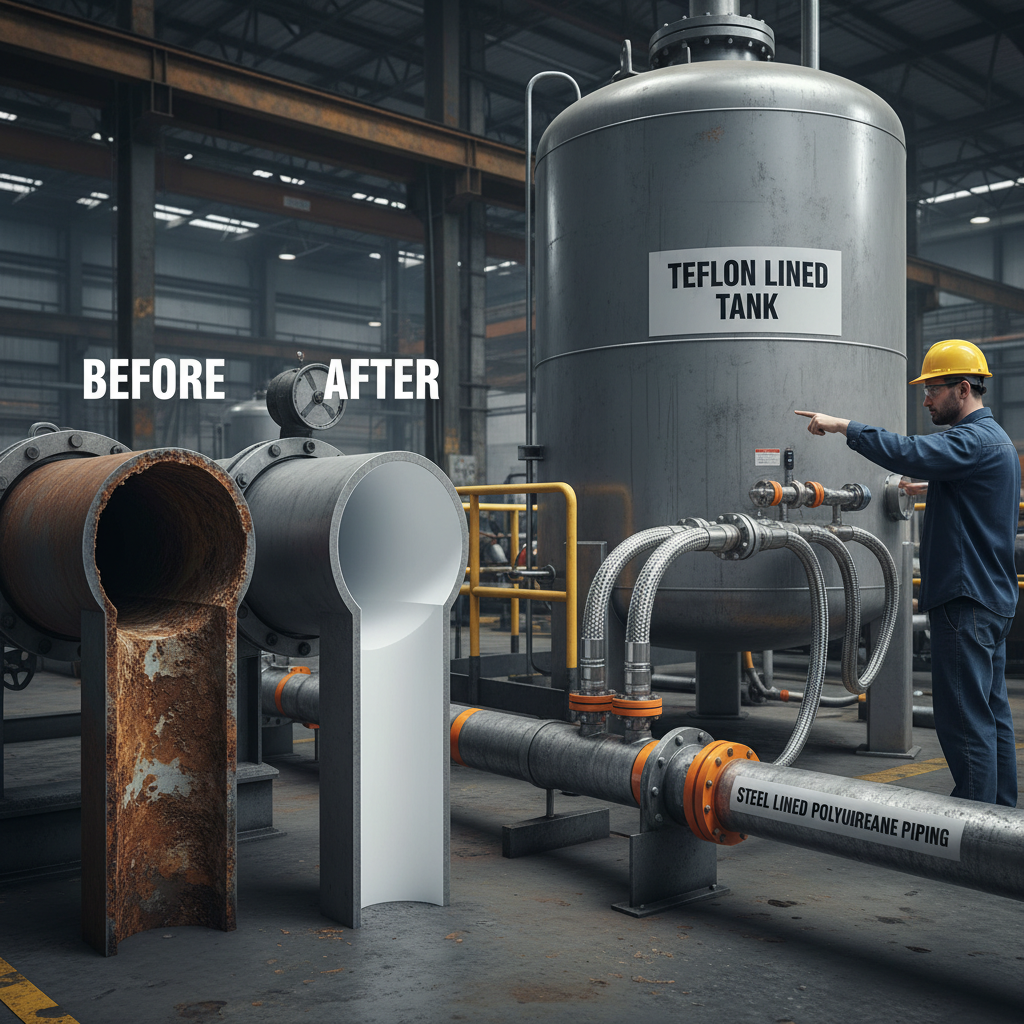
To set the scene: imagine storing highly acidic or basic solutions. Plain steel tanks soon betray you—rust and eventual leaks appear. But layer the interior with polytetrafluoroethylene, aka PTFE or Teflon, and you’ve got a barrier that’s remarkably impervious to even the nastiest chemicals. It’s kind of like giving your tank a slick, non-stick shield, allowing not just protection but longer service life.
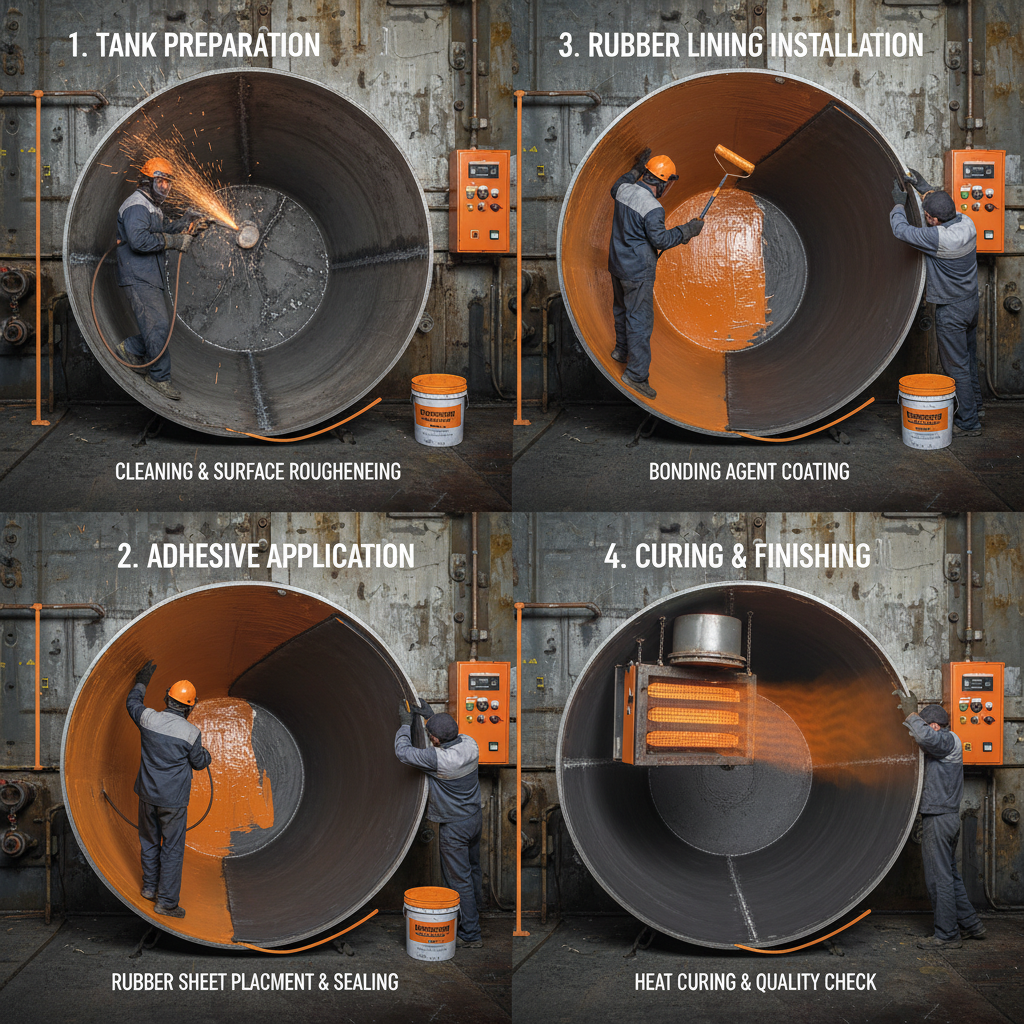
Now, selecting the right Teflon lined tank isn’t just about slapping on some coating. There’s real engineering behind it. The lining must be perfectly bonded to the metal substrate (often carbon or stainless steel) to prevent peeling or bubbling, which could lead to contamination or failure. In fact, tanks usually undergo rigorous quality control testing: adhesion strength, thickness uniformity, and pressure resistance.
For those curious about specs, here’s a quick rundown of a typical Teflon lined tank that I’ve worked with—and frankly, these specs can vary based on application and vendor:
| Specification | Details |
|---|---|
| Tank Volume | 500 to 20,000 liters (custom sizes available) |
| Material | Carbon steel or stainless steel base with PTFE lining |
| Lining Thickness | 0.5 – 1.5 mm (typically) |
| Operating Temperature | -70°C up to 260°C |
| Pressure Rating | Up to 2 bar (design dependent) |
| Common Uses | Chemical storage, pharmaceutical manufacturing, food processing |
One thing that’s worth mentioning: these tanks aren’t just “off the shelf” items. In my experience, customization is often key. Customers needing tanks for aggressive fluorine compounds, peroxides, or even some pharmaceutical solvents often require lining thickness adjustments, or tanks with specific fittings and access ports to facilitate their processes. Vendors should be able to guide you there, so choose partners who talk your language.
Speaking of vendors, not all Teflon lined tanks are created equal. I’ve seen some suppliers cut corners on adhesion methods or use lower grade steel that leads to premature corrosion underneath the lining (you won’t see it until it’s too late). To help navigate this, here’s a quick comparison of three well-known suppliers I’ve worked with or researched:
| Vendor | Steel Base Quality | PTFE Lining Method | Customization Options | Typical Lead Time |
|---|---|---|---|---|
| QW Metal | Premium stainless steel | Spray application + baking | Highly flexible & tailor-made designs | 4 – 6 weeks |
| XYZ Industries | Standard carbon steel | Paste lining | Moderate options, some customization | 6 – 8 weeks |
| Alpha Tanks | Mixed steel grades | Dip coating | Limited custom features | 8+ weeks |
Now, if you ask me which one I’d lean towards, QW Metal often stands out. Their attention to quality steel, effective PTFE application, and willingness to handle nuanced customer requests really shows in the field. That said, budget and lead time sometimes force compromises—and that’s life in equipment procurement.
Let me share a quick story. A client in pharmaceutical manufacturing was battling frequent downtime due to tank corrosion and contamination. After switching to a PTFE lined tank from QW Metal, they reported not only zero leaks after a year but faster clean-outs—a small but meaningful boost in productivity. Honestly, these tanks feel like hidden workhorses, silently improving operations.
In real terms, investing in a reliable Teflon lined tank can save headaches and cash over the long haul. You want a supplier who understands the chemistry behind the materials and respects your process needs — not just someone who sells tanks.
So, if you’re considering one for your plant, keep your eyes open for lining quality, tank material, and vendor responsiveness. Those details count more than you might think when the tank’s been in harsh service for years.
And oddly enough, even a veteran like me finds it satisfying to spot a well-made Teflon lined tank in the wild. It’s a reminder that solid engineering still rules.
Takeaway: When it comes to harsh chemical containment, a carefully selected and quality-built Teflon lined tank isn’t just equipment—it’s peace of mind.
References:
- “Chemical Resistance Guide for PTFE” – Fluoropolymer Datasheets, 2023
- QW Metal Technical Brochure, 2024 Edition
- Industry Engineers’ Forum, Discussion on Tank Linings, 2023
Related Products
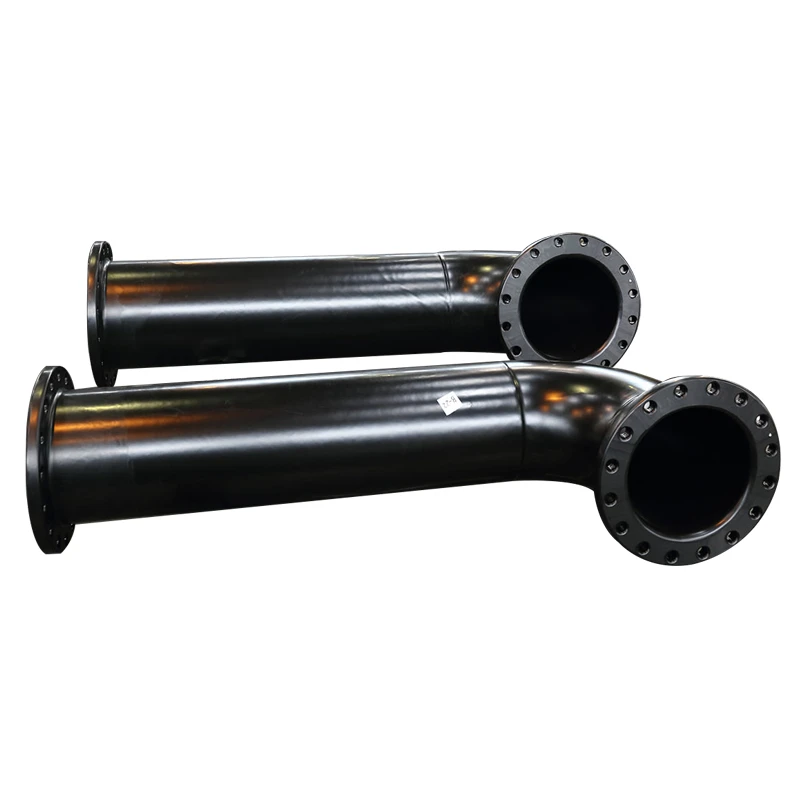
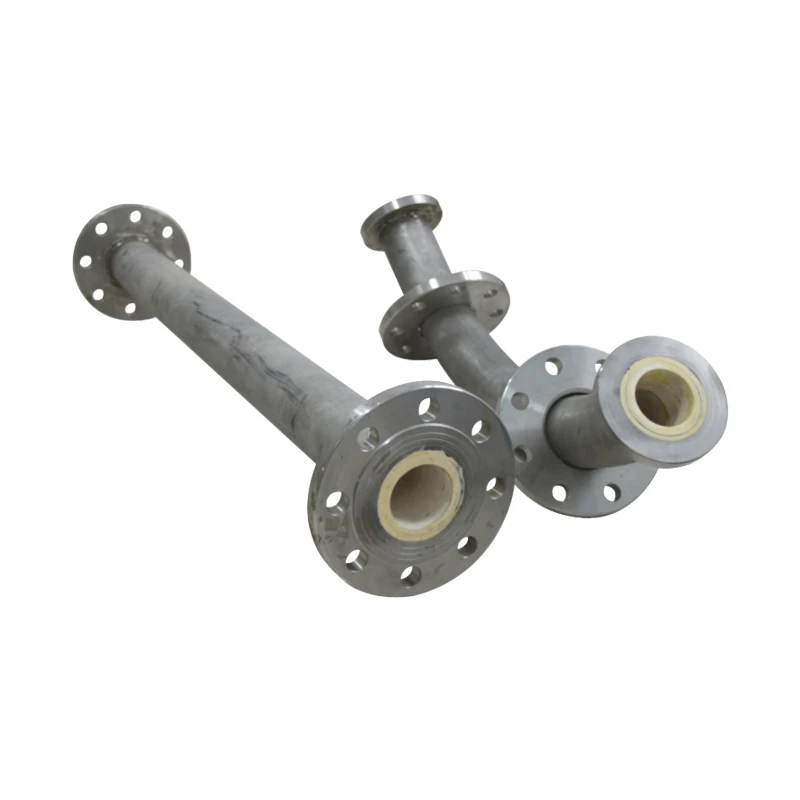
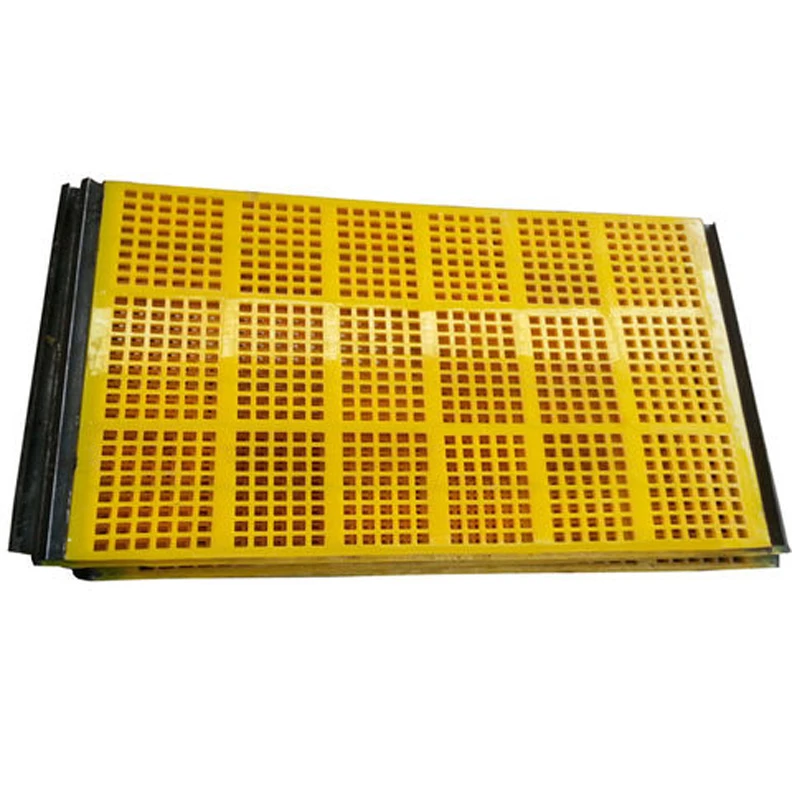
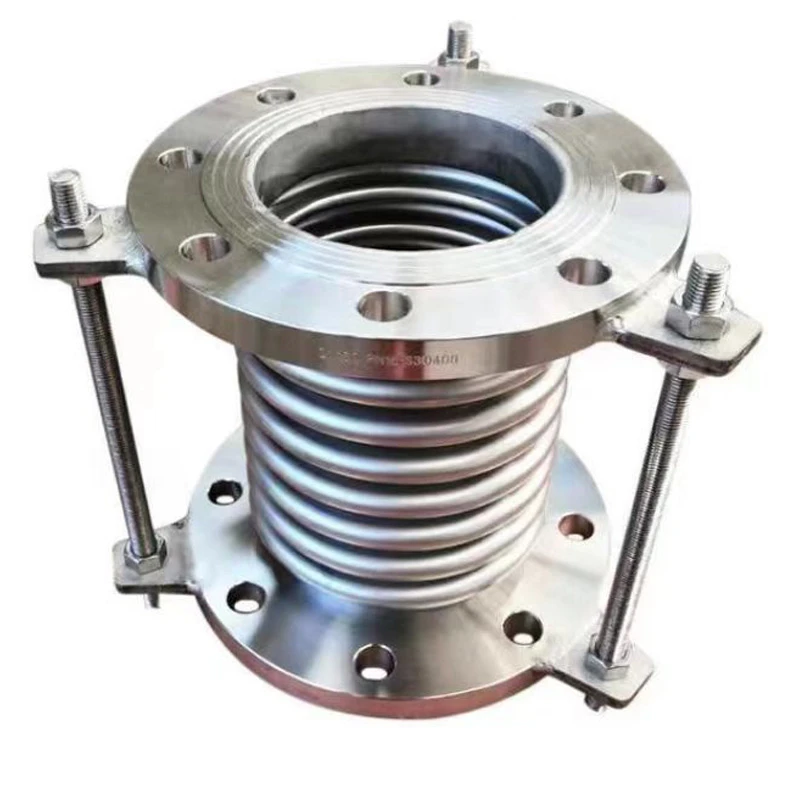
Our main products are polyurethane lined pipes, mining equipment fittings and metal hoses.