Durable Teflon Lined Tanks for Chemical Industry | QWMetal Solutions
Understanding teflon lined tanks: Durability Meets Chemical Resistance
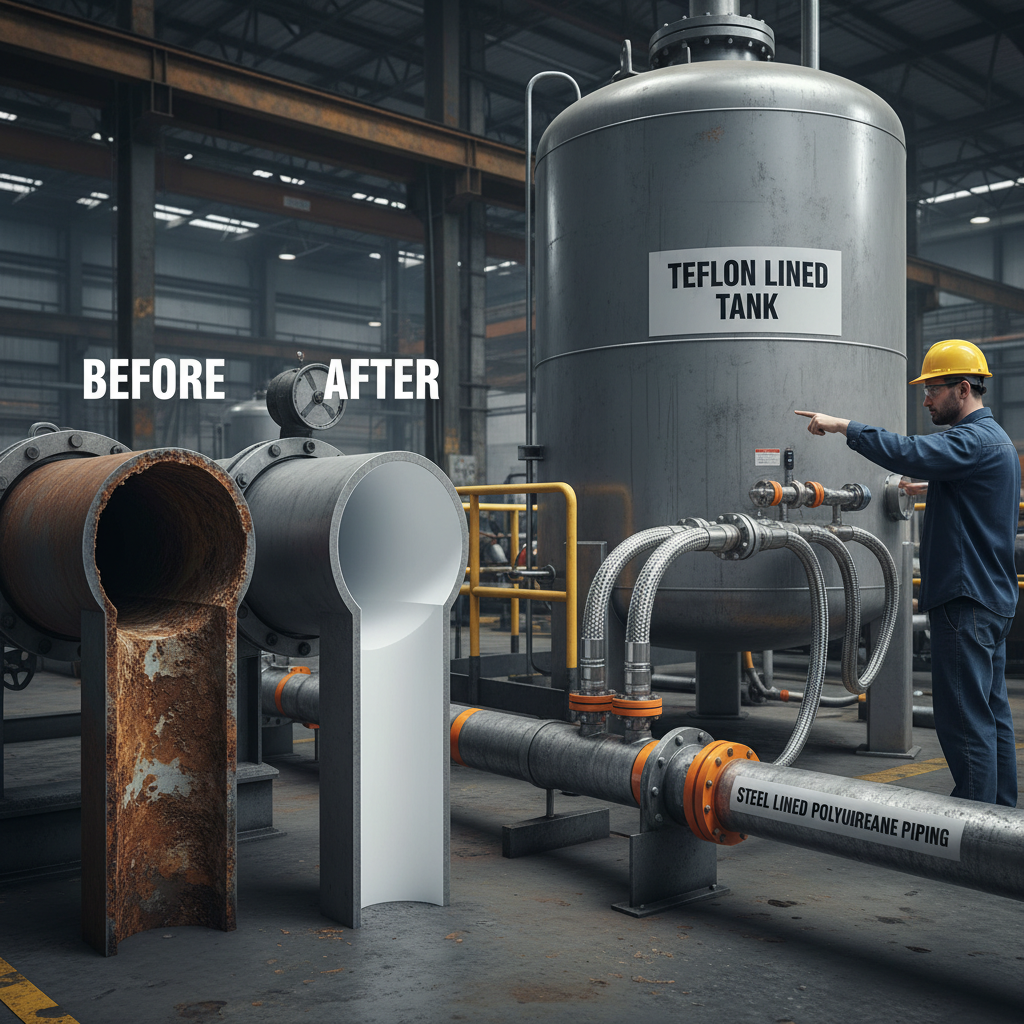
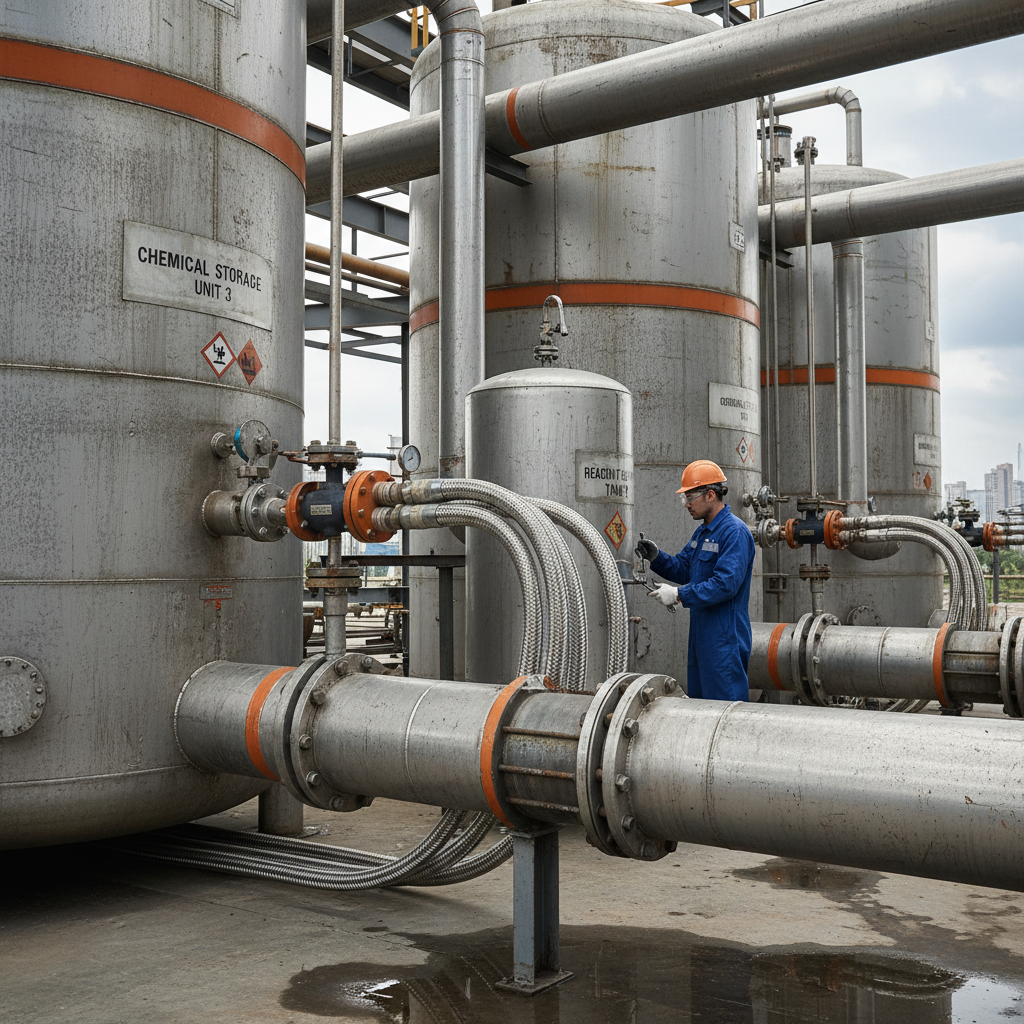
Having spent a good chunk of my career working around industrial equipment — from sprawling factories to niche chemical plants — I’ve come to appreciate how crucial tank linings really are. You know, it’s one of those features that doesn’t get much spotlight but quietly saves the day. Teflon lined tanks have been a game-changer in environments where corrosion and contamination risks hover constantly.
Frankly, when you need to store or process aggressive chemicals, acids, or solvents, it’s not just about selecting a container. It’s about ensuring longevity and product purity. That’s why Teflon, or PTFE (polytetrafluoroethylene), with its remarkable chemical inertness and temperature resistance, has earned its stripes as a preferred lining material in tanks for decades.
Oddly enough, despite Teflon’s widespread reputation, many industrial operators underestimate how much the quality of the lining process itself affects tank performance. I remember visiting a site once where a poorly applied Teflon lining started peeling off within months — a total disaster that cost weeks of downtime and hefty repairs. So, the takeaway? It’s not only the material but how it’s integrated.
Product Specifications at a Glance
| Attribute | Specification |
|---|---|
| Tank Capacity | 1000 - 50,000 liters |
| Lining Thickness | 0.5 - 5 mm (typically 1.0 - 3.0 mm) |
| Material | PTFE (Teflon®), FDA approved grades available |
| Temperature Range | -200°C to 260°C (-328°F to 500°F) |
| Corrosion Resistance | Excellent against acids, bases, solvents |
| Tank Material | Steel (carbon or stainless) with surface pre-treatment |
| Testing | Leak test, adhesion test, thickness verification |
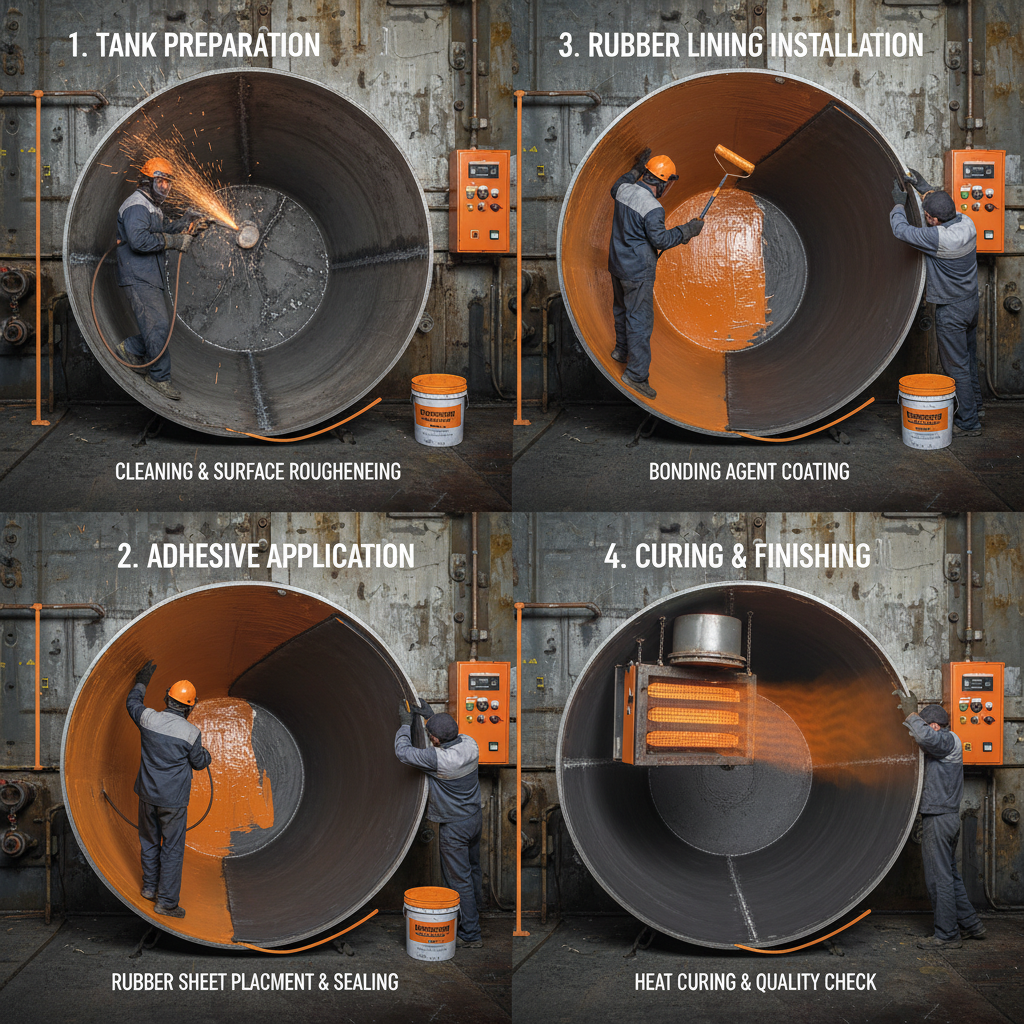
The design usually starts with selecting a steel tank — often carbon steel or stainless, depending on pressure and temperature requirements — then carefully preparing the surface before applying the Teflon lining. The lining isn’t just sprayed on like paint. It involves skilled layering and baking processes to ensure it bonds permanently. I suppose it’s no exaggeration to say that the craftsmanship behind the lining can make or break the entire system.
Many engineers I have worked with highlight the versatility of these tanks. You could be dealing with petrochemicals today or pharmaceutical-grade liquids tomorrow, and the same tank can often handle that switch -- provided the lining meets the right certification standards. That’s a real plus from an operational standpoint.
Vendor Comparison: What to Look For
| Feature | Vendor A | Vendor B | QWMetal (link) |
|---|---|---|---|
| Lining Thickness Options | 0.8 - 3.0 mm | 1.0 - 4.0 mm | 0.5 - 5.0 mm (most customizable) |
| Tank Size Range | Up to 30,000 L | Up to 20,000 L | Up to 50,000 L (largest capacities) |
| Certifications | ISO 9001, FDA approved lines | ISO 14001, CE certified | ISO 9001, ISO 14001, FDA, CE |
| Lead Time | 6-10 weeks | 8-12 weeks | 4-8 weeks (typically faster) |
| Special Services | On-site inspection | Customized design only | Custom engineering, testing, installation support |
In real terms, choosing the right vendor involves more than just specs or price. I’ve worked with teams who swear by teflon lined tanks from QWMetal, citing both quality and responsive service. It’s always reassuring when a supplier offers not just a product but thorough testing and installation help—you know it reduces headaches later on.
Speaking of testing, the Teflon lining typically undergoes rigorous checks including thickness measurement and adhesion verification. Leakage tests under pressure are also standard. This diligence ensures the tanks won't unexpectedly fail in harsh industrial conditions.
How about a quick anecdote? I recall one user in a battery chemicals plant praising their QWMetal tank line’s resistance to hydrofluoric acid — notoriously hard to contain. Their switch to Teflon-lined vessels cut maintenance downtime by more than half. Stories like this remind me these tanks are more than just containers; they’re foundational to safe production.
Customization is also a strong point here. Whether it’s fitting agitators, heating jackets, or special nozzles, teflon lined tanks can be tailored to specific process needs — which, oddly enough, is exactly what you want from a solution designed to last decades.
In summary, if you’re operating in sectors that demand uncompromising chemical resistance, investing in high-quality Teflon lined tanks makes solid sense. And if you ask me, looking for vendors with proven track records, certifications, and comprehensive service options is key.
It feels like such straightforward tech, but honestly, there’s a lot that goes into making these tanks reliable partners in industrial environments.
— John M., Industrial Equipment Specialist with 15+ years in process plant operations
References & Further Reading
- ASTM International. "Standard Specification for Polytetrafluoroethylene (PTFE) Linings on Metallic Tanks." (Verified 2023)
- “Chemical Resistance of PTFE.” DuPont Technical Guide, 2021.
- Company Case Study: QWMetal’s Teflon Lined Storage Solutions, 2022.
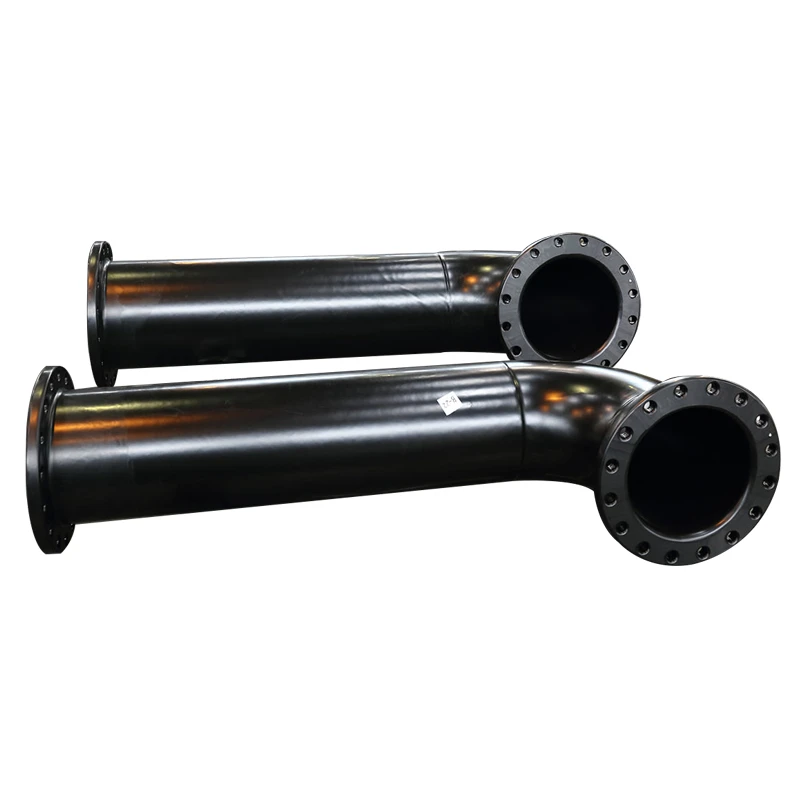
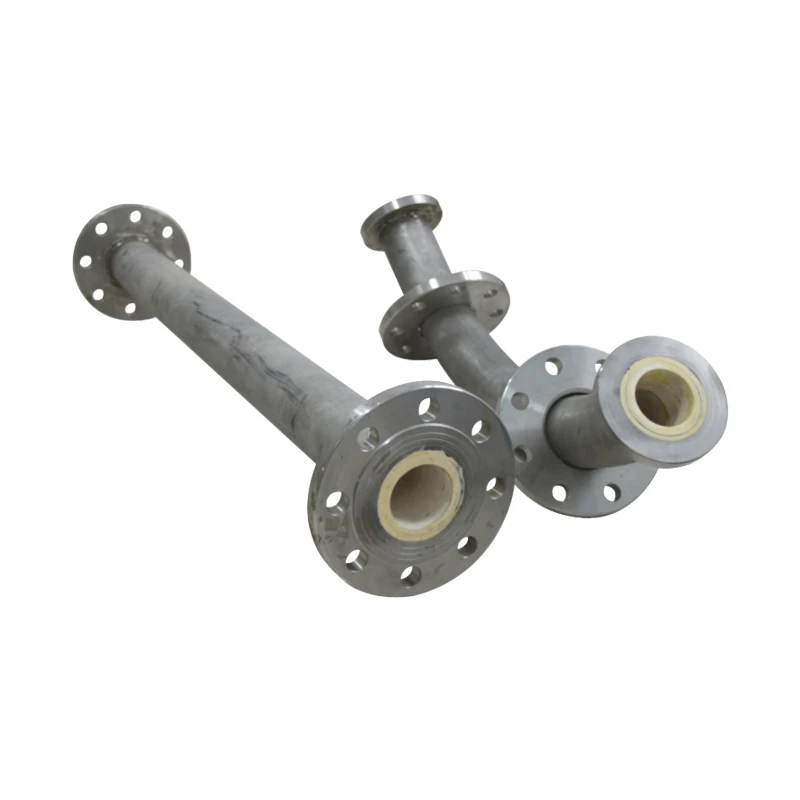
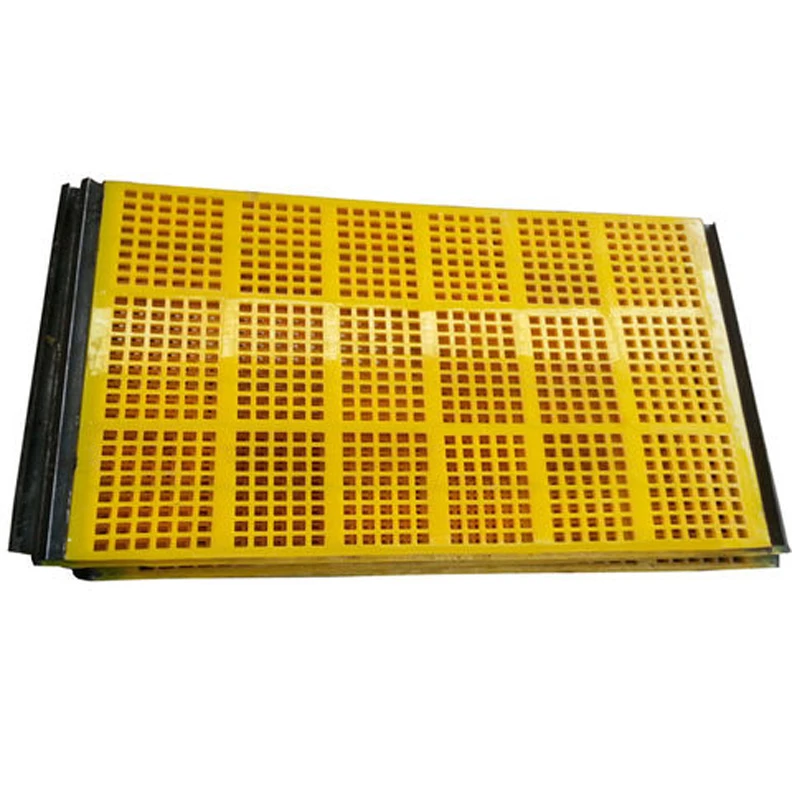
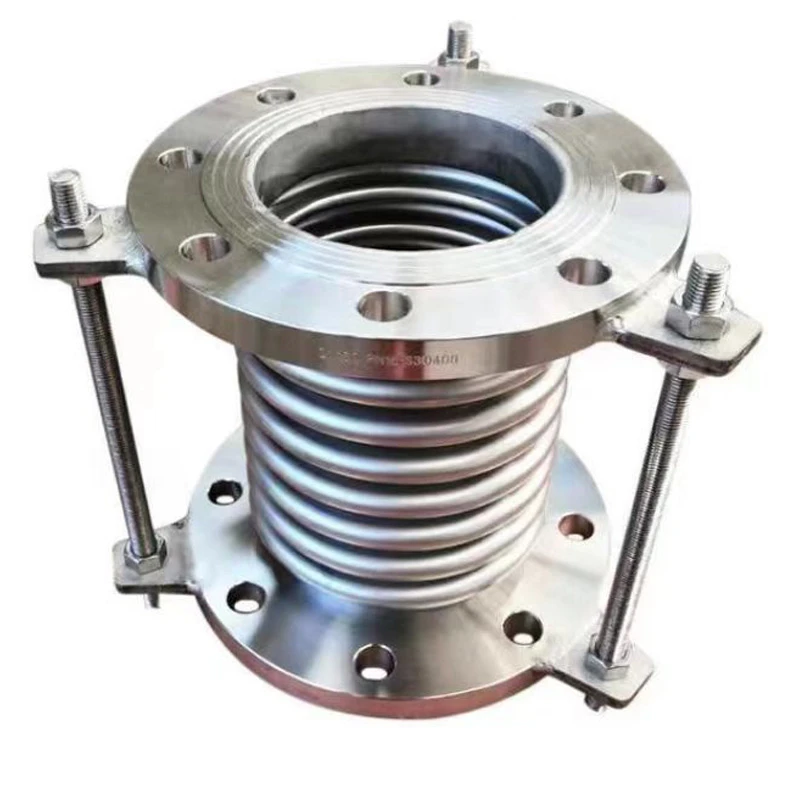
Related Products
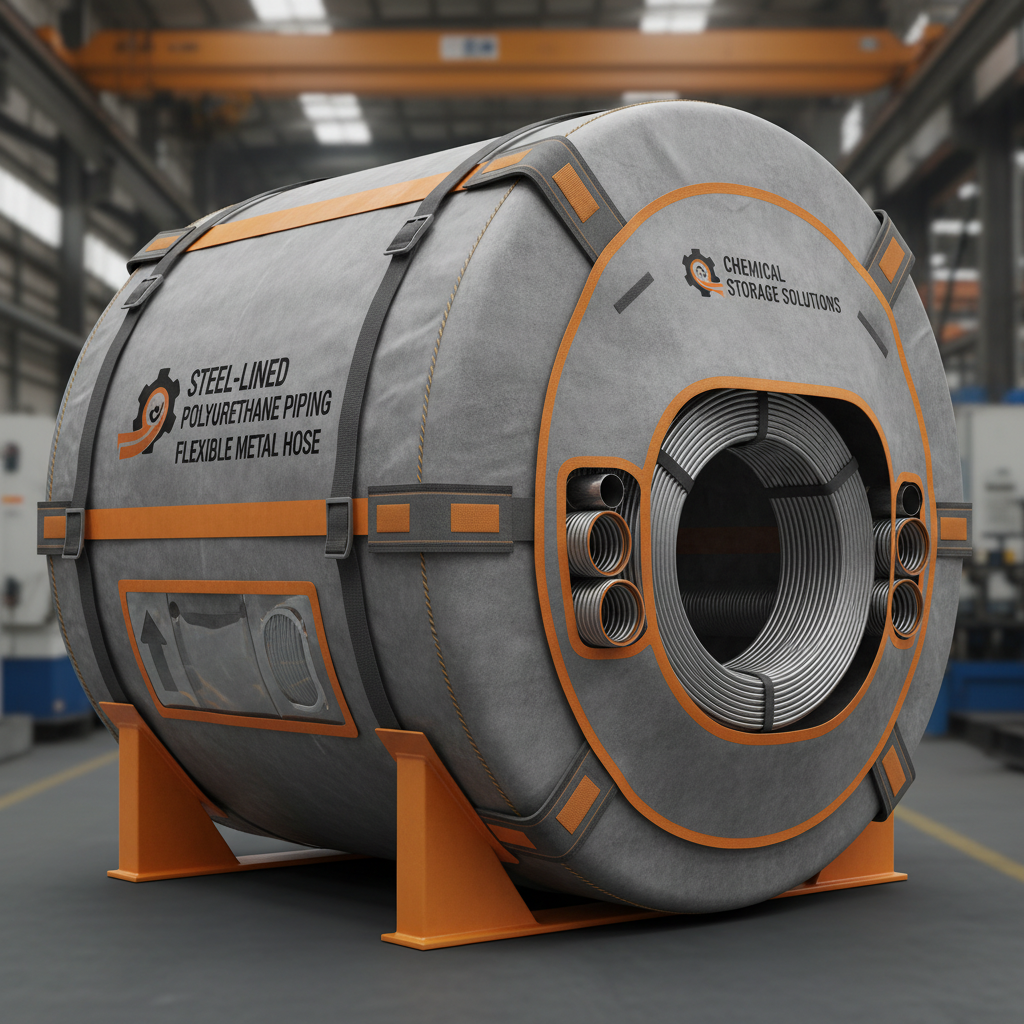
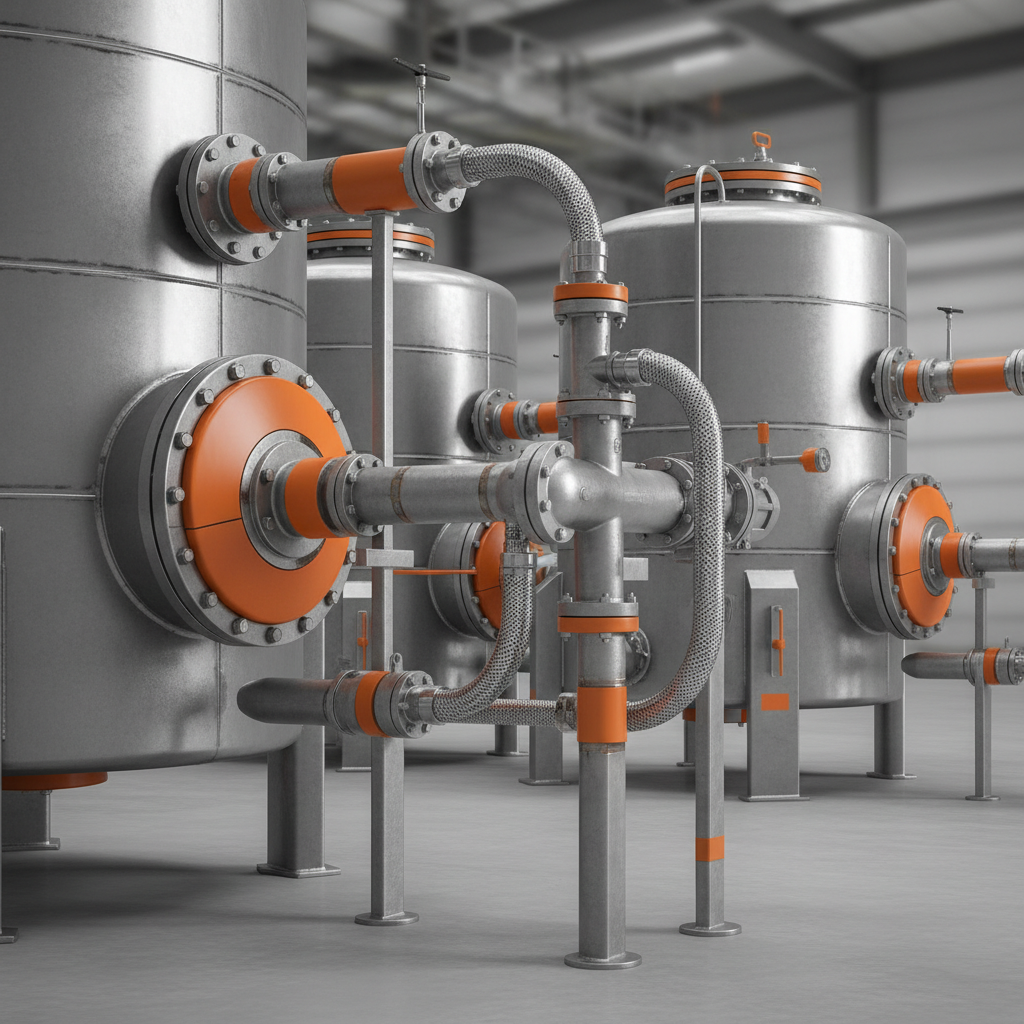
Our main products are polyurethane lined pipes, mining equipment fittings and metal hoses.