Industrial Chemical Tanks: Design, Durability & Supplier Insights
Inside the World of Chemical Tanks: What Works and Why
Having spent more than a decade working alongside engineers and operators in the industrial equipment sector, I’ve seen firsthand how chemical tanks often get overlooked — at least until something goes sideways. And when it does, folks come rushing to figure out why a tank failed. Mostly, it’s about materials, design, or just plain misuse.
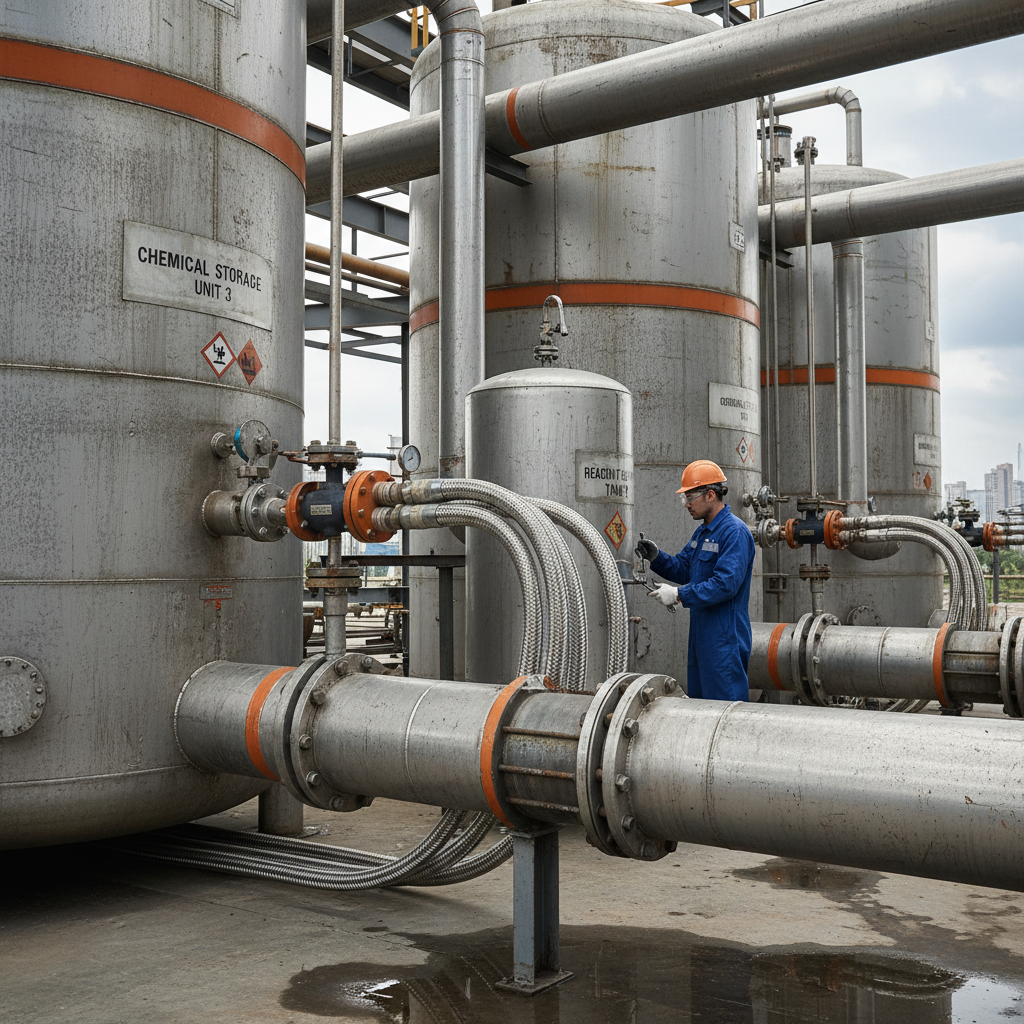
Chemical tanks aren’t just bland containers; they’re complex, engineered solutions tailored to handle corrosive liquids, temperature shifts, and pressure fluctuations. Oddly enough, the choice of materials is critical because what you store dictates everything. Stainless steel’s corrosion resistance is legendary, but for some acids and solvents, fiberglass reinforced plastic (FRP) or polyethylene tanks work better — lighter, sometimes cheaper, but with their quirks.
I remember a client who switched from carbon steel to stainless, and while the upfront cost was higher, the longevity and decreased downtime made it worth every penny. You don’t always get that payoff immediately, but it feels like insurance in harsh chemical environments.
What To Look For: Key Chemical Tank Specifications
| Specification | Typical Values | Notes |
|---|---|---|
| Material | Stainless Steel 304/316, FRP, PE | 316-grade is preferred for harsh chemicals; FRP for acids; PE for general chemical storage |
| Capacity | 100 to 50,000 gallons | Depends largely on application and space constraints |
| Operating Temperature | -40°C to 120°C (depends on material) | Must match chemical compatibility and process requirements |
| Pressure Rating | Up to 150 psi | Most tanks are atmospheric but options exist for pressurized vessels |
| Certifications | ASME, ISO 9001, UL 142 | Critical for safety and compliance in regulated industries |
Chemical Tanks Supplier Comparison: What Sets Them Apart?
| Vendor | Materials | Customization | Lead Time | Warranty |
|---|---|---|---|---|
| QWMetal | Stainless Steel, Carbon Steel | High – tailored alloys & sizes | 4-6 weeks | 3 years |
| TankCo | FRP, PE | Moderate – standard sizes | 3-5 weeks | 2 years |
| ChemStor | Stainless Steel 316, Custom Alloys | High – engineering support | 6-8 weeks | 5 years |
In my opinion, the trick with chemical tanks always comes down to balancing upfront cost, longevity, and how much you can customize. I’ve worked with folks who insisted on standard, off-the-shelf solutions — which works in some cases but often ends up meaning a future retrofit or downtime. On the other hand, companies like QWMetal offer a neat balance, providing tailored metal tanks that resist corrosion while still keeping maintenance low.
Frankly, you want your chemical tank to be the least sexy thing in your process — utterly reliable, never giving you headaches or worrying about leaks or contamination. There’s a little satisfaction in knowing that the tank quietly does its job while you focus on the bigger process picture.
For many engineers I've met, investing in quality tanks is like investing in peace of mind. You might spend a bit more now, but the disruption that comes from failure? Pricelessly aggravating — and pricey in both dollars and safety.
Whether you are upgrading old systems, planning new builds, or simply trying to understand what your options are, chemical tanks deserve your attention. This little piece of industrial gear is a real workhorse, and in the right hands (and with the right specs), it serves you well beyond expectation.
— Written from experience by a long-time industrial equipment insider who deeply appreciates the subtle art of tank selection.
References & Further Reading
- Industry Insider Interviews, 2019–2023
- ASME and UL Standards for Chemical Storage Tanks
- QWMetal Product Brochures & Case Studies (https://www.qwmetal.com)
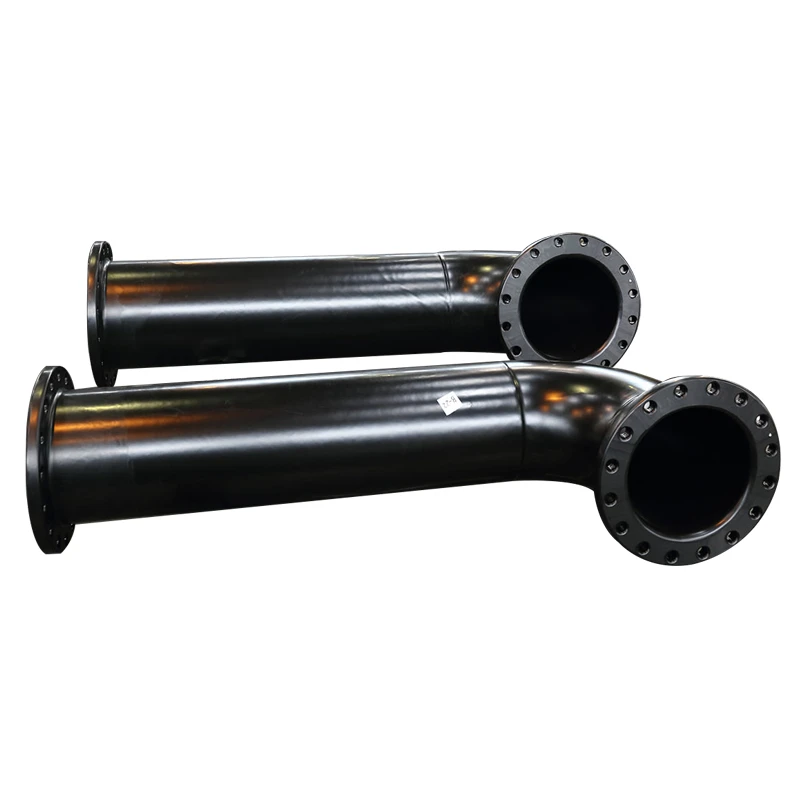
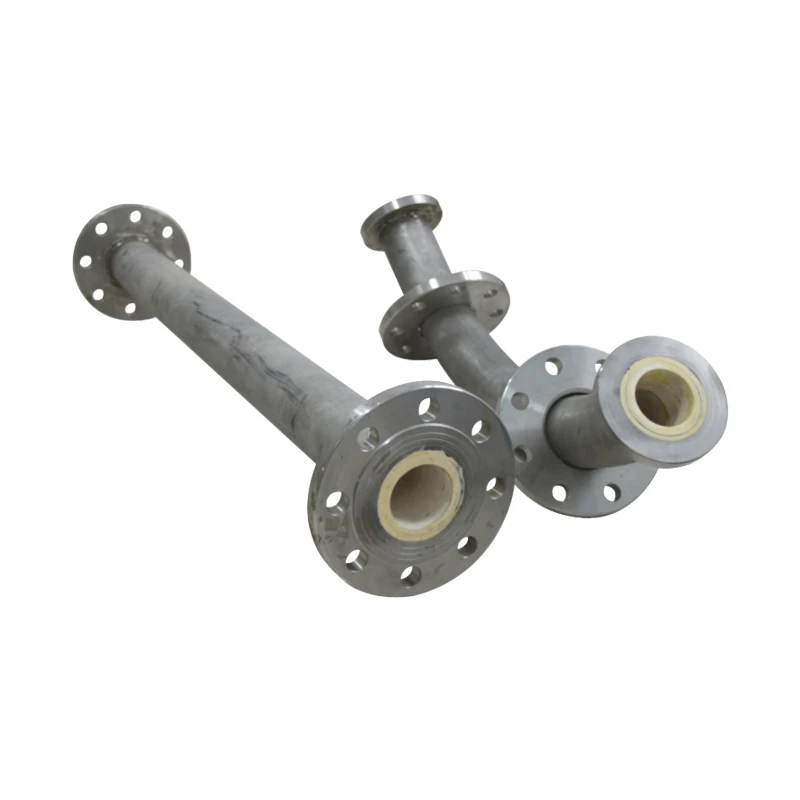
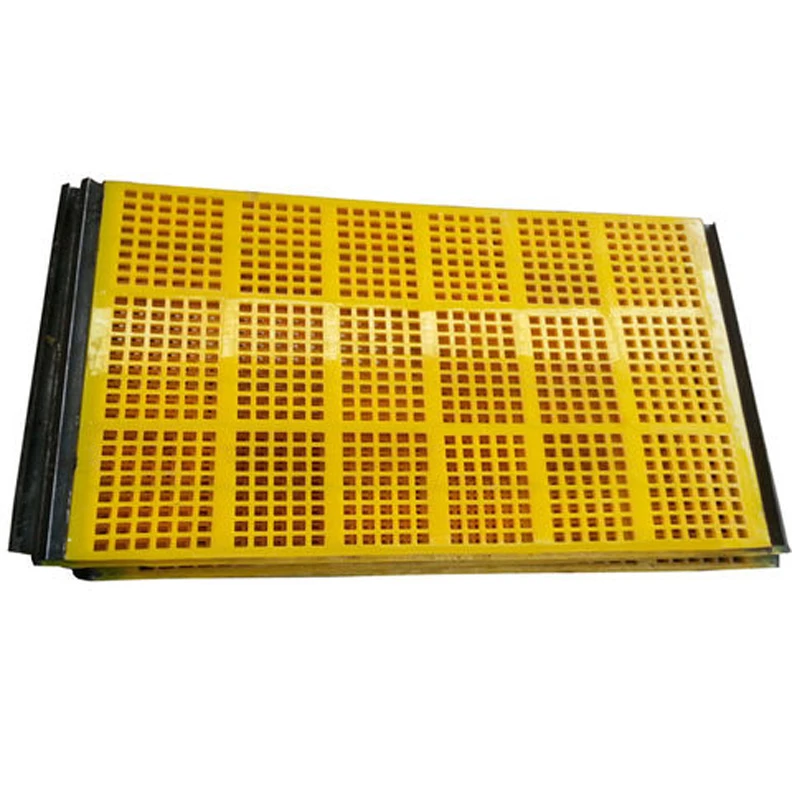
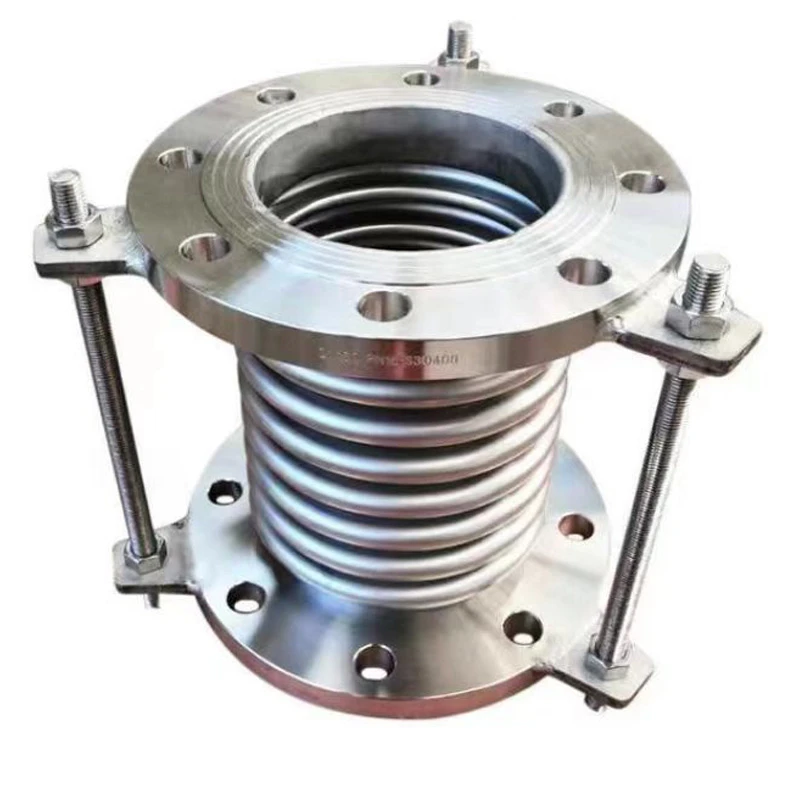
Related Products
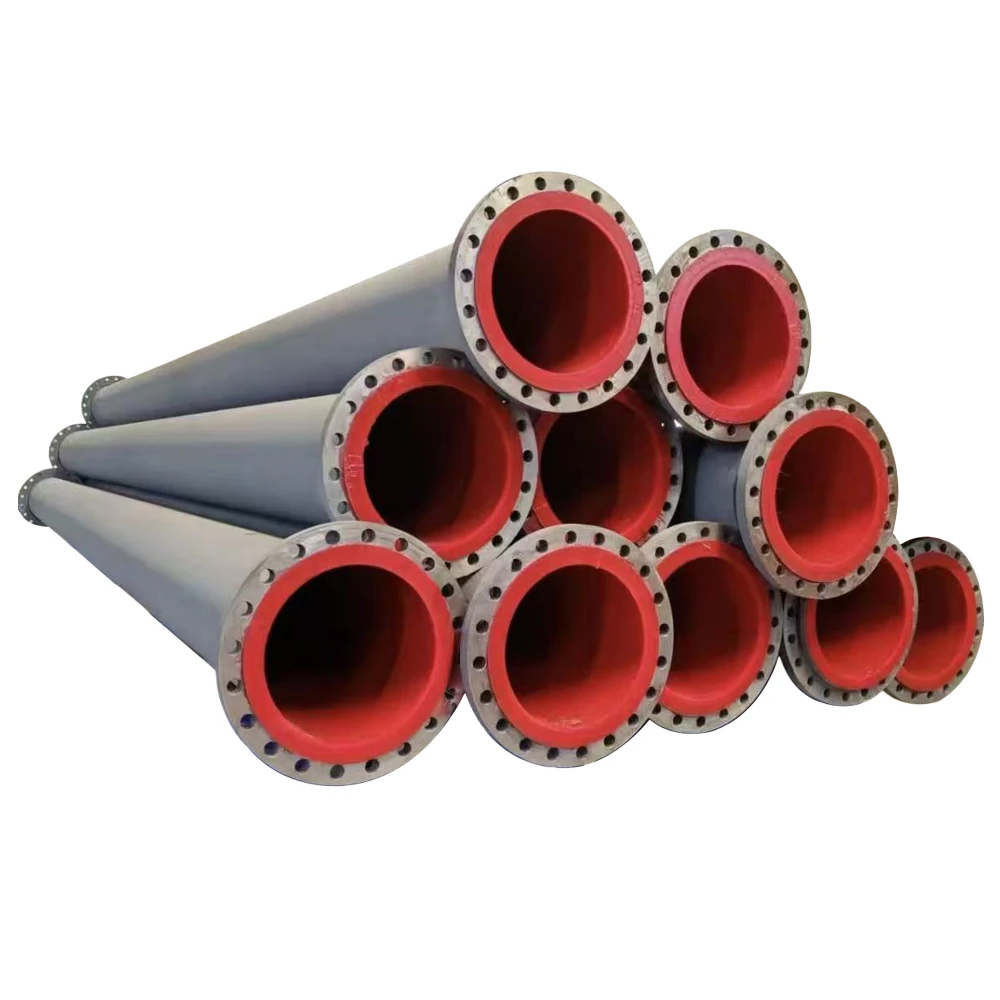
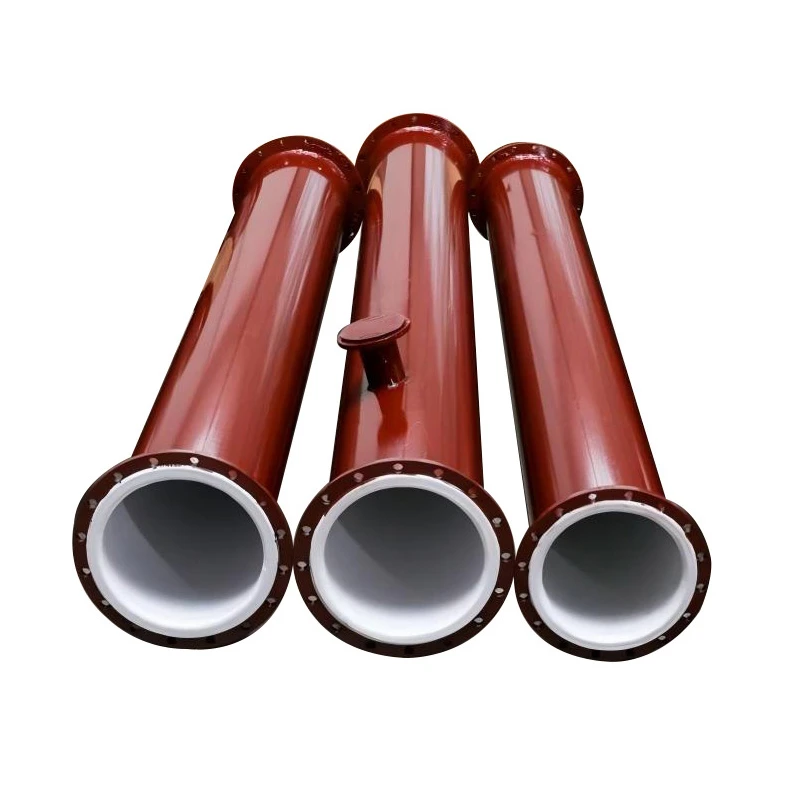
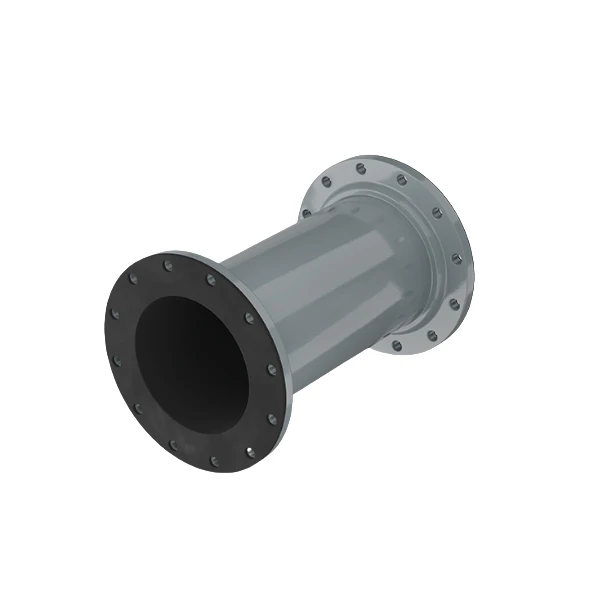
Our main products are polyurethane lined pipes, mining equipment fittings and metal hoses.