Experienced Insights on Chemical Tank Suppliers for Industrial Use
Choosing the Right chemical tank suppliers for Your Industrial Needs
Having spent more than a decade in the industrial equipment world, I’ve learned that chemical tanks aren’t just buckets that hold stuff—they are core to ensuring safety, efficiency, and long-term operation. You know, the kind of thing where one wrong material choice or sloppy welding can lead to headaches down the line. Frankly, the market’s never short on options, but finding a reliable chemical tank supplier is an entirely different ballgame.
Over the years, I noticed many engineers, myself included, favor suppliers who don’t just sell tanks but offer expertise in how products perform under stressful conditions—like chemical resistance, temperature swings, and simply standing the test of time. Some suppliers provide customization that can save weeks in installation or reduce maintenance costs, which in real terms, means fewer surprises in your production schedule.
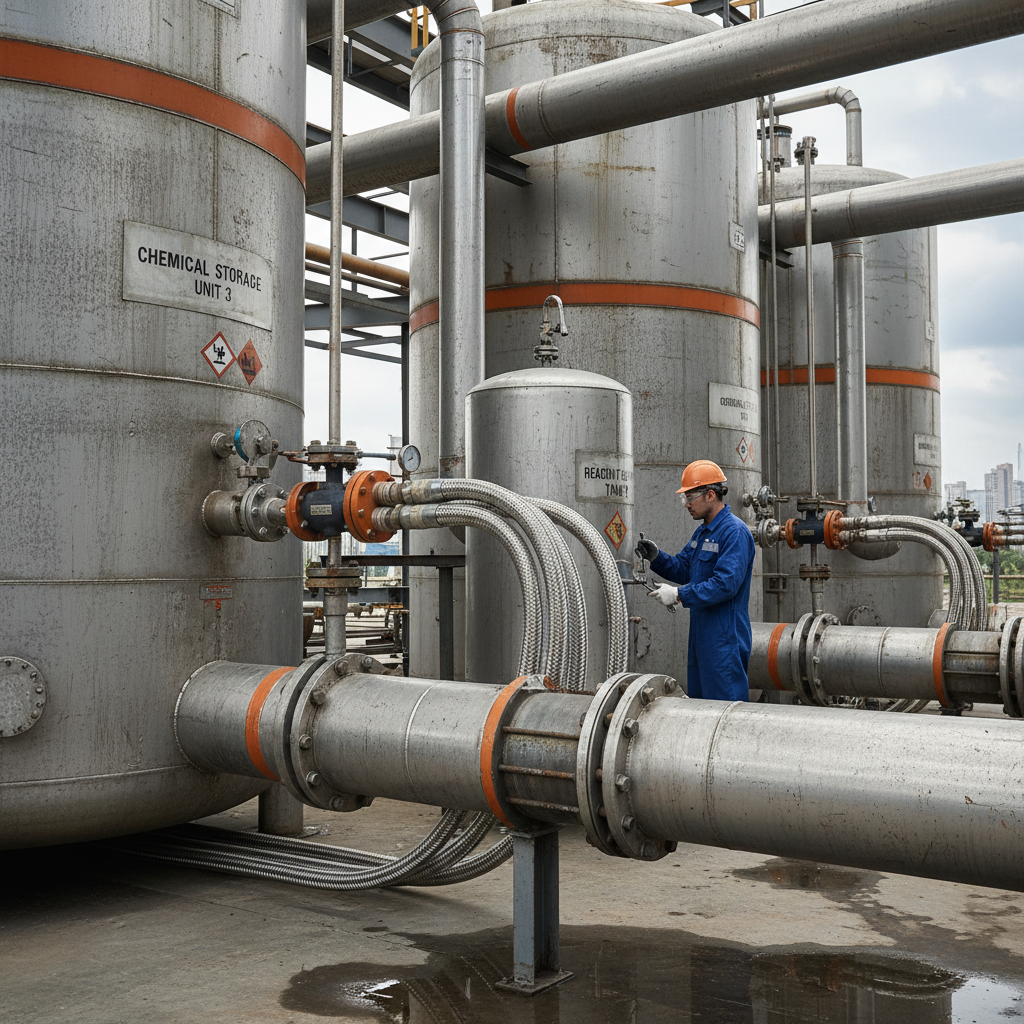
Oddly enough, one of the most underrated aspects is the material quality. You’ll often hear about polyethylene and stainless steel tanks, but within those categories, the grades and additives matter a lot. For example, UV-resistant coatings for outdoor tanks or double-walled options to prevent leaks can make all the difference, particularly for aggressive chemicals.
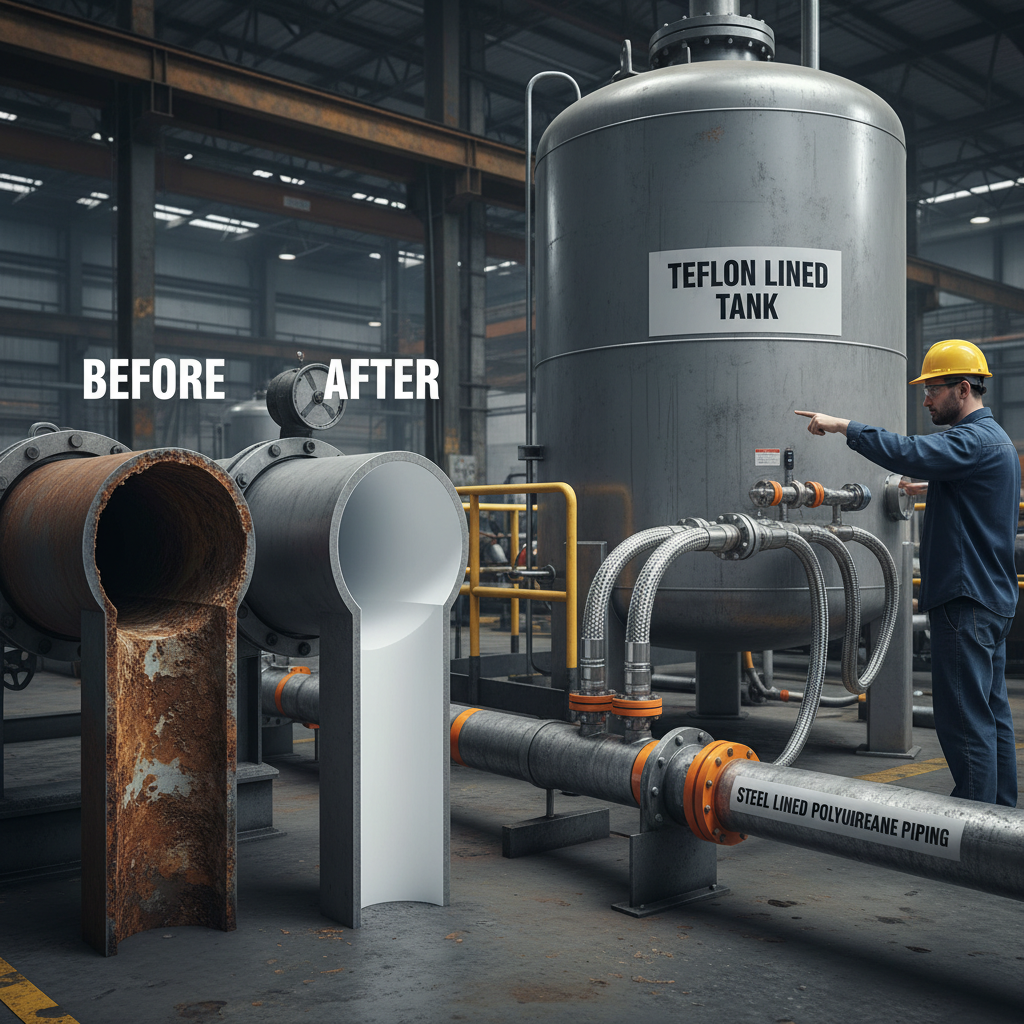
Let me share a quick story: a client needed a large-capacity storage solution for a corrosive acid used in metal finishing. We worked closely with their supplier and settled on a polypropylene-lined steel tank. It wasn’t the cheapest option, but the supplier helped tailor the design specs to meet stringent safety codes and the delivery was prompt. The client told me months later that switching suppliers had saved them from at least two costly shutdowns.
Typical Chemical Tank Specifications
| Specification | Details |
|---|---|
| Material | Polyethylene, Stainless Steel 304/316, Carbon Steel with lining |
| Capacity | 100 – 10,000+ gallons |
| Design Pressure | Atmospheric to 50 psi (varies with model) |
| Temperature Range | -40°F to 250°F depending on tank type |
| Features | UV resistance, leak detection, secondary containment options |
Now, comparing suppliers can get tricky because of how many variables they throw at you — price, lead times, material certifications, after-sales service. So, for those who’ve wrestled with this decision, here’s a little grid I’ve put together comparing typical vendor traits:
| Supplier | Customization | Lead Time | Price Range | Certifications |
|---|---|---|---|---|
| QW Metal | High – custom sizes & coatings | 2-4 weeks | Mid-range | ISO 9001, CE |
| Alpha Tanks | Medium – standard options only | 3-6 weeks | Low | ISO 14001 |
| Beta Chemical Equip. | Low – limited models | 1-2 weeks | High | API, CE |
Having worked with companies like QW Metal myself, I can honestly say their blend of responsiveness and product quality feels like a breath of fresh air compared to some of the more generic options out there. They seem to understand that tanks aren’t just a commodity but an investment in safety and uptime.
Ultimately, it pays off to ask tough questions—not just about price but about warranties, testing standards (especially chemical resistance), and if the supplier can adapt your tank to real-world challenges at your facility. Sometimes, it’s these details that save you from expensive downtime or compliance headaches.
So next time you’re sourcing chemical tank suppliers, keep an eye out not just for what’s on paper, but what’s offered in support and customization. It can change everything.
References:
- Industry Safety Standards - OSHA Chemical Storage Guidelines
- ISO 9001 and CE certification impact on industrial equipment quality
- Case studies on polypropylene-lined tanks in corrosive environments
Related Products
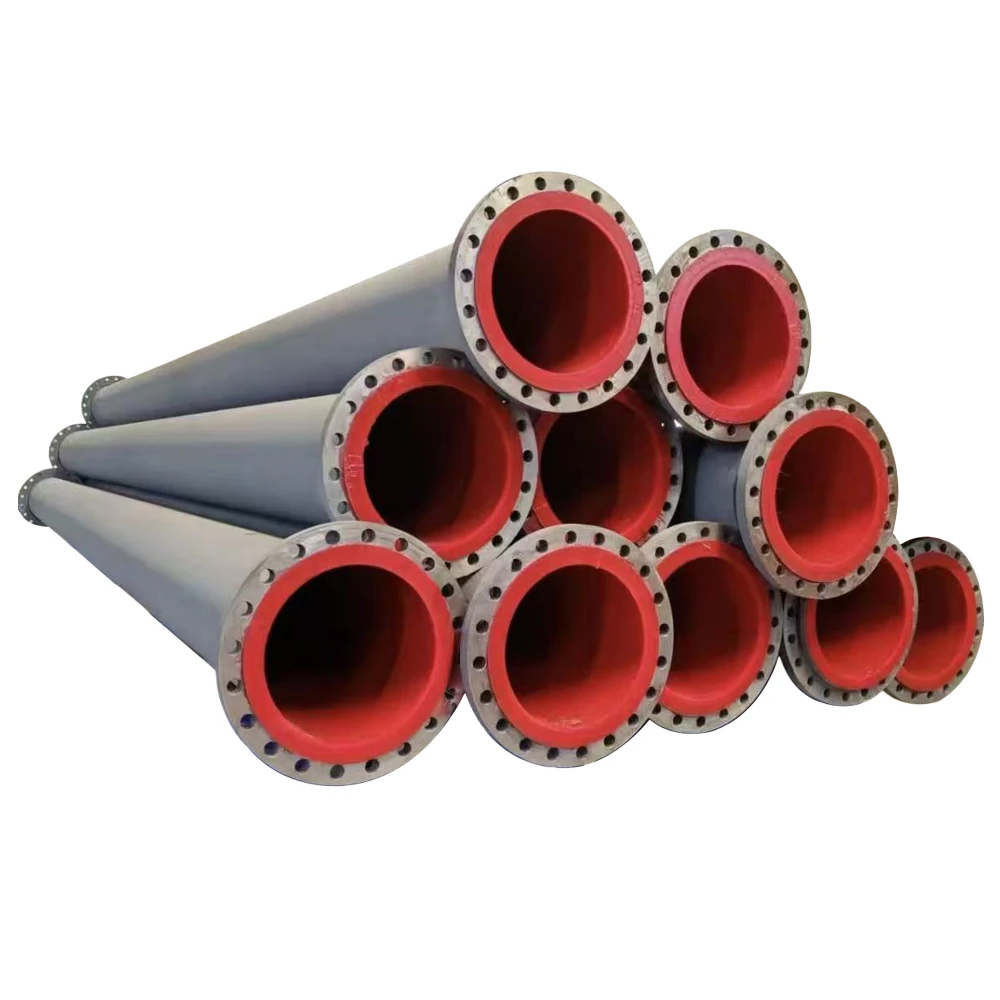
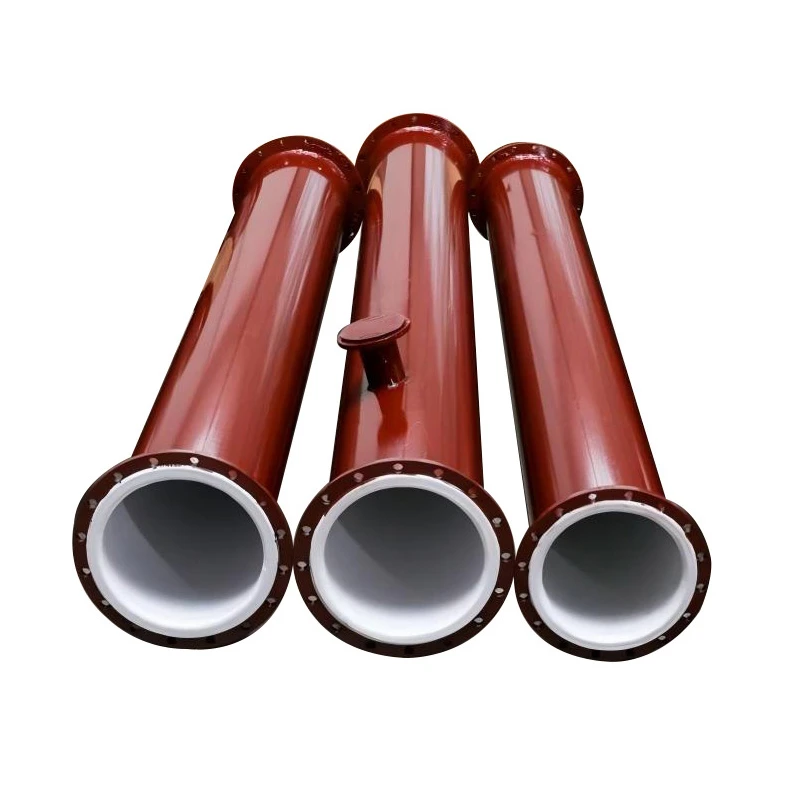
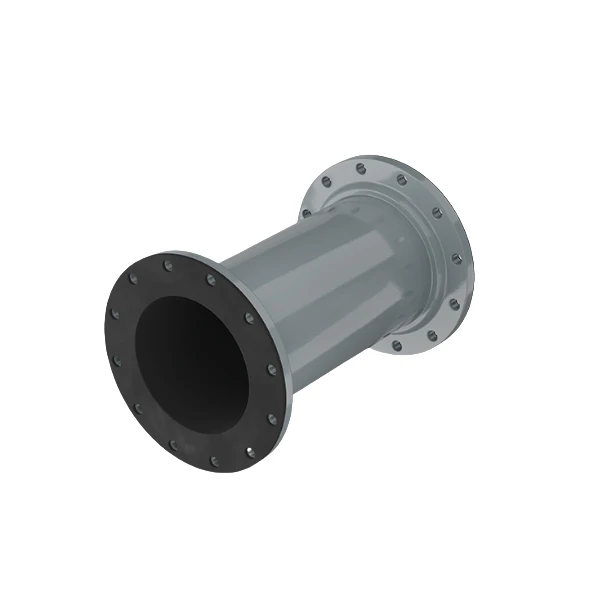
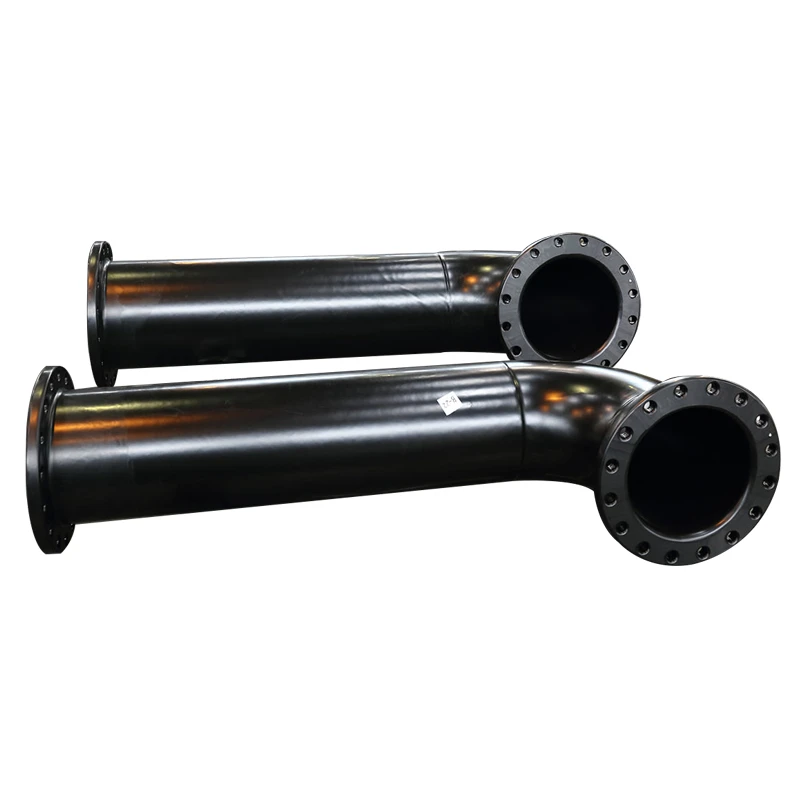
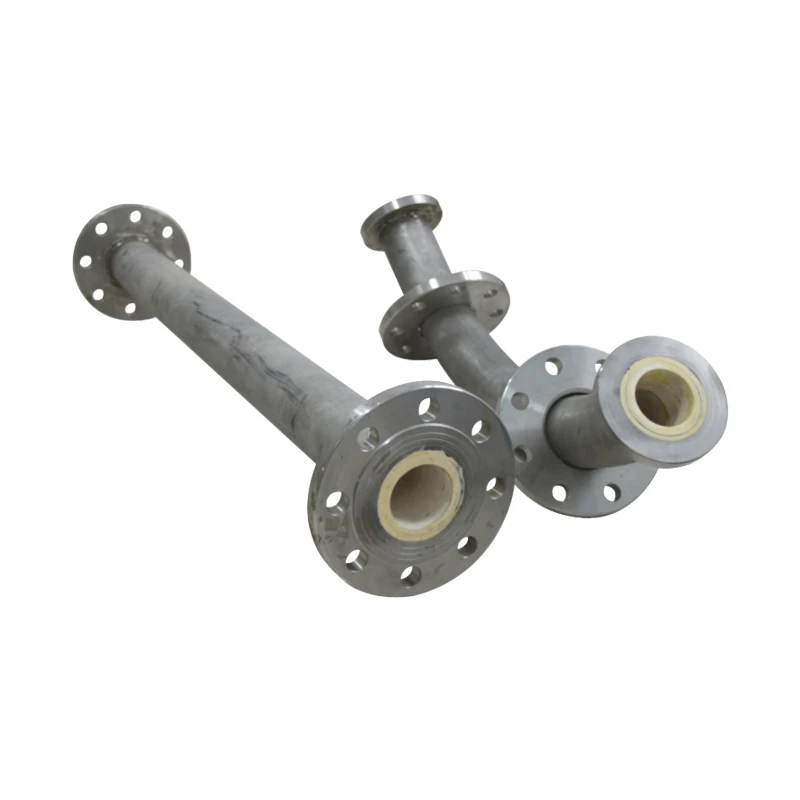
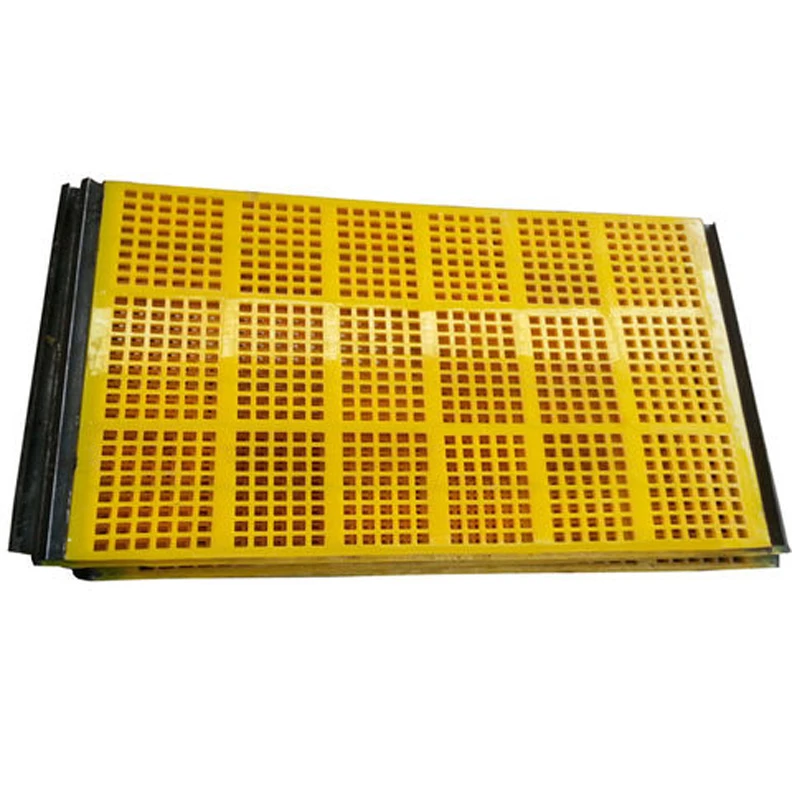
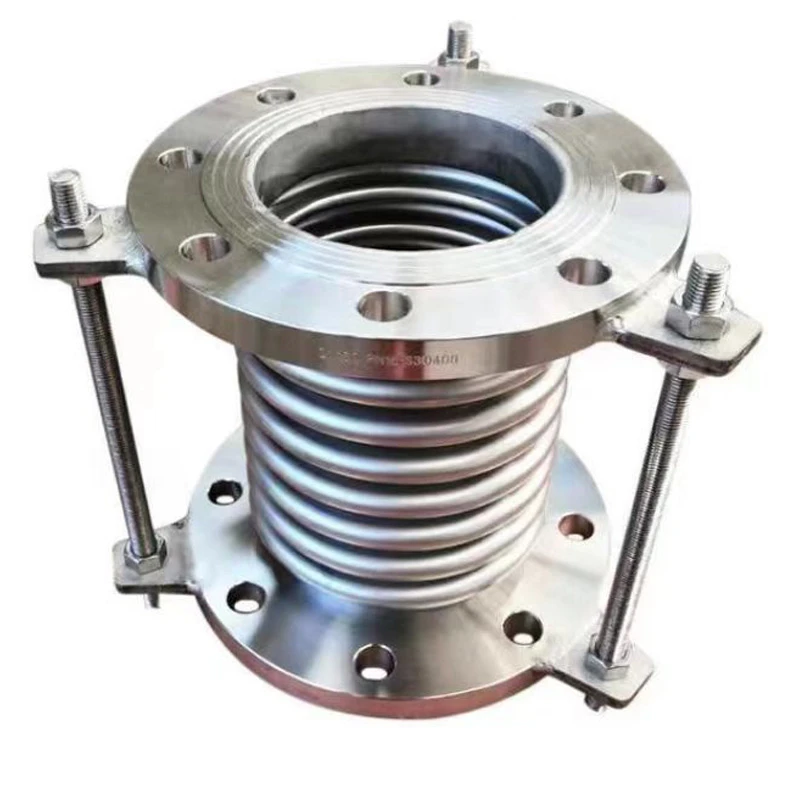
Our main products are polyurethane lined pipes, mining equipment fittings and metal hoses.