PTFE Lined Tank – Advanced Chemical Storage Solutions for Industry and Beyond
Understanding PTFE Lined Tank: A Silent Workhorse in Modern Industry
You might not hear much about ptfe lined tanks in everyday conversations, but in industrial and environmental circles, their role is kind of pivotal. These tanks, lined with polytetrafluoroethylene (PTFE), are engineering marvels that keep highly corrosive substances contained safely and efficiently. That might sound niche—and it is—but the implications stretch broadly, from chemical manufacturing plants in Europe to water treatment facilities in Asia, and even humanitarian projects worldwide.
Why does this matter globally? Corrosion, contamination, and chemical leaks cause billions in damages yearly, not to mention health hazards. PTFE lined tanks help mitigate these risks by providing superior chemical resistance and extending tank life. So, digging a little deeper, understanding what makes these tanks tick can unlock safer, sustainable, and cost-effective solutions for industries dealing with hazardous liquids.
Global Relevance of PTFE Lined Tanks
As global chemical production leapt to over 3 billion metric tons in 2023 (per UNIDO reports), the need to store chemicals safely has never been more acute. Tanks that traditionally corrode or degrade quickly pose grave risks—environmental fallout, workplace accidents, and costly shutdowns.
In emerging economies, where regulatory frameworks are tightening around industrial waste, having reliable storage options like ptfe lined tanks is essential. Even in developed markets, companies pay extra for sustainability certifications, which these tanks help to secure.
Yet, it’s not just industry: humanitarian logistics also require robust solutions to store and transport chemicals and water during disaster relief. In fact, safe storage options can hasten clean water delivery and chemical handling in difficult terrains.
What Exactly is a PTFE Lined Tank?
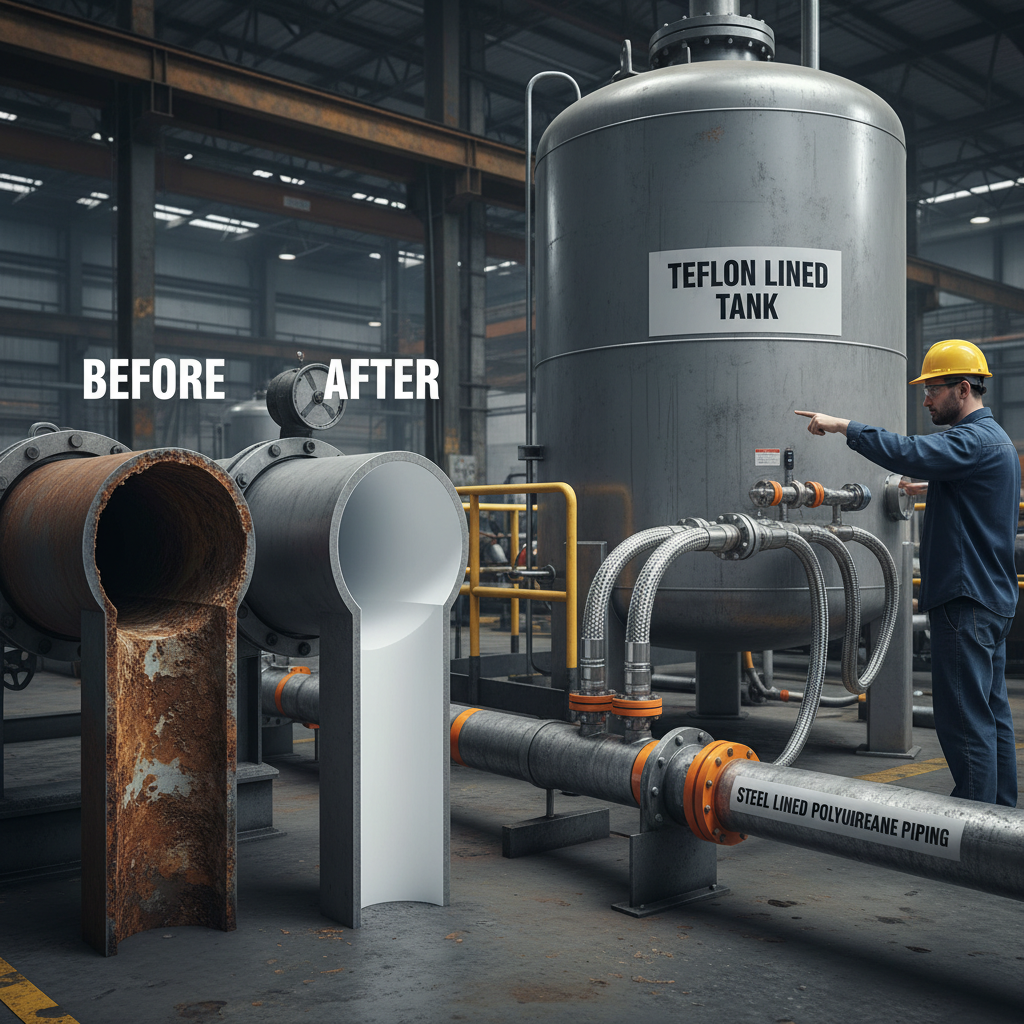
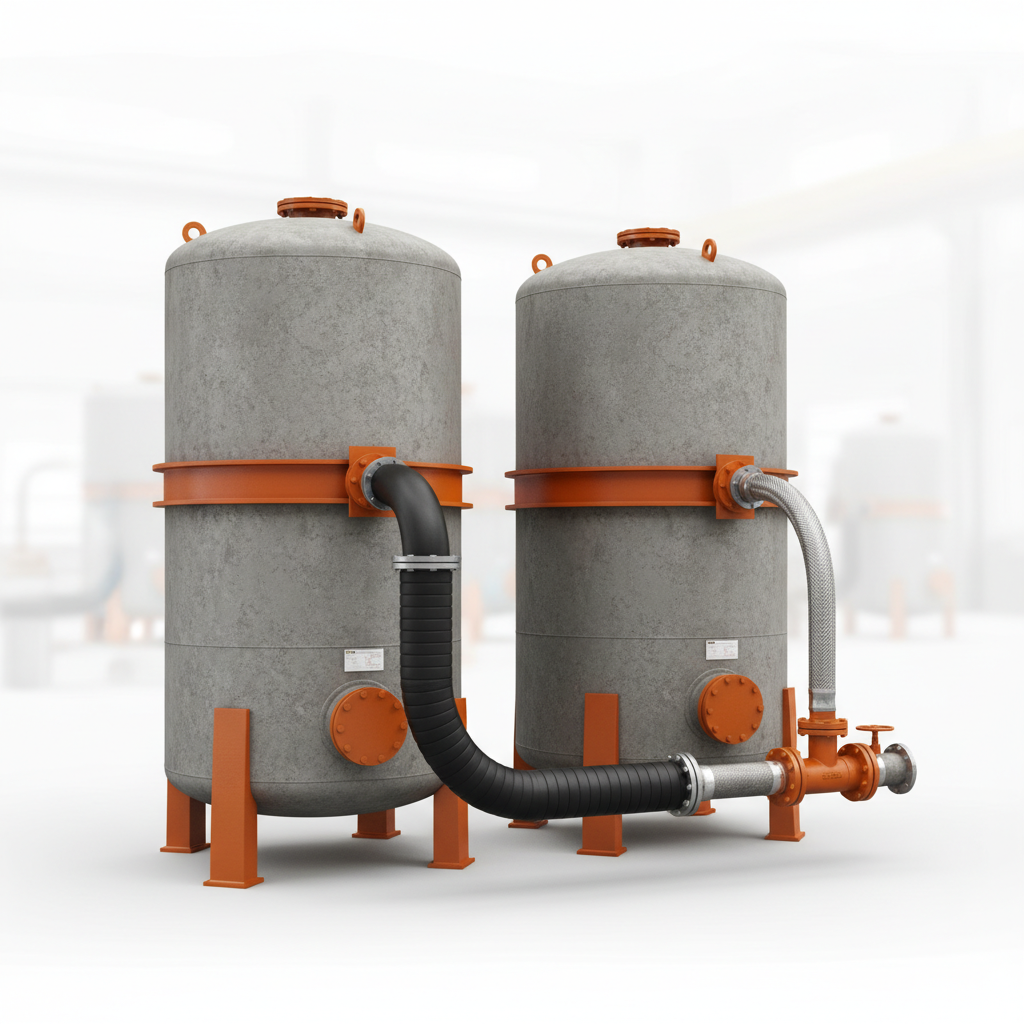
Simply put, a ptfe lined tank is a container—typically made of metal such as carbon steel or stainless steel—that has its interior surface coated or lined with PTFE, the same material known for its non-stick properties in cookware. But here, PTFE’s chemical inertness is the star of the show. It ensures that the stored liquids don't react with the tank walls, preventing corrosion, contamination, and ensuring long-term integrity.
This makes PTFE lined tanks a favorite where aggressive acids, alkalis, or solvents are stored. As you might guess, these tanks are vital in pharmaceutical plants, chemical factories, and even water treatment facilities where purity is key.
Core Components and Key Features
1. Durability and Chemical Resistance
PTFE lining confers exceptional resistance to almost all chemicals—acids, bases, solvents—without degrading. That means the metal tank beneath lasts longer, safeguarding your investment and your processes.
2. Thermal Stability
These tanks can endure a broad temperature range. From freezing cold storage to processes exceeding 200°C, PTFE keeps its properties intact. This versatility opens doors for cross-industry use.
3. Leak and Contamination Protection
The PTFE lining acts as a nearly impermeable barrier, preventing leaks and cross-contamination. For industries where purity means money or safety, this feature is indispensable.
4. Ease of Cleaning and Maintenance
Due to PTFE’s non-stick nature, tanks require less harsh cleaning chemicals and can be flushed easily, reducing downtime and operational costs.
5. Scalability and Customization
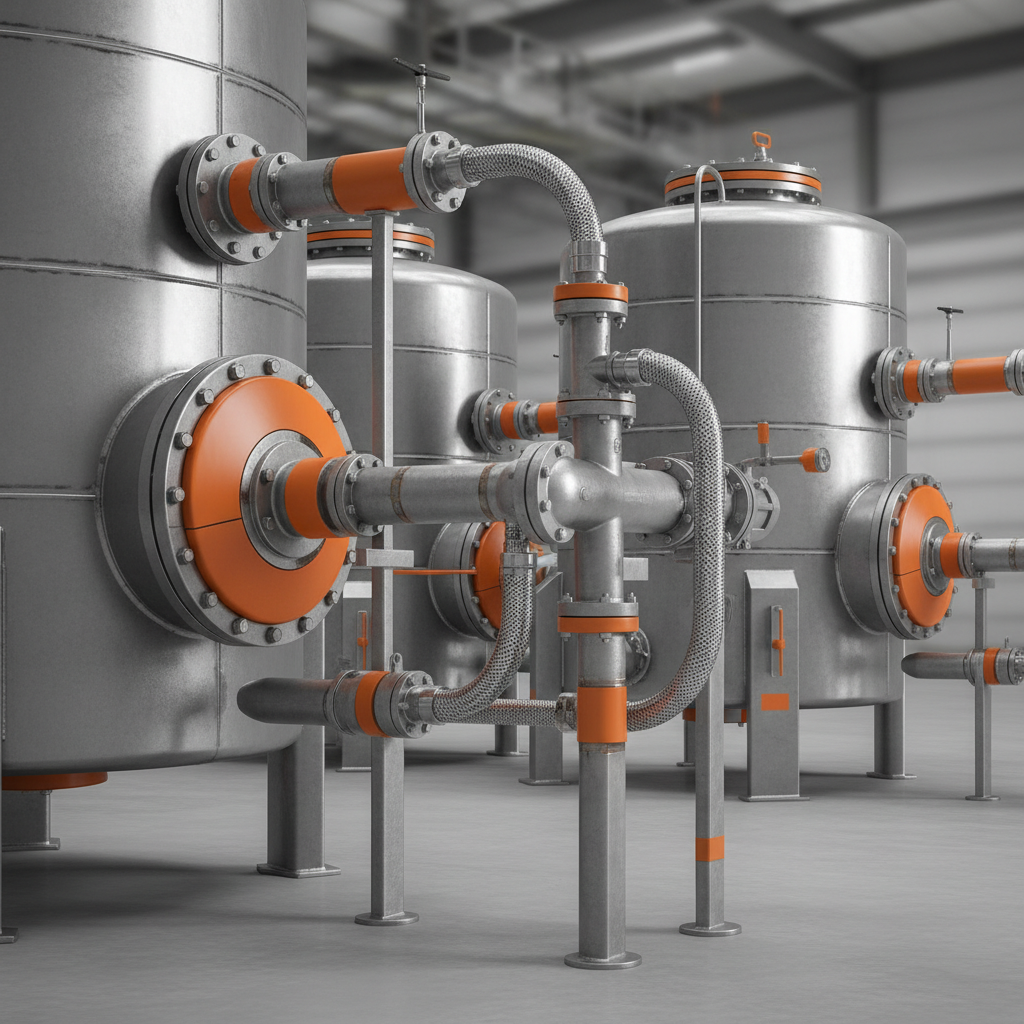
Whether you need a small vessel for R&D or an industrial-sized tank, PTFE lining technology is adaptable. Designs can be customized based on volume, pressure requirements, and mounting configurations.
Mini takeaway: PTFE lined tanks blend chemistry and engineering finesse, turning potentially hazardous storage into safe, reliable, and even cost-effective operations.
Global Applications and Real-World Use Cases
Across continents, industries rely on ptfe lined tanks in ways you might not expect. For example:
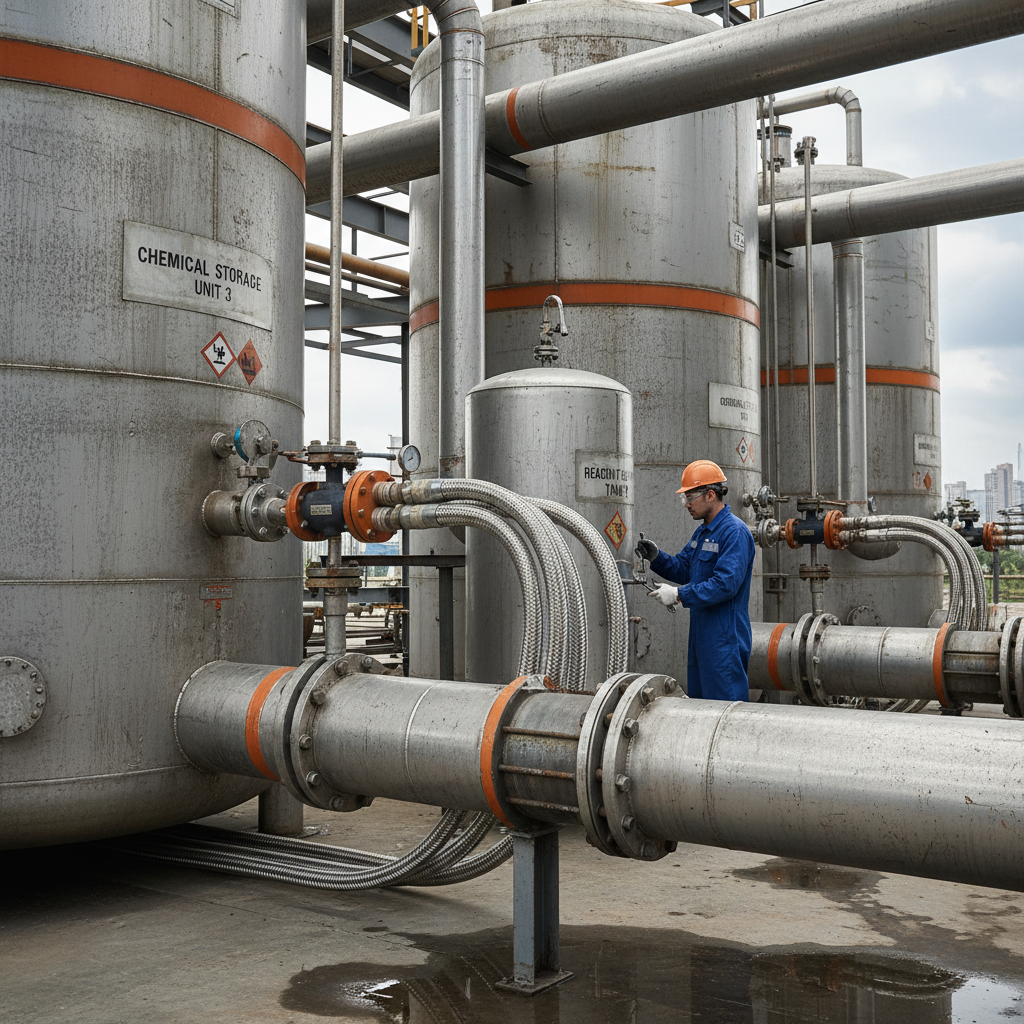
- Chemical Manufacturing: In Europe, major chemical hubs like Germany and the Netherlands use these tanks to store aggressive acids like hydrochloric or sulfuric acid safely, reducing emissions and worker exposure.
- Water Treatment: Asian countries expanding infrastructure utilize ptfe lined tanks to handle chlorinated water or caustic soda, ensuring public drinking water remains uncontaminated.
- Food and Pharma: Strict hygiene and purity standards in the US and Japan require non-reactive tanks to avoid product contamination.
- Post-Disaster Relief: In disaster zones prone to toxic spills or need for clean water reserves, NGOs employ portable ptfe lined tanks to contain and transport fluids safely.
In one remarkable case, a Southeast Asian NGO praised the impact of ptfe lined tanks in swiftly deploying clean water storage that resisted contamination for months after a typhoon struck.
Advantages and Long-Term Value
One obvious benefit is cost savings from reduced corrosion and downtime. But beyond the dollars, ptfe lined tanks contribute to environmental safeguards, reducing chemical spills and waste. They foster safety—a priceless asset in hazardous industries.
On a social level, these tanks support infrastructure that improves health and dignity—clean water access, safe chemical management, reduced contamination of nearby communities. For innovators, they’re platforms for new materials and digital integration, marrying industrial reliability with 21st-century tech.
Future Trends and Innovations
The future of ptfe lined tanks feels excitingly interdisciplinary. Engineering firms are exploring liners made from blends of PTFE with nanomaterials to boost durability and anti-fouling qualities.
Automation is making its way inside tank monitoring—with IoT sensors tracking lining integrity and fluid levels, enabling predictive maintenance. Regulations encouraging greener solutions are pushing manufacturers to create recyclable and lower-carbon-footprint tanks.
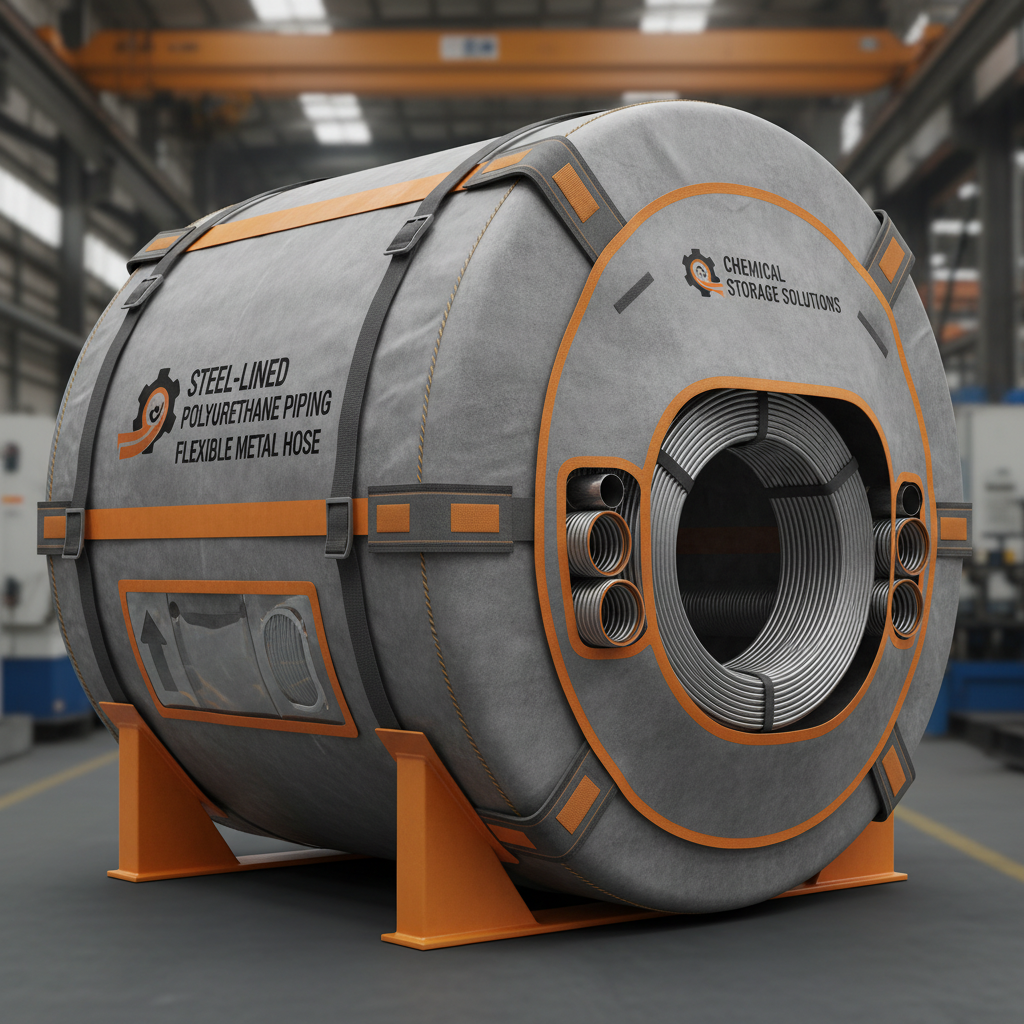
Oddly enough, there's a small but growing market for ptfe lined tanks integrated into modular, containerized chemical processing units—making industrial chemical handling mobile, safer, and quicker to deploy.
Challenges and Solutions
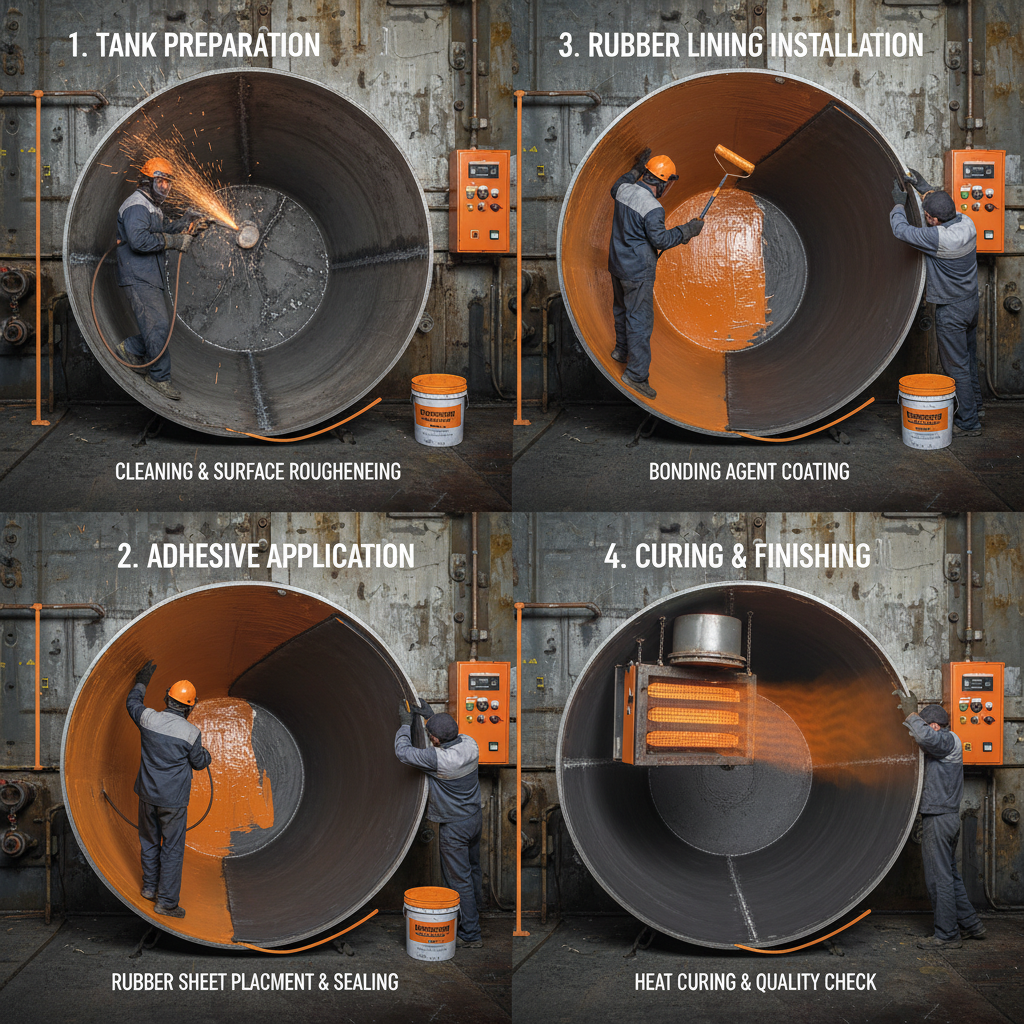
While ptfe lined tanks are impressive, they aren’t free of issues. The lining process requires skilled labor and quality control. Small tears in lining can lead to costly failures.
Also, PTFE itself isn’t very mechanically strong—it needs strong substrate support, which can add weight and cost.
Experts suggest investing in rigorous lining inspection protocols, advanced robotic application techniques, and hybrid lining materials to bridge these gaps.
FAQ: What You Really Want to Know About PTFE Lined Tanks
- How long does a PTFE lined tank typically last?
With proper maintenance, the lining can last 10–20 years, depending on chemical exposure and usage conditions. - Are PTFE lined tanks safe for food-grade storage?
Absolutely. PTFE is chemically inert and FDA-approved for food contact, making them suitable for food and pharmaceutical liquids. - Can I retrofit an existing steel tank with PTFE lining?
Yes, many tanks can be relined, but it’s essential to assess structural integrity first. - How do PTFE lined tanks compare cost-wise to alternatives?
Initial costs are higher, but the extended lifespan and reduced maintenance often result in lower overall lifecycle costs. - Can PTFE lining handle extreme temperatures?
Generally, PTFE functions well from -200°C up to about 260°C, depending on the specific application.
Product Specification Table: Typical PTFE Lined Tank
| Specification | Details |
|---|---|
| Material (Tank Shell) | Carbon Steel / Stainless Steel |
| Lining Material | 100% Virgin PTFE (No fillers) |
| Working Volume | 0.5 m³ – 100 m³ (custom sizes available) |
| Max Operating Temperature | 260°C (approx.) |
| Pressure Rating | Up to 10 bar (design-dependent) |
| Corrosion Resistance | Excellent against acids, alkalis, solvents |
Vendor Comparison: Leading PTFE Lined Tank Providers
| Aspect | QW Metal | ChemTank Solutions | PolyCoat Works |
|---|---|---|---|
| Custom Sizes | Available | Limited | Available |
| Certification Compliance | ISO 9001, CE | ISO 9001 | CE |
| Lead Time | 4-6 weeks | 6-8 weeks | 5-7 weeks |
| After-Sales Support | 24/7 Technical Consultation | Business hours only | Extended warranty options |
| Special Features | Custom digital sensors integration | Standard fiberglass reinforcement | Hybrid multi-layer lining |
Industry professionals often tell me they choose suppliers not only for the tank specs but for the service partnership. It’s that human element behind all the engineering wizardry.
Wrapping Up: Why PTFE Lined Tanks Are Worth Your Attention
So here’s the bottom line: ptfe lined tanks are quietly transforming chemical storage and related industries worldwide. They blend advanced materials science with practical needs, delivering safety, value, and sustainability. Whether you’re running a plant in an industrialized hub, managing water treatment in a developing region, or coordinating disaster relief, these tanks play a vital role.
To explore the latest models or custom solutions, visit QW Metal’s site and see why these tanks might just be the storage answer you didn’t realize you needed.
References:
Related Products
Our main products are polyurethane lined pipes, mining equipment fittings and metal hoses.