PU Screen - Wear-Resistant, Anti-Clogging, High Efficiency
Ask plant operators what they’re replacing this year, and many will quietly point to their screens. I’ve seen it on quarries from Shaanxi to São Paulo: a switch to the Pu Screen often becomes the unsung upgrade that unlocks throughput and sanity-level noise. Honestly, it’s not flashy, but it works.
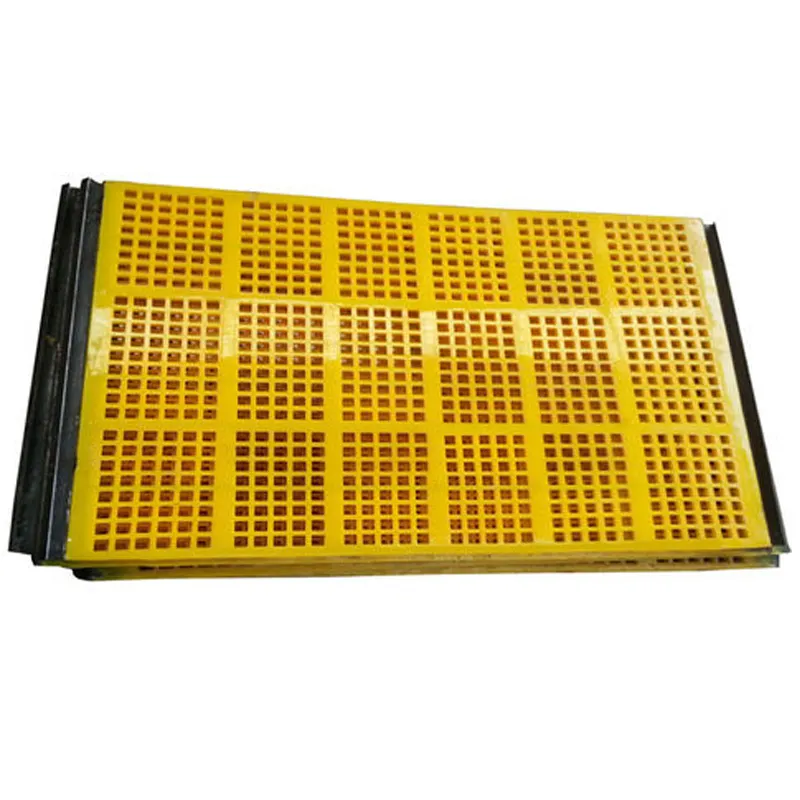
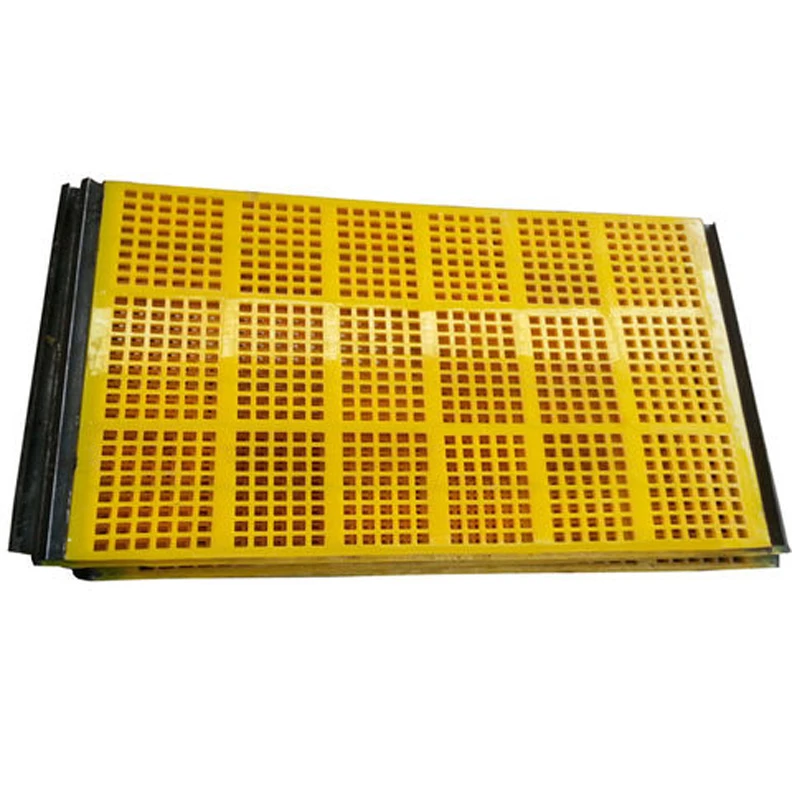
From Yuqiao Village, Jingxin Street, Jing County, Hengshui City, Hebei Province—an area known for polymers and cast elastomers—Polyurethane Screen Panels have become the default in mining, aggregates, and even wastewater dewatering. Compared with steel or rubber, Pu Screen panels deliver longer life, lower noise, and surprisingly consistent cut-points. Many customers say the first week feels “uneventful,” and then you notice the liners aren’t wearing out, and fines aren’t coating everything.
Industry trend snapshot
- Shift to modular Pu Screen decks (fast changeouts, less downtime).
- Finer apertures (down to ≈0.3 mm) for sand beneficiation and ultrafines recovery.
- Noise and dust reduction policies pushing polymer media adoption.
- Data-driven maintenance: wear sensors and batch tracking of panel runs.
Typical specs and real-world numbers
Specs vary by ore type and deck design, but here’s a representative set we’ve validated in the field and lab (real-world use may vary):
| Material | Cast polyurethane (MDI/TDI blends), hydrolysis-stabilized |
| Hardness | Shore A 85 ±3 (ASTM D2240) |
| Apertures | ≈0.3–120 mm; square, slotted, VR (anti-blind) profiles |
| Panel size | 300×300 mm, 305×610 mm, or custom modules |
| Thickness | 30–70 mm (impact zones often 60–70 mm) |
| Open area | Up to ≈45% depending on aperture and bridge width |
| Operating temp | -20 to +80 °C continuous; short peaks to +90 °C |
| Test data | Tensile 35 MPa (ASTM D412), Tear 90 kN/m (ASTM D624), Abrasion 50–70 mm³ (DIN 53516) |
Process flow and QA
Materials: premium PU prepolymer, curatives, silanized fillers for wear; Methods: vacuum casting, pressure cure, post-cure for stability. Aperture tooling is CNC’d to keep tolerances tight (we aim at ISO 3310 aperture accuracy). Testing: hardness (ASTM D2240), tensile/tear (ASTM D412/D624), abrasion (DIN 53516), water absorption (ASTM D570), UV aging (ISO 4892). Service life: around 2–4× steel wire in granite; I’ve seen 6–18 months depending on impact energy and fines content.
Applications
- Mining and aggregates: primary to tertiary decks, dewatering, desliming.
- Coal prep: low-noise, anti-blinding Pu Screen for sticky seams.
- Wastewater: dewatering screens, riffle panels in grit removal.
- Recycling: shredder scalping, glass cullet classification.
Advantages (in plain language)
Lower noise (often -8 to -12 dB), better wear, friendlier changeouts, and fewer pegged holes. To be honest, the first maintenance shutdown after installing Pu Screen is when teams usually become fans.
Vendor comparison at a glance
| Criteria | QWMetal (Hebei) | International Brand | Local OEM |
|---|---|---|---|
| Aperture tolerance | ≈±0.15 mm (ISO 3310-minded) | ≈±0.10 mm | ≈±0.25 mm |
| Certifications | ISO 9001; RoHS pigments on request | ISO 9001/14001 | Varies |
| Lead time | 10–20 days typical | 4–6 weeks | 2–3 weeks |
| Customization | Full molds, colors, hardness | Limited molds | Good, aperture options vary |
| Warranty | 6–12 months (usage-based) | 6–12 months | 3–6 months |
Customization notes
Pick your poison: square vs. slotted apertures, snap-in or pin-and-sleeve fastening, Shore A 80–90, and color-coding by deck to keep crews sane. If you run high-silica granites, ask for thicker impact tops and a slightly harder Pu Screen.
Field results (quick case blurbs)
- Basalt quarry, 3-deck screen: throughput +12%, pegging down ≈70%, changeout time cut by half.
- Coal prep plant: noise -9 dB at operator walkway; panel life from 4 to 10 months.
- Municipal WWTP: dewatering panels boosted dryness from 82% to ≈86% cake solids.
Feedback is oddly consistent: “less babysitting,” which, frankly, is what you want from a screen.
Standards, compliance, and documentation
We build to ISO 9001 quality systems; aperture checks reference ISO 3310 practices; mechanicals per ASTM D412/D2240/D624; abrasion per DIN 53516; optional UV aging per ISO 4892. Lot traceability available.
References
- ISO 3310 Test sieves — Technical requirements and testing. https://www.iso.org
- ASTM D2240, D412, D624 — Rubber/Elastomer hardness and tensile/tear tests. https://www.astm.org
- DIN 53516 — Determination of abrasion resistance of rubber and elastomers. https://www.din.de
- ISO 4892 — Plastics: Methods of exposure to laboratory light sources. https://www.iso.org
- ISO 9001 — Quality management systems. https://www.iso.org
Related Products
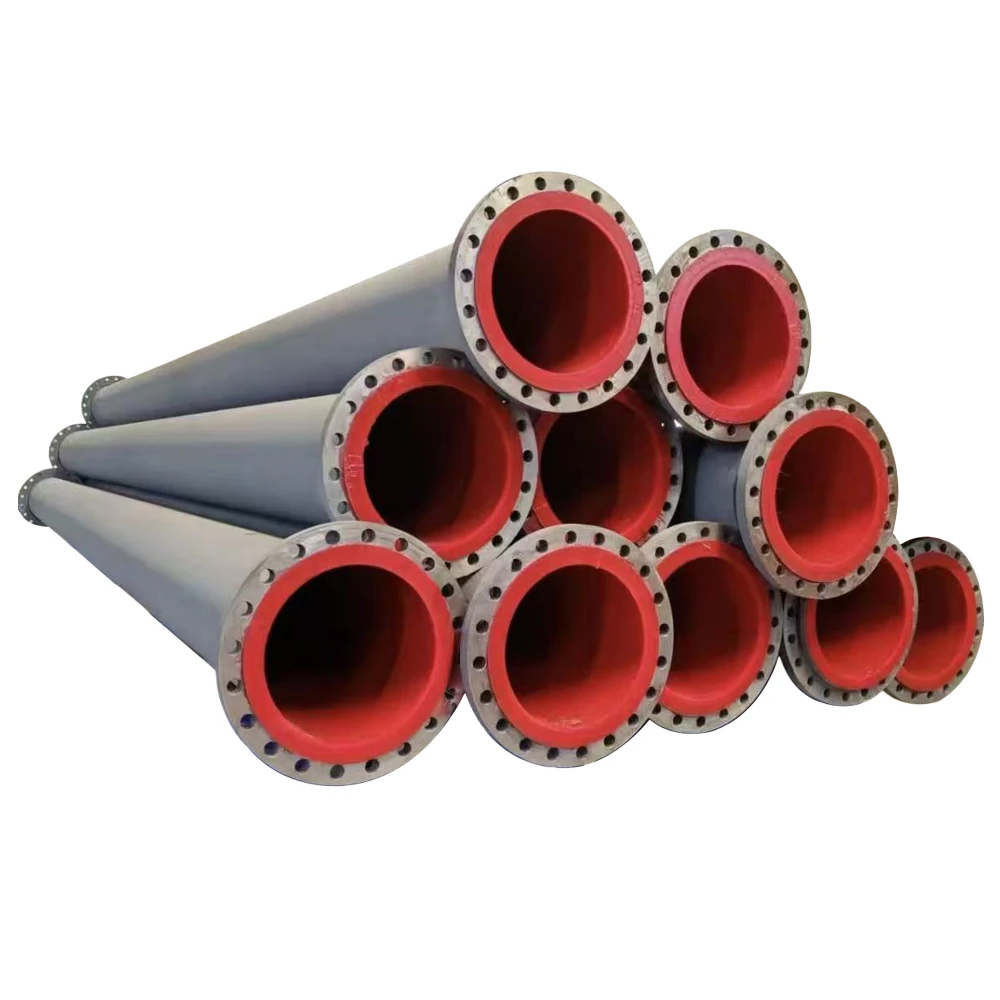
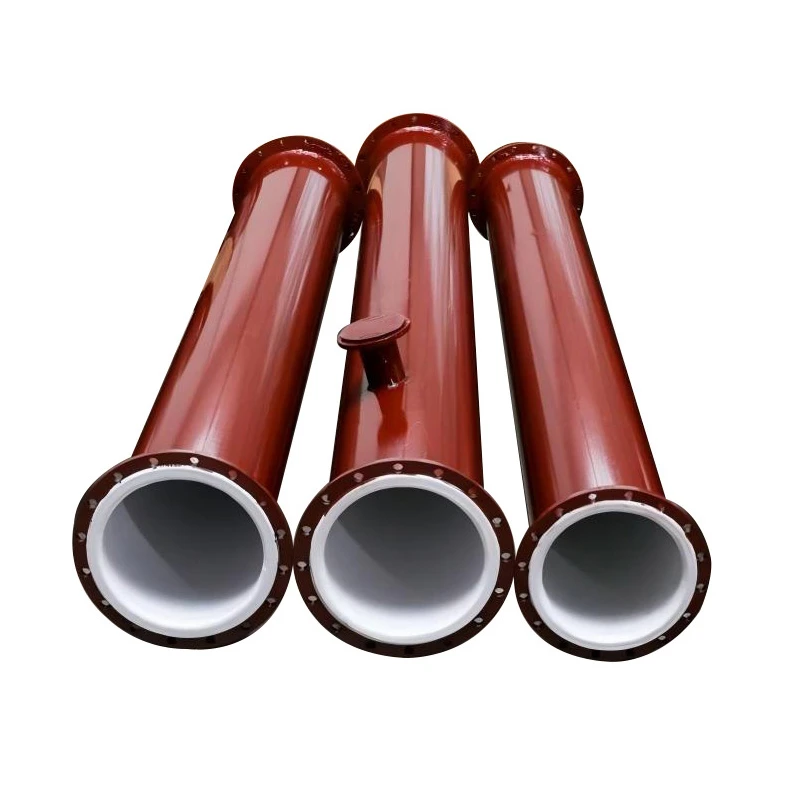
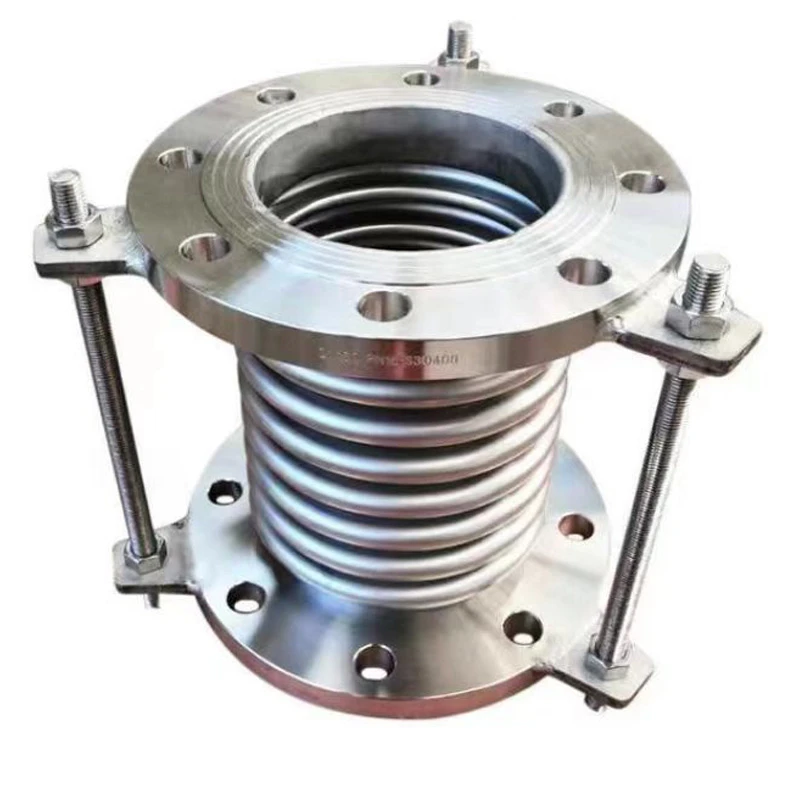
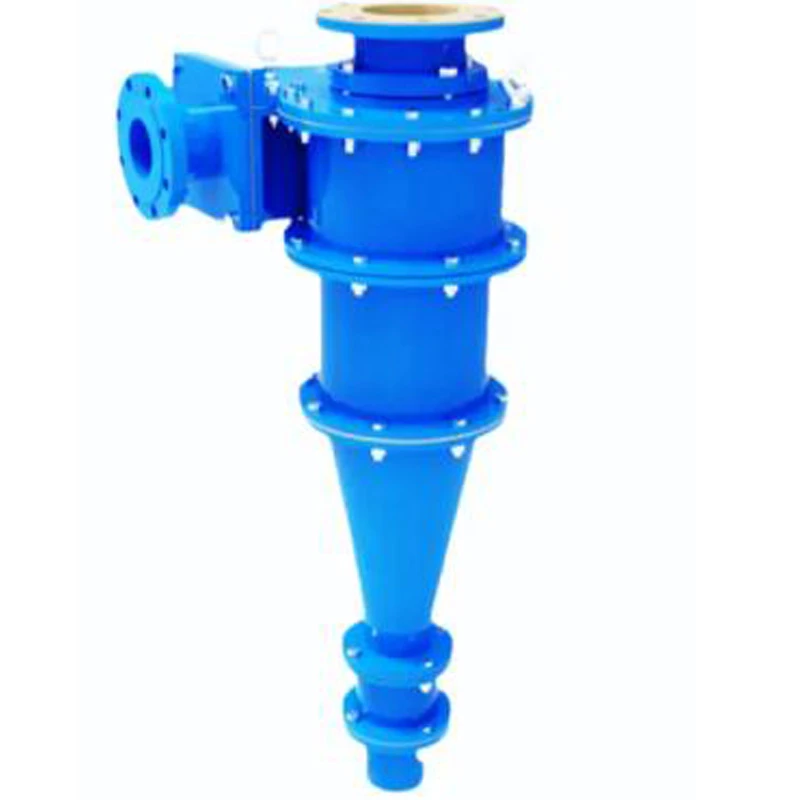
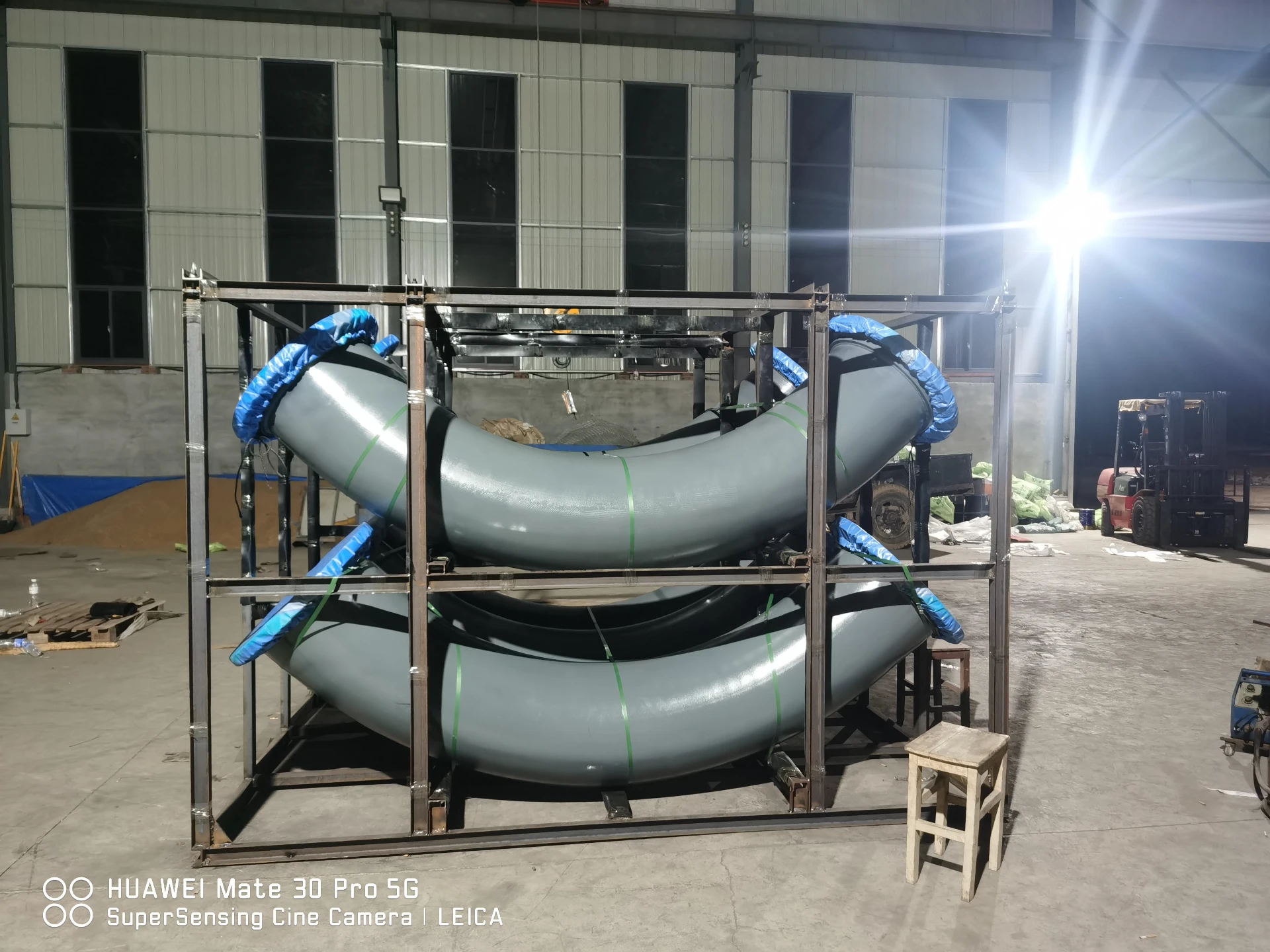
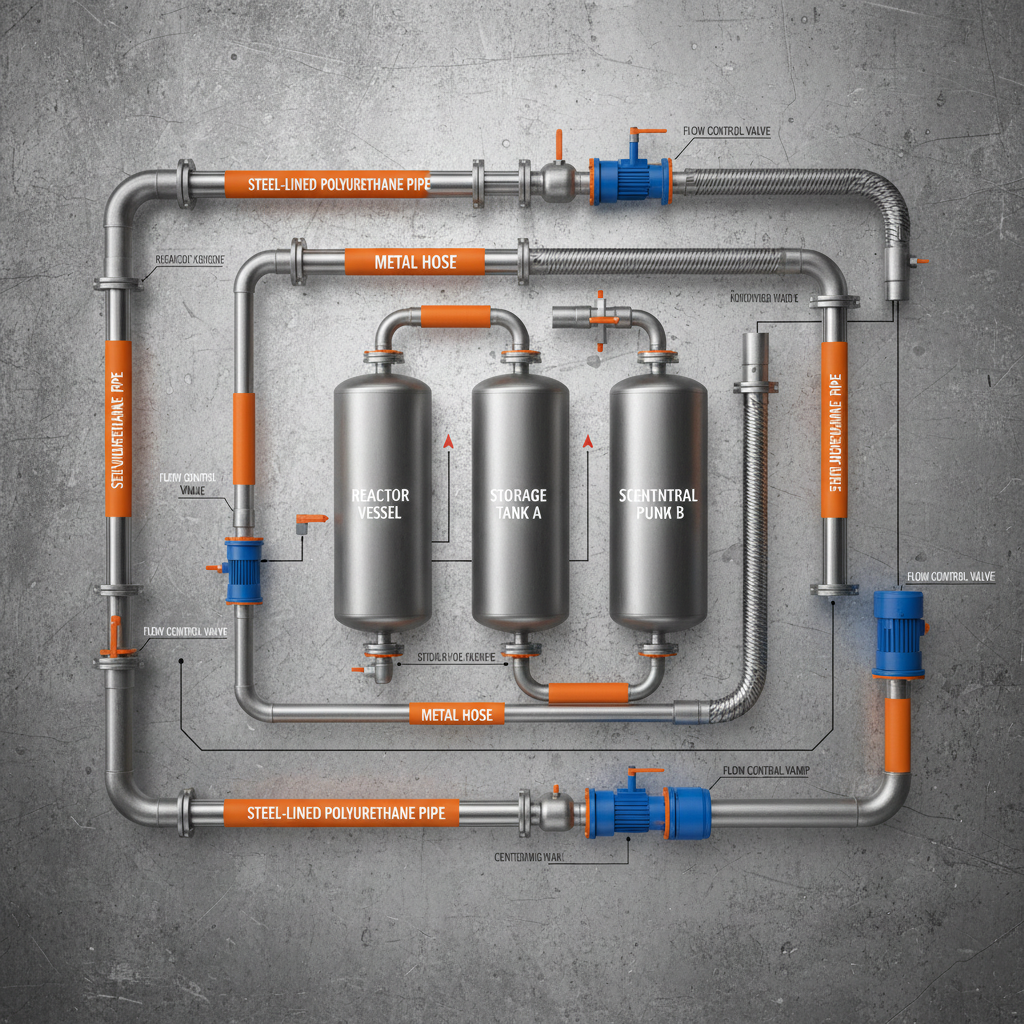
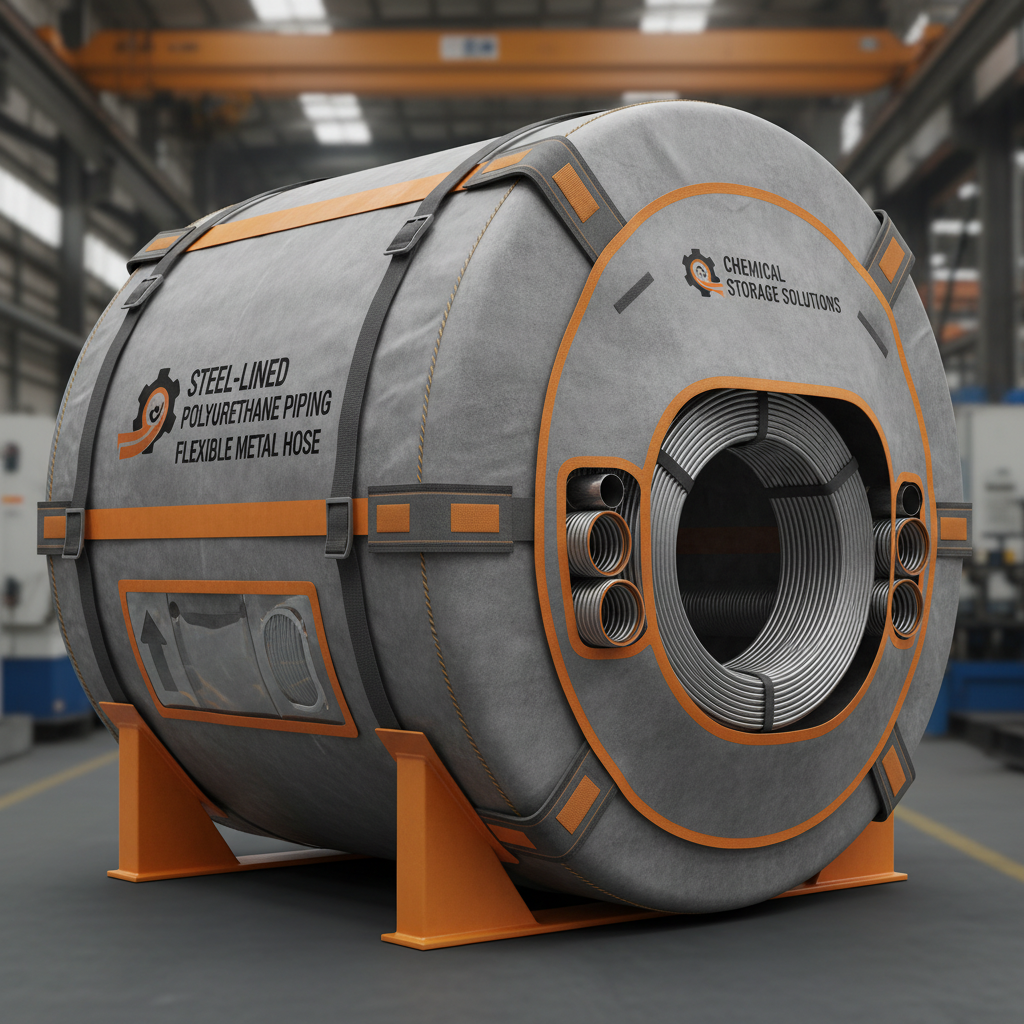
Our main products are polyurethane lined pipes, mining equipment fittings and metal hoses.