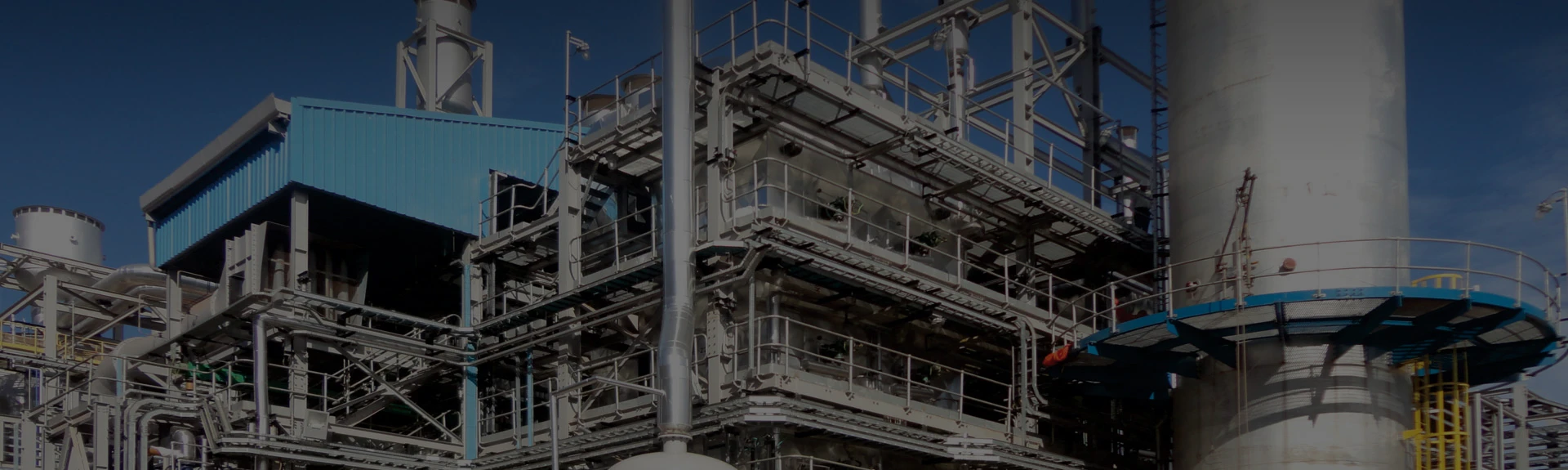
Chemical Storage Tank Solutions for Safe and Sustainable Industrial Storage
Understanding Chemical Storage Tanks: Why They Matter More Than Ever
Chemical storage tanks may not be the flashiest part of industrial infrastructure, but they are certainly one of the most critical. At their core, these tanks are designed to safely hold and manage liquids or gases that might otherwise pose health, environmental, or operational risks. With worldwide industries expanding — from petrochemicals to agriculture and pharmaceuticals — the need to safely store chemicals is a global challenge. Overlooking the specifics of these tanks can lead to costly accidents, environmental damage, or compliance headaches.
Knowing what goes into a chemical storage tank, why it’s needed, and how it’s evolving can make a huge difference both for industrial planners and environmental watchdogs alike.
Global Context: A Growing Need for Safer Chemical Storage
Industries are booming, and so is the demand for reliable chemical storage solutions. According to the United Nations Environment Programme, the chemical sector is set to exceed $6 trillion globally by 2030. This growth naturally escalates the risks of chemical spills, contamination, and hazardous exposures.
Because of this, safety standards such as ISO 20815 and API 650 specify how tanks should be designed and maintained — but it’s not just about compliance. The bigger problem? Many developing regions still operate with outdated or inadequate tanks, risking environmental disasters. Moreover, extreme weather patterns linked to climate change challenge the durability and integrity of these tanks worldwide.
It’s an urgent, worldwide conversation centered on risk management, sustainable design, and technological innovation.
What Exactly Is a Chemical Storage Tank?
Simply put, a chemical storage tank is a container designed to hold chemicals in liquid, gas, or semi-solid states. These tanks can be found in factories, refineries, water treatment plants, and even in humanitarian operations where safe chemical containment is critical.
Unlike basic storage containers, these tanks are crafted to resist chemical reactions, corrosion, and physical wear, sometimes for decades. They function as the backbone for countless processes — delivering everything from fertilizers on farms to solvents in drug manufacturing — while protecting people and the planet.
Core Aspects of Chemical Storage Tanks
Durability and Material Compatibility
One biggie: chemical tanks must stand their ground against corrosive substances. Most tanks use stainless steel, carbon steel with protective linings, or advanced polymers, depending on the chemicals stored.
Design and Scalability
Whether you’re storing 1,000 gallons or 1 million, tanks must be scalable and adaptable, sometimes modular. This affects installation speed, maintenance costs, and flexibility to meet changing industrial needs.
Safety Features
Leak prevention, pressure relief valves, secondary containment — these are must-haves. Safety isn’t just regulatory red tape; it’s protecting workers and nearby communities.
Environmental Impact
Modern tanks increasingly incorporate sustainable materials and offer options for chemical recycling or safer disposal. Thinking green isn’t a trend; it’s becoming integral.
Cost Efficiency
Though upfront investment can be steep, innovations like corrosion-resistant coatings or smart monitoring systems save money and headaches long-term.
Mini takeaway: It’s not just a tank — it’s a precisely engineered, mission-critical system balancing durability, safety, cost, and environmental responsibility.
Where Are Chemical Storage Tanks Making a Difference?
On almost every continent, chemical storage tanks quietly underpin sectors crucial to modern life. For instance:
- Middle East & Asia: Petrochemical hubs like Saudi Arabia rely on massive tank farms for refined products.
- Europe: Where regulations are strict, advanced tanks incorporating IoT sensors track chemical levels and conditions in real time.
- South America: Farms use tanks to store fertilizers and pesticides carefully, preventing soil and water contamination amid environmental concerns.
- Disaster Relief Zones: Portable chemical tanks have been deployed to store safe disinfectants or fuels quickly after emergencies.
These examples highlight the versatility and importance of chemical storage tanks worldwide — often quietly but indispensably present.
Advantages & Long-term Benefits of Proper Chemical Storage
Choosing the right chemical tank isn’t only practical — it’s strategic.
- Safety and Trust: Proper containment builds confidence among employees and local communities.
- Cost Savings: Reduced leaks, maintenance, and downtime translate to significant financial savings.
- Environmental Stewardship: Minimizing spills protects ecosystems and complies with international standards.
- Innovation & Efficiency: Monitoring tech helps optimize inventory and detect issues early.
There’s also an underlying emotional component — knowing people work and live near responsible, well-designed tanks offers peace of mind that technology can deliver on safety promises.
Future Trends Transforming Chemical Storage Tanks
It feels like we’re just scratching the surface here. Some trends to watch:
- Smart Tanks: Sensors for chemical composition, leaks, and temperature streamed directly to operators.
- Green Materials: Bioplastics and other sustainable materials edging into tank production.
- Automation & Remote Monitoring: Less human error, more predictive maintenance.
- Modular & Mobile Designs: Easier transport and installation in remote or temporary sites.
The future is a mash-up of engineering prowess and environmental urgency — which, oddly enough, is driving a renaissance of chemical containment technology.
Challenges & How Industry Is Tackling Them
Of course, everything’s not seamless. Challenges include:
- Corrosion & Wear: Despite advanced materials, tanks still degrade, sometimes unexpectedly.
- Cost Barriers: Smaller companies or regions struggle to afford the latest tech.
- Regulation Compliance: Navigating a patchwork of local and international rules can be complex.
- Environmental Risks: Potential leaks or improper disposal have serious consequences.
Experts recommend frequent inspections, investing in predictive maintenance tools, and fostering global standards cooperation to ease some of these burdens.
FAQ: Chemical Storage Tank Essentials
Q1: How long can a chemical storage tank typically last?
A: With proper material selection and maintenance, tanks can last 20-30 years or more. Corrosive chemicals shorten lifespans, so protective linings and regular inspections are critical.
Q2: Are chemical storage tanks customizable for different industries?
A: Absolutely. Tanks can be designed with specific materials, sizes, and safety features tailored to chemicals from acids to liquid fertilizers.
Q3: What maintenance practices ensure tank safety?
A: Routine inspections, cleaning, corrosion monitoring, and testing of safety valves are typical best practices advised by industry standards.
Q4: Can chemical storage tanks be relocated?
A: Modular and mobile tanks are an option, especially useful in temporary industrial sites or emergency response, but permanent tanks require specialized decommissioning processes.
Q5: How does climate change impact chemical storage tanks?
A: Changing weather, like increased storms or heat, stresses tank structures, demanding more resilient design and flood-safe installation.
Product Specification Table: Typical Chemical Storage Tank
| Specification | Details |
|---|---|
| Material | Carbon Steel with Epoxy Coating / Stainless Steel / HDPE |
| Capacity Range | 500 to 1,000,000+ gallons |
| Inner Lining | Epoxy, Rubber, or Polymer-based linings for chemical resistance |
| Safety Features | Pressure relief valves, leak detection, secondary containment |
| Typical Lifespan | 20 to 30 years with maintenance |
| Monitoring | Optional IoT sensors for remote monitoring |
Comparing Popular Chemical Storage Tank Vendors
| Vendor | Material Options | Customization | Price Range | Support & Maintenance |
|---|---|---|---|---|
| QW Metal Tanks | Carbon Steel, Stainless, HDPE | High – modular designs & coatings | $$$ (mid to high) | 24/7 global support & inspection |
| GlobalTank Co. | Carbon & Stainless Steel | Medium – standard sizes | $$ (mid-range) | Standard warranty & onsite visits |
| EcoStor Solutions | HDPE & Bioplastics | Low – focus on eco materials | $$ (competitive) | Consultation & sustainability audits |
Wrapping It Up: Why Chemical Storage Tanks Still Matter Tomorrow
If you take one thing away, it should be this: chemical storage tanks aren’t just steel or plastic vessels; they’re safety guardians and silent enablers of modern life. Whether you’re running a refinery, managing a farm, or coordinating disaster relief — reliable chemical containment supports everything. And with the pace of innovation accelerating, these tanks will be smarter, greener, and more adaptable than ever.
Curious to learn more or need a tailored solution? Visit our website: https://www.qwmetal.com and explore how modern chemical storage tanks can safeguard your future.
Mini takeaway: The humble chemical storage tank may just be the unsung hero in the quest for safety, sustainability, and industrial progress. Keep an eye on it.
References

Related Products
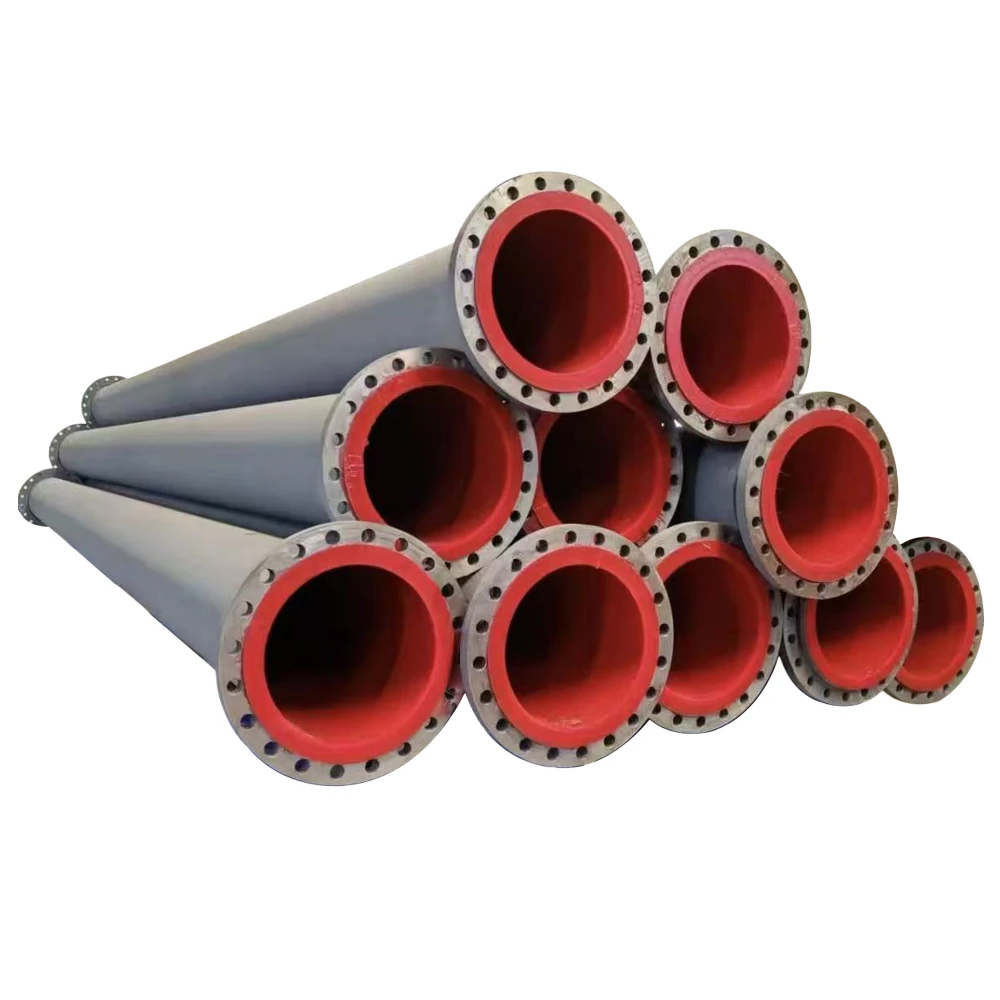
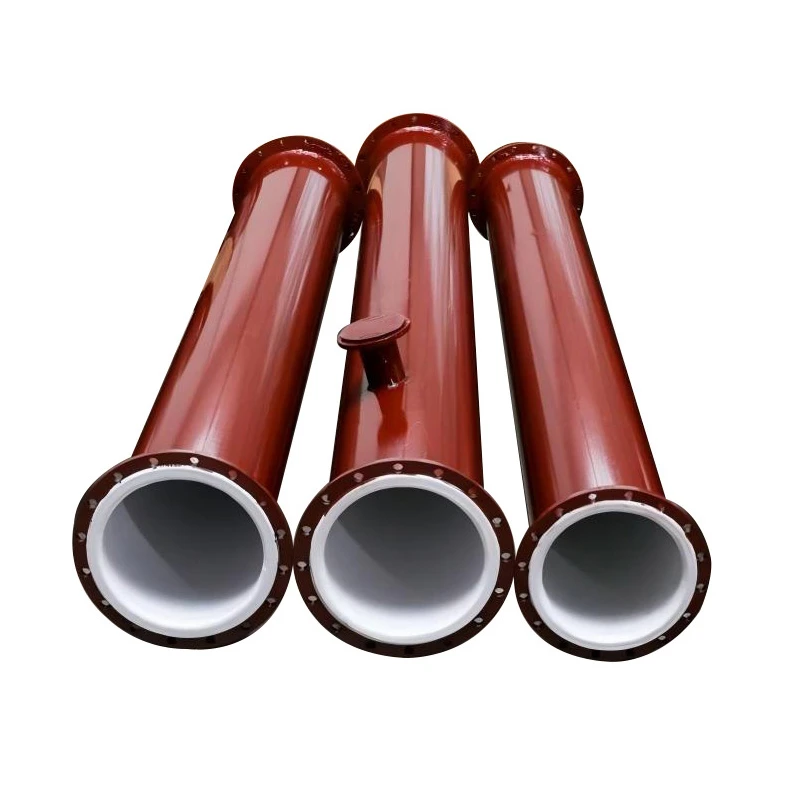
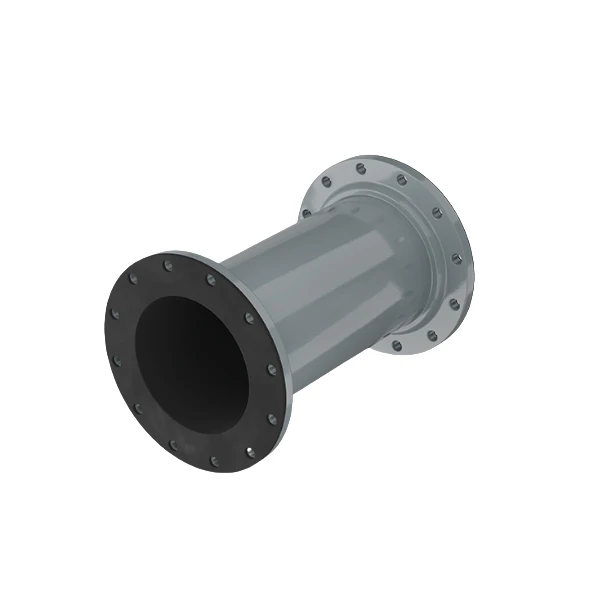
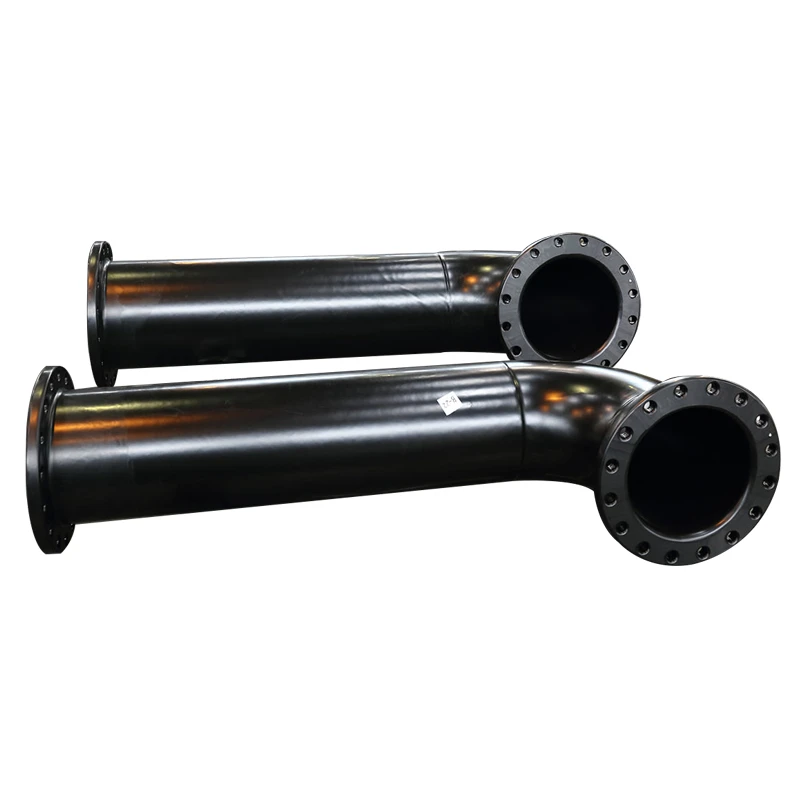
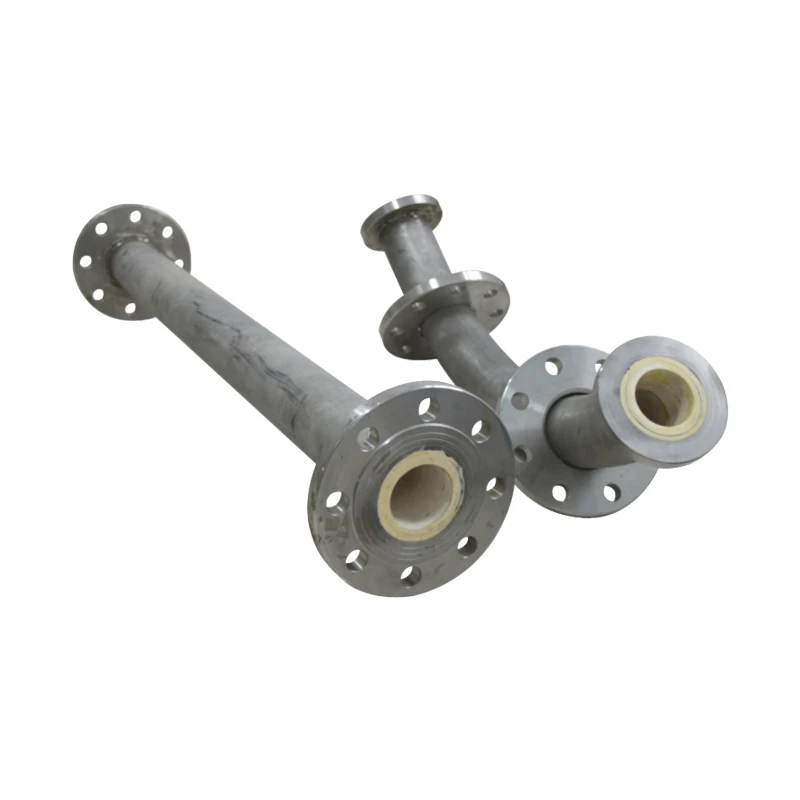
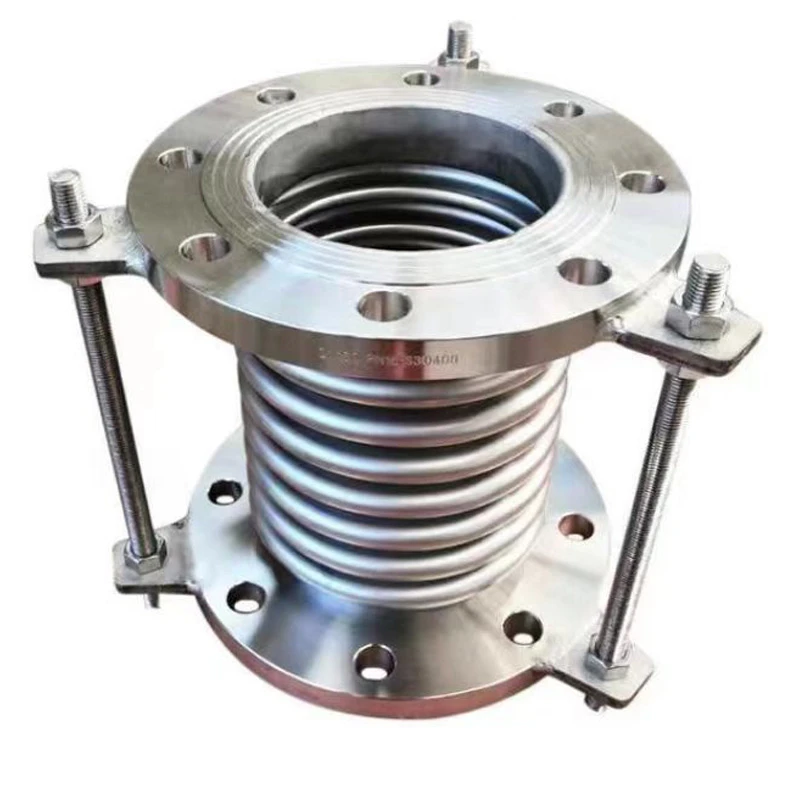
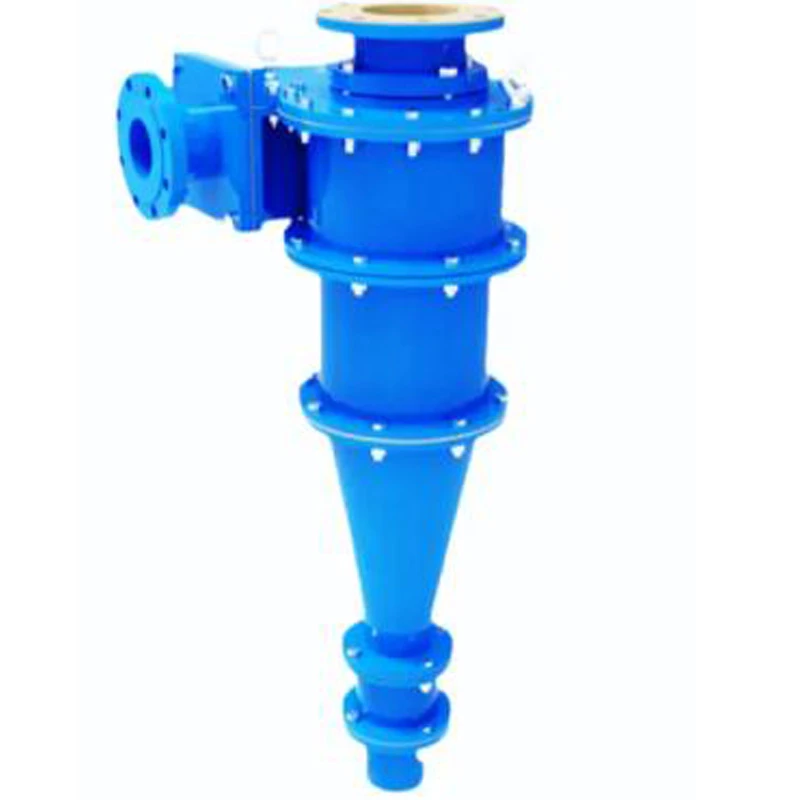
Our main products are polyurethane lined pipes, mining equipment fittings and metal hoses.