Tank Chemical Solutions: Enhancing Storage Safety & Efficiency Globally
Understanding Tank Chemical: A Critical Component in Modern Industry
It might seem like a niche term at first, but tank chemical solutions are actually an unsung hero in many sectors worldwide. Essentially, these are chemicals used to clean, maintain, or condition tanks that hold anything from drinking water to industrial fuels or even hazardous waste. Why is it critical? Because tanks are everywhere — in manufacturing, agriculture, humanitarian aid, water treatment, and just about any large-scale storage application. Without proper management via tank chemicals, contamination or degradation risks skyrocket, threatening plant safety, product quality, and even global supply chains.
Grasping the importance of tank chemical usage can illuminate key benefits — like extending storage lifespan, ensuring safety, reducing environmental impact, and ultimately supporting industries that millions depend on daily.
A Global Perspective: Why Tank Chemical Matters
Worldwide, industries are facing mounting pressures to improve environmental standards, reduce operational costs, and guarantee safety. The International Organization for Standardization (ISO) alone has seen a steady rise in demand for chemical treatment standards related to tanks and storage. According to a recent UN Industrial Development Organization report, failures in storage tanks due to corrosion or contamination cost billions annually, not to mention the environmental toll. This is where tank chemical treatments come in — helping industrial operators worldwide to mitigate risks and improve compliance.
Take water treatment facilities in Asia or oil refineries in the Middle East: without efficient chemical tank maintenance, system downtime and contamination could lead to significant disruptions. It's a sharper challenge in remote or disaster-stricken zones where tank maintenance isn’t just cost-saving but a public health imperative.
Mini takeaway: Tank chemical treatments aren’t just about preserving tanks—they underpin global operational continuity and safety.
What Exactly Is Tank Chemical?
Simply put, tank chemicals are specialized substances tailored to maintain the interior and exterior surfaces of storage tanks. This includes anti-corrosive agents, cleaning solutions, biocides, stabilizers, and scale removers. Their purpose is to protect tanks from rust, sediment buildup, microbial growth, and chemical degradation.
Modern industry relies heavily on these chemicals because tanks themselves aren’t just passive containers; their integrity directly affects everything from food safety to fuel quality. In humanitarian contexts — think post-disaster water storage — tank chemicals can mean the difference between safe drinking water and disease outbreaks. They connect deeply with sustainable storage practices.
Key Components of Effective Tank Chemical Solutions
1. Corrosion Inhibition
Corrosion is the silent enemy inside most metal tanks, slowly eating away at the structure. Tank chemicals that inhibit corrosion form protective films or react chemically to prevent oxidation, greatly extending tank life and preventing leaks.
2. Biocidal Action
In water storage or even in some fuel tanks, microbial growth can cause blockages or spoil the contents. Tank chemicals with biocidal properties kill or suppress these organisms, ensuring cleaner contents and fewer clogs.
3. Residue and Sediment Removal
Accumulated sediments compromise storage efficiency. Specialized detergents and dispersants clean the inside surfaces, helping maintain capacity and prevent contamination.
4. Stability and Compatibility
Tank chemicals must be compatible with the tank material and stored substance, maintaining chemical stability to avoid adverse reactions or damage to either tank or contents.
5. Eco-Friendliness
With environmental concerns climbing, more tank chemical formulations emphasize biodegradability and reduced toxicity, aiding regulatory compliance and worker safety.
Mini takeaway: Choosing a tank chemical isn't just grabbing what's on the shelf—understanding the chemical interactions and tank context is vital.
Global Use Cases of Tank Chemical Applications
- Water Treatment Plants (Europe & Asia): Tank chemicals used to prevent biofilm buildup and corrosion maintain water quality and reduce costly shutdowns.
- Oil & Gas Storage (Middle East & North America): Anti-corrosion and stabilizer chemicals prevent tank degradation and preserve fuel quality under harsh climates.
- Agricultural Storage Tanks (Africa & South America): Biocides and cleaning agents prevent mold and residue accumulation, ensuring healthy agrochemicals and irrigation water.
- Humanitarian Relief (Global): In disaster zones, rapidly deployable tanks treated with safe chemical agents keep drinking water clean and safe, reducing outbreak risks.
Recently, a humanitarian NGO shared how proper chemical treatments in storage tanks helped maintain water quality for refugee camps in Southeast Asia, where logistics and infrastructure pose harsh challenges. It’s these real-world stories that highlight the practical life-saving value of tank chemical use.
The Advantages and Long-Term Value of Tank Chemicals
Cost-wise, investing in proper tank chemical maintenance drastically cuts down on repairs and replacement costs. In environmental terms, preventing leaks and contamination reduces soil and water pollution risks. Socially, consumers and workers benefit from enhanced safety and dignity — no one wants to drink contaminated water or handle unstable chemicals.
Plus, many industries note increased trust from customers and regulators thanks to improved storage integrity and adherence to safety standards. There’s an emotional satisfaction too: knowing that behind the scenes, a bit of chemistry prevents chaos.
Innovation & Future Trends in Tank Chemical Solutions
The future of tank chemicals is trending toward greener formulations, incorporating nanotechnology for better surface protection, and digital monitoring integration. Imagine smart tanks with sensors communicating tank conditions, enabling precise, environmentally friendly chemical dosing — reducing waste and optimizing maintenance cycles.
Additionally, automation in chemical distribution and application is becoming a reality in large industrial setups, contributing further to sustainability and cost-savings.
Challenges and How Experts Tackle Them
Despite advances, challenges persist: chemical disposal concerns, compatibility issues with novel tank materials, and achieving uniform coverage inside massive tanks. Experts suggest innovations like ultrasonic-assisted chemical cleaning and tailored formula blends help solve these, alongside comprehensive operator training programs.
Frankly, it’s a slow evolution because tank chemical systems are often overlooked until issues arise, but awareness is improving steadily.
FAQ: Practical Questions About Tank Chemical
Q: How often should tanks be treated with chemical agents?
A: Treatment frequency depends on tank use, content type, and environmental exposure, but routine schedules every 6–12 months are common in industrial operations to prevent corrosion and contamination.
Q: Are these chemicals safe for tanks storing potable water?
A: Yes, specialized formulations approved by agencies like the EPA are available that maintain water safety standards when properly applied and rinsed.
Q: How do I select the right tank chemical for a fuel storage tank?
A: You’ll want chemicals designed specifically for hydrocarbon compatibility, with corrosion inhibitors and stabilizers suited to the tank’s material and climate conditions.
Q: Can tank chemicals be used in plastic tanks?
A: Certain formulations are compatible with plastic/ composite tanks, but always verify compatibility to avoid degradation or leaching issues.
Q: What environmental regulations affect tank chemical use?
A: Regulations vary, but generally chemicals must comply with local environmental protection laws regarding toxicity and disposal. Always consult regulatory guidelines before use.
Product Specification & Vendor Comparison: A Snapshot
| Specification | Typical Tank Chemical A | Typical Tank Chemical B |
|---|---|---|
| Corrosion Protection | High | Medium |
| Biocidal Effectiveness | Excellent (Broad spectrum) | Good (Limited strains) |
| Eco-Friendly Rating | High (Biodegradable) | Low (Contains solvents) |
| Maximum Operating Temp | 90°C (194°F) | 75°C (167°F) |
| Typical Application Method | Spray / Circulation | Manual Pouring |
| Vendor | Specialization | Price Range | Global Reach |
|---|---|---|---|
| ChemGuard Industries | Eco-friendly tank chemical solutions | $$$ | Worldwide (50+ countries) |
| TankSafe Co. | Industrial corrosion inhibitors | $$ | North America & Europe |
| BioPure Chemicals | Biocide-focused tank treatments | $$ | Asia-Pacific, Africa |
Final Thoughts
Ultimately, tank chemical solutions play a vital and often underappreciated role in sustaining industries, environmental protection, and public health globally. From preventing corrosion in massive oil tanks to protecting water supplies in remote locations, their long-term benefits are multifaceted and increasingly indispensable. If you’re interested in learning more or sourcing effective tank chemical solutions tailored to your needs, don't hesitate to visit our site which hosts a wide range of products and expert advice.
Just a simple chemical treatment — but one that quietly sustains the world’s infrastructure every day.
References:
1. ISO standards on tank maintenance
2. Corrosion - Wikipedia
3. UNIDO Industrial Reports


Related Products
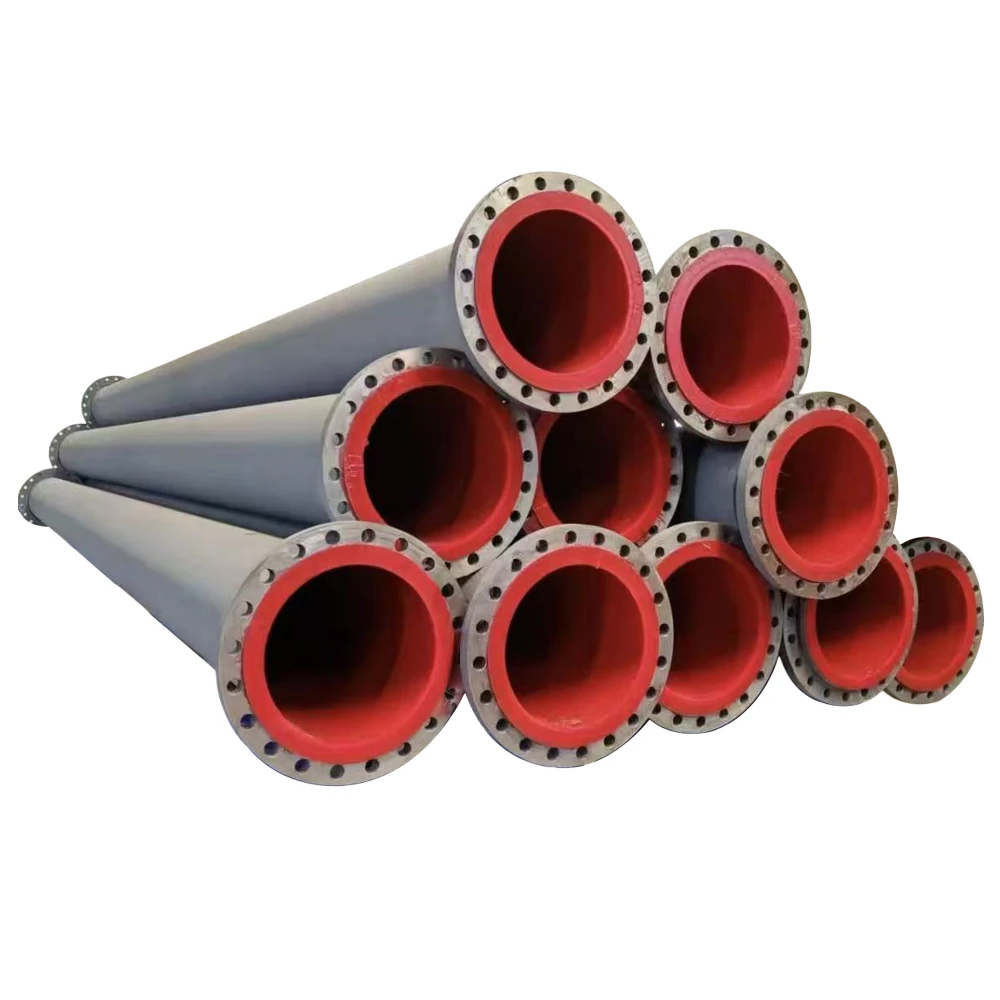
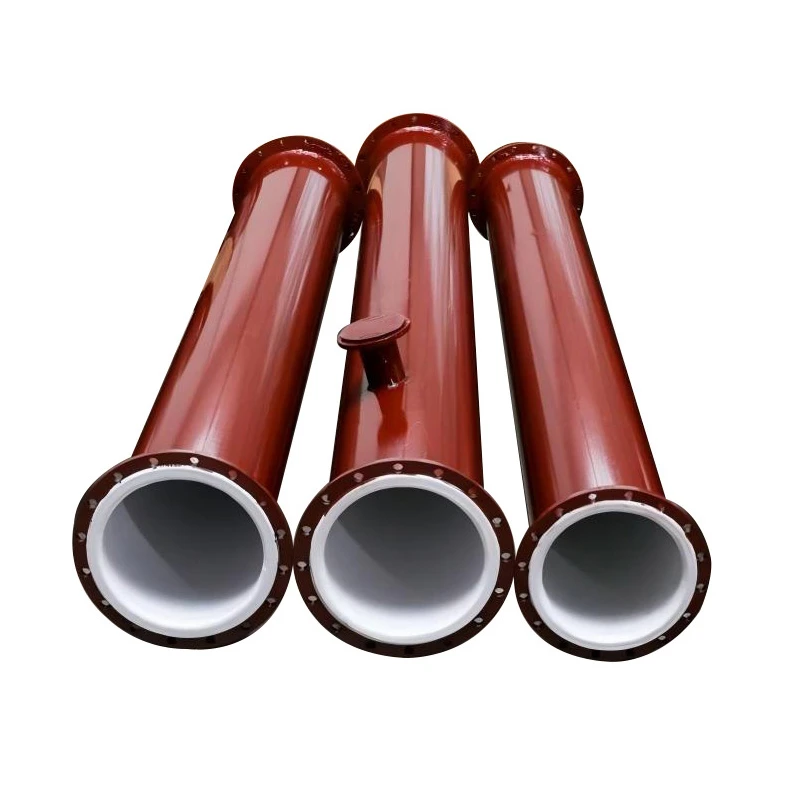
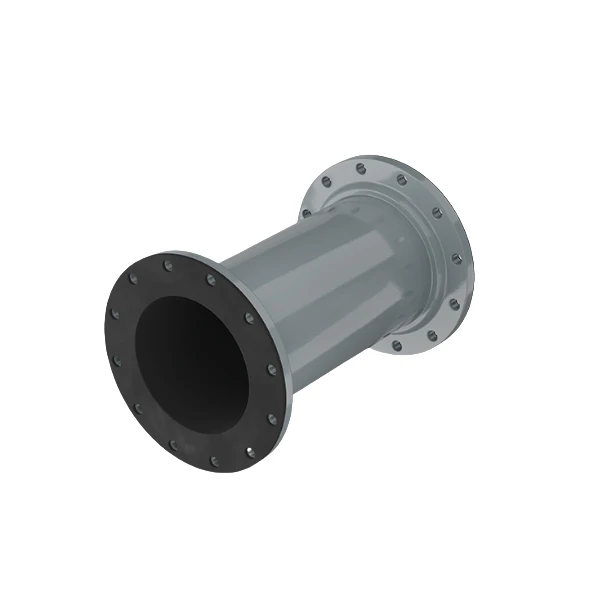
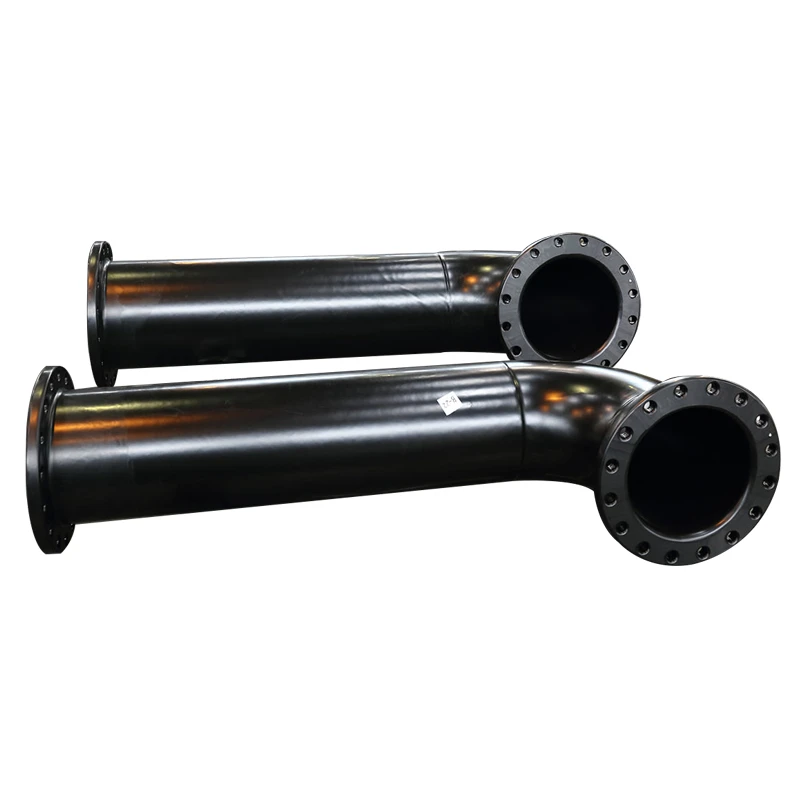
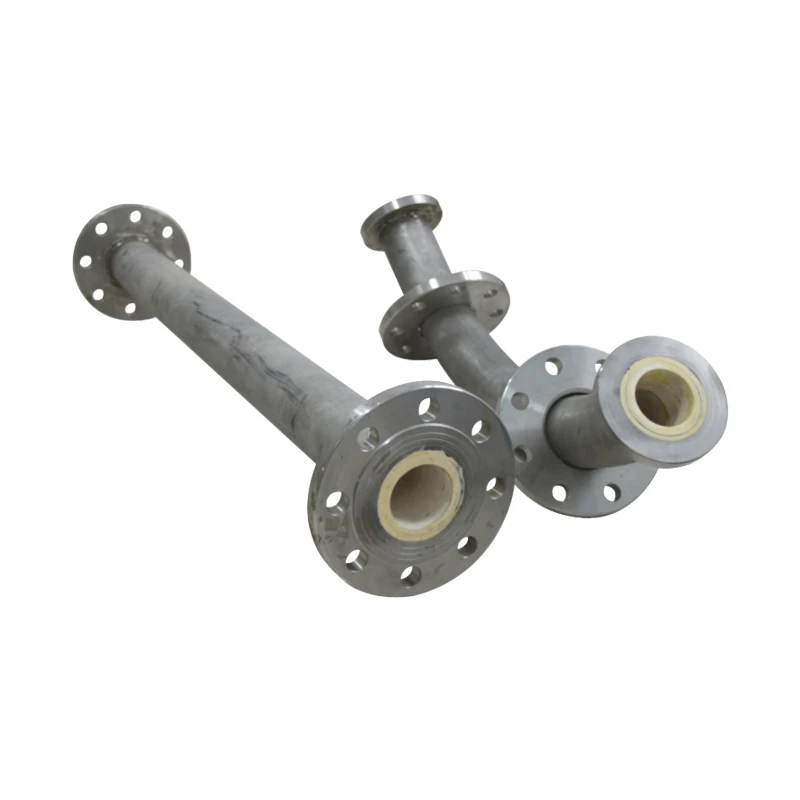
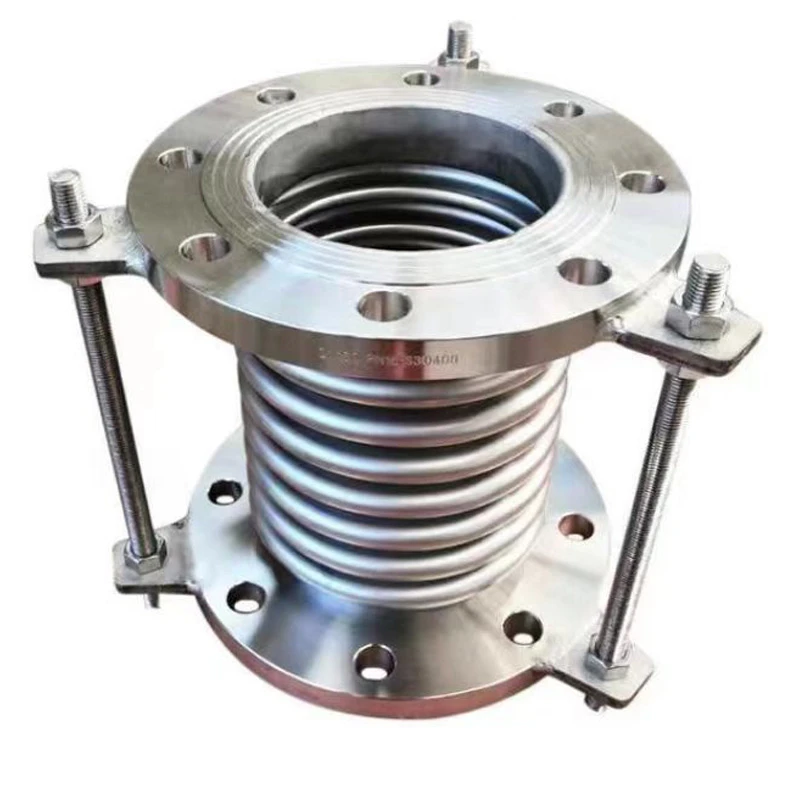
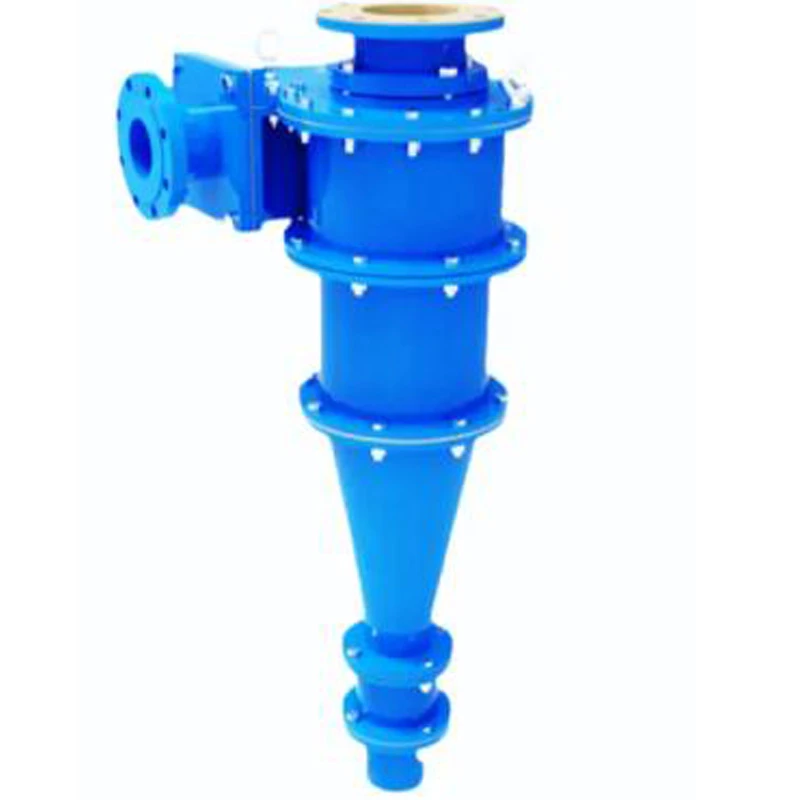
Our main products are polyurethane lined pipes, mining equipment fittings and metal hoses.