Comprehensive Guide to Durable Rubber Lined Tank Solutions
Rubber Lined Tanks: A Comprehensive Guide
Rubber lined tanks are crucial components in numerous industries, offering robust corrosion protection and containment solutions. From chemical processing to water treatment, these tanks play a vital role in ensuring safe and efficient operations. This article delves into the benefits, applications, materials, and considerations when choosing a rubber lined tank, providing a detailed overview for engineers, procurement professionals, and industry stakeholders. Understanding the intricacies of these tanks is key to maximizing their lifespan and performance.
What are Rubber Lined Tanks?
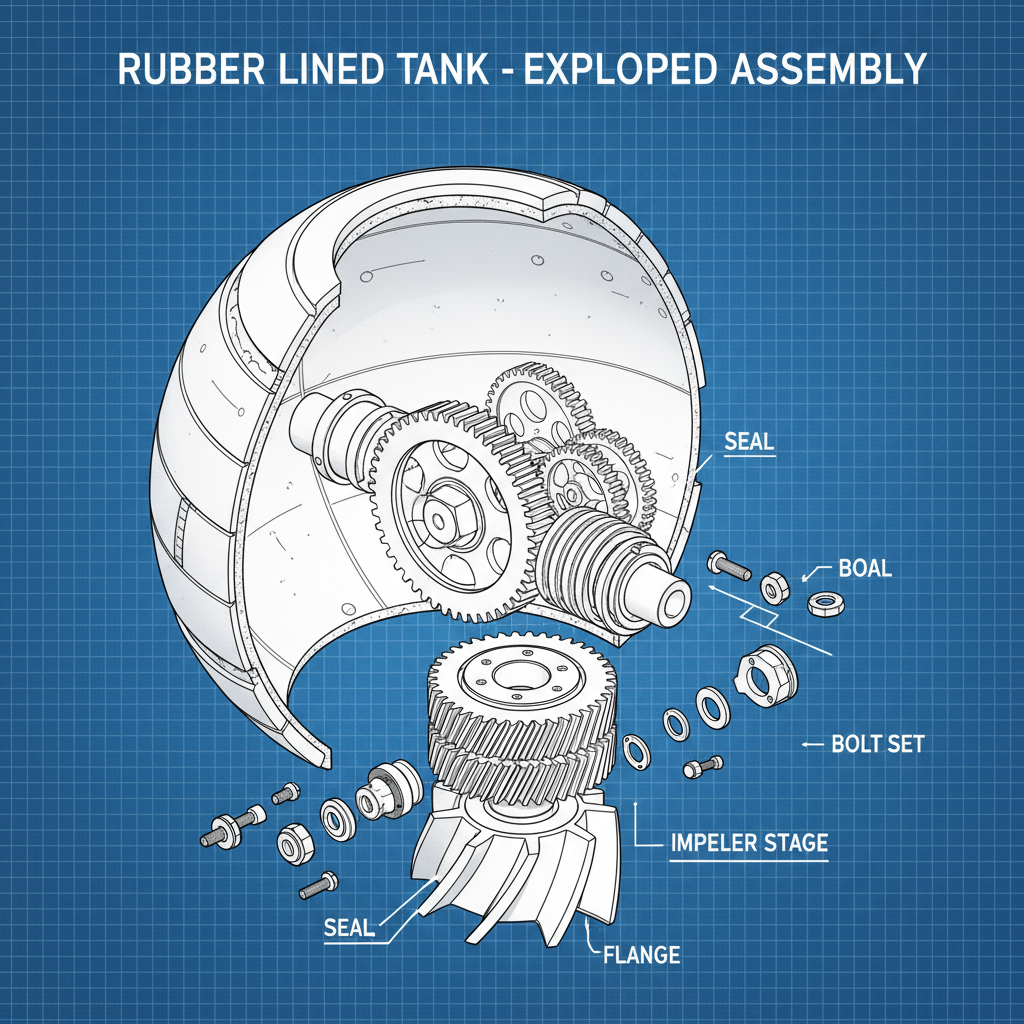
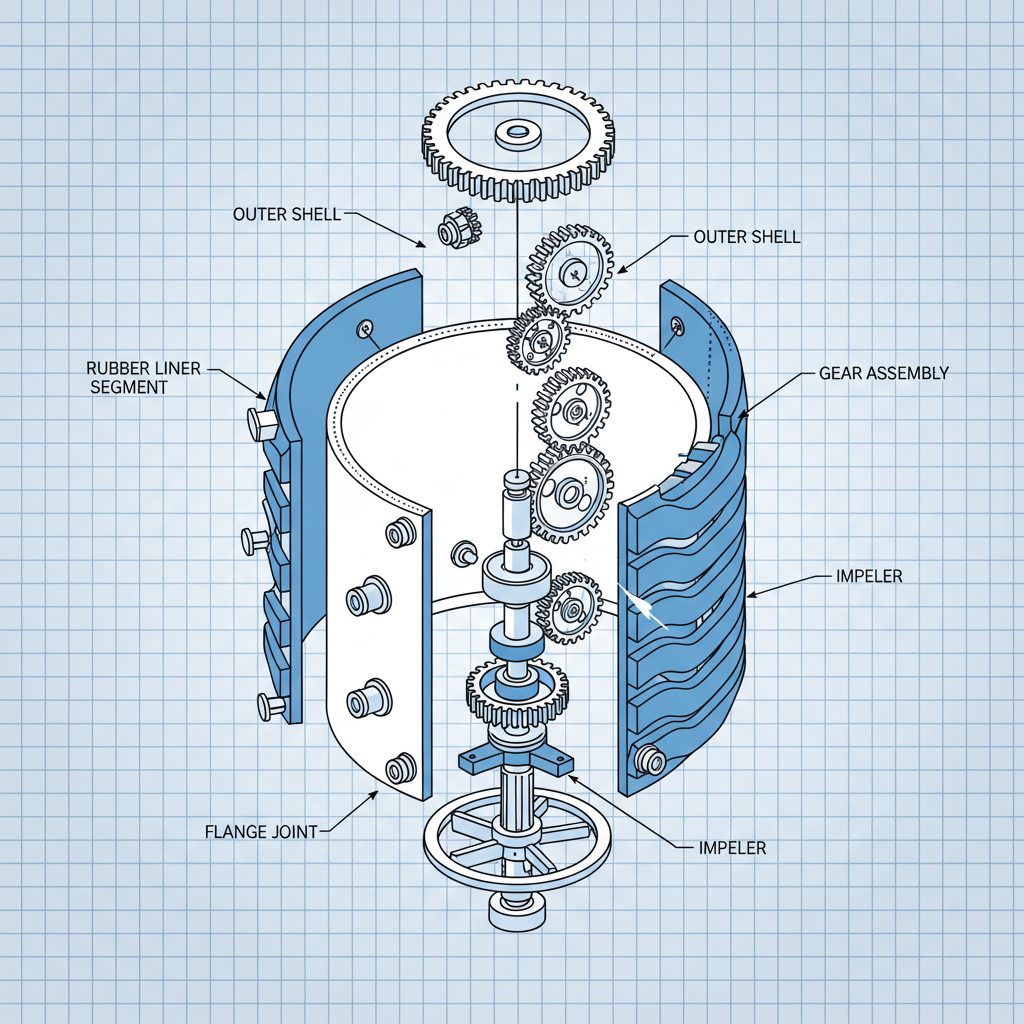
A rubber lined tank is essentially a steel tank internally coated with a layer of rubber. This lining serves as a barrier between the stored substance and the steel, preventing corrosion and contamination. The steel provides structural strength, while the rubber offers chemical resistance. Common rubber linings include natural rubber, butyl rubber, chlorobutyl rubber, and EPDM, each offering different properties suitable for specific applications. The application process involves bonding the rubber lining to the steel shell, creating a seamless and durable protective layer. This method is vastly preferred over other coating methods due to its superior longevity and resistance to aggressive chemicals.
Key Benefits: Superior corrosion resistance, prevention of product contamination, extended tank lifespan, cost-effectiveness compared to exotic materials.
Applications of Rubber Lined Tanks
The versatility of rubber lined tanks allows for widespread use across many industries. In the chemical processing industry, they safely store and handle aggressive acids, alkalis, and solvents. Water and wastewater treatment plants utilize them for storing chemicals like chlorine and sodium hypochlorite. The food and beverage industry employs them for storing and processing a range of products, ensuring purity and hygiene. Mining operations benefit from their ability to contain corrosive slurries and leach solutions. Pharmaceutical companies rely on them for storing and handling sensitive ingredients. Essentially, any application involving corrosive substances can benefit from a rubber lined tank.
Common Industries:
• Chemical Processing
• Water & Wastewater Treatment
• Food & Beverage
• Mining
• Pharmaceutical
Choosing the Right Rubber Lining: A Comparison
Selecting the appropriate rubber lining material is crucial for ensuring compatibility with the stored substance and optimal tank performance. Each rubber type possesses unique properties, impacting its resistance to specific chemicals, temperature ranges, and abrasion. Natural rubber offers good flexibility and abrasion resistance but is susceptible to oils and solvents. Butyl rubber excels in gas impermeability and resistance to swelling in petroleum products. Chlorobutyl rubber offers improved chemical resistance compared to butyl. EPDM exhibits excellent resistance to weathering, ozone, and various chemicals. QW Metal specializes in guiding clients towards the ideal rubber lining solution for their specific needs.
Quality Control and Manufacturing Standards
Maintaining rigorous quality control throughout the manufacturing process is paramount. This includes thorough steel preparation, proper rubber mixing and application, and comprehensive testing to ensure a flawless bond and absence of defects. Reputable manufacturers adhere to industry standards such as ISO 9001 to demonstrate their commitment to quality. Non-destructive testing methods, like ultrasonic inspection, are employed to verify the integrity of the rubber lining. QW Metal prioritizes quality and employs stringent testing procedures to guarantee the longevity and reliability of our rubber lined tanks.
Long-Term Maintenance and Inspection
While rubber lined tanks are incredibly durable, regular maintenance and inspection are essential to maximize their lifespan. Periodic visual inspections should be conducted to identify any signs of damage, such as cracks, blisters, or wear. Avoid abrasive cleaning methods that could compromise the rubber lining. Implement a scheduled maintenance program to address minor issues before they escalate. Proper handling of the stored substance is crucial to prevent premature degradation of the lining. By following these best practices, you can ensure the continued reliable performance of your rubber lined tank.
Conclusion: Investing in Reliable Containment
Rubber lined tanks provide a cost-effective and reliable solution for storing and handling corrosive substances. Choosing the right materials, adhering to quality control standards, and implementing a proactive maintenance program are vital for maximizing their lifespan and ensuring safe operations. QW Metal is your trusted partner for high-quality rubber lined tanks, offering expert guidance and tailored solutions.
Frequently Asked Questions (FAQs)
What is the typical lifespan of a rubber lined tank?
The lifespan of a rubber lined tank varies depending on the stored substance, operating temperature, and maintenance practices. However, with proper care, a well-constructed rubber lined tank can reliably operate for 15-25 years, or even longer. Regular inspections and adherence to recommended maintenance procedures are crucial for maximizing its lifespan. The choice of rubber lining material, optimized for the specific application, significantly influences longevity. Factors such as UV exposure and mechanical stress can also affect the tank’s lifespan, so protective measures may be necessary in certain environments.
How are rubber linings bonded to the steel shell?
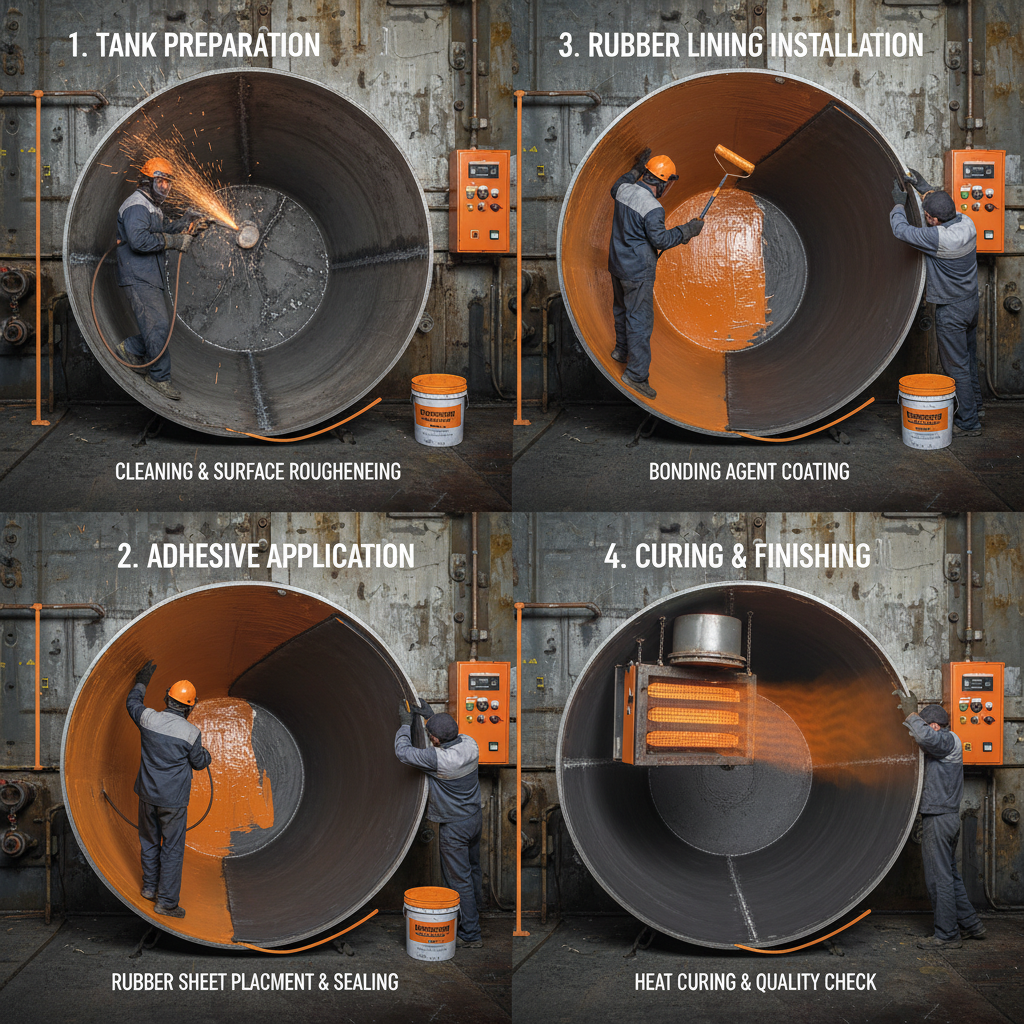
Rubber linings are typically bonded to the steel shell through a vulcanization process. This involves applying heat and pressure to activate bonding agents, creating a strong and durable chemical bond between the rubber and steel. Surface preparation of the steel is crucial – it must be thoroughly cleaned and roughened to ensure optimal adhesion. Different bonding methods, such as direct vulcanization or adhesive bonding, may be employed depending on the rubber type and application requirements. QW Metal utilizes advanced bonding techniques to guarantee a seamless and long-lasting bond.
Can rubber lined tanks be repaired if damaged?
Minor damage to a rubber lining can often be repaired by qualified technicians. The repair process typically involves cleaning the damaged area, applying a suitable rubber patching compound, and vulcanizing it to the existing lining. However, extensive damage or damage compromising the structural integrity of the tank may require complete relining or replacement. It’s crucial to assess the extent of the damage and consult with a specialist before attempting any repairs. QW Metal offers repair services and can advise on the best course of action.
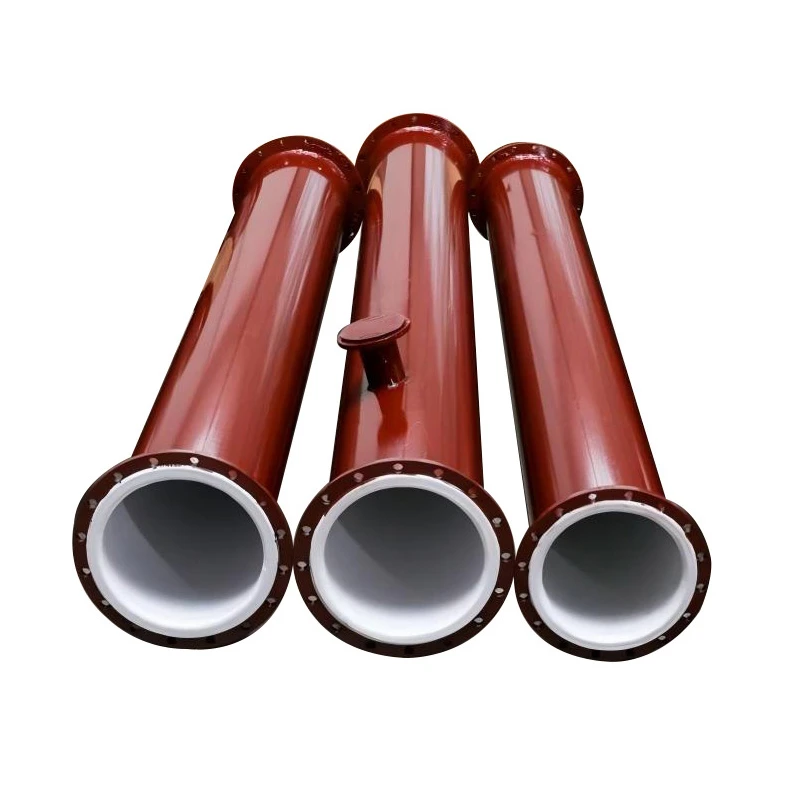
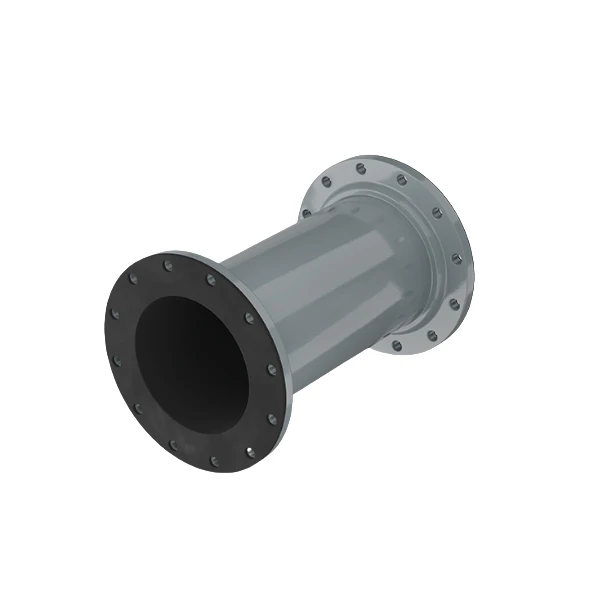
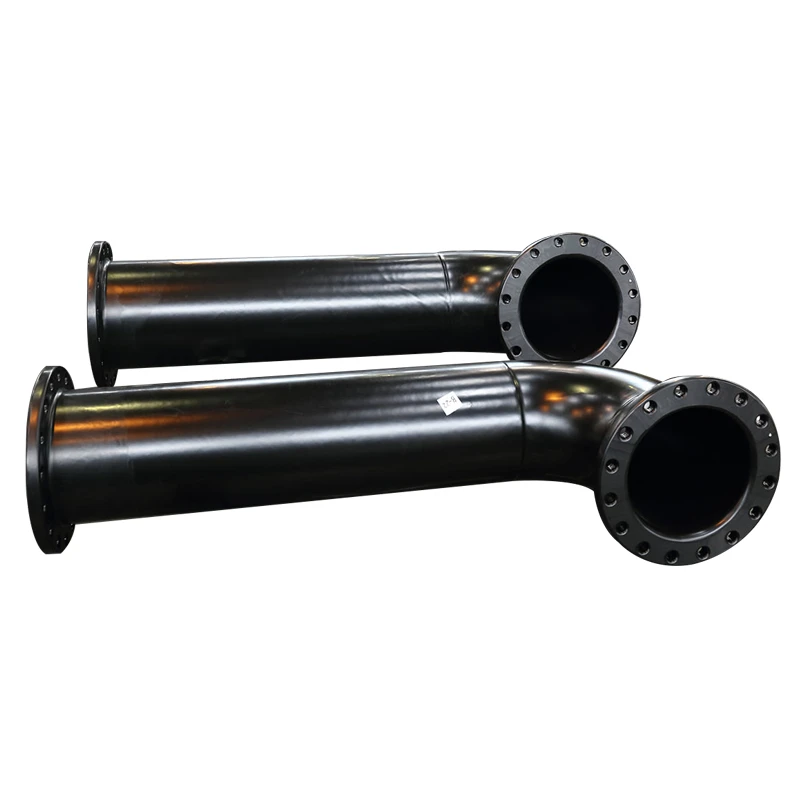
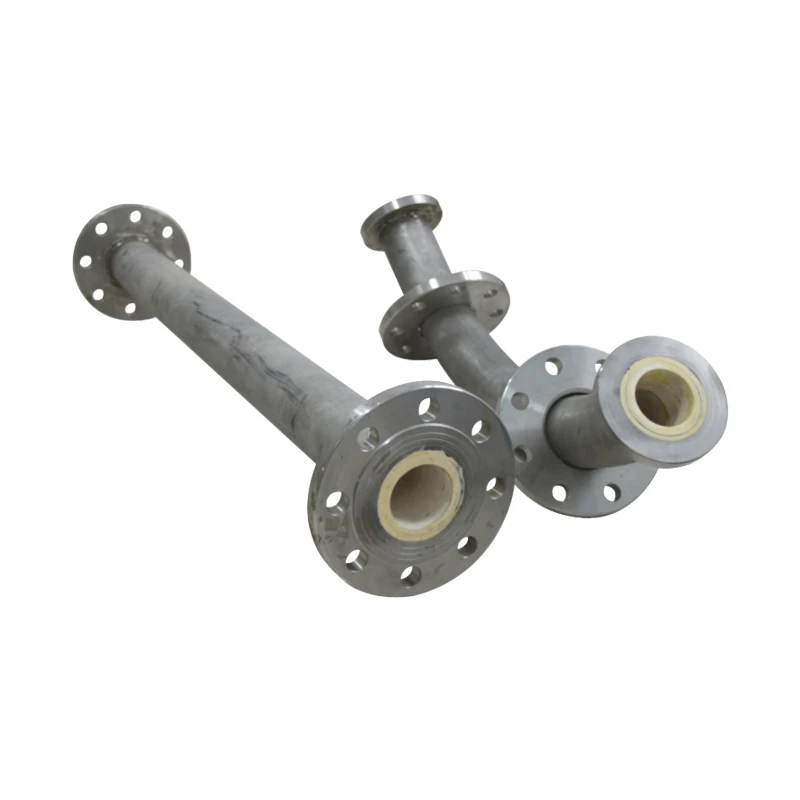
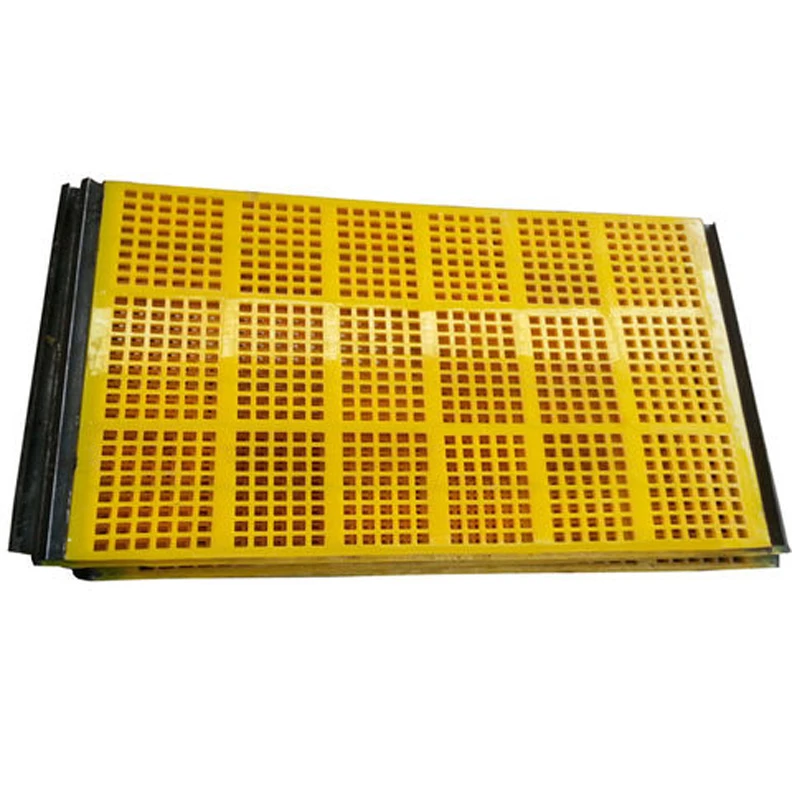
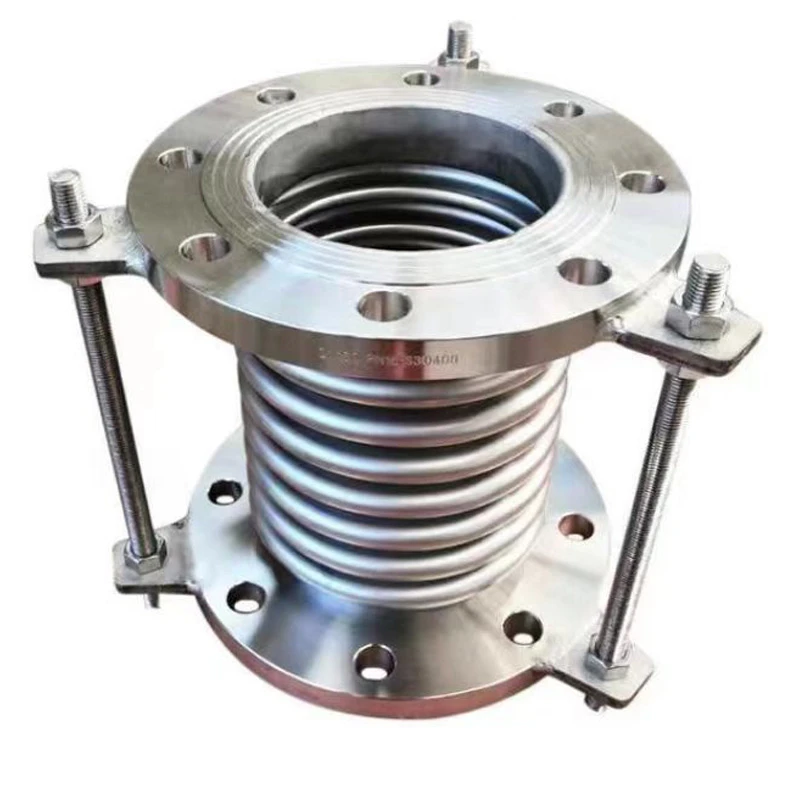
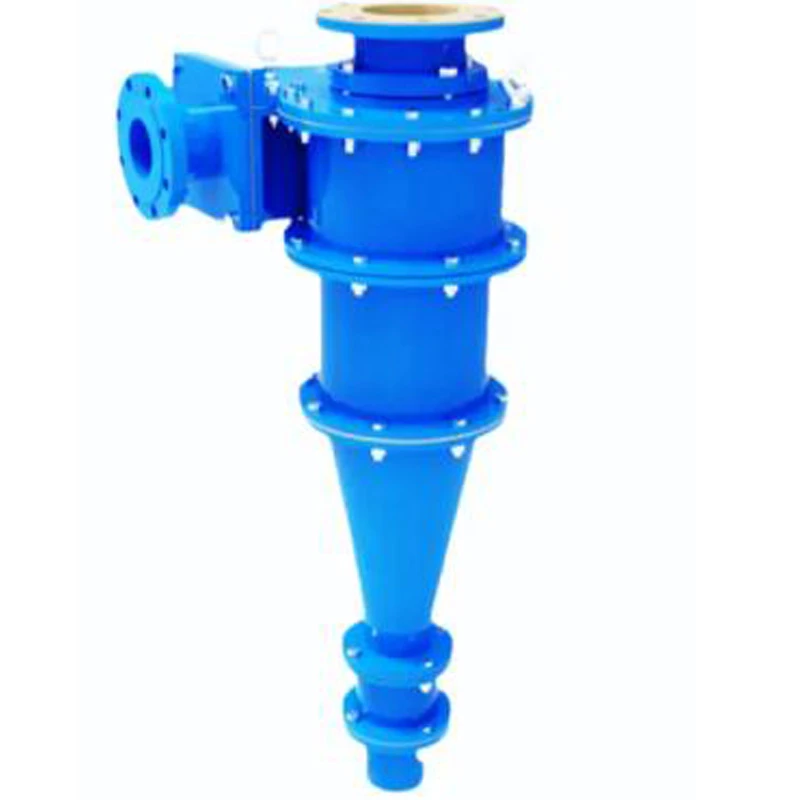
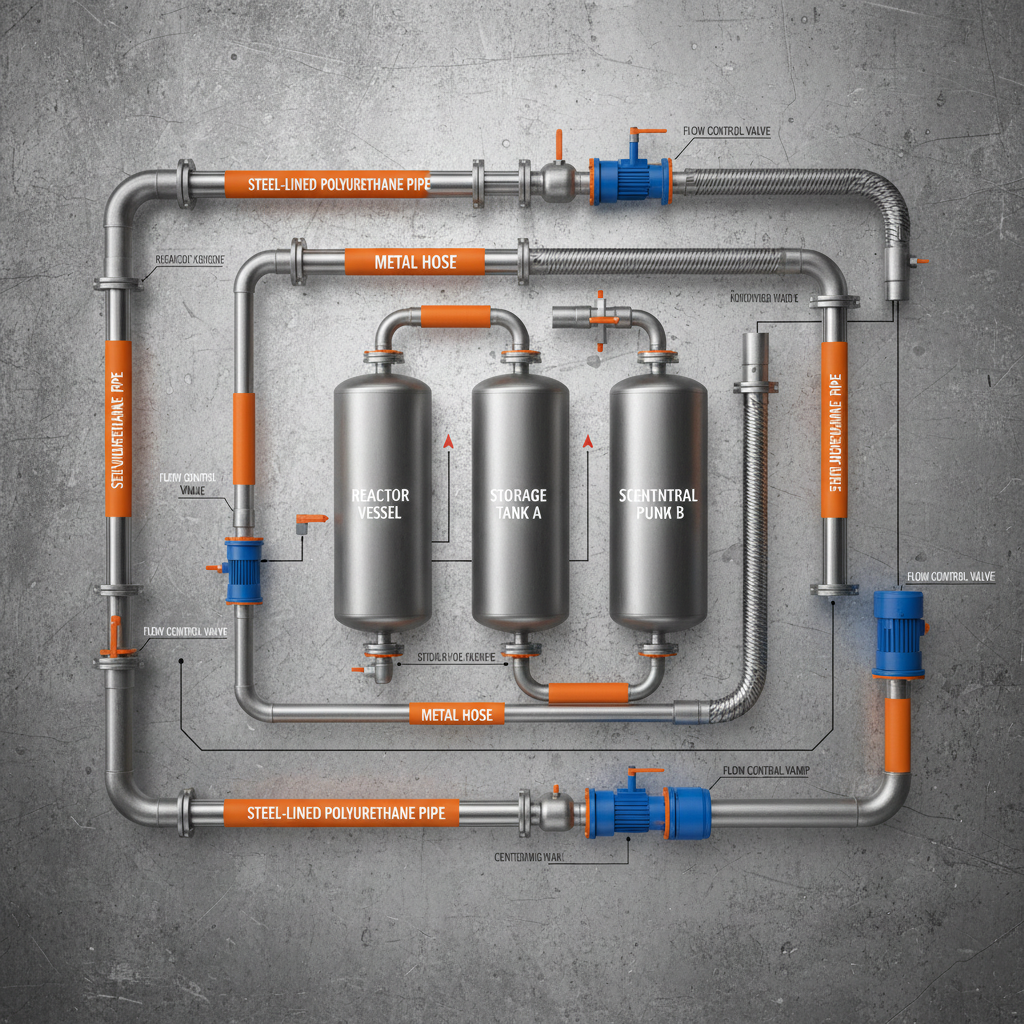
Related Products
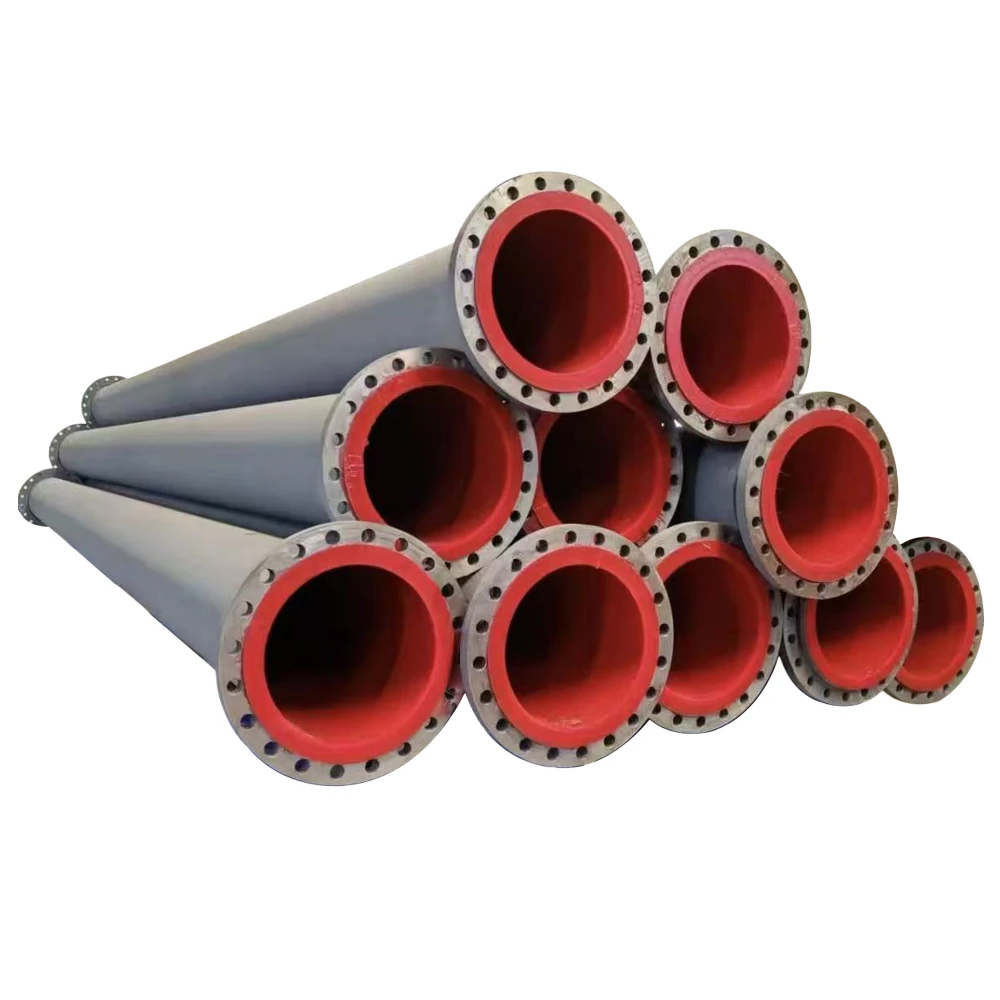
Our main products are polyurethane lined pipes, mining equipment fittings and metal hoses.