Find Reliable Chemical Tank Suppliers For Safe and Efficient Storage
Chemical Tank Suppliers: A Comprehensive Guide
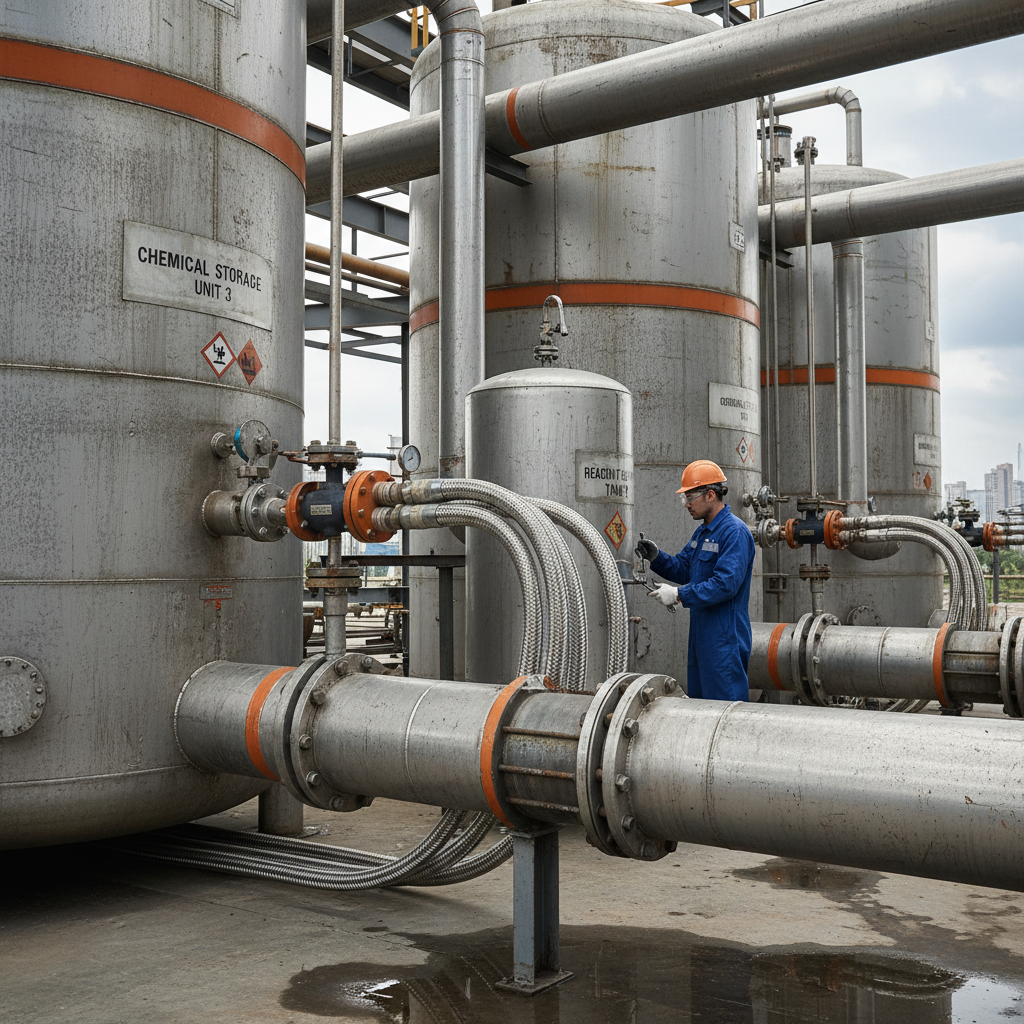
Finding reliable chemical tank suppliers is crucial for industries handling corrosive or sensitive materials. The quality and construction of these tanks directly impact safety, operational efficiency, and long-term costs. This article will explore the key factors to consider when choosing a supplier, the different types of chemical tanks available, materials used, and important considerations for selecting the right tank for your specific needs. We'll also highlight what sets reputable suppliers like QW Metal apart.
Understanding Chemical Tank Types
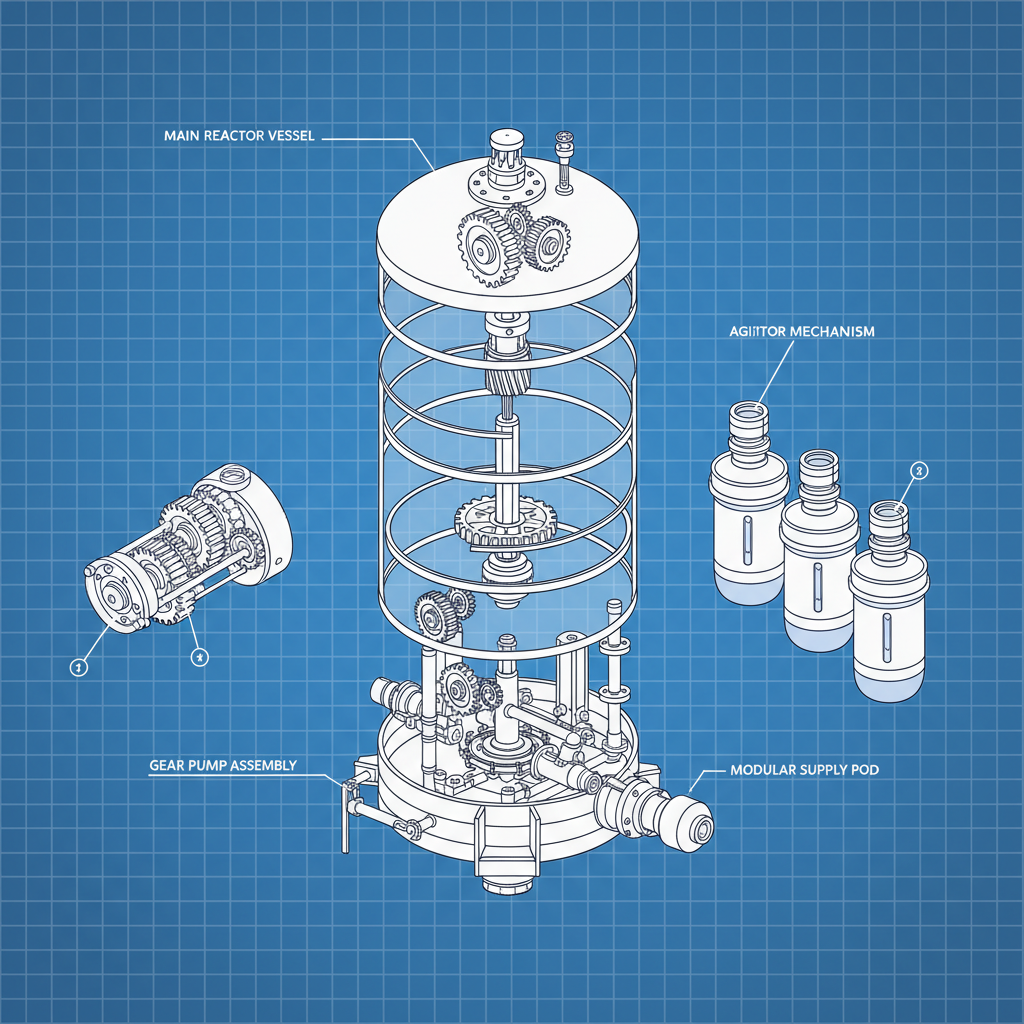
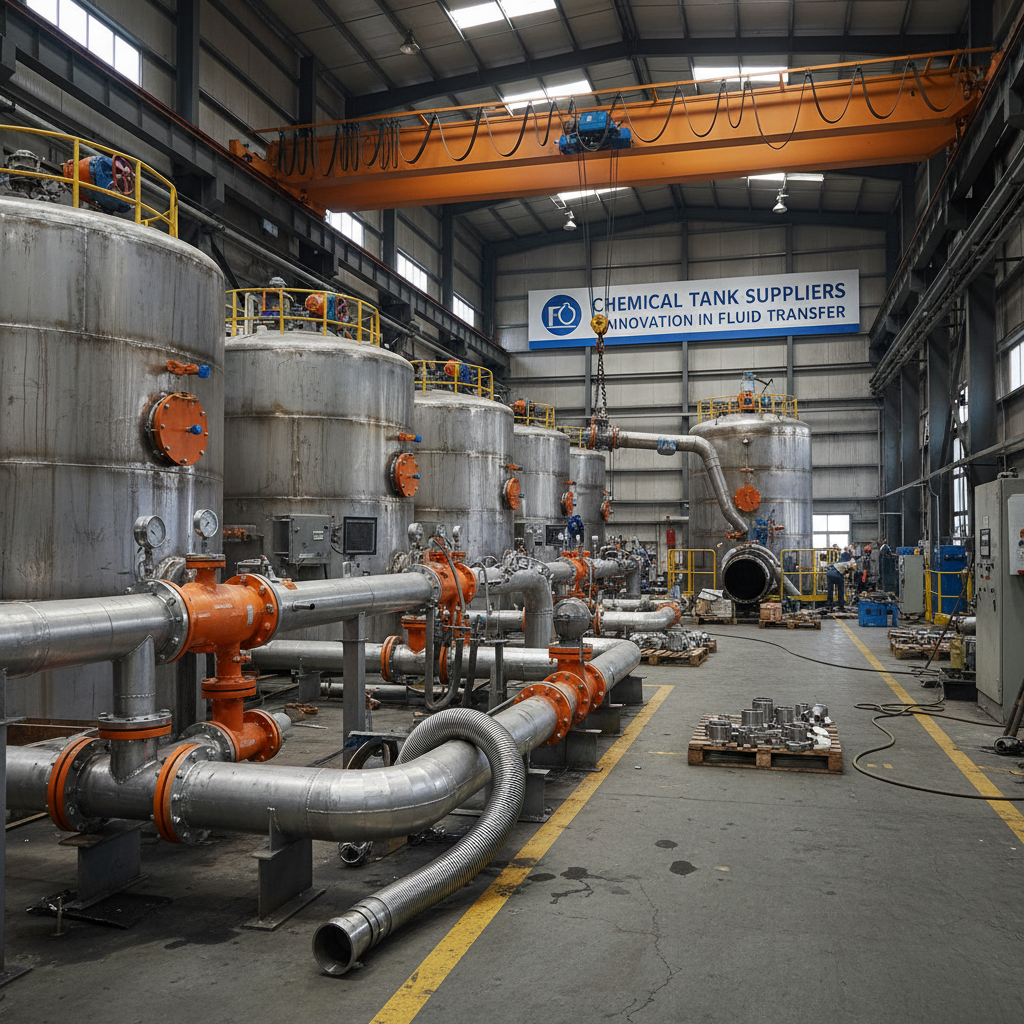
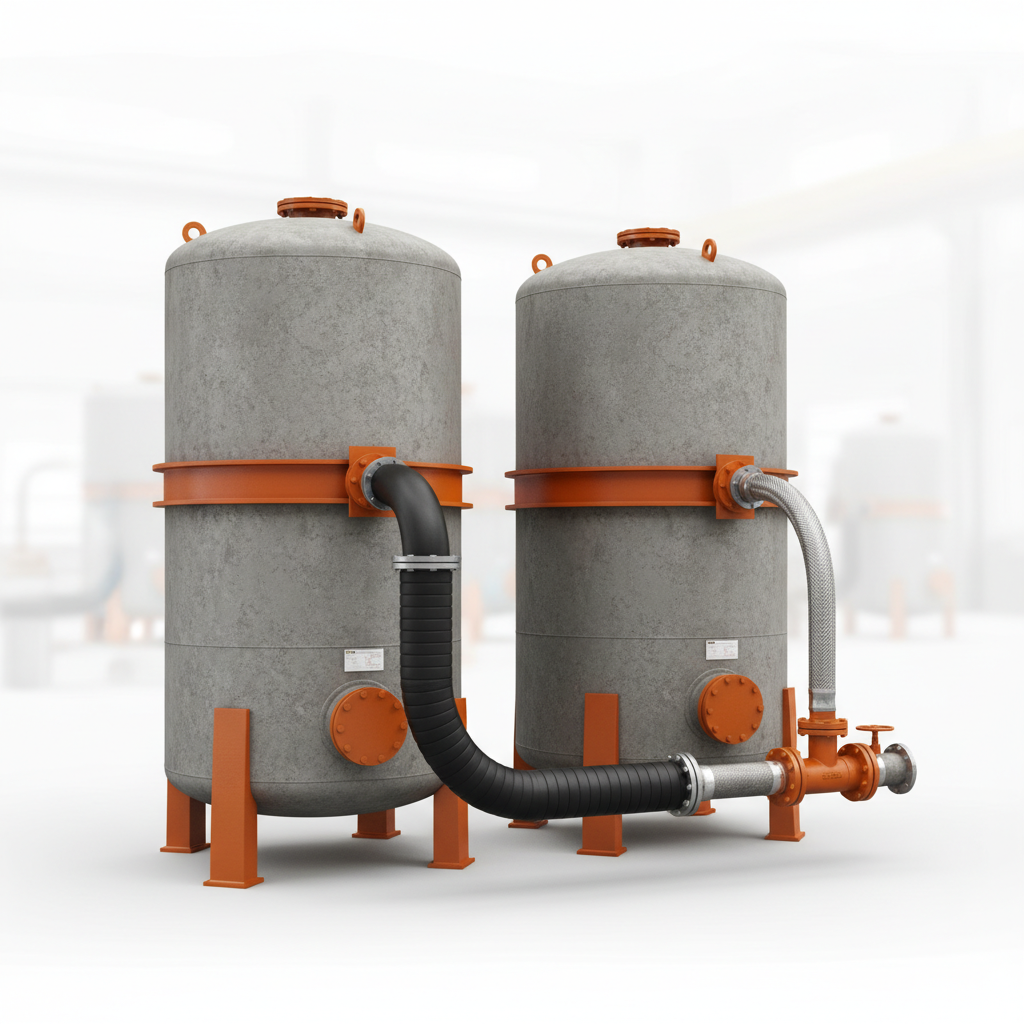
Chemical tanks come in various configurations, each designed for specific applications. Common types include vertical tanks, horizontal tanks, conical bottom tanks, and open-top tanks. Vertical tanks are generally more space-efficient, while horizontal tanks are easier to clean and maintain. Conical bottom tanks facilitate complete drainage, essential for many chemical processes. Open-top tanks are often used for mixing or storage where venting is critical. The selection of the appropriate tank type depends on the chemical being stored, the required storage volume, and the specific process requirements. Working with experienced chemical tank suppliers can help you determine the best option for your application.
Key Takeaway: Choosing the correct tank type is the first step to ensuring safe and efficient chemical storage. Consider space constraints, cleaning requirements, and drainage needs.
Materials Matter: Common Tank Construction Materials
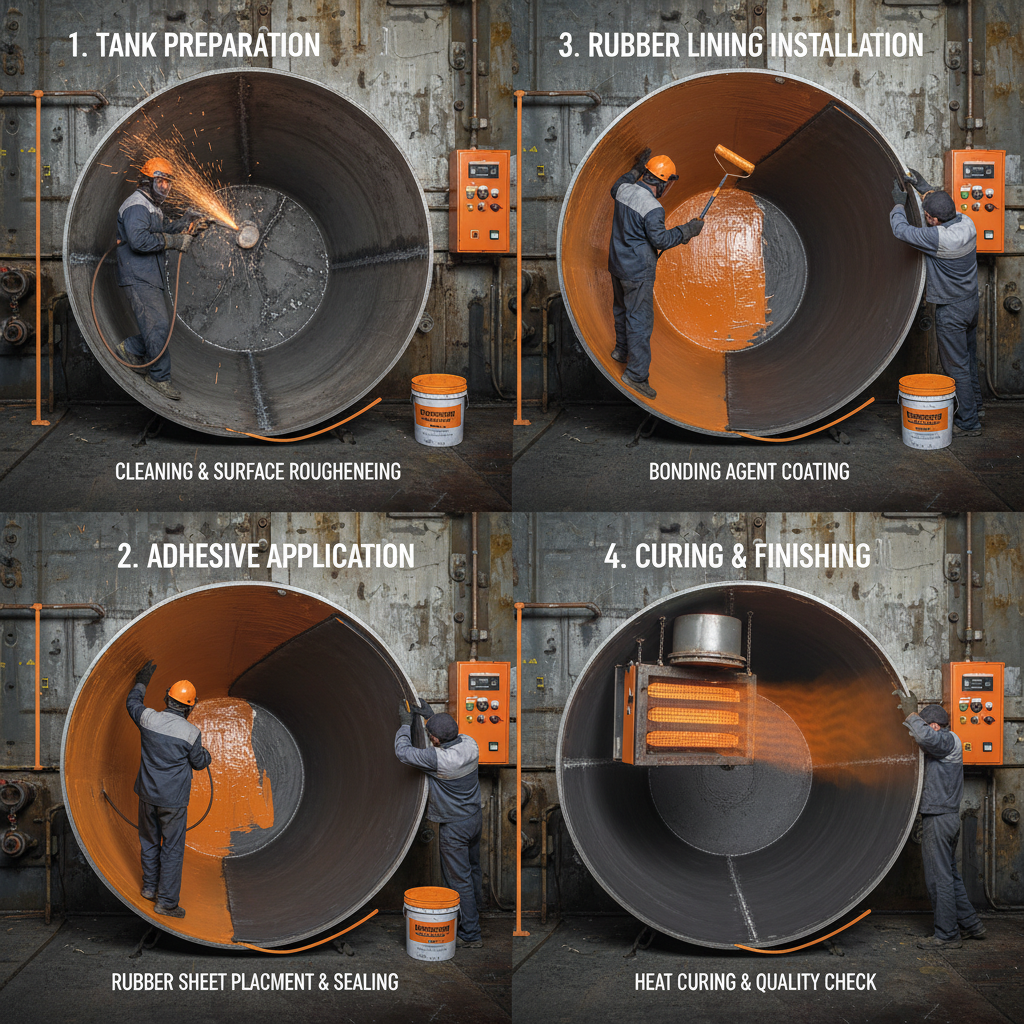
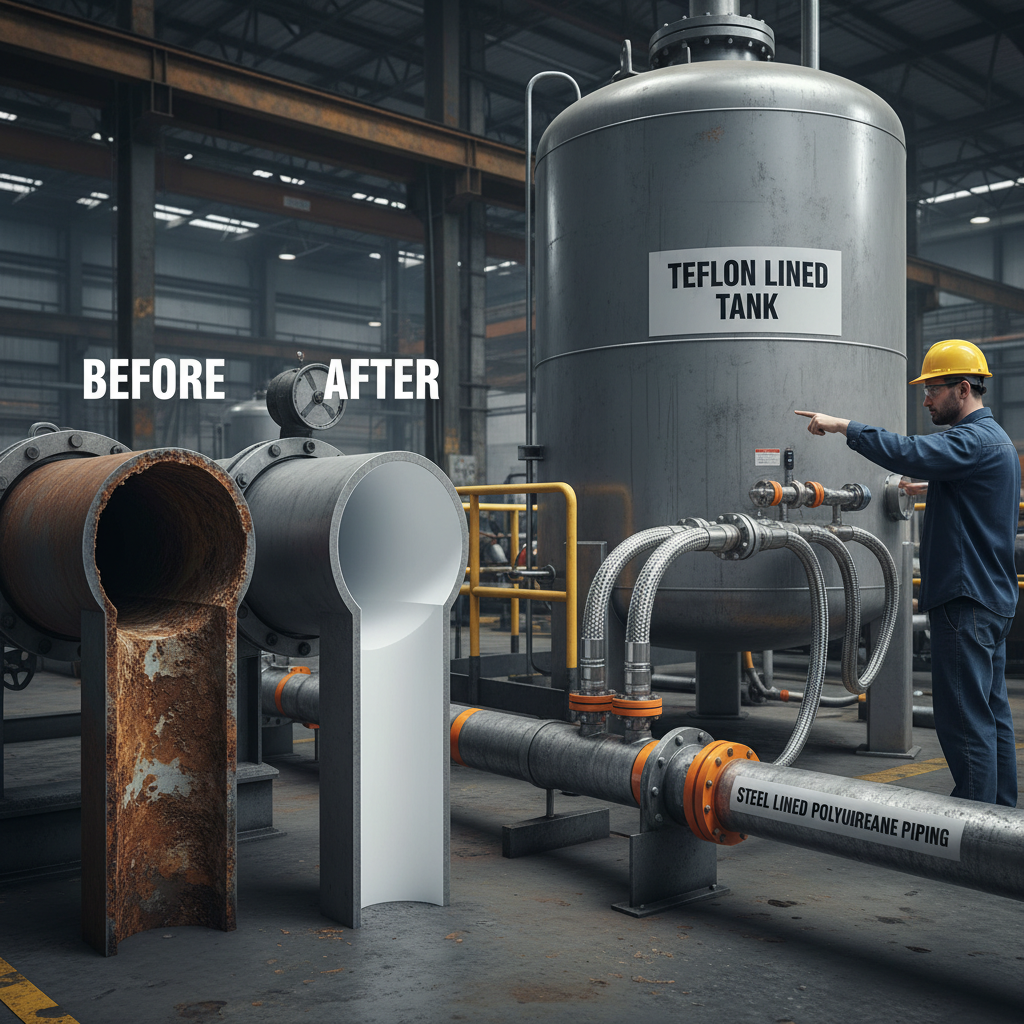
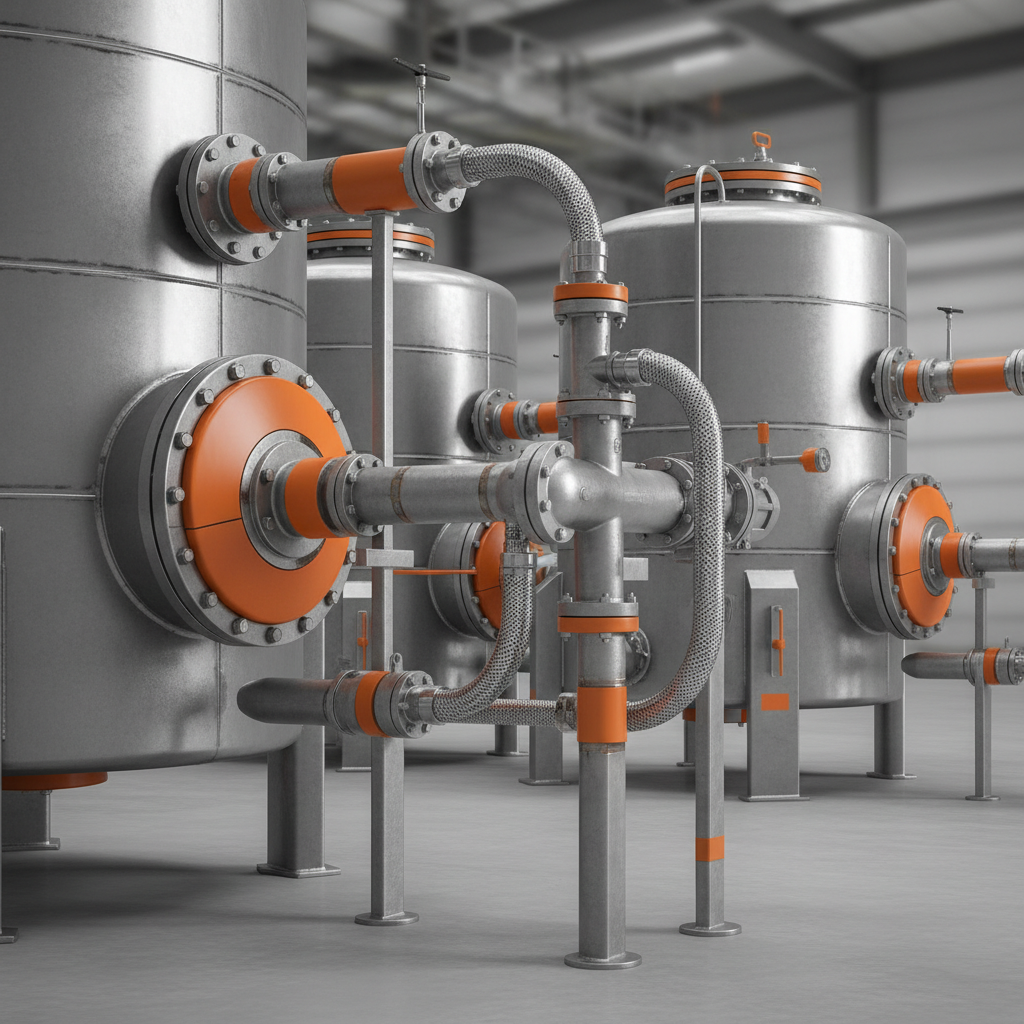
The material used to construct a chemical tank is paramount. Different chemicals react differently with various materials. Common materials include polyethylene (PE), polypropylene (PP), fiberglass reinforced plastic (FRP), stainless steel (304, 316, 316L), and carbon steel with lining. PE and PP are suitable for less aggressive chemicals, offering good chemical resistance at a lower cost. FRP is lightweight and corrosion-resistant, ideal for a broader range of chemicals. Stainless steel, particularly 316 and 316L, provides excellent corrosion resistance and is frequently used for highly corrosive substances. QW Metal specializes in fabricating stainless steel chemical tanks, known for their durability and reliability.
Material Comparison:
• Polyethylene (PE): Low cost, good for mild chemicals.
• Fiberglass Reinforced Plastic (FRP): Lightweight, corrosion-resistant, versatile.
• Stainless Steel (316/316L): Excellent corrosion resistance, high durability, ideal for harsh chemicals.
Choosing the Right Chemical Tank Supplier
Selecting a reputable chemical tank supplier is just as important as choosing the right tank. Look for suppliers with a proven track record, relevant certifications (e.g., ISO 9001), and a commitment to quality control. Inquire about their fabrication capabilities, material sourcing, and ability to customize tanks to your specific needs. A good supplier should offer comprehensive support, including design assistance, installation guidance, and after-sales service.
Essential Considerations for Chemical Tank Selection
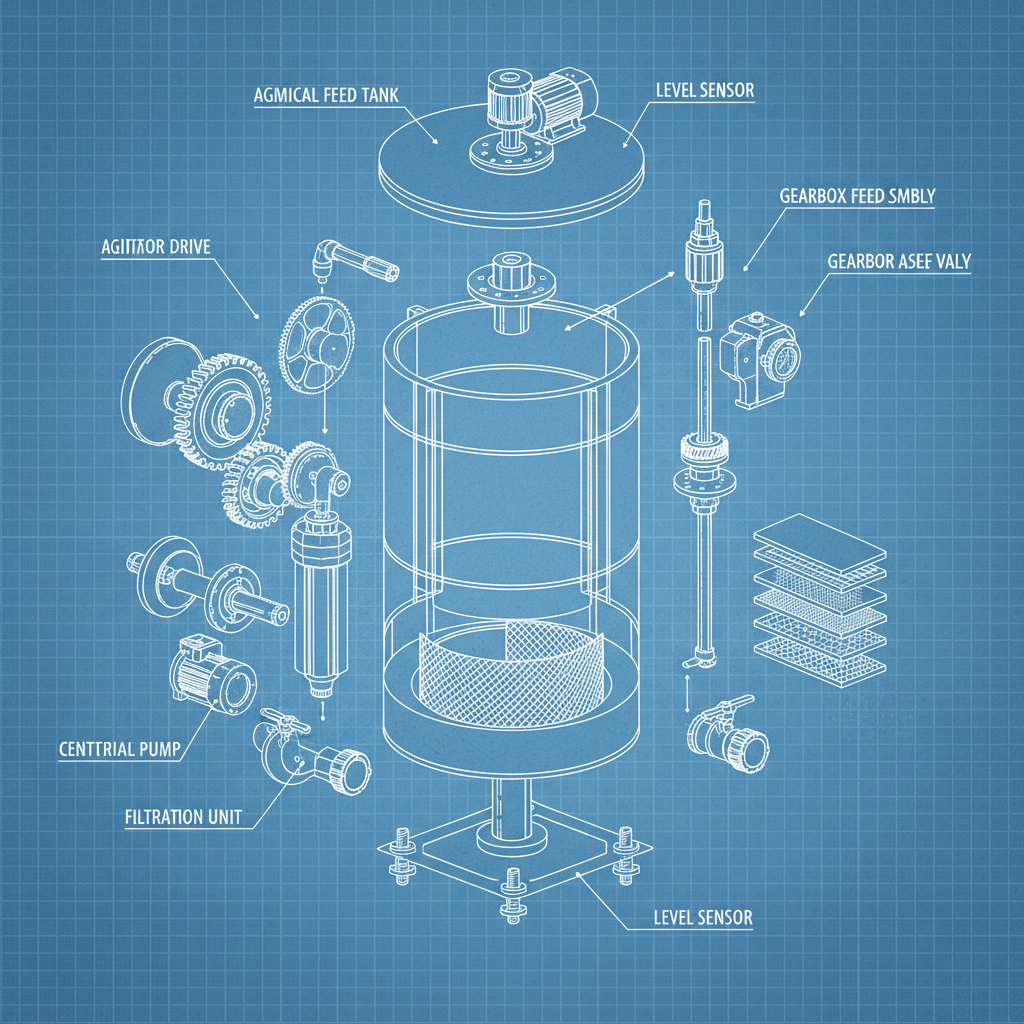
Beyond the material and type, several other factors influence tank selection. These include specific gravity of the chemical, operating temperature, pressure requirements, and any regulatory compliance standards. Consider the need for features like level indicators, venting systems, and emergency relief valves. Proper design and installation are crucial to prevent leaks, spills, and environmental contamination. QW Metal's team of engineers can assist with all aspects of tank selection and design, ensuring a safe and compliant solution.
QW Metal: Your Trusted Partner for Chemical Tank Solutions
At QW Metal, we specialize in the fabrication of high-quality stainless steel chemical tanks tailored to your specific requirements. We offer a wide range of tank types, sizes, and configurations, utilizing advanced welding techniques and rigorous quality control procedures. Our experienced team provides comprehensive support, from design and engineering to installation and maintenance. Contact us today to discuss your chemical storage needs and receive a customized quote.
Conclusion: Partnering for Safe and Reliable Chemical Storage
Choosing the right chemical tank suppliers is a critical decision for any industry handling hazardous materials. By prioritizing quality, materials, and expertise, you can ensure safe, efficient, and compliant chemical storage solutions. QW Metal is committed to providing innovative and reliable tank solutions to meet your unique challenges.
Frequently Asked Questions (FAQs)
What is the typical lead time for a custom chemical tank?
Lead times vary depending on the complexity of the tank, material availability, and current workload. Generally, a standard stainless steel tank can be fabricated and delivered within 6-8 weeks. More complex designs or specialized materials may require longer lead times. QW Metal provides a detailed project timeline during the quoting process, ensuring transparency and realistic expectations.
Do you offer installation services?
Yes, QW Metal offers comprehensive installation services for our tanks. Our experienced technicians ensure proper setup and commissioning, adhering to all relevant safety regulations. We can also provide site assessments to determine the best installation approach for your specific location and application.
What type of warranty do you offer on your chemical tanks?
QW Metal stands behind the quality of our workmanship and materials. We offer a one-year warranty on all our tanks against defects in materials and fabrication. This warranty covers repair or replacement of defective components. Extended warranties are available upon request.
Can you fabricate tanks to meet specific regulatory requirements (e.g., ASME)?
Yes, QW Metal is capable of fabricating tanks to meet various regulatory requirements, including ASME standards. We have certified welders and engineers who ensure that all tanks are constructed to the highest quality and safety standards. We work closely with our clients to understand their specific needs and ensure compliance with all applicable regulations.
Related Products
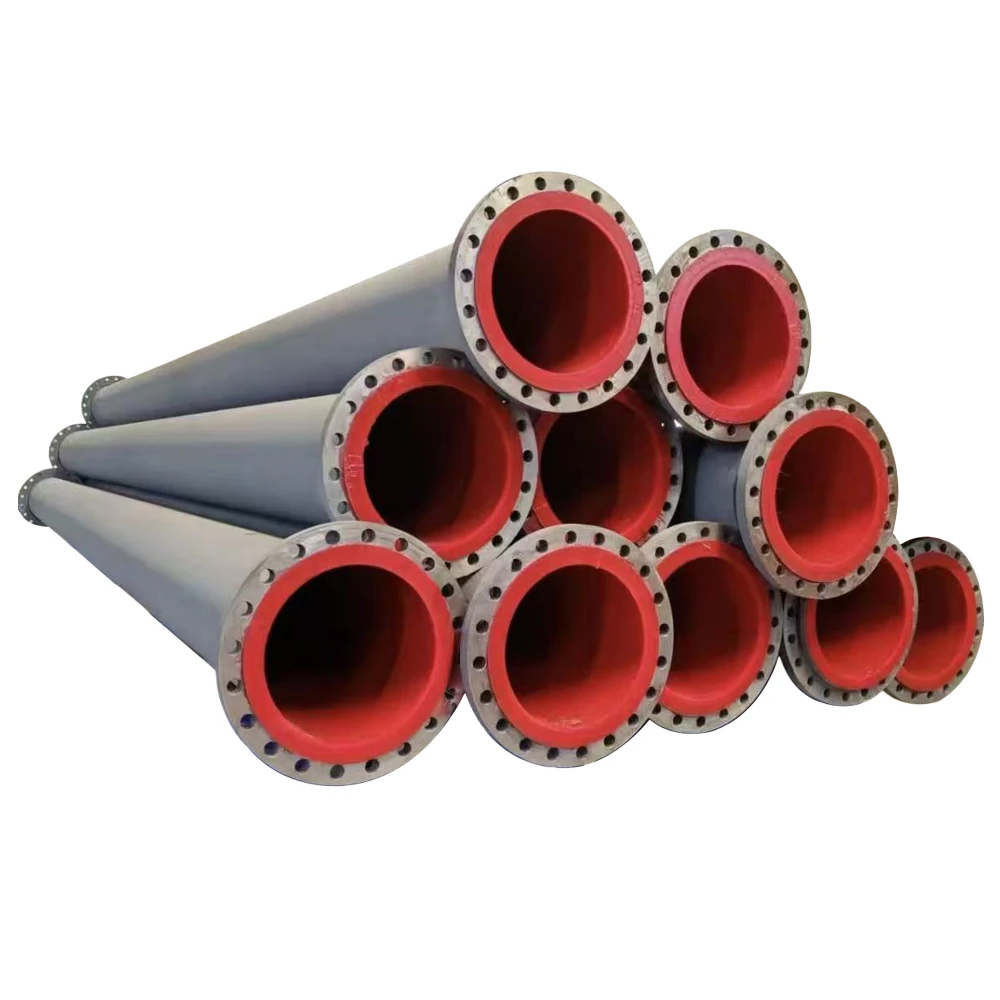
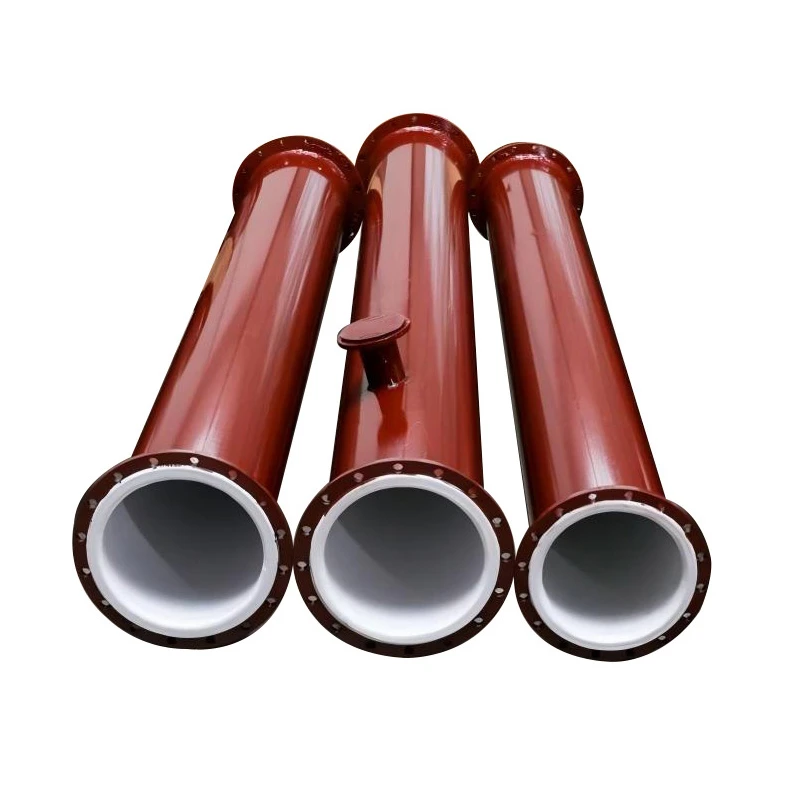
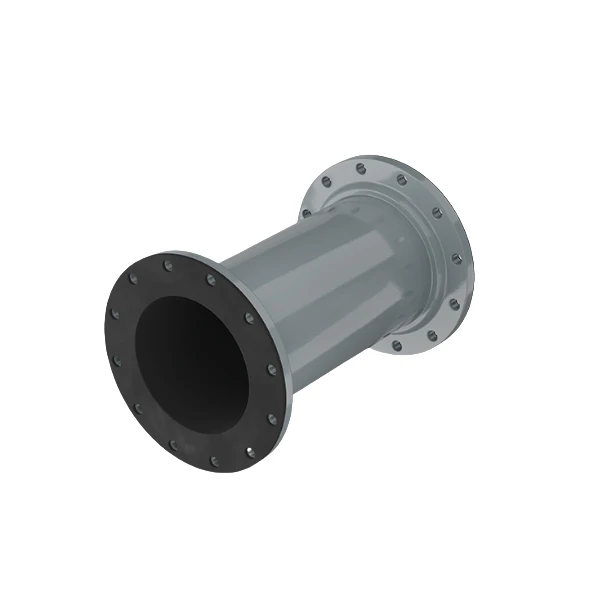
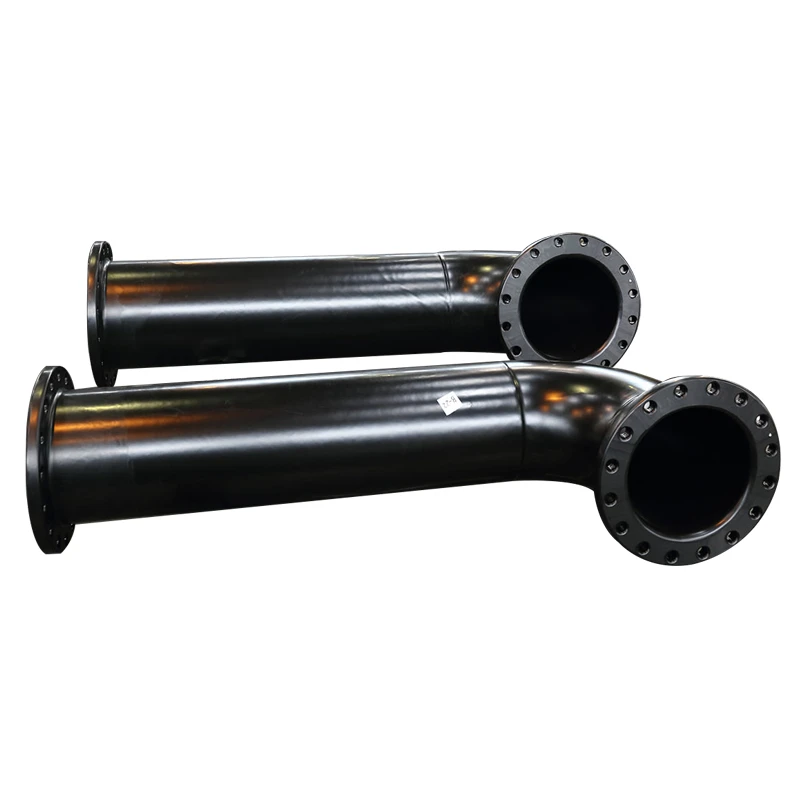
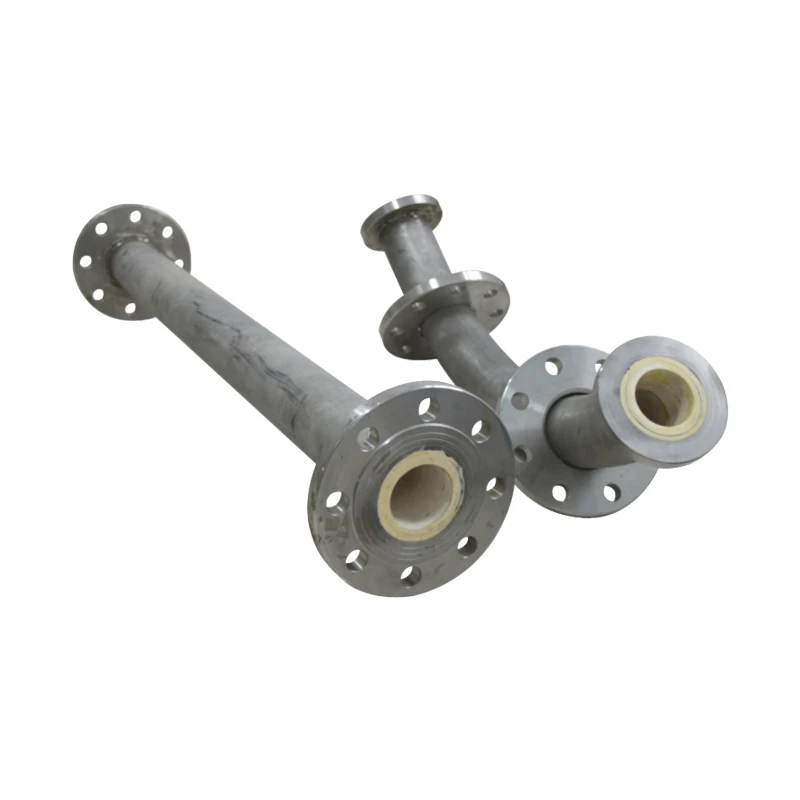
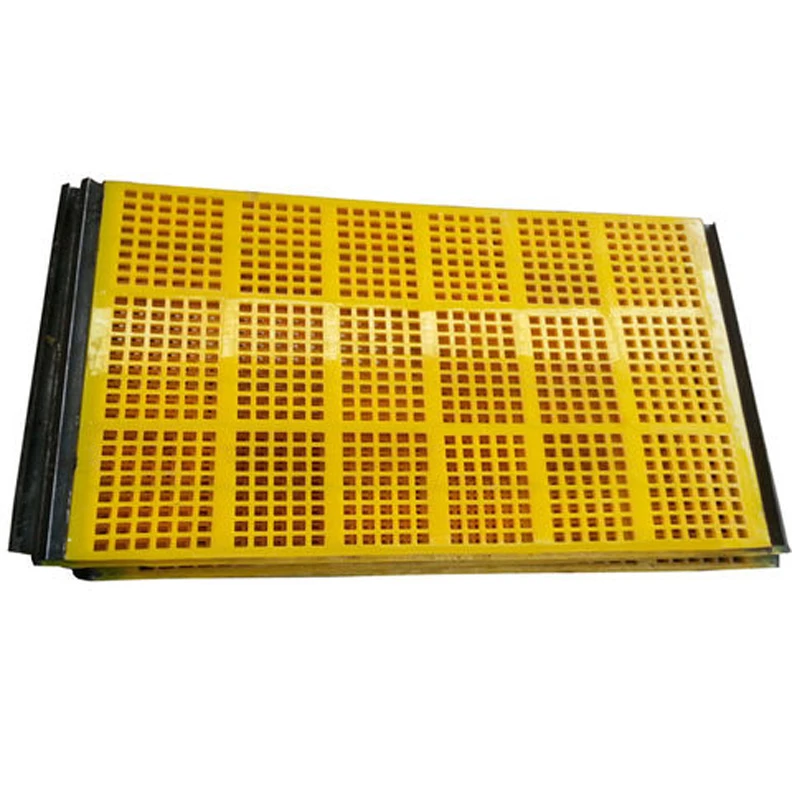
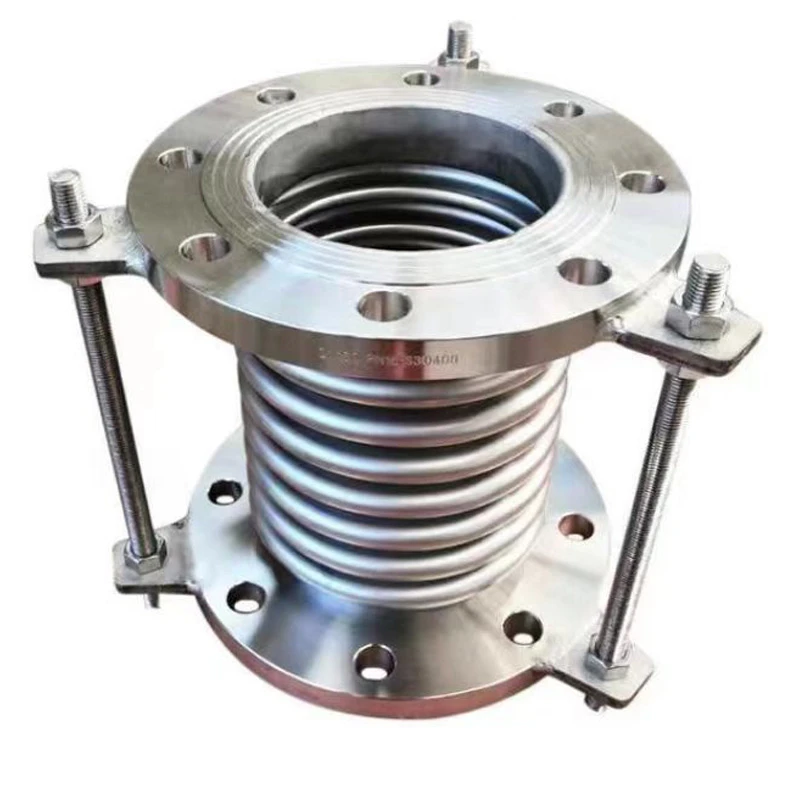
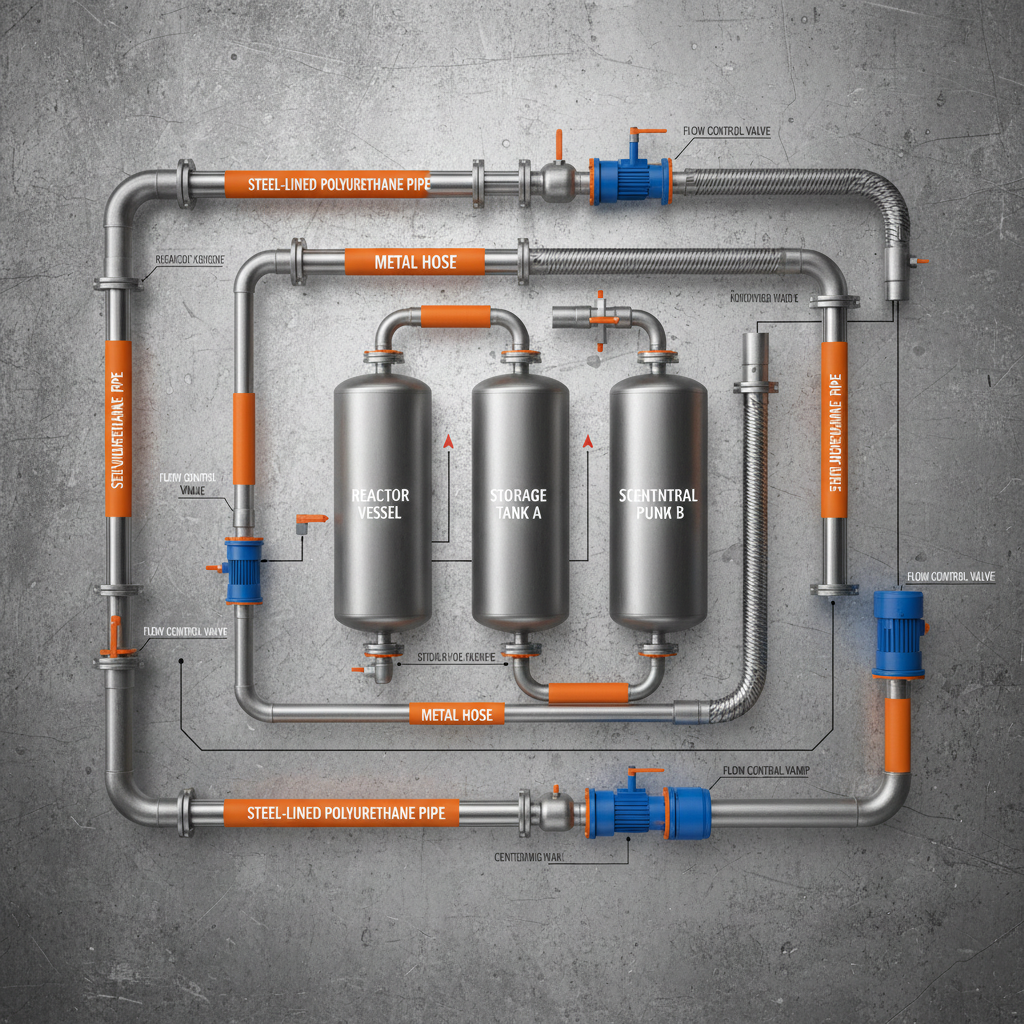
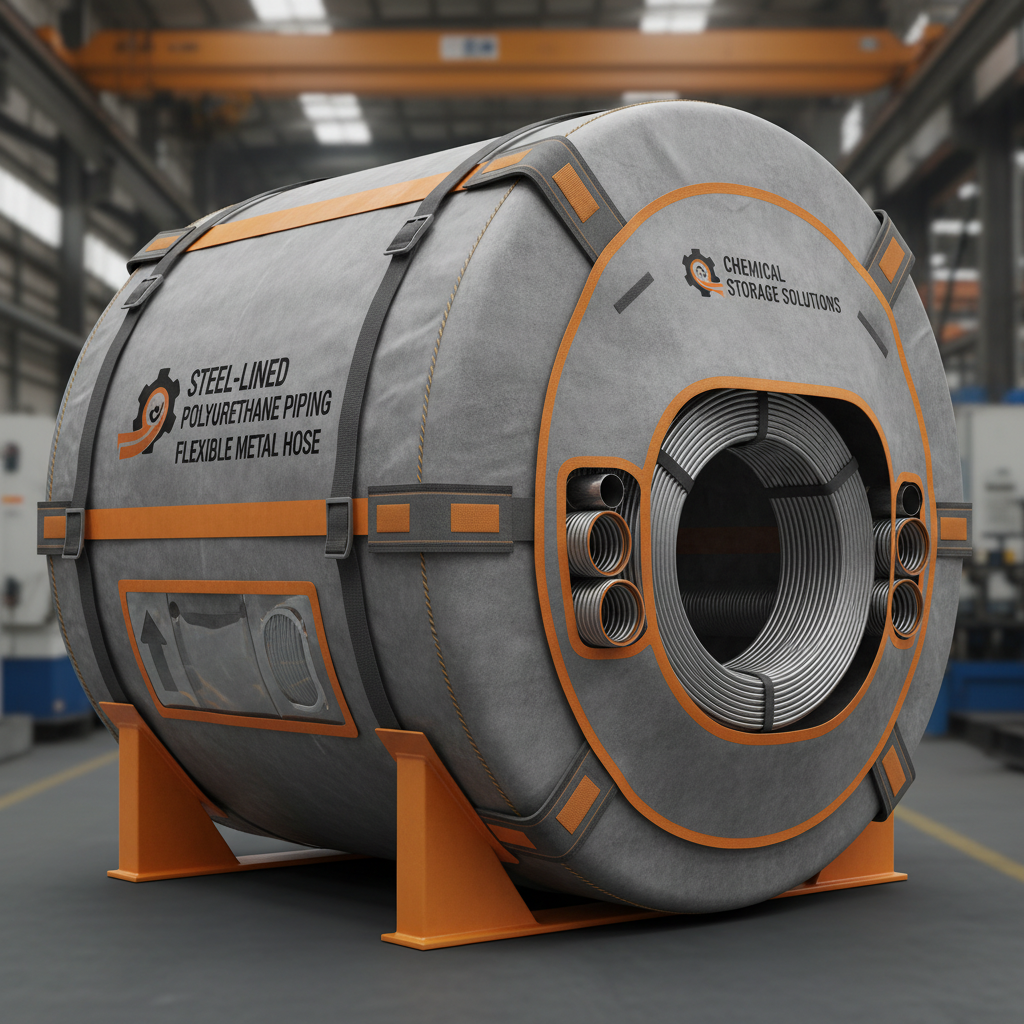
Our main products are polyurethane lined pipes, mining equipment fittings and metal hoses.