Comprehensive Guide to Selecting and Utilizing Industrial Chemical Tanks
Chemical Tanks: A Comprehensive Guide to Selection and Application
When dealing with various chemicals in industrial processes, the safe and reliable storage of these substances is paramount. Chemical tanks are essential components for numerous industries, ranging from water treatment and manufacturing to agriculture and pharmaceuticals. Choosing the right tank isn’t simply a matter of capacity; it requires careful consideration of material compatibility, regulatory compliance, and specific application needs. This article provides a detailed overview of chemical tanks, covering types, materials, applications, and crucial factors to consider when making a purchase. Ensuring the correct storage solution can prevent costly spills, environmental damage, and safety hazards.
Understanding the Different Types of Chemical Tanks
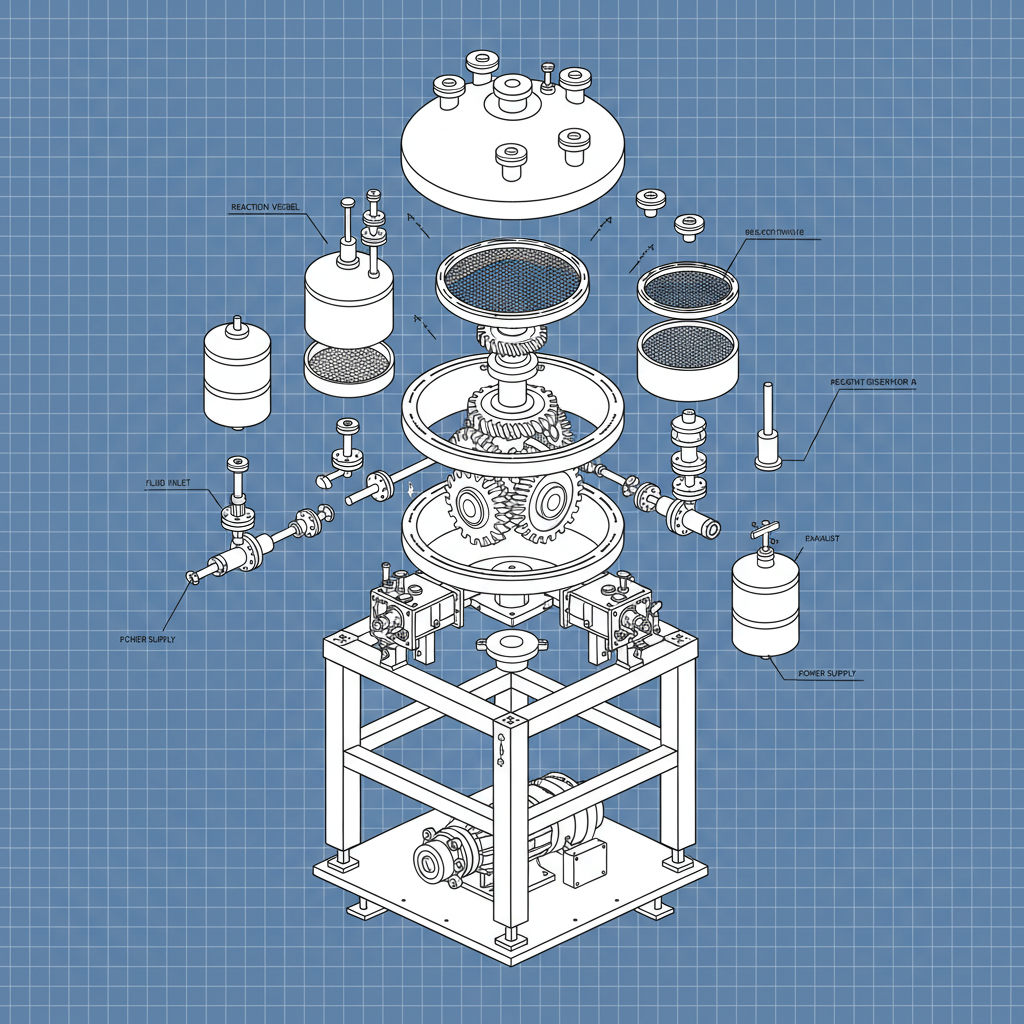
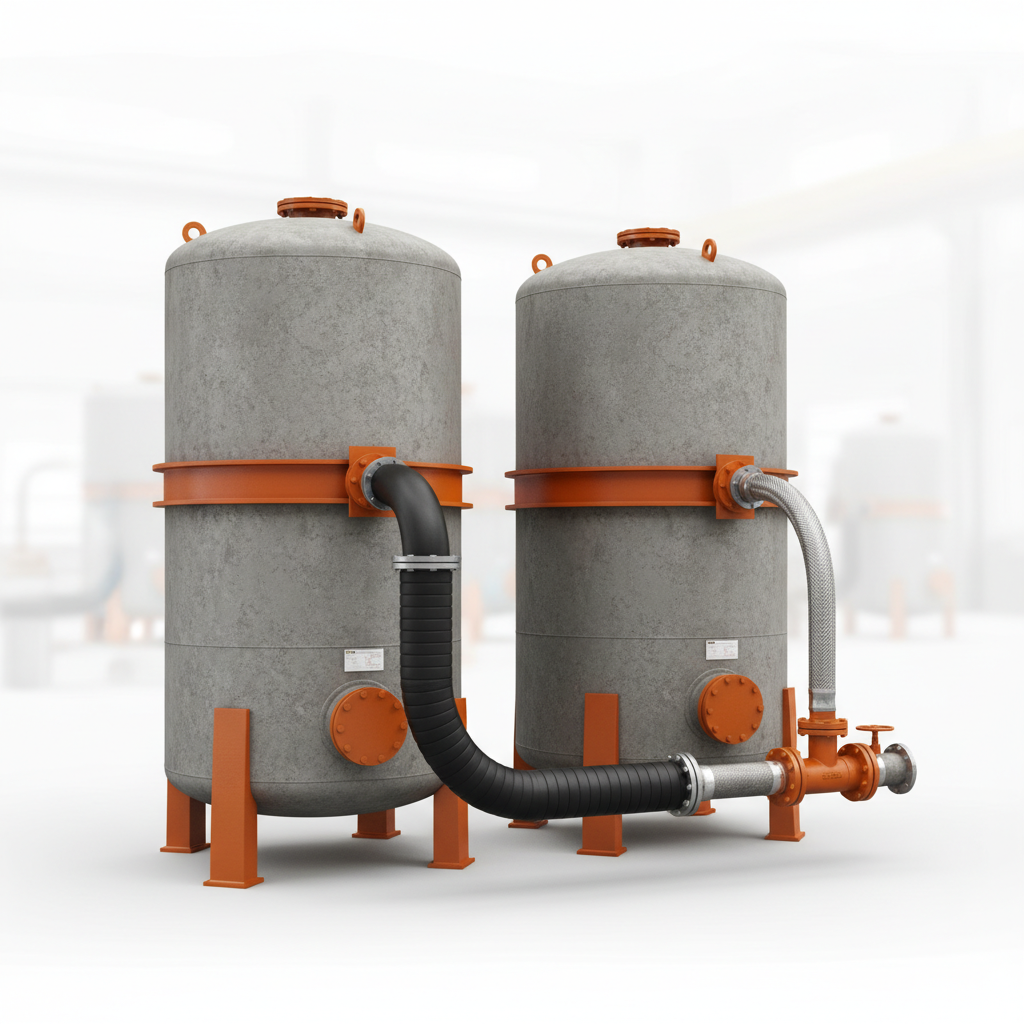
Chemical tanks are available in a variety of types, each suited to specific applications and chemical properties. Common types include vertical tanks, horizontal tanks, conical bottom tanks, and open-top tanks. Vertical tanks are typically used for large-volume storage, while horizontal tanks are preferred when space is limited. Conical bottom tanks facilitate complete drainage, important for handling chemicals that require no residue. Open-top tanks are used for processes where constant air exposure is necessary. Selecting the appropriate tank type hinges on the chemical's characteristics, desired storage volume, site limitations, and process requirements. QW Metal offers a wide selection of these tank types, tailored to diverse industrial needs.
Key Considerations: Choosing the correct tank type depends on the chemical’s properties, storage volume requirements, available space, and the process involved.
Material Selection: Ensuring Chemical Compatibility
The material of construction is arguably the most critical aspect of chemical tank selection. Different chemicals react differently with various materials. Common materials include polyethylene (PE), polypropylene (PP), fiberglass reinforced plastic (FRP), and stainless steel. Polyethylene and polypropylene are cost-effective and suitable for many acids and bases, but they may not be ideal for solvents. FRP offers excellent corrosion resistance for a broad range of chemicals. Stainless steel, particularly grades like 304 and 316, is highly durable and resistant to many corrosive substances, making it a popular choice for demanding applications. Proper material selection prevents tank failure, contamination, and potential safety hazards. It's essential to consult a chemical compatibility chart and consider the long-term effects of the chemical on the tank material.
Material Comparison:
• Polyethylene (PE): Cost-effective, good for acids and bases.
• Polypropylene (PP): Similar to PE, but with higher temperature resistance.
• Fiberglass Reinforced Plastic (FRP): Excellent corrosion resistance, wide chemical compatibility.
• Stainless Steel (304/316): Highly durable, resistant to many corrosive substances.
Chemical Tank Applications Across Industries
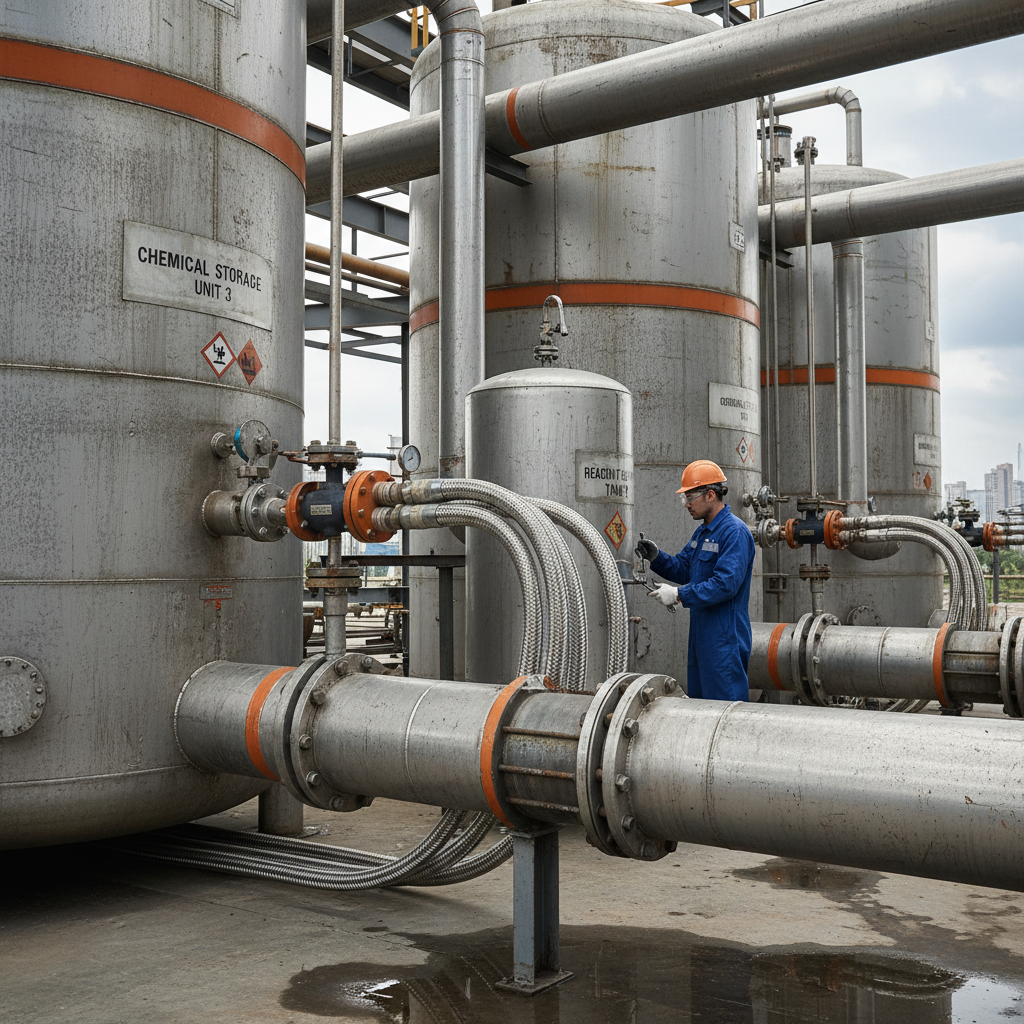
Chemical tanks find applications in a vast array of industries. In the water and wastewater treatment sector, they store chemicals like chlorine, sulfuric acid, and polymers for purification and disinfection. The agricultural industry utilizes tanks for fertilizer and pesticide storage. Manufacturing processes frequently require tanks for holding raw materials, intermediate products, and finished goods. Pharmaceutical companies rely on high-purity tanks for storing active pharmaceutical ingredients and process fluids. Furthermore, industries like oil & gas, pulp & paper, and food & beverage processing all depend on reliable chemical storage solutions. QW Metal provides custom tank solutions tailored to the specific requirements of each industry.
Key Considerations When Purchasing Chemical Tanks
Beyond material and type, several other factors influence the ideal chemical tank selection. Tank size and capacity must accurately reflect current and anticipated chemical storage needs. Regulatory compliance, such as those set by EPA and OSHA, dictates specific requirements for tank design, construction, and containment. Consider features like level indicators, access ports, and emergency vents. Furthermore, evaluate the supplier's reputation, warranty, and after-sales support. Investing in a quality tank from a reputable supplier like QW Metal ensures long-term reliability and safety.
Regulations and Safety Standards for Chemical Tanks
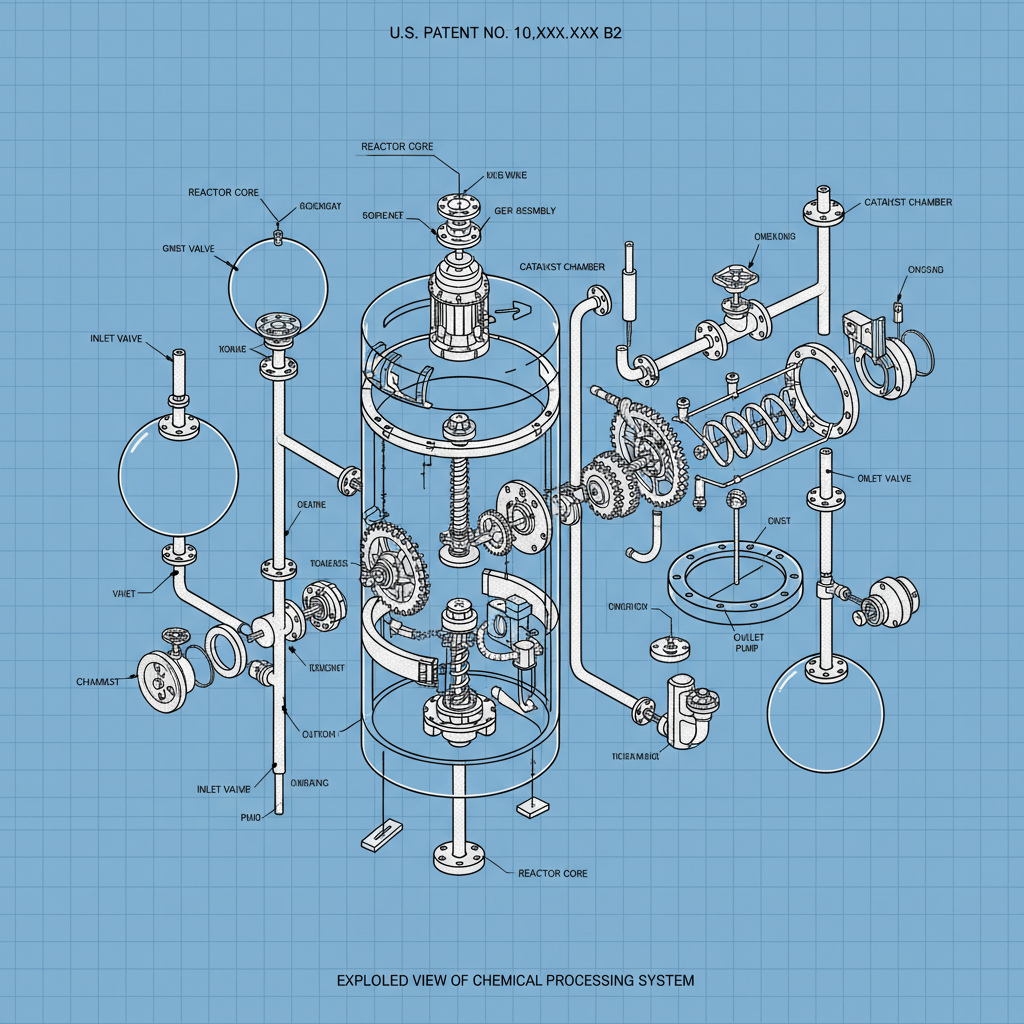
Chemical tank storage is subject to stringent regulations designed to protect the environment and human health. In the United States, the EPA (Environmental Protection Agency) and OSHA (Occupational Safety and Health Administration) establish guidelines for storage tank systems. These regulations cover aspects like secondary containment, leak detection, spill prevention, and emergency response planning. Compliance with these standards is essential to avoid fines and ensure responsible chemical management. Additionally, specific state and local regulations may apply. Staying informed about these evolving requirements is crucial for maintaining a safe and compliant operation. QW Metal provides tanks that are designed to meet or exceed relevant industry standards.
Conclusion: Investing in Safe and Reliable Chemical Storage
Selecting the right chemical tank is a critical decision that impacts safety, environmental responsibility, and operational efficiency. By carefully considering chemical compatibility, tank type, regulatory compliance, and supplier reputation, you can ensure a long-term storage solution that meets your specific needs. Don’t compromise on quality – choose a trusted provider like QW Metal for reliable and durable chemical tanks.
Frequently Asked Questions (FAQs)
What is the best material for storing highly corrosive chemicals?
For highly corrosive chemicals, stainless steel (specifically 316 grade) and certain types of FRP are generally the best choices. Stainless steel 316 offers excellent resistance to a wide range of corrosive substances, including chlorides. FRP provides a broad chemical resistance spectrum and is often more cost-effective for large-volume storage. The specific chemical’s properties should be carefully evaluated to determine the optimal material. Consulting a chemical compatibility chart and with a materials expert is highly recommended.
Do I need secondary containment for my chemical tanks?
In many cases, secondary containment is required by regulations and is a best practice for responsible chemical storage. Secondary containment prevents spills from reaching the environment and protects personnel. The specific requirements vary depending on the chemical, the storage volume, and local regulations. Common secondary containment options include containment dikes, spill pallets, and double-walled tanks. Always check with your local environmental agencies and OSHA for specific guidelines.
How often should I inspect my chemical tanks?
Regular inspections are crucial for ensuring the integrity of your chemical tanks. You should conduct visual inspections at least monthly, looking for signs of corrosion, leaks, cracks, or damage to the tank and its components. More frequent inspections may be necessary for tanks storing particularly hazardous chemicals. Keep detailed records of all inspections. Any issues should be addressed immediately to prevent potential failures.
What are the benefits of using a conical bottom tank?
Conical bottom tanks are designed for complete drainage, making them ideal for chemicals that require no residue left behind. The conical shape allows gravity to effectively pull all liquid towards the outlet. This is particularly important in applications where product purity or accurate batching is critical. They are also easier to clean compared to flat-bottom tanks.

Related Products
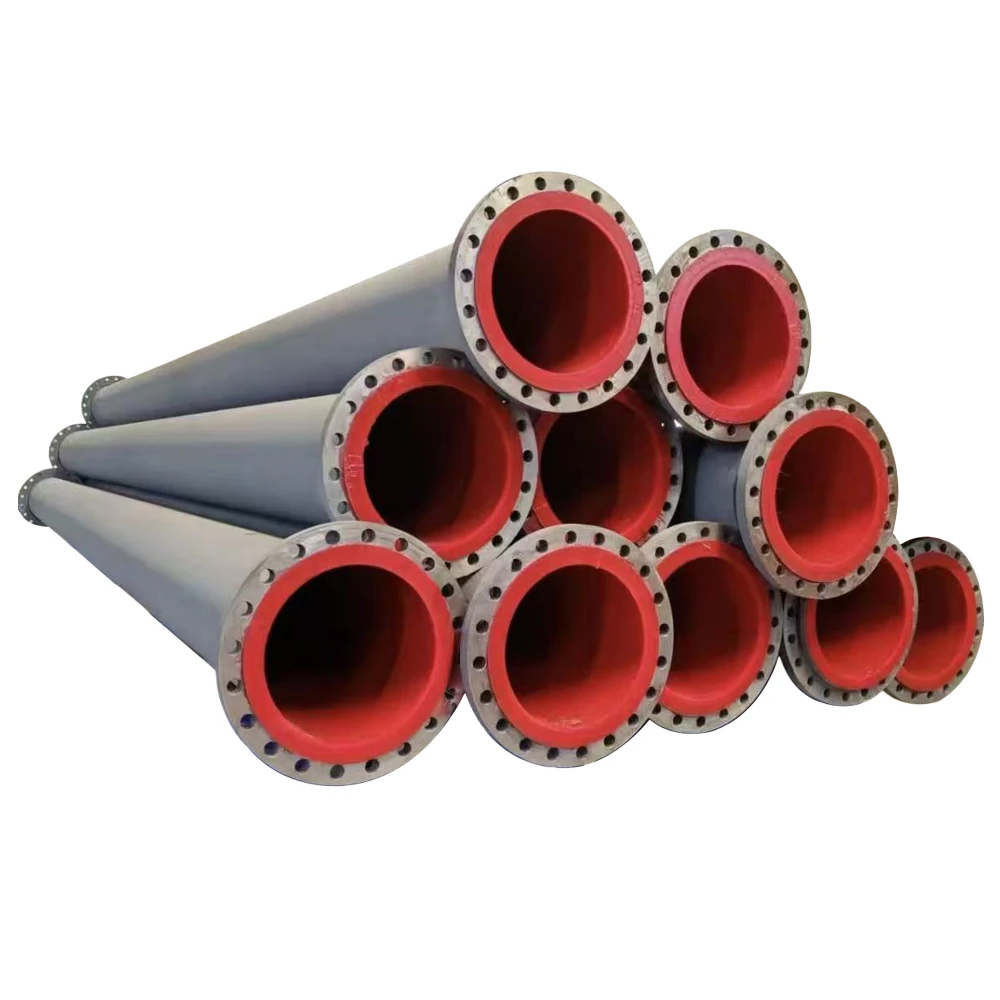
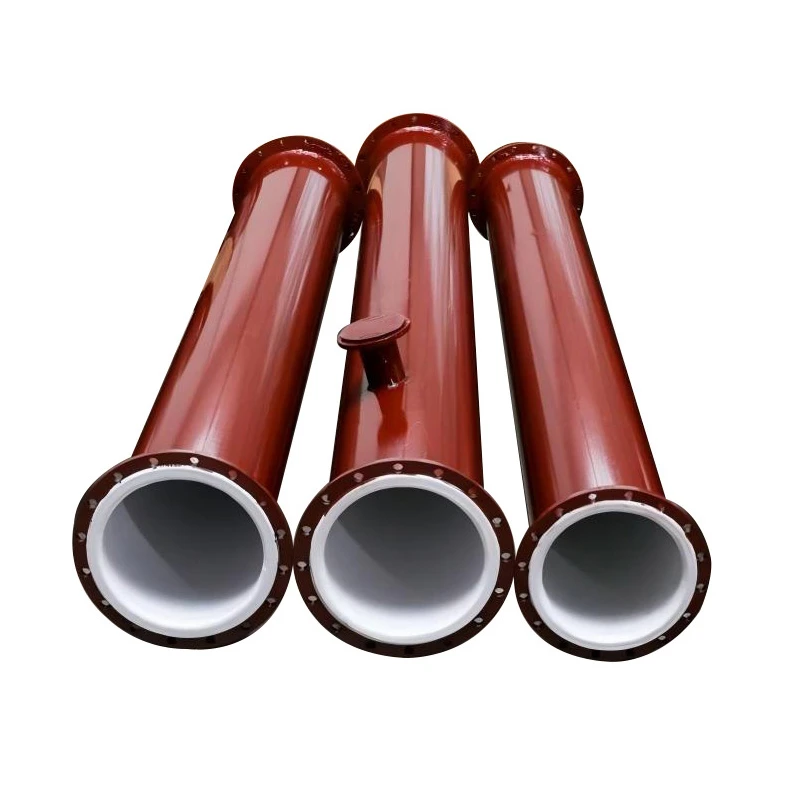
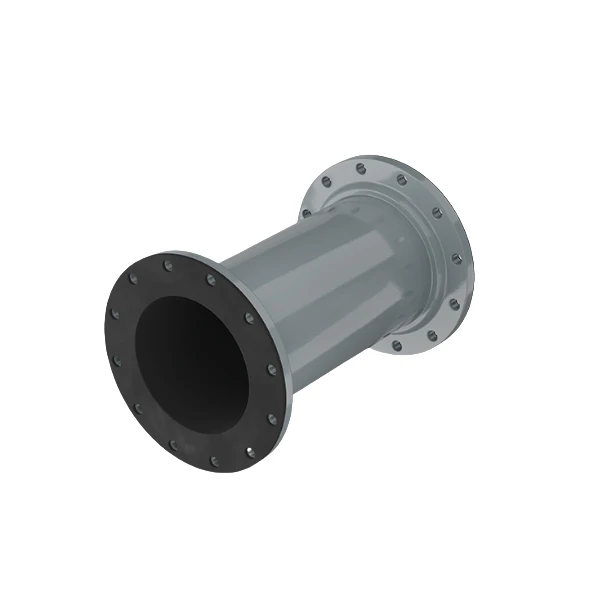
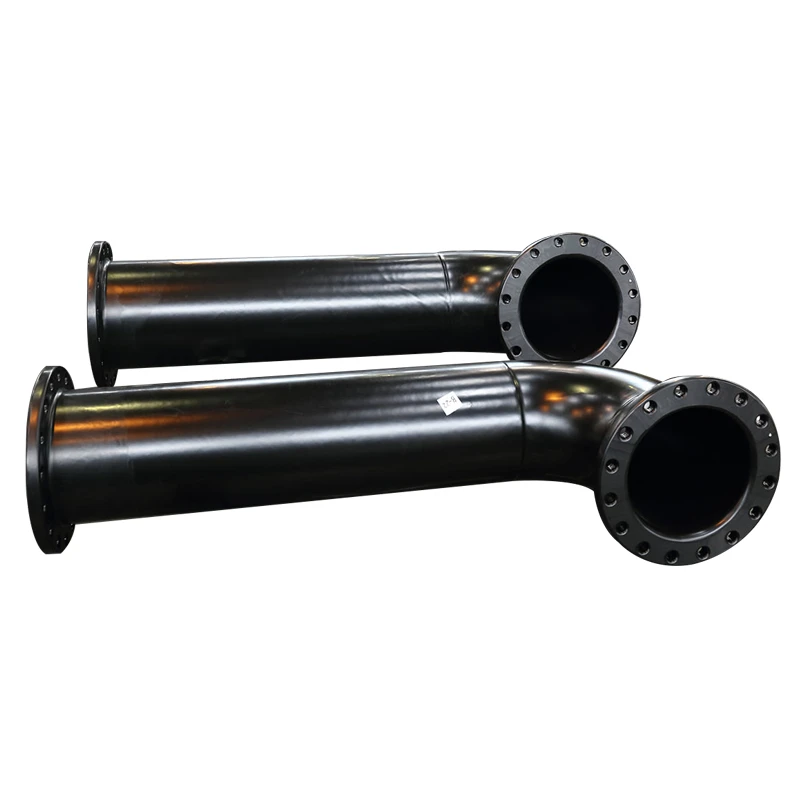
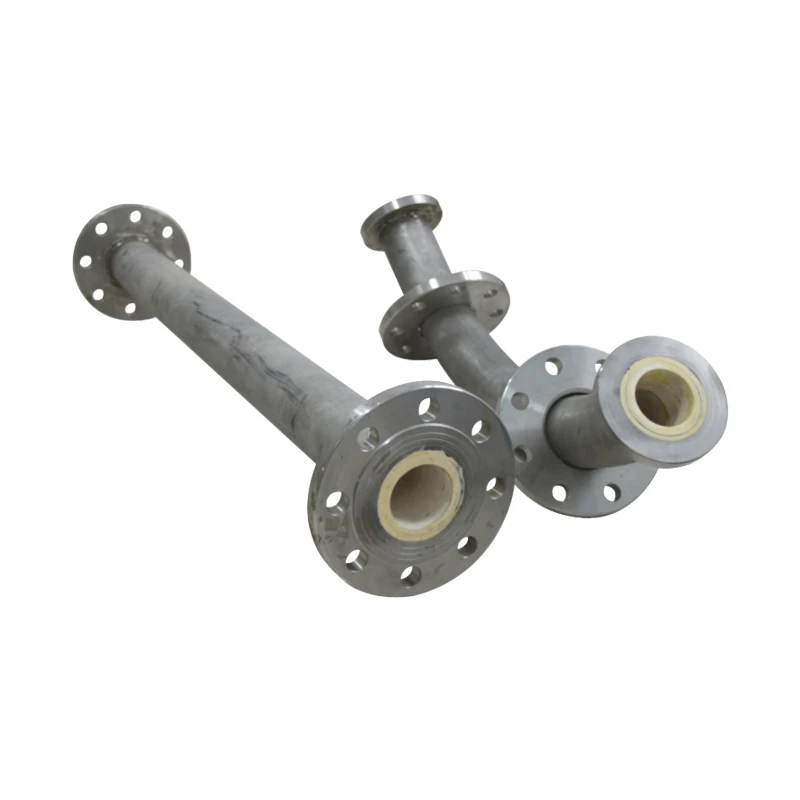
Our main products are polyurethane lined pipes, mining equipment fittings and metal hoses.