Comprehensive Guide to Rubber Lined Tanks Applications and Benefits
Understanding Rubber Lined Tanks: Applications and Benefits
In the realm of industrial storage and processing, selecting the right tank material is paramount. Rubber lined tanks offer a robust and versatile solution for a wide range of applications, particularly when handling corrosive substances. This article will explore the benefits, applications, and key considerations when choosing a rubber lined tank, providing a comprehensive guide for businesses seeking reliable and long-lasting storage solutions. Protecting your valuable resources and ensuring workplace safety are crucial, and a well-chosen tank plays a significant role in both.
What are Rubber Lined Tanks?
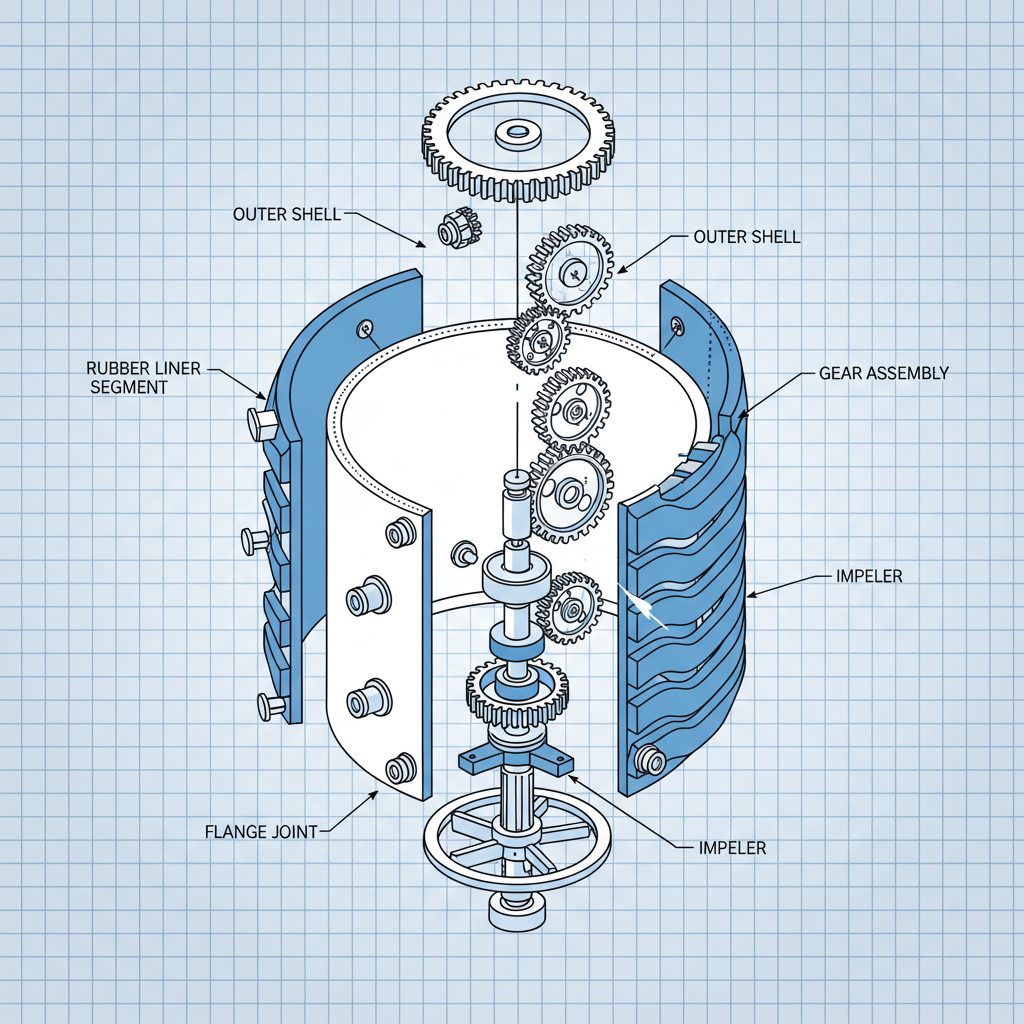
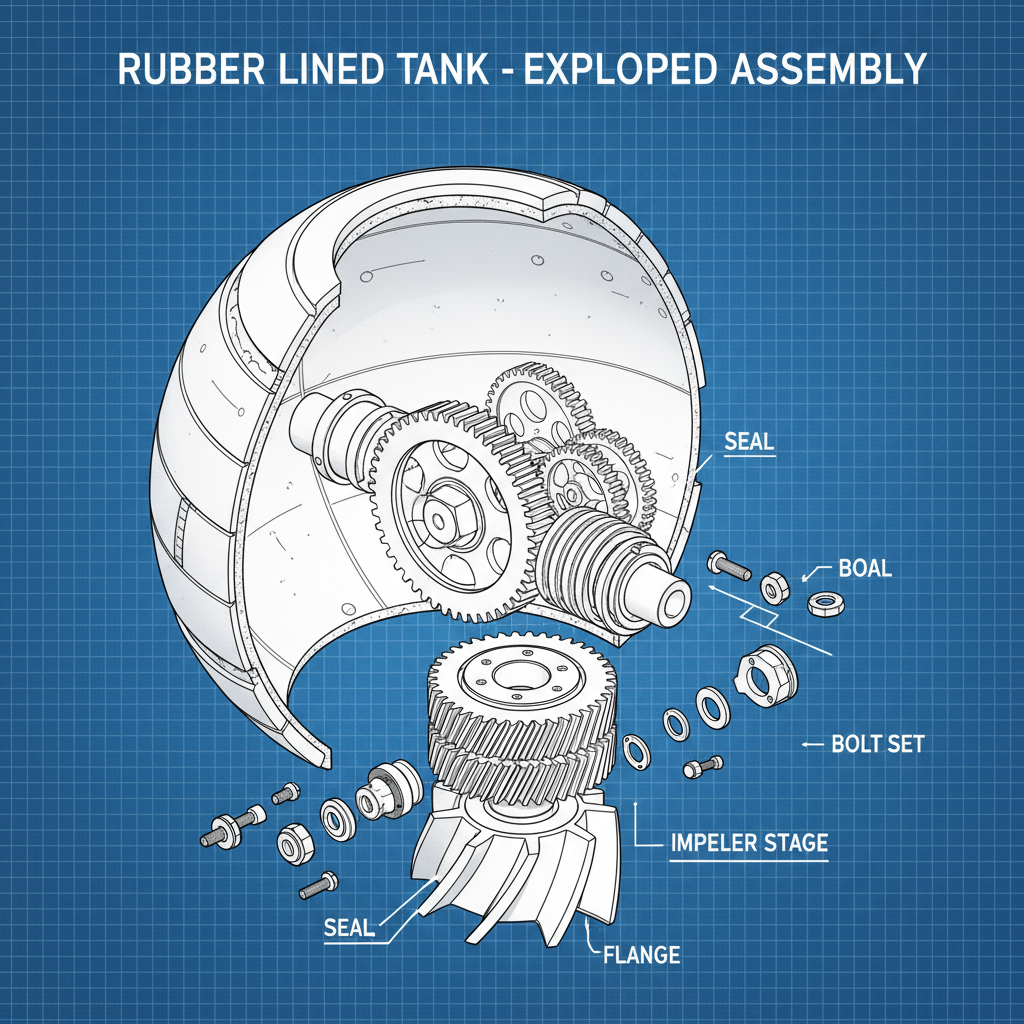
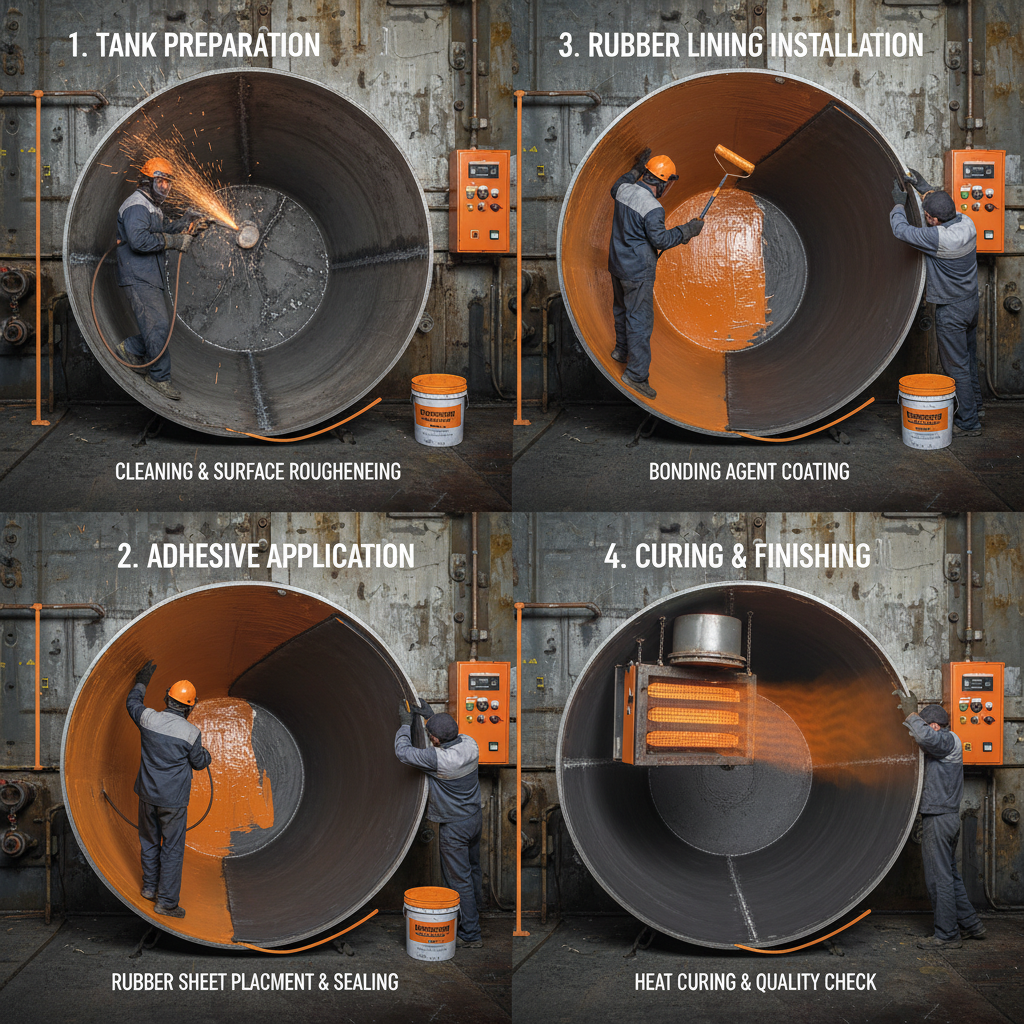
A rubber lined tank is essentially a steel tank with an inner lining of rubber – typically natural rubber, butyl rubber, or EPDM rubber. The steel provides structural strength, while the rubber lining offers excellent chemical resistance, protecting the tank and its contents from corrosion and contamination. This combination makes them ideal for storing a diverse array of aggressive chemicals, including acids, alkalis, and solvents. The rubber lining acts as a barrier, preventing the tank material from reacting with the stored substance, ensuring product purity and extending the tank's lifespan. This is a cost-effective solution compared to using more exotic, and expensive, tank materials.
Key Benefit: The primary advantage of rubber lining is its ability to prevent corrosion and contamination, ensuring the integrity of both the tank and its contents.
Common Applications for Rubber Lined Tanks
The versatility of rubber lined tanks leads to widespread use across various industries. They're frequently employed in chemical processing plants, water and wastewater treatment facilities, mining operations, food and beverage production, and pharmaceutical manufacturing. Specific applications include storing sulfuric acid, hydrochloric acid, sodium hydroxide, bleach, and a host of other aggressive substances. They are also utilized in fermentation processes, offering a sanitary and chemically inert environment for biological reactions. Their ability to maintain product purity makes them indispensable in industries where contamination is a critical concern.
Key Industries Utilizing Rubber Lined Tanks:
• Chemical Processing
• Water & Wastewater Treatment
• Mining & Minerals
• Food & Beverage
• Pharmaceuticals
Rubber Types: Choosing the Right Lining for Your Needs
The type of rubber lining used significantly impacts the tank’s performance. Here’s a comparison of common rubber types:
Benefits of Choosing QW Metal for Your Rubber Lined Tank Needs
At QW Metal, we specialize in the design, fabrication, and installation of high-quality rubber lined tanks. We offer customized solutions tailored to your specific requirements, utilizing various rubber linings and steel grades to ensure optimal performance and longevity. Our commitment to quality control, coupled with our experienced engineering team, guarantees a reliable and durable product. We prioritize customer satisfaction and provide comprehensive support throughout the entire process, from initial consultation to post-installation service. Choose QW Metal for a tank that’s built to last and designed to meet your unique needs.
Factors to Consider When Selecting a Rubber Lined Tank
Several factors should influence your decision when selecting a rubber lined tank. These include the chemical compatibility of the lining with the stored substance, the operating temperature and pressure, the required tank volume, and any specific regulatory requirements. Consider the long-term costs, including maintenance and potential replacement. A properly selected and maintained tank will provide years of reliable service, minimizing downtime and maximizing your investment. Partnering with an experienced manufacturer like QW Metal ensures you receive expert guidance and a solution optimized for your specific application.
Conclusion: Investing in a Reliable Storage Solution
Choosing the right rubber lined tank is a crucial investment for any industry handling corrosive or sensitive materials. QW Metal offers comprehensive solutions, expert guidance, and a commitment to quality, ensuring you receive a durable and reliable tank tailored to your specific needs. Protect your assets, ensure workplace safety, and optimize your operations with a superior rubber lined tank from a trusted partner.
Frequently Asked Questions (FAQs)
What is the typical lifespan of a rubber lined tank?
The lifespan of a rubber lined tank varies depending on factors such as the chemical being stored, operating temperature, and maintenance practices. However, with proper care and maintenance, a well-constructed rubber lined tank can typically last 10-20 years or more. Regular inspections for liner degradation, corrosion, or physical damage are essential. Implementing a preventative maintenance program, including periodic cleaning and liner inspections, can significantly extend the tank’s lifespan. We at QW Metal provide comprehensive maintenance guidance and support.
How are rubber lined tanks repaired?
Minor damages to the rubber lining can sometimes be repaired by qualified technicians through patching or vulcanization. However, extensive damage often requires relining or complete tank replacement. QW Metal offers relining services to extend the life of your existing tanks. We thoroughly assess the damage to determine the most cost-effective and reliable repair solution. Proper repair procedures are crucial to ensure the continued integrity and safety of the tank.
What factors influence the cost of a rubber lined tank?
Several factors contribute to the cost of a rubber lined tank, including the tank’s size and capacity, the type of rubber lining selected, the steel grade used for construction, any specific design requirements, and the complexity of the fabrication process. Customization and specialized features will also impact the price. At QW Metal, we provide transparent and competitive pricing, offering tailored solutions to meet your budget and performance needs. We also can offer alternative tank construction materials that might be better suited to certain projects.
Are rubber lined tanks suitable for potable water storage?
While rubber lined tanks can be used for certain potable water applications, it’s crucial to select a rubber lining specifically approved for potable water contact. Not all rubber compounds meet the necessary safety standards for drinking water. EPDM rubber is often a suitable choice, but it's essential to verify compliance with relevant regulations such as NSF/ANSI 61. QW Metal can provide tanks with linings certified for potable water storage, ensuring the safety and purity of the water supply.
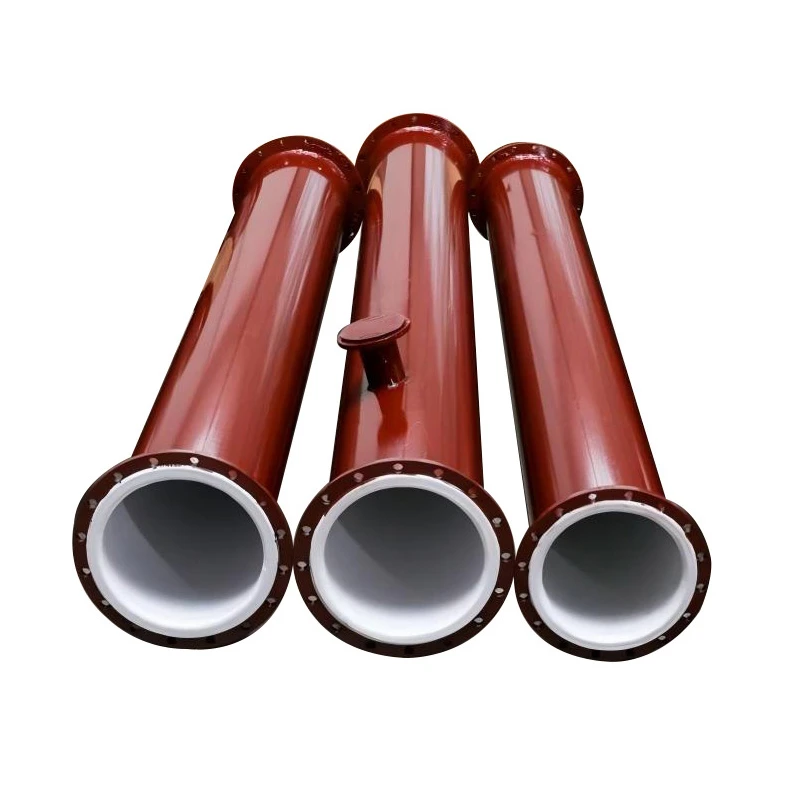
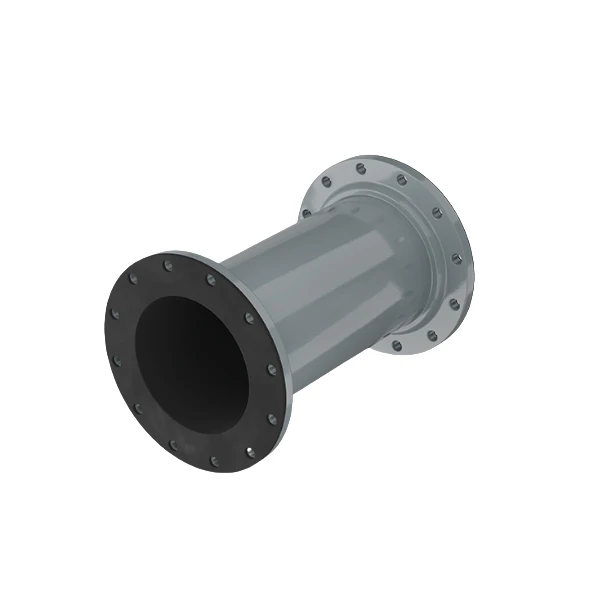
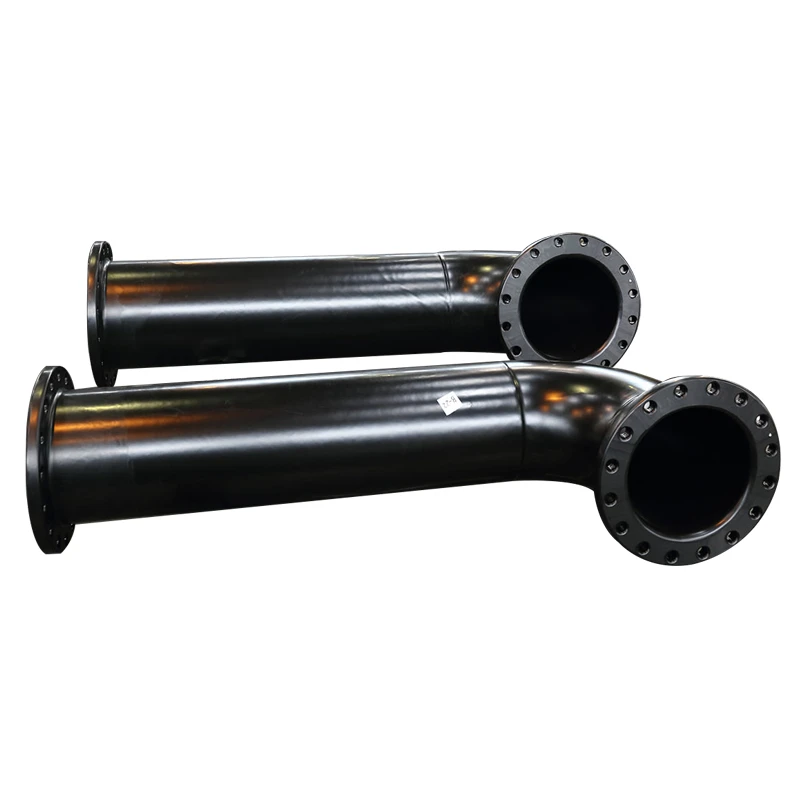
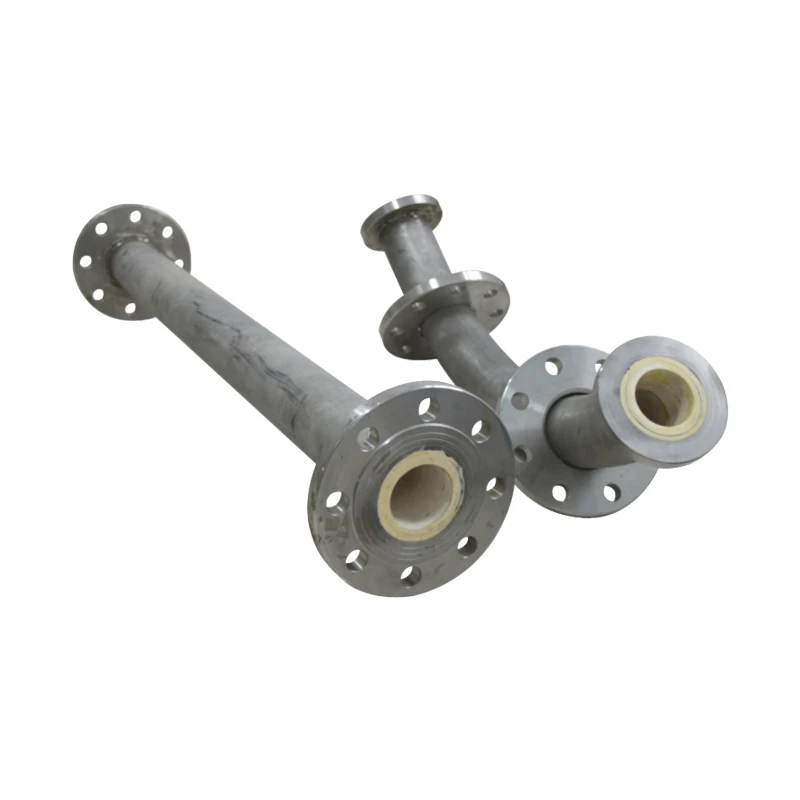
Related Products
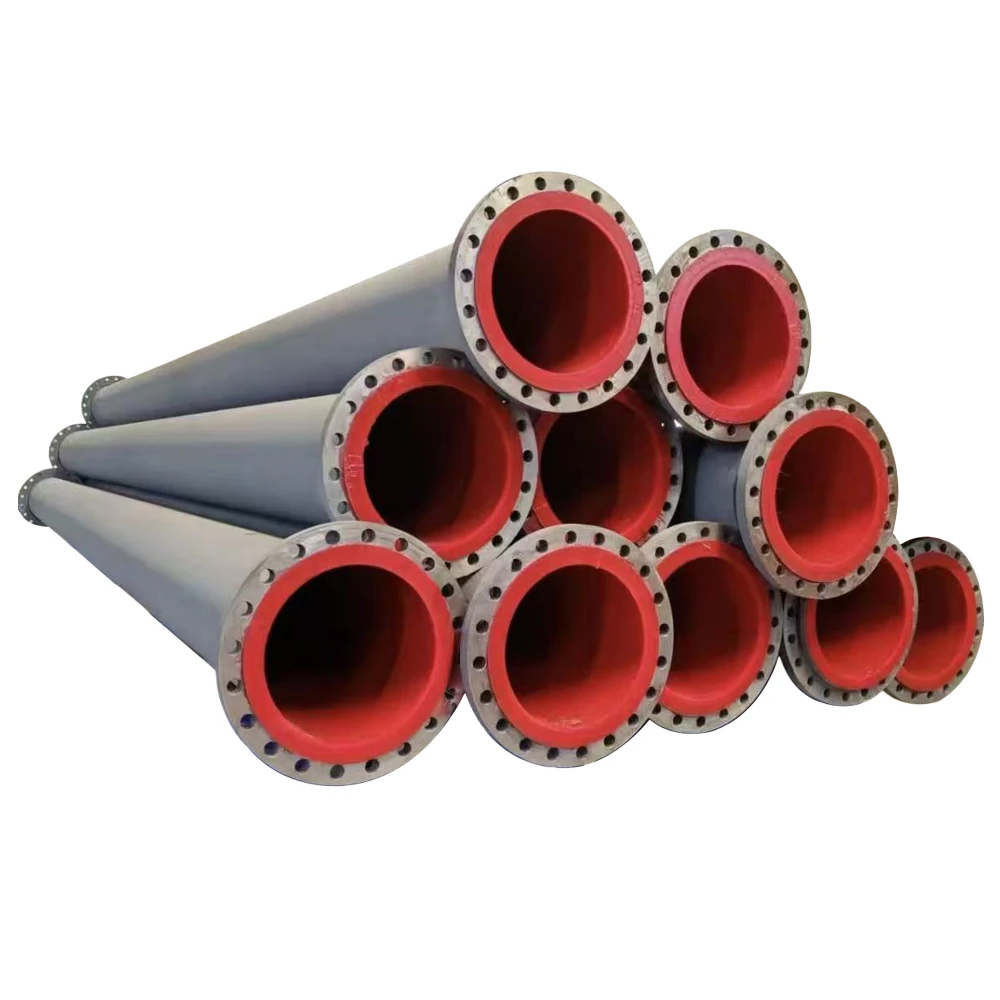
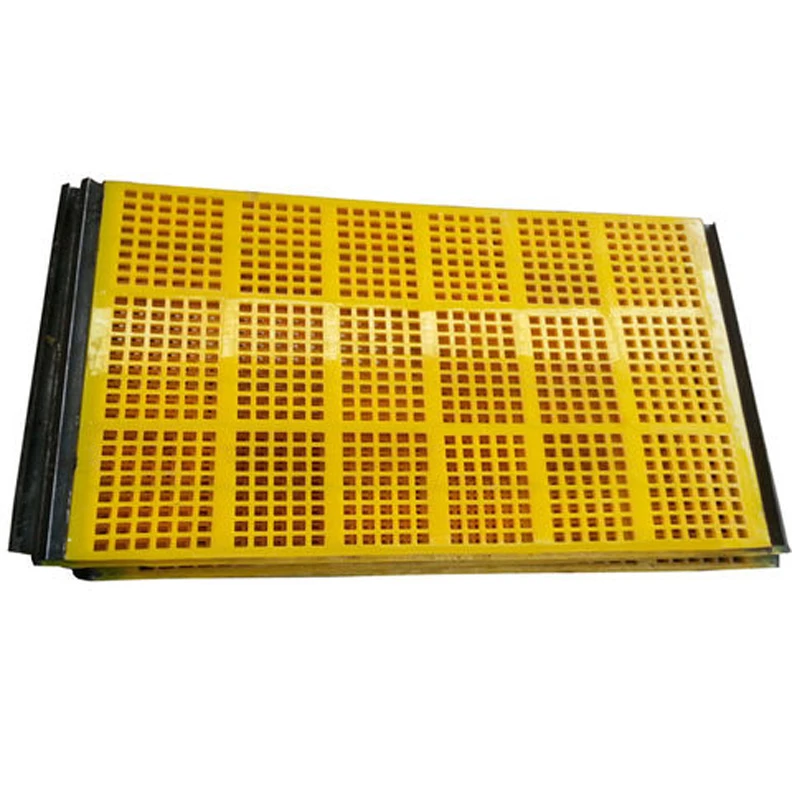
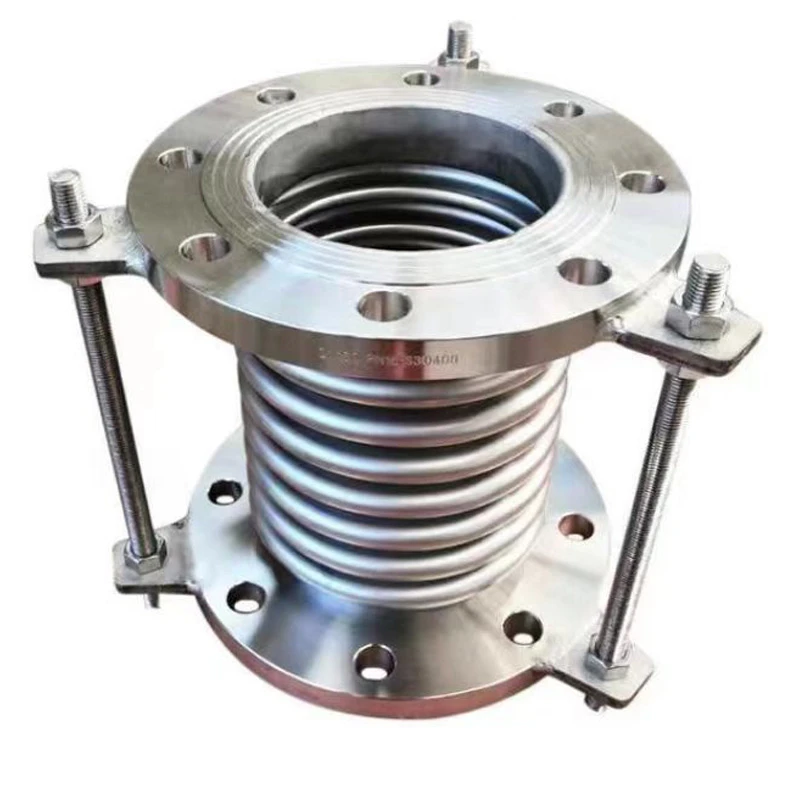
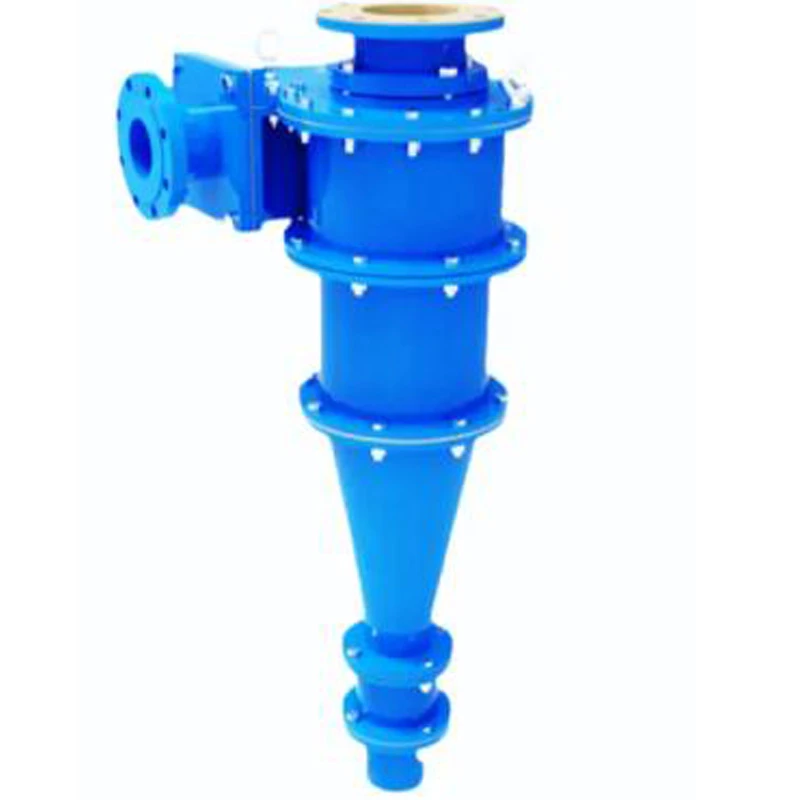
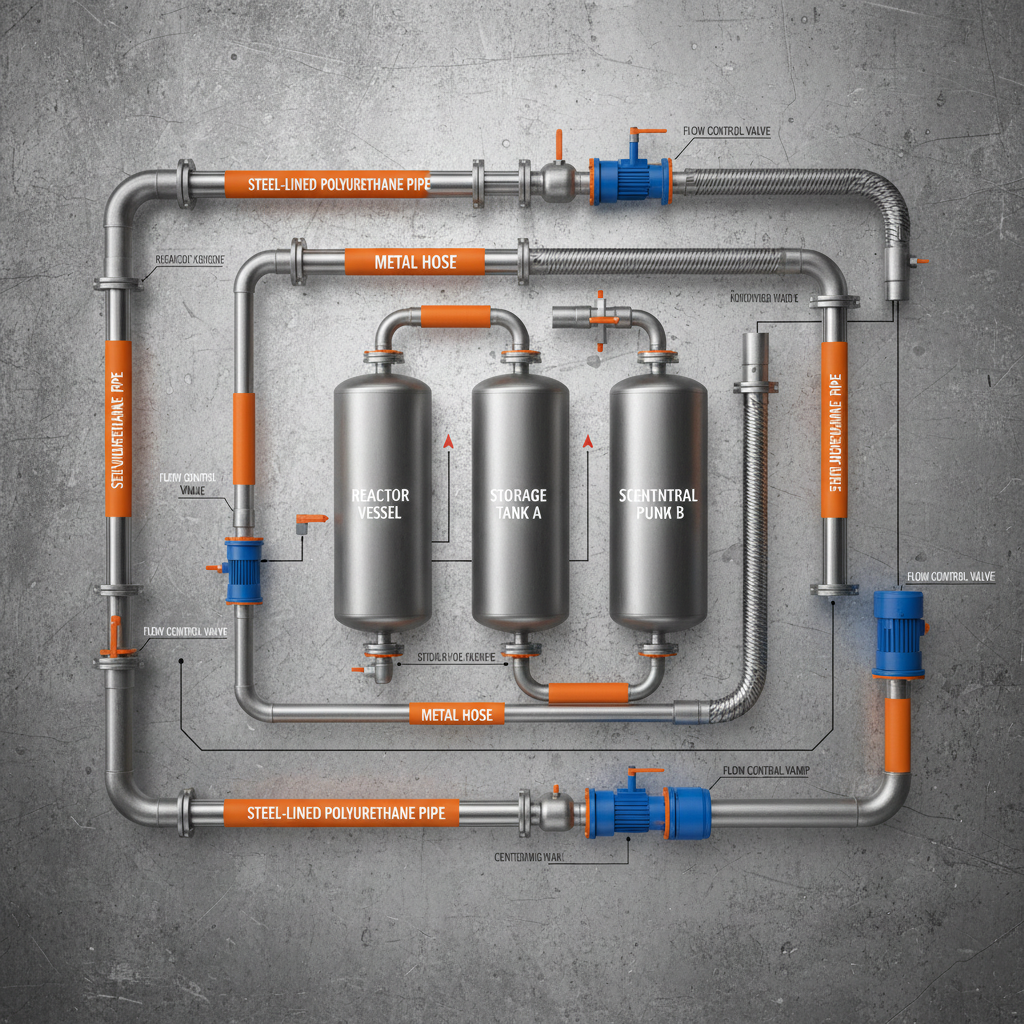
Our main products are polyurethane lined pipes, mining equipment fittings and metal hoses.