Teflon Lined Tanks: Corrosion Solutions for Industry
Understanding the Value of Teflon Lined Tanks
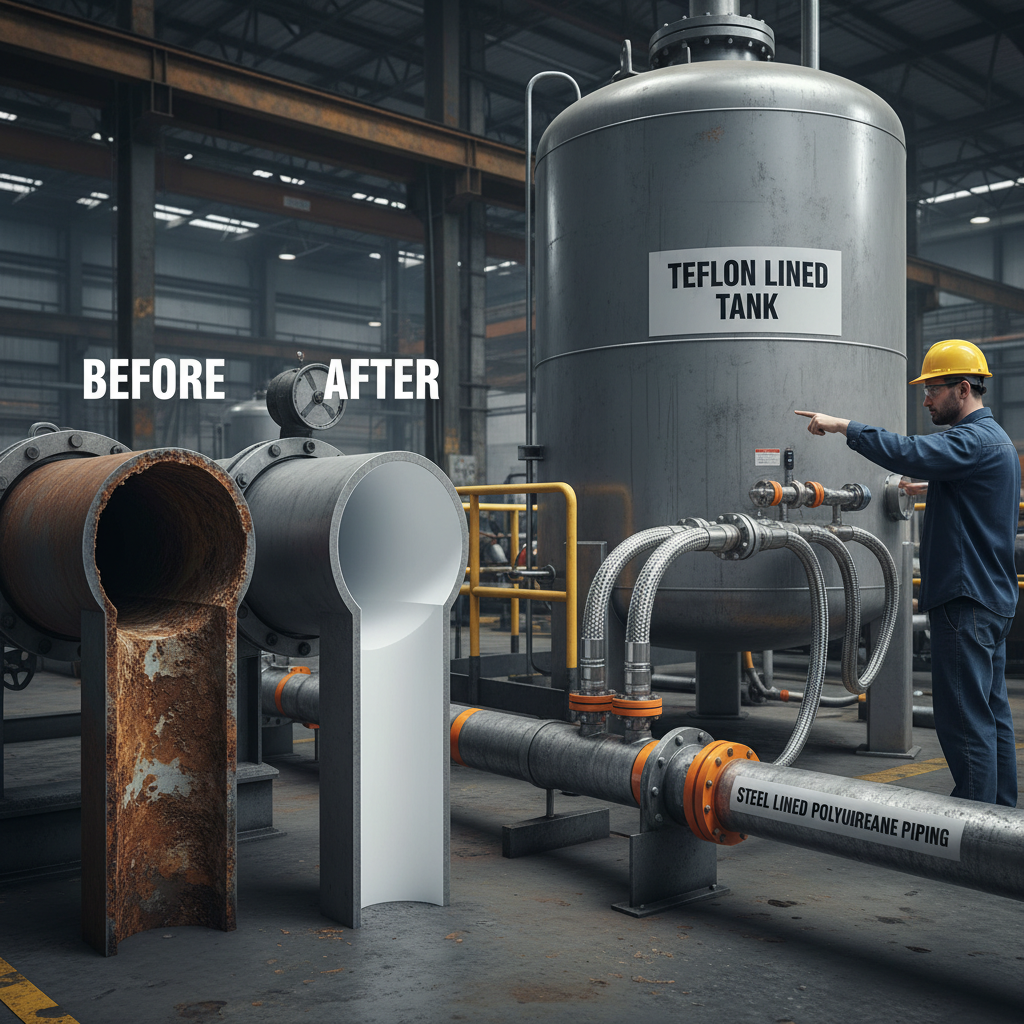
Let's talk about Teflon lined tanks. It’s a surprisingly complex topic, frankly. It’s not just slapping some Teflon onto a steel vessel, you know? These tanks are crucial for a lot of industries, particularly those dealing with corrosive materials. I’ve spent the last few years working with chemical processing plants and water treatment facilities, and the demand for reliable, durable storage solutions is always there. It's a constant battle against corrosion, and that’s where Teflon – specifically, PTFE – really shines. It's become almost a baseline expectation in these sectors…almost.
Teflon Lined Tanks: A Deeper Dive
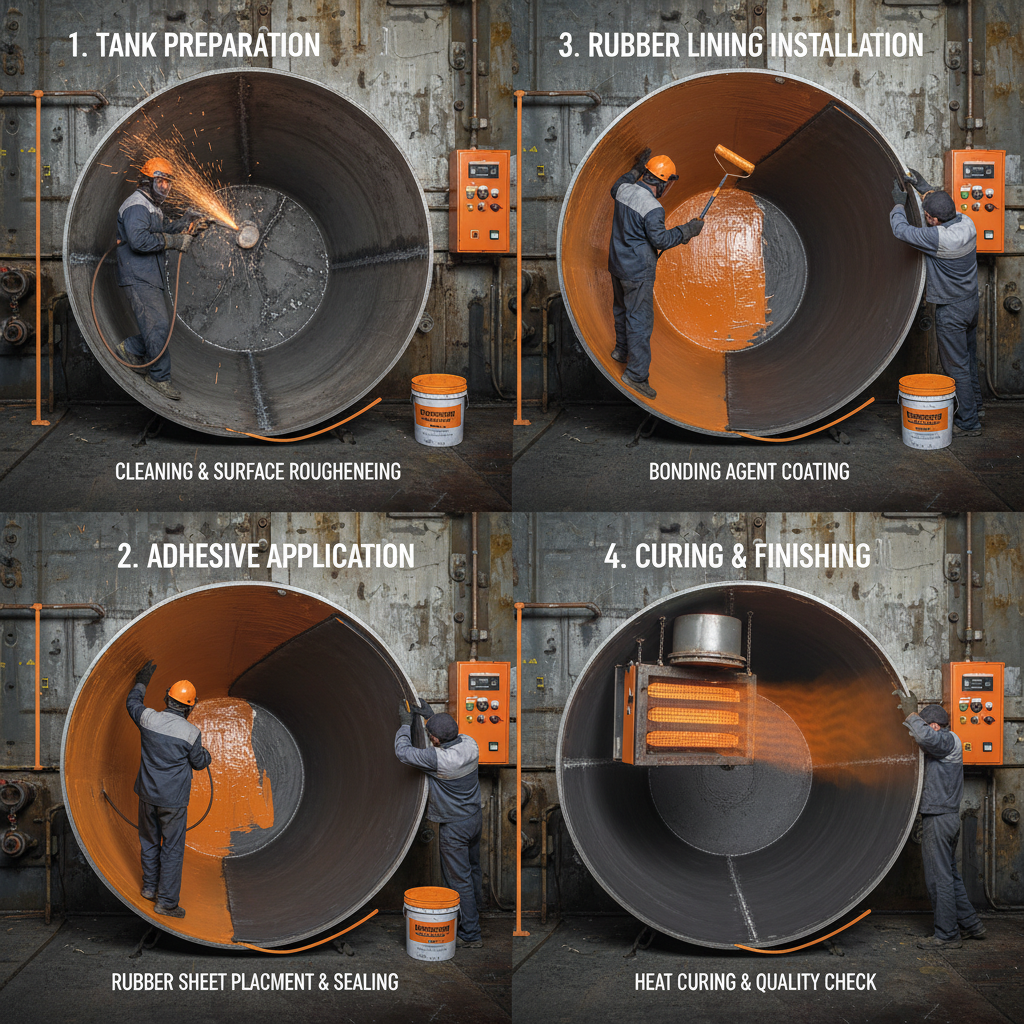
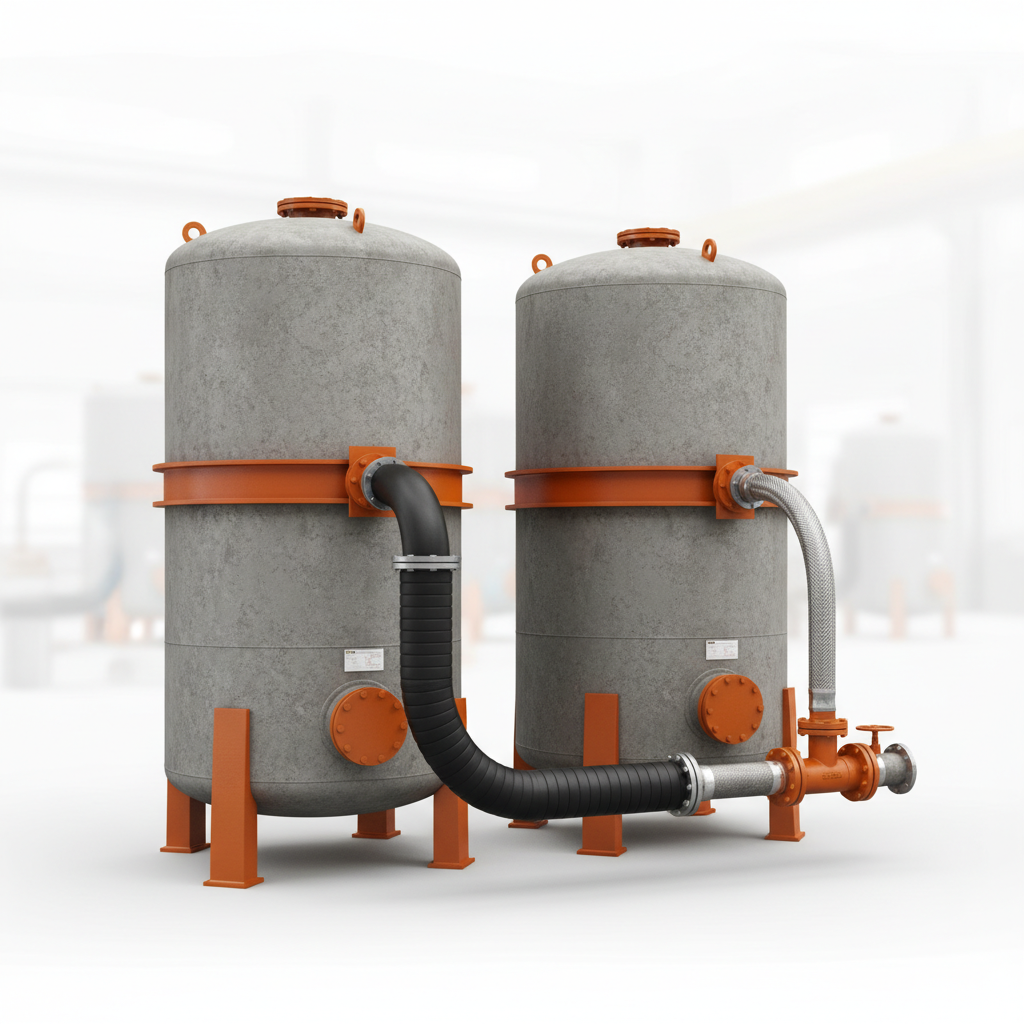
So, what are we talking about? These tanks typically start with a carbon steel or stainless steel shell. The interior, though, that’s where the magic happens. A layer of PTFE – polytetrafluoroethylene, Teflon being the most recognizable brand name – is applied. The process is pretty involved; it’s not just a coating. It usually involves a primer layer and then several layers of PTFE, sintered together under heat and pressure. I suppose the key is achieving a complete, pinhole-free lining. A failure there…well, that’s a problem. A lot of the work goes into surface preparation. Here are some typical specs we see:
| Parameter | Specification | Notes |
|---|---|---|
| Material (Shell) | Carbon Steel, 304/316 Stainless Steel | Based on application requirements |
| Lining Material | PTFE (Polytetrafluoroethylene) | Various grades available |
| Temperature Range | -200°C to +260°C | Dependent on PTFE grade |
| Pressure Rating | Customizable | Varies with tank size and design |
Benefits & Use Cases of Teflon Lined Tanks
The applications are broad. Chemical processing is huge, obviously – handling acids, bases, solvents. Water and wastewater treatment, too. And increasingly, pharmaceuticals. It feels like the demand for high-purity storage is only going up. The real advantage, though, isn't just corrosion resistance; it's the non-stick properties. This reduces fouling and makes cleaning significantly easier. That translates to less downtime and lower maintenance costs. I’ve also seen them used in food processing, where sanitation is paramount. It's not the cheapest option upfront, but the long-term ROI can be substantial.
Cost, Maintenance & User Experience
Cost is always a factor. A Teflon lined tank will be more expensive than a standard steel tank, no question. But many engineers say the extended lifespan and reduced maintenance offset that initial cost. Maintenance is relatively straightforward – periodic inspections for any damage to the lining. It’s also worth considering the vendor. Some offer thicker linings, better application processes, and more robust warranties. Here's a quick comparison of a few players:
| Vendor | Lining Quality | Warranty | Customer Support |
|---|---|---|---|
| QW Metal | Excellent | 5 Years | Responsive |
| ABC Tanks | Good | 2 Years | Average |
| XYZ Solutions | Fair | 1 Year | Limited |
Sustainability & Market Trends
There’s increasing pressure for sustainable solutions, and Teflon lined tanks actually contribute to that. By reducing leaks and extending the lifespan of the tanks, they minimize the need for replacements and reduce waste. Plus, they allow for more efficient processing, reducing chemical usage in some cases. The market is definitely growing, driven by stricter environmental regulations and the demand for more reliable and durable storage. Oddly enough, there’s a renewed interest in localized manufacturing too, which is good news for domestic suppliers.
Frequently Asked Questions about Teflon Lined Tanks
- What is a Teflon Lined Tank and how does it work?
- A Teflon lined tank uses a layer of PTFE (Teflon) applied to the interior of a steel tank to provide excellent chemical resistance and prevent corrosion. It works by creating a non-reactive barrier between the stored material and the tank itself.
- What are the main benefits of using Teflon Lined Tanks in industrial applications?
- The primary benefits include superior corrosion resistance, reduced fouling due to non-stick properties, easier cleaning, extended tank lifespan, and lower maintenance costs.
- How does a Teflon Lined Tank compare to traditional alternatives?
- Compared to uncoated steel or other coatings, Teflon linings offer significantly better chemical resistance and longevity, especially when handling aggressive substances. They often have a higher upfront cost but provide a better total cost of ownership.
- What industries can benefit most from Teflon Lined Tanks implementation?
- Industries like chemical processing, water & wastewater treatment, pharmaceuticals, food & beverage, and pulp & paper all benefit from the corrosion resistance and purity offered by these tanks.
Conclusion on Teflon Lined Tanks
Ultimately, Teflon lined tanks represent a smart investment for businesses prioritizing durability, reliability, and long-term cost savings. They’re not a one-size-fits-all solution, but when the application demands it, they’re hard to beat.
– Visit our website: https://www.qwmetal.com
- Choose wisely based on your specific application.
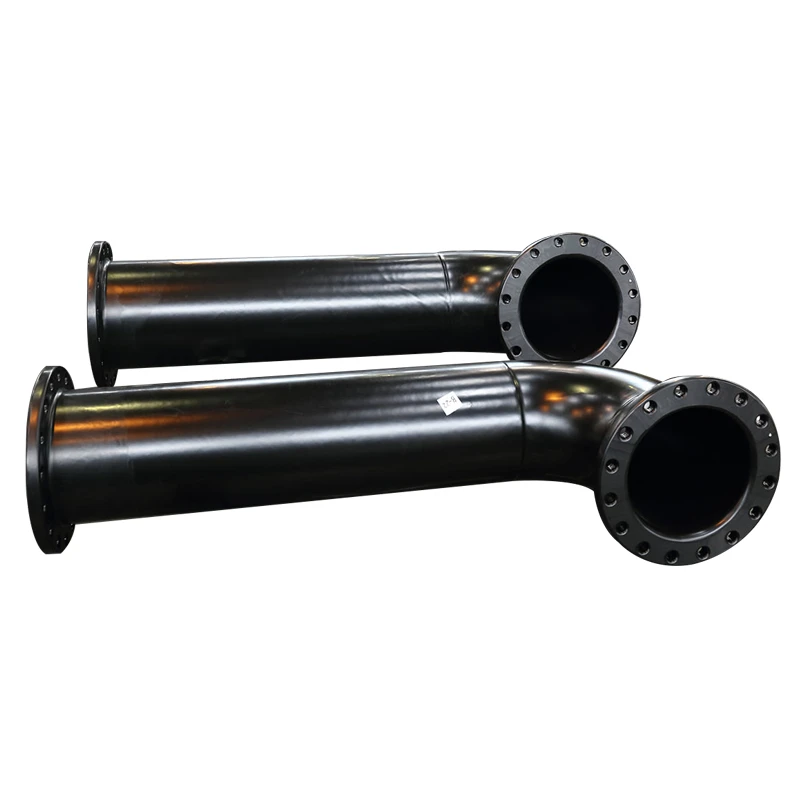
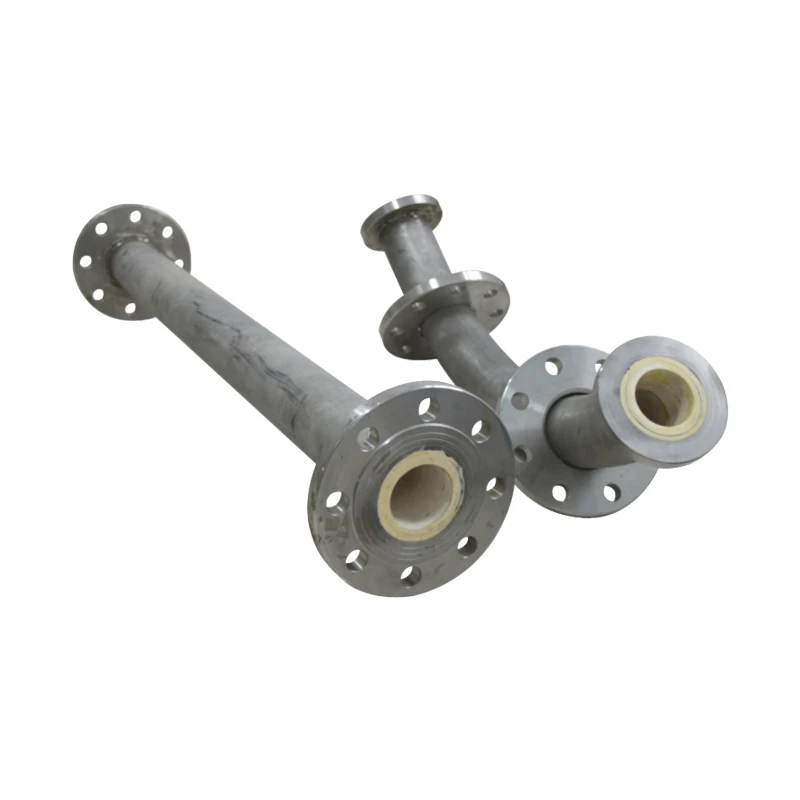
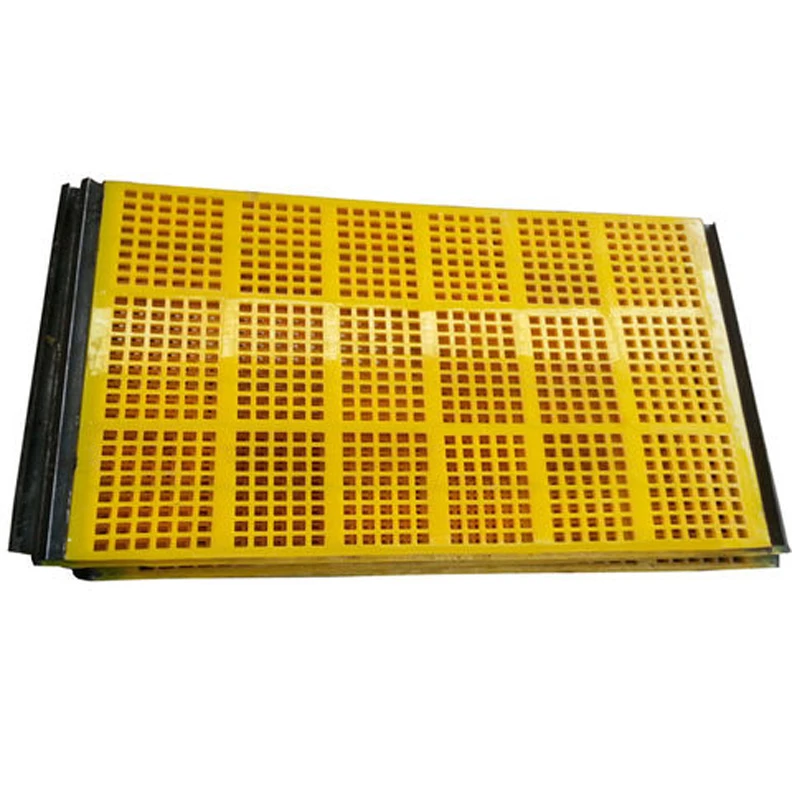
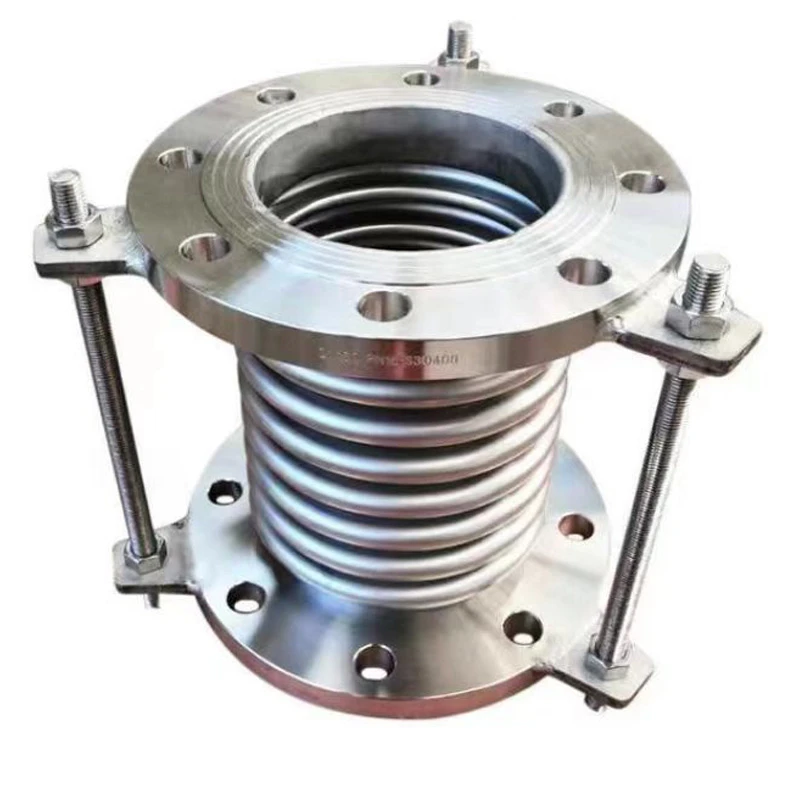
Related Products
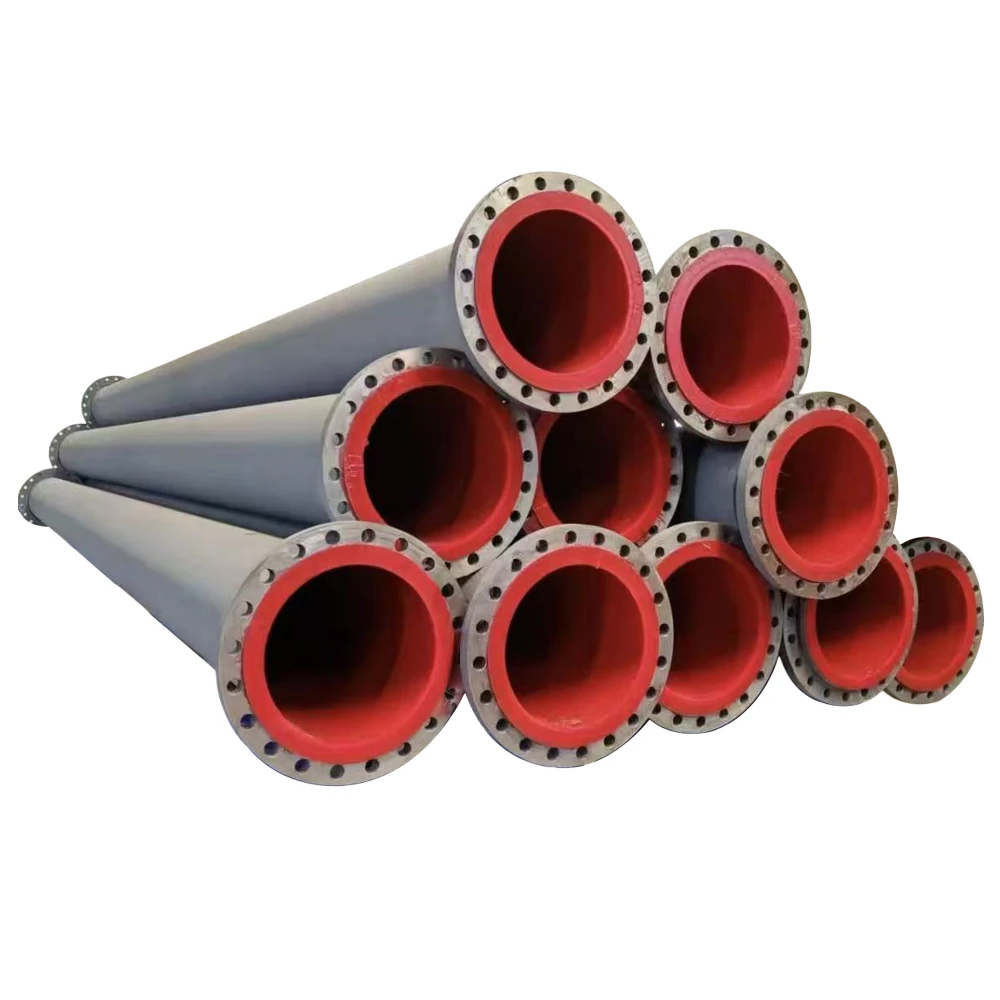
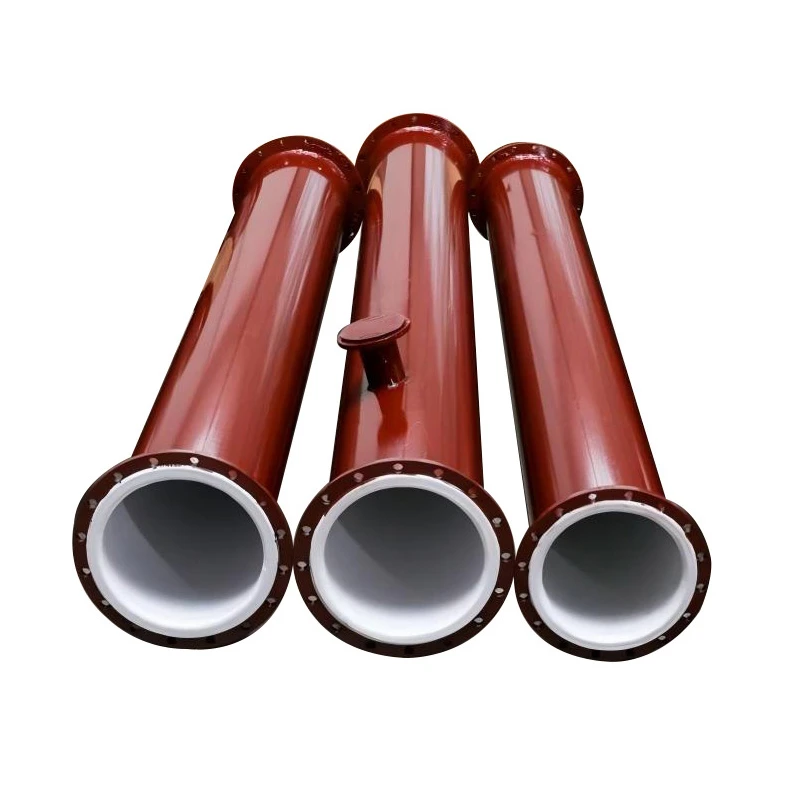
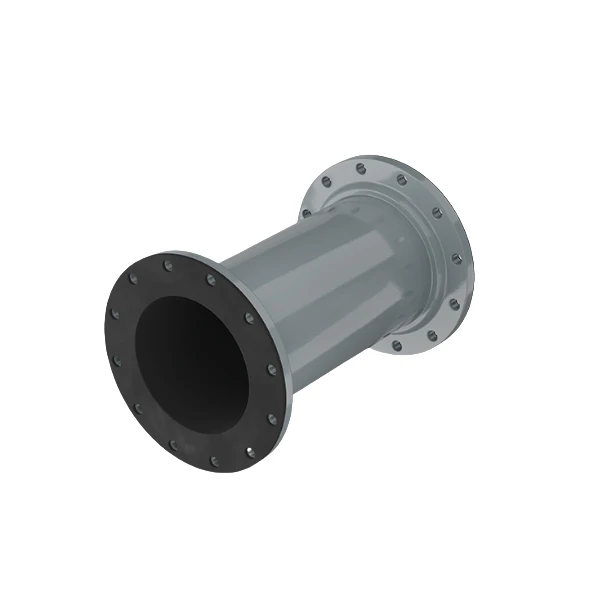
Our main products are polyurethane lined pipes, mining equipment fittings and metal hoses.