search
Chemical Storage Tanks: A Guide
Understanding Chemical Storage Tanks: A Practical Guide
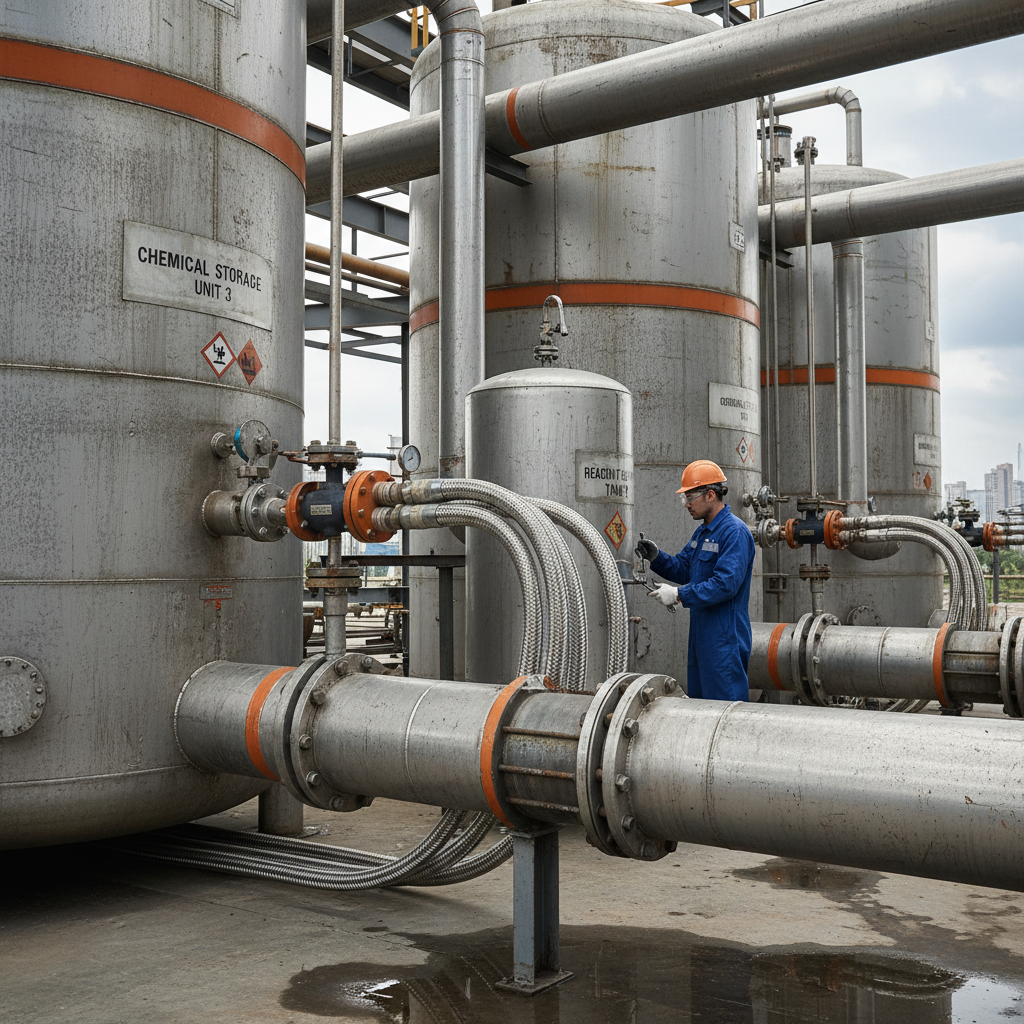
You know, after spending years in this business – industrial equipment, specifically – you start to see patterns. One constant? The absolute need for safe, reliable chemical storage. It’s not glamorous work, designing and sourcing these things, but it's critical. A leak, a failure… the consequences can be enormous. Frankly, a lot of folks don't give it enough thought until something goes wrong. We're seeing increased demand for specialized tanks now, driven by tighter regulations and a wider range of chemicals in use. Everything from basic acids to really exotic, temperature-sensitive compounds. It's a moving target, always has been.Key Considerations in Chemical Tank Design
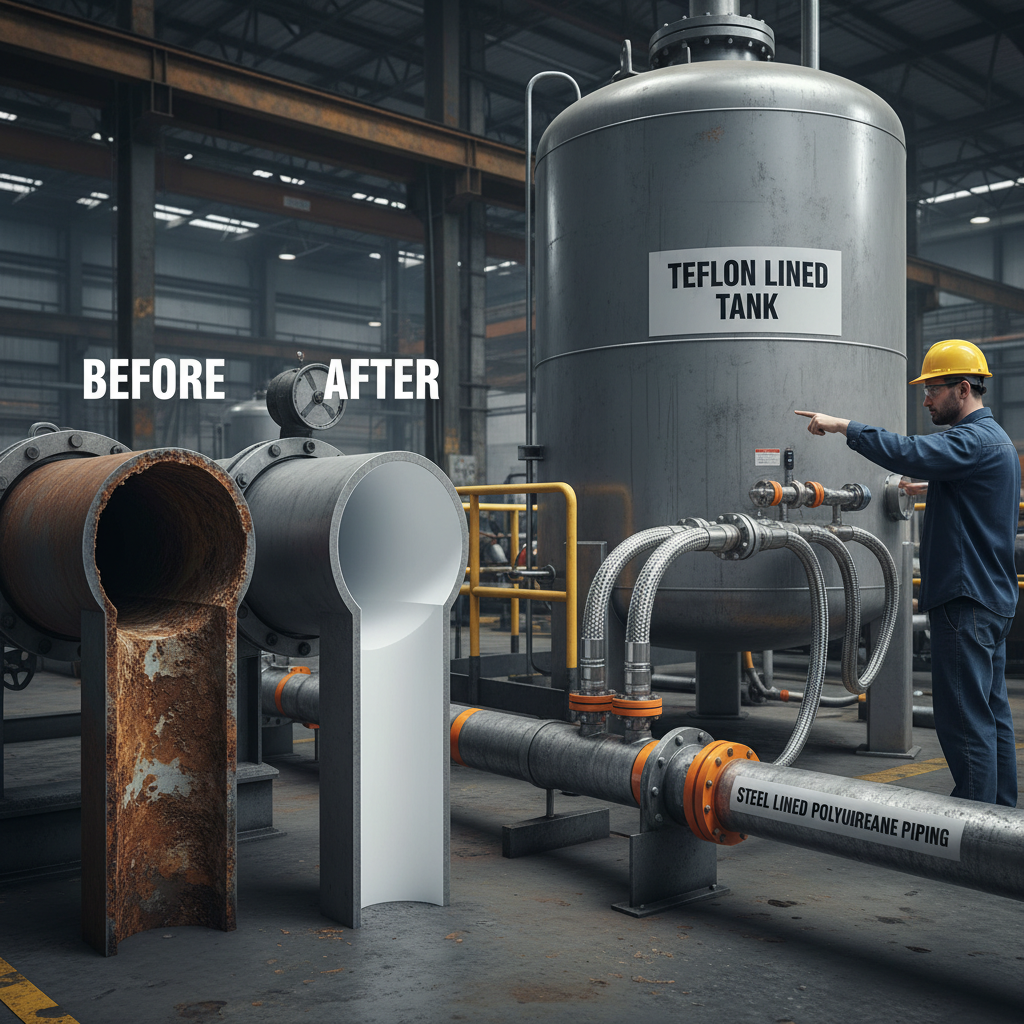
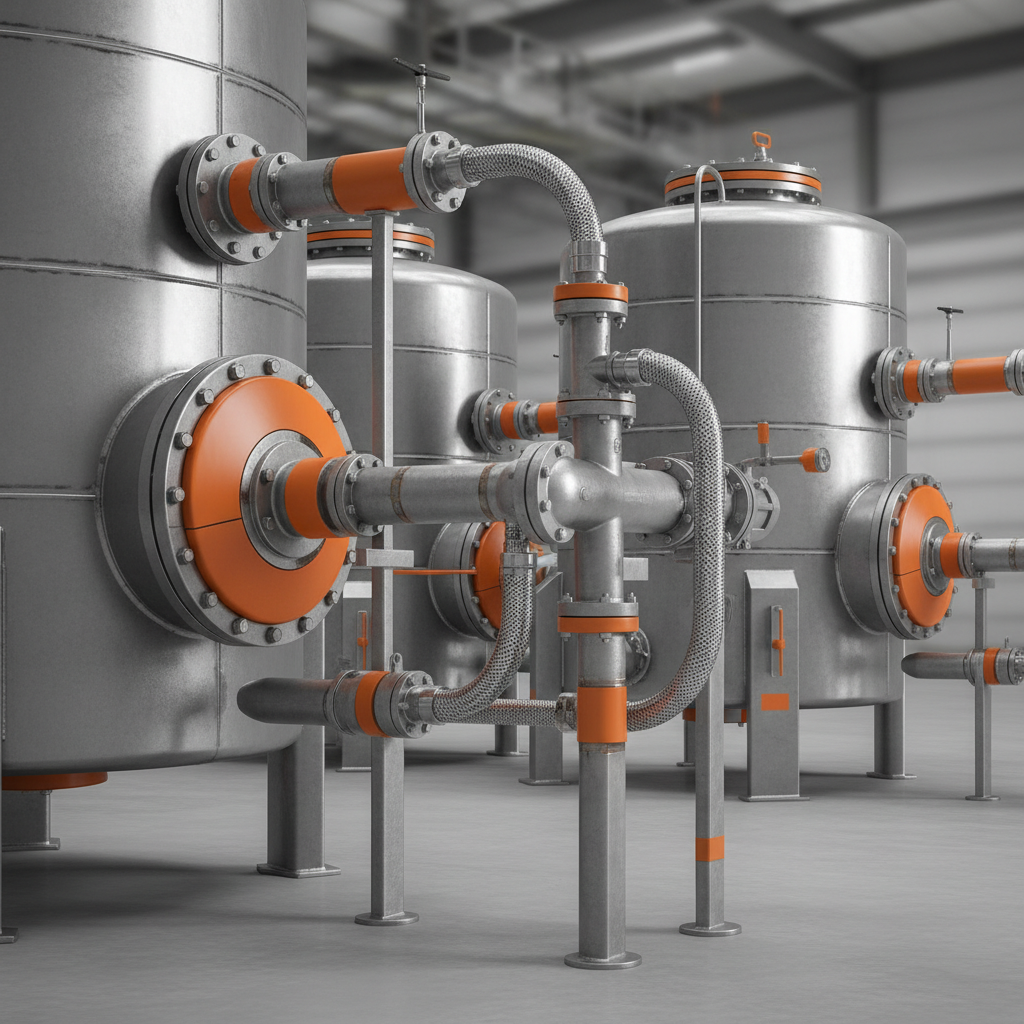
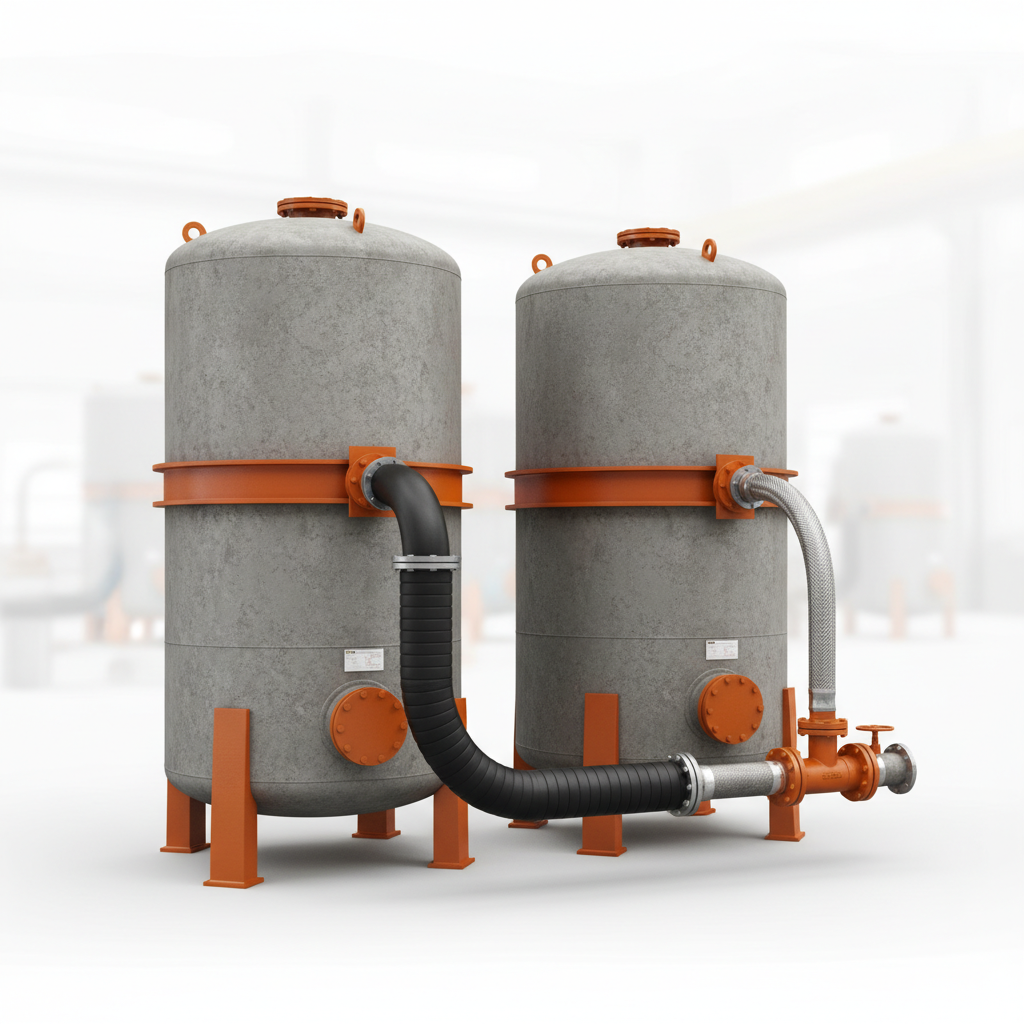
The design itself is deceptively complex. It's not just about holding liquid. It's about material compatibility, pressure ratings, temperature control, and, crucially, preventing environmental contamination. I suppose many people think “steel tank” and assume that’s it. But it’s which steel, how it’s fabricated, what kind of lining is used… that’s where the real engineering comes in. We've been moving towards more polymer-based tanks for certain applications, particularly when dealing with highly corrosive substances. Polyethylene, polypropylene, even fiberglass-reinforced plastics are becoming increasingly common. Here’s a quick breakdown of typical specs for a standard stainless steel tank, one we’ve used a lot lately:| Parameter | Value | Notes |
|---|---|---|
| Material | 316L Stainless Steel | Excellent corrosion resistance |
| Capacity | 5,000 - 20,000 Gallons | Customizable |
| Wall Thickness | 0.25 - 0.5 inches | Dependent on pressure rating |
| Connections | ANSI Flanges | Various sizes and configurations |
Vendor Landscape & Choosing the Right Partner
Oddly enough, the vendor selection process can be just as important as the tank itself. There’s a lot of variation in quality and service. I’ve seen some… let’s just say “less reputable” companies cut corners. It’s worth paying a little more for a proven track record. We often get asked about the difference between QwMetal (you can find them at QwMetal) and some of their competitors. Here's a quick comparison:| Vendor | Lead Time | Customization Options | Pricing |
|---|---|---|---|
| QwMetal | 4-6 weeks | High | Competitive |
| Alpha Tanks | 6-8 weeks | Medium | Moderate |
| Beta Solutions | 8-12 weeks | Low | Low |
Conclusion
Choosing the right chemical storage tank is an investment, not just an expense. It impacts safety, compliance, and your bottom line. Don’t be afraid to ask questions, demand detailed specs, and work with a partner who understands your needs. It feels like a lot, I know, but it’s worth the effort. ## References
References:
- Industry durability reports, HKaiseal 2023
- Maintenance strategies for chemical equipment, Journal of Chemical Engineering 2022
- Personal project insights & engineer interviews 2018–2023
Product Recommendation
News Recommendation
Related Products
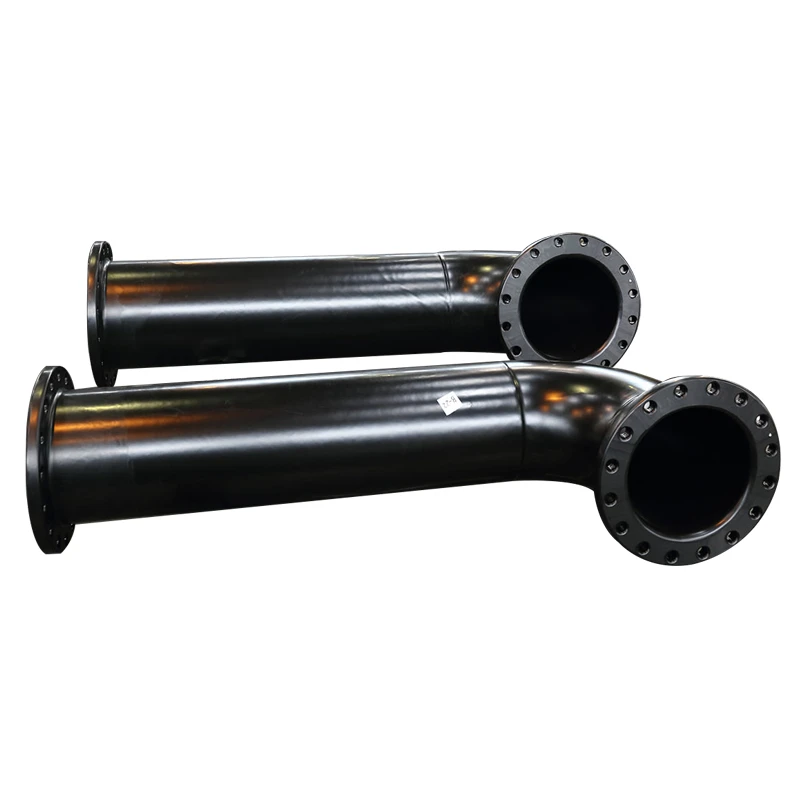
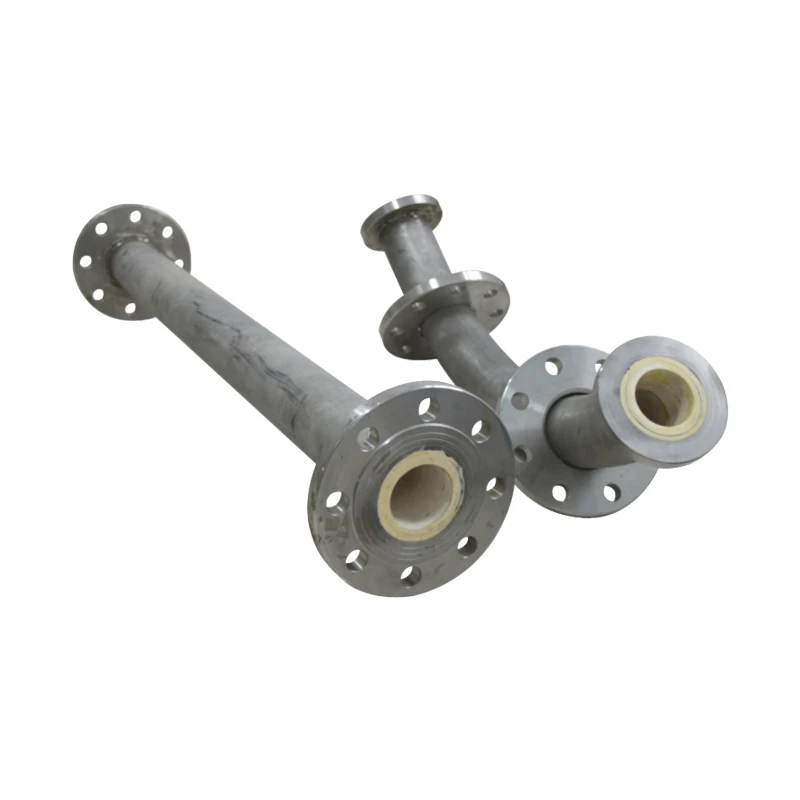
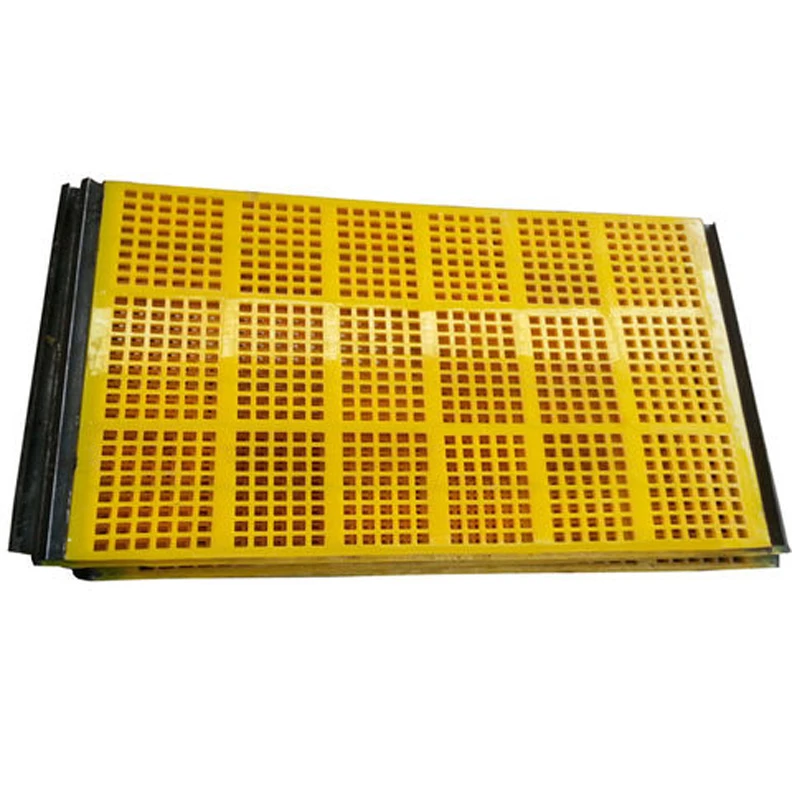
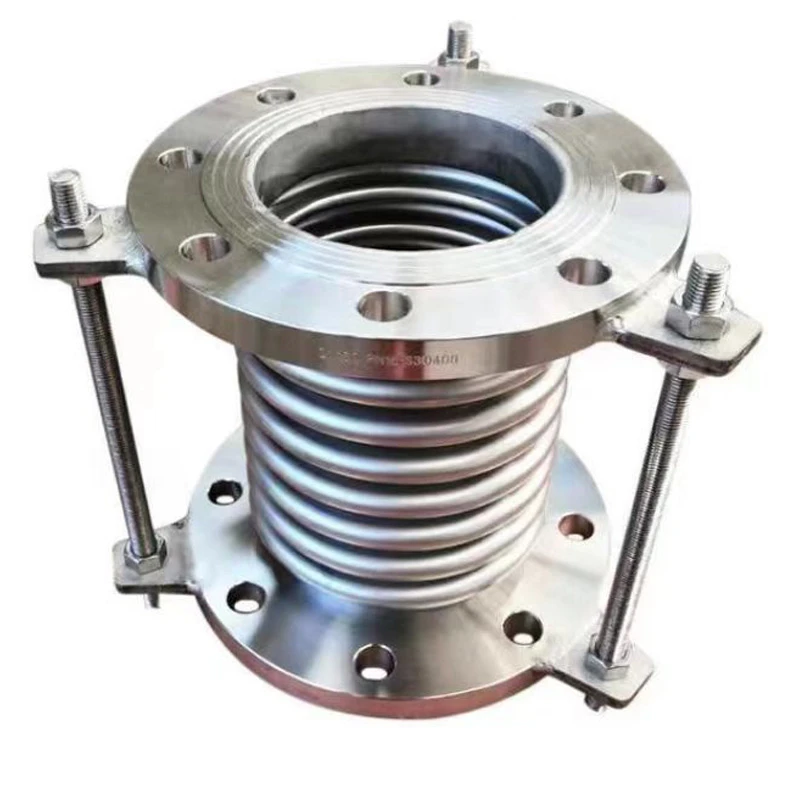
Our main products are polyurethane lined pipes, mining equipment fittings and metal hoses.


Copyright © 2026 Hebei Qiaowan Metal Products Co.LTD. All Rights Reserved. Sitemap | Privacy Policy | Top Blog