Reliable Chemical Tank Suppliers for Industrial Solutions | QW Metal
Chemical Tank Suppliers: What Every Industrial Pro Should Know
Having spent well over a decade working alongside chemical tank suppliers in the industrial sector, I’ve come to appreciate the sheer importance of choosing the right equipment. It’s not just about picking any chemical tank off the shelf — there’s a good bit of strategy and know-how involved. Oddly enough, a tank might seem like a vessel with one simple job, but frankly, it’s where design precision meets chemical compatibility and safety standards.
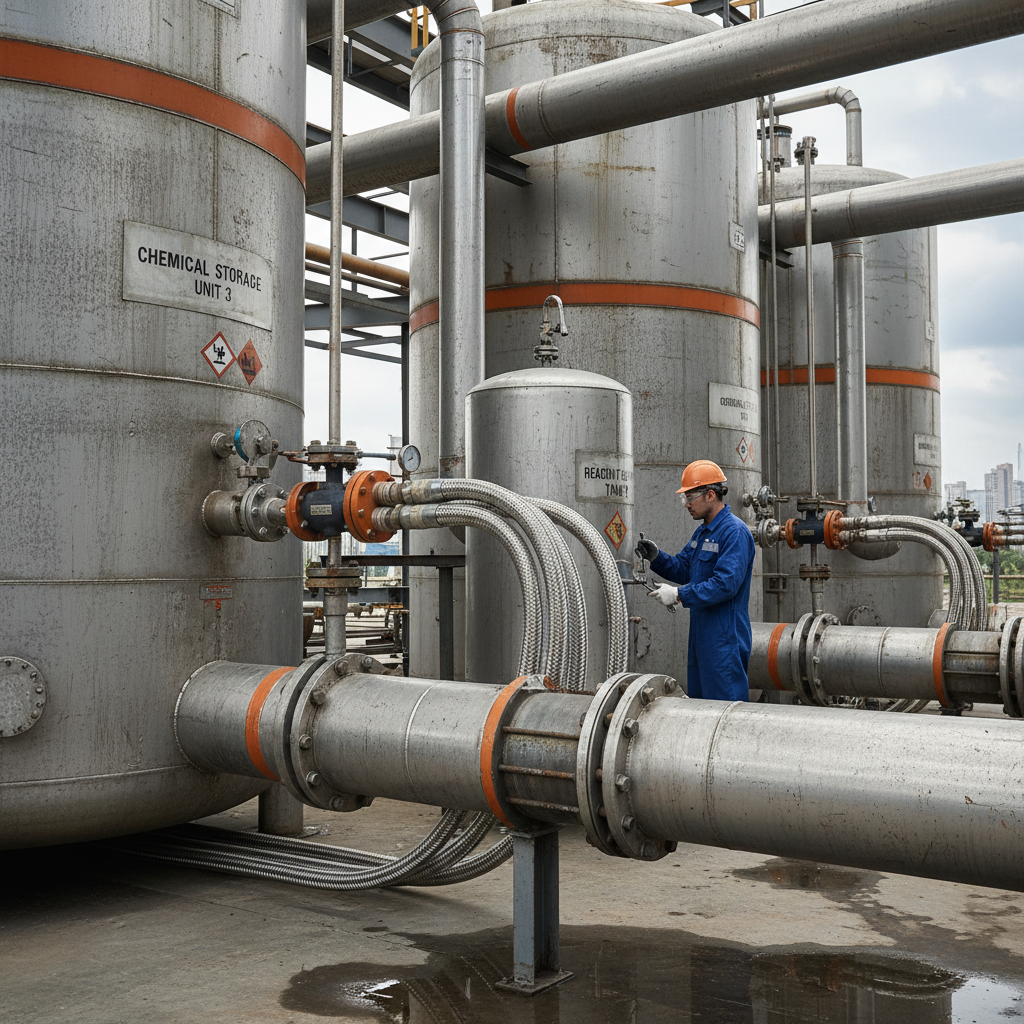
In real terms, a chemical tank is often the unsung hero of many operations, from storage to transport. Different chemicals demand different materials; a mismatch could lead to corrosion, contamination, or worse. I recall working on a project where switching from carbon steel to stainless steel tanks prevented a costly downtime due to unexpected corrosion—simple adjustment, huge impact.
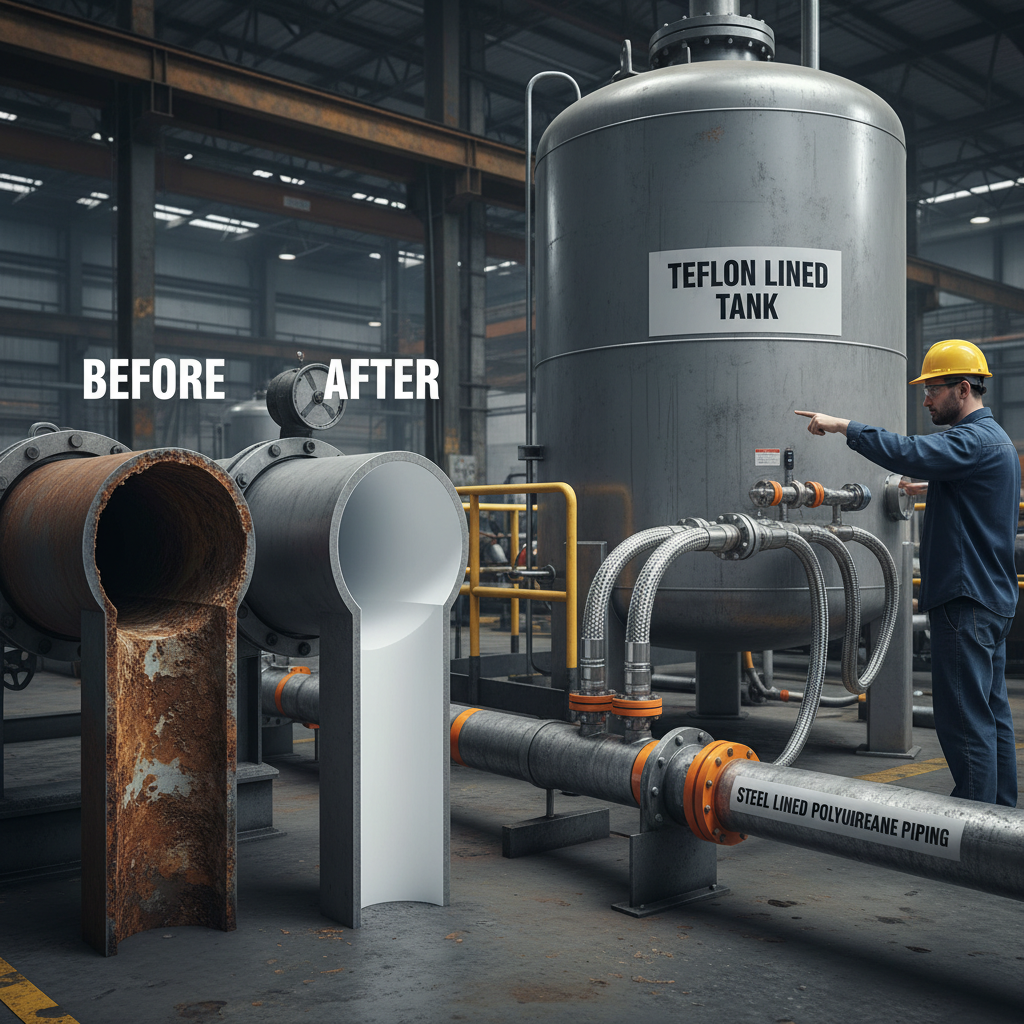
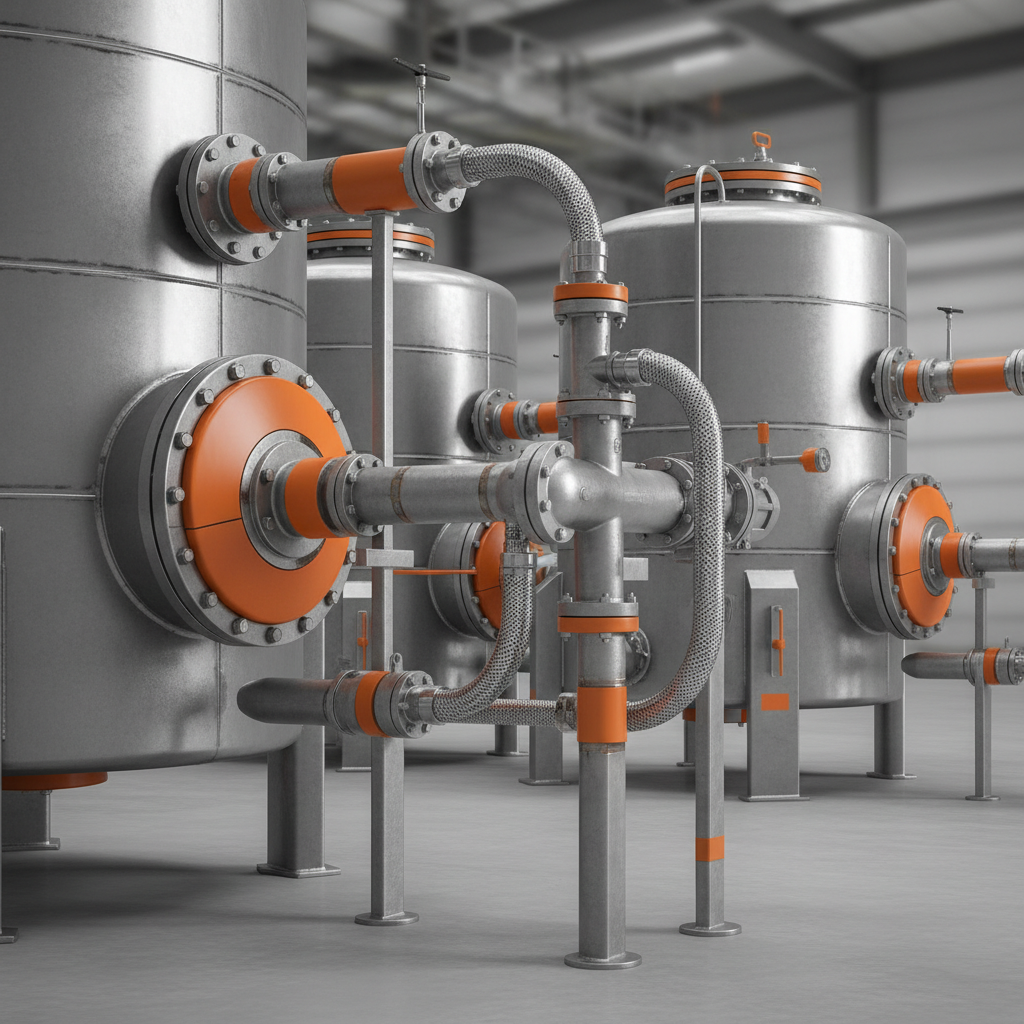
When it comes to choosing a supplier, there’s a balance to be struck between quality, customization, and cost. For instance, many suppliers offer tanks made from carbon steel, stainless steel, or sometimes even lined tanks for hazardous chemicals. Chemical tank suppliers who understand your industry’s nuances really stand out because they don’t just sell a tank—they provide peace of mind.
Material Matters: Steel Types & Tank Durability
Carbon steel is cheap and durable but not always the best choice for aggressive chemicals. Stainless steel, especially grades like 304 or 316L, offer improved corrosion resistance. You’ll often find 316L in pharmaceutical or food-grade applications because it doesn’t easily leach contaminants. For corrosive substances, many suppliers provide options like epoxy-lined tanks or even specialist alloys.
| Tank Specification | Details |
|---|---|
| Material | Carbon Steel, Stainless Steel (304, 316L), Lined Options |
| Capacity Range | 500 to 50,000 Liters |
| Design Standards | API 650, ASME, ISO 9001 Certified Fabrication |
| Customization | Custom Sizes, Linings, Heating Jackets, Agitators |
| Testing | Pressure Tests, Leak Tests, Third-Party Inspections |
Picking Your Partner: Quick Vendor Comparison
Over the years, I’ve run into a handful of reputable chemical tank suppliers. Here’s a quick snapshot that might help when you’re in the market. Of course, your priorities may vary — some folks want rapid turnaround, others need heavy customization.
| Vendor | Material Options | Customization Level | Lead Time | Typical Industries Served |
|---|---|---|---|---|
| QW Metal | Carbon Steel, 304/316 Stainless Steel | High – Custom Linings and Sizes | 4-6 Weeks | Chemical, Pharmaceutical, Food Processing |
| SteelTanks Inc. | Carbon Steel Mainly | Moderate – Standard Sizes | 3-5 Weeks | Agriculture, Water Treatment |
| CorroSafe Tanks | Lined Carbon Steel, Specialty Alloys | High – Complex Linings | 5-7 Weeks | Chemical, Petrochemical |
Final Thoughts
You know, what always sticks with me is how much the “little” details matter. The right tank material, the proper certification, or a supplier who actually listens to your unique needs — these often decide whether an operation chugs along smoothly or hits bumps. I suppose it’s a bit like choosing a trustworthy co-worker who “gets you.” For those hunting for quality and customization, chemical tank suppliers like QW Metal are definitely worth checking out.
If you ever get to work hands-on with these tanks, you quickly realize it’s much more than just a container. It’s the backbone of a chemically safe and efficient process.
References:
1. API 650 Standard for Steel Tanks
2. ASME Boiler and Pressure Vessel Code
3. Industry Insider Interviews, 2020–2023
Related Products
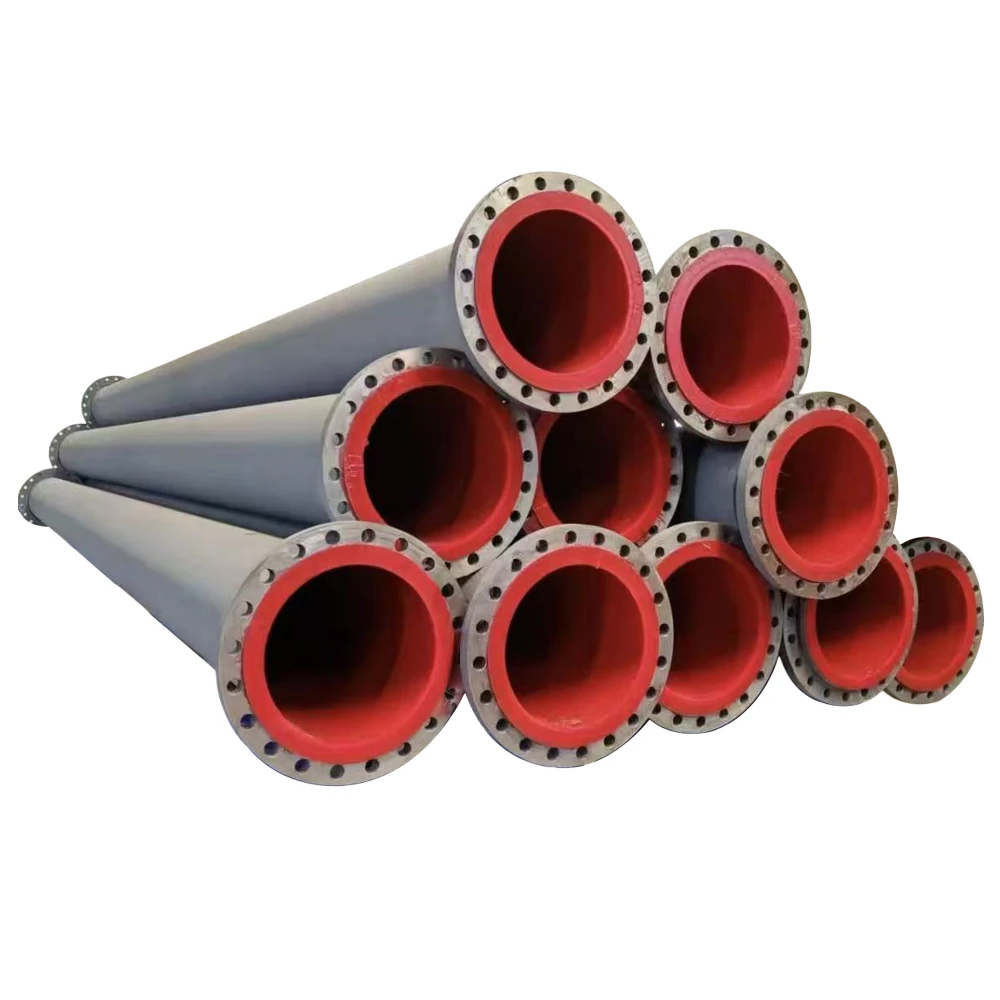
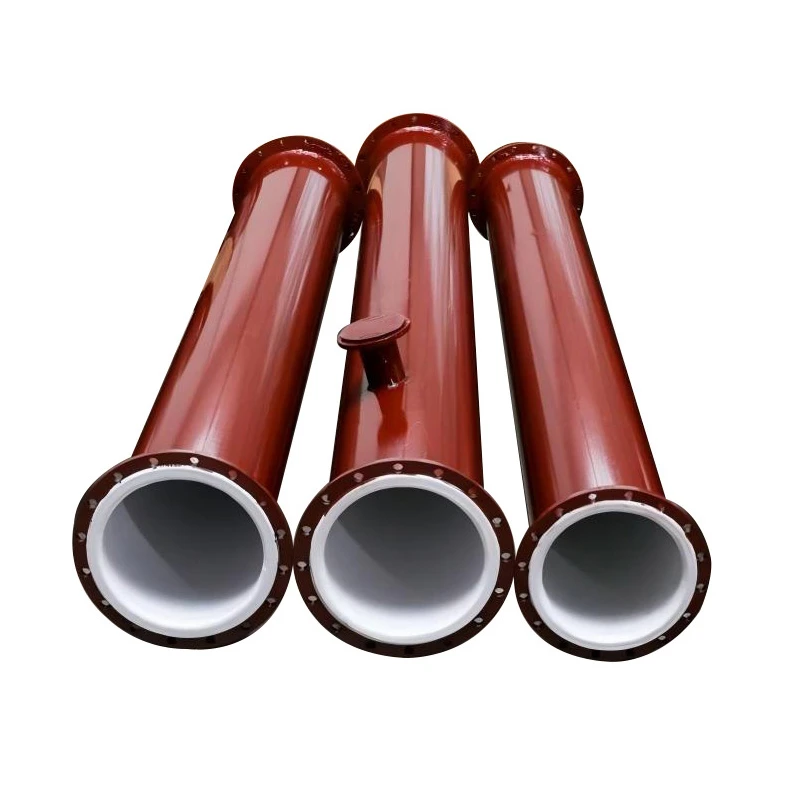
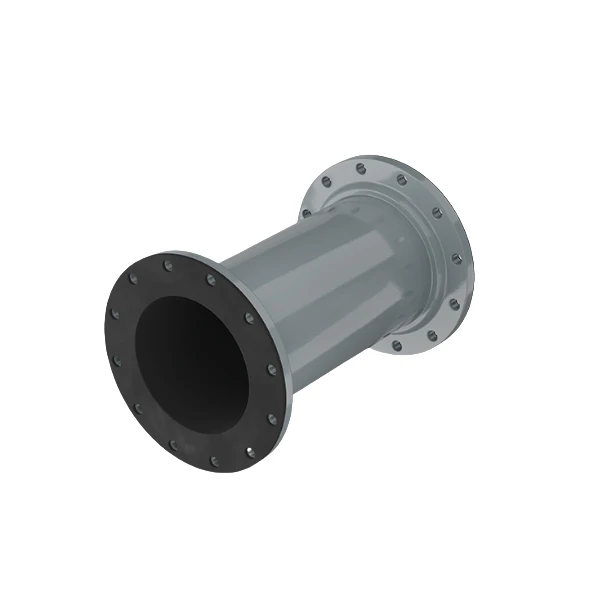
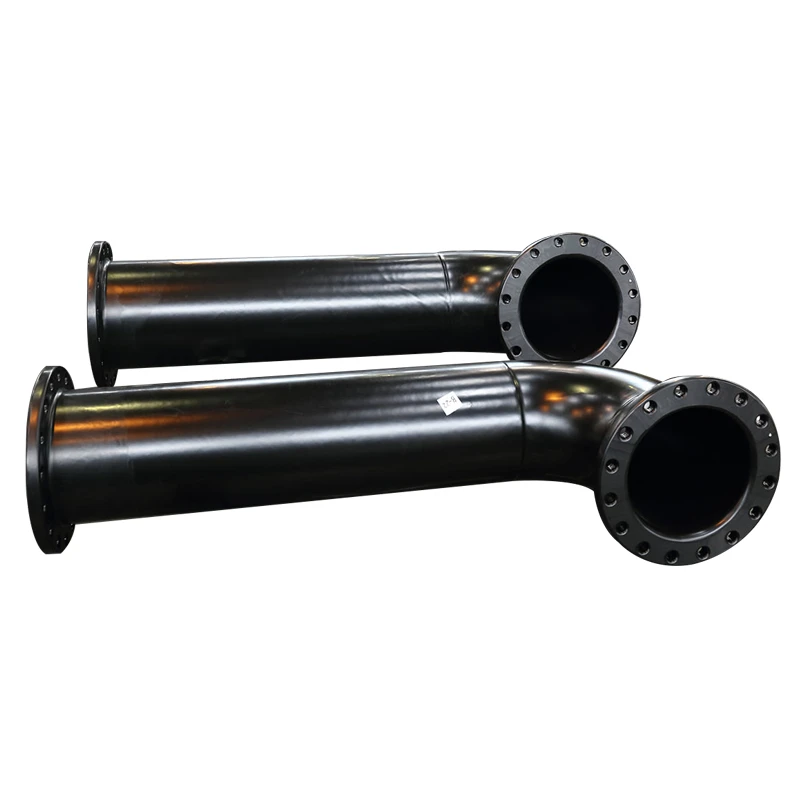
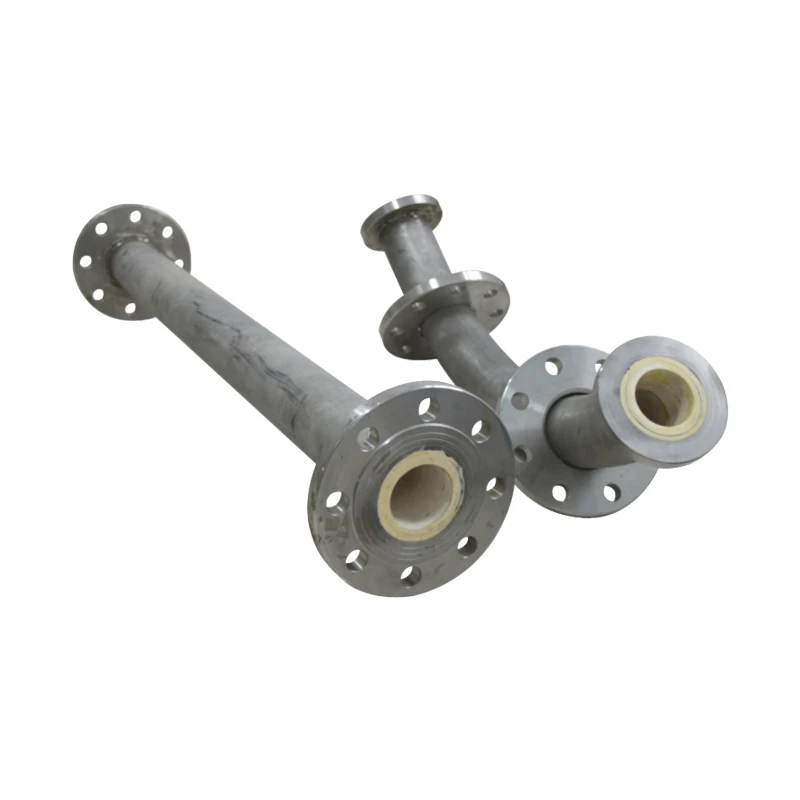
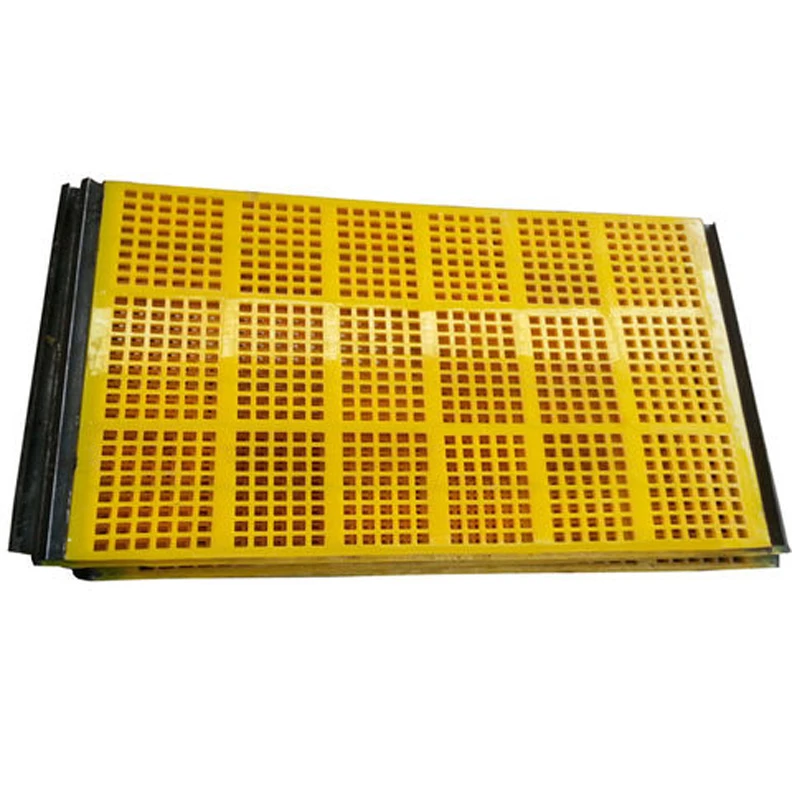
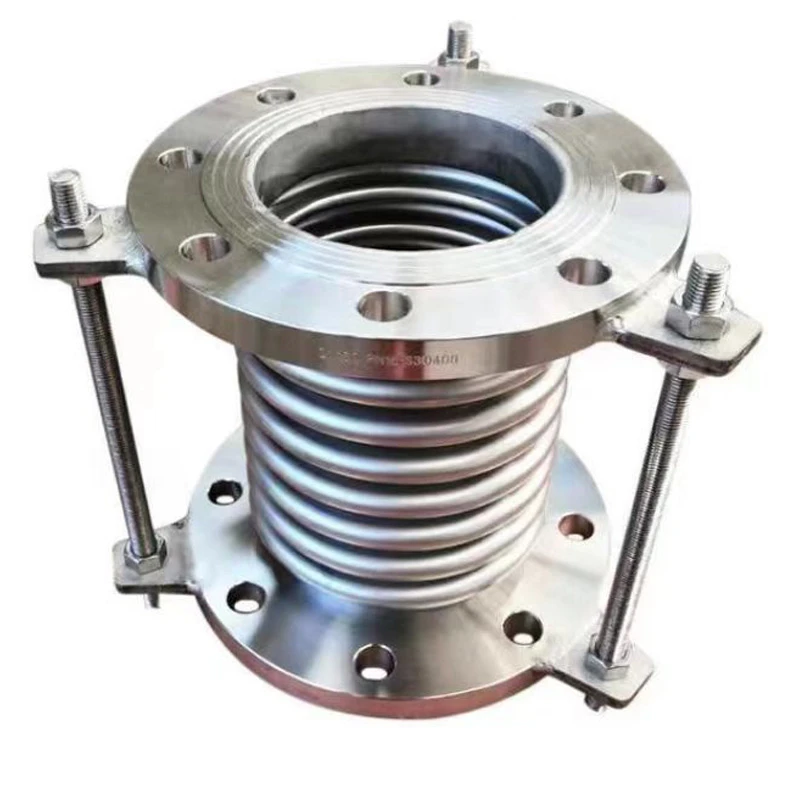
Our main products are polyurethane lined pipes, mining equipment fittings and metal hoses.