Rubber Lined Tank: Durable Storage Solutions for Industrial Applications | QW Metal
Rubber Lined Tank is a key solution in the industry, specifically within chemical processing, mining, and wastewater treatment sectors. This article explores how https://www.qwmetal.com supports professionals with durable, high-performance products, and explains why this product is an ideal choice for businesses in these sectors.
Table of Contents
- Rubber Lined Tank Overview
- Benefits & Use Cases of Rubber Lined Tank
- Cost, Maintenance & User Experience
- Sustainability & Market Trends
Rubber Lined Tank Overview
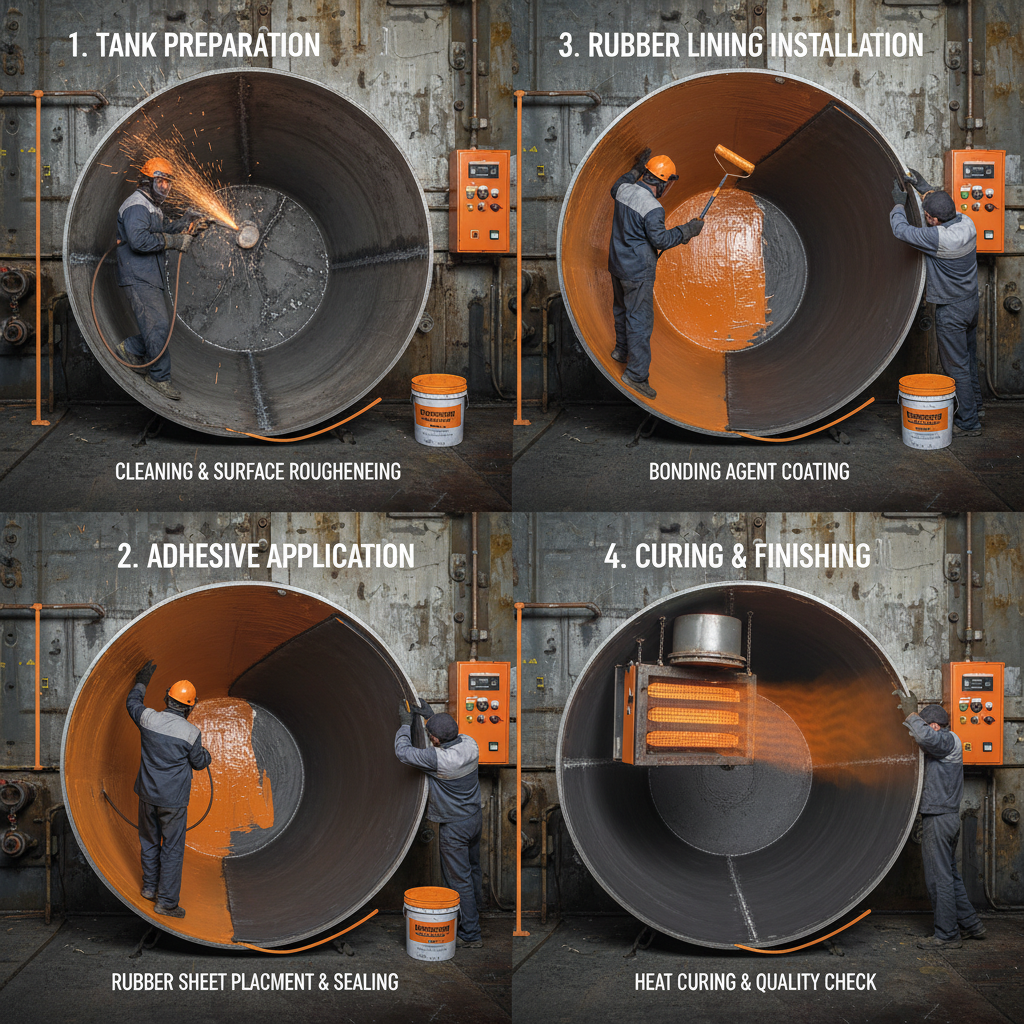
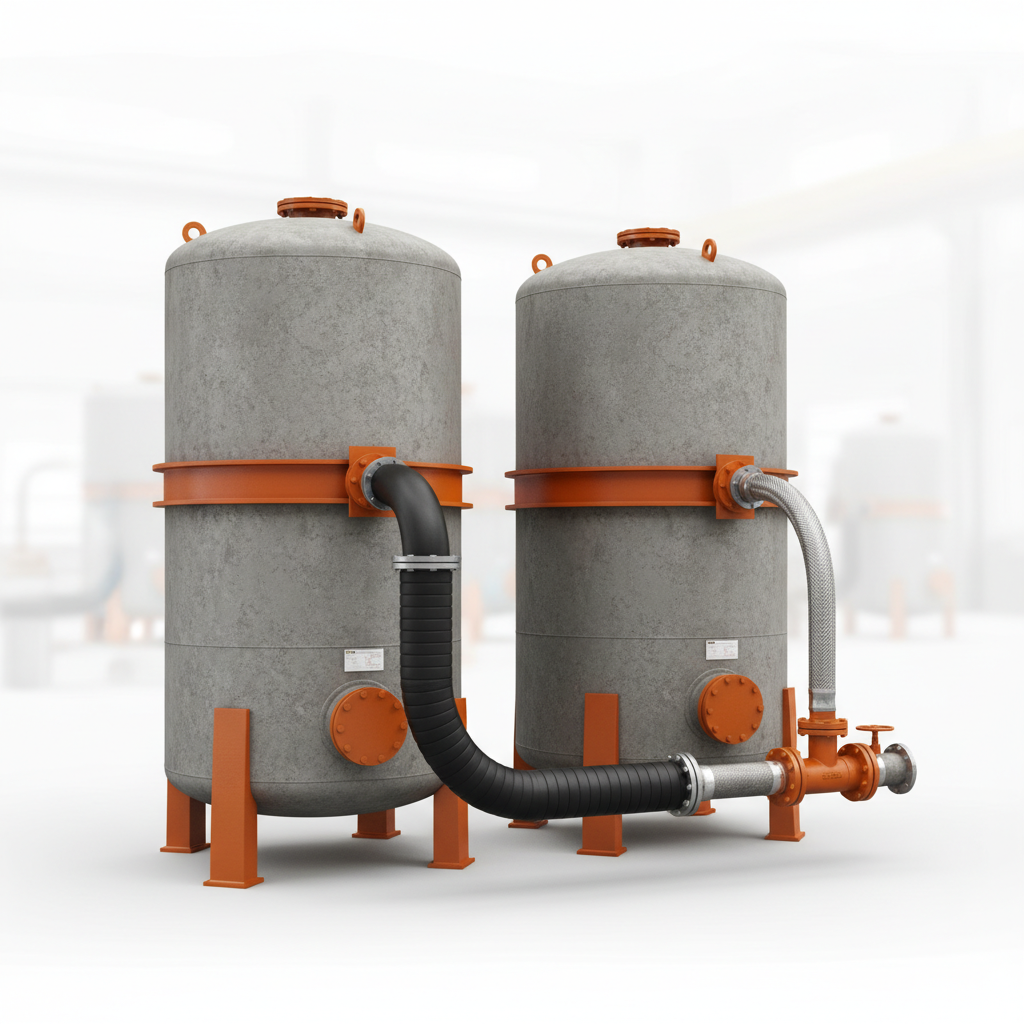
In simple terms, a Rubber Lined Tank is a steel or metal storage vessel that has been internally coated with a thick layer of industrial-grade rubber. The primary goal? To protect the tank’s metal body from corrosive liquids and abrasive materials. This lining can be natural or synthetic rubber, designed to withstand harsh chemical exposures, abrasion from handling solid-laden fluids, and even temperature fluctuation.
To give a sense of scale, manufacturers like QW Metal typically produce tanks ranging anywhere from 5,000 to 50,000 liters with rubber thickness between 3mm and 12mm. Such specifications aren’t arbitrary; they’re the result of decades of engineering and material science research. There’s often a bit of fine-tuning in the rubber compound to match the operational environment — for instance, butyl rubber for acid resistance or neoprene for oil handling. One real-world case study involved a mining operation deploying these tanks to hold slurry mixtures, and they reported a 40% reduction in maintenance downtime after switching to rubber lining.
| Specification | Details |
|---|---|
| Tank Capacity | 5,000 – 50,000 Liters |
| Rubber Lining Thickness | 3 – 12 mm (customizable) |
| Material of Shell | Carbon Steel, Stainless Steel |
| Typical Rubber Types | Natural, Neoprene, Butyl, EPDM |
| Operational Temp Range | -20°C to +80°C (depends on rubber type) |
Benefits & Use Cases of Rubber Lined Tank
If you think about it from the viewpoint of a process engineer, the benefits of these tanks become clear quickly. They’re designed to resist aggressive chemicals, abrasion from slurries, and even some impact damage. This makes them perfect for industries like chemical manufacturing, mining, pulp & paper, and municipal water treatment. For instance, in a wastewater facility, the rubber lining prevents the acidic and corrosive sludge from eating away the tank walls — pretty important when you consider the cost and downtime of replacing a corroded tank.
Oddly enough, one of the competitive advantages lies in the flexibility of the rubber itself. When the tank experiences slight movement or expansion due to heat or pressure change, the rubber lining flexes instead of cracking. This stops small leaks and preserves tank integrity for longer. Other features worth noting are the anti-static options which help if your tank deals with flammable liquids, and the ability to tailor rubber compounds for specific chemicals. Many users report that switching over to rubber lined tanks from traditional painted steel or fiberglass tanks cut their maintenance costs by nearly half.
Cost, Maintenance & User Experience
Of course, cost matters a lot when making a business decision. While rubber lined tanks have a higher initial price tag compared to bare steel tanks, the total cost of ownership tends to be lower. Frankly, the combination of enhanced durability and reduced downtime provides a compelling ROI. Many industry users say it’s like paying a little more up front but saving massively in the long run. Given the less frequent need for repairs and re-linings, the cost-per-year basis works out nicely.
In terms of maintenance, the rubber lining eliminates the need for frequent repainting or corrosion control coatings. Inspections are usually easier, too, since visual signs of wear on the rubber can be spotted early. I’ve come across user feedback from chemical plants where operators emphasize how consistent performance lets them plan maintenance windows months ahead — a real boon to operational efficiency.
| Feature | QW Metal | Competitor A | Competitor B |
|---|---|---|---|
| Customization Options | High | Medium | Low |
| Lead Time | 4-6 Weeks | 6-8 Weeks | 5-7 Weeks |
| Warranty | 3 Years | 2 Years | 1 Year |
| After-Sales Support | 24/7 Customer Care | Business Hours Only | Limited |
Sustainability & Market Trends
The sustainability angle on rubber lined tanks is interesting. Because they extend tank life significantly, fewer replacements mean less material waste and decreased carbon footprint over time. Additionally, QW Metal and similar manufacturers are now exploring more sustainable rubber compounds and recycling options for removed linings. It’s a step towards greener industry practices — pretty important given tightening environmental regulations worldwide.
Market-wise, the demand grows steadily with industrial expansion, especially in emerging sectors like biotech and specialty chemicals. I suppose the increased focus on asset longevity and process optimization will only push rubber lined tank adoption even further in the coming years.
Frequently Asked Questions about Rubber Lined Tank
- What is Rubber Lined Tank and how does it work?
- A Rubber Lined Tank is a storage vessel with an internal rubber coating that protects the metal body from corrosive and abrasive materials. The rubber lining acts as a barrier, greatly extending the tank’s lifespan by preventing chemical damage and wear from solids or slurries.
- What are the main benefits of using Rubber Lined Tank in industrial applications?
- Key advantages include excellent corrosion and abrasion resistance, flexibility under stress, longer service life, and reduced maintenance needs. These factors translate to lower total cost of ownership and improved operational reliability in tough industrial environments.
- How does Rubber Lined Tank compare to traditional alternatives?
- Compared to bare steel or painted tanks, rubber lined tanks provide far superior chemical and mechanical protection. Unlike fiberglass, they offer more flexibility and easier repair options. This makes them a preferred choice where heavy-duty durability and customization matter.
- What industries can benefit most from Rubber Lined Tank implementation?
- Primary users include chemical processing, mining, pulp and paper, wastewater treatment, and even food & beverage for certain non-contaminant applications. Many facility managers in these sectors have reported reduced downtime and maintenance costs after switching to rubber lined tanks.
Conclusion on Rubber Lined Tank from china
In closing, the value rubber lined tanks bring to heavy industry is hard to overstate. They’re a practical, durable, and cost-effective choice for businesses aiming to protect assets and optimize uptime. With companies like QW Metal providing customizable, quality products, decision-makers have an excellent partner for their storage needs. For any organization looking to upgrade their corrosion and abrasion protection, these tanks come highly recommended.
- Recap the value of Rubber Lined Tank.
- Visit our website: https://www.qwmetal.com
Reflecting on this, I’d say that in real terms, investing intelligently in rubber lined tanks can mean the difference between frequent operational headaches and a smooth-running facility. It’s the sort of innovation that quietly, but importantly, shapes how industries get stronger and more sustainable over time.
- Industry Case Studies on Tank Lining Effectiveness – QW Metal Technical Whitepaper, 2023.
- “Material Selection for Corrosion Resistance,” Journal of Industrial Engineering, 2022.
- Market Trends Report on Industrial Storage Equipment, Global Insights, 2024.
Related Products
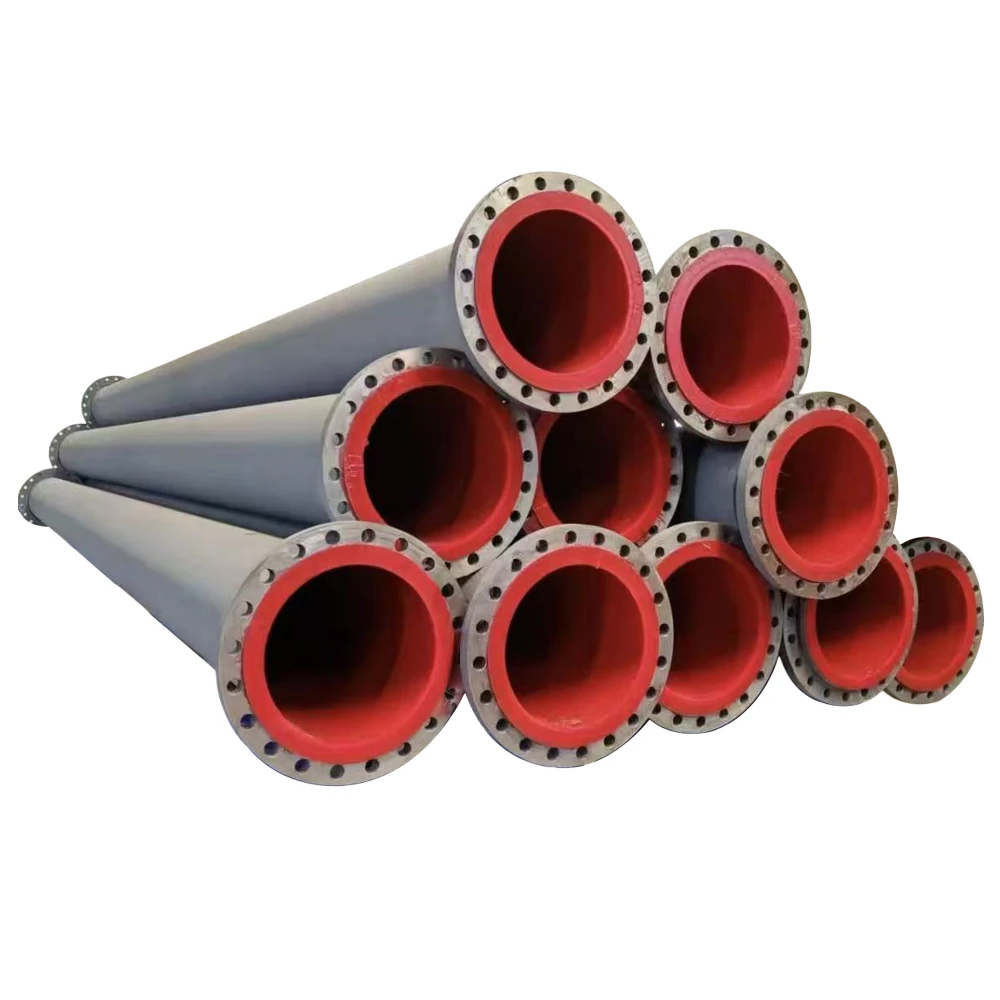
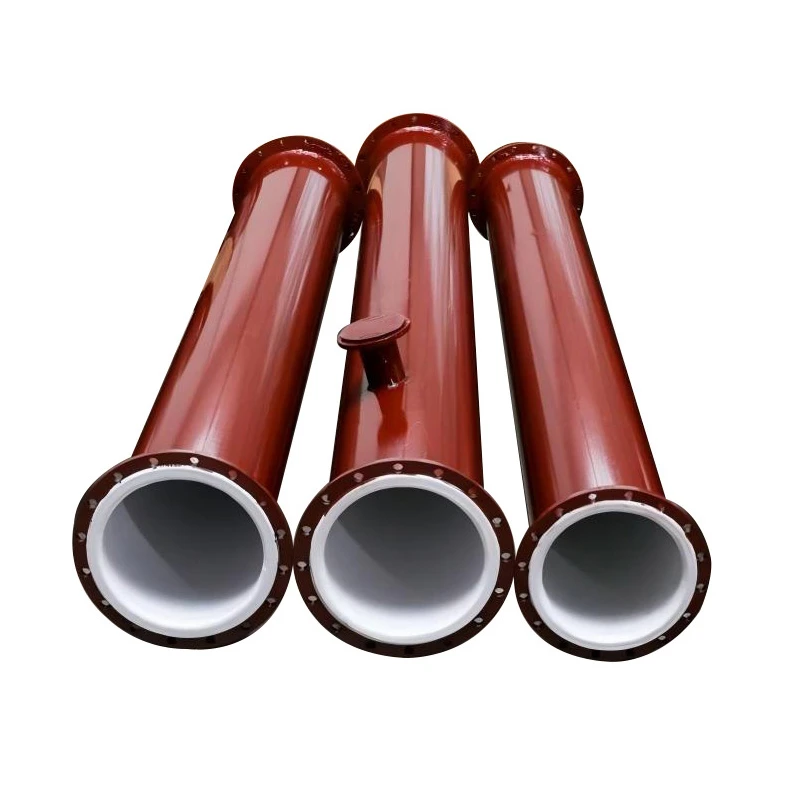
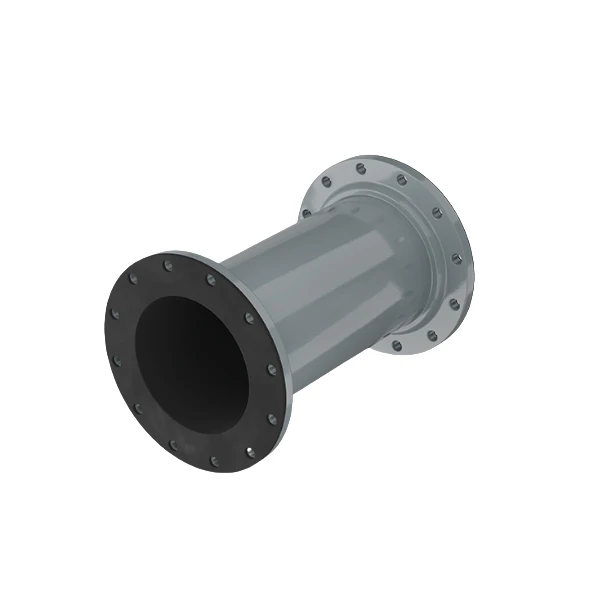
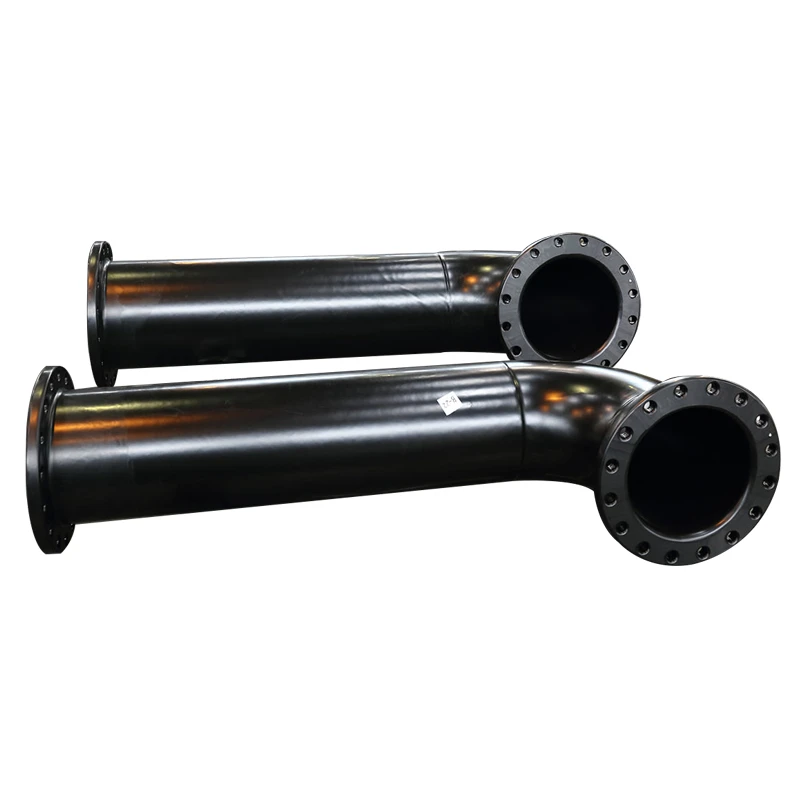
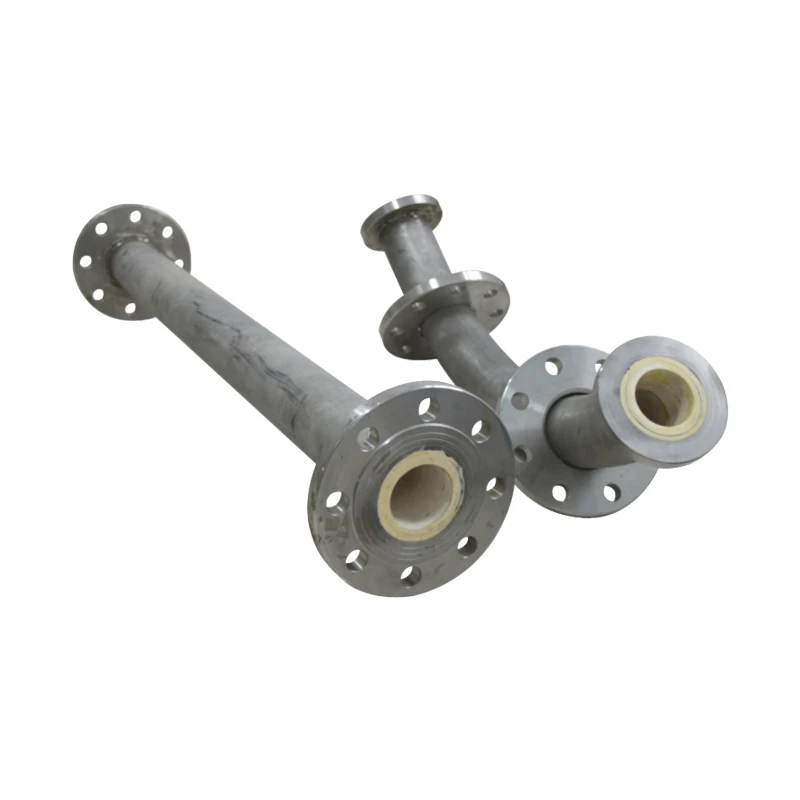
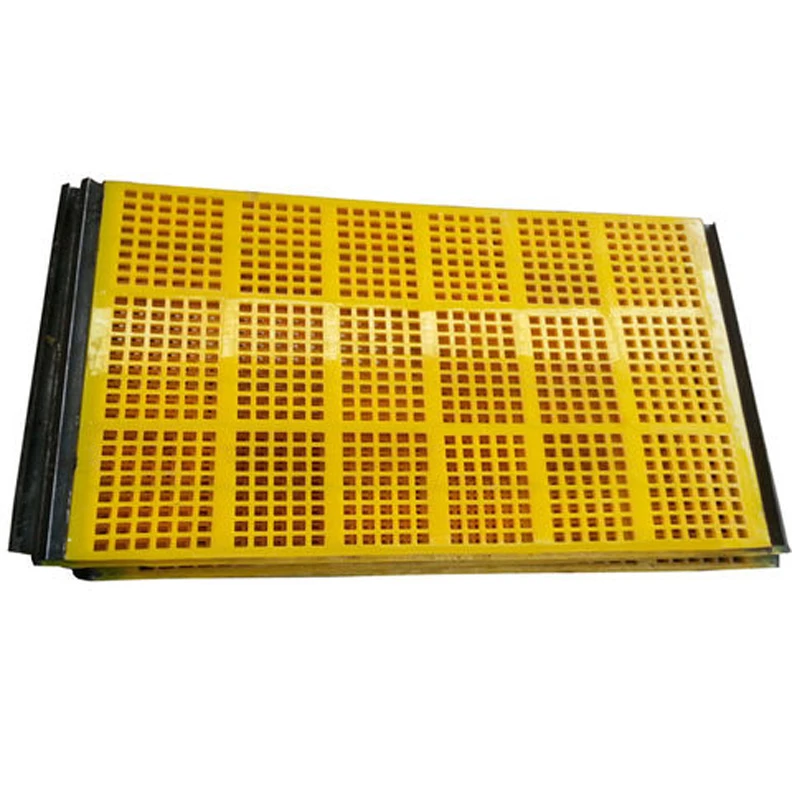
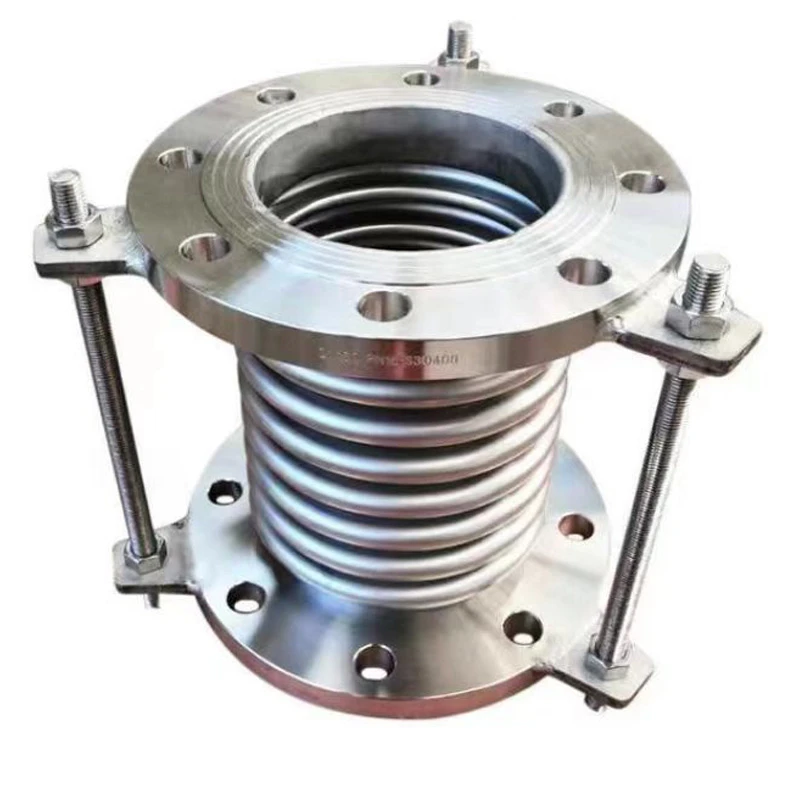
Our main products are polyurethane lined pipes, mining equipment fittings and metal hoses.