Rubber Lined Tanks: Superior Corrosion & Abrasion Resistance
Introduction to Rubber Lined Tanks
In industrial processes involving corrosive chemicals, abrasive slurries, or high-purity liquids, the integrity of storage and processing equipment is paramount. This necessitates robust solutions for material containment. One such critical technology is the Rubber Lined Tank, engineered to provide superior protection against aggressive operational environments. These specialized tanks are extensively utilized across a spectrum of heavy industries to prevent material degradation, ensure operational safety, and extend the service life of critical infrastructure. The application of elastomeric linings effectively mitigates the risk of corrosion, abrasion, and contamination, thereby safeguarding both process fluids and capital equipment investments.
A Rubber Lined Tank serves as a vital component in handling highly reactive substances, where conventional metallic tanks would quickly succumb to chemical attack or mechanical wear. The selection of the appropriate rubber compound—such as natural rubber, neoprene, butyl, or EPDM—is crucial and depends entirely on the specific chemical properties, temperature ranges, and abrasive characteristics of the media being stored or processed. This strategic material engineering ensures optimal performance and adherence to stringent safety and environmental regulations in diverse industrial settings.
Industry Trends and Market Drivers
The demand for advanced material handling solutions, particularly the Rubber Lined Tank, is driven by several macro-economic and regulatory trends. The global chemical processing industry, for instance, continues to expand, requiring more sophisticated and durable containment vessels for acids, alkalis, and other aggressive reagents. Simultaneously, increasing environmental regulations, such as those pertaining to chemical spill prevention and wastewater treatment, underscore the necessity for leak-proof and highly resistant storage solutions.
Technological advancements in rubber compounding and application techniques are also shaping the market. Manufacturers are developing new elastomer formulations that offer enhanced chemical resistance, higher temperature tolerance, and extended service life, making the Rubber Lined Tank a more versatile and cost-effective solution. There is also a growing emphasis on lifecycle costing and sustainability, where the extended operational life and reduced maintenance needs of a well-engineered rubber lining system offer significant long-term economic advantages compared to more frequently replaced or repaired alternatives. Digitalization in maintenance, including predictive analytics for liner integrity, is an emerging trend aimed at optimizing uptime and reducing operational risks.
Furthermore, the mining and metallurgy sectors, with their inherently abrasive slurries and corrosive leaching processes, remain significant drivers for Rubber Lined Tank adoption. Water treatment plants, needing reliable solutions for managing various treatment chemicals and wastewater, also contribute substantially to market growth. The ongoing global infrastructure development, especially in developing economies, further fuels the demand for robust industrial storage solutions.
Manufacturing Process of a Rubber Lined Tank
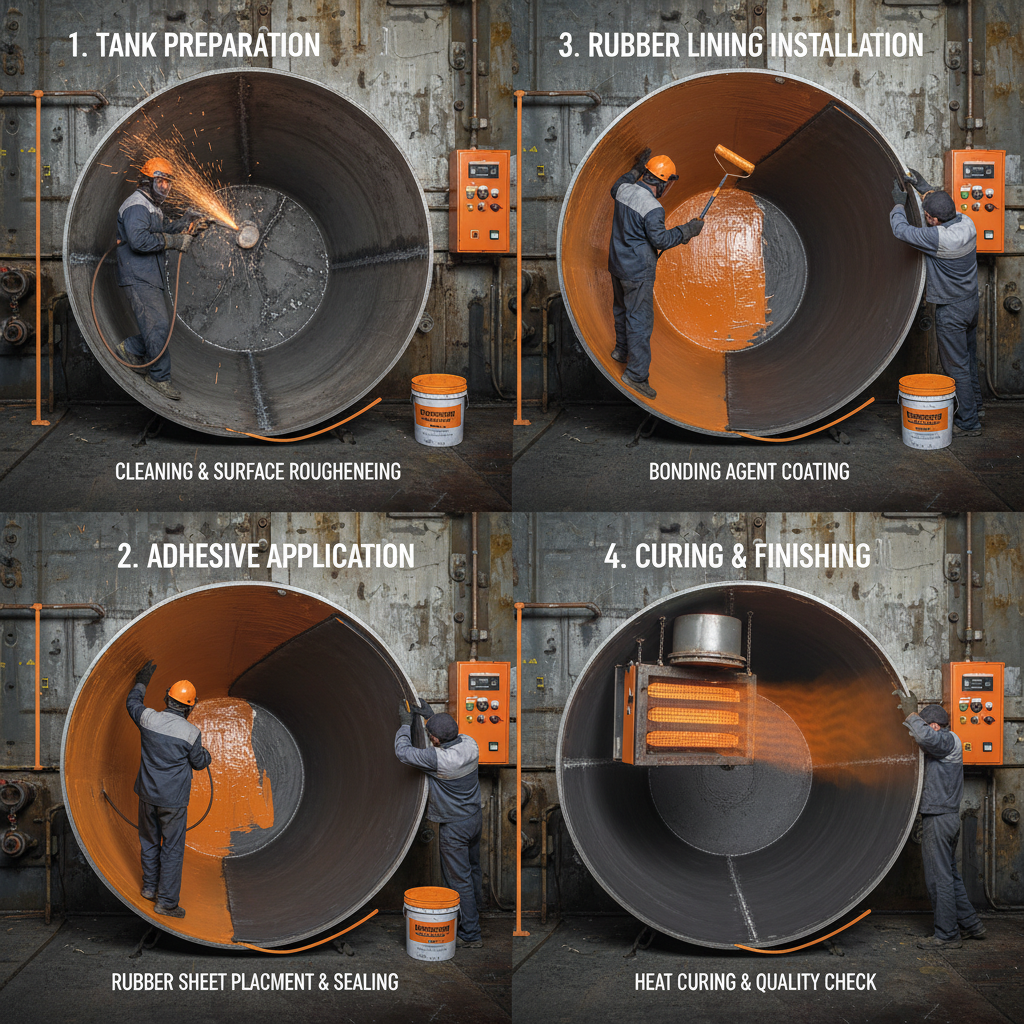
The manufacturing of a high-performance Rubber Lined Tank is a meticulous, multi-stage process that combines specialized engineering with skilled craftsmanship. This detailed procedure ensures the longevity, chemical resistance, and structural integrity of the final product.
Process Flow:
- Tank Fabrication: The tank shell, typically made from carbon steel or stainless steel, is manufactured according to standards such as API 650/620 for welded tanks or ASME B&PV Code for pressure vessels. This involves processes like plate rolling, welding (often using automated techniques), and the integration of nozzles, manways, and internal components.
- Surface Preparation: Critical for adhesion, the internal surface of the tank undergoes thorough abrasive blast cleaning to achieve a near-white metal finish (e.g., SSPC-SP 10 or SA 2.5). This removes rust, scale, and contaminants, creating an optimal profile for the adhesive.
- Adhesive Application: Multiple coats of specialized primers and adhesives are applied to the prepared metal surface. These bonding agents are formulated to create a strong, durable chemical and mechanical bond between the steel and the rubber lining. Each coat requires adequate drying time.
- Rubber Sheet Cutting and Fitting: High-quality rubber sheets, often calendered to precise thicknesses (e.g., 3mm to 10mm or more) and specific elastomer compounds (Natural Rubber, Neoprene, Butyl, EPDM, Hypalon), are carefully cut and templated to fit the internal contours of the tank. This requires expert calculation to minimize seams and waste.
- Lining Application: The cut rubber sheets are meticulously applied to the adhesive-coated tank interior. Skilled technicians use rollers and specialized tools to press the rubber firmly onto the surface, ensuring no air pockets are trapped. Overlapping seams are critical and are carefully executed.
- Seaming and Edge Detailing: All seams are expertly skived, overlapped, and then rolled or stitched together, creating a continuous, impervious barrier. Special attention is paid to corners, nozzles, and manway openings, where the lining is meticulously trimmed and sealed to prevent any exposed metal.
-
Vulcanization: This is the crucial curing process that transforms the uncured (green) rubber into a durable, elastic, and chemically resistant material.
- Autoclave Vulcanization: For smaller tanks or detachable components, the tank is placed in a large autoclave, where it is subjected to controlled heat and pressure (typically steam) for several hours. This ensures a uniform cure.
- Live Steam Vulcanization: For larger tanks, steam is introduced directly into the lined tank, allowing the rubber to cure in situ. This method requires careful temperature and pressure management.
- Chemical Cure: Some specialized rubber compounds (e.g., certain natural rubbers) can be chemically cured at ambient temperatures, though this typically takes longer and may not achieve the same bond strength as heat vulcanization.
- Inspection and Testing: Post-vulcanization, the lining undergoes rigorous quality control. This includes visual inspection for defects, spark testing (using a high-voltage probe to detect pinholes or thin spots in the dielectric rubber), adhesion testing (destructive on test coupons, non-destructive via pull tests on representative areas), and hardness testing (Shore A durometer). Adherence to ISO 9001 quality management standards is critical, alongside relevant material testing standards like ASTM D429 for adhesion and ASTM D2240 for hardness.
- Final Finishing: Any minor repairs are addressed, and the tank is prepared for shipment, often with protective coverings for the lined surfaces.
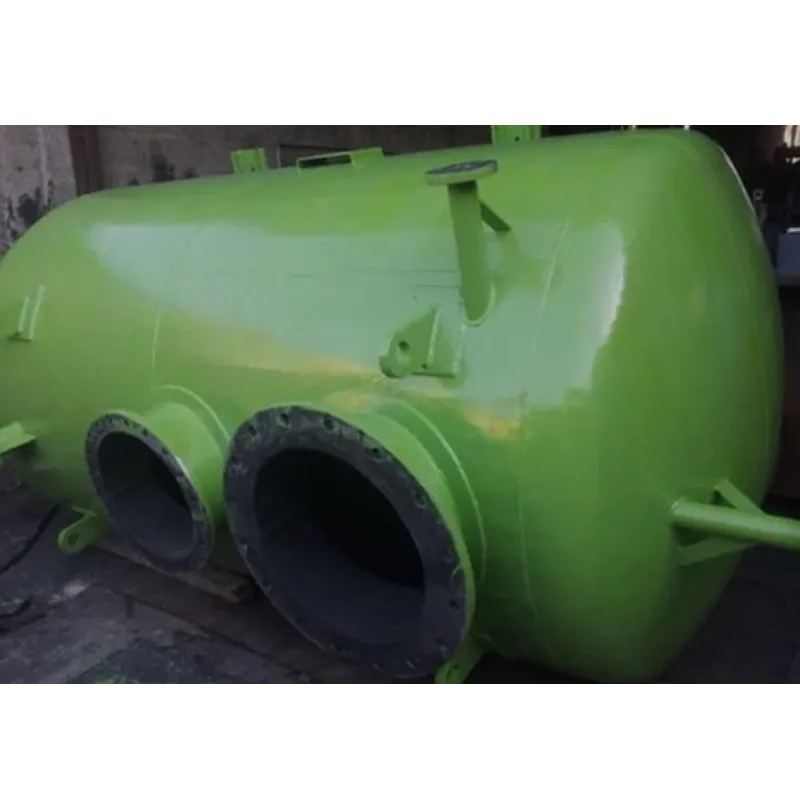
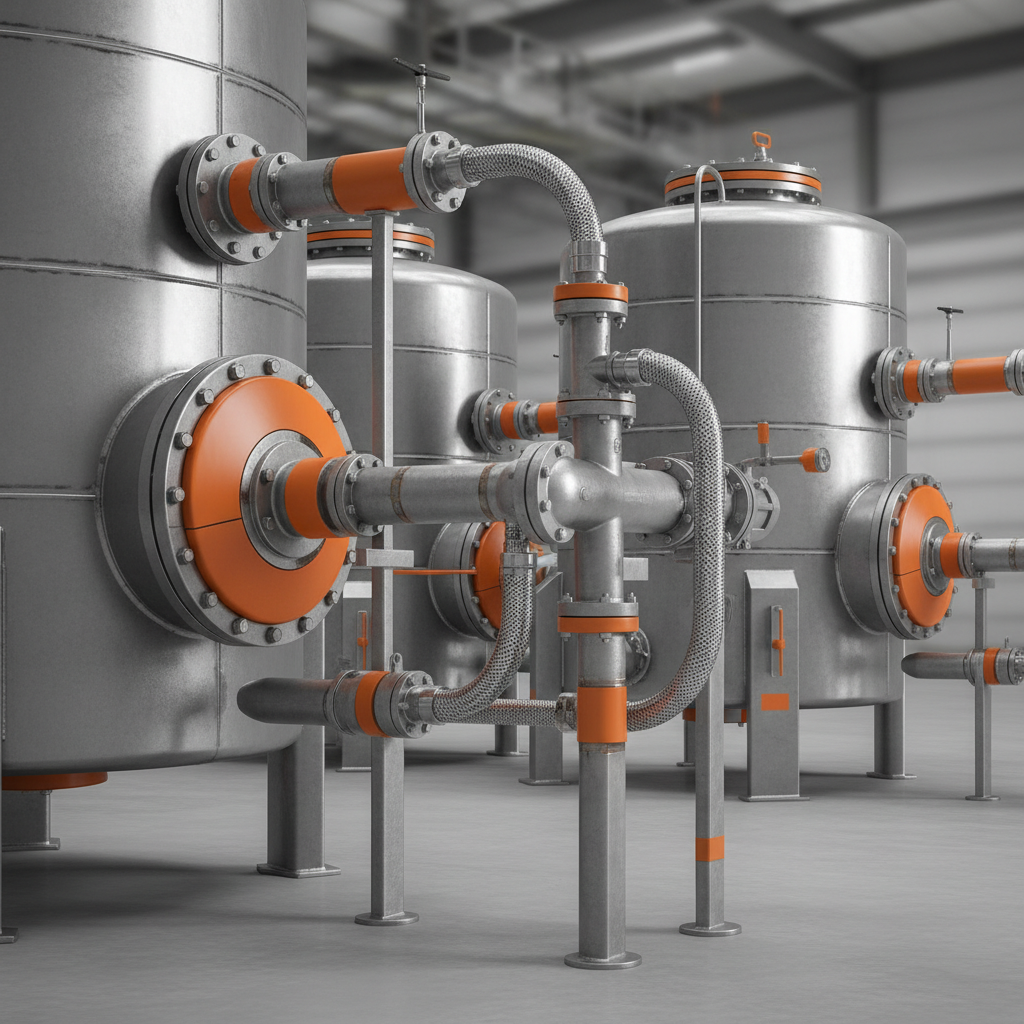
Schematic of a high-integrity Rubber Lined Tank during fabrication.
Target Industries and Advantages:
The Rubber Lined Tank finds extensive use in industries such as:
- Petrochemical: For storing and processing concentrated acids (e.g., HCl, H2SO4) and corrosive brines.
- Metallurgy & Mining: Handling abrasive mineral slurries, leaching solutions (e.g., cyanide, sulfuric acid), and flotation reagents.
- Water Supply & Drainage: For industrial wastewater treatment, potable water storage (with FDA-approved linings), and chemical dosing systems.
- Chemical Manufacturing: Production and storage of various industrial chemicals.
- Pulp & Paper: Containing corrosive bleaching agents and process liquors.
Key advantages demonstrated in these scenarios include superior corrosion resistance, extended service life (often 10-20 years with proper maintenance), excellent abrasion resistance against particulate matter, and energy saving benefits due to the thermal insulating properties of rubber, reducing heat loss or gain in process tanks.
Technical Specifications and Performance Parameters
The performance of a Rubber Lined Tank is directly attributable to the precise technical specifications of both the tank substrate and, critically, the elastomeric lining system. Understanding these parameters is essential for engineers and procurement specialists to select the optimal solution for their specific operational demands.
Typical Product Specifications for a High-Performance Rubber Lined Tank
| Parameter | Specification/Value Range | Industry Standard/Test Method |
|---|---|---|
| Tank Material | Carbon Steel (e.g., ASTM A516 Gr.70), Stainless Steel (e.g., SS304, SS316L) | API 650/620, ASME B&PV Code |
| Liner Material Types | Natural Rubber (Soft/Hard), Neoprene, Butyl, EPDM, Hypalon (CSM) | ASTM D2000 (Rubber Classification) |
| Liner Thickness | 3mm - 10mm (0.125" - 0.4"), application-dependent | +/- 0.5mm tolerance |
| Hardness (Shore A) | 45-90 Shore A (Soft Natural Rubber ~45-60, Hard Natural Rubber ~70-85, Neoprene ~60-70) | ASTM D2240 |
| Tensile Strength | 10-25 MPa (1500-3600 psi) depending on polymer | ASTM D412 |
| Elongation at Break | 300% - 700% | ASTM D412 |
| Operating Temperature Range | -20°C to +100°C (depending on elastomer; e.g., EPDM up to 120°C intermittently) | Manufacturer Specific / ASTM D2000 |
| Adhesion to Substrate | > 100 psi (0.7 MPa) to ASTM D429 Method B (Peel Adhesion) | ASTM D429 |
| Chemical Resistance | Excellent for specific acids, alkalis, salts, based on elastomer type (consult resistance chart) | ASTM D471 (Fluid Immersion) |
| Abrasion Resistance | Excellent (especially soft natural rubber) for slurries and particulate media | DIN 53516 (Abrasion Loss) |
| Service Life Expectancy | 10-20 years with proper selection, installation, and maintenance | Field Data, Industry Benchmarks |
These specifications highlight the engineered precision behind each Rubber Lined Tank. The choice of elastomer is perhaps the most critical decision, as it dictates chemical compatibility and physical properties such as abrasion resistance and temperature tolerance. For instance, soft natural rubber offers superior abrasion resistance in mineral processing, while hard natural rubber provides better chemical resistance for strong inorganic acids. Neoprene is often chosen for moderate chemical exposure combined with oil resistance, and EPDM excels in hot water, steam, and mild acid applications.
Application Scenarios
The versatility of the Rubber Lined Tank stems from its adaptability to various aggressive media and operational conditions. Its unique protective characteristics make it indispensable in numerous demanding industrial applications.
- Acid Storage and Handling: In chemical plants, storage tanks for hydrochloric acid, sulfuric acid, or phosphoric acid are routinely rubber-lined. The rubber acts as a primary barrier, preventing direct contact between the corrosive acid and the steel substrate, thereby averting catastrophic failures and ensuring long-term containment integrity. This is a classic example of its superior corrosion resistance.
- Mineral Processing and Slurry Management: Mining operations involve the transport and storage of highly abrasive mineral slurries (e.g., iron ore, copper concentrate). Here, soft natural rubber linings excel due to their exceptional resilience and cut resistance, absorbing the impact energy of solid particles and significantly extending the life of tanks, thickeners, and hoppers compared to unlined or rigid-lined counterparts.
- Wastewater Treatment: Various stages of industrial wastewater treatment involve chemicals for pH adjustment, coagulation, and flocculation. Tanks holding acids, caustics, or even raw effluent can benefit from rubber linings to protect against chemical attack and general erosion. For instance, tanks handling chlorinated water or sodium hypochlorite may utilize EPDM or Hypalon linings for enhanced resistance.
- Electroplating and Pickling Lines: In metal finishing industries, pickling tanks containing strong acids (e.g., sulfuric or hydrochloric acid) at elevated temperatures are critical. Rubber Lined Tanks (often with hard natural rubber or specialized synthetic rubbers) prevent corrosive degradation of the tank structure, ensuring process consistency and safety.
- Power Generation (FGD Systems): Flue Gas Desulfurization (FGD) systems in power plants use large absorption towers and tanks to remove sulfur dioxide. These often involve highly corrosive slurries and acidic condensates, making rubber linings an ideal choice for protecting these massive structures.
- Food and Beverage (Specialized): While less common, certain food-grade rubber linings (e.g., FDA-approved butyl or EPDM) are used in specific processes where chemical resistance and sanitary conditions are required, such as in tanks for highly acidic fruit juices or fermenting agents.
Key Technical Advantages
The intrinsic advantages of a Rubber Lined Tank extend beyond mere protection, offering significant operational benefits and long-term cost savings.
- Superior Corrosion Resistance: The primary advantage. Rubber acts as an impermeable barrier, preventing direct contact between aggressive chemicals and the metallic tank shell. Different rubber compounds are impervious to specific acids, alkalis, salts, and oxidizing agents, making the Rubber Lined Tank highly adaptable to diverse corrosive environments. This significantly extends the tank's operational life and prevents structural integrity compromise.
- Exceptional Abrasion and Impact Protection: Especially prominent with soft natural rubber, the elastic properties of the lining absorb the impact energy of abrasive particles in slurries. This dramatically reduces wear rates compared to rigid lining materials like ceramics or hardened steel, which can crack, chip, or be scoured away by high-velocity solids. This leads to prolonged uptime and reduced maintenance.
- Thermal Insulation Properties: Rubber possesses inherent thermal insulating characteristics. This can be advantageous in processes requiring temperature stability, reducing heat loss or gain from the tank, and potentially contributing to energy efficiency in certain applications.
- Prevention of Contamination: For processes requiring high purity, the inert nature of certain rubber compounds prevents metallic ion leaching from the tank walls into the process fluid, ensuring product integrity.
- Reduced Maintenance and Extended Service Life: A properly installed and maintained Rubber Lined Tank can provide years, even decades, of service without major repair or replacement. This translates into lower lifecycle costs, reduced downtime, and enhanced operational reliability, making it a highly cost-effective solution in the long run.
- Safety Enhancement: By effectively containing corrosive and hazardous materials, rubber linings minimize the risk of leaks, spills, and catastrophic failures, thereby enhancing workplace safety and environmental protection.
Vendor Comparison and Material Selection
Choosing the right vendor and the appropriate rubber lining material for a Rubber Lined Tank is a decision of critical importance that impacts performance, cost, and longevity. While many vendors offer lining services, their expertise, material quality, and application methodologies can vary significantly.
Comparison of Lining Options for Industrial Tanks
| Feature | Rubber Lining (e.g., QWMETAL) | Fiberglass Reinforced Plastic (FRP) | Specialized Coatings (e.g., Epoxy, PTFE) |
|---|---|---|---|
| Corrosion Resistance | Excellent (specific to elastomer, wide range) | Very Good (resin dependent, some limitations) | Good to Excellent (coating specific, thin barrier) |
| Abrasion Resistance | Excellent (especially soft natural rubber) | Moderate (can wear or erode with high solids) | Poor to Moderate (typically not designed for heavy abrasion) |
| Impact Resistance | High (elastic, absorbs impact energy) | Moderate (can crack or chip under severe impact) | Low (brittle, susceptible to cracking/delamination) |
| Temperature Range | Moderate to High (-20°C to 120°C, elastomer dependent) | Moderate to High (-50°C to 150°C, resin dependent) | Variable (some high temp, most moderate) |
| Installation Complexity | High (skilled labor, vulcanization often required) | Moderate (can be done on-site, less specialized) | Low (surface prep critical, multiple coats) |
| Repairability | Good (patching possible, requires expertise) | Good (patching possible) | Moderate (difficult to achieve seamless repair) |
| Typical Service Life | 10-20+ years | 5-15 years | 3-10 years |
| Cost (Initial) | Higher | Moderate | Lower |
| Cost (Lifecycle) | Lower (due to long life, low maintenance) | Moderate | Higher (due to shorter life, frequent recoating) |
This comparison highlights that while the initial cost of a Rubber Lined Tank might be higher than other options, its superior performance in corrosive and abrasive environments, coupled with a significantly longer service life and reduced maintenance, often results in a lower total cost of ownership over the operational lifespan. Choosing a reputable vendor with proven experience in rubber lining application and material selection is crucial for realizing these benefits. Expertise in surface preparation, adhesive technology, and vulcanization techniques directly correlates with the longevity and reliability of the lining.
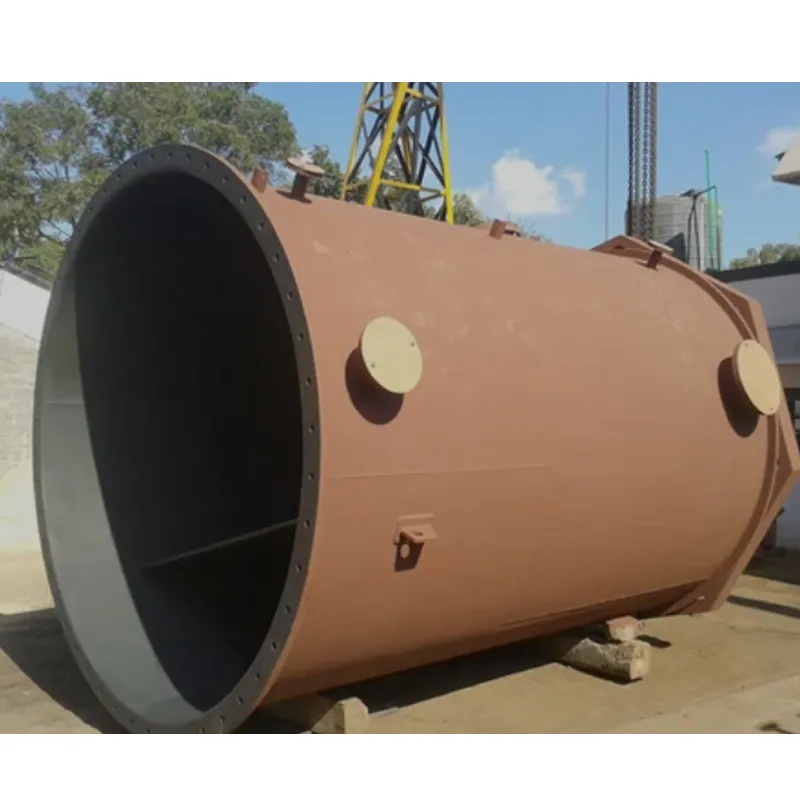
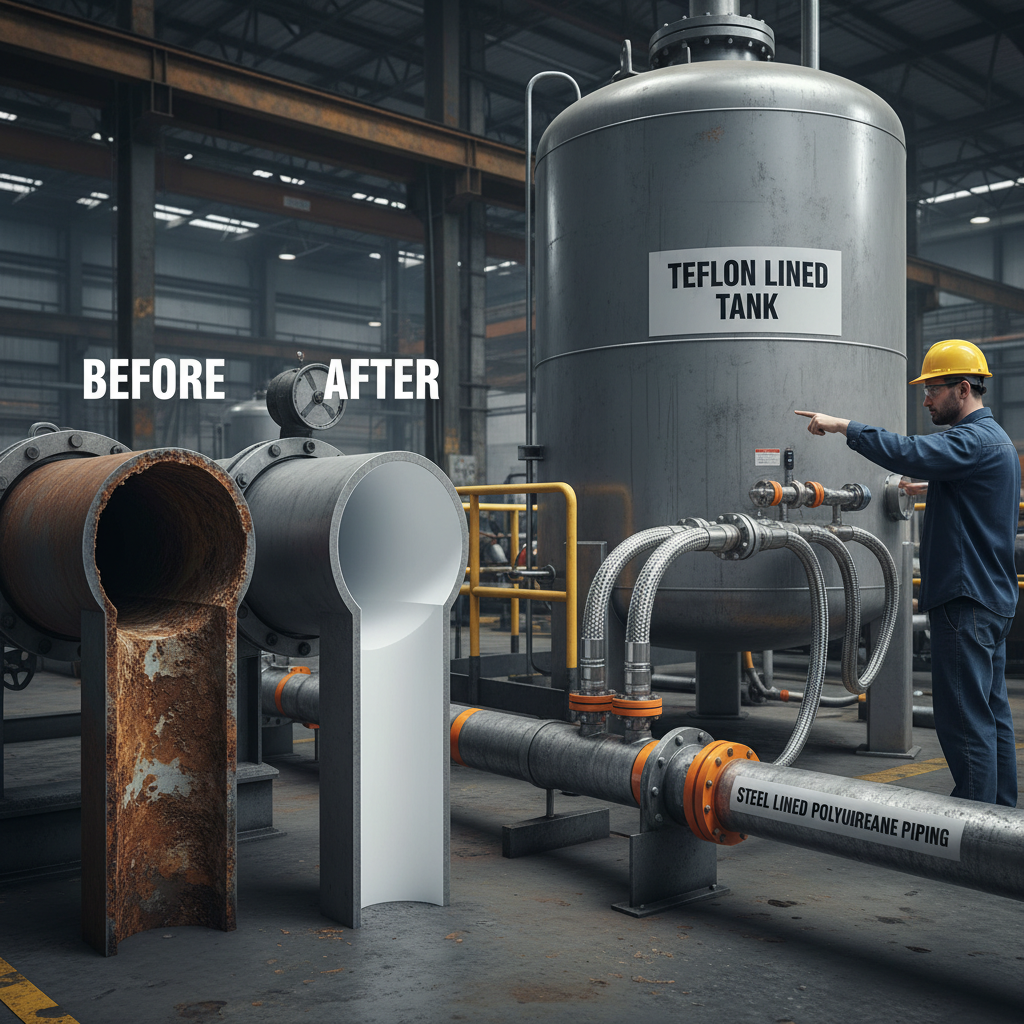
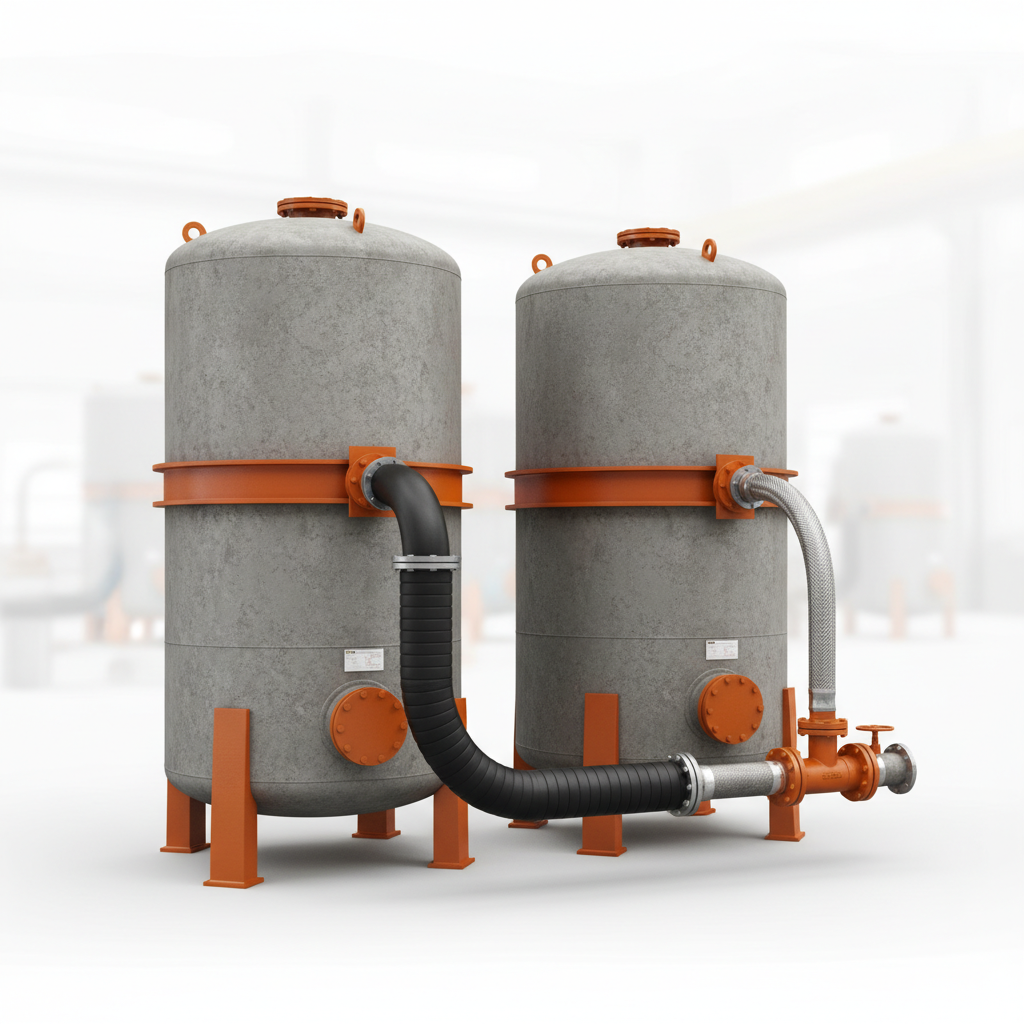
Detailed view of a Rubber Lined Tank interior, highlighting seamless application.
Customized Solutions
Recognizing that no two industrial applications are identical, leading manufacturers of Rubber Lined Tanks offer extensive customization options. This bespoke approach ensures that each tank is precisely engineered to meet the unique chemical, thermal, and mechanical stresses of its intended service.
Customization typically begins with a detailed assessment of the process parameters. This includes the chemical composition, concentration, operating temperature and pressure, presence of abrasives, and the required service life. Based on this, specific aspects of the Rubber Lined Tank can be tailored:
- Liner Material Selection: The choice of elastomer (e.g., Natural Rubber, Neoprene, Butyl, EPDM, Hypalon) is optimized for chemical compatibility and resistance to specific reagents, oxidative degradation, or UV exposure. Different grades of each elastomer exist to fine-tune properties such as hardness and tear strength.
- Liner Thickness: Ranging from 3mm to 12mm or more, the thickness is selected based on the corrosiveness and abrasiveness of the media, anticipated wear rates, and desired service life. Thicker linings provide enhanced protection and durability.
- Tank Dimensions and Configuration: Custom-designed tank geometries, capacities, and orientations (vertical, horizontal, conical bottom) are common. This includes bespoke placement and sizing of nozzles, manways, internal baffles, and agitator supports, all of which are meticulously lined to ensure full protection.
- Dual Lining Systems: For highly aggressive or complex environments, a dual-layer lining system might be employed. This often involves a corrosion-resistant inner layer backed by an abrasion-resistant outer layer, or a sacrificial layer to extend the life of the primary barrier.
- Special Features: This can include spark testing ports, level indicator connections, heating/cooling coils (often externally applied to avoid lining penetration), and specific mounting points for instrumentation.
Application Case Studies
Real-world applications powerfully demonstrate the efficacy and reliability of Rubber Lined Tank solutions. These case studies highlight how tailored engineering addresses specific industrial challenges, leading to significant operational improvements and cost savings.
Case Study 1: Acid Storage in a Chemical Manufacturing Plant
A major chemical producer faced recurring issues with their unlined steel tanks used for storing 30% hydrochloric acid at ambient temperatures. Conventional coatings failed within 1-2 years due to chemical permeation and blistering, leading to frequent shutdowns for repairs and safety concerns.
Solution: The plant invested in a new Rubber Lined Tank with a 6mm thick, hard natural rubber lining, expertly vulcanized. The tank was designed with minimal internal welds and carefully lined nozzle penetrations.
Outcome: After 10 years of continuous operation, the rubber lining showed no signs of degradation, cracking, or adhesion loss. Annual spark testing consistently confirmed the integrity of the lining. The client reported a 90% reduction in maintenance costs associated with acid storage and eliminated the safety risks of previous lining failures, demonstrating excellent ROI.
Case Study 2: Slurry Thickener in a Copper Mining Operation
A large copper mine experienced rapid wear in their slurry thickener tanks, particularly at the feedwell and discharge cone areas, due to highly abrasive ore slurries. Traditional steel components lasted only 6-8 months, causing costly downtime for plate replacement.
Solution: The entire internal surface of the thickener, including the feedwell and cone, was lined with 10mm thick, soft natural rubber. The lining was applied using cold-bond vulcanization on-site to minimize disruption.
Outcome: The Rubber Lined Tank components significantly outperformed expectations. Inspections at 3-year intervals showed minimal wear, extending the service life of the thickener by over 400%. This resulted in an estimated annual saving of over $500,000 in replacement parts and lost production time, reinforcing the value proposition of specialized rubber linings for extreme abrasion. Customer feedback praised the robust solution and seamless integration into existing operations.
Quality Assurance and Certifications
Maintaining the highest standards of quality is paramount in the fabrication and lining of a Rubber Lined Tank. Reputable manufacturers adhere to rigorous quality management systems and industry-recognized certifications, providing authoritative assurance of product reliability and performance.
- ISO 9001 Certification: A fundamental benchmark, ensuring that the manufacturer operates a consistent and effective quality management system across all stages, from design and material procurement to manufacturing, installation, and after-sales service.
- Adherence to ASTM Standards: Rubber linings are meticulously tested against ASTM (American Society for Testing and Materials) standards for properties such as adhesion (ASTM D429), hardness (ASTM D2240), tensile strength (ASTM D412), and chemical resistance (ASTM D471). This ensures that the physical and chemical properties of the rubber meet specified performance criteria.
- API and ASME Compliance: The underlying tank vessel itself typically complies with codes such as API 650/620 for atmospheric or low-pressure storage tanks, and ASME Boiler and Pressure Vessel Code (Section VIII) for pressure vessels. These standards dictate material selection, fabrication techniques, and inspection protocols for the metallic shell.
- Experienced Workforce: Years of service in the industry, coupled with a highly trained and certified workforce (e.g., NACE-certified coating inspectors, qualified welders), are indicative of deep expertise and commitment to quality.
- Comprehensive Testing and Documentation: Every Rubber Lined Tank undergoes detailed inspection and testing, including spark testing of 100% of the lined surface, visual inspections, and dimensional checks. Full documentation and material traceability are provided, offering complete transparency and confidence to clients.
Frequently Asked Questions (FAQ)
- Q: What is the typical service life of a Rubber Lined Tank?
- A: With proper material selection, installation, and routine maintenance, a high-quality Rubber Lined Tank can last 10 to 20 years, and often longer, even in highly corrosive or abrasive environments.
- Q: How often does a rubber lining need inspection or maintenance?
- A: Regular visual inspections are recommended annually. More detailed inspections, including spark testing, should be performed every 3-5 years or during planned shutdowns, depending on the service conditions and criticality of the tank.
- Q: Can a damaged rubber lining be repaired?
- A: Yes, minor damages like localized cuts or blisters can often be repaired through patching or localized re-vulcanization by experienced technicians. Extensive damage may necessitate complete re-lining.
- Q: What factors influence the choice of rubber material?
- A: The primary factors include the chemical composition, concentration, and temperature of the contained media, as well as the presence of abrasive solids, operating pressure, and regulatory requirements (e.g., FDA compliance for certain applications).
- Q: Is field lining possible for existing tanks?
- A: Yes, many experienced providers offer on-site field lining services for large tanks or those that cannot be easily transported. This typically involves cold-bond vulcanization or specialized air-curing compounds.
Lead Time, Warranty, and After-Sales Support
Investing in a Rubber Lined Tank is a strategic decision that extends beyond the initial purchase. Reliable vendors provide clear expectations regarding lead times, comprehensive warranties, and robust after-sales support to ensure long-term operational success and peace of mind.
- Lead Time and Fulfillment: Typical lead times for a custom Rubber Lined Tank can range from 8 to 20 weeks, depending on the tank size, complexity of the lining, material availability, and current production schedules. This includes tank fabrication, lining application, vulcanization, and quality control. Expedited options may be available for urgent projects, subject to additional costs and resource availability. Detailed project timelines and regular updates are provided to ensure transparent fulfillment.
- Warranty Commitments: A standard warranty for the rubber lining typically covers defects in material and workmanship for a period of 1 to 2 years from the date of commissioning or shipment. This warranty covers adhesion failure, delamination, or premature degradation not caused by improper operation or unapproved chemical exposure. Extended warranty options may be offered by some manufacturers, reflecting confidence in their product quality.
-
Customer Support and After-Sales Service: Comprehensive after-sales support is crucial. This typically includes:
- Technical Assistance: Access to experienced engineers and technical specialists for troubleshooting, operational guidance, and chemical compatibility queries.
- On-site Support and Repair Services: Availability of field service teams for inspections, emergency repairs, or scheduled maintenance.
- Spare Parts and Materials: Provision of approved repair kits and lining materials for customer maintenance or minor repairs.
- Training: Providing training for client personnel on basic inspection, maintenance, and safe operation procedures.
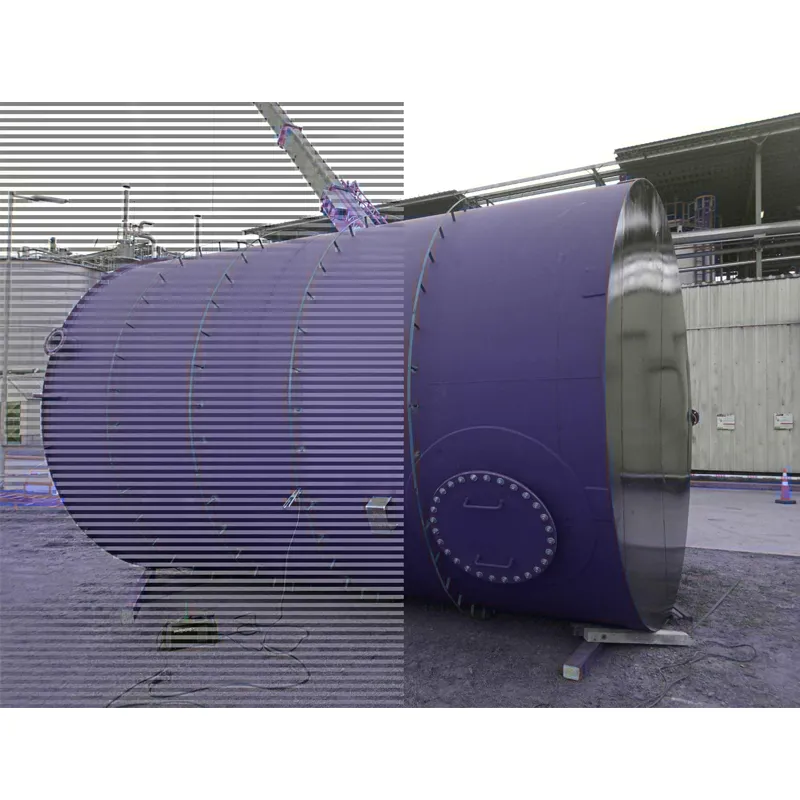
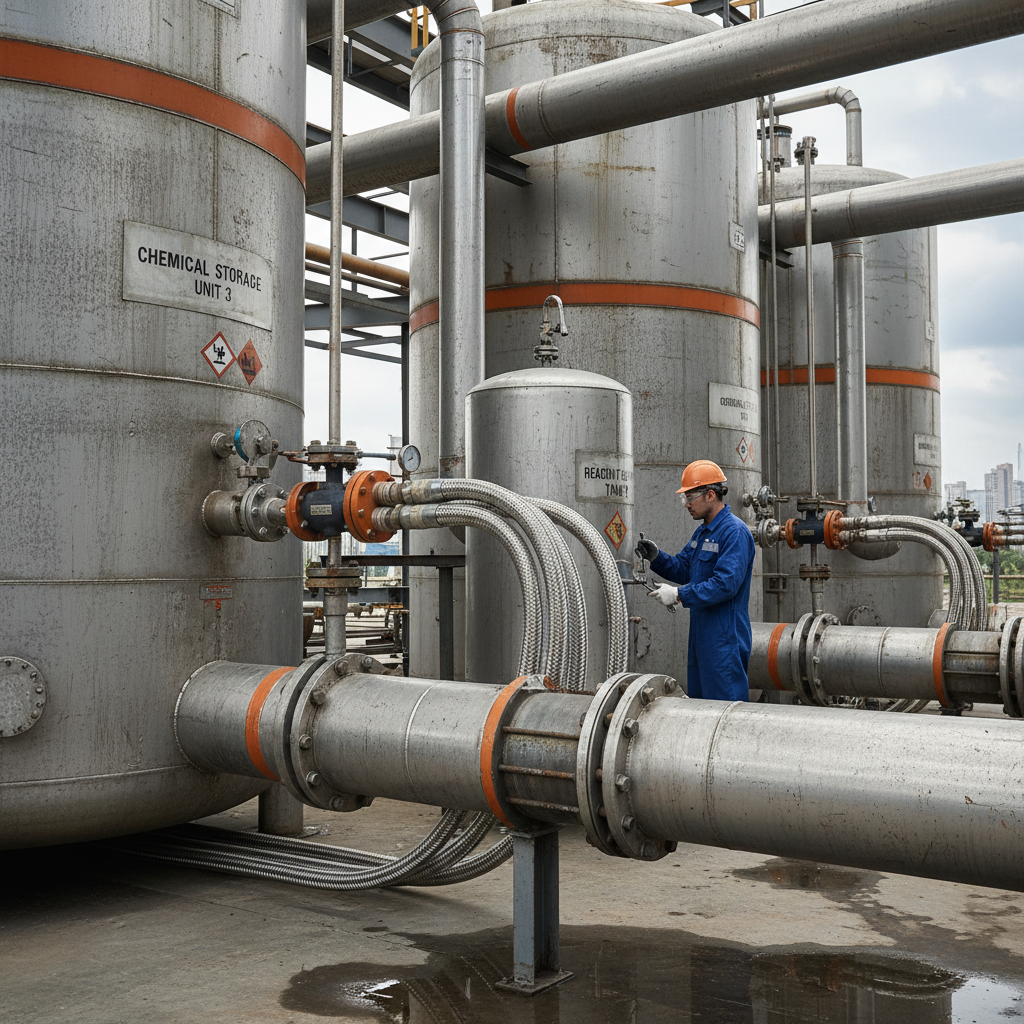
A newly completed Rubber Lined Tank undergoing final quality checks.
Conclusion
The Rubber Lined Tank represents a cornerstone technology for reliable and safe material containment in aggressive industrial environments. Its superior resistance to corrosion and abrasion, coupled with the flexibility of material customization, makes it an indispensable asset across sectors from petrochemicals and mining to water treatment. By choosing a solution built on expert engineering, rigorous quality control, and comprehensive after-sales support, industries can ensure operational longevity, enhanced safety, and a significantly lower total cost of ownership. The continued innovation in elastomer technology and application techniques further solidifies the position of the Rubber Lined Tank as a leading choice for demanding industrial applications globally.
References
- ASTM International. (2023). Annual Book of ASTM Standards, Volume 09.01, Rubber, Natural and Synthetic—General Test Methods; Carbon Black. West Conshohocken, PA: ASTM International.
- NACE International. (2018). NACE SP0188-2018: Discontinuity (Holiday) Testing of New Protective Coatings on Conductive Substrates. Houston, TX: NACE International.
- API (American Petroleum Institute). (2020). API Standard 650: Welded Tanks for Oil Storage. Washington, D.C.: American Petroleum Institute.
- ISO (International Organization for Standardization). (2015). ISO 9001:2015 - Quality management systems — Requirements. Geneva, Switzerland: ISO.
Rubber Lined Tanks: Superior Corrosion & Abrasion Resistance
Introduction to Rubber Lined Tanks
In industrial processes involving corrosive chemicals, abrasive slurries, or high-purity liquids, the integrity of storage and processing equipment is paramount. This necessitates robust solutions for material containment. One such critical technology is the Rubber Lined Tank, engineered to provide superior protection against aggressive operational environments. These specialized tanks are extensively utilized across a spectrum of heavy industries to prevent material degradation, ensure operational safety, and extend the service life of critical infrastructure. The application of elastomeric linings effectively mitigates the risk of corrosion, abrasion, and contamination, thereby safeguarding both process fluids and capital equipment investments.
A Rubber Lined Tank serves as a vital component in handling highly reactive substances, where conventional metallic tanks would quickly succumb to chemical attack or mechanical wear. The selection of the appropriate rubber compound—such as natural rubber, neoprene, butyl, or EPDM—is crucial and depends entirely on the specific chemical properties, temperature ranges, and abrasive characteristics of the media being stored or processed. This strategic material engineering ensures optimal performance and adherence to stringent safety and environmental regulations in diverse industrial settings.
Industry Trends and Market Drivers
The demand for advanced material handling solutions, particularly the Rubber Lined Tank, is driven by several macro-economic and regulatory trends. The global chemical processing industry, for instance, continues to expand, requiring more sophisticated and durable containment vessels for acids, alkalis, and other aggressive reagents. Simultaneously, increasing environmental regulations, such as those pertaining to chemical spill prevention and wastewater treatment, underscore the necessity for leak-proof and highly resistant storage solutions.
Technological advancements in rubber compounding and application techniques are also shaping the market. Manufacturers are developing new elastomer formulations that offer enhanced chemical resistance, higher temperature tolerance, and extended service life, making the Rubber Lined Tank a more versatile and cost-effective solution. There is also a growing emphasis on lifecycle costing and sustainability, where the extended operational life and reduced maintenance needs of a well-engineered rubber lining system offer significant long-term economic advantages compared to more frequently replaced or repaired alternatives. Digitalization in maintenance, including predictive analytics for liner integrity, is an emerging trend aimed at optimizing uptime and reducing operational risks.
Furthermore, the mining and metallurgy sectors, with their inherently abrasive slurries and corrosive leaching processes, remain significant drivers for Rubber Lined Tank adoption. Water treatment plants, needing reliable solutions for managing various treatment chemicals and wastewater, also contribute substantially to market growth. The ongoing global infrastructure development, especially in developing economies, further fuels the demand for robust industrial storage solutions.
Manufacturing Process of a Rubber Lined Tank
The manufacturing of a high-performance Rubber Lined Tank is a meticulous, multi-stage process that combines specialized engineering with skilled craftsmanship. This detailed procedure ensures the longevity, chemical resistance, and structural integrity of the final product.
Process Flow:
- Tank Fabrication: The tank shell, typically made from carbon steel or stainless steel, is manufactured according to standards such as API 650/620 for welded tanks or ASME B&PV Code for pressure vessels. This involves processes like plate rolling, welding (often using automated techniques), and the integration of nozzles, manways, and internal components.
- Surface Preparation: Critical for adhesion, the internal surface of the tank undergoes thorough abrasive blast cleaning to achieve a near-white metal finish (e.g., SSPC-SP 10 or SA 2.5). This removes rust, scale, and contaminants, creating an optimal profile for the adhesive.
- Adhesive Application: Multiple coats of specialized primers and adhesives are applied to the prepared metal surface. These bonding agents are formulated to create a strong, durable chemical and mechanical bond between the steel and the rubber lining. Each coat requires adequate drying time.
- Rubber Sheet Cutting and Fitting: High-quality rubber sheets, often calendered to precise thicknesses (e.g., 3mm to 10mm or more) and specific elastomer compounds (Natural Rubber, Neoprene, Butyl, EPDM, Hypalon), are carefully cut and templated to fit the internal contours of the tank. This requires expert calculation to minimize seams and waste.
- Lining Application: The cut rubber sheets are meticulously applied to the adhesive-coated tank interior. Skilled technicians use rollers and specialized tools to press the rubber firmly onto the surface, ensuring no air pockets are trapped. Overlapping seams are critical and are carefully executed.
- Seaming and Edge Detailing: All seams are expertly skived, overlapped, and then rolled or stitched together, creating a continuous, impervious barrier. Special attention is paid to corners, nozzles, and manway openings, where the lining is meticulously trimmed and sealed to prevent any exposed metal.
-
Vulcanization: This is the crucial curing process that transforms the uncured (green) rubber into a durable, elastic, and chemically resistant material.
- Autoclave Vulcanization: For smaller tanks or detachable components, the tank is placed in a large autoclave, where it is subjected to controlled heat and pressure (typically steam) for several hours. This ensures a uniform cure.
- Live Steam Vulcanization: For larger tanks, steam is introduced directly into the lined tank, allowing the rubber to cure in situ. This method requires careful temperature and pressure management.
- Chemical Cure: Some specialized rubber compounds (e.g., certain natural rubbers) can be chemically cured at ambient temperatures, though this typically takes longer and may not achieve the same bond strength as heat vulcanization.
- Inspection and Testing: Post-vulcanization, the lining undergoes rigorous quality control. This includes visual inspection for defects, spark testing (using a high-voltage probe to detect pinholes or thin spots in the dielectric rubber), adhesion testing (destructive on test coupons, non-destructive via pull tests on representative areas), and hardness testing (Shore A durometer). Adherence to ISO 9001 quality management standards is critical, alongside relevant material testing standards like ASTM D429 for adhesion and ASTM D2240 for hardness.
- Final Finishing: Any minor repairs are addressed, and the tank is prepared for shipment, often with protective coverings for the lined surfaces.
Schematic of a high-integrity Rubber Lined Tank during fabrication.
Target Industries and Advantages:
The Rubber Lined Tank finds extensive use in industries such as:
- Petrochemical: For storing and processing concentrated acids (e.g., HCl, H2SO4) and corrosive brines.
- Metallurgy & Mining: Handling abrasive mineral slurries, leaching solutions (e.g., cyanide, sulfuric acid), and flotation reagents.
- Water Supply & Drainage: For industrial wastewater treatment, potable water storage (with FDA-approved linings), and chemical dosing systems.
- Chemical Manufacturing: Production and storage of various industrial chemicals.
- Pulp & Paper: Containing corrosive bleaching agents and process liquors.
Key advantages demonstrated in these scenarios include superior corrosion resistance, extended service life (often 10-20 years with proper maintenance), excellent abrasion resistance against particulate matter, and energy saving benefits due to the thermal insulating properties of rubber, reducing heat loss or gain in process tanks.
Technical Specifications and Performance Parameters
The performance of a Rubber Lined Tank is directly attributable to the precise technical specifications of both the tank substrate and, critically, the elastomeric lining system. Understanding these parameters is essential for engineers and procurement specialists to select the optimal solution for their specific operational demands.
Typical Product Specifications for a High-Performance Rubber Lined Tank
| Parameter | Specification/Value Range | Industry Standard/Test Method |
|---|---|---|
| Tank Material | Carbon Steel (e.g., ASTM A516 Gr.70), Stainless Steel (e.g., SS304, SS316L) | API 650/620, ASME B&PV Code |
| Liner Material Types | Natural Rubber (Soft/Hard), Neoprene, Butyl, EPDM, Hypalon (CSM) | ASTM D2000 (Rubber Classification) |
| Liner Thickness | 3mm - 10mm (0.125" - 0.4"), application-dependent | +/- 0.5mm tolerance |
| Hardness (Shore A) | 45-90 Shore A (Soft Natural Rubber ~45-60, Hard Natural Rubber ~70-85, Neoprene ~60-70) | ASTM D2240 |
| Tensile Strength | 10-25 MPa (1500-3600 psi) depending on polymer | ASTM D412 |
| Elongation at Break | 300% - 700% | ASTM D412 |
| Operating Temperature Range | -20°C to +100°C (depending on elastomer; e.g., EPDM up to 120°C intermittently) | Manufacturer Specific / ASTM D2000 |
| Adhesion to Substrate | > 100 psi (0.7 MPa) to ASTM D429 Method B (Peel Adhesion) | ASTM D429 |
| Chemical Resistance | Excellent for specific acids, alkalis, salts, based on elastomer type (consult resistance chart) | ASTM D471 (Fluid Immersion) |
| Abrasion Resistance | Excellent (especially soft natural rubber) for slurries and particulate media | DIN 53516 (Abrasion Loss) |
| Service Life Expectancy | 10-20 years with proper selection, installation, and maintenance | Field Data, Industry Benchmarks |
These specifications highlight the engineered precision behind each Rubber Lined Tank. The choice of elastomer is perhaps the most critical decision, as it dictates chemical compatibility and physical properties such as abrasion resistance and temperature tolerance. For instance, soft natural rubber offers superior abrasion resistance in mineral processing, while hard natural rubber provides better chemical resistance for strong inorganic acids. Neoprene is often chosen for moderate chemical exposure combined with oil resistance, and EPDM excels in hot water, steam, and mild acid applications.
Application Scenarios
The versatility of the Rubber Lined Tank stems from its adaptability to various aggressive media and operational conditions. Its unique protective characteristics make it indispensable in numerous demanding industrial applications.
- Acid Storage and Handling: In chemical plants, storage tanks for hydrochloric acid, sulfuric acid, or phosphoric acid are routinely rubber-lined. The rubber acts as a primary barrier, preventing direct contact between the corrosive acid and the steel substrate, thereby averting catastrophic failures and ensuring long-term containment integrity. This is a classic example of its superior corrosion resistance.
- Mineral Processing and Slurry Management: Mining operations involve the transport and storage of highly abrasive mineral slurries (e.g., iron ore, copper concentrate). Here, soft natural rubber linings excel due to their exceptional resilience and cut resistance, absorbing the impact energy of solid particles and significantly extending the life of tanks, thickeners, and hoppers compared to unlined or rigid-lined counterparts.
- Wastewater Treatment: Various stages of industrial wastewater treatment involve chemicals for pH adjustment, coagulation, and flocculation. Tanks holding acids, caustics, or even raw effluent can benefit from rubber linings to protect against chemical attack and general erosion. For instance, tanks handling chlorinated water or sodium hypochlorite may utilize EPDM or Hypalon linings for enhanced resistance.
- Electroplating and Pickling Lines: In metal finishing industries, pickling tanks containing strong acids (e.g., sulfuric or hydrochloric acid) at elevated temperatures are critical. Rubber Lined Tanks (often with hard natural rubber or specialized synthetic rubbers) prevent corrosive degradation of the tank structure, ensuring process consistency and safety.
- Power Generation (FGD Systems): Flue Gas Desulfurization (FGD) systems in power plants use large absorption towers and tanks to remove sulfur dioxide. These often involve highly corrosive slurries and acidic condensates, making rubber linings an ideal choice for protecting these massive structures.
- Food and Beverage (Specialized): While less common, certain food-grade rubber linings (e.g., FDA-approved butyl or EPDM) are used in specific processes where chemical resistance and sanitary conditions are required, such as in tanks for highly acidic fruit juices or fermenting agents.
Key Technical Advantages
The intrinsic advantages of a Rubber Lined Tank extend beyond mere protection, offering significant operational benefits and long-term cost savings.
- Superior Corrosion Resistance: The primary advantage. Rubber acts as an impermeable barrier, preventing direct contact between aggressive chemicals and the metallic tank shell. Different rubber compounds are impervious to specific acids, alkalis, salts, and oxidizing agents, making the Rubber Lined Tank highly adaptable to diverse corrosive environments. This significantly extends the tank's operational life and prevents structural integrity compromise.
- Exceptional Abrasion and Impact Protection: Especially prominent with soft natural rubber, the elastic properties of the lining absorb the impact energy of abrasive particles in slurries. This dramatically reduces wear rates compared to rigid lining materials like ceramics or hardened steel, which can crack, chip, or be scoured away by high-velocity solids. This leads to prolonged uptime and reduced maintenance.
- Thermal Insulation Properties: Rubber possesses inherent thermal insulating characteristics. This can be advantageous in processes requiring temperature stability, reducing heat loss or gain from the tank, and potentially contributing to energy efficiency in certain applications.
- Prevention of Contamination: For processes requiring high purity, the inert nature of certain rubber compounds prevents metallic ion leaching from the tank walls into the process fluid, ensuring product integrity.
- Reduced Maintenance and Extended Service Life: A properly installed and maintained Rubber Lined Tank can provide years, even decades, of service without major repair or replacement. This translates into lower lifecycle costs, reduced downtime, and enhanced operational reliability, making it a highly cost-effective solution in the long run.
- Safety Enhancement: By effectively containing corrosive and hazardous materials, rubber linings minimize the risk of leaks, spills, and catastrophic failures, thereby enhancing workplace safety and environmental protection.
Vendor Comparison and Material Selection
Choosing the right vendor and the appropriate rubber lining material for a Rubber Lined Tank is a decision of critical importance that impacts performance, cost, and longevity. While many vendors offer lining services, their expertise, material quality, and application methodologies can vary significantly.
Comparison of Lining Options for Industrial Tanks
| Feature | Rubber Lining (e.g., QWMETAL) | Fiberglass Reinforced Plastic (FRP) | Specialized Coatings (e.g., Epoxy, PTFE) |
|---|---|---|---|
| Corrosion Resistance | Excellent (specific to elastomer, wide range) | Very Good (resin dependent, some limitations) | Good to Excellent (coating specific, thin barrier) |
| Abrasion Resistance | Excellent (especially soft natural rubber) | Moderate (can wear or erode with high solids) | Poor to Moderate (typically not designed for heavy abrasion) |
| Impact Resistance | High (elastic, absorbs impact energy) | Moderate (can crack or chip under severe impact) | Low (brittle, susceptible to cracking/delamination) |
| Temperature Range | Moderate to High (-20°C to 120°C, elastomer dependent) | Moderate to High (-50°C to 150°C, resin dependent) | Variable (some high temp, most moderate) |
| Installation Complexity | High (skilled labor, vulcanization often required) | Moderate (can be done on-site, less specialized) | Low (surface prep critical, multiple coats) |
| Repairability | Good (patching possible, requires expertise) | Good (patching possible) | Moderate (difficult to achieve seamless repair) |
| Typical Service Life | 10-20+ years | 5-15 years | 3-10 years |
| Cost (Initial) | Higher | Moderate | Lower |
| Cost (Lifecycle) | Lower (due to long life, low maintenance) | Moderate | Higher (due to shorter life, frequent recoating) |
This comparison highlights that while the initial cost of a Rubber Lined Tank might be higher than other options, its superior performance in corrosive and abrasive environments, coupled with a significantly longer service life and reduced maintenance, often results in a lower total cost of ownership over the operational lifespan. Choosing a reputable vendor with proven experience in rubber lining application and material selection is crucial for realizing these benefits. Expertise in surface preparation, adhesive technology, and vulcanization techniques directly correlates with the longevity and reliability of the lining.
Detailed view of a Rubber Lined Tank interior, highlighting seamless application.
Customized Solutions
Recognizing that no two industrial applications are identical, leading manufacturers of Rubber Lined Tanks offer extensive customization options. This bespoke approach ensures that each tank is precisely engineered to meet the unique chemical, thermal, and mechanical stresses of its intended service.
Customization typically begins with a detailed assessment of the process parameters. This includes the chemical composition, concentration, operating temperature and pressure, presence of abrasives, and the required service life. Based on this, specific aspects of the Rubber Lined Tank can be tailored:
- Liner Material Selection: The choice of elastomer (e.g., Natural Rubber, Neoprene, Butyl, EPDM, Hypalon) is optimized for chemical compatibility and resistance to specific reagents, oxidative degradation, or UV exposure. Different grades of each elastomer exist to fine-tune properties such as hardness and tear strength.
- Liner Thickness: Ranging from 3mm to 12mm or more, the thickness is selected based on the corrosiveness and abrasiveness of the media, anticipated wear rates, and desired service life. Thicker linings provide enhanced protection and durability.
- Tank Dimensions and Configuration: Custom-designed tank geometries, capacities, and orientations (vertical, horizontal, conical bottom) are common. This includes bespoke placement and sizing of nozzles, manways, internal baffles, and agitator supports, all of which are meticulously lined to ensure full protection.
- Dual Lining Systems: For highly aggressive or complex environments, a dual-layer lining system might be employed. This often involves a corrosion-resistant inner layer backed by an abrasion-resistant outer layer, or a sacrificial layer to extend the life of the primary barrier.
- Special Features: This can include spark testing ports, level indicator connections, heating/cooling coils (often externally applied to avoid lining penetration), and specific mounting points for instrumentation.
Application Case Studies
Real-world applications powerfully demonstrate the efficacy and reliability of Rubber Lined Tank solutions. These case studies highlight how tailored engineering addresses specific industrial challenges, leading to significant operational improvements and cost savings.
Case Study 1: Acid Storage in a Chemical Manufacturing Plant
A major chemical producer faced recurring issues with their unlined steel tanks used for storing 30% hydrochloric acid at ambient temperatures. Conventional coatings failed within 1-2 years due to chemical permeation and blistering, leading to frequent shutdowns for repairs and safety concerns.
Solution: The plant invested in a new Rubber Lined Tank with a 6mm thick, hard natural rubber lining, expertly vulcanized. The tank was designed with minimal internal welds and carefully lined nozzle penetrations.
Outcome: After 10 years of continuous operation, the rubber lining showed no signs of degradation, cracking, or adhesion loss. Annual spark testing consistently confirmed the integrity of the lining. The client reported a 90% reduction in maintenance costs associated with acid storage and eliminated the safety risks of previous lining failures, demonstrating excellent ROI.
Case Study 2: Slurry Thickener in a Copper Mining Operation
A large copper mine experienced rapid wear in their slurry thickener tanks, particularly at the feedwell and discharge cone areas, due to highly abrasive ore slurries. Traditional steel components lasted only 6-8 months, causing costly downtime for plate replacement.
Solution: The entire internal surface of the thickener, including the feedwell and cone, was lined with 10mm thick, soft natural rubber. The lining was applied using cold-bond vulcanization on-site to minimize disruption.
Outcome: The Rubber Lined Tank components significantly outperformed expectations. Inspections at 3-year intervals showed minimal wear, extending the service life of the thickener by over 400%. This resulted in an estimated annual saving of over $500,000 in replacement parts and lost production time, reinforcing the value proposition of specialized rubber linings for extreme abrasion. Customer feedback praised the robust solution and seamless integration into existing operations.
Quality Assurance and Certifications
Maintaining the highest standards of quality is paramount in the fabrication and lining of a Rubber Lined Tank. Reputable manufacturers adhere to rigorous quality management systems and industry-recognized certifications, providing authoritative assurance of product reliability and performance.
- ISO 9001 Certification: A fundamental benchmark, ensuring that the manufacturer operates a consistent and effective quality management system across all stages, from design and material procurement to manufacturing, installation, and after-sales service.
- Adherence to ASTM Standards: Rubber linings are meticulously tested against ASTM (American Society for Testing and Materials) standards for properties such as adhesion (ASTM D429), hardness (ASTM D2240), tensile strength (ASTM D412), and chemical resistance (ASTM D471). This ensures that the physical and chemical properties of the rubber meet specified performance criteria.
- API and ASME Compliance: The underlying tank vessel itself typically complies with codes such as API 650/620 for atmospheric or low-pressure storage tanks, and ASME Boiler and Pressure Vessel Code (Section VIII) for pressure vessels. These standards dictate material selection, fabrication techniques, and inspection protocols for the metallic shell.
- Experienced Workforce: Years of service in the industry, coupled with a highly trained and certified workforce (e.g., NACE-certified coating inspectors, qualified welders), are indicative of deep expertise and commitment to quality.
- Comprehensive Testing and Documentation: Every Rubber Lined Tank undergoes detailed inspection and testing, including spark testing of 100% of the lined surface, visual inspections, and dimensional checks. Full documentation and material traceability are provided, offering complete transparency and confidence to clients.
Frequently Asked Questions (FAQ)
- Q: What is the typical service life of a Rubber Lined Tank?
- A: With proper material selection, installation, and routine maintenance, a high-quality Rubber Lined Tank can last 10 to 20 years, and often longer, even in highly corrosive or abrasive environments.
- Q: How often does a rubber lining need inspection or maintenance?
- A: Regular visual inspections are recommended annually. More detailed inspections, including spark testing, should be performed every 3-5 years or during planned shutdowns, depending on the service conditions and criticality of the tank.
- Q: Can a damaged rubber lining be repaired?
- A: Yes, minor damages like localized cuts or blisters can often be repaired through patching or localized re-vulcanization by experienced technicians. Extensive damage may necessitate complete re-lining.
- Q: What factors influence the choice of rubber material?
- A: The primary factors include the chemical composition, concentration, and temperature of the contained media, as well as the presence of abrasive solids, operating pressure, and regulatory requirements (e.g., FDA compliance for certain applications).
- Q: Is field lining possible for existing tanks?
- A: Yes, many experienced providers offer on-site field lining services for large tanks or those that cannot be easily transported. This typically involves cold-bond vulcanization or specialized air-curing compounds.
Lead Time, Warranty, and After-Sales Support
Investing in a Rubber Lined Tank is a strategic decision that extends beyond the initial purchase. Reliable vendors provide clear expectations regarding lead times, comprehensive warranties, and robust after-sales support to ensure long-term operational success and peace of mind.
- Lead Time and Fulfillment: Typical lead times for a custom Rubber Lined Tank can range from 8 to 20 weeks, depending on the tank size, complexity of the lining, material availability, and current production schedules. This includes tank fabrication, lining application, vulcanization, and quality control. Expedited options may be available for urgent projects, subject to additional costs and resource availability. Detailed project timelines and regular updates are provided to ensure transparent fulfillment.
- Warranty Commitments: A standard warranty for the rubber lining typically covers defects in material and workmanship for a period of 1 to 2 years from the date of commissioning or shipment. This warranty covers adhesion failure, delamination, or premature degradation not caused by improper operation or unapproved chemical exposure. Extended warranty options may be offered by some manufacturers, reflecting confidence in their product quality.
-
Customer Support and After-Sales Service: Comprehensive after-sales support is crucial. This typically includes:
- Technical Assistance: Access to experienced engineers and technical specialists for troubleshooting, operational guidance, and chemical compatibility queries.
- On-site Support and Repair Services: Availability of field service teams for inspections, emergency repairs, or scheduled maintenance.
- Spare Parts and Materials: Provision of approved repair kits and lining materials for customer maintenance or minor repairs.
- Training: Providing training for client personnel on basic inspection, maintenance, and safe operation procedures.
A newly completed Rubber Lined Tank undergoing final quality checks.
Conclusion
The Rubber Lined Tank represents a cornerstone technology for reliable and safe material containment in aggressive industrial environments. Its superior resistance to corrosion and abrasion, coupled with the flexibility of material customization, makes it an indispensable asset across sectors from petrochemicals and mining to water treatment. By choosing a solution built on expert engineering, rigorous quality control, and comprehensive after-sales support, industries can ensure operational longevity, enhanced safety, and a significantly lower total cost of ownership. The continued innovation in elastomer technology and application techniques further solidifies the position of the Rubber Lined Tank as a leading choice for demanding industrial applications globally.
References
- ASTM International. (2023). Annual Book of ASTM Standards, Volume 09.01, Rubber, Natural and Synthetic—General Test Methods; Carbon Black. West Conshohocken, PA: ASTM International.
- NACE International. (2018). NACE SP0188-2018: Discontinuity (Holiday) Testing of New Protective Coatings on Conductive Substrates. Houston, TX: NACE International.
- API (American Petroleum Institute). (2020). API Standard 650: Welded Tanks for Oil Storage. Washington, D.C.: American Petroleum Institute.
- ISO (International Organization for Standardization). (2015). ISO 9001:2015 - Quality management systems — Requirements. Geneva, Switzerland: ISO.
Related Products
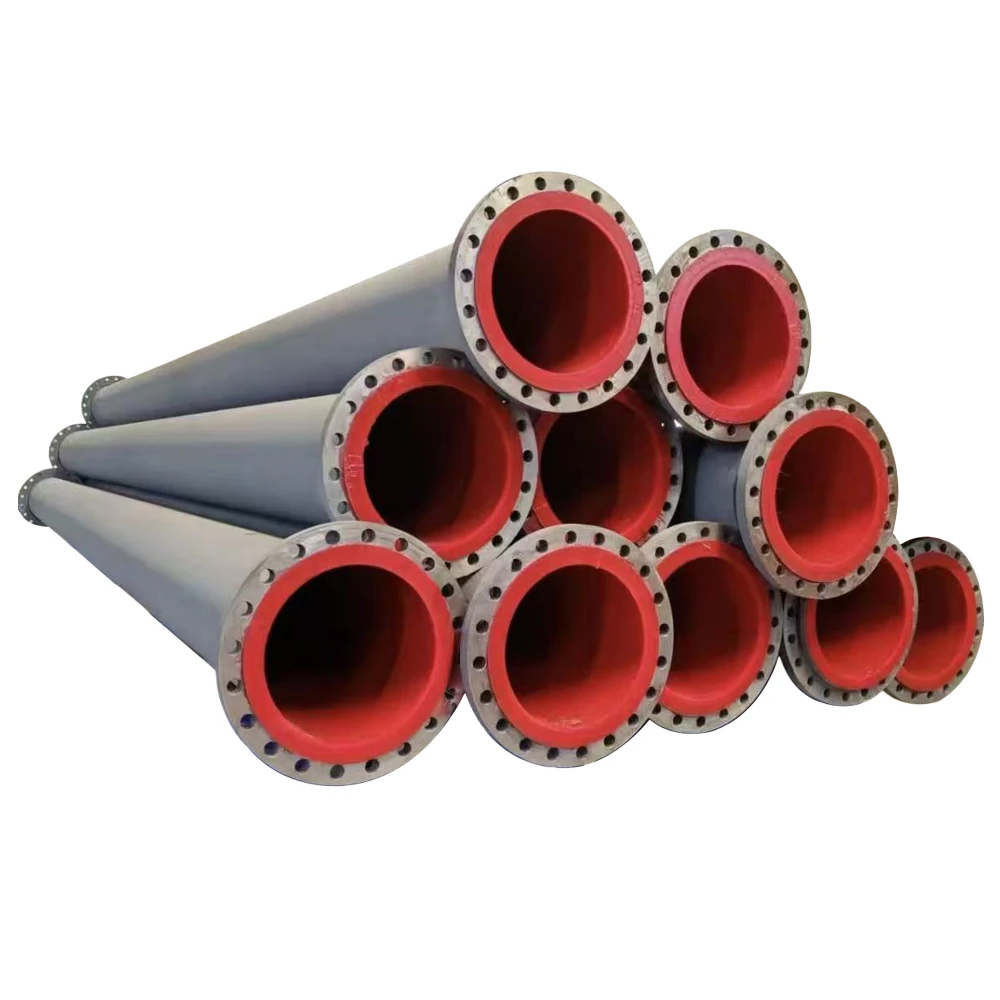
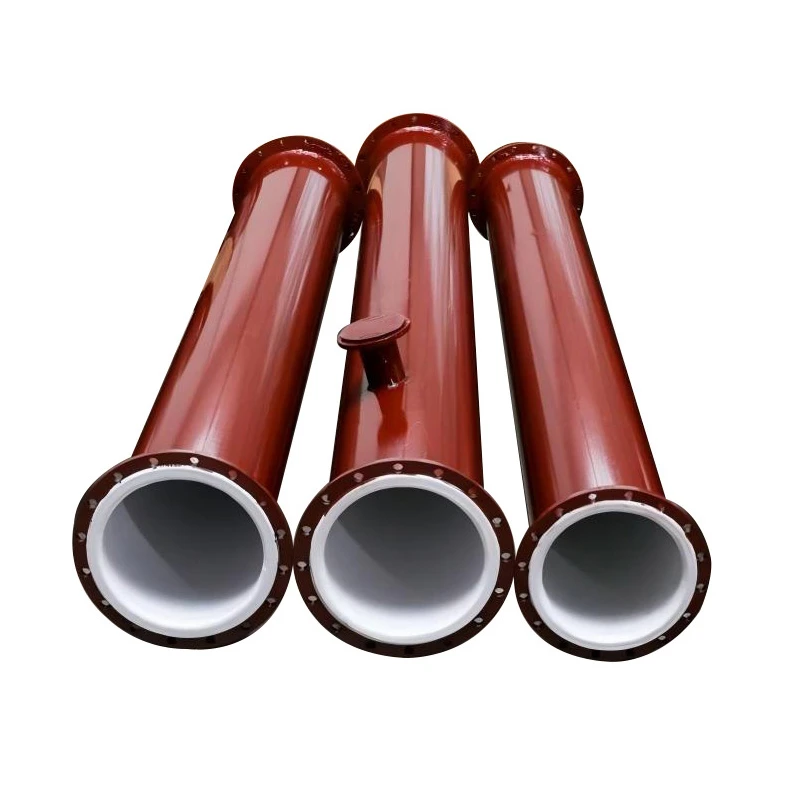
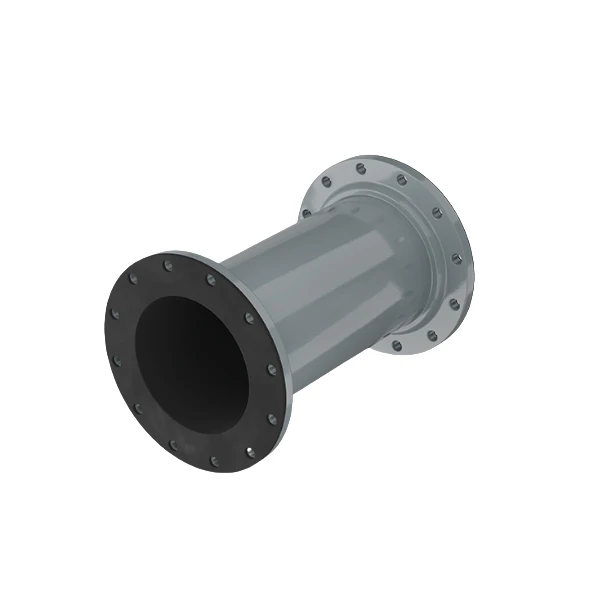
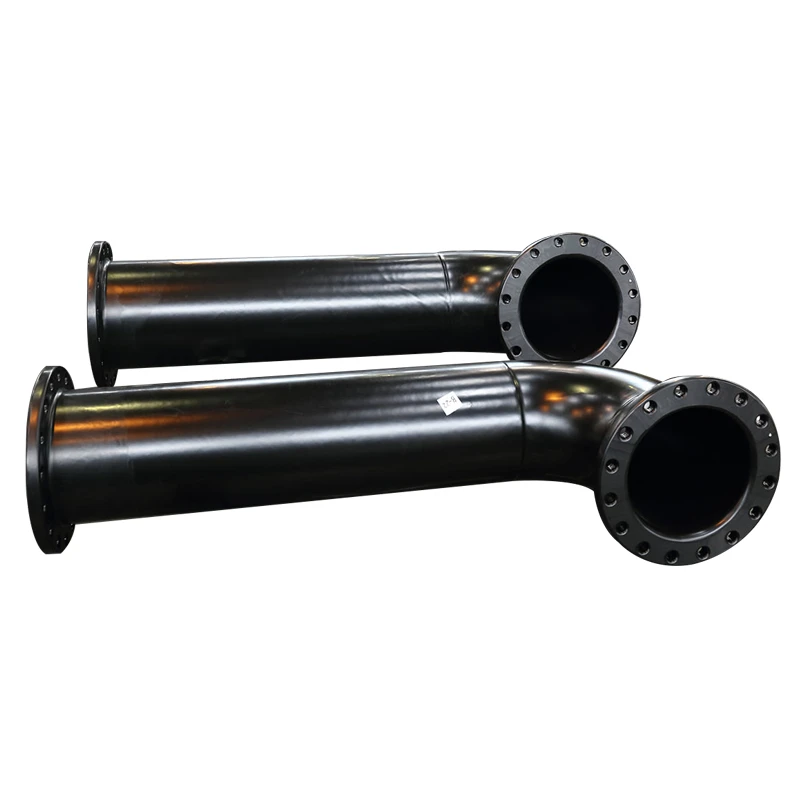
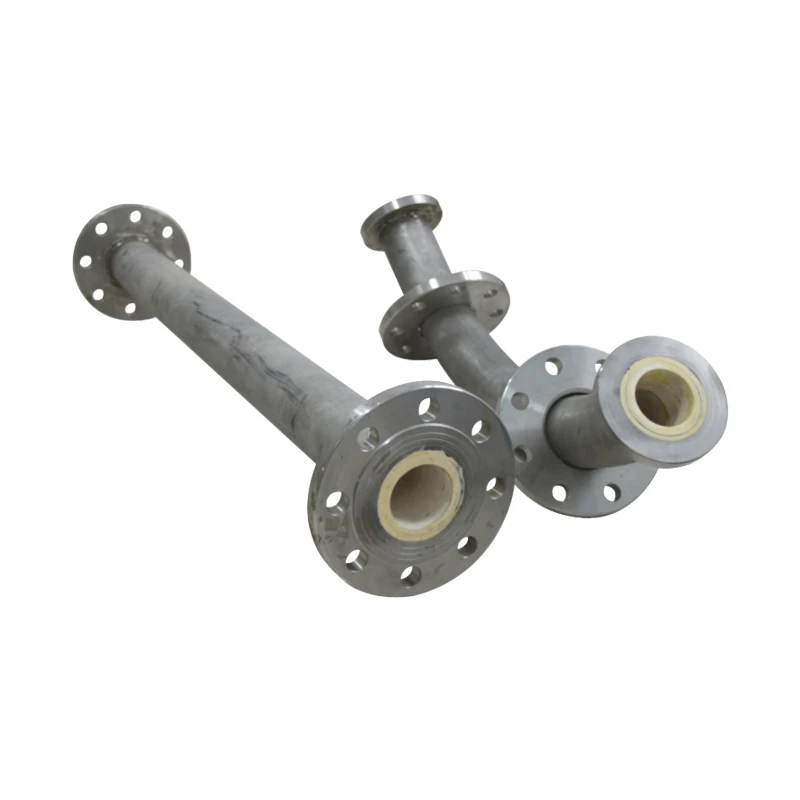
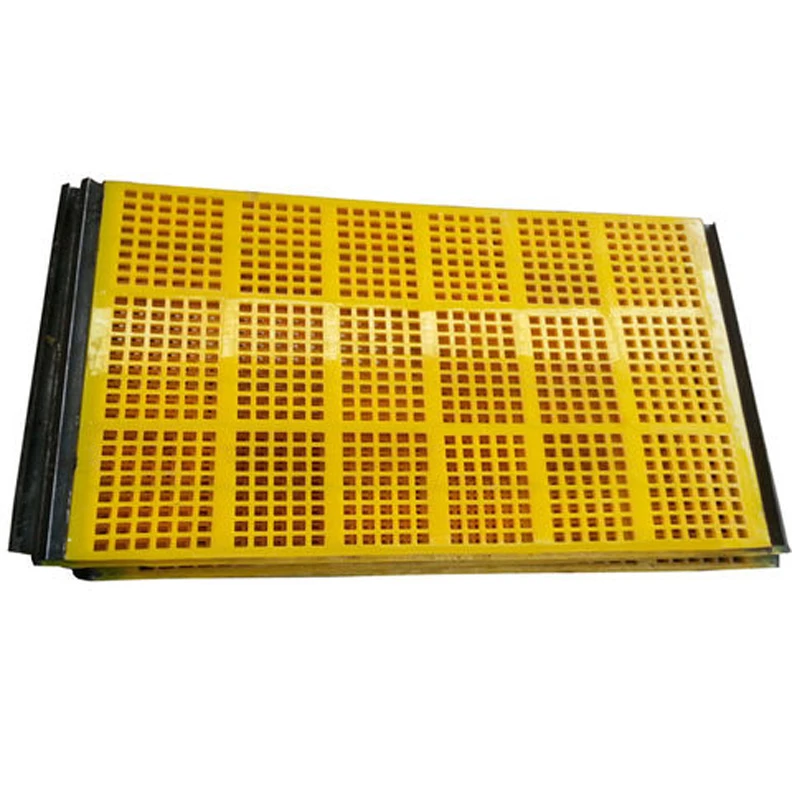
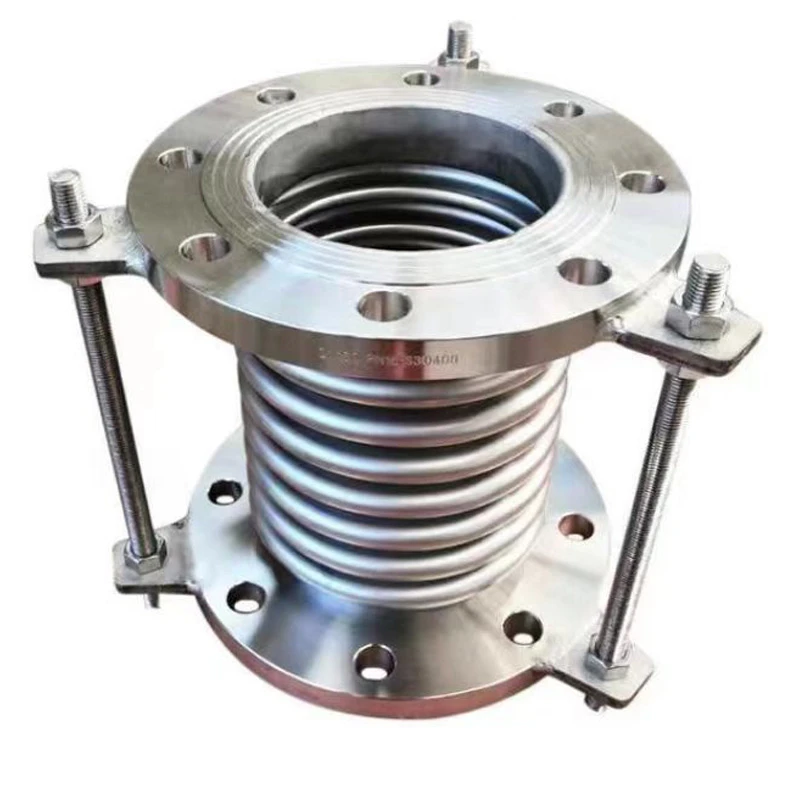
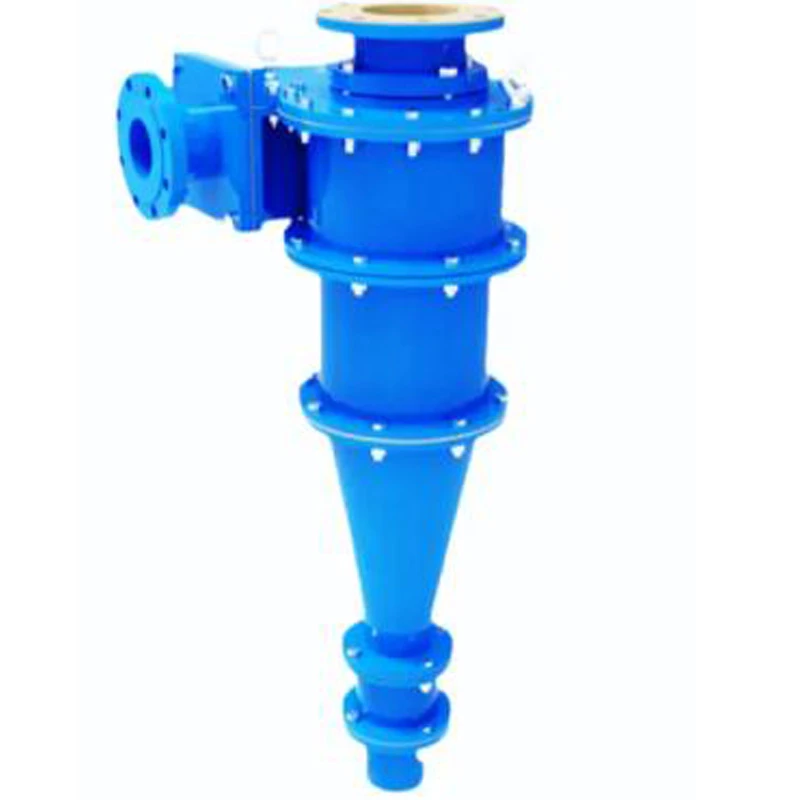
Our main products are polyurethane lined pipes, mining equipment fittings and metal hoses.