Types of Cyclone Separator: Dust, Sand & Micro Particle Solutions
Introduction to Cyclone Separators and Their Industrial Significance
In the realm of industrial processes, the efficient separation of particulate matter from gas streams is not merely a regulatory compliance issue but a fundamental requirement for operational integrity, product quality, and environmental stewardship. Among the robust array of dust collection and separation technologies, cyclone separators are distinguished by their simplicity, efficacy, and resilience. A profound understanding of the various types of cyclone separator is paramount for engineering professionals and procurement decision-makers tasked with optimizing their process streams and material recovery systems. These devices harness the power of centrifugal force to segregate particles, ranging from coarse aggregates to finer dusts, across a myriad of demanding applications.
This authoritative article serves as a comprehensive guide, delving into the intricate world of cyclone separator technology. We will explore current industry trends, granular technical specifications, diverse application scenarios, and the compelling technical advantages inherent in their designs. Furthermore, we will critically examine manufacturing processes, offer insights into vendor comparison and customized solutions, and present real-world application case studies to underscore their practical effectiveness. This piece is meticulously crafted to equip B2B stakeholders with the knowledge required for informed decision-making.
Contemporary Industry Trends in Cyclone Separator Technology
The industrial landscape is in a constant state of flux, driven by increasingly stringent environmental regulations, an unwavering focus on energy efficiency, and the imperative for enhanced operational reliability. These macroeconomic and regulatory pressures exert significant influence over the innovation, development, and adoption of various types of cyclone separator. Current trends vividly illustrate a progressive shift towards sophisticated designs that deliver superior separation efficiency, particularly for elusive fine particles, coupled with augmented durability in severe operating conditions.
- Advancements in Fine Particle Separation: While conventional cyclones are inherently proficient at separating larger particulate matter, there is substantial ongoing research and development aimed at enhancing the efficiency of micro cyclone separator designs. These innovations target effective separation for particles below 5 micrometers, often involving intricate multi-cyclone configurations or hybrid systems that integrate complementary separation mechanisms.
- Breakthroughs in Material Science: The strategic deployment of advanced materials, including high-performance wear-resistant ceramics, specialized corrosion-resistant alloys, and high-durability coatings, is dramatically extending the service life of cyclones. This is particularly critical in applications characterized by highly abrasive media or corrosive chemical environments, thereby reducing total cost of ownership.
- Optimized Energy Efficiency: The application of advanced Computational Fluid Dynamics (CFD) simulations in design stages is yielding cyclone geometries that achieve desired separation efficiencies with remarkably lower pressure drops. This directly translates to reduced energy consumption for motive air systems (fans and blowers), aligning with global sustainability objectives.
- Integration of Smart Monitoring and Automation: Modern cyclones are increasingly incorporating sophisticated sensor technologies for real-time monitoring of key operational parameters such as pressure differential, gas flow rates, and particulate loading. When integrated with Internet of Things (IoT)-enabled control systems, these smart cyclones facilitate predictive maintenance strategies and dynamic operational optimization, minimizing unplanned downtime.
- Modularity and Bespoke Customization: Leading manufacturers are progressively offering modular cyclone designs and highly customizable solutions. This flexibility allows for precise tailoring to specific process requirements, accommodating wide variations in gas volumetric flow rates, particle size distributions, and unique material characteristics, ensuring peak performance in specialized niches.
These prevailing trends underscore the strategic importance of meticulously evaluating and selecting the appropriate types of cyclone separator, not merely for immediate operational demands but also for long-term adaptability, scalability, and adherence to evolving regulatory frameworks.
Understanding the Manufacturing Process of Cyclone Separators
The inherent quality and sustained performance envelope of any industrial cyclone separator are fundamentally engineered outcomes, dictated by its precise manufacturing process, judicious material selection, and rigorous adherence to engineering specifications and international standards. A meticulously fabricated cyclone ensures prolonged service life, unwavering performance consistency, and uncompromising operational safety.
Key Stages in Manufacturing High-Performance Cyclone Separators
- Advanced Design and Engineering: Leveraging sophisticated CFD simulations, Finite Element Analysis (FEA), and state-of-the-art CAD software, expert engineers meticulously design the optimal aerodynamic geometry tailored for specific separation efficiencies and targeted pressure drop characteristics. This initial stage precisely defines critical dimensions for various types of cyclone separator, including the specific cone angle, vortex finder length, and the intricate inlet design.
-
Strategic Material Selection: Materials are rigorously chosen based on the precise operating environment, encompassing parameters such as extreme temperature fluctuations, operational pressure, the abrasiveness and corrosiveness of both the particulate matter and the carrier gas stream, and the projected service life.
- Standard Materials: Carbon steel is widely used for general industrial applications.
- Corrosion Resistance: Stainless steels (e.g., SS304, SS316L, Duplex grades) are specified for environments demanding enhanced corrosion resistance.
- Abrasion Resistance: High-performance abrasion-resistant steels (e.g., Hardox, AR400) are utilized for severe wear applications.
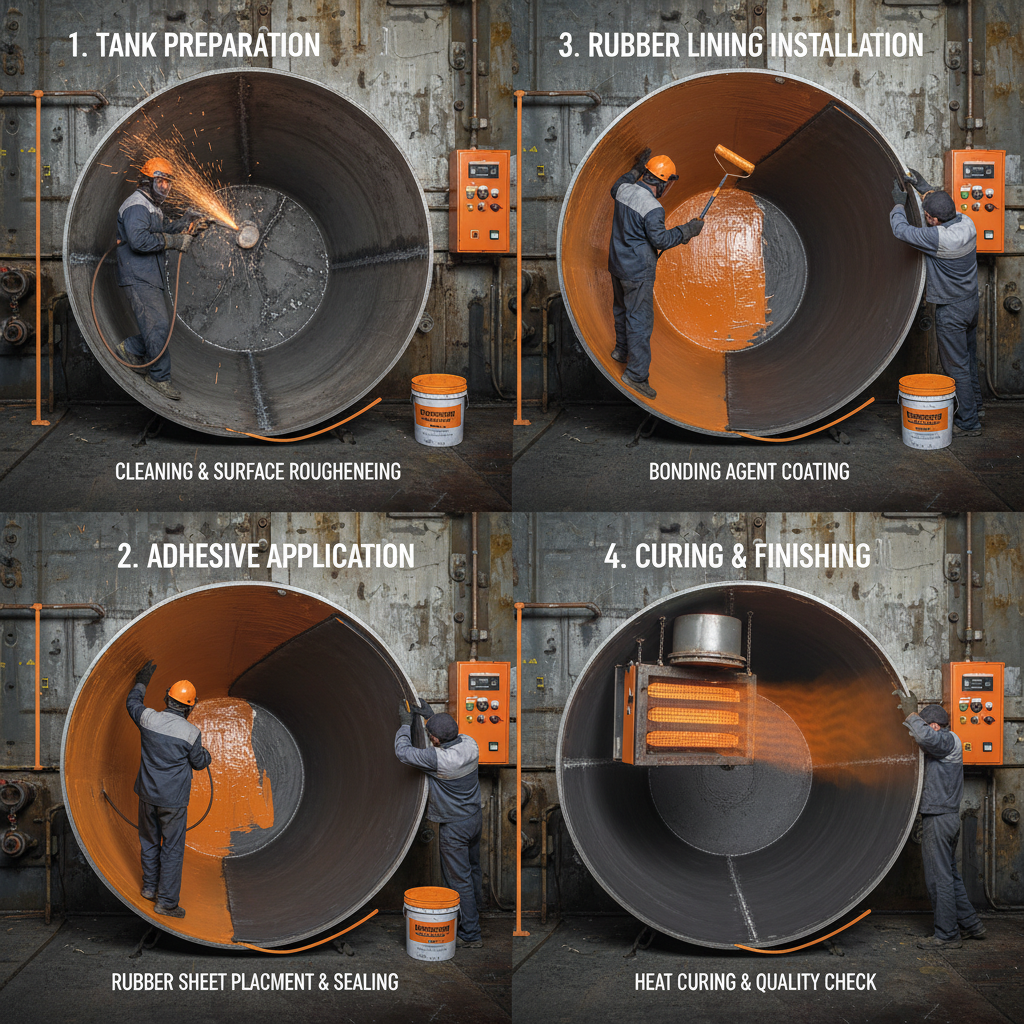
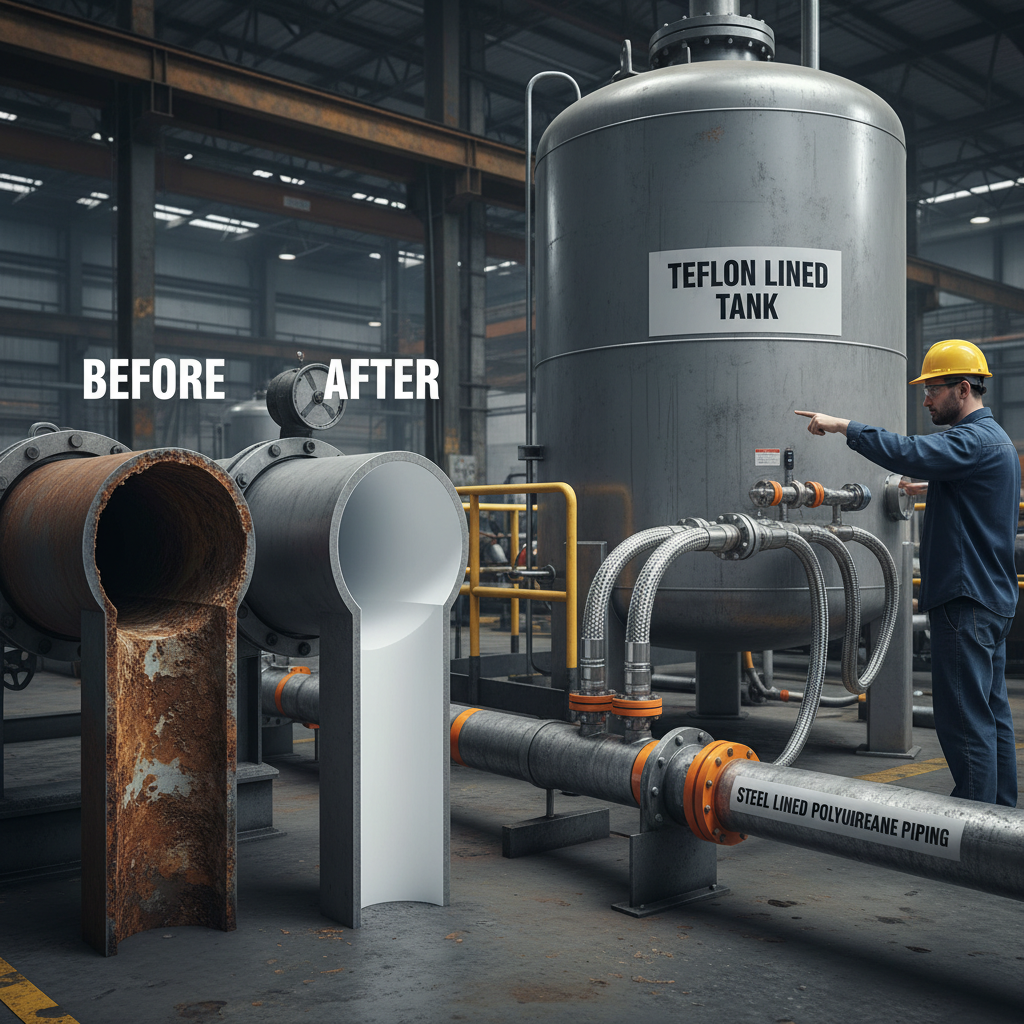
- Specialized Linings: For extremely abrasive conditions, such as those encountered by a sand cyclone separator, robust ceramic, polyurethane, or specialized rubber linings are meticulously applied to critical internal surfaces.
-
Precision Fabrication and Machining:
- Cutting and Forming: Precision cutting techniques (e.g., laser, plasma, waterjet) are employed for sheet metal components, followed by controlled rolling and bending processes to form the cylindrical and conical sections with high accuracy.
- Welding: Advanced welding techniques (e.g., TIG, MIG, SAW) are executed by certified welders to ensure superior structural integrity and hermetic, leak-proof seams. Welds undergo stringent Non-Destructive Testing (NDT) methods, including X-ray, ultrasonic testing, or dye penetrant inspection, to guarantee flawlessness.
- CNC Machining: Critical components, notably vortex finders and gas inlets, are subjected to precise CNC machining. This ensures micron-level dimensional accuracy and ultra-smooth internal surface finishes, which are paramount for maintaining laminar flow dynamics and maximizing separation efficiency.
- Surface Treatment and Protective Finishing: Depending on the specific application environment, internal and external surfaces may undergo processes such as specialized polishing, industrial painting, or the application of high-performance coatings to impart enhanced corrosion protection, superior abrasion resistance, or specific aesthetic requirements.
- Precision Assembly and Integrated Construction: Individual components are meticulously assembled, with critical attention paid to exact alignment, secure sealing, and structural rigidity.
-
Rigorous Quality Control and Performance Testing: Every completed unit undergoes a multi-stage, stringent quality assurance protocol and comprehensive testing regimen.
- Dimensional Accuracy: Exhaustive verification against precise engineering drawings.
- Pressure Testing: Hydrostatic or pneumatic pressure tests to confirm structural integrity and leak-tightness for pressure-rated units.
- Performance Verification: In specific cases, prototype or batch testing is conducted to empirically validate separation efficiency and pressure drop characteristics.
- Adherence to International Standards: Strict compliance with global standards such as ISO 9001 (Quality Management Systems), ANSI (American National Standards Institute) for pressure vessels, and other relevant industry-specific codes (e.g., ASME, PED) is meticulously ensured.
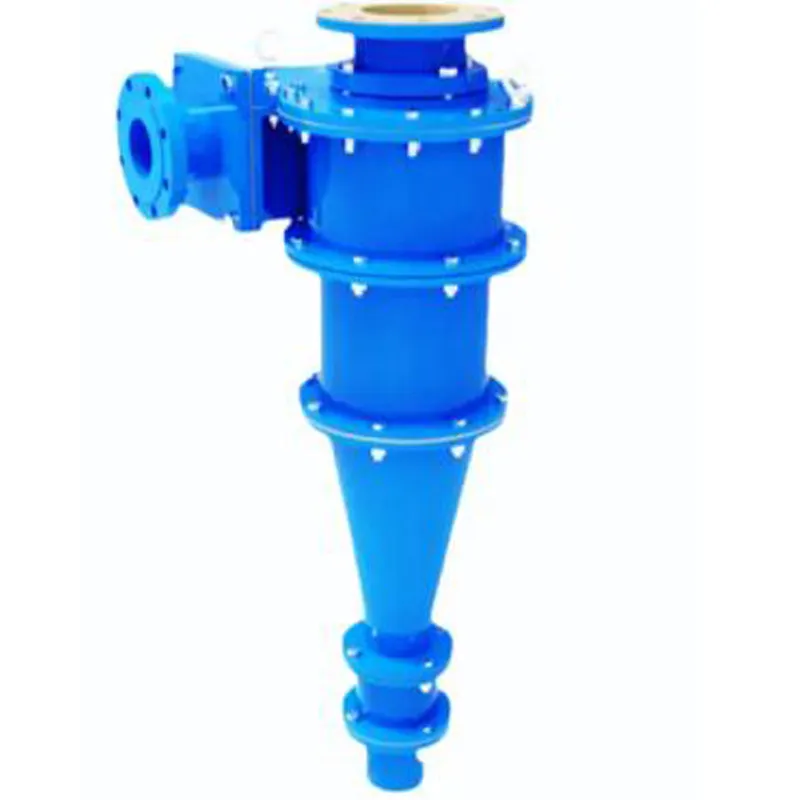
Figure 1: Schematic of a typical industrial cyclone separator illustrating key components and flow path dynamics.
Expected Service Life and Key Target Industries
A meticulously engineered and conscientiously maintained cyclone separator can achieve an impressive service life often exceeding 15-20 years, even when operating under exceptionally demanding industrial conditions. The target industries that significantly benefit from these robust separation solutions are remarkably diverse and critical to global infrastructure:
- Petrochemical: Indispensable for catalyst recovery in fluidized catalytic cracking (FCC) units, flue gas desulfurization (FGD) systems, and specialized product purification processes.
- Metallurgy and Mining: Crucial for high-volume dust collection from high-temperature furnaces, efficient mineral beneficiation processes, and the effective removal of particulate matter from exhaust gases. This sector extensively utilizes heavy-duty sand cyclone separator units in mineral sands processing and slurry dewatering.
- Cement and Construction: Essential for clinker dust collection, raw material grinding circuits, and stringent stack emission control to meet environmental standards.
- Woodworking: Fundamental for efficient sawdust and wood chip collection from sawing, planing, and milling operations, ensuring safe working environments and enabling biomass recovery.
- Power Generation: Utilized for fly ash separation in boiler systems, biomass particulate removal, and pre-treatment in various flue gas cleaning applications.
- Pharmaceutical and Food Processing: Employed for product recovery (e.g., from spray drying processes) and efficient ingredient separation, often requiring specialized hygienic and sanitary designs compliant with FDA regulations.
- Water Supply & Drainage (Hydrocyclones): While distinct from gas-solid separation, hydrocyclones (operating on identical centrifugal principles for liquid-solid separation) are critical in water treatment, desanding, and industrial slurry processing.
The profound adaptability and consistent efficiency demonstrated across these diverse industrial sectors highlight the critical importance of a nuanced understanding of the various types of cyclone separator and their specific design-driven advantages.
Key Technical Specifications and Performance Parameters
The judicious selection of the appropriate types of cyclone separator necessitates a comprehensive understanding of their critical technical specifications and the intricate interplay of parameters that govern their performance. Engineering professionals must meticulously evaluate several pivotal factors to ensure optimal system integration, achieve targeted separation efficiencies, and guarantee long-term operational effectiveness.
Critical Design and Operational Parameters:
- Inlet Velocity: Typically engineered to range from 15 to 30 m/s. While higher velocities generally correlate with improved separation efficiency, they invariably lead to increased pressure drop and accelerated erosive wear on internal surfaces.
- Pressure Drop (ΔP): Represents the energy dissipated by the cyclone, usually ranging from 250 to 1500 Pa (equivalent to 1 to 6 inches of water column). A lower pressure drop signifies superior energy efficiency, but often at the trade-off of reduced separation efficiency for finer particulate matter.
- Collection Efficiency (η): Quantifies the percentage of particles successfully removed from the incoming gas stream. This metric varies significantly as a function of particle size, particle density, gas velocity, and the specific cyclone design. For particles exceeding 10 µm, collection efficiencies frequently surpass 90-99%. For specialized micro cyclone separator designs, efficiency in the sub-micron range is a critical performance indicator.
- Cut Diameter (d50): Defined as the particle size at which 50% of the particles are effectively collected. A lower d50 value indicates a superior capability for capturing finer particles, signifying a higher-efficiency cyclone.
- Gas Flow Rate (Q): Represents the volumetric flow of gas that the cyclone is designed to process, typically measured in cubic meters per hour (m³/hr) or cubic feet per minute (CFM). Cyclones are precision-engineered for optimal operation within defined flow rate envelopes.
- Operating Temperature and Pressure: The structural and material design of the cyclone must be robustly engineered to safely and effectively accommodate the specific temperature and pressure conditions inherent to the process gas stream.
- Material of Construction: As elucidated in the manufacturing process, the selection of construction materials is paramount for ensuring long-term durability, particularly against the detrimental effects of abrasion, corrosion, and elevated temperatures.
Typical Product Specification Table: Standard Industrial Cyclone Separator
| Parameter | Typical Value Range | Unit | Engineering Notes |
|---|---|---|---|
| Design Gas Flow Rate | 1,000 - 100,000+ | m³/hr | Scalable with cyclone diameter & number of units |
| Inlet Gas Velocity | 15 - 25 | m/s | Optimized for efficiency vs. wear |
| Pressure Drop (ΔP) | 500 - 1200 | Pa | Influenced by geometry and flow rate |
| Collection Efficiency (d > 10 µm) | 90 - 99 | % | Highly efficient for coarse particles |
| Cut Diameter (d50) | 5 - 15 | µm | Can be engineered lower for high-efficiency units |
| Operating Temperature Range | -20 to 450 | °C | Higher ranges achievable with refractory linings |
| Standard Materials of Construction | Carbon Steel, SS304/316L | N/A | Customizable with specialized alloys & linings |
Diverse Types of Cyclone Separator and Their Characteristics
The systematic classification of types of cyclone separator is primarily based on their unique geometric configurations, fundamental operating principles, and specific intended applications. Each distinct variant is engineered to offer specialized advantages, making it optimally suited for particular industrial contexts and separation challenges.
1. Standard or Conventional Cyclones (Reverse Flow Design)
These represent the most prevalent and widely recognized category of cyclones. Process gas enters tangentially into the cylindrical section, inducing a vigorous downward spiraling vortex. Particulates are subjected to intense centrifugal forces, propelling them towards the cyclone wall, where they slide downwards into a dust collection hopper. The cleaned gas then reverses direction, exiting upwards through a central vortex finder. They are renowned for their robust construction and effective separation of particles generally larger than 10 µm.
- Typical Application: General industrial dust collection, effective pre-filters for more sensitive downstream equipment like baghouses or electrostatic precipitators.
2. High-Efficiency Cyclones
Distinguished by their relatively smaller diameters, elongated conical sections, and often narrower gas outlets, these cyclones are engineered to generate significantly higher centrifugal forces. This design philosophy directly leads to vastly improved separation capabilities for finer particulate matter. However, this enhanced efficiency typically comes at the cost of a higher pressure drop across the unit. Many specialized micro cyclone separator designs are categorized within this high-efficiency class.
- Typical Application: Fine dust collection in precision manufacturing, pharmaceutical processing for active ingredient recovery, and highly valuable catalyst recovery in chemical industries.
3. High-Throughput Cyclones
Designed with larger internal diameters and sometimes shorter conical sections, the primary objective of these cyclones is to process exceptionally large volumes of gas. Their design prioritizes maximum volumetric flow handling over ultra-high efficiency for fine particles. Consequently, they exhibit lower pressure drops and are ideally suited for industrial processes characterized by high particulate loading where the removal of coarse particles suffices.
- Typical Application: Wood processing industries for sawdust and chip collection, large-scale grain handling and storage facilities, and as primary separation stages in extensive industrial plants.
4. Axial Flow Cyclones
In contrast to the tangential gas entry of conventional designs, axial flow cyclones introduce the gas stream along the central axis of the unit. Swirl vanes or a stationary impeller within the cyclone impart the necessary rotational motion to the gas. While often more compact in design, they may exhibit comparatively lower separation efficiency than tangential entry cyclones for equivalent pressure drop values.
- Typical Application: Integrated into engine air intake filters, gas turbine inlet filtration systems, and compact dust removal units.
5. Multiple Cyclone Systems (Multi-cyclones or Cyclone Batteries)
These advanced systems comprise numerous small-diameter cyclones strategically arranged and operated in parallel. The fundamental principle is that by significantly decreasing the individual cyclone diameter, the centrifugal force exerted on entrained particles dramatically increases. This innovative design approach leads to substantially higher collection efficiency, particularly for smaller particles, while collectively accommodating a considerable overall gas flow rate.
- Typical Application: Large-scale industrial dust collection where high efficiency on fine particles is imperative, such as in coal-fired power generation plants, advanced cement manufacturing facilities, and metallurgical operations.
6. Specialized Cyclones: Hydrocyclones and Sand Cyclone Separator Units
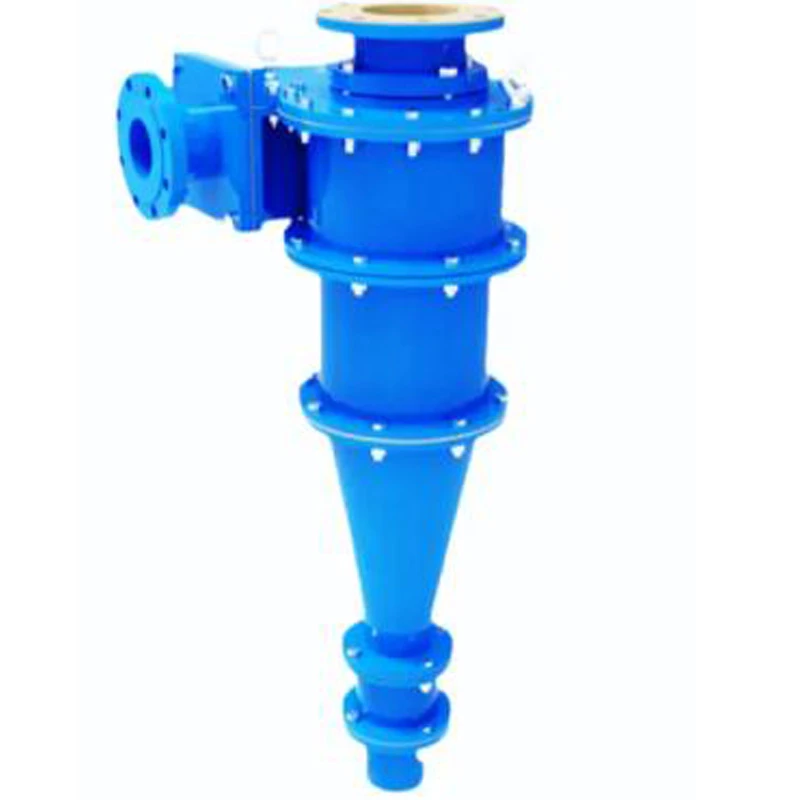
While the preceding discussions primarily focus on gas-solid separation, it is crucial to acknowledge hydrocyclones, which operate on an identical centrifugal principle but for liquid-solid separation. A prominent specialized application is the sand cyclone separator, a specific type of hydrocyclone expertly engineered to efficiently remove sand, silt, and other heavy solid particulates from water or other liquid streams. These units are critically important in numerous liquid processing applications.
- Typical Application: Municipal water desanding, processing of mineral slurries in mining operations, conditioning of drilling fluids in oil & gas exploration, and specialized wastewater treatment.
Diverse Application Scenarios Across Key Industries
The inherent versatility and robust performance characteristics of various types of cyclone separator render them indispensable across an extensive spectrum of industrial sectors. They play pivotal roles in both stringent pollution control mandates and economically vital material recovery initiatives.
- Petrochemical and Chemical Processing Plants: Routinely deployed for critical catalyst recovery in Fluidized Catalytic Cracking (FCC) units, where fine catalyst particles are efficiently separated from high-temperature reactor effluent gases. They also contribute to general dust suppression and the recovery of valuable product streams.
- Cement and Mineral Processing Industries: Absolutely essential for the effective separation of clinker dust, raw meal particulates, and various other mineral dusts generated throughout crushing, grinding, and calcination processes. High-throughput cyclone designs are particularly prevalent in these heavy-duty applications.
- Power Generation Facilities: Critical for the efficient separation of fly ash from boiler exhaust gases in coal-fired power plants, often serving as primary collectors prior to advanced electrostatic precipitators or bag filter systems.
- Woodworking and Biomass Processing: Large-capacity cyclones form the backbone of collection systems for sawdust, wood chips, and shavings originating from sawing, sanding, and milling operations, thereby ensuring a safe and clean working environment while simultaneously enabling valuable biomass recovery.
- Agriculture and Food Processing: Employed for the separation of grain dust, chaff, and other particulate matter from air streams within silos, milling plants, and pneumatic conveying systems. In food applications, specialized hygienic designs are non-negotiable.
- Waste-to-Energy and Incineration Plants: Utilized for preliminary particulate matter removal from high-temperature flue gases before subsequent, more advanced scrubbing and filtration systems, thus protecting downstream equipment.
- Water Treatment and Desanding (Hydrocyclones): Specifically, the sand cyclone separator plays a vital role in removing sand, silt, and other abrasive solids from raw water intakes, industrial process water loops, and wastewater streams. This protects sensitive downstream equipment such as pumps, valves, and fine filters from premature wear and damage.
Technical Advantages of Advanced Cyclone Separator Designs
Modern cyclone separator designs deliver a multitude of compelling technical advantages that contribute significantly to their widespread adoption in demanding B2B industrial environments. These inherent benefits consistently translate into quantifiable operational cost reductions, enhanced safety profiles, and superior environmental performance outcomes.
- Superior Energy Efficiency: Through the application of sophisticated CFD modeling and iterative design optimization, modern cyclone geometries achieve reduced pressure drop while simultaneously maintaining or even improving collection efficiency. This directly leads to lower power consumption for integral fan systems, culminating in substantial energy savings throughout the entire operational lifespan of the unit.
- Exceptional Corrosion Resistance: The strategic utilization of advanced materials such as high-grade stainless steels (e.g., 316L, various Duplex grades), specialized nickel alloys (e.g., Hastelloy, Inconel), or high-performance protective coatings (e.g., engineered epoxy, ceramic) ensures unparalleled durability in highly corrosive operating environments. This significantly extends service life and drastically reduces maintenance expenditures, particularly for types of cyclone separator specifically designed to handle acidic, alkaline, or otherwise reactive process gases.
- High Abrasion Resistance: This attribute is absolutely critical for applications involving high concentrations of highly abrasive particles, such as sand, mineral dusts, or cement clinker. The integration of specialized linings, including ceramic tiles, fused basalt, or highly wear-resistant rubber compounds, dramatically bolsters the lifespan of internal surfaces, proactively preventing premature erosion and ensuring consistent, peak performance. This feature is particularly vital for a rugged sand cyclone separator operating in mineral processing or hydraulic fracturing applications.
- Minimal Maintenance and Inherently High Reliability: Cyclone separators are fundamentally mechanical devices devoid of any moving parts. This intrinsic design characteristic renders them exceptionally reliable and necessitates considerably less maintenance compared to alternative particulate control technologies like fabric filters or electrostatic precipitators. The result is significantly reduced operational downtime and lower ongoing operational costs.
- Capability for High-Temperature Operation: Unlike temperature-sensitive fabric filters, cyclone separators are engineered to operate effectively at extremely high temperatures (routinely up to 450°C, and even beyond with specialized refractory linings and exotic materials) without necessitating complex and costly gas cooling systems. This simplifies process integration and reduces overall system complexity.
- Compelling Cost-Effectiveness: While initial capital expenditures may vary based on customization and material selection, the inherently low operating costs (attributable to minimal energy consumption and reduced maintenance requirements) coupled with an extended service life invariably position cyclone separators as a highly cost-effective and economically justifiable solution for coarse to medium particle separation challenges.
- Effective Pre-Separation Functionality: Cyclone separators serve as outstanding primary collectors, effectively removing the bulk of larger particulate matter before the gas stream proceeds to more sensitive, higher-efficiency, or more expensive downstream equipment (such as bag filters, HEPA filters, or wet scrubbers). This strategic pre-separation dramatically extends the operational life and enhances the overall efficiency of subsequent, finer collection stages.
These collective advantages unequivocally establish cyclone separators as a preferred and strategically advantageous choice for a vast array of industrial gas-solid and liquid-solid separation challenges.
Vendor Comparison and Critical Selection Criteria
The strategic decision of selecting the appropriate vendor for industrial cyclone separators is as fundamentally critical as the choice of the separation technology itself. A reputable and experienced vendor offers not only meticulously engineered, high-quality products but also provides indispensable comprehensive engineering support, extensive customization capabilities, and steadfast after-sales service, all of which are vital for long-term operational success.
Key Comparative Factors for Vendor Evaluation:
- Profound Engineering Expertise: Prioritize vendors demonstrating robust Research & Development (R&D) capabilities, evidenced by their routine utilization of advanced CFD analysis, precise CAD modeling, and a proven, extensive track record in successfully designing various types of cyclone separator for highly complex and demanding industrial applications.
- Uncompromising Manufacturing Quality: Meticulously assess the vendor's unwavering adherence to internationally recognized quality standards (e.g., ISO 9001), their comprehensive internal quality control protocols, and their transparent material sourcing practices. Conducting structured factory visits or detailed quality audits can provide invaluable insights into their manufacturing excellence.
- Extensive Customization Options: The vendor's demonstrated ability to precisely tailor cyclone designs (including materials of construction, critical dimensions, inlet configurations, and outlet designs) to perfectly align with highly specific process parameters is absolutely vital for achieving and sustaining optimal performance.
- Comprehensive Installation and System Integration Support: An exemplary vendor provides expert guidance on seamless system integration, optimized ducting design, appropriate structural support, and meticulous commissioning assistance to ensure flawless startup and operation.
- Robust After-Sales Service and Warranty Commitments: The ready availability of genuine spare parts, responsive technical support, clear and comprehensive maintenance documentation, and a strong, industry-standard warranty commitment are indicative of a vendor's long-term dedication to client success and product reliability.
- Illustrative Client Portfolio and Credible Case Studies: A substantial and diverse client portfolio, coupled with verifiable references from demanding industries relevant to your application, serves as irrefutable evidence of a vendor's extensive experience, proven reliability, and industry authority.
Comparative Overview: Standard vs. High-Efficiency Cyclone Systems
| Feature/Parameter | Standard/Conventional Cyclone | High-Efficiency Cyclone (e.g., micro cyclone separator) |
|---|---|---|
| Primary Separation Focus | Efficient coarse particle separation & high volumetric throughput | Optimized fine particle separation & maximum removal rates |
| Typical Cut Diameter (d50) | Approximately 10-20 µm | Significantly lower, around 2-5 µm |
| Operational Pressure Drop | Moderate (typically 500-1000 Pa) | Higher (typically 1000-2000 Pa or potentially more) |
| Geometric Configuration | Relatively larger diameter, shorter conical section | Smaller diameter, extended conical section, smaller gas outlet |
| Relative Cost Implications | Lower initial capital investment, generally lower operating costs | Higher initial capital investment, potentially higher operating costs (due to ΔP) |
| Typical Industrial Use Cases | Primary pre-separation, high-volume coarse particle removal | Primary fine particle collection, valuable product recovery, final filtration stage |
Customized Solutions and Advanced Engineering Services
While an array of standard cyclone models adequately addresses a significant portion of industrial applications, many complex processes invariably present unique operational challenges that demand meticulously tailored separation solutions. A truly competent manufacturer of types of cyclone separator distinguishes itself by excelling in providing bespoke engineering services, precisely designed to meet these highly specific and nuanced client requirements.
- Application-Specific Design Optimization: Customization extends to precisely optimizing cyclone dimensions (including diameter, conical length, and specific inlet/outlet configurations), refining vortex finder designs, and configuring dust discharge mechanisms. This meticulous tailoring ensures an exact match to unique gas flow rates, intricate particle size distributions, and highly specific desired collection efficiencies.
- Advanced Material Customization: For industrial environments characterized by extreme corrosivity, high abrasiveness, or ultra-high temperatures, specialized alloys (e.g., Hastelloy, Inconel, specialized stainless steels) or highly protective linings (e.g., advanced ceramics, fused basalt, high-performance rubber) can be seamlessly integrated. For applications involving extremely high temperatures, specialized refractory linings are employed. This level of material customization is particularly pertinent for robust a sand cyclone separator designed for harsh mineral processing.
- Holistic System Integration: Beyond the core cyclone unit, comprehensive custom solutions encompass the expert design and integration of complementary system components. These include optimized ducting networks, precision-engineered hoppers, reliable rotary valves, robust support structures, and sophisticated control systems. This ensures seamless integration into the client's existing plant infrastructure, minimizing disruption.
- Turnkey Project Solutions: A select group of leading vendors offers end-to-end, full-scale project management capabilities. This typically spans from initial feasibility studies and detailed engineering design, through meticulous fabrication and precise installation, to rigorous commissioning and dedicated post-startup support. Such comprehensive turnkey solutions significantly mitigate project complexity and risk for the client.
- Pilot Testing and Advanced Modeling Services: For novel, exceptionally critical, or highly unique industrial applications, specialized vendors provide invaluable pilot plant testing services or sophisticated Computational Fluid Dynamics (CFD) modeling. These services enable precise prediction and rigorous validation of performance parameters under real-world conditions before committing to full-scale deployment, significantly de-risking the investment.
Engaging with a vendor that possesses the capability to provide comprehensive engineering services ensures that the selected cyclone separator system is not merely a component, but a perfectly engineered and seamlessly integrated solution, consistently delivering optimal and sustained performance.
Real-World Application Case Studies and Success Stories
The tangible effectiveness and proven reliability of the various types of cyclone separator are most powerfully demonstrated through compelling real-world application case studies. These narratives vividly illustrate their unparalleled ability to adeptly resolve complex industrial challenges, deliver measurable operational improvements, and ensure environmental compliance.
Case Study 1: Enhanced Catalyst Recovery in a Major Petrochemical Facility
- The Challenge: A prominent petrochemical facility faced the critical challenge of efficiently recovering extremely fine catalyst particles (with an average particle size ranging from 5-20 µm) from a high-temperature (circa 350°C) reactor off-gas stream. Significant catalyst losses directly translated into substantial material costs and posed a persistent environmental concern through stack emissions.
- The Implemented Solution: The facility successfully deployed a bespoke multi-cyclone system. This intricate system comprised several parallel high-efficiency micro cyclone separator units, meticulously fabricated from specialized stainless steel alloys engineered to withstand both the extreme operational temperatures and the corrosive nature of the process gas. The design incorporated advanced, optimized vortex finders and precision-engineered dust discharge mechanisms to maximize recovery.
- Quantifiable Results and Impact: The newly installed system achieved an impressive collection efficiency exceeding 98% for all particles greater than 5 µm. This led to a dramatic reduction in catalyst losses, directly mitigating material costs by over 15% annually, and significantly minimizing particulate emissions to well below regulatory limits. The robust and reliable design ensured continuous, uninterrupted operation with less than 2% unplanned downtime over a demanding three-year operational period, unequivocally validating the strategic capital investment.
Case Study 2: Critical Sand and Silt Removal in a Municipal Water Treatment Plant
- The Challenge: A municipal water treatment facility, which sourced its raw water from a river prone to high sediment loads, was experiencing chronic clogging and severe abrasive damage to its vital pumps, control valves, and downstream filtration equipment. This was primarily attributed to elevated concentrations of fine sand and silt entrained in the incoming water.
- The Implemented Solution: The plant strategically installed a robust series of advanced hydrocyclones, specifically configured as high-performance sand cyclone separator units, immediately upstream of the primary filtration system. These units were meticulously constructed from highly abrasion-resistant materials and intelligently configured to efficiently handle the inherent fluctuations in raw water flow rates and sediment concentrations.
- Quantifiable Results and Impact: The newly implemented hydrocyclone system proved exceptionally effective, successfully removing over 95% of sand particles larger than 50 µm. This critical upstream separation drastically reduced abrasive wear on all downstream mechanical equipment, extending pump and valve service lives by over 50%. Furthermore, filter backwash cycles were significantly extended, resulting in reduced operational costs associated with maintenance, energy for backwashing, and equipment replacement, thereby enhancing the overall plant efficiency and reliability.
These illustrative case studies powerfully underscore the critical role and profound effectiveness of appropriately selected, meticulously engineered, and expertly deployed cyclone separators across a diverse range of demanding industrial settings.
Ensuring Quality: Certifications, Testing Standards, and Authoritativeness
The cornerstones of authoritativeness and trustworthiness in B2B manufacturing are firmly established upon an unwavering commitment to globally recognized quality standards, industry-specific certifications, and rigorous testing protocols. For highly specialized industrial equipment such as the various types of cyclone separator, adherence to these stringent benchmarks is paramount for guaranteeing product reliability, operational safety, and consistent performance excellence.
- ISO 9001:2015 Certification: This internationally acclaimed standard for quality management systems (QMS) is fundamental. It unequivocally demonstrates that a manufacturer consistently delivers products and services that meet or exceed both customer and applicable regulatory requirements. An ISO 9001 certified vendor showcases a profound commitment to quality across every stage: design, production, installation, and comprehensive after-sales service.
- ANSI/ASME Standards Compliance: For any pressure-containing components or integrated systems, stringent adherence to the American National Standards Institute (ANSI) and the American Society of Mechanical Engineers (ASME) Boiler and Pressure Vessel Codes is absolutely critical. These codes meticulously dictate the exhaustive design, precise fabrication, rigorous inspection, and comprehensive testing protocols for vessels and systems operating under specified pressure regimes, ensuring paramount safety.
- European Directives (e.g., PED 2014/68/EU): For industrial equipment destined for the European market, robust compliance with the Pressure Equipment Directive (PED) is frequently a mandatory requirement. This directive ensures that all pressure equipment meets essential safety requirements before being placed on the market.
- Comprehensive Material Certifications: Reputable manufacturers provide authenticated Material Test Reports (MTRs) for all critical components utilized in construction. These reports meticulously verify the precise chemical composition and robust mechanical properties of the raw materials, ensuring traceability and quality assurance.
- Rigorous Factory Acceptance Tests (FAT) & Site Acceptance Tests (SAT): The execution of a comprehensive FAT at the manufacturer's facility, followed by a meticulous SAT at the client's operational site, serves as irrefutable evidence that the equipment meets all specified performance criteria both prior to shipment and post-installation, respectively.
- Esteemed Partner Clients and Decades of Service: A demonstrable longevity within the industry, coupled with an impressive portfolio of satisfied, long-term partner clients from highly demanding sectors (e.g., oil & gas, heavy chemical processing, mining), serves as a powerful and unambiguous indicator of a manufacturer's sustained authoritativeness, profound experience, and unwavering reliability.
By prioritizing collaborative engagements with vendors who consistently adhere to and exceed these exacting standards, businesses can confidently ensure their investment in separation technology translates into truly reliable, inherently safe, and consistently high-performing operational assets.
Frequently Asked Questions (FAQ)
Q1: How do I accurately select the correct types of cyclone separator for my specific industrial application?
A: The optimal selection critically hinges on a thorough evaluation of several key parameters: the precise gas flow rate, the comprehensive particle size distribution (with particular emphasis on the finest particles requiring removal), particle density, the operating gas temperature and pressure, the chemical composition of the gas and particulates, and your desired collection efficiency targets. Engaging in a detailed consultation with an experienced applications engineer or a reputable vendor, while providing exhaustive process data, is absolutely paramount for making the most optimal selection.
Q2: What are the principal advantages of utilizing a cyclone separator compared to a bag filter?
A: Cyclone separators offer distinct advantages: they possess no moving parts, resulting in inherently low maintenance requirements; they are capable of handling extremely high temperatures, high dust loads, and even wet or sticky particles without performance degradation. Furthermore, they typically exhibit lower pressure drops and often have lower initial capital costs for coarse to medium particle separation. However, it is important to note that bag filters generally provide significantly higher collection efficiencies for very fine particulate matter. Cyclones are frequently deployed as highly effective pre-collectors, thereby extending the operational lifespan of downstream bag filters.
Q3: Can a micro cyclone separator achieve collection efficiencies comparable to HEPA filters?
A: No, while a micro cyclone separator is engineered for exceptionally high efficiency in capturing particles down to the 2-5 micrometer range, it fundamentally cannot match the ultra-high, sub-micron filtration efficiency characteristic of HEPA (High-Efficiency Particulate Air) filters. HEPA filters are certified to capture 99.97% of particles at 0.3 micrometers. Cyclones operate primarily on inertial separation principles, whereas HEPA filters leverage a combination of impaction, interception, and diffusion mechanisms for the capture of ultrafine particles.
Q4: What is the typical lead time for the fabrication and delivery of a custom cyclone separator?
A: Lead times for custom-engineered industrial cyclone separators can exhibit significant variability, primarily influenced by design complexity, overall dimensions, specific material requirements (e.g., exotic alloys, specialized linings), and the manufacturer's current production schedule. Generally, these timelines can range from 8 to 20 weeks from the confirmed order date to final delivery. Standard, off-the-shelf models typically command shorter lead times, often within 4-8 weeks.
Q5: What standard warranty and after-sales support can be anticipated for these industrial units?
A: Reputable industrial equipment manufacturers typically extend a comprehensive warranty period ranging from 12 to 24 months from the date of successful commissioning, or 18 to 30 months from the date of shipment, specifically covering manufacturing defects and material integrity. Beyond the warranty, robust after-sales support often encompasses guaranteed genuine spare parts availability, readily accessible expert technical troubleshooting assistance, detailed maintenance guides, and the option for long-term on-site service contracts to ensure sustained operational excellence.
Conclusion
The meticulous selection and precise implementation of the correct types of cyclone separator represent genuinely critical decisions for industrial operations striving to achieve superior particulate removal, uphold stringent environmental compliance, and ensure economically viable material recovery. From robust standard designs engineered for efficient coarse dust collection, through advanced high-efficiency micro cyclone separator units, to highly specialized sand cyclone separator variants, this enduring technology consistently offers exceptionally robust, reliable, and versatile solutions for a myriad of industrial separation challenges.
By diligently analyzing contemporary industry trends, meticulously understanding granular technical specifications, rigorously evaluating manufacturing quality, and strategically partnering with highly experienced vendors capable of delivering truly customized solutions backed by steadfast after-sales support, businesses can confidently ensure that their investments in cyclone separation technology yield optimal performance, deliver sustained long-term value, and contribute significantly to operational excellence.
Authoritative References
- Gupta, S., & Agarwal, P. K. (2017). Cyclone separators: A comprehensive review of design, performance, and applications. Journal of Engineering Science and Technology, 3(1), 1-10.
- Pillai, S., Singh, D. K., & Suresh, A. K. (2019). CFD simulation and experimental validation of cyclone separators for enhanced efficiency and reduced pressure drop. International Journal of Current Research and Modern Education, 4(1), 23-28.
- American Society of Mechanical Engineers (ASME). (Current Edition). Boiler and Pressure Vessel Code.
- International Organization for Standardization (ISO). (2015). ISO 9001:2015 - Quality management systems — Requirements.
- National Institute for Occupational Safety and Health (NIOSH). (Current Edition). Industrial Ventilation: A Manual of Recommended Practice for Design.
- Dirgo, J., & Leith, D. (1985). Cyclone performance and design. Atmospheric Environment (1967), 19(8), 1279-1288.
Types of Cyclone Separator: Dust, Sand & Micro Particle Solutions
Introduction to Cyclone Separators and Their Industrial Significance
In the realm of industrial processes, the efficient separation of particulate matter from gas streams is not merely a regulatory compliance issue but a fundamental requirement for operational integrity, product quality, and environmental stewardship. Among the robust array of dust collection and separation technologies, cyclone separators are distinguished by their simplicity, efficacy, and resilience. A profound understanding of the various types of cyclone separator is paramount for engineering professionals and procurement decision-makers tasked with optimizing their process streams and material recovery systems. These devices harness the power of centrifugal force to segregate particles, ranging from coarse aggregates to finer dusts, across a myriad of demanding applications.
This authoritative article serves as a comprehensive guide, delving into the intricate world of cyclone separator technology. We will explore current industry trends, granular technical specifications, diverse application scenarios, and the compelling technical advantages inherent in their designs. Furthermore, we will critically examine manufacturing processes, offer insights into vendor comparison and customized solutions, and present real-world application case studies to underscore their practical effectiveness. This piece is meticulously crafted to equip B2B stakeholders with the knowledge required for informed decision-making.
Contemporary Industry Trends in Cyclone Separator Technology
The industrial landscape is in a constant state of flux, driven by increasingly stringent environmental regulations, an unwavering focus on energy efficiency, and the imperative for enhanced operational reliability. These macroeconomic and regulatory pressures exert significant influence over the innovation, development, and adoption of various types of cyclone separator. Current trends vividly illustrate a progressive shift towards sophisticated designs that deliver superior separation efficiency, particularly for elusive fine particles, coupled with augmented durability in severe operating conditions.
- Advancements in Fine Particle Separation: While conventional cyclones are inherently proficient at separating larger particulate matter, there is substantial ongoing research and development aimed at enhancing the efficiency of micro cyclone separator designs. These innovations target effective separation for particles below 5 micrometers, often involving intricate multi-cyclone configurations or hybrid systems that integrate complementary separation mechanisms.
- Breakthroughs in Material Science: The strategic deployment of advanced materials, including high-performance wear-resistant ceramics, specialized corrosion-resistant alloys, and high-durability coatings, is dramatically extending the service life of cyclones. This is particularly critical in applications characterized by highly abrasive media or corrosive chemical environments, thereby reducing total cost of ownership.
- Optimized Energy Efficiency: The application of advanced Computational Fluid Dynamics (CFD) simulations in design stages is yielding cyclone geometries that achieve desired separation efficiencies with remarkably lower pressure drops. This directly translates to reduced energy consumption for motive air systems (fans and blowers), aligning with global sustainability objectives.
- Integration of Smart Monitoring and Automation: Modern cyclones are increasingly incorporating sophisticated sensor technologies for real-time monitoring of key operational parameters such as pressure differential, gas flow rates, and particulate loading. When integrated with Internet of Things (IoT)-enabled control systems, these smart cyclones facilitate predictive maintenance strategies and dynamic operational optimization, minimizing unplanned downtime.
- Modularity and Bespoke Customization: Leading manufacturers are progressively offering modular cyclone designs and highly customizable solutions. This flexibility allows for precise tailoring to specific process requirements, accommodating wide variations in gas volumetric flow rates, particle size distributions, and unique material characteristics, ensuring peak performance in specialized niches.
These prevailing trends underscore the strategic importance of meticulously evaluating and selecting the appropriate types of cyclone separator, not merely for immediate operational demands but also for long-term adaptability, scalability, and adherence to evolving regulatory frameworks.
Understanding the Manufacturing Process of Cyclone Separators
The inherent quality and sustained performance envelope of any industrial cyclone separator are fundamentally engineered outcomes, dictated by its precise manufacturing process, judicious material selection, and rigorous adherence to engineering specifications and international standards. A meticulously fabricated cyclone ensures prolonged service life, unwavering performance consistency, and uncompromising operational safety.
Key Stages in Manufacturing High-Performance Cyclone Separators
- Advanced Design and Engineering: Leveraging sophisticated CFD simulations, Finite Element Analysis (FEA), and state-of-the-art CAD software, expert engineers meticulously design the optimal aerodynamic geometry tailored for specific separation efficiencies and targeted pressure drop characteristics. This initial stage precisely defines critical dimensions for various types of cyclone separator, including the specific cone angle, vortex finder length, and the intricate inlet design.
-
Strategic Material Selection: Materials are rigorously chosen based on the precise operating environment, encompassing parameters such as extreme temperature fluctuations, operational pressure, the abrasiveness and corrosiveness of both the particulate matter and the carrier gas stream, and the projected service life.
- Standard Materials: Carbon steel is widely used for general industrial applications.
- Corrosion Resistance: Stainless steels (e.g., SS304, SS316L, Duplex grades) are specified for environments demanding enhanced corrosion resistance.
- Abrasion Resistance: High-performance abrasion-resistant steels (e.g., Hardox, AR400) are utilized for severe wear applications.
- Specialized Linings: For extremely abrasive conditions, such as those encountered by a sand cyclone separator, robust ceramic, polyurethane, or specialized rubber linings are meticulously applied to critical internal surfaces.
-
Precision Fabrication and Machining:
- Cutting and Forming: Precision cutting techniques (e.g., laser, plasma, waterjet) are employed for sheet metal components, followed by controlled rolling and bending processes to form the cylindrical and conical sections with high accuracy.
- Welding: Advanced welding techniques (e.g., TIG, MIG, SAW) are executed by certified welders to ensure superior structural integrity and hermetic, leak-proof seams. Welds undergo stringent Non-Destructive Testing (NDT) methods, including X-ray, ultrasonic testing, or dye penetrant inspection, to guarantee flawlessness.
- CNC Machining: Critical components, notably vortex finders and gas inlets, are subjected to precise CNC machining. This ensures micron-level dimensional accuracy and ultra-smooth internal surface finishes, which are paramount for maintaining laminar flow dynamics and maximizing separation efficiency.
- Surface Treatment and Protective Finishing: Depending on the specific application environment, internal and external surfaces may undergo processes such as specialized polishing, industrial painting, or the application of high-performance coatings to impart enhanced corrosion protection, superior abrasion resistance, or specific aesthetic requirements.
- Precision Assembly and Integrated Construction: Individual components are meticulously assembled, with critical attention paid to exact alignment, secure sealing, and structural rigidity.
-
Rigorous Quality Control and Performance Testing: Every completed unit undergoes a multi-stage, stringent quality assurance protocol and comprehensive testing regimen.
- Dimensional Accuracy: Exhaustive verification against precise engineering drawings.
- Pressure Testing: Hydrostatic or pneumatic pressure tests to confirm structural integrity and leak-tightness for pressure-rated units.
- Performance Verification: In specific cases, prototype or batch testing is conducted to empirically validate separation efficiency and pressure drop characteristics.
- Adherence to International Standards: Strict compliance with global standards such as ISO 9001 (Quality Management Systems), ANSI (American National Standards Institute) for pressure vessels, and other relevant industry-specific codes (e.g., ASME, PED) is meticulously ensured.
Figure 1: Schematic of a typical industrial cyclone separator illustrating key components and flow path dynamics.
Expected Service Life and Key Target Industries
A meticulously engineered and conscientiously maintained cyclone separator can achieve an impressive service life often exceeding 15-20 years, even when operating under exceptionally demanding industrial conditions. The target industries that significantly benefit from these robust separation solutions are remarkably diverse and critical to global infrastructure:
- Petrochemical: Indispensable for catalyst recovery in fluidized catalytic cracking (FCC) units, flue gas desulfurization (FGD) systems, and specialized product purification processes.
- Metallurgy and Mining: Crucial for high-volume dust collection from high-temperature furnaces, efficient mineral beneficiation processes, and the effective removal of particulate matter from exhaust gases. This sector extensively utilizes heavy-duty sand cyclone separator units in mineral sands processing and slurry dewatering.
- Cement and Construction: Essential for clinker dust collection, raw material grinding circuits, and stringent stack emission control to meet environmental standards.
- Woodworking: Fundamental for efficient sawdust and wood chip collection from sawing, planing, and milling operations, ensuring safe working environments and enabling biomass recovery.
- Power Generation: Utilized for fly ash separation in boiler systems, biomass particulate removal, and pre-treatment in various flue gas cleaning applications.
- Pharmaceutical and Food Processing: Employed for product recovery (e.g., from spray drying processes) and efficient ingredient separation, often requiring specialized hygienic and sanitary designs compliant with FDA regulations.
- Water Supply & Drainage (Hydrocyclones): While distinct from gas-solid separation, hydrocyclones (operating on identical centrifugal principles for liquid-solid separation) are critical in water treatment, desanding, and industrial slurry processing.
The profound adaptability and consistent efficiency demonstrated across these diverse industrial sectors highlight the critical importance of a nuanced understanding of the various types of cyclone separator and their specific design-driven advantages.
Key Technical Specifications and Performance Parameters
The judicious selection of the appropriate types of cyclone separator necessitates a comprehensive understanding of their critical technical specifications and the intricate interplay of parameters that govern their performance. Engineering professionals must meticulously evaluate several pivotal factors to ensure optimal system integration, achieve targeted separation efficiencies, and guarantee long-term operational effectiveness.
Critical Design and Operational Parameters:
- Inlet Velocity: Typically engineered to range from 15 to 30 m/s. While higher velocities generally correlate with improved separation efficiency, they invariably lead to increased pressure drop and accelerated erosive wear on internal surfaces.
- Pressure Drop (ΔP): Represents the energy dissipated by the cyclone, usually ranging from 250 to 1500 Pa (equivalent to 1 to 6 inches of water column). A lower pressure drop signifies superior energy efficiency, but often at the trade-off of reduced separation efficiency for finer particulate matter.
- Collection Efficiency (η): Quantifies the percentage of particles successfully removed from the incoming gas stream. This metric varies significantly as a function of particle size, particle density, gas velocity, and the specific cyclone design. For particles exceeding 10 µm, collection efficiencies frequently surpass 90-99%. For specialized micro cyclone separator designs, efficiency in the sub-micron range is a critical performance indicator.
- Cut Diameter (d50): Defined as the particle size at which 50% of the particles are effectively collected. A lower d50 value indicates a superior capability for capturing finer particles, signifying a higher-efficiency cyclone.
- Gas Flow Rate (Q): Represents the volumetric flow of gas that the cyclone is designed to process, typically measured in cubic meters per hour (m³/hr) or cubic feet per minute (CFM). Cyclones are precision-engineered for optimal operation within defined flow rate envelopes.
- Operating Temperature and Pressure: The structural and material design of the cyclone must be robustly engineered to safely and effectively accommodate the specific temperature and pressure conditions inherent to the process gas stream.
- Material of Construction: As elucidated in the manufacturing process, the selection of construction materials is paramount for ensuring long-term durability, particularly against the detrimental effects of abrasion, corrosion, and elevated temperatures.
Typical Product Specification Table: Standard Industrial Cyclone Separator
| Parameter | Typical Value Range | Unit | Engineering Notes |
|---|---|---|---|
| Design Gas Flow Rate | 1,000 - 100,000+ | m³/hr | Scalable with cyclone diameter & number of units |
| Inlet Gas Velocity | 15 - 25 | m/s | Optimized for efficiency vs. wear |
| Pressure Drop (ΔP) | 500 - 1200 | Pa | Influenced by geometry and flow rate |
| Collection Efficiency (d > 10 µm) | 90 - 99 | % | Highly efficient for coarse particles |
| Cut Diameter (d50) | 5 - 15 | µm | Can be engineered lower for high-efficiency units |
| Operating Temperature Range | -20 to 450 | °C | Higher ranges achievable with refractory linings |
| Standard Materials of Construction | Carbon Steel, SS304/316L | N/A | Customizable with specialized alloys & linings |
Diverse Types of Cyclone Separator and Their Characteristics
The systematic classification of types of cyclone separator is primarily based on their unique geometric configurations, fundamental operating principles, and specific intended applications. Each distinct variant is engineered to offer specialized advantages, making it optimally suited for particular industrial contexts and separation challenges.
1. Standard or Conventional Cyclones (Reverse Flow Design)
These represent the most prevalent and widely recognized category of cyclones. Process gas enters tangentially into the cylindrical section, inducing a vigorous downward spiraling vortex. Particulates are subjected to intense centrifugal forces, propelling them towards the cyclone wall, where they slide downwards into a dust collection hopper. The cleaned gas then reverses direction, exiting upwards through a central vortex finder. They are renowned for their robust construction and effective separation of particles generally larger than 10 µm.
- Typical Application: General industrial dust collection, effective pre-filters for more sensitive downstream equipment like baghouses or electrostatic precipitators.
2. High-Efficiency Cyclones
Distinguished by their relatively smaller diameters, elongated conical sections, and often narrower gas outlets, these cyclones are engineered to generate significantly higher centrifugal forces. This design philosophy directly leads to vastly improved separation capabilities for finer particulate matter. However, this enhanced efficiency typically comes at the cost of a higher pressure drop across the unit. Many specialized micro cyclone separator designs are categorized within this high-efficiency class.
- Typical Application: Fine dust collection in precision manufacturing, pharmaceutical processing for active ingredient recovery, and highly valuable catalyst recovery in chemical industries.
3. High-Throughput Cyclones
Designed with larger internal diameters and sometimes shorter conical sections, the primary objective of these cyclones is to process exceptionally large volumes of gas. Their design prioritizes maximum volumetric flow handling over ultra-high efficiency for fine particles. Consequently, they exhibit lower pressure drops and are ideally suited for industrial processes characterized by high particulate loading where the removal of coarse particles suffices.
- Typical Application: Wood processing industries for sawdust and chip collection, large-scale grain handling and storage facilities, and as primary separation stages in extensive industrial plants.
4. Axial Flow Cyclones
In contrast to the tangential gas entry of conventional designs, axial flow cyclones introduce the gas stream along the central axis of the unit. Swirl vanes or a stationary impeller within the cyclone impart the necessary rotational motion to the gas. While often more compact in design, they may exhibit comparatively lower separation efficiency than tangential entry cyclones for equivalent pressure drop values.
- Typical Application: Integrated into engine air intake filters, gas turbine inlet filtration systems, and compact dust removal units.
5. Multiple Cyclone Systems (Multi-cyclones or Cyclone Batteries)
These advanced systems comprise numerous small-diameter cyclones strategically arranged and operated in parallel. The fundamental principle is that by significantly decreasing the individual cyclone diameter, the centrifugal force exerted on entrained particles dramatically increases. This innovative design approach leads to substantially higher collection efficiency, particularly for smaller particles, while collectively accommodating a considerable overall gas flow rate.
- Typical Application: Large-scale industrial dust collection where high efficiency on fine particles is imperative, such as in coal-fired power generation plants, advanced cement manufacturing facilities, and metallurgical operations.
6. Specialized Cyclones: Hydrocyclones and Sand Cyclone Separator Units
While the preceding discussions primarily focus on gas-solid separation, it is crucial to acknowledge hydrocyclones, which operate on an identical centrifugal principle but for liquid-solid separation. A prominent specialized application is the sand cyclone separator, a specific type of hydrocyclone expertly engineered to efficiently remove sand, silt, and other heavy solid particulates from water or other liquid streams. These units are critically important in numerous liquid processing applications.
- Typical Application: Municipal water desanding, processing of mineral slurries in mining operations, conditioning of drilling fluids in oil & gas exploration, and specialized wastewater treatment.
Diverse Application Scenarios Across Key Industries
The inherent versatility and robust performance characteristics of various types of cyclone separator render them indispensable across an extensive spectrum of industrial sectors. They play pivotal roles in both stringent pollution control mandates and economically vital material recovery initiatives.
- Petrochemical and Chemical Processing Plants: Routinely deployed for critical catalyst recovery in Fluidized Catalytic Cracking (FCC) units, where fine catalyst particles are efficiently separated from high-temperature reactor effluent gases. They also contribute to general dust suppression and the recovery of valuable product streams.
- Cement and Mineral Processing Industries: Absolutely essential for the effective separation of clinker dust, raw meal particulates, and various other mineral dusts generated throughout crushing, grinding, and calcination processes. High-throughput cyclone designs are particularly prevalent in these heavy-duty applications.
- Power Generation Facilities: Critical for the efficient separation of fly ash from boiler exhaust gases in coal-fired power plants, often serving as primary collectors prior to advanced electrostatic precipitators or bag filter systems.
- Woodworking and Biomass Processing: Large-capacity cyclones form the backbone of collection systems for sawdust, wood chips, and shavings originating from sawing, sanding, and milling operations, thereby ensuring a safe and clean working environment while simultaneously enabling valuable biomass recovery.
- Agriculture and Food Processing: Employed for the separation of grain dust, chaff, and other particulate matter from air streams within silos, milling plants, and pneumatic conveying systems. In food applications, specialized hygienic designs are non-negotiable.
- Waste-to-Energy and Incineration Plants: Utilized for preliminary particulate matter removal from high-temperature flue gases before subsequent, more advanced scrubbing and filtration systems, thus protecting downstream equipment.
- Water Treatment and Desanding (Hydrocyclones): Specifically, the sand cyclone separator plays a vital role in removing sand, silt, and other abrasive solids from raw water intakes, industrial process water loops, and wastewater streams. This protects sensitive downstream equipment such as pumps, valves, and fine filters from premature wear and damage.
Technical Advantages of Advanced Cyclone Separator Designs
Modern cyclone separator designs deliver a multitude of compelling technical advantages that contribute significantly to their widespread adoption in demanding B2B industrial environments. These inherent benefits consistently translate into quantifiable operational cost reductions, enhanced safety profiles, and superior environmental performance outcomes.
- Superior Energy Efficiency: Through the application of sophisticated CFD modeling and iterative design optimization, modern cyclone geometries achieve reduced pressure drop while simultaneously maintaining or even improving collection efficiency. This directly leads to lower power consumption for integral fan systems, culminating in substantial energy savings throughout the entire operational lifespan of the unit.
- Exceptional Corrosion Resistance: The strategic utilization of advanced materials such as high-grade stainless steels (e.g., 316L, various Duplex grades), specialized nickel alloys (e.g., Hastelloy, Inconel), or high-performance protective coatings (e.g., engineered epoxy, ceramic) ensures unparalleled durability in highly corrosive operating environments. This significantly extends service life and drastically reduces maintenance expenditures, particularly for types of cyclone separator specifically designed to handle acidic, alkaline, or otherwise reactive process gases.
- High Abrasion Resistance: This attribute is absolutely critical for applications involving high concentrations of highly abrasive particles, such as sand, mineral dusts, or cement clinker. The integration of specialized linings, including ceramic tiles, fused basalt, or highly wear-resistant rubber compounds, dramatically bolsters the lifespan of internal surfaces, proactively preventing premature erosion and ensuring consistent, peak performance. This feature is particularly vital for a rugged sand cyclone separator operating in mineral processing or hydraulic fracturing applications.
- Minimal Maintenance and Inherently High Reliability: Cyclone separators are fundamentally mechanical devices devoid of any moving parts. This intrinsic design characteristic renders them exceptionally reliable and necessitates considerably less maintenance compared to alternative particulate control technologies like fabric filters or electrostatic precipitators. The result is significantly reduced operational downtime and lower ongoing operational costs.
- Capability for High-Temperature Operation: Unlike temperature-sensitive fabric filters, cyclone separators are engineered to operate effectively at extremely high temperatures (routinely up to 450°C, and even beyond with specialized refractory linings and exotic materials) without necessitating complex and costly gas cooling systems. This simplifies process integration and reduces overall system complexity.
- Compelling Cost-Effectiveness: While initial capital expenditures may vary based on customization and material selection, the inherently low operating costs (attributable to minimal energy consumption and reduced maintenance requirements) coupled with an extended service life invariably position cyclone separators as a highly cost-effective and economically justifiable solution for coarse to medium particle separation challenges.
- Effective Pre-Separation Functionality: Cyclone separators serve as outstanding primary collectors, effectively removing the bulk of larger particulate matter before the gas stream proceeds to more sensitive, higher-efficiency, or more expensive downstream equipment (such as bag filters, HEPA filters, or wet scrubbers). This strategic pre-separation dramatically extends the operational life and enhances the overall efficiency of subsequent, finer collection stages.
These collective advantages unequivocally establish cyclone separators as a preferred and strategically advantageous choice for a vast array of industrial gas-solid and liquid-solid separation challenges.
Vendor Comparison and Critical Selection Criteria
The strategic decision of selecting the appropriate vendor for industrial cyclone separators is as fundamentally critical as the choice of the separation technology itself. A reputable and experienced vendor offers not only meticulously engineered, high-quality products but also provides indispensable comprehensive engineering support, extensive customization capabilities, and steadfast after-sales service, all of which are vital for long-term operational success.
Key Comparative Factors for Vendor Evaluation:
- Profound Engineering Expertise: Prioritize vendors demonstrating robust Research & Development (R&D) capabilities, evidenced by their routine utilization of advanced CFD analysis, precise CAD modeling, and a proven, extensive track record in successfully designing various types of cyclone separator for highly complex and demanding industrial applications.
- Uncompromising Manufacturing Quality: Meticulously assess the vendor's unwavering adherence to internationally recognized quality standards (e.g., ISO 9001), their comprehensive internal quality control protocols, and their transparent material sourcing practices. Conducting structured factory visits or detailed quality audits can provide invaluable insights into their manufacturing excellence.
- Extensive Customization Options: The vendor's demonstrated ability to precisely tailor cyclone designs (including materials of construction, critical dimensions, inlet configurations, and outlet designs) to perfectly align with highly specific process parameters is absolutely vital for achieving and sustaining optimal performance.
- Comprehensive Installation and System Integration Support: An exemplary vendor provides expert guidance on seamless system integration, optimized ducting design, appropriate structural support, and meticulous commissioning assistance to ensure flawless startup and operation.
- Robust After-Sales Service and Warranty Commitments: The ready availability of genuine spare parts, responsive technical support, clear and comprehensive maintenance documentation, and a strong, industry-standard warranty commitment are indicative of a vendor's long-term dedication to client success and product reliability.
- Illustrative Client Portfolio and Credible Case Studies: A substantial and diverse client portfolio, coupled with verifiable references from demanding industries relevant to your application, serves as irrefutable evidence of a vendor's extensive experience, proven reliability, and industry authority.
Comparative Overview: Standard vs. High-Efficiency Cyclone Systems
| Feature/Parameter | Standard/Conventional Cyclone | High-Efficiency Cyclone (e.g., micro cyclone separator) |
|---|---|---|
| Primary Separation Focus | Efficient coarse particle separation & high volumetric throughput | Optimized fine particle separation & maximum removal rates |
| Typical Cut Diameter (d50) | Approximately 10-20 µm | Significantly lower, around 2-5 µm |
| Operational Pressure Drop | Moderate (typically 500-1000 Pa) | Higher (typically 1000-2000 Pa or potentially more) |
| Geometric Configuration | Relatively larger diameter, shorter conical section | Smaller diameter, extended conical section, smaller gas outlet |
| Relative Cost Implications | Lower initial capital investment, generally lower operating costs | Higher initial capital investment, potentially higher operating costs (due to ΔP) |
| Typical Industrial Use Cases | Primary pre-separation, high-volume coarse particle removal | Primary fine particle collection, valuable product recovery, final filtration stage |
Customized Solutions and Advanced Engineering Services
While an array of standard cyclone models adequately addresses a significant portion of industrial applications, many complex processes invariably present unique operational challenges that demand meticulously tailored separation solutions. A truly competent manufacturer of types of cyclone separator distinguishes itself by excelling in providing bespoke engineering services, precisely designed to meet these highly specific and nuanced client requirements.
- Application-Specific Design Optimization: Customization extends to precisely optimizing cyclone dimensions (including diameter, conical length, and specific inlet/outlet configurations), refining vortex finder designs, and configuring dust discharge mechanisms. This meticulous tailoring ensures an exact match to unique gas flow rates, intricate particle size distributions, and highly specific desired collection efficiencies.
- Advanced Material Customization: For industrial environments characterized by extreme corrosivity, high abrasiveness, or ultra-high temperatures, specialized alloys (e.g., Hastelloy, Inconel, specialized stainless steels) or highly protective linings (e.g., advanced ceramics, fused basalt, high-performance rubber) can be seamlessly integrated. For applications involving extremely high temperatures, specialized refractory linings are employed. This level of material customization is particularly pertinent for robust a sand cyclone separator designed for harsh mineral processing.
- Holistic System Integration: Beyond the core cyclone unit, comprehensive custom solutions encompass the expert design and integration of complementary system components. These include optimized ducting networks, precision-engineered hoppers, reliable rotary valves, robust support structures, and sophisticated control systems. This ensures seamless integration into the client's existing plant infrastructure, minimizing disruption.
- Turnkey Project Solutions: A select group of leading vendors offers end-to-end, full-scale project management capabilities. This typically spans from initial feasibility studies and detailed engineering design, through meticulous fabrication and precise installation, to rigorous commissioning and dedicated post-startup support. Such comprehensive turnkey solutions significantly mitigate project complexity and risk for the client.
- Pilot Testing and Advanced Modeling Services: For novel, exceptionally critical, or highly unique industrial applications, specialized vendors provide invaluable pilot plant testing services or sophisticated Computational Fluid Dynamics (CFD) modeling. These services enable precise prediction and rigorous validation of performance parameters under real-world conditions before committing to full-scale deployment, significantly de-risking the investment.
Engaging with a vendor that possesses the capability to provide comprehensive engineering services ensures that the selected cyclone separator system is not merely a component, but a perfectly engineered and seamlessly integrated solution, consistently delivering optimal and sustained performance.
Real-World Application Case Studies and Success Stories
The tangible effectiveness and proven reliability of the various types of cyclone separator are most powerfully demonstrated through compelling real-world application case studies. These narratives vividly illustrate their unparalleled ability to adeptly resolve complex industrial challenges, deliver measurable operational improvements, and ensure environmental compliance.
Case Study 1: Enhanced Catalyst Recovery in a Major Petrochemical Facility
- The Challenge: A prominent petrochemical facility faced the critical challenge of efficiently recovering extremely fine catalyst particles (with an average particle size ranging from 5-20 µm) from a high-temperature (circa 350°C) reactor off-gas stream. Significant catalyst losses directly translated into substantial material costs and posed a persistent environmental concern through stack emissions.
- The Implemented Solution: The facility successfully deployed a bespoke multi-cyclone system. This intricate system comprised several parallel high-efficiency micro cyclone separator units, meticulously fabricated from specialized stainless steel alloys engineered to withstand both the extreme operational temperatures and the corrosive nature of the process gas. The design incorporated advanced, optimized vortex finders and precision-engineered dust discharge mechanisms to maximize recovery.
- Quantifiable Results and Impact: The newly installed system achieved an impressive collection efficiency exceeding 98% for all particles greater than 5 µm. This led to a dramatic reduction in catalyst losses, directly mitigating material costs by over 15% annually, and significantly minimizing particulate emissions to well below regulatory limits. The robust and reliable design ensured continuous, uninterrupted operation with less than 2% unplanned downtime over a demanding three-year operational period, unequivocally validating the strategic capital investment.
Case Study 2: Critical Sand and Silt Removal in a Municipal Water Treatment Plant
- The Challenge: A municipal water treatment facility, which sourced its raw water from a river prone to high sediment loads, was experiencing chronic clogging and severe abrasive damage to its vital pumps, control valves, and downstream filtration equipment. This was primarily attributed to elevated concentrations of fine sand and silt entrained in the incoming water.
- The Implemented Solution: The plant strategically installed a robust series of advanced hydrocyclones, specifically configured as high-performance sand cyclone separator units, immediately upstream of the primary filtration system. These units were meticulously constructed from highly abrasion-resistant materials and intelligently configured to efficiently handle the inherent fluctuations in raw water flow rates and sediment concentrations.
- Quantifiable Results and Impact: The newly implemented hydrocyclone system proved exceptionally effective, successfully removing over 95% of sand particles larger than 50 µm. This critical upstream separation drastically reduced abrasive wear on all downstream mechanical equipment, extending pump and valve service lives by over 50%. Furthermore, filter backwash cycles were significantly extended, resulting in reduced operational costs associated with maintenance, energy for backwashing, and equipment replacement, thereby enhancing the overall plant efficiency and reliability.
These illustrative case studies powerfully underscore the critical role and profound effectiveness of appropriately selected, meticulously engineered, and expertly deployed cyclone separators across a diverse range of demanding industrial settings.
Ensuring Quality: Certifications, Testing Standards, and Authoritativeness
The cornerstones of authoritativeness and trustworthiness in B2B manufacturing are firmly established upon an unwavering commitment to globally recognized quality standards, industry-specific certifications, and rigorous testing protocols. For highly specialized industrial equipment such as the various types of cyclone separator, adherence to these stringent benchmarks is paramount for guaranteeing product reliability, operational safety, and consistent performance excellence.
- ISO 9001:2015 Certification: This internationally acclaimed standard for quality management systems (QMS) is fundamental. It unequivocally demonstrates that a manufacturer consistently delivers products and services that meet or exceed both customer and applicable regulatory requirements. An ISO 9001 certified vendor showcases a profound commitment to quality across every stage: design, production, installation, and comprehensive after-sales service.
- ANSI/ASME Standards Compliance: For any pressure-containing components or integrated systems, stringent adherence to the American National Standards Institute (ANSI) and the American Society of Mechanical Engineers (ASME) Boiler and Pressure Vessel Codes is absolutely critical. These codes meticulously dictate the exhaustive design, precise fabrication, rigorous inspection, and comprehensive testing protocols for vessels and systems operating under specified pressure regimes, ensuring paramount safety.
- European Directives (e.g., PED 2014/68/EU): For industrial equipment destined for the European market, robust compliance with the Pressure Equipment Directive (PED) is frequently a mandatory requirement. This directive ensures that all pressure equipment meets essential safety requirements before being placed on the market.
- Comprehensive Material Certifications: Reputable manufacturers provide authenticated Material Test Reports (MTRs) for all critical components utilized in construction. These reports meticulously verify the precise chemical composition and robust mechanical properties of the raw materials, ensuring traceability and quality assurance.
- Rigorous Factory Acceptance Tests (FAT) & Site Acceptance Tests (SAT): The execution of a comprehensive FAT at the manufacturer's facility, followed by a meticulous SAT at the client's operational site, serves as irrefutable evidence that the equipment meets all specified performance criteria both prior to shipment and post-installation, respectively.
- Esteemed Partner Clients and Decades of Service: A demonstrable longevity within the industry, coupled with an impressive portfolio of satisfied, long-term partner clients from highly demanding sectors (e.g., oil & gas, heavy chemical processing, mining), serves as a powerful and unambiguous indicator of a manufacturer's sustained authoritativeness, profound experience, and unwavering reliability.
By prioritizing collaborative engagements with vendors who consistently adhere to and exceed these exacting standards, businesses can confidently ensure their investment in separation technology translates into truly reliable, inherently safe, and consistently high-performing operational assets.
Frequently Asked Questions (FAQ)
Q1: How do I accurately select the correct types of cyclone separator for my specific industrial application?
A: The optimal selection critically hinges on a thorough evaluation of several key parameters: the precise gas flow rate, the comprehensive particle size distribution (with particular emphasis on the finest particles requiring removal), particle density, the operating gas temperature and pressure, the chemical composition of the gas and particulates, and your desired collection efficiency targets. Engaging in a detailed consultation with an experienced applications engineer or a reputable vendor, while providing exhaustive process data, is absolutely paramount for making the most optimal selection.
Q2: What are the principal advantages of utilizing a cyclone separator compared to a bag filter?
A: Cyclone separators offer distinct advantages: they possess no moving parts, resulting in inherently low maintenance requirements; they are capable of handling extremely high temperatures, high dust loads, and even wet or sticky particles without performance degradation. Furthermore, they typically exhibit lower pressure drops and often have lower initial capital costs for coarse to medium particle separation. However, it is important to note that bag filters generally provide significantly higher collection efficiencies for very fine particulate matter. Cyclones are frequently deployed as highly effective pre-collectors, thereby extending the operational lifespan of downstream bag filters.
Q3: Can a micro cyclone separator achieve collection efficiencies comparable to HEPA filters?
A: No, while a micro cyclone separator is engineered for exceptionally high efficiency in capturing particles down to the 2-5 micrometer range, it fundamentally cannot match the ultra-high, sub-micron filtration efficiency characteristic of HEPA (High-Efficiency Particulate Air) filters. HEPA filters are certified to capture 99.97% of particles at 0.3 micrometers. Cyclones operate primarily on inertial separation principles, whereas HEPA filters leverage a combination of impaction, interception, and diffusion mechanisms for the capture of ultrafine particles.
Q4: What is the typical lead time for the fabrication and delivery of a custom cyclone separator?
A: Lead times for custom-engineered industrial cyclone separators can exhibit significant variability, primarily influenced by design complexity, overall dimensions, specific material requirements (e.g., exotic alloys, specialized linings), and the manufacturer's current production schedule. Generally, these timelines can range from 8 to 20 weeks from the confirmed order date to final delivery. Standard, off-the-shelf models typically command shorter lead times, often within 4-8 weeks.
Q5: What standard warranty and after-sales support can be anticipated for these industrial units?
A: Reputable industrial equipment manufacturers typically extend a comprehensive warranty period ranging from 12 to 24 months from the date of successful commissioning, or 18 to 30 months from the date of shipment, specifically covering manufacturing defects and material integrity. Beyond the warranty, robust after-sales support often encompasses guaranteed genuine spare parts availability, readily accessible expert technical troubleshooting assistance, detailed maintenance guides, and the option for long-term on-site service contracts to ensure sustained operational excellence.
Conclusion
The meticulous selection and precise implementation of the correct types of cyclone separator represent genuinely critical decisions for industrial operations striving to achieve superior particulate removal, uphold stringent environmental compliance, and ensure economically viable material recovery. From robust standard designs engineered for efficient coarse dust collection, through advanced high-efficiency micro cyclone separator units, to highly specialized sand cyclone separator variants, this enduring technology consistently offers exceptionally robust, reliable, and versatile solutions for a myriad of industrial separation challenges.
By diligently analyzing contemporary industry trends, meticulously understanding granular technical specifications, rigorously evaluating manufacturing quality, and strategically partnering with highly experienced vendors capable of delivering truly customized solutions backed by steadfast after-sales support, businesses can confidently ensure that their investments in cyclone separation technology yield optimal performance, deliver sustained long-term value, and contribute significantly to operational excellence.
Authoritative References
- Gupta, S., & Agarwal, P. K. (2017). Cyclone separators: A comprehensive review of design, performance, and applications. Journal of Engineering Science and Technology, 3(1), 1-10.
- Pillai, S., Singh, D. K., & Suresh, A. K. (2019). CFD simulation and experimental validation of cyclone separators for enhanced efficiency and reduced pressure drop. International Journal of Current Research and Modern Education, 4(1), 23-28.
- American Society of Mechanical Engineers (ASME). (Current Edition). Boiler and Pressure Vessel Code.
- International Organization for Standardization (ISO). (2015). ISO 9001:2015 - Quality management systems — Requirements.
- National Institute for Occupational Safety and Health (NIOSH). (Current Edition). Industrial Ventilation: A Manual of Recommended Practice for Design.
- Dirgo, J., & Leith, D. (1985). Cyclone performance and design. Atmospheric Environment (1967), 19(8), 1279-1288.
Related Products
Our main products are polyurethane lined pipes, mining equipment fittings and metal hoses.